


Login
Get Instant Pricing On 23,000+ Aircraft


Private Low Fares is widely regarded as a scam by Reddit users, who report issues such as missing tickets, surprise charges, and personal data risks. Many travelers have experienced bait-and-switch tactics, where advertised low fares are suddenly unavailable, leading to demands for additional payments. Users are advised to book directly through airlines or reputable platforms like Google Flights to avoid these risks. For those seeking private jet charters, platforms like Jettly offer transparent pricing and confirmed bookings, distinguishing them from unreliable low-fare sites.
Jay Franco Serevilla
May 20, 2026
|
5
min read



View all
Davinci Jets is a premier private aviation company based in Charlotte, NC, offering a diverse fleet and comprehensive services including aircraft management and charter. With a focus on safety and personalized service, Davinci Jets caters to business travelers and jet owners, providing a high-touch experience that contrasts with digital charter platforms like Jettly, which offer instant booking and access to a wider range of aircraft. This guide explores Davinci Jets' offerings and how they compare to digital alternatives.
Jay Franco Serevilla
Sep 6, 2026
|
5
min read

View all
Jet International Company has been a key player in the aviation industry since 1979, providing essential components and solutions to keep commercial aircraft operational. By ensuring reliable parts and efficient repair services, they help reduce delays and cancellations, benefiting both commercial and private travelers. Meanwhile, platforms like Jettly offer seamless access to private jet charters, enhancing travel flexibility and convenience.
Jay Franco Serevilla
Sep 6, 2026
|
5
min read

View all
Travelers seeking the best jets for international travel can benefit from understanding both Best Jets International and Jettly. Best Jets International is a reputable aircraft management company, while Jettly offers a digital marketplace for private jet charters, providing flexibility and access to a wide range of aircraft. This guide helps travelers make informed decisions about their flying needs, ensuring a comfortable and efficient journey.
Jay Franco Serevilla
Sep 6, 2026
|
5
min read
View all
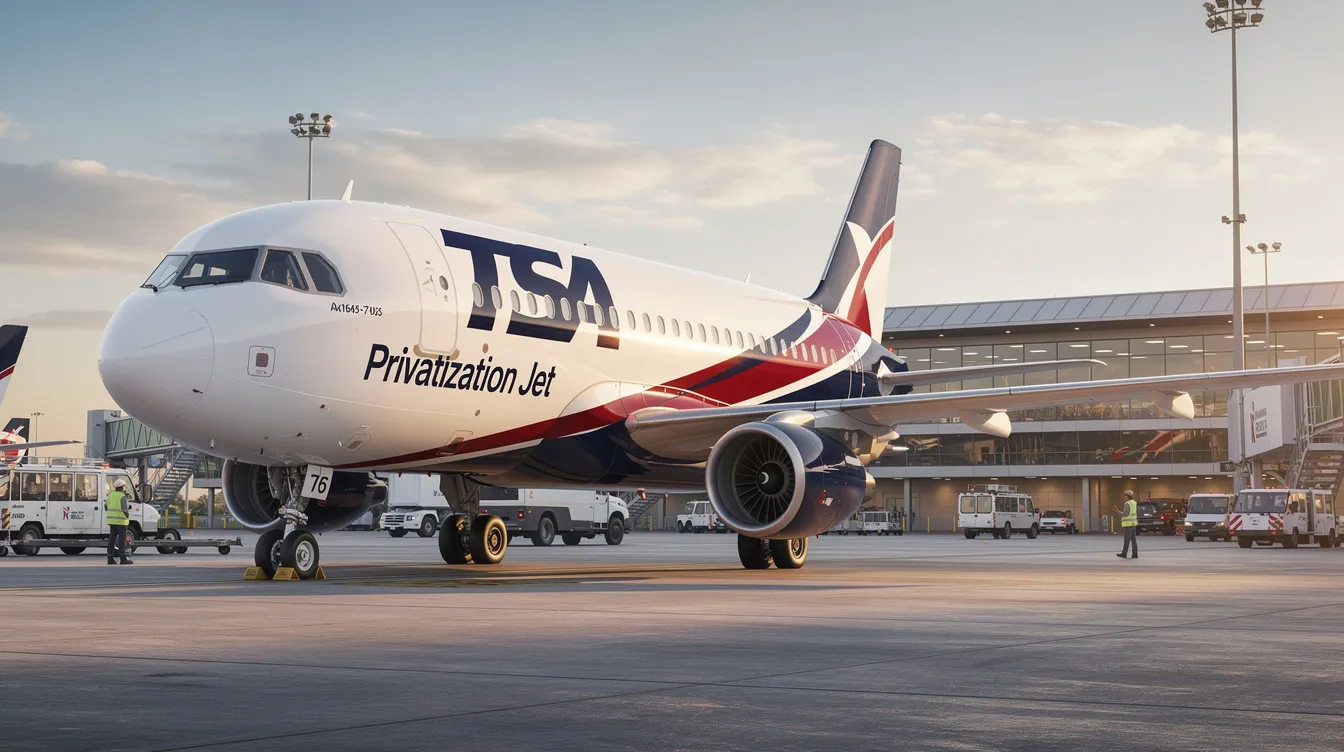
The debate over TSA privatization is intensifying as the government considers expanding contractor-run checkpoints at airports. This shift could significantly impact travelers, TSA employees, and the overall security landscape, raising questions about efficiency, accountability, and labor conditions. Understanding the implications of privatization is essential for anyone navigating the evolving airport security environment.
Jay Franco Serevilla
Sep 6, 2026
|
5
min read

View all
Traveling from Nairobi to Isiolo offers various options, including driving, bus, and private jet charter. The distance is approximately 260 to 280 kilometers by road, taking around 4 to 5 hours by car, while a private flight can reduce travel time to under 2 hours. Jettly provides a convenient platform for booking private flights, making it an ideal choice for those seeking speed and flexibility.
Jay Franco Serevilla
Sep 6, 2026
|
5
min read
View all
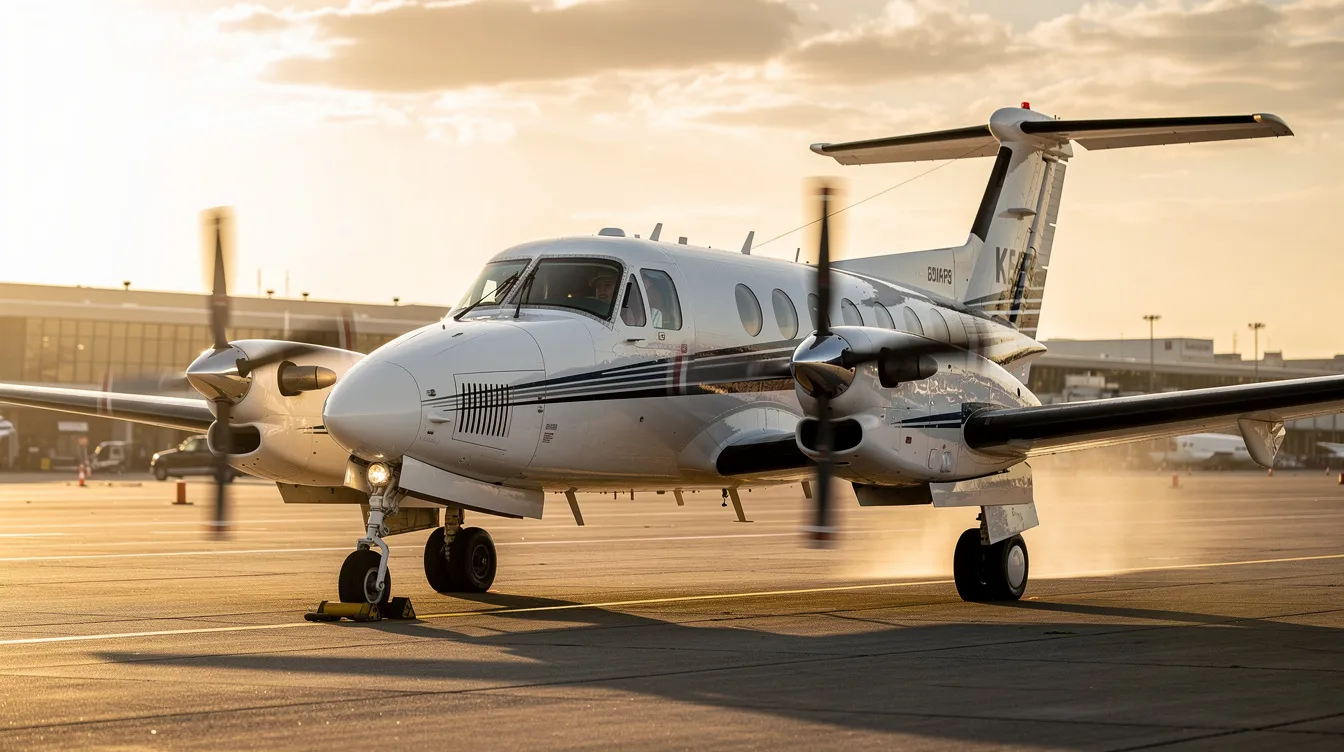
Understanding the fuel burn of the King Air 200 is vital for charter planning and ownership evaluation. With typical consumption ranging from 100 to 115 gallons per hour, this turboprop offers an efficient alternative for regional flights under 1,000 nautical miles. Jettly provides instant pricing that reflects real-world fuel costs, making it easier for travelers to compare charter options.
Jay Franco Serevilla
Sep 6, 2026
|
5
min read
Explore our latest articles and updates.

5
min read
Helicopters: History, Technology, and How They Power Modern Private Travel
Helicopters provide unique advantages in aviation, such as vertical takeoff and landing, allowing access to locations without runways, which is essential for private travel to constrained destinations. They have evolved from early concepts to modern machines capable of various missions, including medical evacuation, search and rescue, and VIP transport. Jettly offers helicopter charter services that complement private jet travel, enabling seamless point-to-point transfers and direct access to remote locations. The choice between helicopters and fixed-wing aircraft depends on factors like distance, landing options, and passenger needs, with Jettly's platform facilitating easy comparisons and bookings.
Read More
5
min read
CheapOair Alternatives: Smarter Flight Deals and Private Jet Options with Jettly
CheapOair is a popular online travel agency that offers budget-friendly flight, hotel, and car rental options but often faces criticism for hidden fees and customer service issues. In contrast, Jettly provides a private jet charter marketplace with transparent pricing, dedicated support, and access to over 20,000 aircraft, catering to travelers who prioritize time, flexibility, and privacy over the lowest fare. While CheapOair is suitable for budget-conscious solo travelers with straightforward itineraries, Jettly is ideal for groups or urgent travel needs, offering a more personalized and efficient travel experience. Ultimately, the choice between the two depends on individual preferences for cost versus convenience and service quality.
Read MoreJoin our community and receive the latest blog updates directly in your inbox.
MEMBERSHIPS AND ASSOCIATIONS



Disclaimer: Jettly operates as a charter broker, offering access to a global digital jet charter marketplace. Jettly is not a direct air carrier and does not own or operate aircraft. All advertised flights are conducted by third-party air carriers that are fully licensed and hold the appropriate Part 135 or Part 121 certifications issued by the Federal Aviation Administration (FAA) or equivalent regulatory authorities under U.S. or foreign law. Jettly complies fully with the U.S. Department of Transportation's Part 295 and Part 298 Charter Broker regulations. Jettly does not carry additional liability insurance. Passengers are covered by aircraft operator insurance. TICO: 50023770


