


Login
Get Instant Pricing On 23,000+ Aircraft

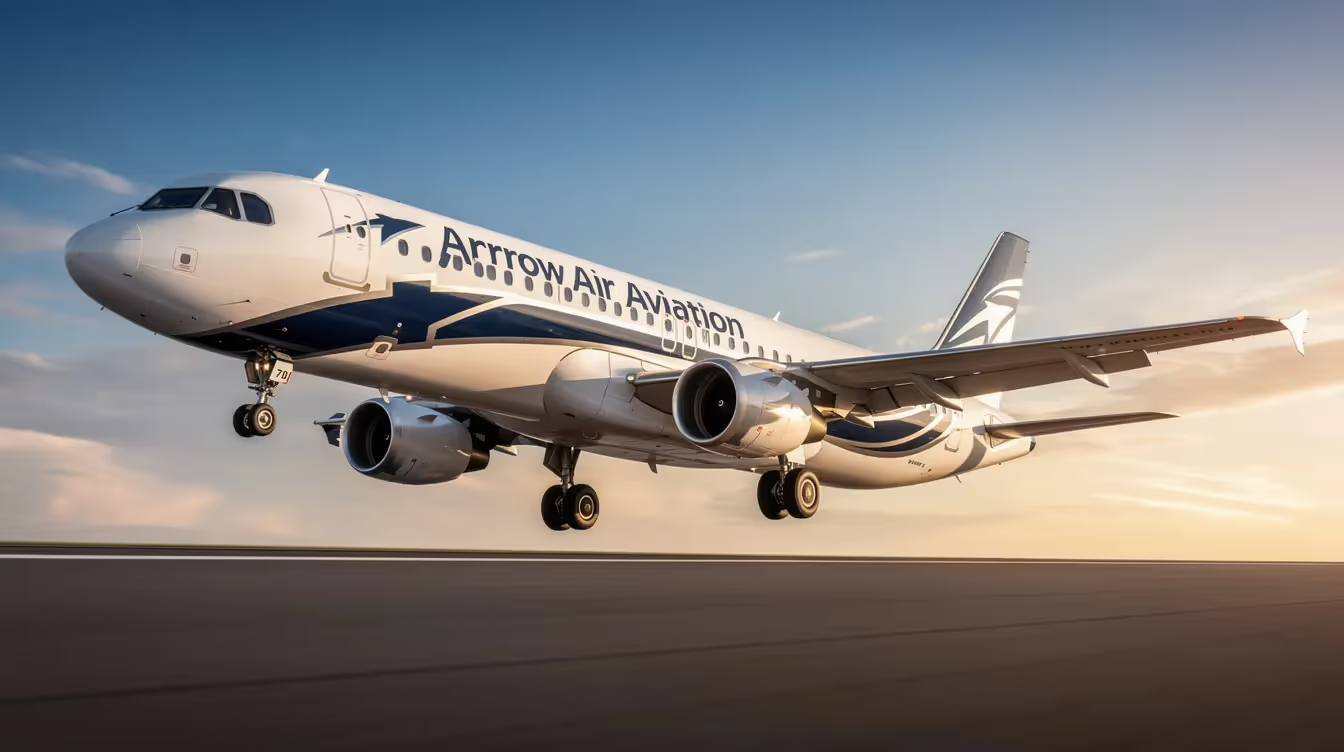
Arrow Air Flight 1285 crashed on December 12, 1985, shortly after takeoff from Gander, Newfoundland, resulting in the deaths of all 256 people on board, making it Canada's deadliest aviation disaster. The investigation revealed that ice contamination on the wings and an underestimation of the aircraft's weight contributed to the crash, leading to significant changes in aviation safety protocols in Canada. The controversy surrounding the investigation, including a dissenting minority report that proposed alternative theories, ultimately led to the dissolution of the Canadian Aviation Safety Board and the establishment of the Transportation Safety Board of Canada. Today, lessons from this tragedy continue to shape modern aviation practices, emphasizing rigorous safety standards, data-driven flight planning, and transparency in operations, as exemplified by platforms like Jettly.
Jay Franco Serevilla
May 17, 2026
|
5
min read


View all
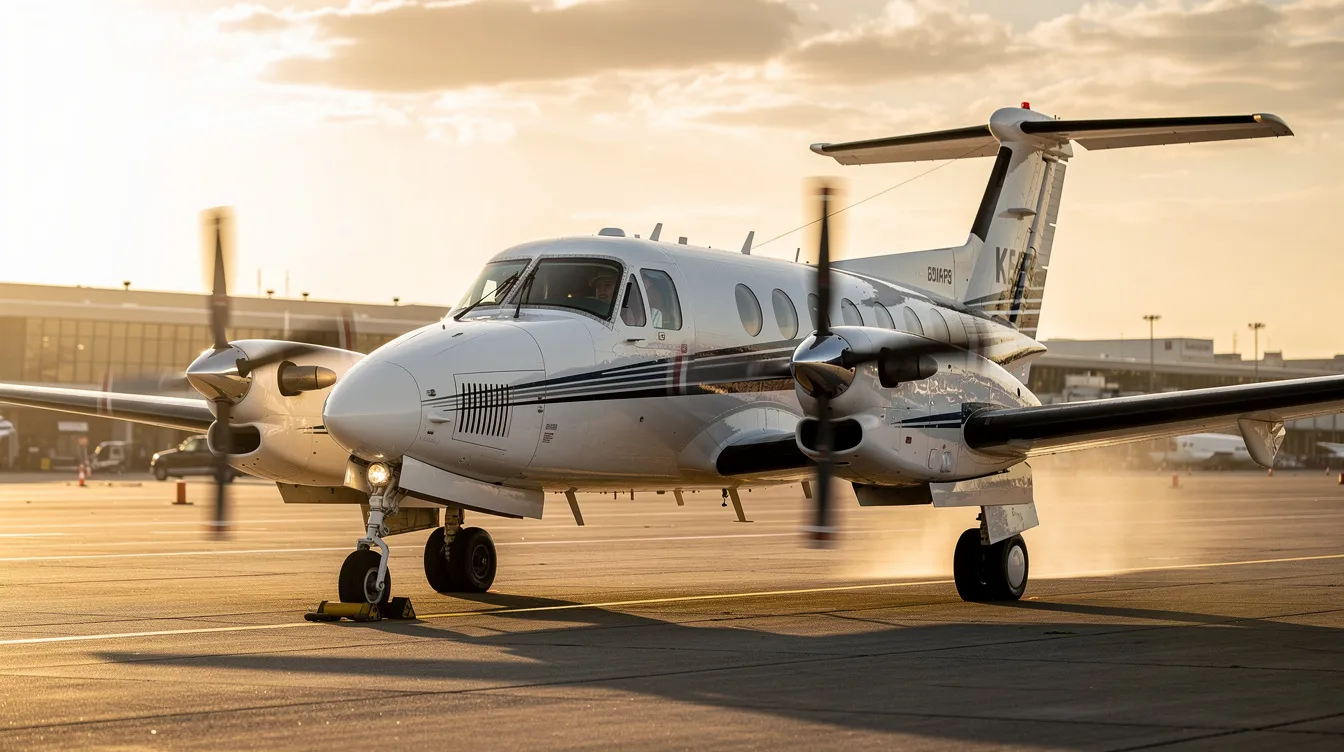
Understanding the fuel burn of the King Air 200 is vital for charter planning and ownership evaluation. With typical consumption ranging from 100 to 115 gallons per hour, this turboprop offers an efficient alternative for regional flights under 1,000 nautical miles. Jettly provides instant pricing that reflects real-world fuel costs, making it easier for travelers to compare charter options.
Jay Franco Serevilla
Sep 6, 2026
|
5
min read
View all
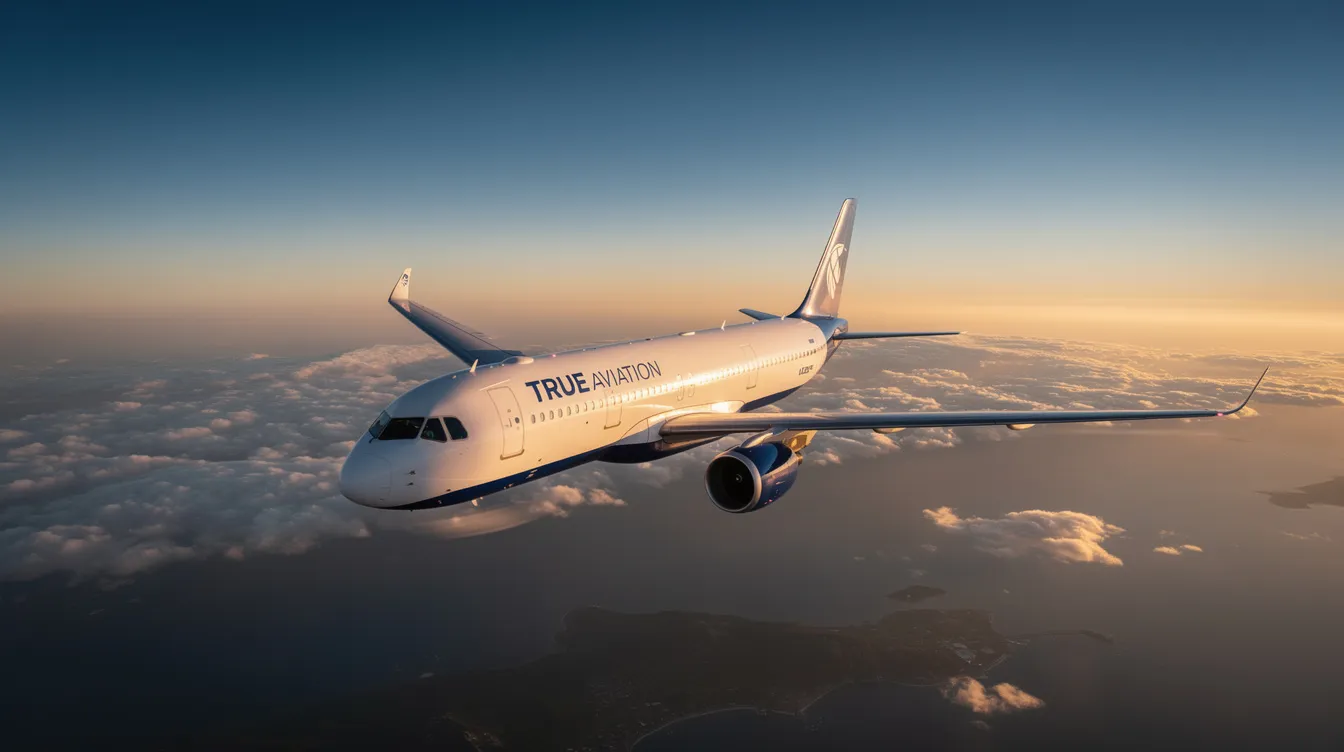
True aviation in private charter emphasizes verified safety, compliance, and transparency standards. Jettly redefines this concept by connecting travelers to over 20,000 certified aircraft, ensuring a reliable and efficient booking experience without hidden costs.
Jay Franco Serevilla
Sep 6, 2026
|
5
min read

View all
The Boeing 787 Dreamliner's takeoff speed typically ranges from 140 to 170 knots, influenced by various factors such as weight and environmental conditions. Understanding the critical V-speeds—V1, VR, and V2—provides insights into the aircraft's performance and safety during takeoff. This knowledge is essential for travelers comparing commercial flights with private jet options, as it highlights differences in runway requirements and airport access.
Jay Franco Serevilla
Sep 6, 2026
|
5
min read
View all
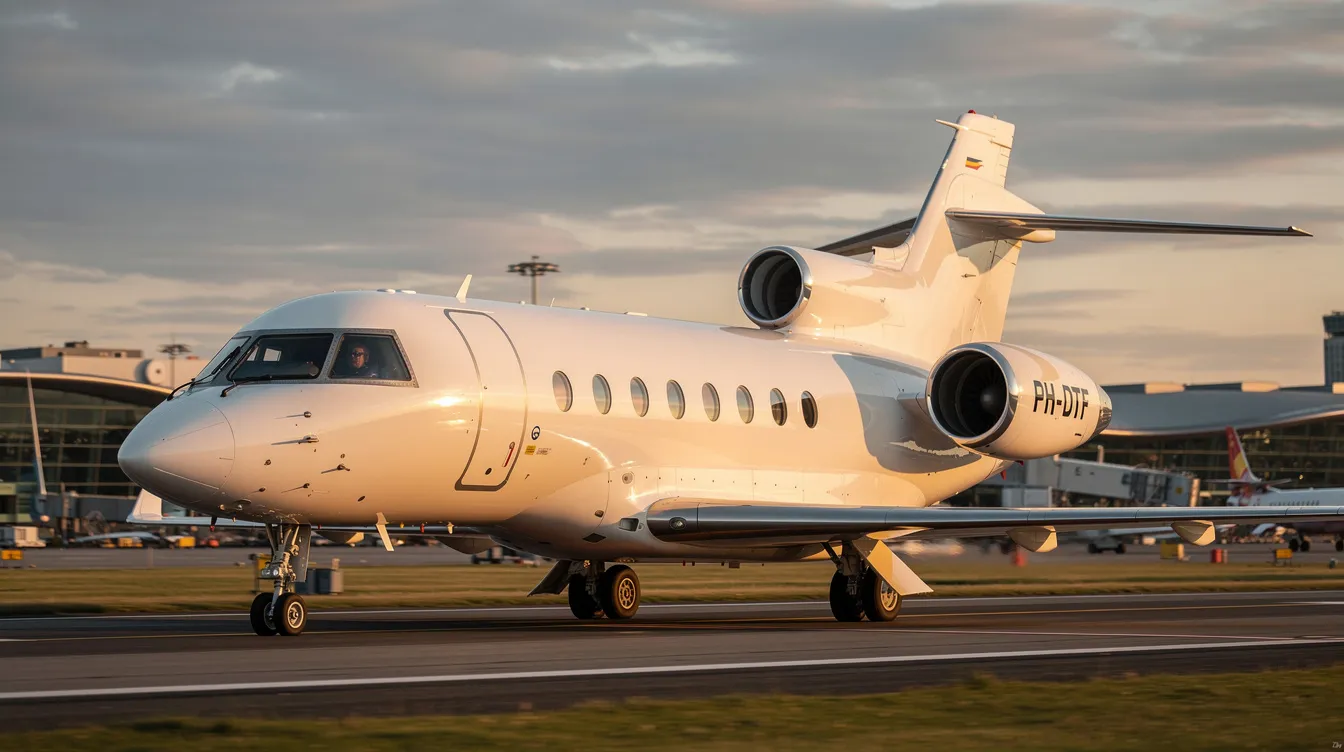
The PH-DTF is a 2008 Dassault Falcon 900EX EASy, a tri-engine business jet known for its long-range capabilities and luxury. With a flight history spanning Europe and North America, it offers travelers a comfortable and efficient option for private jet charters. This article explores its technical specifications, flight history, and how to charter similar aircraft through platforms like Jettly.
Jay Franco Serevilla
Sep 6, 2026
|
5
min read
View all
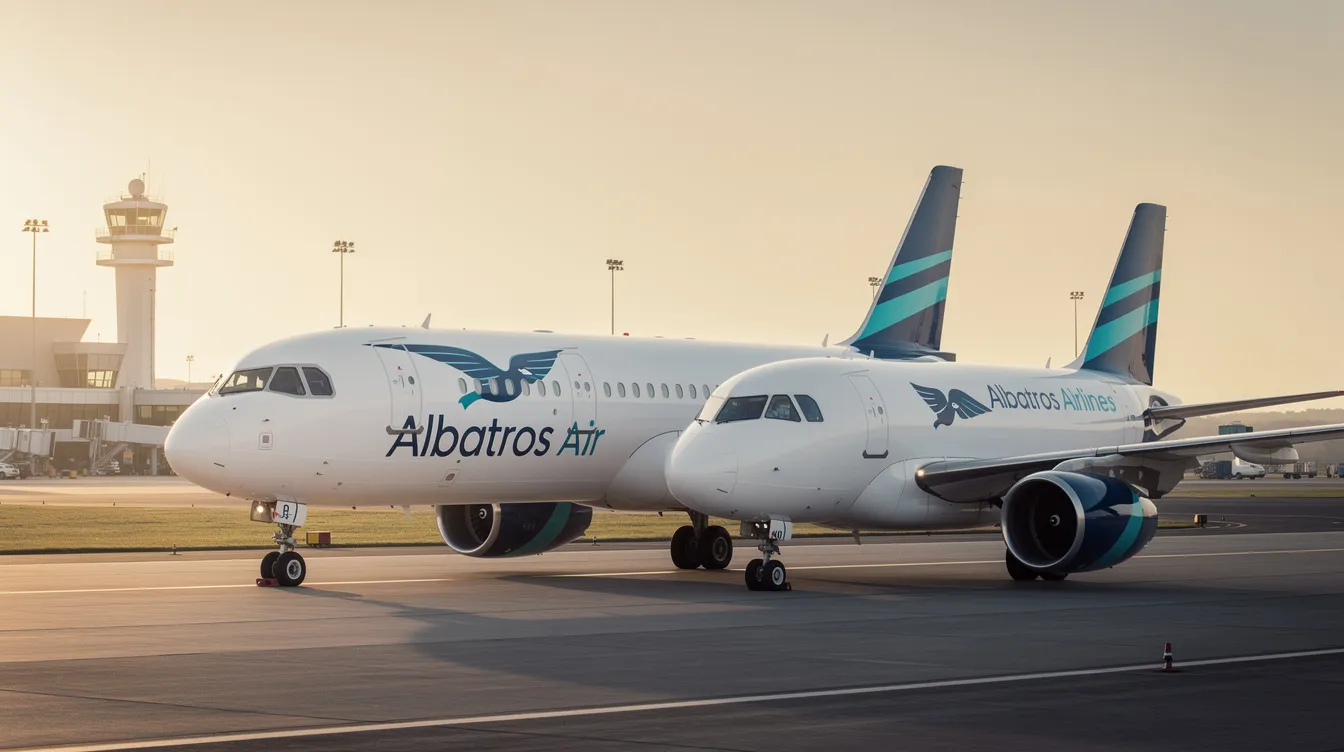
Albatros Airlines and Albatross Air are two distinct aviation companies serving different markets. Albatros Airlines operates scheduled and charter flights in Venezuela, while Albatross Air focuses on local charter services and flight training in West Virginia. For travelers seeking flexibility, digital platforms like Jettly offer access to thousands of aircraft worldwide, enhancing travel options beyond traditional airlines.
Jay Franco Serevilla
Sep 6, 2026
|
5
min read

View all
In 2026, a 25-hour NetJets card for a light jet like the Phenom 300 starts at approximately $215,000, with total costs reaching between $247,000 and $262,000 after additional fees. This guide provides a comprehensive breakdown of costs, comparisons with fractional ownership, and insights into whether prepaying for flight hours is the best option for travelers. Understanding these details helps buyers make informed decisions about private aviation solutions.
Jay Franco Serevilla
Sep 5, 2026
|
5
min read
Explore our latest articles and updates.
5
min read
Powered Sailplane: A Modern Guide to Motor Gliders, Performance and Private Travel
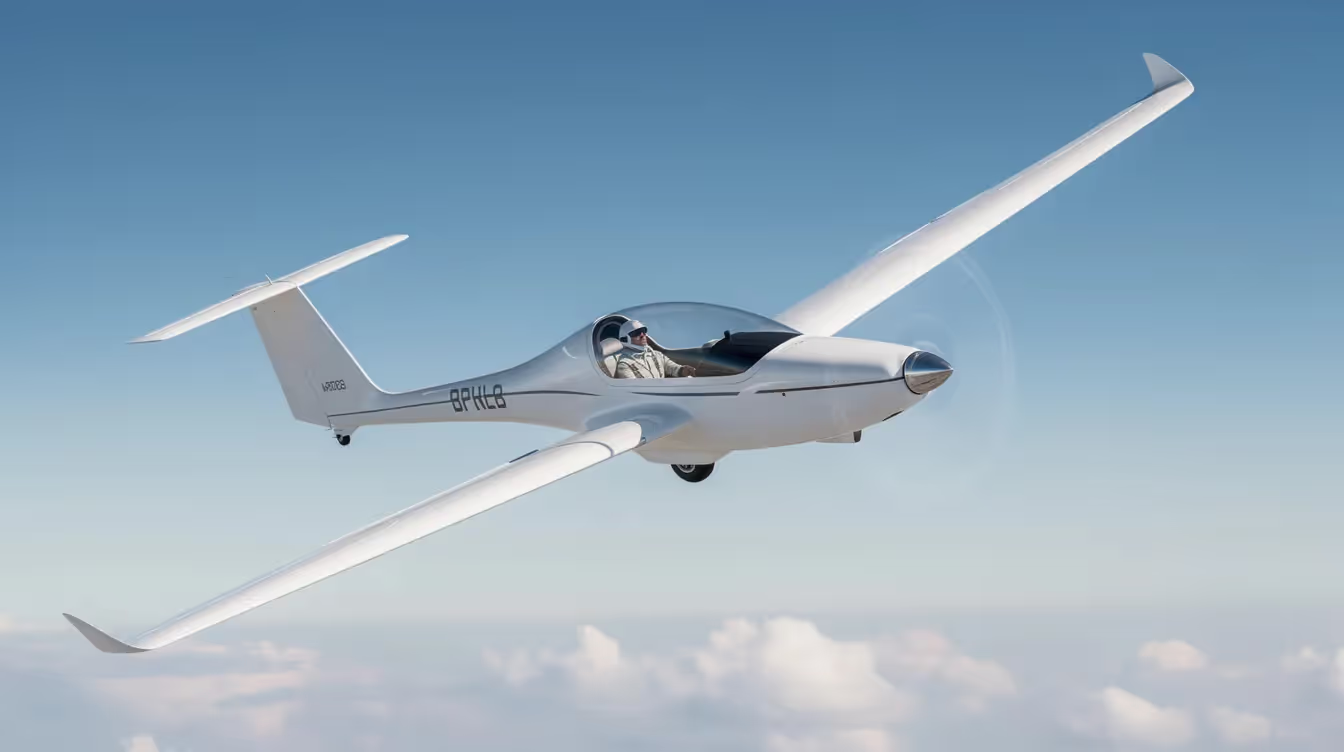
Powered sailplanes, or motor gliders, combine the aerodynamic efficiency of traditional gliders with onboard propulsion systems, allowing for self-launching and extended flights. They are categorized into sustainer, self-launching, and touring motor gliders, each offering unique performance characteristics and operational flexibility. While powered sailplanes excel in sport and recreational aviation, providing pilots with enhanced safety and independence, they are not as practical for time-sensitive travel compared to private jet charters, which offer speed and comfort. As electric and hybrid technologies advance, powered sailplanes are likely to influence broader trends in private aviation toward lower emissions and improved efficiency.
Read More5
min read
Powered Sailplane: A Modern Guide to Motor Gliders, Performance and Private Travel
Powered sailplanes, or motor gliders, combine the aerodynamic efficiency of traditional gliders with onboard propulsion systems, allowing for self-launching and extended flights. They are categorized into sustainer, self-launching, and touring motor gliders, each offering unique performance characteristics and operational flexibility. While powered sailplanes excel in sport and recreational aviation, providing pilots with enhanced safety and independence, they are not as practical for time-sensitive travel compared to private jet charters, which offer speed and comfort. As electric and hybrid technologies advance, powered sailplanes are likely to influence broader trends in private aviation toward lower emissions and improved efficiency.
Read MoreJoin our community and receive the latest blog updates directly in your inbox.
MEMBERSHIPS AND ASSOCIATIONS



Disclaimer: Jettly operates as a charter broker, offering access to a global digital jet charter marketplace. Jettly is not a direct air carrier and does not own or operate aircraft. All advertised flights are conducted by third-party air carriers that are fully licensed and hold the appropriate Part 135 or Part 121 certifications issued by the Federal Aviation Administration (FAA) or equivalent regulatory authorities under U.S. or foreign law. Jettly complies fully with the U.S. Department of Transportation's Part 295 and Part 298 Charter Broker regulations. Jettly does not carry additional liability insurance. Passengers are covered by aircraft operator insurance. TICO: 50023770


