


Login
Get Instant Pricing On 23,000+ Aircraft

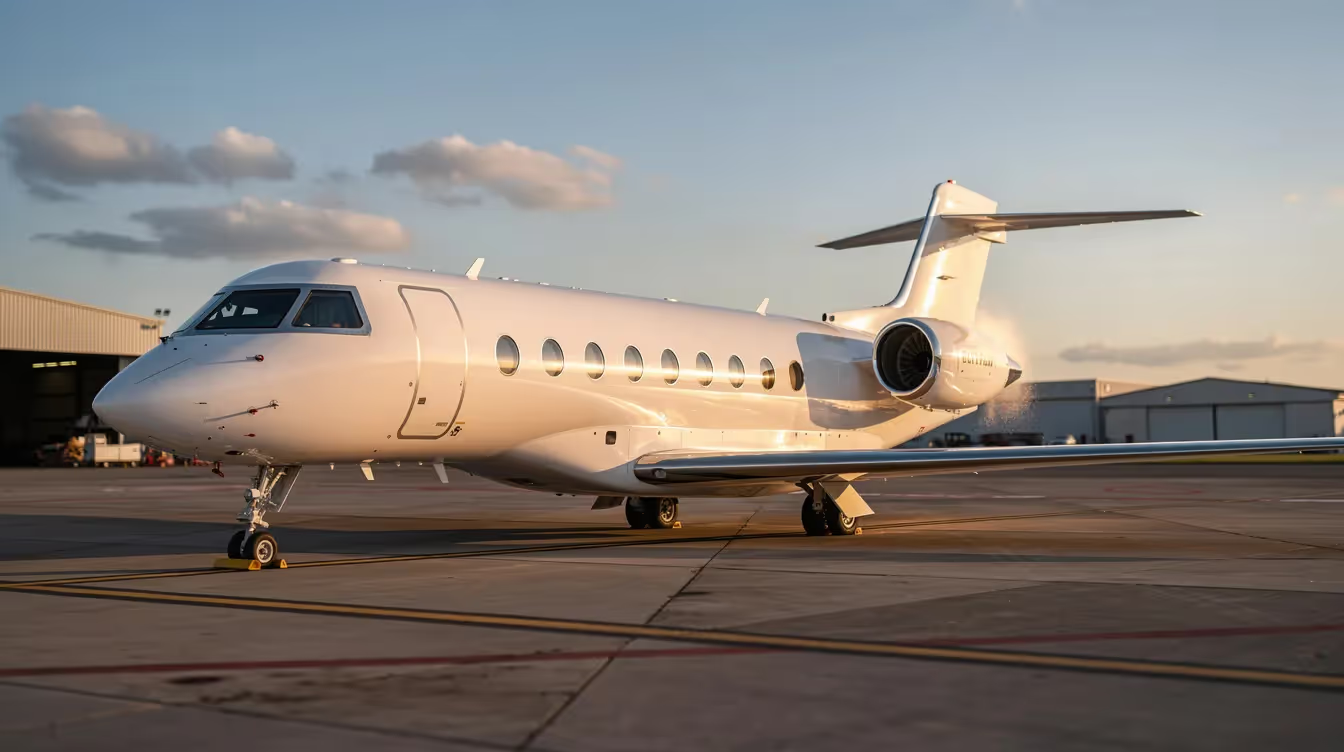
The Gulfstream V is a highly regarded ultra-long-range business jet, capable of non-stop intercontinental flights with a range of 6,250 to 6,500 nautical miles and accommodating 12 to 16 passengers in a spacious cabin. It features advanced avionics and performance capabilities, making it suitable for various applications, including corporate travel and government operations. Chartering through platforms like Jettly offers a cost-effective alternative to ownership, with transparent pricing and flexible access to the aircraft without long-term commitments. The Gulfstream V remains a popular choice for travelers seeking comfort, efficiency, and reliability in private aviation.
Jay Franco Serevilla
May 13, 2026
|
5
min read



View all
This guide provides insights into helicopter flying times, helping travelers understand what to expect when booking a flight. Factors such as distance, weather, and aircraft type influence the duration of flights, with typical airborne times ranging from 15 to 60 minutes. Knowing these details allows for better planning and a more enjoyable charter experience.
Jay Franco Serevilla
Sep 1, 2026
|
5
min read
View all
This guide provides insights into helicopter flying times, helping travelers understand what to expect when booking a flight. Factors such as distance, weather, and aircraft type influence the duration of flights, with typical airborne times ranging from 15 to 60 minutes. Knowing these details allows for better planning and a more enjoyable charter experience.
Jay Franco Serevilla
Aug 30, 2026
|
5
min read

View all
The term 'jet air airlines' often refers to defunct carriers like Jet Airways and JetAir Caribbean. With these airlines no longer operational, travelers are turning to private jet charter services like Jettly for flexible and convenient travel options. Jettly offers instant pricing and access to over 20,000 aircraft, providing a modern alternative to traditional commercial flights.
Jay Franco Serevilla
Aug 30, 2026
|
5
min read

View all
Discover the most popular private planes in the aviation market, categorized by their range and passenger capacity. This guide highlights top jets like the Embraer Phenom 300 and Gulfstream G650ER, focusing on their features, charter demand, and pricing trends from 2023 to 2025. Whether you're a first-time flyer or a seasoned traveler, understanding these options can enhance your private travel experience.
Jay Franco Serevilla
Aug 30, 2026
|
5
min read

View all
Jettly's private jet limousine service offers a seamless travel experience by combining private jet charters with professional ground transportation. This integrated service ensures that travelers enjoy door-to-door convenience, privacy, and flexibility without the hassle of separate bookings. With access to over 20,000 aircraft and a range of vehicle options, Jettly caters to both business and leisure travelers seeking efficient and luxurious travel solutions.
Jay Franco Serevilla
Aug 30, 2026
|
5
min read

View all
Knowing when to book a flight can significantly impact travel costs, with optimal booking windows varying for domestic and international flights. Private jet charters through Jettly offer more flexibility, allowing travelers to book closer to departure without the constraints of commercial fare cycles. This guide provides insights into the best times to book flights and how private aviation changes the rules.
Jay Franco Serevilla
Aug 30, 2026
|
5
min read
Explore our latest articles and updates.

5
min read
General Dynamics F-16 "Fighting Falcon": Design, History, and Modern Relevance
The General Dynamics F-16 Fighting Falcon is a multirole air combat fighter known for its agility and advanced avionics, first delivered in 1979. With over 4,600 units built, it remains a key asset for around 25 air forces worldwide, showcasing continuous modernization and operational versatility. This guide explores its design, combat history, and relevance in modern military aviation.
Read More
5
min read
When Will Flights Get Cheaper? A 2026 Guide for Commercial and Private Travelers
In 2026, flight prices are expected to remain high due to factors like fuel costs and limited aircraft capacity. However, travelers can still find affordable options by booking strategically and being flexible with their travel dates. This guide offers insights for both commercial and private travelers on how to navigate pricing trends and secure better deals.
Read MoreJoin our community and receive the latest blog updates directly in your inbox.
MEMBERSHIPS AND ASSOCIATIONS



Disclaimer: Jettly operates as a charter broker, offering access to a global digital jet charter marketplace. Jettly is not a direct air carrier and does not own or operate aircraft. All advertised flights are conducted by third-party air carriers that are fully licensed and hold the appropriate Part 135 or Part 121 certifications issued by the Federal Aviation Administration (FAA) or equivalent regulatory authorities under U.S. or foreign law. Jettly complies fully with the U.S. Department of Transportation's Part 295 and Part 298 Charter Broker regulations. Jettly does not carry additional liability insurance. Passengers are covered by aircraft operator insurance. TICO: 50023770


