



Login
Get Instant Pricing On 23,000+ Aircraft


The Airbus A330 boasts a maximum operating speed of Mach 0.86, with typical cruising speeds ranging from Mach 0.82 to 0.84 for optimal fuel efficiency. Variants like the A330neo enhance fuel economy while maintaining similar speed capabilities. Understanding these speeds aids travelers in comparing commercial flights with private jet options.
Jay Franco Serevilla
Jul 19, 2026
|
5
min read



View all
Understanding private jet charter costs in 2026 can be complex due to various fees beyond the hourly rate. This guide breaks down the all-in pricing, including examples and factors affecting costs, ensuring travelers can make informed decisions. Learn how to request accurate quotes and avoid hidden charges.
Jay Franco Serevilla
Nov 2, 2026
|
5
min read

View all
Alaska Airlines operates a focused hub network primarily along the West Coast, enhancing connectivity to Alaska, Hawaii, and beyond. This guide details key airports, routes, and how private jet alternatives like Jettly can complement commercial flights for a seamless travel experience.
Jay Franco Serevilla
Nov 2, 2026
|
5
min read

View all
Flying with pets on private jets in 2026 offers a stress-free alternative to commercial travel, allowing pets to stay in the cabin with their owners. However, approval from the operating air carrier and adherence to destination rules are crucial for a smooth journey. This guide outlines essential policies, paperwork, baggage limits, and costs associated with pet travel on private jets.
Jay Franco Serevilla
Nov 2, 2026
|
5
min read

View all
Choosing the right private jet involves understanding the differences between very light, light, midsize, super-midsize, and heavy jets. Each category offers unique benefits in terms of passenger capacity, range, baggage space, and onboard amenities. This guide helps you match your travel needs with the appropriate jet type for a seamless flying experience.
Jay Franco Serevilla
Nov 1, 2026
|
5
min read

View all
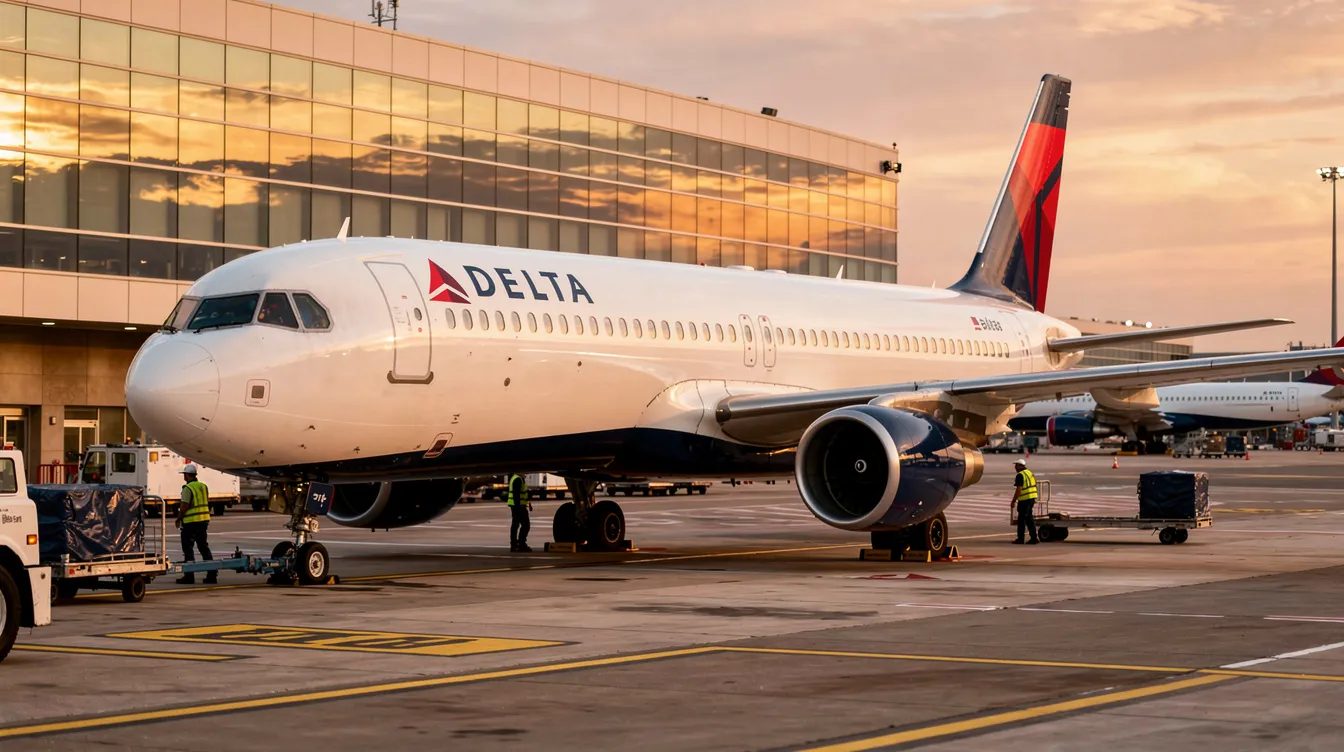
Delta ticket classes are defined by single-letter booking codes that determine fare, perks, and upgrade eligibility. Understanding these classes is crucial for frequent flyers and corporate travel planners, as they impact mileage earning and overall travel experience. For those seeking more flexibility and transparency, private jet charters like Jettly offer a compelling alternative to navigating Delta's complex fare structure.
Jay Franco Serevilla
Nov 1, 2026
|
5
min read
View all
Delta Perks encompass a range of benefits including employee discounts, the Total Rewards compensation package, and the SkyMiles loyalty program. While Delta offers significant advantages for frequent flyers, private jet charters through Jettly provide unmatched flexibility and privacy for time-sensitive travel. This guide compares the two options to help travelers choose the best fit for their needs.
Jay Franco Serevilla
Nov 1, 2026
|
5
min read
Explore our latest articles and updates.

5
min read
Why Did Flights Go Up Today? (And What You Can Do About It)
Flight prices can increase rapidly due to real-time pricing algorithms, booking surges, and changes in seat inventory. Understanding these dynamics allows travelers to make informed decisions, whether adjusting travel dates or considering private jet charters for better control over costs. This guide explores the reasons behind fare spikes and offers strategies to manage travel expenses effectively.
Read More
5
min read
Why Planes Fly at 35,000 Feet: The Real Reason Behind Cruising Altitude
Planes typically fly at 35,000 feet because this altitude optimizes fuel efficiency, engine performance, and passenger comfort while minimizing turbulence. The thin air at this height reduces aerodynamic drag, allowing aircraft to travel faster and consume less fuel. Additionally, flying at this altitude helps avoid most weather disturbances, ensuring a smoother ride for passengers.
Read MoreJoin our community and receive the latest blog updates directly in your inbox.
MEMBERSHIPS AND ASSOCIATIONS



Disclaimer: Jettly operates as a charter broker, offering access to a global digital jet charter marketplace. Jettly is not a direct air carrier and does not own or operate aircraft. All advertised flights are conducted by third-party air carriers that are fully licensed and hold the appropriate Part 135 or Part 121 certifications issued by the Federal Aviation Administration (FAA) or equivalent regulatory authorities under U.S. or foreign law. Jettly complies fully with the U.S. Department of Transportation's Part 295 and Part 298 Charter Broker regulations. Jettly does not carry additional liability insurance. Passengers are covered by aircraft operator insurance. TICO: 50023770


