



Login
Get Instant Pricing On 23,000+ Aircraft

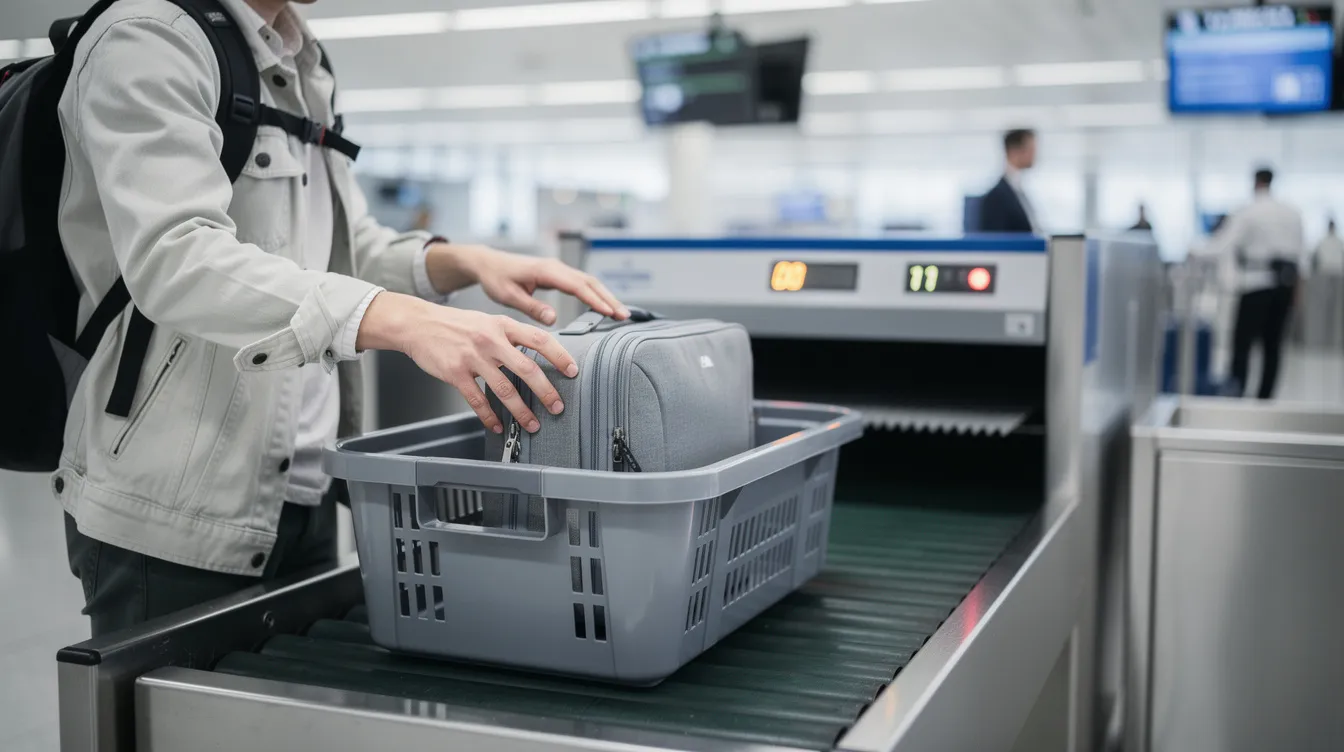
Cigarettes can be carried in both carry-on and checked luggage on most airlines, but smoking on commercial flights is strictly prohibited, with fines up to $4,000 for violations. While there are no domestic limits on the number of cigarettes for personal use in the U.S., international travel is subject to customs regulations, typically allowing around 200 cigarettes duty-free per adult, though this varies by country. Lighters, vapes, and other smoking accessories have stricter rules, often requiring them to be kept in carry-on luggage only. Private jet charters may allow smoking if permitted by the aircraft owner and operator, offering more flexibility compared to commercial flights.
Jay Franco Serevilla
Jun 29, 2026
|
5
min read


View all
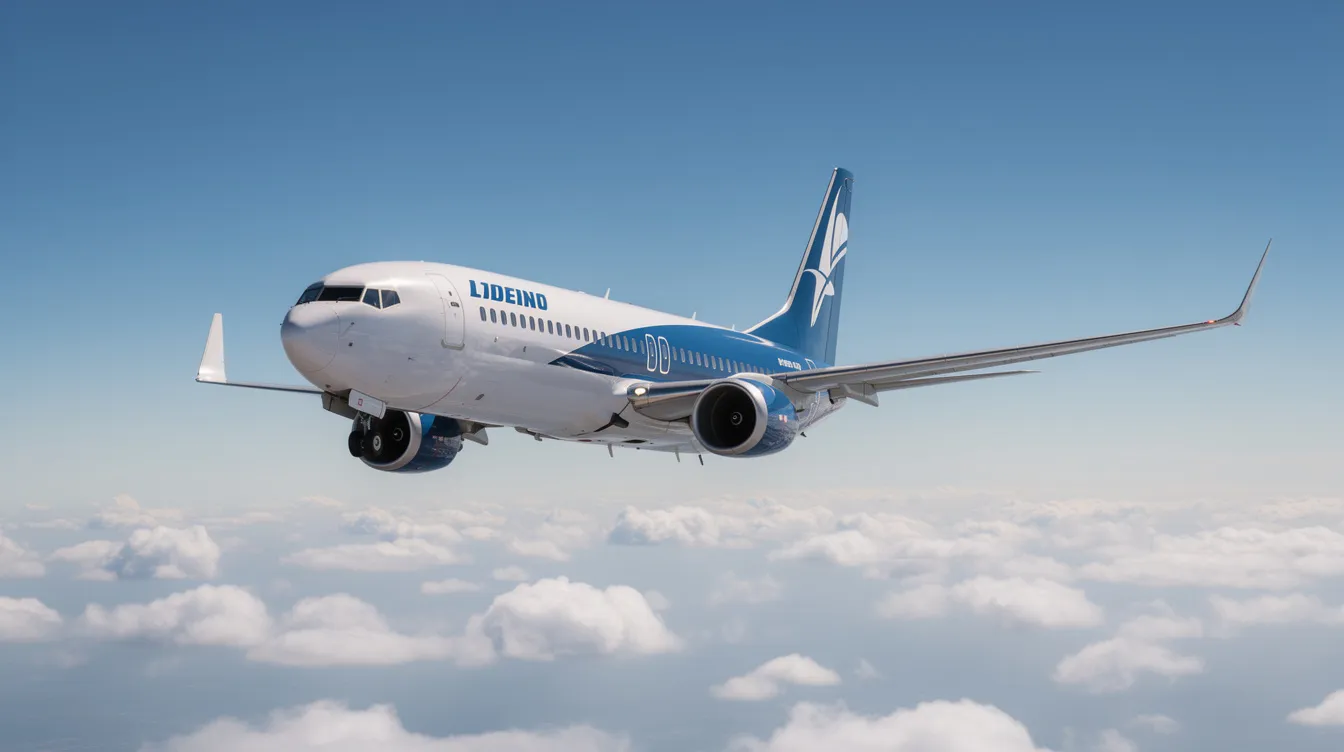
The Boeing 737-800 is a leading narrowbody airliner known for its maximum speed of Mach 0.82, translating to approximately 620-630 mph. In practice, it typically cruises at Mach 0.78-0.79, balancing speed and fuel efficiency for airlines and charter operators. With a range of about 2,935 nautical miles and seating for up to 189 passengers, it serves both commercial and private charter needs effectively.
Jay Franco Serevilla
Oct 17, 2026
|
5
min read
View all
Golden State Flying Club in San Diego offers accessible flight training and affordable aircraft rental at Gillespie Field. With a focus on community and cost-effective learning, the club supports aspiring pilots through structured programs and experienced instructors. Members enjoy flexible scheduling and the opportunity to fly a well-maintained fleet of aircraft for both training and personal trips.
Jay Franco Serevilla
Oct 17, 2026
|
5
min read
View all
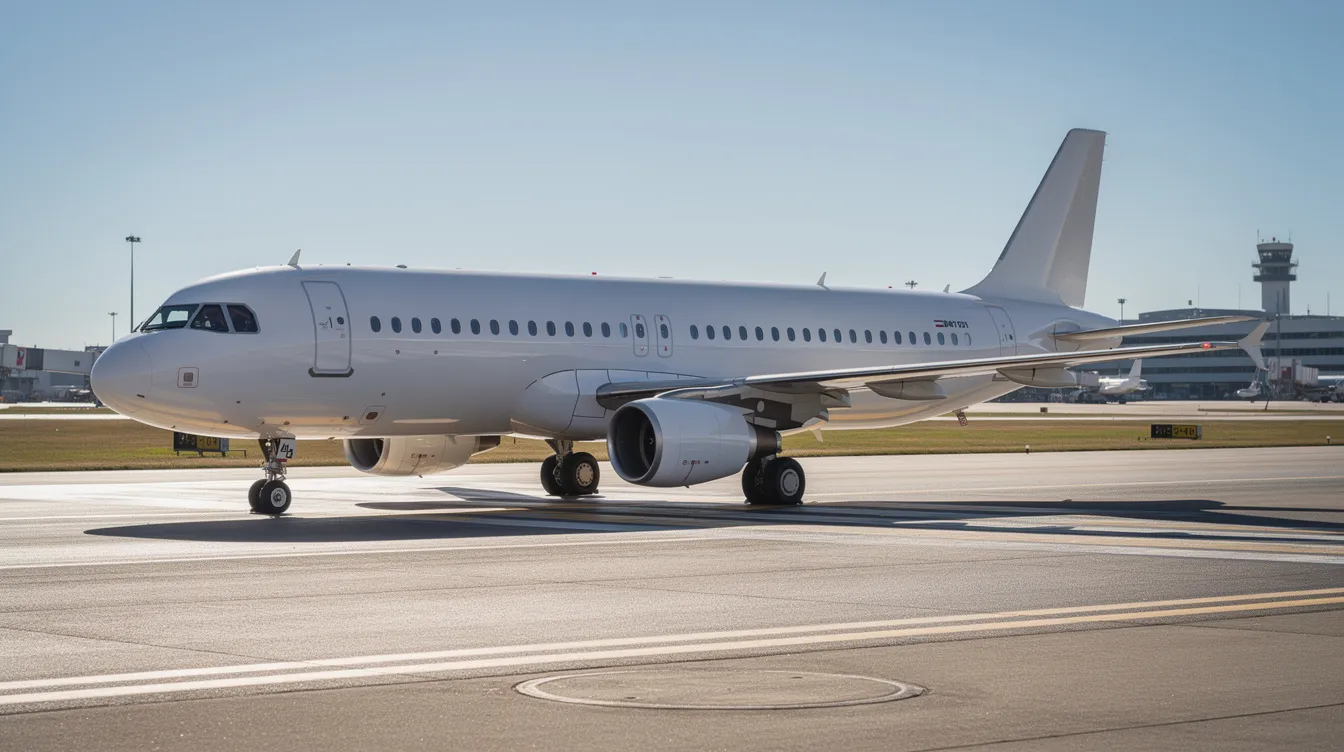
The Boeing 737-800, measuring 129 ft 6 in (39.47 m), is a leading single-aisle airliner known for its passenger capacity and operational efficiency. This guide provides insights into its dimensions, seating configurations, and charter use, making it essential for airlines and charter customers. Understanding the 737-800's specifications helps optimize route planning and enhance passenger experience.
Jay Franco Serevilla
Oct 17, 2026
|
5
min read
View all
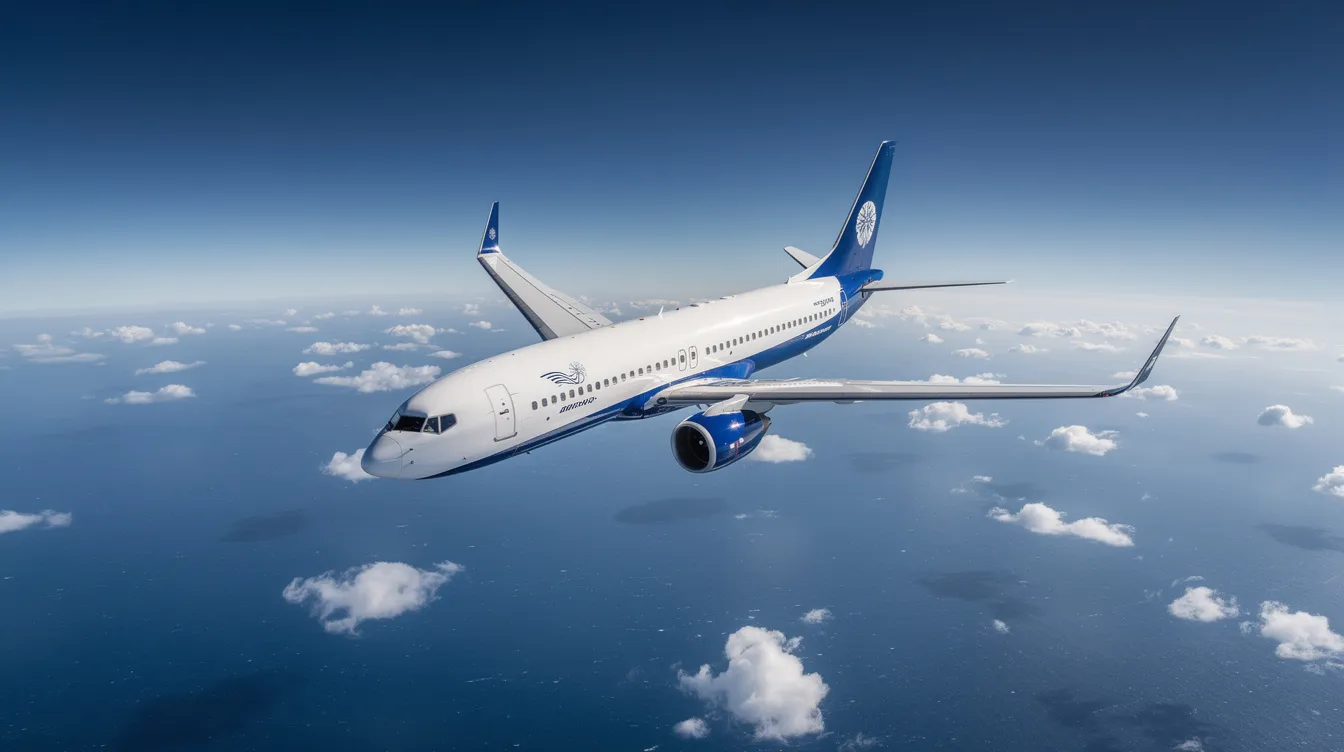
The Boeing 737-800 is a widely used single-aisle aircraft with a maximum range of approximately 3,377 nautical miles. However, real-world factors such as payload, weather, and airport conditions can significantly affect its effective range, typically reducing it to 2,800 to 3,100 nautical miles for commercial operations. This guide provides insights into the aircraft's range capabilities and practical considerations for travelers and charter customers.
Jay Franco Serevilla
Oct 17, 2026
|
5
min read
View all
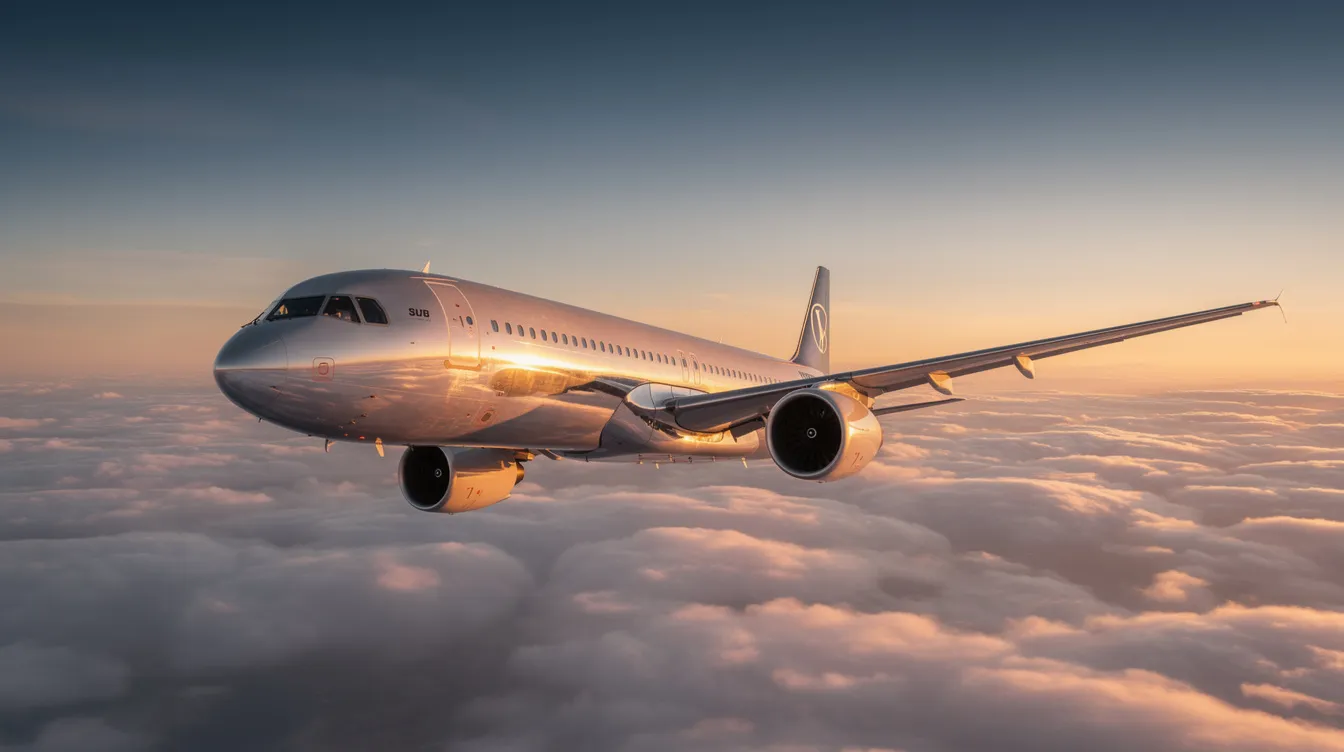
The Boeing 777-300 and 777-300ER are advanced long-haul aircraft known for their efficiency and capacity. With significant upgrades in range and engine power, the 777-300ER has become a preferred choice for intercontinental flights. This guide provides insights into their features, cabin layouts, and comparisons with private jet charters, helping travelers make informed decisions.
Jay Franco Serevilla
Oct 17, 2026
|
5
min read
View all
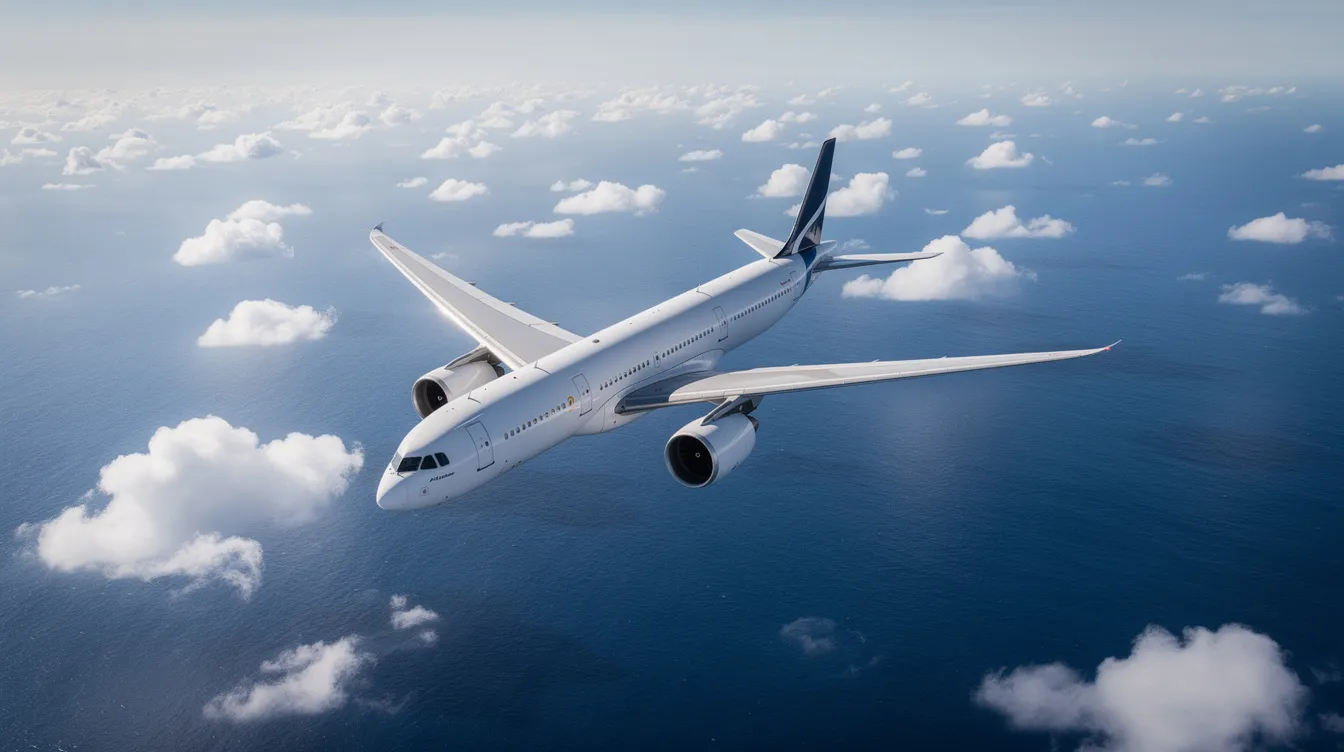
The Boeing 777 family features an impressive range, from 5,240 nautical miles for the 777-200 to 9,500 nautical miles for the upcoming 777-8. This extensive range allows airlines to operate virtually every long-haul route, making the 777 a staple in commercial aviation. Understanding these capabilities is essential for both travelers and operators in optimizing flight planning.
Jay Franco Serevilla
Oct 17, 2026
|
5
min read
Explore our latest articles and updates.

5
min read
Flight Sharing: A Real Alternative to Private Aviation?
Flight sharing is revolutionizing private aviation by allowing passengers to share costs, making it a more affordable and flexible alternative to traditional private jet charters. This model, akin to ride-sharing services, enhances accessibility for a broader audience while offering greater flexibility in scheduling compared to commercial flights. Regulated by authorities like the European Union Aviation Safety Agency (EASA), flight-sharing platforms connect passengers with licensed private pilots, ensuring safety and compliance. As technology and regulations evolve, flight sharing is poised to play a significant role in shaping the future of private air travel, catering to diverse needs and budgets.
Read More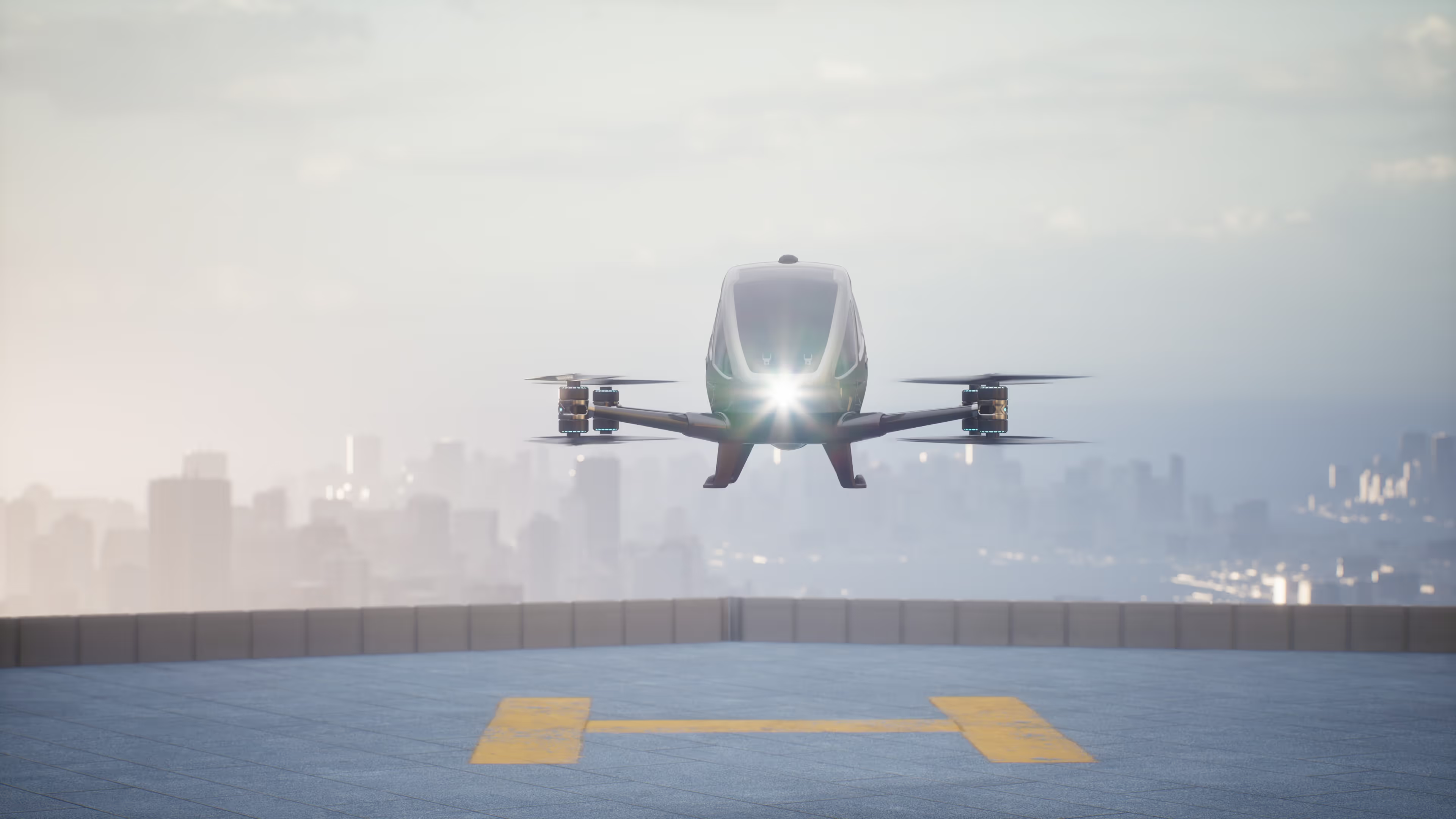
5
min read
The Future of Personal VTOL Aircraft: Easy, Efficient, and Accessible
The personal aviation industry is rapidly evolving with the introduction of electric and hybrid VTOL (Vertical Takeoff and Landing) aircraft, which offer unprecedented flexibility and efficiency for urban commuting and recreational flying. Innovations in materials, such as lightweight carbon fiber, enhance performance while reducing environmental impact, making personal aircraft more accessible and cost-effective. Safety features, including advanced flight control systems and training programs, are being prioritized to ensure safe operations for both novice and experienced pilots. As technology advances and regulatory frameworks adapt, personal aircraft are set to revolutionize travel, providing a sustainable and efficient alternative to traditional transportation methods.
Read MoreJoin our community and receive the latest blog updates directly in your inbox.
MEMBERSHIPS AND ASSOCIATIONS



Disclaimer: Jettly operates as a charter broker, offering access to a global digital jet charter marketplace. Jettly is not a direct air carrier and does not own or operate aircraft. All advertised flights are conducted by third-party air carriers that are fully licensed and hold the appropriate Part 135 or Part 121 certifications issued by the Federal Aviation Administration (FAA) or equivalent regulatory authorities under U.S. or foreign law. Jettly complies fully with the U.S. Department of Transportation's Part 295 and Part 298 Charter Broker regulations. Jettly does not carry additional liability insurance. Passengers are covered by aircraft operator insurance. TICO: 50023770


