



Login
Get Instant Pricing On 23,000+ Aircraft

>
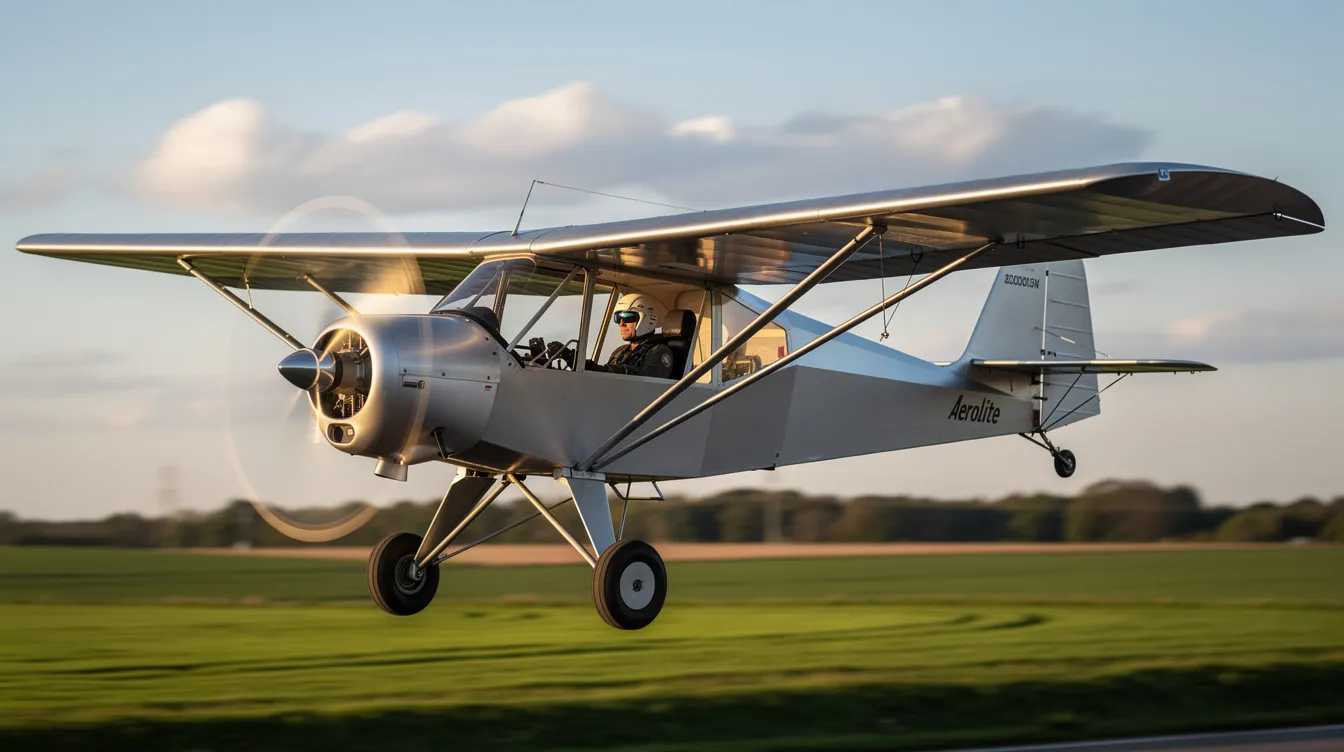
The Aerolite 103 is a single-seat, high-wing pusher ultralight built to meet U.S. FAR Part 103, which makes it one of the most popular ultralights on the market and allows it to be flown in the United States without a pilot license, medical certificate, or aircraft registration when operated within those limits. It appeals to aviation hobbyists, beginner pilots, and recreational flyers seeking a low-cost entry point to personal flight.
This guide is intended for aviation hobbyists, beginner pilots, and anyone interested in affordable personal flight.
This guide explains the Aerolite 103’s specs, price, buying and assembly options, Part 103 rules, flight requirements, performance, ownership considerations, and safety, while also showing how ultralight flying can fit into a broader path toward more advanced private aviation options such as Jettly. For anyone who has heard about personal flying but assumed it was out of reach, the Aerolite 103 changes the math and offers a practical first step into aviation—and for those who also share aviation content or audiences online, programs like Jettly’s ULTRA high-ticket affiliate program can even turn that passion into a revenue stream.
The Aerolite 103 requires no pilot license to operate when built within FAR Part 103 limits, making it one of the most accessible entry points into powered flight.
Buyers can choose between a kit, engine kits, and fully assembled aircraft, with price points ranging from roughly $16,950 for a basic airframe kit to over $35,000 for top-end factory-built configurations.
U-Fly-It Light Sport Aircraft LLC (operating as U Fly It Aero Works) in DeLand, Florida, is the current manufacturer, producing about 50–60 Aerolite 103 aircraft per year.
Part 103 regulations cap empty weight at 254 lb, maximum speed at 63 mph, and fuel capacity at 5 gallons, which shape how and where pilots can fly—day VFR, single-seat, recreational use only.
Aviation enthusiasts who outgrow ultralights or need multi-passenger, long-distance travel often book private jet charters through a wide fleet via digital platforms like Jettly.
The Aerolite 103 is a single-seat, high-wing, pusher-configuration ultralight aircraft designed to comply with U.S. FAR Part 103 rules. (A Part 103 ultralight aircraft is a category defined by the FAA for lightweight, single-seat recreational aircraft that do not require a pilot license or registration when operated within specific limits.) Its pusher engine layout places the powerplant behind the pilot, improving forward visibility during flight. The design by Terry Raber first flew on October 6, 1996, and debuted publicly at AirVenture Oshkosh in 1997, where it won the grand champion ultralight award for design and craftsmanship. Raber built and delivered several hundred Aerolite 103s before exiting aircraft manufacturing.
Original production under Aero Works in Ohio continued until the mid-2000s. Dennis Carley later acquired the design rights and restarted manufacturing in 2013 at DeLand, Florida, under the U Fly It brand. Carley, with extensive experience building ultralight and experimental aircraft, has grown production steadily to about 50–60 units annually. The global Aerolite 103 fleet is approaching 1,000 aircraft.
The aircraft is constructed from lightweight anodized aluminum tubing and covered with Dacron fabric. It features tricycle landing gear for better ground handling, fabric-covered tail and wing surfaces, and an open cockpit with simple instruments. This choice of materials keeps weight low and assembly straightforward—a design philosophy that has helped it remain one of the most recognizable ultralights at events like Sun 'n Fun and EAA AirVenture.
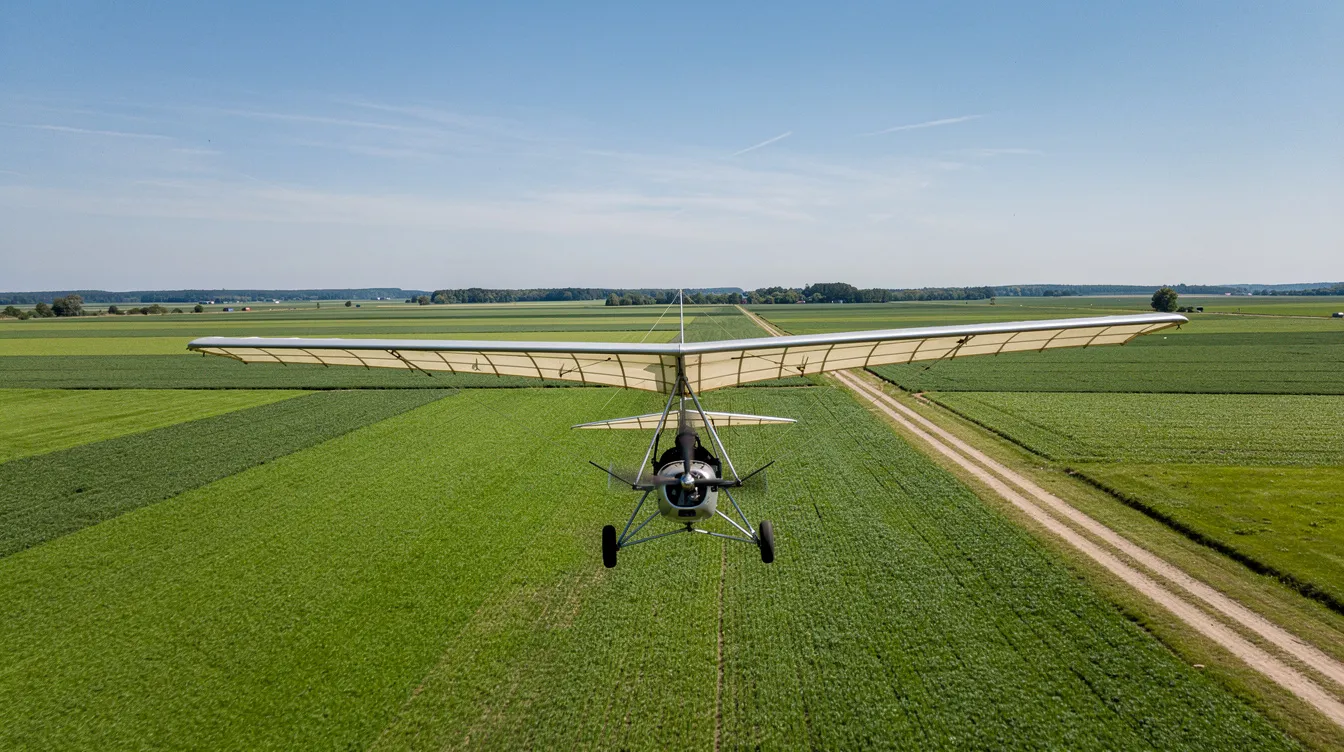
FAR Part 103 governs ultralight vehicles in the United States. To qualify, an aircraft must be single-occupant, carry no more than 5 U.S. gallons of fuel, have a maximum full-power level speed of 55 knots (63 mph), maintain a stall speed at or below 24 knots (about 28 mph), and have an empty weight under 254 pounds. The law is intentionally permissive: no airworthiness certificate is required.
When the Aerolite 103 is configured to comply with these limits, it can be flown with no FAA pilot license, no medical certificate, and no aircraft registration. However, if a builder or owner chooses to install a heavier engine or equipment that pushes the aircraft beyond Part 103 thresholds, it must be registered as an experimental aircraft, and the pilot will require at minimum a sport or recreational certificate.
Even though no license is legally required, prospective pilots should plan to complete structured training. Dual instruction in a two-seat light sport aircraft trainer—covering takeoffs, landings, slow flight, and emergency procedures—is the standard recommendation. Operation is limited to day VFR conditions, no passengers, and restricted controlled airspace.
The Aerolite 103 can be purchased as a bare airframe kit, an airframe-plus-engine package, or a fully assembled and test-flown ultralight. A complete airframe kit costs $16,950 from U-Fly-It, while engine options range from $6,500 to $13,500 depending on the powerplant. The aircraft can be powered by engines ranging from 28 to 63 hp.
Popular gas engine choices include:
Hirth F-33 two-stroke (about 28 hp)
MZ 201 (about 45 hp)
MZ 202 (about 63 hp)
Each engine kit typically includes the engine, reduction drive, exhaust, engine mount, propeller, cables, and hardware designed to install directly onto the airframe. Electric propulsion systems using batteries in 2–4 configurations cost between $10,376 and $39,052, offering 20–40 minutes of endurance at cruise speed.
Fully assembled Aerolite 103 prices range from $27,000 to $35,000 for gas-powered versions. A Hirth F-33 build runs about $29,000; an MZ 201 version sits near $32,000; an MZ 202 package lands around $33,800. The manufacturer allows customization of sail colors, panel layout, hydraulic brakes, aluminum wheels, and avionics. Used community-built airframes occasionally appear for sale under $20,000.
|
Configuration |
Price Range (USD) |
Engine Options (hp) |
Notes |
|---|---|---|---|
|
Airframe Kit |
$16,950 |
N/A |
Includes anodized aluminum structure, Dacron covering, landing gear, fuel tank, and hardware |
|
Engine Kits |
$6,500 – $13,500 |
28 – 63 |
Includes engine, reduction drive, exhaust, mount, propeller, and cables |
|
Fully Assembled (Gas) |
$27,000 – $35,000 |
28 – 63 |
Factory-built, test flown, customizable options available |
|
Electric Propulsion Systems |
$10,376 – $39,052 |
Equivalent power |
Battery-powered with 20–40 minutes endurance; 2-4 battery configurations |
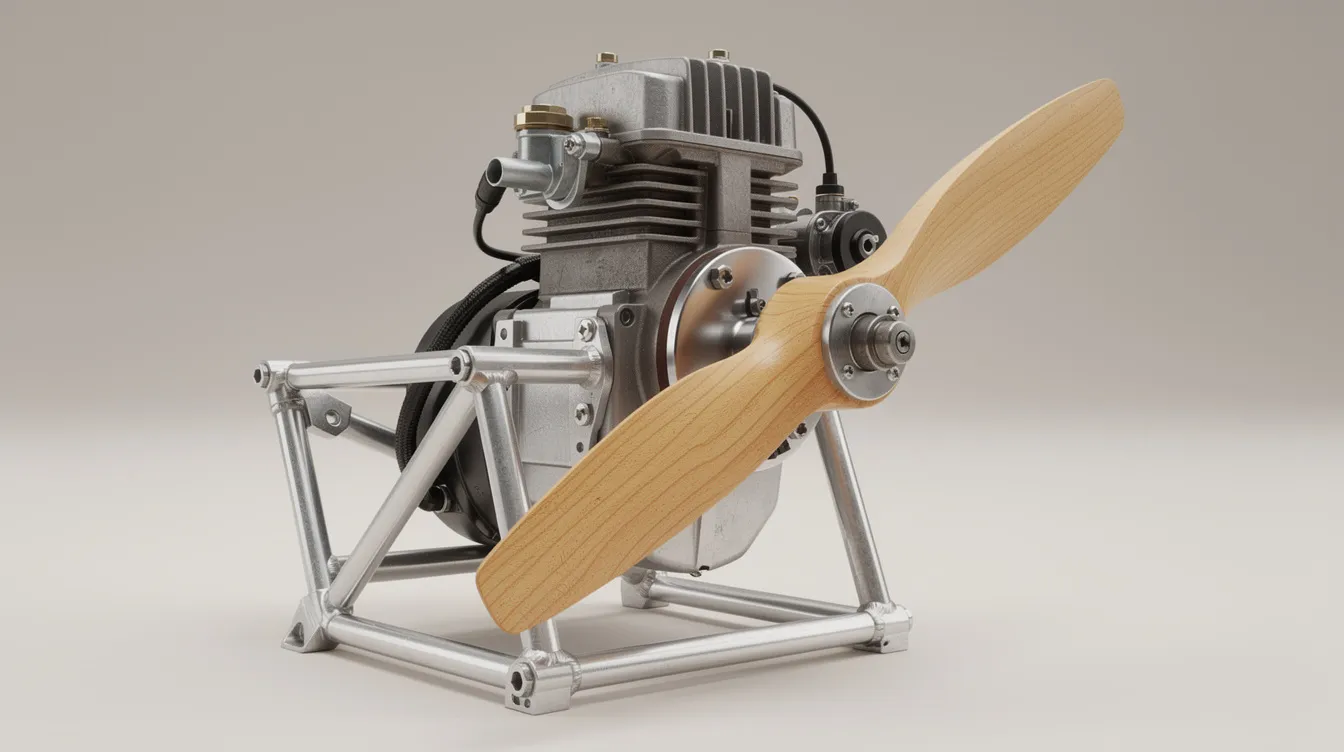
Equipped with a typical two-stroke engine like the Rotax 447 or Hirth F-33, the Aerolite 103 delivers a cruise speed in the 45–55 mph range. The stall speed of the Aerolite 103 is about 26 mph. Takeoff rolls often come in under 300–400 feet on grass with a light pilot, and climb rates reach several hundred feet per minute depending on horsepower.
Key specifications include a wingspan of about 26 feet, wing area just over 120 square feet, and empty weight near the 254-lb Part 103 ceiling with a light engine. It features a 5-gallon aluminum fuel tank paired with a visual fuel quantity gauge. The aircraft lasts 1.5 to 2.5 hours under continuous operation, depending on throttle setting and conditions. The shock-absorbing main gear and suspension handle unpaved surfaces well, and the glide ratio is sufficient for safe deadstick approaches. The Aerolite 103 can operate from small grass strips due to its lightweight construction.
By December 2004, 150 Aerolite 103 aircraft were flying. By July 2009, 12 Aerolite 103s were registered as experimental amateur-built in the U.S., with many more operating as unregistered ultralights. The design has earned multiple awards at U.S. airshows for build quality and production excellence.
Safety must be addressed candidly. Mike Stefanik, a former NASCAR driver, tragically lost his life in an Aerolite 103 accident on September 15, 2019, following an engine failure during his approach at an airport in Rhode Island. Incidents like this underscore the life-and-death importance of training, maintenance, and conservative flying. Several video reviews and builder forums discuss risk mitigation in detail.
There are three main paths to ownership: ordering a new Aerolite 103 from U Fly It Aero Works in Florida, buying a pre-owned Aerolite 103 from a private seller, or picking up an incomplete kit to finish yourself. The airframe kit ships with pre-fabricated, pre-drilled aluminum structure, hardware, covered wing and tail surfaces in Dacron, controls, landing gear, seat, fuel tank, windshield, and an instrument panel mount. Avionics and finish details remain the builder's choice.
The Aerolite 103 is available as a kit and can be assembled in 40–50 hours by a first-time builder with basic tools. The assembly process is designed around bolt-together construction with minimal fabrication, lowering the barrier for any hobbyist willing to pursue the project. Build quality depends on the builder's attention to detail, so following the plans precisely is essential.
To fly it safely, prospective pilots should seek training at a local flight school offering light sport aircraft or ultralight trainers. Most pilots transition into the Aerolite 103 after 10–20 hours of structured dual instruction. Many owners base their aircraft at small general aviation fields with grass strips, where hangar or tie-down fees are modest—making it easy to fly on short notice for an hour of evening or weekend flying. The Aerolite 103 is designed for recreational flying and low-speed operations and has built a loyal community around that simple mission, much like the dedicated following around major private aviation brands described in in-depth reviews of industry leaders like NetJets.
For trips requiring coverage of hundreds of miles with colleagues or family, private jet charter platforms such as Jettly offer multi-passenger cabins, weather-capable avionics, and professional crews—a different business entirely from the open-cockpit ultralight life—and tools like a private jet charter cost estimator help travelers understand pricing before they book.
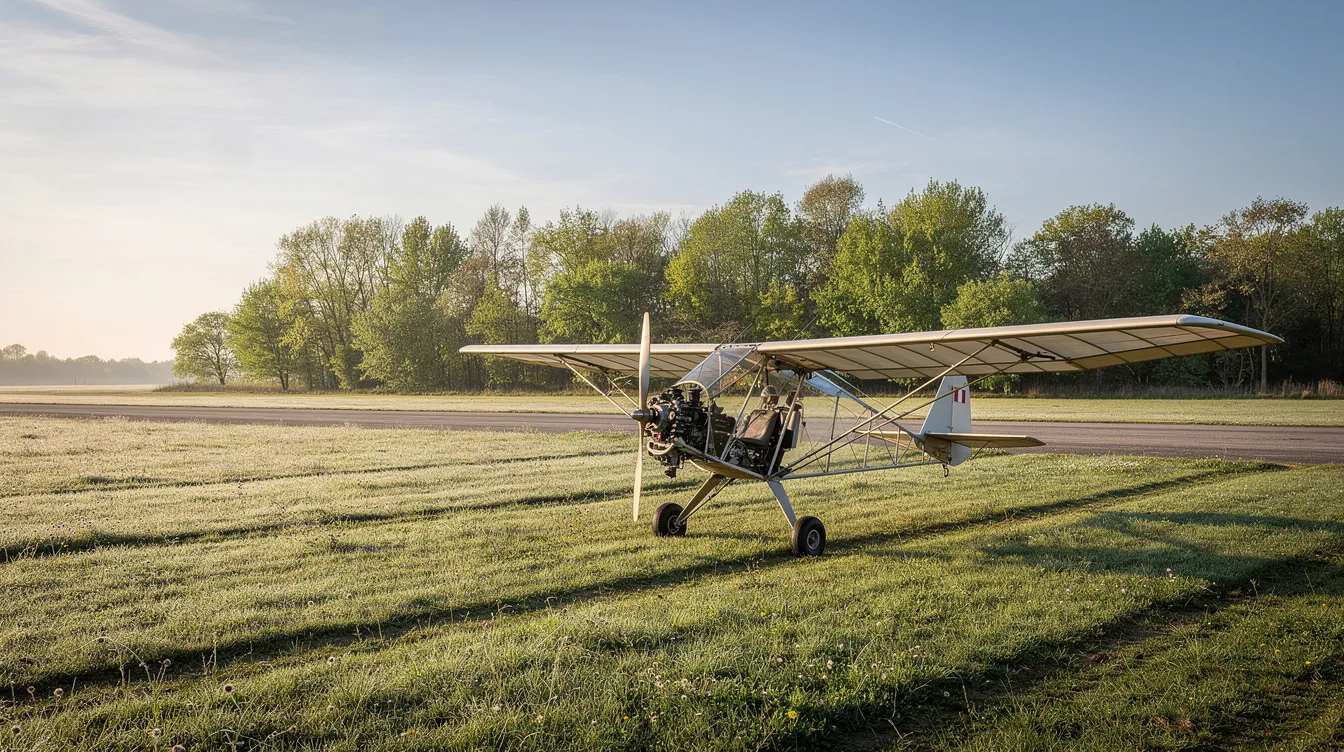
The passion for flying often starts with simple aircraft like the Aerolite 103 and grows from there, with some pilots eventually comparing fractional programs to cost-effective alternatives to NetJets such as Jettly. When the mission shifts to city-to-city travel—New York to Miami, Toronto to Vancouver—an ultralight can't keep up, and options like crowdsourced and shared private jet flights can make those legs more affordable.
Jettly operates as a digital marketplace for private charter aircraft, granting access to over 20,000 aircraft worldwide. The platform provides:
Transparent, upfront pricing with no hidden fees
Digital booking via web or app, including options to compare shared charter flights versus full-charter trips
On-demand charter with no long-term jet card commitment
Private jet membership options for frequent flyers seeking lower per-trip costs
Jettly works with licensed operators using certified aircraft and professional crews, a contrast to the self-flown nature of Part 103 ultralights, and even coordinates in-flight catering for private jets through its Jettly Eats service. Whether you enjoy aviation from the cockpit of an ultralight or from a seat in a business jet, you can use private jet memberships with flexible pricing to reduce per-trip charter costs, and explore Jettly's charter options or request a quote at jettly.com.
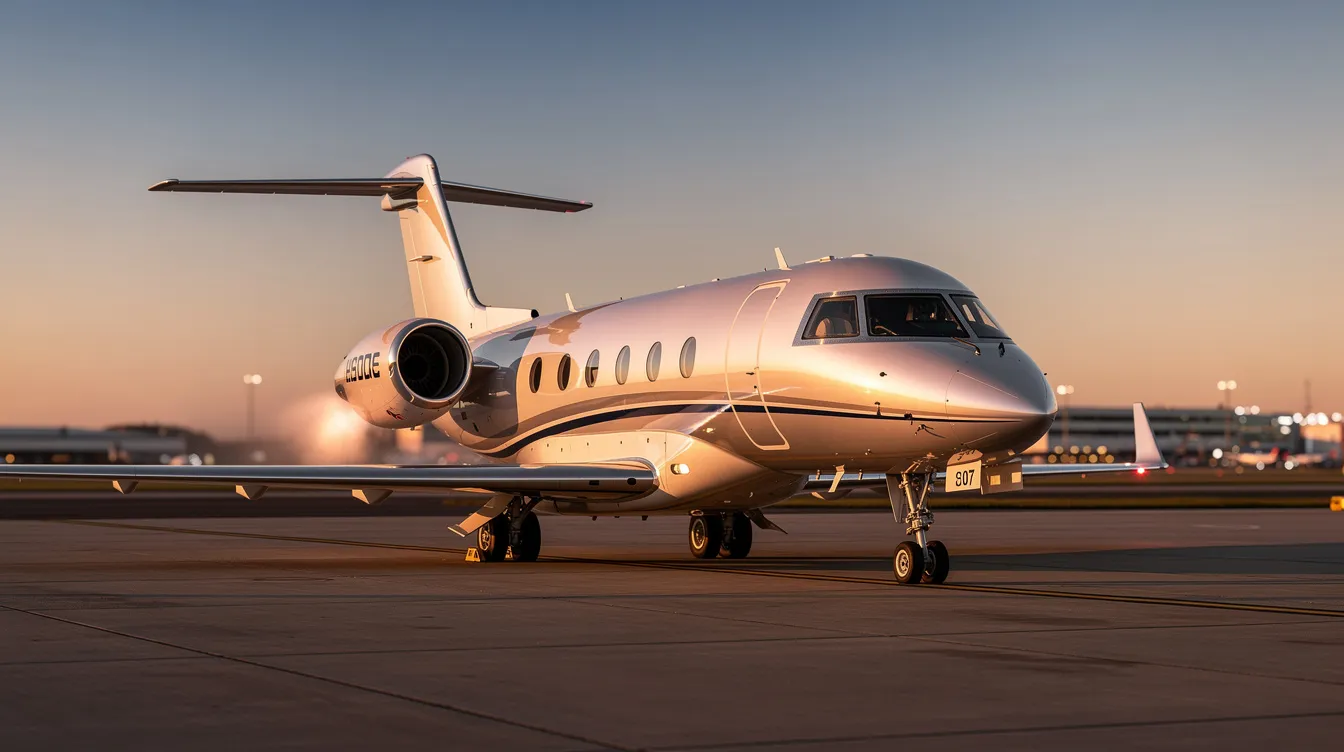
Below are answers to common questions that go beyond the main article, covering practical details about costs, training, airspace, and how ultralights relate to private jet travel, which complements broader guides explaining how much a private jet really costs.
Acquisition costs range from about $16,950 for a bare airframe kit, plus $6,500–$13,500 for an engine kit, to $27,000–$35,000 for a fully assembled aircraft. Annual operating expenses are modest. A pilot flying 50–75 hours per year with a 28-hp two-stroke gas engine might spend roughly $1,500–$3,000 on fuel and routine maintenance, assuming they handle basic upkeep themselves. Hangar or tie-down fees at a small field can add $50–$150 per month. Insurance, where available for ultralights, is typically a few hundred dollars per year, and some pilots eventually compare these outlays with the cheapest private aircraft options if they plan to move up in capability.
The Aerolite 103 does not legally require a pilot license under Part 103, but total beginners should not attempt to teach themselves. Book dual instruction with a certified instructor in a two-seat trainer to learn takeoffs, landings, and emergency procedures before soloing. Most pilots transition into the Aerolite 103 after 10–20 hours of structured training, depending on aptitude and weather conditions. January and winter months in northern states may limit training availability, so plan accordingly—and some aviators use that downtime to research the best private jet charter companies for longer-range travel needs.
Flights are typically conducted from non-towered general aviation airports or private grass strips in uncongested rural or suburban areas, usually below a few thousand feet AGL, while the global fleet of private jets and business aircraft operates from a much wider range of airports and altitudes. Part 103 operations are restricted in certain controlled airspace around major airports. Pilots must understand sectional charts and, in some cases, coordinate with air traffic control or simply avoid those areas to remain compliant and safe. Sell-through guides and community forums often share field recommendations by region.
The Aerolite 103 is a hands-on, open-air experience focused on low-altitude fun for a single pilot. Private jets—booked through a platform like Jettly—offer enclosed cabins, weather-capable avionics, range suitable for multi-hour business or family trips, and can still be surprisingly attainable when you understand how private jet charter pricing works. Many aviation enthusiasts use both: they fly it themselves locally in an ultralight for enjoyment and travel as a passenger on a chartered jet—often on some of the world's top luxury private jets—for time-sensitive or long-distance trips.
While the Aerolite 103 is designed around U.S. Part 103 rules, kits and fully assembled aircraft have been exported to other countries, just as private flyers worldwide rely on a mix of operators and brokers cataloged in comprehensive guides to charter airlines and private aviation. Local regulations vary and may classify the aircraft differently—for example, under microlight or ultralight categories that require licensing and registration. International buyers should consult their national aviation authority and discuss registration and pilot licensing implications with the manufacturer before importing an Aerolite 103, while frequent international business travelers may find jet card programs with fixed hourly rates a better fit for their recurring private flights.
The Aerolite 103 offers an accessible, affordable entry point into personal aviation, combining simple design, regulatory ease, and enjoyable flight characteristics. Whether you are a hobbyist seeking low-cost recreational flying or a beginner pilot eager to take to the skies without the barriers of traditional licensing, the Aerolite 103 presents a compelling option. Its kit and fully assembled models offer flexibility to suit different budgets and experience levels, while its compliance with FAR Part 103 helps minimize regulatory hurdles.
For those whose aviation ambitions extend beyond ultralights, platforms like Jettly offer seamless access to private jet charters worldwide. Jettly’s transparent pricing, instant digital booking, and extensive aircraft network make it easy to transition from local ultralight flights to efficient, comfortable private jet travel for business or leisure. Explore Jettly’s offerings to discover how private aviation can fit your lifestyle and travel needs.
Ready to experience private travel on your terms? Explore flight options or request a quote at https://jettly.com.
Share this post:
Jay Franco Serevilla
Jul 22, 2026
|
5
min read
Discover tips and trends in the industry.
5
min read
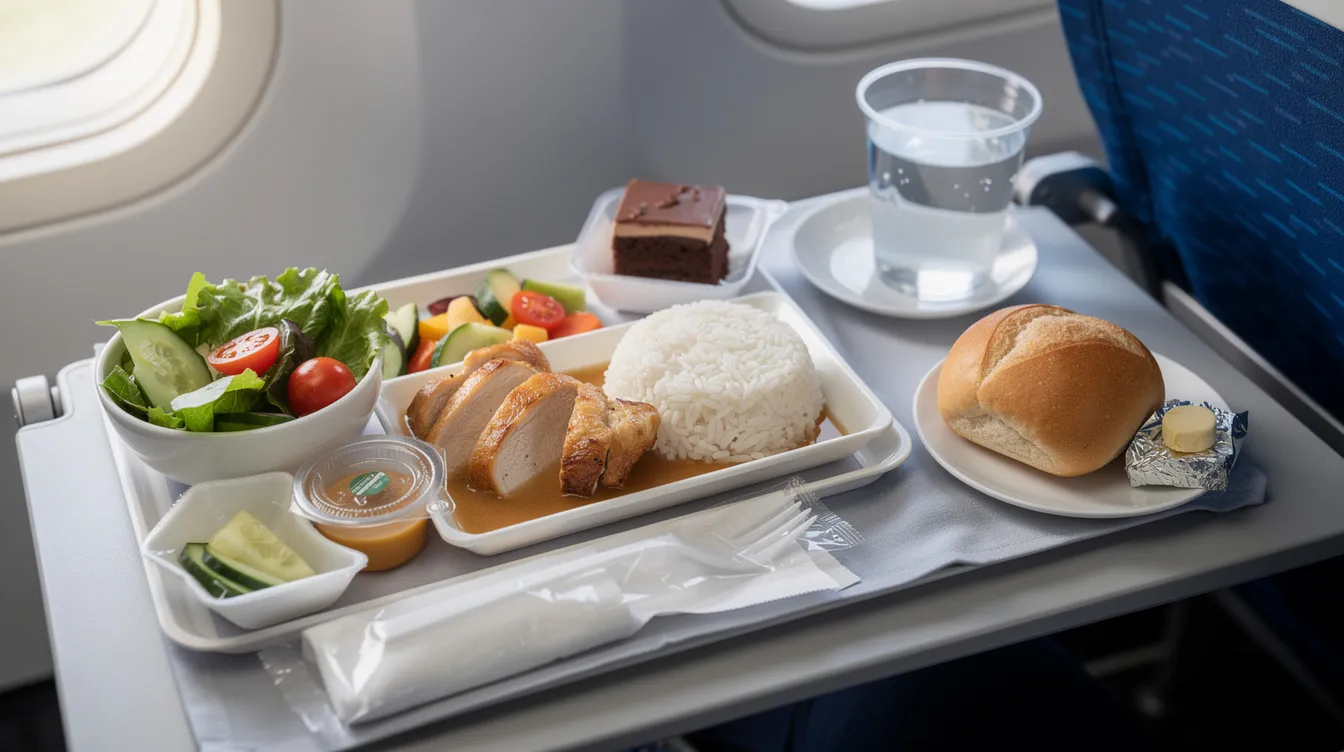
Delta Food Menu: What to Expect on Delta Flights vs. Private Jet Dining
Delta's food menu varies by cabin class, route, and season, offering everything from snacks on short domestic flights to gourmet meals in Delta One. In contrast, private jet dining through Jettly provides fully customized meal options tailored to individual preferences and dietary needs. This guide compares the dining experiences on Delta flights with the flexibility of private jet catering.
Read More
5
min read
Private Jet Manchester: Charter Guide to MAN & Liverpool John Lennon
This guide provides essential information for chartering private jets from Manchester and Liverpool John Lennon airports. It covers airport details, costs, aircraft options, and the convenience of using Jettly's platform for seamless booking. Whether for business or leisure, private jet travel offers unmatched flexibility and luxury.
Read MoreStay updated with our latest insights and tips to elevate your journey with us.
MEMBERSHIPS AND ASSOCIATIONS



Disclaimer: Jettly operates as a charter broker, offering access to a global digital jet charter marketplace. Jettly is not a direct air carrier and does not own or operate aircraft. All advertised flights are conducted by third-party air carriers that are fully licensed and hold the appropriate Part 135 or Part 121 certifications issued by the Federal Aviation Administration (FAA) or equivalent regulatory authorities under U.S. or foreign law. Jettly complies fully with the U.S. Department of Transportation's Part 295 and Part 298 Charter Broker regulations. Jettly does not carry additional liability insurance. Passengers are covered by aircraft operator insurance. TICO: 50023770


