



Login
Get Instant Pricing On 23,000+ Aircraft

>
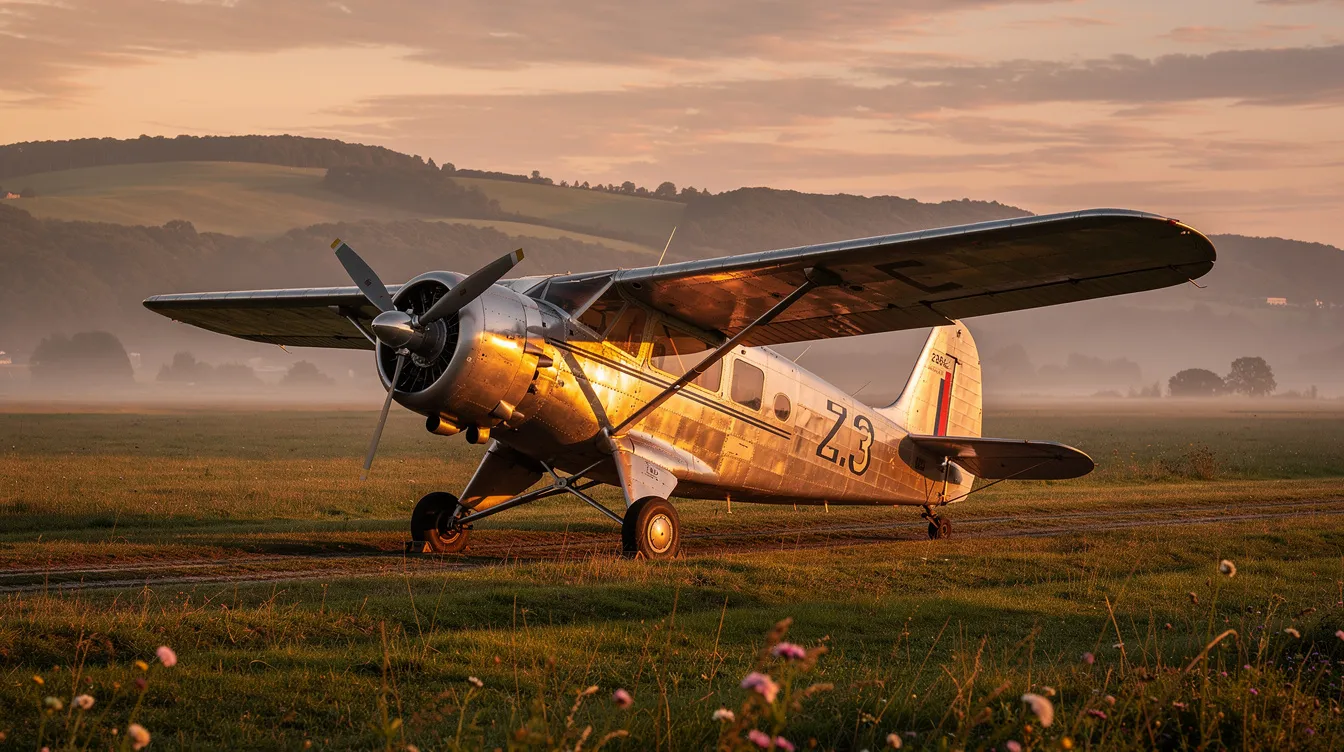
"Affordable planes" means more than a low sticker price. Total ownership costs-fuel, maintenance, insurance, and storage-matter far more than the purchase price alone.
Several of the cheapest planes on the used aircraft market in 2026 (Cessna 150, ERCO Ercoupe, Aeronca Champion, Luscombe 8A) can be found between roughly $18,000 and $50,000.
A typical small plane owner spends $8,000 to $12,000 annually in operating costs for a simple single-engine trainer flown around 100 hours per year.
Flying clubs, co-ownership partnerships, and fractional arrangements can dramatically reduce ongoing costs, while on-demand charter through Jettly often proves cheaper for pilots flying fewer than 75 hours annually.
A thorough pre-purchase inspection and complete review of maintenance history are non-negotiable steps before buying any cheap airplane.
The phrase "affordable planes" gets thrown around a lot in general aviation circles, and buyers often use "cheap planes" the same way when they talk about entry-level ownership. But affordability isn't just about finding the lowest asking price on a listing site. It's about whether the total cost of aircraft ownership-purchase price, fuel, maintenance, insurance, hangar storage, annual inspections, and regulatory compliance-stays manageable over five to ten years of flying. In 2026, that usually means used single-engine models such as the Cessna 150 or ERCO Ercoupe, with purchase prices often falling between about $18,000 and $50,000 before operating costs.
Owning a personal aircraft offers undeniable appeal: flexible scheduling, access to thousands of small airports, and a level of control commercial travel can't match. But those benefits come with real financial and time commitments, so the right choice depends on how often you fly and what kind of flying you plan to do. For budget-conscious pilots, new aviators, flight schools, families, and occasional private travelers, the bigger question is whether buying, sharing, financing, renting, or skipping ownership altogether makes the most sense; understanding affordable aeroplane rent costs and options is part of that evaluation. If you expect to fly fewer than roughly 75 hours a year, chartering through a platform like Jettly can deliver private-aircraft access with more financial flexibility and less overhead.
This guide focuses on single-engine piston aircraft-the core category for budget-conscious buyers and the light aircraft most commonly used for recreational flying and training-along with light sport aircraft and select vintage models that consistently rank among the most affordable airplanes in the used aircraft market. It also breaks down total ownership costs, financing and shared ownership, pre-buy inspection and maintenance issues, and practical ways to manage operating expenses while comparing ownership with on-demand charter options. The 2026 market context matters: limited new production and strong demand from flight schools keep even older trainers holding their value.
Single-engine aircraft dominate every "cheapest planes" list for good reason. Simpler systems mean fewer things to break. Lower fuel consumption keeps variable cost per flight hour manageable. And wide parts availability for popular models means budget-friendly maintenance is actually achievable.
Here are three models that consistently deliver the best value airplane experience for budget-minded pilots:
|
Model |
Typical Purchase Price (2026) |
Hourly Operating Cost |
Seats |
Best For |
|---|---|---|---|---|
|
Cessna 150/152 |
$25,000–$40,000 |
$50–$70/hr |
2 |
Flight training, hour-building |
|
Piper PA-28 Cherokee 140/160 |
Starting around $20,000 |
$65–$90/hr |
4 |
Family trips, versatile flying |
|
Cessna 140/120 |
Under $30,000 |
$40–$60/hr |
2 |
Low-cost personal flying |
The Cessna 150 is known for its low operating costs, predictable flight characteristics, and massive support network. Cessna 150 models are available for around $25,000, making them a go-to for new pilots and flight schools alike. Two-seat trainers like these are among the most affordable aircraft options for personal use, and their fixed-pitch propellers reduce maintenance costs further.
The Piper Cherokee PA-28 Cherokee starts at $20,000 for older examples, offering four-seat flexibility at a relatively low cost compared with other four-seat options-ideal as the cheapest family aircraft option for weekend trips within 400–600 nautical miles. For a deeper look at Cessna models across the lineup, Jettly's guide covers training, travel, and charter variants.
The Cessna 140 offers amazing fuel economy and easy handling, with a taildragger configuration that builds real stick and rudder skills. It's a versatile aircraft for grassroots aviators who want a responsive controls experience on a budget.
"Cheapest plane" lists shift with market conditions, but several models consistently appear under $50,000 based on 2024–2026 data. Here are the standouts, each with a defining trait that earns its spot among the cheapest private aircraft:
ERCO Ercoupe 415: Priced under $20,000 in 2026, making it one of the most affordable aircraft on the market. Its rudderless, spin-resistant design appeals to beginner pilots and aviation enthusiasts who want a forgiving single-engine plane.
Aeronca 7AC Champion: Often found for under $25,000, and clean examples can be found for under $30,000 with mid-time engines. It's a forgiving taildragger with deep roots in aviation history and grassroots flying culture.
Luscombe 8A: Typically priced around $24,000, known for its reliability and affordability. Its responsive controls and low fuel burn make it popular among "stick-and-rudder" purists. Fuel consumption often runs just 3–5 gallons per hour.
Taylorcraft BC-12D: Can be found for about $20,000, offering simple systems and very low operating costs—a true cheap airplane for budget-conscious buyers.
Piper J-3 Cub: Celebrated for its simplicity and nostalgic flying experience, though Piper J-3 Cub prices start around $42,000 due to collector demand.
Grumman American AA-1: Priced under $25,000, with an all-metal airframe that simplifies ongoing maintenance.

Older reliable aircraft models provide the best value for budget-conscious individuals, but condition matters enormously. Metal airframes are generally more durable and cheaper to maintain than fabric-covered planes. Prices for used aircraft are influenced by remaining engine time before overhaul—an engine near TBO can shift the effective purchase price by $25,000 or more. Treat listed prices ranging across these models as starting points, not guarantees.
Light sport aircraft and FAA Part 103 ultralights reduce both licensing and medical barriers for recreational pilots. For budget-conscious pilots who only want local fun flying, these categories offer some of the lowest annual operating costs available.
Typical 2026 price ranges:
Factory-new LSAs: $80,000–$250,000 depending on avionics and build quality
Used LSAs and legacy LSA-eligible aircraft (many Luscombe 8A variants, some Piper Cub rebuilds): $40,000–$120,000
True Part 103 ultralights (e.g., Aerolite 103): roughly $15,000–$30,000 for new, basic configurations
LSAs and ultralights can deliver hourly fuel costs under $25, running 3–5 gallons per hour on mogas rather than expensive 100LL avgas. That's a significant advantage for private owners focused on personal flying.
But limitations are real.
Payload is minimal.
Weather capability and crosswind performance are restricted.
Night and IFR flying are generally prohibited.
Practical range falls well short of what even a Cessna 150 can achieve.
An ultralight or light sport aircraft makes sense for local grass-strip flying and short hops. For anything involving pilot training toward higher certificates, carrying passengers, or travel missions, a traditional certified single-engine aircraft is the wiser choice, and many of the best cheap plane options for budget-conscious buyers in 2025 fall into this category.
Many buyers fixate on finding the cheapest planes by sticker price, but long-term ownership costs can make a "cheap" aircraft expensive if it needs major work. Understanding the real cost of aircraft ownership requires breaking costs into two categories.
Annual fixed costs for a modest single-engine aircraft flown ~100 hours/year:
Hangar space: hangar storage costs range from $300 to $600 per month, totaling $3,600–$7,200/year depending on airport and region
Insurance costs: $1,000–$3,000/year for liability and hull coverage on a basic trainer
Annual inspections typically cost between $750 and $2,000; routine ongoing maintenance adds to that, with annual maintenance costs ranging from $1,000 to $3,000 total
Variable operational costs scale with each flight hour:
Fuel costs may account for 70% of variable operational costs. At 5–10 gallons per hour and $5–$8 per gallon, that's $25–$80 per flight hour
Oil, minor unexpected repairs, tire and brake wear add another $5–$20 per hour averaged annually
Worked example: A $25,000 Cessna 150 with total yearly operating expenses around $8,000–$10,000 per year (flown 75–100 hours) yields a per-hour cost of roughly $80–$130 including fixed costs. A more capable Cessna 182 or Mooney M20 costs more to buy and burns more fuel, but covers distance faster—potentially lowering cost per mile even as cost per flight hour rises.
A typical small plane owner spends $8,000 to $12,000 annually on annual expenses. Budget-conscious buyers should evaluate both purchase price and projected 5-year ownership costs—and understand how much a private jet costs across ownership and charter models—before deciding a small plane is truly "affordable."
Few buyers pay cash for an aircraft. Aircraft financing can open doors for budget pilots who want to spread costs over time. Banks offer aviation-specific loans with fixed rates, and loan terms typically range from 10 to 20 years. Interest rates for aircraft loans range from 6% to 9%, depending on credit profile and aircraft age.
Example Calculation:
Purchase price: $50,000
Down payment (20%): $10,000
Loan balance: $40,000
Interest rate: 7% over 15 years
Monthly payment: approximately $360
This is manageable alongside ongoing plane ownership costs.
Co-ownership can reduce aircraft expenses significantly—two or three pilots splitting purchase price, hangar fees, insurance, and ongoing maintenance. Scheduling, operating agreements, and maintenance responsibilities are typically governed by a written partnership agreement.
Flying clubs take this further:
One-time buy-in plus monthly dues and hourly "wet rates" that include fuel
A flying club Cessna 172 might cost $80–$130/hour versus $180+ at retail FBO rental rates
Built-in pilot community, on-site instructors, and shared knowledge
|
Cost Component |
Flying Club Cessna 172 |
FBO Rental Rate |
|---|---|---|
|
Hourly Wet Rate |
$80–$130 |
$180+ |
|
Buy-in/Monthly Dues |
Varies |
N/A |
|
Community/Instruction |
Included |
Not included |
Leaseback programs help offset aircraft ownership costs too, though they come with trade-offs (more on that in the FAQ below).
If you're flying fewer than 50–75 hours per year, joining a flying club or partnership almost always makes more financial sense than sole ownership, and exploring affordable aeroplane rental costs and options can reveal additional low-commitment ways to get in the air. The annual costs of maintaining a plane you rarely fly add up fast.
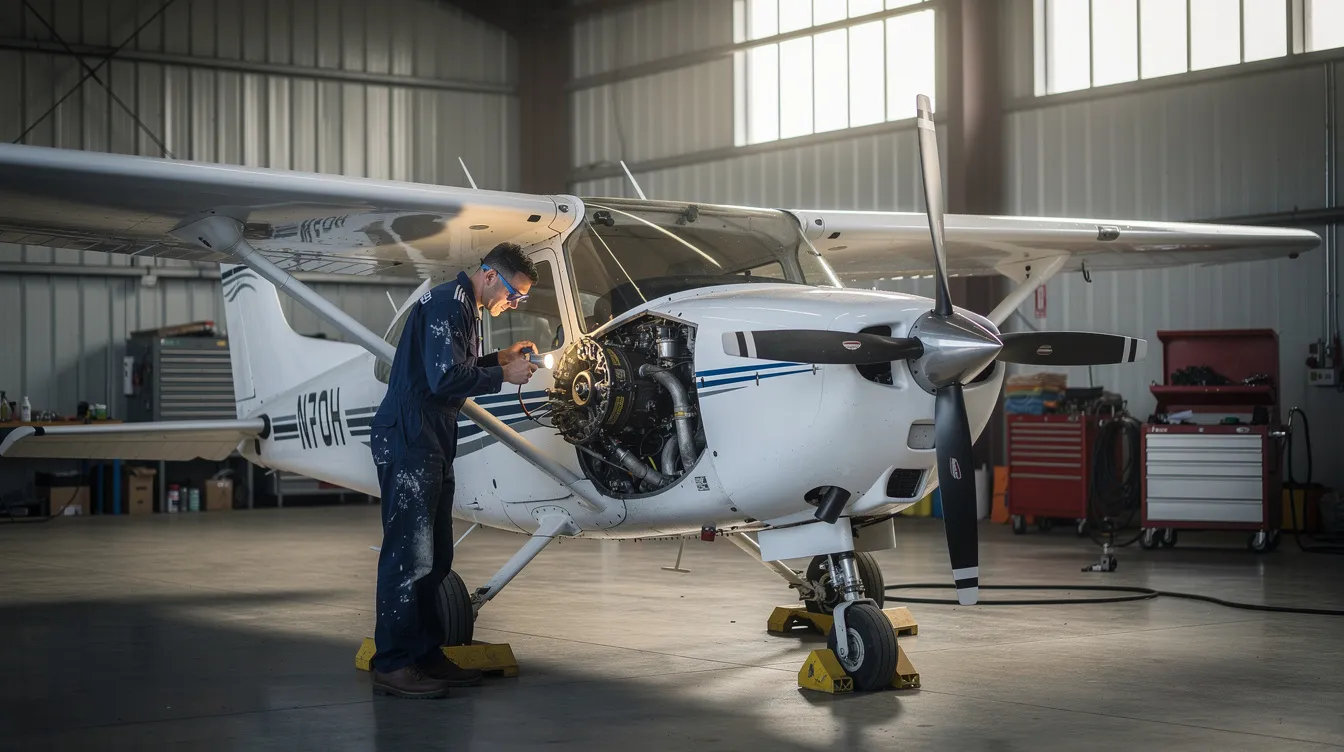
The most affordable planes to buy can become the most expensive to own if the buyer skips due diligence. A thorough pre-purchase inspection is essential—not optional.
Detailed airframe, engine, propeller, and avionics checks by an independent A&P/IA mechanic
Corrosion checks, compression tests, borescope of cylinders, and AD (Airworthiness Directive) compliance verification
Typical inspection fees: $800–$1,500 for a simple single-engine aircraft
Complete logbooks documenting annual inspections, engine overhauls, modifications, and repairs are the backbone of any used aircraft transaction. Evidence of major events—prop strikes, gear-up landings, structural repairs—and how they were properly addressed should be clearly documented.
Missing logs or gaps in maintenance history
Long out-of-annual aircraft requiring expensive catch-up work
Engines at or beyond TBO with no overhaul plan
Questionable field repairs or undocumented modifications
These issues affect insurance costs, financing eligibility, and resale value. Aircraft owners who skip this step often face ongoing expenses that dwarf the original "bargain" purchase price, which is why many pilots instead focus on understanding how renting a plane works from start to finish before committing to ownership.
Budget for initial catch-up maintenance and upgrades (transponder, ADS-B compliance, basic GPS) on top of the advertised price. A $20,000 cheap airplane that needs $8,000 in deferred maintenance isn't really a $20,000 airplane.
Disciplined cost management can keep even vintage aircraft reasonably affordable to operate. Here are strategies that experienced aircraft owners use to minimize expenses:
Cessna, Piper, and Beechcraft parts are widely available, and most A&P mechanics know these airframes well.
Rare types mean specialty shops, longer downtimes, and higher labor bills.
Low maintenance reputations follow popular models for good reason.
Use fuel-efficient power settings.
Lean-of-peak operations where appropriate.
Proper trip planning to cut fuel burn.
Even small improvements in cruise speed management save hundreds per year.
A shared hangar at a lower-cost airport can cut storage costs by 30–50% versus a premium facility.
Tiedown is cheaper still, though it exposes the airframe to weather and increases long-term maintenance costs.
Replace hoses, tires, and wearable items on schedule to avoid AOG (Aircraft on Ground) surprises.
Perform owner-permitted preventive maintenance (oil changes, spark plug cleaning) to trim labor costs within regulatory limits.
Complete recurrent training.
Earn an instrument rating.
Build time in-type.
Simpler, fixed-gear singles typically carry lower hull and liability rates than complex or retractable-gear models.
Join type clubs (e.g., Cessna 150/152 Club), online owner forums, and local EAA chapters for access to troubleshooting tips, used parts sources, and reputable shop recommendations.
The pilots association for your specific type is often the single best resource for budget-friendly maintenance advice.
Tools like Jettly's private jet charter cost estimator help benchmark what chartered trips would cost versus flying your own aircraft.
For many pilots and travelers—especially those flying fewer than 50–75 hours per year—chartering through a platform like Jettly can be financially smarter than owning even the cheapest plane.
The math is straightforward. A basic single-engine aircraft costs roughly $8,000–$12,000 per year in annual operating costs, excluding capital tied up in the purchase price. That's before any unexpected repairs or major overhauls. Compare that with taking 10–20 targeted charter trips per year, where you only pay when you fly.
Jettly operates as a digital marketplace connecting travelers to over 20,000 aircraft worldwide with transparent, instant pricing. The ability to select different private charter aircraft—from turboprops to light jets—based on mission means travelers aren't locked into one owned airplane's limitations.
Jettly offers affordable private jet charter with clear pricing and flexible options.
Jettly advantages over ownership:
No maintenance, hangar, or insurance overhead
No capital risk if the aircraft market softens
Access to empty leg flights and on-demand quotes that can undercut traditional charter pricing; understanding how much it costs to rent a private jet helps frame these potential savings
Speed and comfort that a slow single-engine plane simply can't match on longer routes
Use cases where charter wins:
A business traveler flying 10–15 round-trips annually between city pairs like New York–Miami or Toronto–Vancouver
A family needing 2–3 multi-city trips per year with luggage, where a chartered turboprop via Jettly covers the distance faster and more comfortably than a 90-knot vintage aircraft
When comparing travel options generally, understanding one private jet flight cost and its components illustrates the broader principle: comparing the total cost of a trip, including fees, is essential for budget travel. Whether you're weighing commercial airlines (where ultra-low-cost carriers may charge extra for amenities like carry-ons and seat selection), private ownership, or charter, the all-in number matters most. Budget-conscious travelers can maximize savings by using price aggregation tools and being flexible with travel dates and airports. But for private aviation specifically, Jettly's model eliminates the fixed costs that make low-utilization ownership so expensive.
Mission comes first. Define your most common use case before shopping specific models.
|
Mission |
Recommended Aircraft |
Alternative |
|---|---|---|
|
Hour-building / new pilots |
Cessna 150/152, Piper Tomahawk |
Join a flying club |
|
Family weekend trips (400–600 nm) |
Piper PA-28 Cherokee 140/180, Cessna 172 |
Stinson 108 for short-field access |
|
Long cross-country business use |
Mooney M20, Cessna 182 |
On-demand charter via Jettly |
|
Local fun / low-and-slow flying |
Aeronca Champ, Piper J-3 Cub, LSAs |
Aerolite 103 ultralight |
Pilot training goals should guide the decision for new pilots. Flight schools often use Cessna 150s and Piper Cherokees precisely because their flight characteristics are forgiving and parts are cheap. If flight training is the primary goal, a flying club membership almost always beats ownership.
Weigh realistic annual flight hours against whether they justify annual costs. Consider required runway lengths, airport access, cabin comfort, and avionics needs. A grass-strip taildragger and a paved-runway trainer serve very different missions despite similar price tags.
Some aircraft owners find the ideal approach is combining ownership of a simple single-engine aircraft for local flying with occasional Jettly charter—or even a jet card flight cost estimator to plan predictable-rate trips—for longer, time-critical missions, getting the best of both worlds.
These questions address practical concerns that go beyond the main article—especially around budgets, safety, regulations, and alternatives to ownership for low-use flyers.
Even the cheapest planes require a baseline annual budget. For a very simple, hangared single-engine aircraft flown 50–75 hours per year, plan on roughly $7,000–$9,000/year covering insurance, basic maintenance, fuel, and hangar or tiedown fees. Annual inspections alone run $750–$2,000, and fuel costs for 50 hours add $1,500–$3,000 depending on the engine.
Cutting below this floor means deferring maintenance—which compromises safety and accelerates airframe deterioration. Booking in advance for maintenance slots and flying mid-week or from smaller regional airports with lower hangar rates can help keep costs at the lower end of this range. Still, resources that outline how much it costs to rent a private jet for a trip show that traveling with only a personal item on a budget airline will almost always be cheaper than owning a plane if raw cost is the only consideration.
Ownership tends to become financially competitive around 100–150 hours per year for basic single-engine aircraft, given that fixed costs exist whether the plane flies or not. Below that threshold—particularly in the 20–60 hour range—on-demand charter through platforms like Jettly or its crowdsourced private jet flight and empty-seat sharing options often proves more economical when factoring in speed, comfort, and zero fixed overhead.
For light jets or turboprops, the break-even point is even higher, and comparing shared charter flights versus full private charters becomes part of the calculus. The key question isn't just hourly cost—it's whether your typical missions match what a small owned plane can actually do efficiently.
Airworthiness depends on condition, maintenance quality, and regulatory compliance—not age alone. Many 1940s–1960s vintage aircraft fly safely today with meticulous care. The FAA's airworthiness system doesn't retire aircraft by age; it requires continuous compliance with ADs and annual inspections.
That said, older designs may lack modern crashworthiness features, shoulder harnesses, or updated avionics. Most can be upgraded. The critical factor is rigorous maintenance by an experienced A&P/IA mechanic familiar with the type. Prospective owners should consult with such a mechanic before buying any vintage cheap airplane, and some may ultimately decide that leveraging accessible ways to get a seat on a private jet is a safer, simpler alternative to restoring and operating an aging airframe.
Yes, through several approaches. Leaseback arrangements with flight schools put your aircraft on their rental line. Dry leases to club members or private owners generate revenue without a commercial certificate. Managed fleet programs handle scheduling and billing.
Each option has trade-offs. Higher utilization means more wear, faster engine time accumulation, and potentially higher insurance premiums. Revenue rarely covers all ongoing expenses unless utilization is quite high, and some owners instead explore buying a single seat on a private jet via shared services when they need extra capacity. Consult an aviation attorney and your insurance provider before committing to any rental or leaseback plan—the regulatory and liability implications are significant.
Jettly's digital platform lets users search a global fleet of over 20,000 aircraft, compare categories from turboprops to heavy jets, see transparent pricing, and book private flights without long-term commitments. There are no membership minimums required to get a quote, and guides that explain one private jet flight cost and its drivers can help you interpret those quotes effectively.
This model suits travelers who value the flexibility of private aviation but fly too infrequently—or too irregularly—to justify even the most affordable airplanes' ownership costs. Whether it's a last-minute business trip or a planned family vacation, Jettly matches the aircraft to the mission, and resources like the ultimate list of charter airlines and private flight options help put Jettly's model in broader context. Explore routes, aircraft options, and instant quotes at https://www.jettly.com.
Affordable planes exist across the used aircraft market—from ERCO Ercoupes and Cessna 150s under $25,000 to vintage four-seaters that serve as genuine family aircraft. But the smartest budget-conscious buyers focus on total ownership costs rather than just the cheapest plane's purchase price.
A pre-purchase inspection, solid maintenance records, and realistic budgeting for operating costs are the foundation of safe, sustainable aircraft ownership. Without those, even the most affordable airplanes become money pits.
For travelers flying occasionally or needing multi-city flexibility, private aviation through a digital charter platform like Jettly—consistently positioned as a cost-effective NetJets alternative for flying private—delivers better value than owning any small aircraft. No hangar fees, no insurance bills, no deferred maintenance—just transparent pricing and access to the right aircraft for each trip.
Ready to compare the costs of ownership against on-demand private flights? Explore aircraft options, routes, and instant pricing at https://www.jettly.com.
Share this post:
Jay Franco Serevilla
Jul 15, 2026
|
5
min read
Discover tips and trends in the industry.

5
min read
Who Owns a Jet? A Guide to Private Jet Owners, Boeing BBJ Operators, and Smarter Ways to Fly
This guide explores the landscape of private jet ownership, highlighting famous owners like Oprah Winfrey and Prince Al Waleed bin Talal. It also discusses the advantages of private jet charter services, such as Jettly, which provide flexible access to a wide range of aircraft without the burdens of ownership. Understanding the different models of private jet access can help travelers make informed decisions about their flying needs.
Read More
5
min read
Airport Charter Service: How Jettly Makes Private Charter Flights Simple
Jettly simplifies private charter flights, offering travelers on-demand access to over 20,000 aircraft worldwide. With flexible scheduling and transparent pricing, it caters to business, family, and group travel needs, ensuring a seamless experience from booking to arrival.
Read MoreStay updated with our latest insights and tips to elevate your journey with us.
MEMBERSHIPS AND ASSOCIATIONS



Disclaimer: Jettly operates as a charter broker, offering access to a global digital jet charter marketplace. Jettly is not a direct air carrier and does not own or operate aircraft. All advertised flights are conducted by third-party air carriers that are fully licensed and hold the appropriate Part 135 or Part 121 certifications issued by the Federal Aviation Administration (FAA) or equivalent regulatory authorities under U.S. or foreign law. Jettly complies fully with the U.S. Department of Transportation's Part 295 and Part 298 Charter Broker regulations. Jettly does not carry additional liability insurance. Passengers are covered by aircraft operator insurance. TICO: 50023770


