


Login
Get Instant Pricing On 23,000+ Aircraft

>

The Airbus A380, the world's largest passenger airliner, stopped rolling off the production line in December 2021. Every Airbus A380 for sale in 2026 is a used aircraft, and prices have settled into a range that would have been unthinkable a decade ago. This guide breaks down the real numbers, the hidden costs, and the practical realities of acquiring or chartering such a plane in the current market. Whether you represent an airline, an investment group, or a private entity evaluating large aircraft options, the information here will help you make a sharper decision.
With production over and only 251 airframes ever built, the secondary market for the Airbus A380 is narrow and specialized. Used Airbus A380 prices range from $25 to $60 million depending on condition, maintenance status, and cabin configuration, a fraction of the $445 million list price Airbus quoted in 2018.
Despite low acquisition prices, operating costs for an Airbus A380 remain extremely high at $40,000 to $55,000 or more per flight hour, making it impractical for most private owners or low-utilization operators.
Major airlines like Emirates, Singapore Airlines, and Qatar Airways still fly the A380 on dense long-haul routes, but many early aircraft have moved into storage, part-out, or the secondary market.
Jettly does not sell A380s but helps travelers and organizations achieve "A380-level" comfort more efficiently through on-demand charters of right-sized private jets and regional airliners.
If you are exploring Airbus A380 for sale listings, compare the economics of chartering with Jettly for specific missions and group sizes before committing capital to ownership.
The Airbus A380, the world's largest commercial aircraft, is no longer in production. Airbus ended production of the A380 in December 2021, which means every available aircraft is a used unit coming off long-term airline leases, exiting storage, or being released by lessors. Between 2007 and 2021, Airbus delivered 251 A380s. By mid-2026, roughly 180 to 190 remain in active service while the rest are parked, stored, or being parted out. That surplus forms the core of the Airbus A380 for sale pool.
A380s are primarily acquired by existing operators, leasing companies, and asset specialists. The secondary market for Airbus A380s is limited mainly to used or returning stored aircraft. Typical sellers include:
Major airlines retiring early frames (Air France previously, Thai Airways, some early Singapore Airlines units)
Lessors whose lease contracts have expired
Specialized trading companies and teardown firms
There are no new Airbus A380 aircraft for sale from the factory. Buyers seeking factory-fresh Airbus aircraft now look at different aircraft like the A350 or A321neo. Airbus announced the end of continued production years ago, and that decision is final.
The A380 remains attractive for a narrow set of buyers: airlines with strong hub-and-spoke networks at slot-constrained airports like London Heathrow, Hajj and pilgrimage charter operators, organizations moving very large groups, and a handful of governments considering head-of-state or VVIP conversions. For most other missions, it is simply too much aircraft.
A new Airbus A380-800 cost around $432.6 million in 2016. The 2018 list price of an Airbus A380 was $445 million. But airlines rarely paid sticker price. Discounts of 30 to 50 percent off list were standard during the order era, meaning typical transaction prices ranged from $220 to $310 million for a new aircraft.
In 2026, the landscape looks radically different. Current market values for second-hand A380s range from $21 million to $70 million, with most transactions clustering in a tighter band:
|
Aircraft Condition |
Estimated 2026 Price |
|---|---|
|
Late-build, premium cabin, recent checks, ready to fly |
$40–$60 million |
|
Mid-life, mixed condition, needs overhaul or interior refresh |
$25–$40 million |
|
Stored or high-cycle, heavy checks needed |
$20–$30 million |
|
Part-out / teardown gross component value |
$60–$75 million (gross) |
Concrete examples help illustrate the market. In late 2022, a used A380 was purchased for approximately $32 million. Ex-Singapore Airlines and Thai Airways aircraft have been marketed in the $25 to $35 million range. Emirates, the largest operator, has generally focused on internal part-out rather than public listings.
The A380's financial arc is dramatic. It went from the most expensive commercial aircraft in
production during the late 2000s and 2010s to a heavily discounted, niche-market airframe within a decade.
Early launch customers like Singapore Airlines took delivery at near-launch pricing and used sale-leaseback deals, sometimes around $197 million in 2007, to de-risk ownership and residual value exposure. Development costs for the A380 program ran well above $25 billion, and Airbus never fully recouped them.
Several forces crushed second-hand values:
A relatively small production run of 251 units limited the installed base and spares ecosystem.
Airbus announced program cancellation in 2019 when the Emirates order for additional frames shrank.
COVID-19 accelerated fleet simplification across major airlines, pushing dozens of A380s into storage.
Key milestones in the depreciation timeline include the first A380 retirements around 2017–2018 (ex-Singapore Airlines frames), the first part-outs circa 2018–2019, significant storage during 2020–2021, and selective reactivation from 2022 onward as premium travel demand recovered.
Compared with the Boeing 747-400, which saw a similar decline as four engines fell out of favor, the A380 depreciated faster due to fewer operators and higher reconfiguration costs. The Airbus A340-600 followed a parallel trajectory, with airline economics favoring twin-engine efficiency over previous generations of four-engine widebodies.
Two A380s built in the same year can differ by tens of millions of dollars in value. Understanding what drives price is essential for any buyer evaluating an aircraft listing.
Technical drivers:
Build year and manufacturer serial number (MSN)
Total flight hours and pressurization cycles
Maintenance status, especially proximity to upcoming C-checks or D-checks
Engine condition and inclusion in maintenance programs (Rolls-Royce Trent 900 or Engine Alliance GP7200)
Increased reliability through recent avionics or systems upgrades
Commercial factors:
Remaining lease term if purchased with a lease attached
Previous operator reputation (a one-owner aircraft from Emirates or Lufthansa commands a premium)
Completeness of maintenance records and navigation charts documentation
Configuration impact: Cabin configuration matters enormously. A premium-heavy layout with new interiors, first class suites, and business class products retains value better than a worn high-density setup. Reconfiguration to a buyer's preferred airline configurations can run into tens of millions of dollars. Cabin refurbishment can cost between $30 million and $50 million per aircraft.
Part-out value creates a pricing floor. When Rolls-Royce Trent 900 engines and high-value components like landing gear and avionics are worth more than the aircraft as a flying unit, sellers rarely accept below that threshold. Industry analysts track these component values closely as market conditions shift.
Many Airbus A380 for sale listings are evaluated primarily for parts harvesting rather than continued service. This is especially true for older or high-cycle aircraft where reactivation costs would exceed the airframe's value as a flying unit.
Typical part-out economics look like this:
Engines with remaining green-time modules: $10–$15 million each
Landing gear assemblies: several million dollars per set
Avionics, auxiliary fuel tanks, and high-value structures: variable but meaningful
Total gross component recovery: $60–$75 million in favorable cases
If teardown value approaches or exceeds the whole-aircraft purchase price, buyers may bid aggressively and then retire the airframe immediately. This dynamic effectively sets a floor under asking prices.
In contrast, buyers planning continued commercial service must budget for reconfiguration, heavy maintenance, and certification. Those additional costs make lower sticker prices essential to justify the total investment.
A real-world example: ex-Singapore Airlines A380 MSN003, one of the earliest frames, was parted out around 2018–2019 by Dr. Peters and Tarmac Aerosave. The aircraft had accumulated high cycles, and the business case for continued passenger version operation simply did not hold. Its engines and components generated more value than the airframe could have earned flying.
While the acquisition cost of an A380 has fallen sharply, operating costs remain extremely high compared with most commercial aircraft and essentially all private jets. This is the reality that separates a compelling purchase price from a viable business case.
A380 operating costs range from $40,000 to $55,000 per flight hour. That figure includes fuel, crew, maintenance reserves, insurance, navigation charges, and airport and handling fees. Operating costs for the A380 range between $25,000 and $55,000 per flight hour depending on utilization and configuration.
Cost per seat mile dynamics matter. High-density routes are necessary for the A380 to be profitable due to high operating costs. When carrying 500 to 600 passengers on long-haul routes, the cost per seat mile can drop to 4 to 6 US cents, competitive with smaller widebodies. But when load factors fall, that figure climbs above 10 cents, eroding airline economics quickly.
Crew-related costs are substantial:
Multiple pilots on long-haul flights (often augmented crews of 3 to 4)
Cabin crew complements of 18 to 24 or more for premium cabin configurations
Recurrent training and type-rating costs specific to the A380
Layover accommodations and per diems
Maintenance costs are high and frequent:
|
Check Type |
Frequency |
Estimated Cost |
|---|---|---|
|
A-check |
Every few hundred flight hours |
$50,000–$100,000 |
|
C-check |
Every few years |
$5 million–$10 million |
|
D-check (heavy structural) |
Every 6–10 years |
$20 million–$50 million |
Engine maintenance adds another layer. Overhauls for Trent 900 or GP7200 engines cost $10 to $15 million each. Annual engine reserve contributions can reach several million dollars per aircraft. The inboard engines, which see different wear patterns from the outboard pair, may require staggered overhauls.
Any buyer considering an Airbus A380 for private or corporate use must evaluate not just the purchase price but multi-million-dollar annual operating budgets. Without consistent high utilization, the very large aircraft becomes a financial sinkhole.
The A380's four engines consume approximately 11 to 13 tons (about 4,600 gallons) of fuel per hour, resulting in 88 to 104 tons on a typical 8-hour long-haul sector.
Fuel costs for an A380 can reach $50,000 to $80,000 per flight at 2025–2026 fuel prices. On a Dubai-to-Los Angeles route, fuel alone can approach six figures.
The fuel efficiency picture is nuanced. Under certain conditions, the Airbus A380 can achieve competitive per-passenger economics. Airbus claims approximately 3.1 litres per 100 passenger-kilometers when the aircraft is full. That figure compares reasonably with newer twin-engine widebodies carrying fewer passengers. But total emissions remain very high because of the sheer fuel volume.
Regulatory and reputational pressures are mounting:
Increasing CO₂ emissions reporting requirements
Potential carbon taxes in the EU and other regions
Corporate travel policies favoring more efficient aircraft
Community noise concerns at noise-sensitive airports
Buyers looking at an Airbus A380 for sale in 2026 should plan for environmental reporting, potential carbon offsetting, and cabin noise scrutiny. The aircraft's quieter interior for passengers, achieved through saving weight on insulation and larger windows, does not offset external noise footprints that affect airport curfew compliance.
The A380's sheer size affects every operational line item. From hangar access to crew training to compatible airports, nothing about this largest airliner is simple or cheap.
Airport infrastructure compatibility is a crucial limitation for A380 operations. Only about 80 airports worldwide can accommodate the Airbus A380. Facilities require Code F stands, dual boarding bridges for upper deck access, and runway and taxiway strength suitable for operations at a maximum takeoff weight of over 1.4 million pounds (roughly 575 tonnes).
Not all airports can accommodate the Airbus A380 due to specialized requirements. Typical airport charges reflect the aircraft's size. Landing fees, ground handling, and gate usage can add $20,000 to $50,000 per long-haul turn at major hubs, substantially more than for twin-aisle types.
Crew requirements for A380 charter flights are larger than for smaller jets, often requiring 20 to 30+ personnel including pilots and cabin crew.
This section serves as a concise technical reference for prospective buyers, financiers, or charter customers evaluating the only aircraft of its kind ever built. The A380 is a true advanced aircraft, and its specifications reflect that ambition.
Performance:
Typical three- or four-class seating: 469–555 seats
Maximum all-economy capacity: 853 passengers in a single-class layout
Range: approximately 8,000–8,500 nautical miles
Cruise speed: near Mach 0.85
Physical dimensions:
Length: 72.72 meters
Wingspan: 79.75 meters
Height: 24.1 meters
Maximum takeoff weight: approximately 575 tonnes for later builds
The aircraft features a double-deck layout for more cabin space, and its cabin has 550 square meters of usable floor space across the main deck and upper deck. The A380 is pressurized to the equivalent of 1,520 meters altitude, contributing to a quieter interior and reduced passenger fatigue on long flights.
Powerplants: Buyers choose between Rolls-Royce Trent 900 and Engine Alliance GP7200 engines. Engine choice influences support networks, spares availability, and residual value. The electrically actuated flight controls and one engine parameter display per engine, along with the system display and one system display for monitoring, reflect the aircraft's advanced cockpit design.
These specifications translate into real-world capability: nonstop flights like Dubai–Los Angeles, Singapore–London, or Sydney–Dallas, highlighting the A380's suitability for dense, long-haul trunk routes where more passengers justify the large aircraft economics.
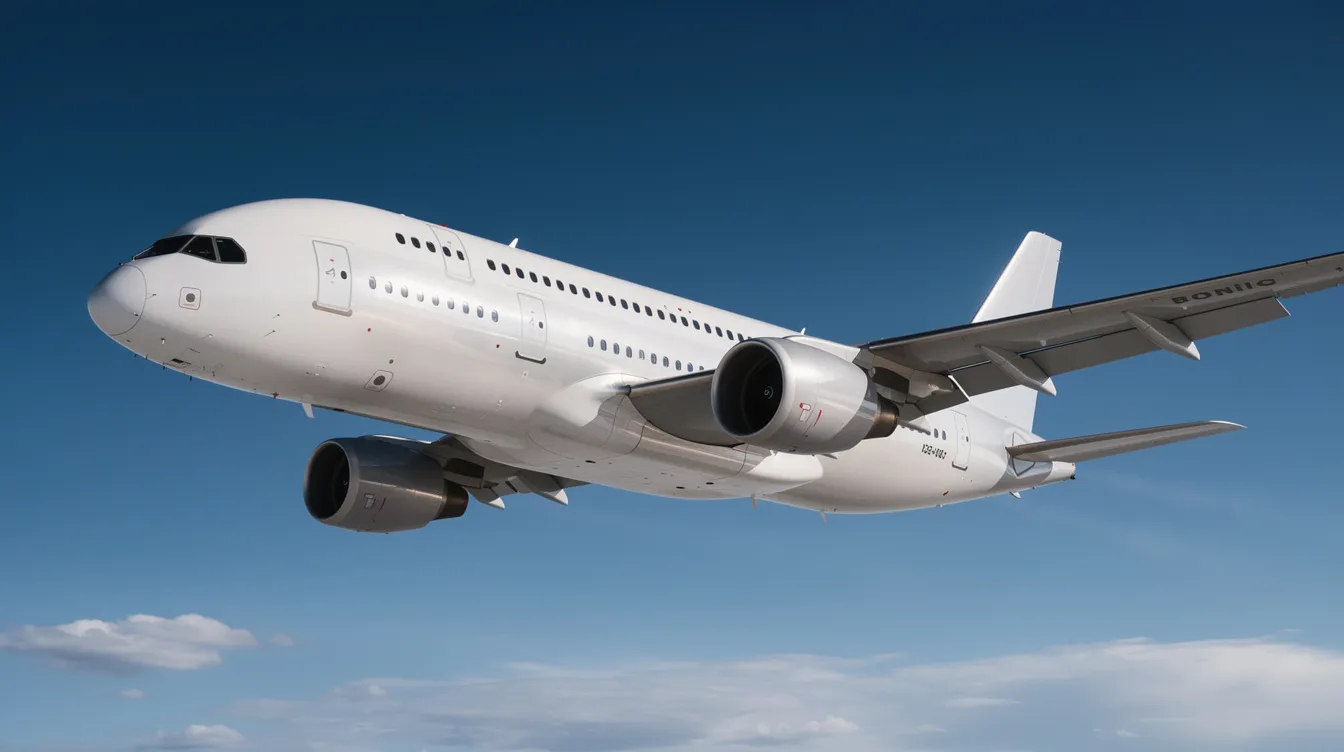
The Airbus A380's full-length double deck offers about 550 square meters of usable floor space, allowing wide variation in layout. Airbus A380's cabin configurations can vary widely, including high-density and luxury layouts. This flexibility is both an asset and a cost driver for buyers.
Flagship airlines like Emirates, Singapore Airlines, and Qatar Airways have invested tens of millions of dollars per aircraft in premium cabins, including first class suites with closing doors, business class lie-flat seats, showers, and onboard lounges. Singapore Airlines' 2017 "New A380 Suites" product, for example, features enclosed private rooms with separate beds, setting a benchmark that drove significant media attention and premium ticket revenue.
Cabin refurbishment can cost between $30 million and $50 million per aircraft. A buyer must evaluate whether to retain an existing cabin or fund a complete reconfiguration. Emirates' recent retrofit program, converting some A380s to a two-class layout with larger windows and new interiors, illustrates the scale of investment even for operators keeping the same aircraft type.
For private or head-of-state conversions, the airframe becomes a shell. VVIP interior designers work with the main deck and upper deck to create sprawling living spaces, conference rooms, and even medical facilities. The cabin investment in these projects can exceed the cost of the used aircraft itself, pushing total budgets above $400 to $500 million.
The president delivered version of such a project, if completed for a government, becomes one of the most expensive available aircraft in the world.
These three carriers illustrate different but successful strategies for deploying the Airbus A380 in 2026. Active A380 fleets are held by a small number of major operators, and these three dominate.
Emirates is the largest operator with more than 110 A380s. The airline plans to keep the type flying into the late 2030s, deploying it on over 50 route pairs from Dubai. Key routes include Dubai–London Heathrow, Dubai–Sydney, and Dubai–New York JFK. The Emirates order history, which at its peak accounted for nearly half of all A380 production, effectively kept the program alive during its final years. Production peaked largely because of Emirates' commitments.
Singapore Airlines operates a smaller but premium-heavy fleet of around a dozen A380s. Every frame has been retrofitted with the airline's newest premium cabins. Routes focus on high-yield markets: Singapore–London, Singapore–Sydney, and Singapore–Frankfurt–New York. All Nippon Airways (ANA) similarly deploys a small A380 fleet on select routes.
Qatar Airways has taken a more flexible approach, temporarily parking some aircraft after COVID-19, then returning selected A380s on trunk routes like Doha–London Heathrow and Doha–Sydney when demand justified the capacity.
These airlines succeed with the A380 because of slot-constrained hubs, strong premium cabin demand, and integrated network planning using a point-to-point system supplemented by connecting traffic. Not all potential buyers of an airbus a380 for sale can replicate those conditions.
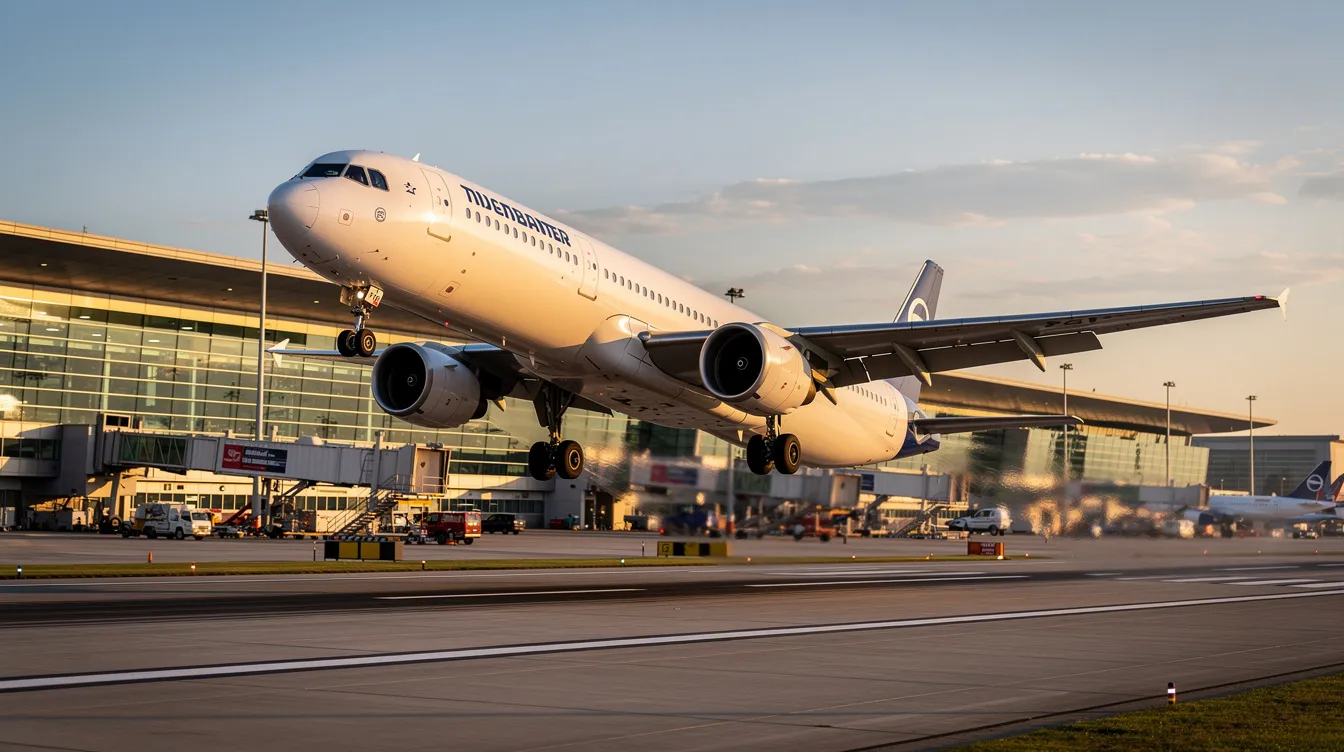
Some ultra-high-net-worth individuals explore the idea of buying an Airbus A380 as a "private jet." Media coverage of lavish VVIP A380 concepts fuels this curiosity. But the comparison with purpose-built heavy jets reveals why such a plane rarely makes sense for personal use.
Acquisition costs:
Used A380 airframe: $25–$60 million, plus hundreds of millions to convert
A Gulfstream G650 costs about $15 million used and roughly $7,000 per hour to operate
New ultra-long-range jets like the Gulfstream G700 or Bombardier Global 7500: $50–$75 million turnkey
Operating cost comparison:
|
Category |
Airbus A380 |
Large Cabin Private Jet |
|---|---|---|
|
Cost per flight hour |
$40,000–$55,000+ |
$7,000–$15,000 |
|
Typical passengers |
400–600 (airline) / 50–100 (VIP) |
10–19 |
|
Compatible airports |
~80 worldwide |
5,000+ |
|
Crew required |
20–30+ |
2–4 |
The point-to-point flexibility of private jets, their ability to use secondary airports closer to city centers, and lower staffing requirements make them far more practical. Even for a private owner moving 50 people, a chartered narrow-body or a pair of large-cabin jets delivers better economics.
Jettly serves as a digital charter platform that allows clients to access aircraft in the heavy jet or long-range category, and even commercial airline charters if needed, on demand with transparent pricing, while also offering structured jet card programs for frequent flyers who want fixed hourly rates. Its worldwide network of private charter aircraft gives travelers superjumbo-level comfort without superjumbo ownership risk. For most high-net-worth travelers, this approach achieves similar comfort and range as an A380 with far better economics.
Despite media fascination with "billionaires buying A380s," most real buyers are institutional rather than individual. The typical buyer profiles include:
Established airlines expanding capacity at slot-constrained hubs
Charter and ACMI operators focused on very large groups, Hajj, or seasonal traffic
Governments considering head-of-state or VVIP transports (the German Luftwaffe, for example, has evaluated very large aircraft for government transport)
Lessors and part-out firms acquiring frames for component resale
Freighter orders remain non-existent for the A380, as no cargo conversion program has gained traction
A private individual or family would need extraordinary wealth and a specific use case, such as regularly transporting hundreds of staff or delegations, to justify A380 ownership. The aircraft is simply too large, too expensive to operate, and too limited in airport access for personal travel.
Due-diligence stakeholders in any transaction include aviation lawyers, maintenance and engineering consultants, regulators, financiers, and insurance providers. All must sign off before an Airbus A380 for sale transaction closes.
For most corporate and family travel scenarios, charter access to different aircraft types through a platform like Jettly offers far more flexibility than full A380 ownership, especially when leveraging Jettly's focus on affordable private jet charter to control trip budgets.
A380 transactions are almost always handled quietly. Unlike small private jets listed on public marketplaces, most A380 aircraft for sale change hands through brokers, lessors, or direct airline fleet negotiations.
Specialized aircraft trading firms and online aviation marketplaces occasionally show an aircraft listing for an A380. However, these listings typically require buyers to sign NDAs and provide proof of funds before revealing detailed maintenance status, pricing, or seller identity.
Airlines and lessors may issue request-for-proposal (RFP) style invitations to selected buyers when placing multiple A380s on the secondary market. These invitations go to a vetted list of known operators, investors, and part-out specialists, not the general public.
Serious buyers rely on experienced widebody charter brokers and aircraft trading advisors who understand the type's technical specifics, maintenance history interpretation, and negotiation norms. Without this expertise, a buyer risks overpaying or acquiring an aircraft with undisclosed maintenance liabilities.
Jettly focuses on chartering rather than aircraft sales but can help clients charter A380-class capacity for specific events or seasons when operators make such new aircraft or used widebodies available on the charter market.
Buying an Airbus A380 is a multi-year, multi-million-dollar commitment requiring careful technical, financial, and regulatory review. Skipping any step can result in catastrophic cost overruns.
Technical due diligence:
Full review of maintenance records and logbooks
Verification of flight hours and pressurization cycles
Assessment of upcoming heavy checks (C-check, D-check timing)
Structural repair history, including wing rib inspections
Engine on-condition status, LLP life remaining, and engine parameter display data
Financial and commercial checks:
Independent valuation from at least two qualified appraisers
Forecast operating cost modeling under multiple fuel price scenarios
Scenario analysis for passenger yields, charter rates, or mission frequency
Exit strategy planning, including part-out value benchmarks
Regulatory and operational elements:
Confirming Code F compatibility at intended bases and destinations
Crew training arrangements with approved training organizations
Spare parts logistics and OEM support agreements (Airbus continues to support the A380 fleet despite production ending)
Compliance with EASA, FAA, or local authority certification requirements
Involving specialized A380 technical consultants is essential. Jettly applies a similar philosophy of vetted operator due diligence when onboarding aircraft into its global marketplace for charter services, working only with compliant Part 135 charter companies that meet strict regulatory standards.
Financing a used A380 in 2026 is materially different from financing a new Airbus aircraft like an A321neo. Residual value uncertainty and limited secondary market demand make lenders cautious.
Typical financing structures include:
Secured loans backed by aircraft and engine values
Sale-leaseback arrangements with the selling airline
Operating leases through specialist lessors
Short-term ACMI (aircraft, crew, maintenance, insurance) deals
Leasing rates for Airbus A380s typically range from $1.2 million to $1.5 million per month, reflecting the asset's size and risk profile.
Lender concerns center on the restricted number of potential future operators, high reconfiguration and re-entry-into-service costs, and the risk that part-out may be the only realistic exit. Buyers should prepare detailed business plans and traffic forecasts. They may face higher margins, shorter loan tenors, or additional collateral requirements compared with more liquid aircraft types.
Even organizations exploring A380 ownership often benchmark the economics against wet-lease or charter solutions, using tools similar to Jettly's private jet charter cost estimator to model trip-level expenses. This is exactly the sort of analysis Jettly customers perform when comparing group travel options against full ownership.
Insuring the world's largest passenger airliner involves high hull values, significant liability cover, and strict operational oversight.
Main insurance components:
Hull all-risk cover (typically based on agreed value of $25–$60+ million)
War and terrorism extensions
Passenger and third-party liability (often $1 billion+ per occurrence)
Optional loss-of-use or business interruption coverage
Underwriters focus on several key areas: pilot and crew experience on airbus aircraft, operator safety records, planned network and destinations, airport suitability, and adherence to manufacturer maintenance recommendations. South America or Africa routes with less-developed infrastructure may attract higher premiums.
Premiums and deductible levels for an A380 are substantially larger than for typical private jets or even smaller widebodies. Insurers may require specific risk-mitigation measures, enhanced crew training programs, and minimum experience thresholds.
Prospective buyers should involve aviation insurance brokers early in the acquisition process. This parallels how serious charter users verify operator insurance when arranging ad-hoc large aircraft charters through platforms like Jettly.
For many use cases, short-term charter of an A380 makes more sense than full ownership, and travelers can even evaluate whether shared charter flights versus full charters better match their budget and privacy needs. Major events, incentive trips, sports team movements, and concert tours all generate temporary demand for very large aircraft capacity, fitting naturally into the broader ecosystem of charter airlines and private flight providers.
Full Airbus A380 charters are rare but possible. Charter rates for an A380 can exceed $300,000 per flight, with long-haul sectors often running $300,000 to $500,000 or more depending on distance, positioning, and onboard services. That equates to roughly $30,000 to $40,000 per hour. A380 charter options are typically for large groups or special events.
Some operators occasionally place A380s on the charter market during off-peak periods, making available aircraft accessible for groups of 400 or more. But availability is limited, and routes must suit the aircraft's airport and range constraints.
A digital charter platform like Jettly can source large aircraft, including twin-aisle Airbus or Boeing models and, where possible, very large aircraft, while also proposing more efficient alternatives. For a group of 200, for instance, a single chartered A321 may offer better schedules and lower cost per passenger than half-filling an A380, especially when paired with an airport locator tool to identify optimal departure and arrival points.
Readers considering an airbus a380 for sale should consider how to charter a private jet or a large commercial aircraft first, gathering real-world data on load factors, schedule, and passenger satisfaction before committing capital.
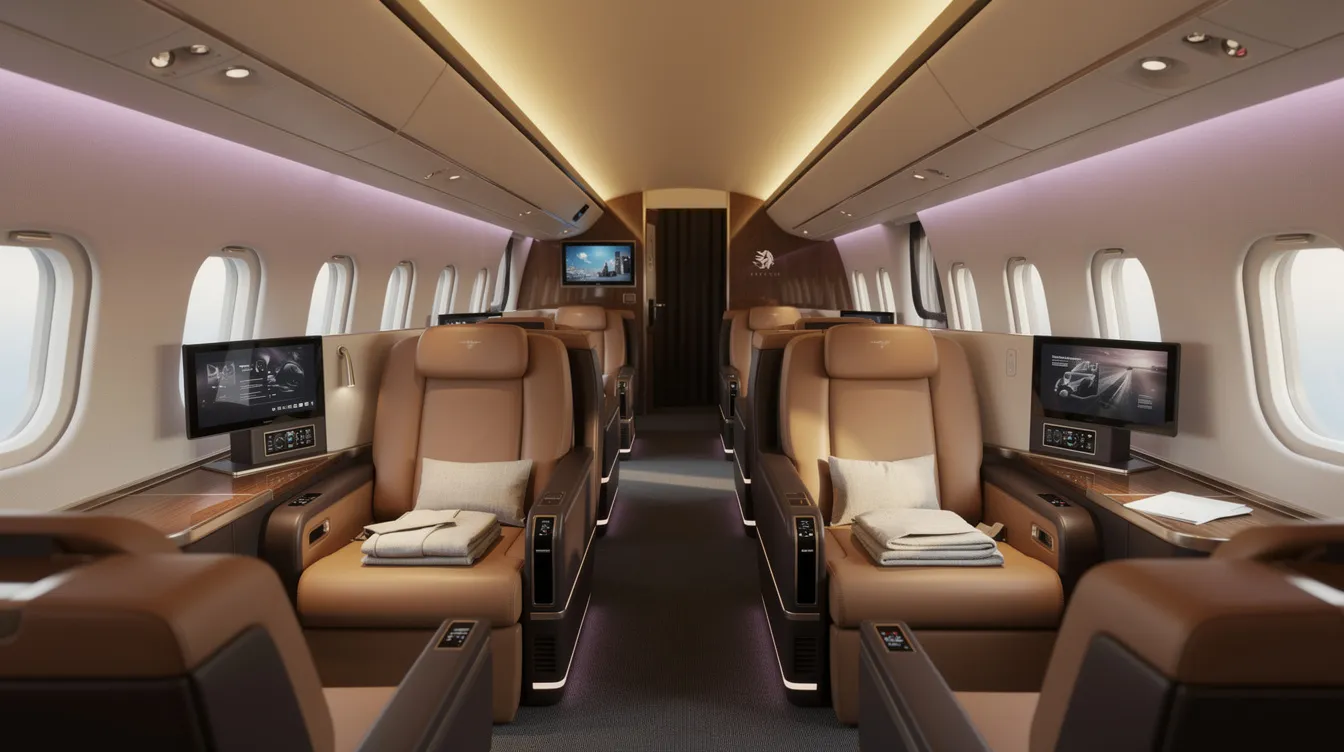
Jettly's role is to help travelers match aircraft size to actual demand, avoiding the inefficiencies that challenge very large aircraft like the A380 on most routes, and it often serves as a NetJets alternative for cost-effective private flying.
The platform offers access to more than 20,000 private charter aircraft in its global marketplace, ranging from turboprops and light jets to heavy jets and regional airliners. All are available on demand with transparent pricing.
Practical examples of right-sizing:
|
Travel Need |
A380 Approach |
Jettly Recommendation |
|---|---|---|
|
10-person executive trip |
Absurdly oversized |
Super midsize or heavy jet |
|
50-person corporate event |
Still vastly oversized |
|
|
120-person company retreat |
Possible but costly |
Chartered A321 or Boeing 737 |
|
400+ passengers, single route |
Viable if route supports it |
Source A380 or equivalent widebody |
Jettly's digital tools provide instant pricing, online booking, and private jet memberships that reduce per-flight costs without long-term ownership commitments or exposure to residual value risks. For ten years, the trend in aviation has been toward flexibility over fixed fleets, and Jettly's model reflects that shift.
Learn more about charter options and compare aircraft types at https://www.jettly.com, or explore Jettly's private jet memberships and crowdsourced private jet flights with shared empty seats for additional flexibility.
There are legitimate scenarios where A380-level capacity is warranted, even if the aircraft itself is not always the optimal tool.
Concrete examples:
High-density trunk routes: Dubai–London Heathrow, Singapore–Sydney, or any slot-constrained airport pair where airlines cannot add more frequencies
Hajj and Umrah operations: Moving thousands of pilgrims into Jeddah and Medina during peak seasons
Major corporate events: Global association congresses or incentive trips involving 400+ attendees
International sporting events: World Cup, Olympics, or Formula 1 events generating surge demand
Charter or ACMI providers may deploy A380s or similar widebodies to support airlines facing temporary slot constraints or seasonal surges. This only aircraft type can move 853 passengers in a single-class layout, a capacity no other passenger version comes close to matching.
Jettly can help organizations evaluate whether a single widebody, multiple narrow-body aircraft, or several business jets best serve their schedule and cost objectives by drawing on the same cost and option analysis used when exploring affordable aeroplane rent costs and options. Very few missions require permanent ownership of an Airbus A380. Flexible charter access usually delivers similar capacity with significantly lower financial risk.
Buyers or charter users drawn to airbus aircraft for their technology and cabin comfort have many options beyond the A380.
Commercial alternatives:
Airbus A350-900/1000: Long range, excellent fuel efficiency, strong residual values, modern composite construction
Airbus A330neo: Lower acquisition cost, proven reliability, competitive on medium- to long-haul routes
Both types accept more passengers per trip than most widebodies while burning far less fuel than the A380
Corporate jet solutions:
Airbus ACJ TwoTwenty (based on the A220): Wide-cabin comfort for 8–25 passengers, intercontinental range, operating costs a fraction of the A380
ACJ319neo and ACJ320neo: Larger cabin options for head-of-state or corporate shuttle missions with larger windows and modern systems
These are new aircraft with current production support and strong residual values.
Jettly can arrange charters on these Airbus aircraft types, both commercial models and corporate configurations, giving clients the "Airbus experience" without committing to purchase, including efficient widebodies such as the Airbus A330-300 with detailed specs and charter rates. Prospective A380 buyers should at least run comparative analyses with these newer, more flexible types before finalizing any aircraft for sale transaction. Air France and other carriers previously operating A380s have already transitioned to A350s, validating the economics.
These questions address practical issues not fully covered elsewhere in this guide, focused on 2026 market realities for prospective buyers, charter users, and aviation enthusiasts.
Only a small subset of the 251 ever built are actively marketed at any given time. Typically fewer than a dozen are listed or quietly offered through brokers, with others in storage, on long-term lease, or earmarked for part-out by asset specialists.
Availability fluctuates as airlines adjust fleets and as market conditions change. Many negotiations happen off-market through lessors and trading firms rather than public listings. Buyers should work with experienced widebody brokers who track the full inventory of parked and returning aircraft across operators globally.
Yes, individuals or corporations can legally own an A380 provided they meet regulatory requirements. There is no rule limiting ownership to airlines. However, practical hurdles are substantial: crew training, maintenance infrastructure, airport access limited to roughly 80 facilities worldwide, and operating costs that start at $40,000 per flight hour.
Most private owners would contract a certified commercial operator to manage and operate the aircraft under an Air Operator's Certificate (AOC) rather than building their own airline-style organization from scratch. This adds management fees but avoids enormous regulatory complexity.
A full VIP conversion can easily take 18 to 36 months or more, including design, engineering, structural modifications, interior installation, and certification testing. Some complex projects have exceeded three years.
During this period, the aircraft produces no revenue. Buyers must factor in both the capital cost and the lost-use opportunity cost when planning such a project. Completion centers capable of handling an aircraft this large are extremely limited, which can extend timelines further.
While A380 charters are rare, Jettly can in some cases source very large aircraft, including widebody Airbus and Boeing models, for specific group travel needs if operators make them available. Availability depends on season, route, and operator schedules.
In most scenarios, Jettly will propose more efficient alternatives, such as narrow-body airliners or multiple large private jets, that offer better schedules and cost per passenger for the client's route. Visit https://www.jettly.com to discuss options with the team.
Key comparison points include expected annual flight hours, typical passenger load per trip, preferred airports and their A380 compatibility, available capital and risk appetite, and the value of operational flexibility versus fixed-asset control.
Organizations should run detailed cost-per-trip and total cost of ownership analyses. Platforms like Jettly allow teams to benchmark charter pricing across multiple aircraft types, using tools such as a jet card flight cost estimator to generate real data and inform the buy-versus-charter decision before committing tens of millions of dollars to a purchase.
The Airbus A380 remains a technically impressive and passenger-pleasing aircraft. It is the largest airliner ever built, with a double-deck layout, 550 square meters of usable floor space, and the ability to carry up to 853 passengers. But its economics and scale limit suitable buyers to a small group of highly specialized operators and governments.
The trade-offs are stark: low second-hand purchase prices versus very high operating, maintenance, and reconfiguration costs, plus limited airport access (only 80 or so compatible airports worldwide) and uncertain long-term residual values.
For most corporations, families, and even many airlines, smaller twin-engine widebodies, narrow-body aircraft, or large private jets deliver better flexibility, lower risk, and stronger financial performance than an A380. Fuel costs, maintenance surprises, and market conditions all favor right-sized fleets over legacy superjumbos.
If you are researching airbus a380 for sale opportunities, model your real travel needs first. Consider starting with chartered capacity through a platform like Jettly, gathering actual data on load factors, schedules, and costs before pursuing ownership.
Ready to explore flight options, compare aircraft types, or request a quote? Visit https://www.jettly.com to find right-sized private or group travel solutions, or consider partnering through Jettly's ultra-high-ticket affiliate program if you regularly refer clients who need large-aircraft or premium charter solutions.
Share this post:
Jay Franco Serevilla
Aug 5, 2026
|
5
min read
Discover tips and trends in the industry.
5
min read
Aircraft Services Group: How Jettly Simplifies Modern Private Aviation
Jettly revolutionizes private aviation by connecting travelers to over 20,000 aircraft worldwide through a digital platform. With instant pricing and seamless booking, it offers flexibility and transparency without the need for jet card commitments. Safety is paramount, as all flights are operated by certified carriers, ensuring a reliable travel experience.
Read More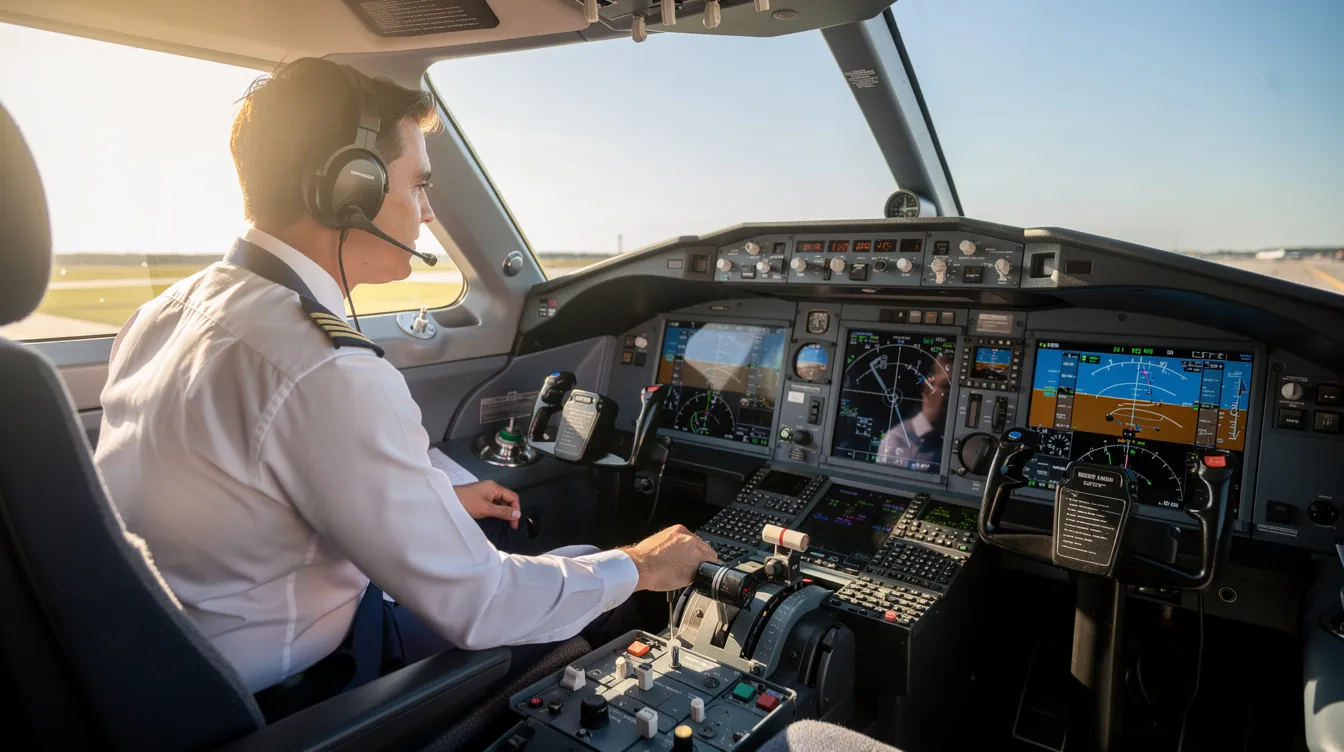
5
min read
Executive Jet Management Pilot Pay: What Pilots Really Earn in Part 135 Operations
Executive jet management pilot pay in U.S. Part 135 operations ranges from $100,000 to over $300,000 annually, influenced by factors like experience and aircraft type. Understanding these compensation structures is vital for pilots and industry professionals, as it aids in career planning and negotiation. Jettly connects travelers with vetted operators, enhancing transparency in pilot compensation.
Read MoreStay updated with our latest insights and tips to elevate your journey with us.
MEMBERSHIPS AND ASSOCIATIONS



Disclaimer: Jettly operates as a charter broker, offering access to a global digital jet charter marketplace. Jettly is not a direct air carrier and does not own or operate aircraft. All advertised flights are conducted by third-party air carriers that are fully licensed and hold the appropriate Part 135 or Part 121 certifications issued by the Federal Aviation Administration (FAA) or equivalent regulatory authorities under U.S. or foreign law. Jettly complies fully with the U.S. Department of Transportation's Part 295 and Part 298 Charter Broker regulations. Jettly does not carry additional liability insurance. Passengers are covered by aircraft operator insurance. TICO: 50023770


