


Login
Get Instant Pricing On 23,000+ Aircraft

>

Aircraft selection is less about specific models and more about choosing the right class for your mission.
Aircraft class determines:
Best for:
Ideal for:
Designed for:
Key factors:
View aircraft by class to explore options.
Share this post:
Jay Franco
Dec 12, 2025
|
5
min read
Discover tips and trends in the industry.
5
min read
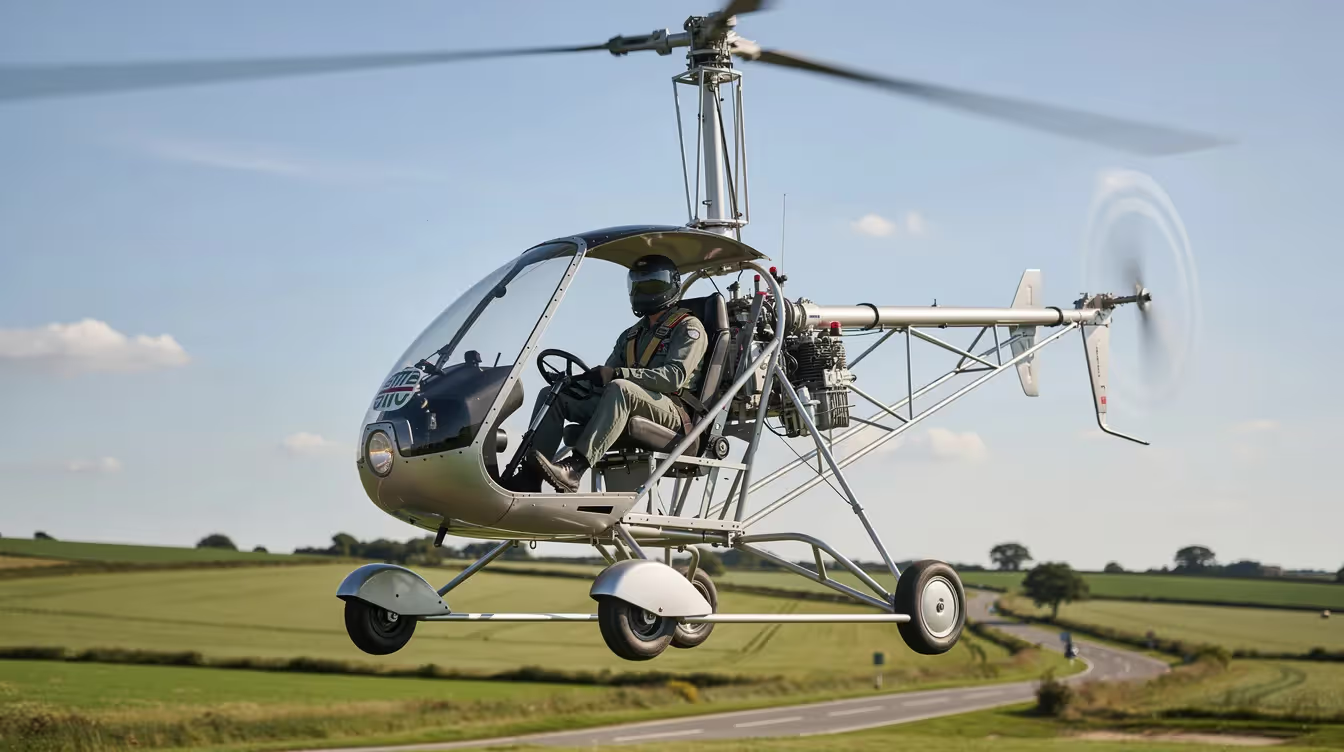
Gyroplane: How It Works, What It Costs, and Where It Fits in Modern Private Aviation
Gyroplanes, or autogyros, are a unique type of rotorcraft that generate lift through an unpowered rotor and require forward motion for flight, distinguishing them from helicopters. They are primarily used for recreational flying, agricultural monitoring, and low-altitude patrols due to their lower operating costs and ability to operate from short runways. While gyroplanes appeal to hobbyists and specialized operators, they are not suited for long-distance business travel, which is typically served by jets and helicopters available through platforms like Jettly. Overall, gyroplanes offer a niche alternative in private aviation, emphasizing affordability and versatility for specific applications rather than mainstream charter services.
Read More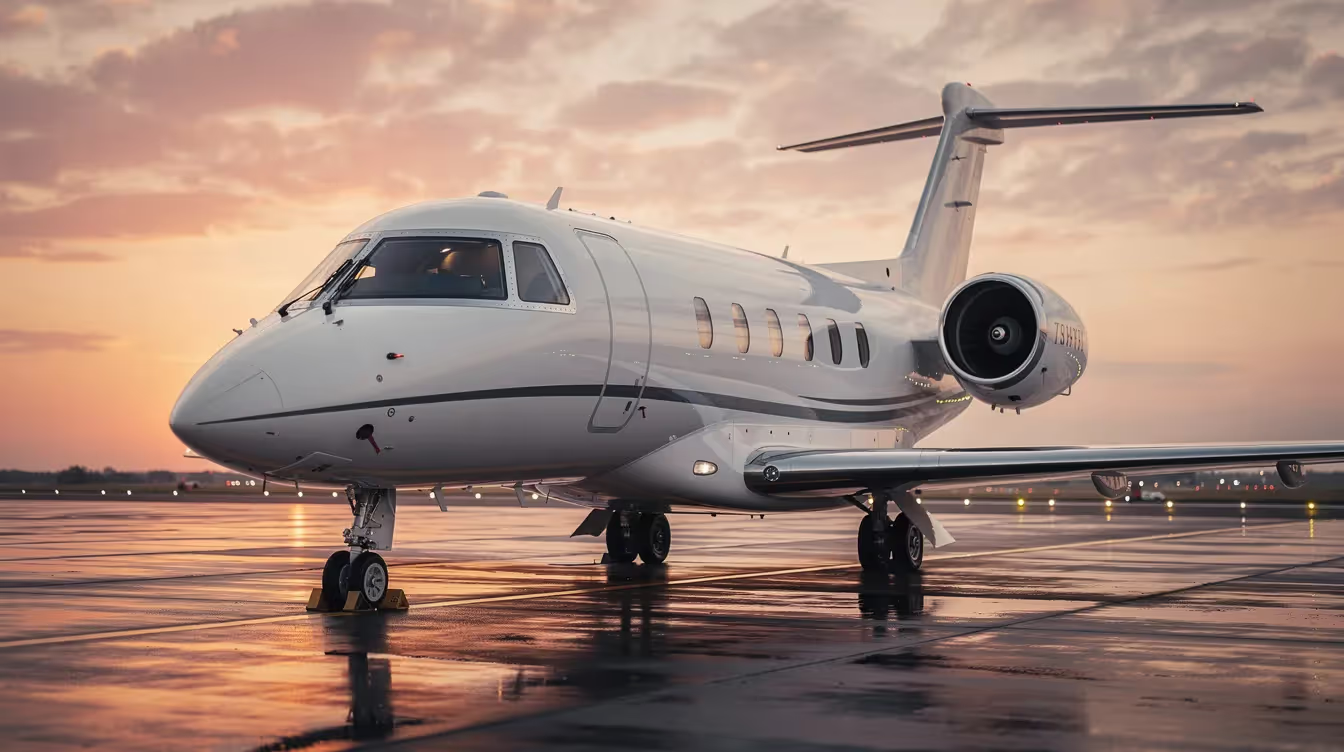
5
min read
Helicopter License Price: Full Cost Breakdown, Training Paths & Budget Tips
The cost of obtaining a helicopter pilot license in the U.S. ranges from approximately $25,000 to $35,000 for a Private Helicopter Pilot License (PPL-H) and can exceed $100,000 for a full commercial certification, depending on factors like flight hours, helicopter type, and geographic location. Key expenses include flight training, ground school, exams, and aircraft rental fees, with the Robinson R22 being a more affordable training option compared to the R44. While pursuing a helicopter license can lead to rewarding career opportunities, travelers seeking occasional private flights may find chartering options, such as those offered by Jettly, to be more cost-effective than investing in training. Overall, budgeting for training should include not only tuition but also additional costs like gear, insurance, and ongoing proficiency checks.
Read MoreStay updated with our latest insights and tips to elevate your journey with us.
MEMBERSHIPS AND ASSOCIATIONS



Disclaimer: Jettly operates as a charter broker, offering access to a global digital jet charter marketplace. Jettly is not a direct air carrier and does not own or operate aircraft. All advertised flights are conducted by third-party air carriers that are fully licensed and hold the appropriate Part 135 or Part 121 certifications issued by the Federal Aviation Administration (FAA) or equivalent regulatory authorities under U.S. or foreign law. Jettly complies fully with the U.S. Department of Transportation's Part 295 and Part 298 Charter Broker regulations. Jettly does not carry additional liability insurance. Passengers are covered by aircraft operator insurance. TICO: 50023770


