



Login
Get Instant Pricing On 23,000+ Aircraft

>
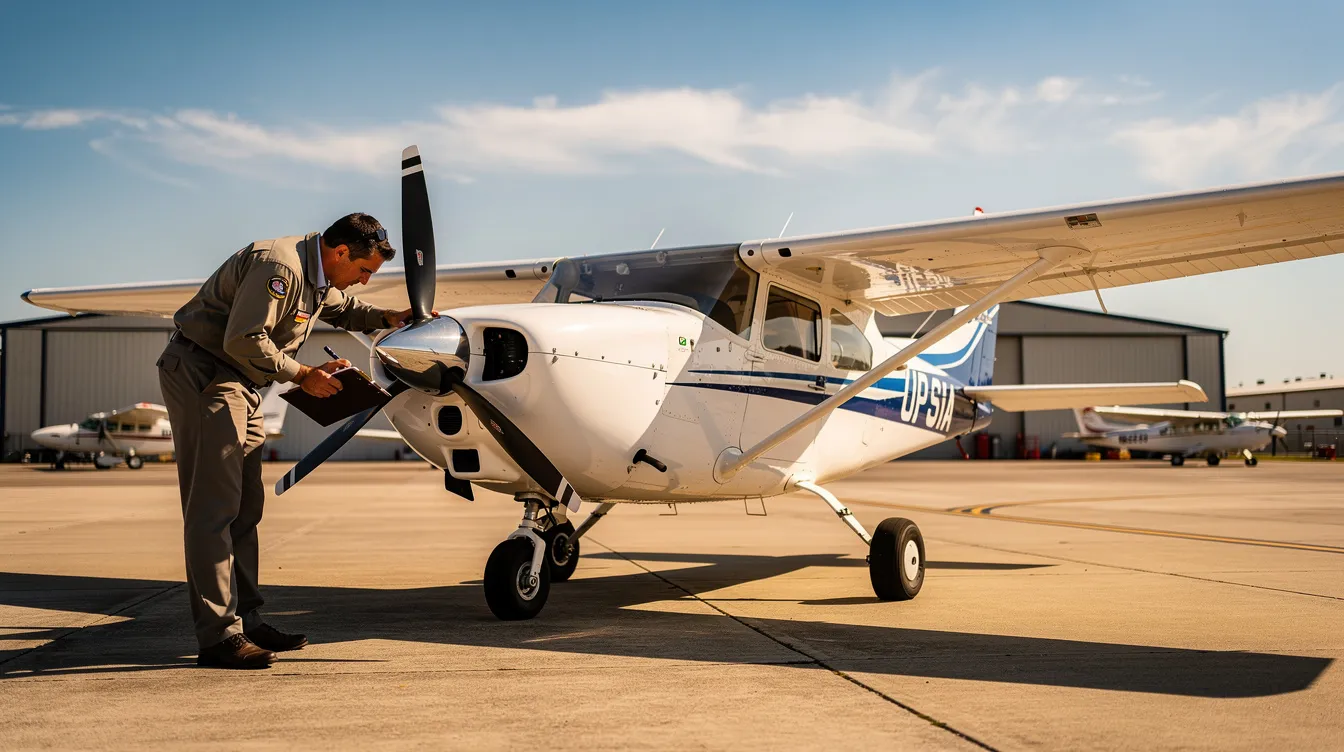
An aircraft pilot operates and navigates airplanes, helicopters, and business jets across every corner of the aviation industry. Whether flying passengers on a scheduled airline, transporting cargo across continents, or piloting a private charter to a remote airstrip, pilots share a core mission: get people and goods where they need to go safely.
This guide is for aspiring pilots, career changers, and aviation enthusiasts interested in the pilot profession in 2026. Understanding the pilot career path is crucial as demand for qualified pilots continues to grow worldwide. This guide breaks down the career paths, training steps, costs, and job outlook for anyone looking to become a pilot in 2026.
An aircraft pilot’s primary responsibility is navigating the aircraft safely and efficiently through takeoff, cruising, and landing. Safety is a pilot's highest priority, requiring adherence to established safety procedures at every step. The role covers fixed-wing airplanes, helicopters (where helicopter pilots specialize in rotary-wing aircraft), and business jets.
Pilots are responsible for a range of tasks before, during, and after each flight. Core duties include:
Reviewing flight plans and weather conditions before departure, including METARs, TAFs, and NOTAMs.
Conducting pre-flight inspections for aircraft safety, checking airframe, engines, avionics, fuel levels, and weight and balance.
Filing or accepting flight plans and coordinating with dispatch, ground crews, and air traffic control.
Navigating aircraft during takeoff, cruising, and landing while managing fuel consumption and monitoring systems.
Communicating with air traffic control during flights, reporting position, altitude, and intentions.
Reacting to in-flight emergencies; handling turbulence, diversions, and system failures to keep passengers and crew safe.
Airline pilots primarily fly scheduled passenger or cargo routes for commercial airlines under Part 121 regulations. Commercial pilots cover a broader range: charter flights, corporate aviation, medical evacuation, aerial survey, and crop dusting missions. Pilots fly different aircraft depending on the operation.
On private jet charter platforms like Jettly, pilots handle on-demand itineraries, fly into smaller airports that travelers can locate using an airport locator tool, manage tight turnarounds, and often interact directly with passengers. Post-flight, pilots complete logs recording flight time and conditions, file reports, debrief with crew, and attend recurrent training or simulator sessions to maintain currency and situational awareness.
Pilots are classified by their FAA certificate level and specialized mission. The main types are:
Airline Pilots: Hold an Airline Transport Pilot (ATP) certificate and typically fly large transport-category jets like the Boeing 737 or Airbus A320 for major airlines or regional carriers. They operate scheduled flights carrying passengers or freight as cargo pilots who transport goods by air.
Commercial Pilots: Hold a Commercial Pilot Certificate and work across charter flights, corporate aviation, aerial photography, crop dusters, flightseeing, and medical evacuation flights. The term describes both a license level and a job category.
Private Pilots: Hold a Private Pilot Certificate and fly light aircraft like the Cessna 172 or Piper PA-28 for personal use or recreation. Private pilots fly for personal or recreational purposes and cannot act as pilot in command for compensation or hire.
Military Pilots: Train through the armed forces for combat, reconnaissance, transport, or rescue missions. They fly specific aircraft such as the F-16, C-17 Globemaster III, B-52, and MQ-9 drone.
Many pilots start as private pilots, build flight hours as flight instructors, then progress to commercial or airline roles. Others begin in the military and transition to civilian careers. Experienced pilots at major airlines or corporate operators often hold tens of thousands of hours of flight time.
The path to becoming a pilot follows a clear sequence, though training formats vary by country and program type. To become a pilot in the United States, you must meet FAA eligibility rules. The FAA sets rules for civilian pilot training in the United States.
Research options. Compare Part 61 (flexible, self-paced), Part 141 (structured syllabus), university aviation degrees, and military pathways. Consider pilot training price early.
Take a discovery flight. An introductory lesson confirms interest and gives a feel for the cockpit.
Confirm eligibility. Meet minimum age thresholds (17 for private, 18 for commercial, 23 for unrestricted ATP). Pilots must demonstrate fluent English skills for communication in aviation. Complete background and security checks where applicable.
Get a medical certificate. FAA medical requirements must be met to become a pilot. Apply for the appropriate class: a First Class medical certificate is common for professional pilots aiming at airline careers, while Third Class covers private flying.
Enroll as a student pilot. Begin ground school, apply for a student pilot certificate (via FAA IACRA in the U.S.), and start logging dual instruction.
Hit key milestones. Pilots must pass FAA knowledge and practical tests for certification. Log required dual and solo flight hours, complete cross-country and night requirements, then pass a checkride with a designated examiner.
Progress upward. After earning a Private Pilot Certificate, add an Instrument Rating, then train for a Commercial Pilot Certificate and Multi-Engine Rating, building toward an ATP certificate for airline careers.
Flight training is the hands-on component: flying an actual aircraft or a simulator under instructor supervision. Ground school covers theory, from aerodynamics to regulations. Flight training includes ground school and practical flight training with an instructor, and both are required before any certificate checkride.
Training aircraft. Student pilots typically start in light single-engine planes like the Cessna 152, Cessna 172, or Piper Archer, logging dual instruction with certified flight instructors.
Core flight skills. Basic maneuvers (turns, climbs, descents), takeoffs and landings, stall recovery, navigation by pilotage and dead reckoning, radio communication, and emergency procedures.
Ground school topics. Aeronautical knowledge covering aerodynamics, weather theory, aircraft systems, navigation, regulations, performance calculations, human factors, and airspace rules.
Knowledge test. A computer-based exam evaluates aeronautical knowledge before the checkride. Passing scores and instructor endorsements are required to continue.
Training formats. Traditional Part 61 training offers flexibility. Part 141 or integrated programs follow structured syllabi and can reduce required hours. University aviation degrees combine academics and flying. Other jurisdictions (EASA, for example) use modular or integrated courses.
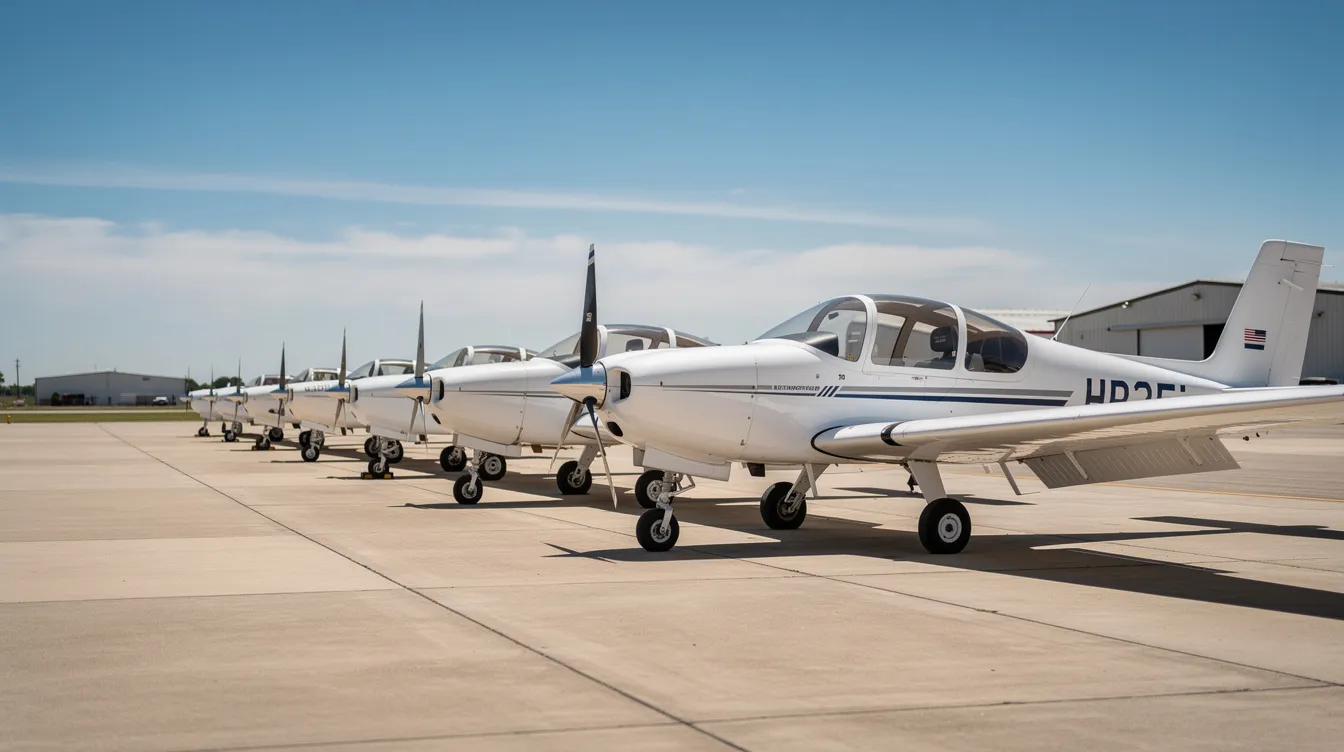
Pilot licensing is hierarchical. Each level adds privileges and requires more hours of flight, knowledge, and skill.
Private Pilot Certificate (PPL). A Private Pilot License requires 35 to 40 flight hours (often 50-70 in practice). A Private Pilot Certificate allows carrying passengers but not for compensation. Minimum age: 17 in the U.S. An LSA (Light Sport Aircraft) license can be obtained in at least 20 flight hours for those who want a lighter entry point.
Instrument Rating. An Instrument Rating allows pilots to fly under Instrument Flight Rules in poor visibility. Critical for safety at night and in clouds, and required for commercial and airline careers. Adds roughly 40 hours of instrument-focused training.
Commercial Pilot Certificate. Minimum age 18. Higher proficiency standards. You must have at least 250 flight hours to qualify for a Commercial Pilot License (190 hours minimum under Part 141). Allows flying for compensation, opening doors to charter, cargo, and corporate roles. For more on how much a pilot can earn at this level, salary guides offer detailed breakdowns.
Multi-Engine Rating. Covers asymmetric thrust training and engine-out procedures. Required by most airline, charter, and corporate employers.
Airline Transport Pilot (ATP). An Airline Transport Pilot Certificate typically requires 1,500 flight hours (reduced under R-ATP for military graduates or qualifying degree holders, per GAO's 2026 report). An Airline Transport Pilot License is required for captaining airliners. Minimum age: 23 for unrestricted ATP.
Instructor ratings (CFI, CFII, MEI). Pilots often build flight experience by working as flight instructors, teaching new student pilots while accumulating the flight hours required for airline or commercial positions.
Airline and commercial pilots remain in high demand globally. Fleet expansion, retirements (mandatory at age 65 under Part 121 in the U.S.), and regional growth in Asia-Pacific and the Middle East are driving openings. Boeing forecasts roughly 674,000 new pilots needed worldwide between 2025 and 2044.
Pay ranges. The median annual wage for U.S. airline pilots, copilots, and flight engineers is approximately $232,000. Commercial pilots earn a median of around $123,000. First-year regional first officers start at $85,000-$100,000; senior captains at major airlines can reach $400,000-$500,000+ with seniority.
Typical airline path. Pilots start with a Private Pilot, add an Instrument Rating and Commercial Pilot Certificate, earn a Multi-Engine Rating, build flight time as a flight instructor or in Part 135 operations, obtain an ATP certificate, then join a regional carrier as a first officer before upgrading to captain or moving to major airlines, or choosing roles with top private jet charter companies.
Commercial roles beyond airlines. Corporate and business jet operations, cargo aircraft operations, sightseeing, aerial photography, medical flights, and charter operations through platforms like Jettly are all part of the broader charter airlines and private aviation landscape.
Job outlook. FAA forecasts for 2025-2046 project steady growth in ATP certificate holders. Pilot certifications in the U.S. rose about 10% from 2017 to 2024, with new ATP certificates more than doubling over that period.
Lifestyle. Airline pilots face irregular schedules, overnight layovers, and time away from home. Charter and corporate pilots may have more flexible, trip-based patterns but less predictable scheduling. Transport company executives and company executives who rely on business aviation create consistent demand for corporate aviation pilots.
Many pilots start their career through the armed forces, gaining rigorous training and thousands of hours on complex aircraft before transitioning to civilian aviation. Military experience can credit hours and specialized training toward commercial pilot and ATP requirements.
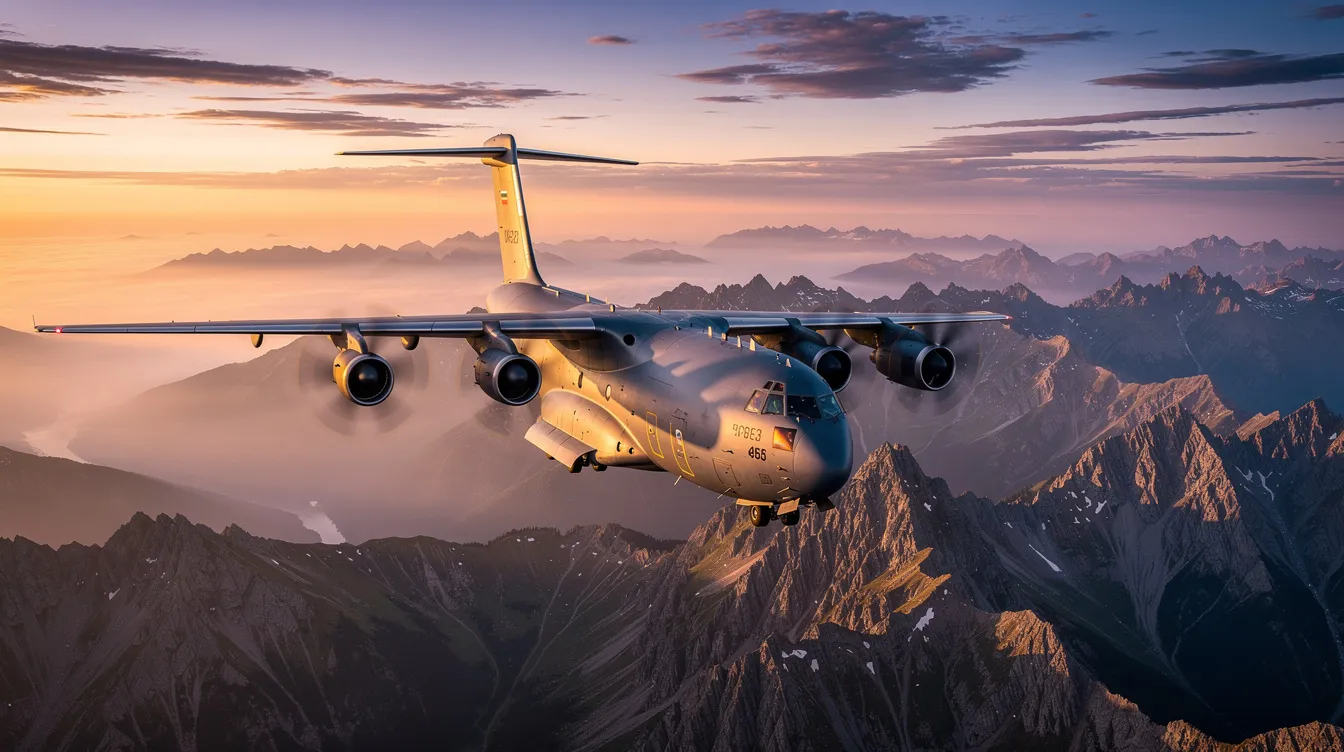
Mobility pilots fly large cargo aircraft like the C-17 Globemaster III, transporting troops, equipment, and relief supplies worldwide, including humanitarian missions after natural disasters.
Fighter pilots operate aircraft such as the F-16 in air defense and offensive missions, handling high-G maneuvers, supersonic speeds, and intensive tactical training. Military pilots are trained for combat and reconnaissance missions.
Recon pilots gather intelligence at high altitude in aircraft like the U-2, supporting surveillance, disaster assessment, and strategic planning for government agencies.
Bomber pilots fly long-range strike platforms such as the B-52, executing precision-guided munitions delivery and complex mission planning.
Rescue and RPA pilots perform search-and-rescue operations in platforms like the CV-22 Osprey. RPA pilots remotely operate drones such as the MQ-9 Reaper, providing 24/7 coverage. The role of a third pilot or additional crew depends on mission length and aircraft type.
Aircraft manufacturers continue to develop platforms for both military and civilian use, and many military pilots transition to commercial airlines, corporate aviation, or charter operators after completing their service commitments.
Time and cost vary based on training route, country, and career goal. A student pursuing a private plane pilot certificate will spend far less than someone completing a full airline-ready program.
Cost ranges. A Private Pilot Certificate runs roughly USD $10,000-$18,000 at most U.S. schools. Progressing through Commercial, Instrument, Multi-Engine, and instructor ratings in an integrated program costs $80,000-$120,000+. Accelerated academy programs can exceed $150,000.
Timelines. Private Pilot: 3-12 months depending on training intensity. Training time can take 6-9 months for accelerated programs covering multiple ratings. Reaching airline-ready status (including hour-building): 2-5 years total from zero experience. Many pilots complete flight training in roughly 18-36 months of active instruction and hour-building as instructors before deciding whether to fly commercially or join a NetJets alternative like Jettly.
Eligibility. Minimum age thresholds, English proficiency, medical fitness (First, Second, or Third Class medical), security checks, and passing both the knowledge test and practical checkride.
Part-time vs. accelerated. Consistent flying at 2-3 lessons per week reduces cost and improves retention. Accelerated Part 141 programs compress timelines but require full-time commitment. For more detail, see this breakdown of pilot lesson costs.
Financing. Options include savings, student loans, scholarships, airline-sponsored pathway programs, military service, and even earning from an ULTRA high-ticket affiliate program that promotes aviation services. A bachelor's degree is not required by regulators but may improve hiring prospects at major airlines. Long-term return on investment is strong given median wages in the aviation industry.
The aircraft pilot career extends well beyond the flight decks of commercial airlines. Business aviation and private charter aircraft create a parallel career track where pilots operate on-demand for corporate and leisure travelers.
On-demand hiring of aircraft and crews, flown by commercial pilots or airline transport pilots working under certified operators (Part 135 in the U.S.) rather than scheduled airlines.
Same-day business trips to multiple cities, family vacations, special events, urgent medical travel, and flights into smaller airports near final destinations, where travelers often rely on a private jet charter cost estimator to plan budgets.
|
Certification Level |
Minimum Flight Hours |
Minimum Age |
Privileges and Notes |
|---|---|---|---|
|
Private Pilot Certificate (PPL) |
35-40 (often 50-70) |
17 |
Fly for personal/recreational use; no compensation allowed; entry-level license |
|
Light Sport Aircraft (LSA) |
20 |
16 |
Fly light sport aircraft; simpler training and requirements |
|
Instrument Rating |
~40 additional |
Varies |
Fly under instrument flight rules (IFR); required for commercial and airline operations |
|
Commercial Pilot Certificate |
190-250 |
18 |
Fly for compensation; opens commercial, charter, cargo, and corporate flight opportunities |
|
Multi-Engine Rating |
Varies |
Varies |
Required for flying multi-engine aircraft; includes asymmetric thrust and engine-out training |
|
Airline Transport Pilot (ATP) |
1,500 |
23 |
Required to captain scheduled airliners; highest FAA pilot certification level |
Jettly is a digital marketplace with global aircraft inventory, instant pricing, and on-demand booking that connects travelers with professional pilots and certified operators, while also explaining how much private jet charter typically costs. Learn more about how charter flights work.
Jettly emphasizes operator compliance, flight safety, and working only with certified Part 135 charter companies and experienced pilots holding appropriate commercial and ATP credentials. Medical examinations, recurrent training, and regulatory oversight apply to all operating crews.
For aspiring pilots, business aviation and Jettly-partnered operators offer a successful aviation career path beyond major airlines, with more varied routes, smaller crews, and exposure to different airplanes and airports, especially when serving clients on private jet memberships.
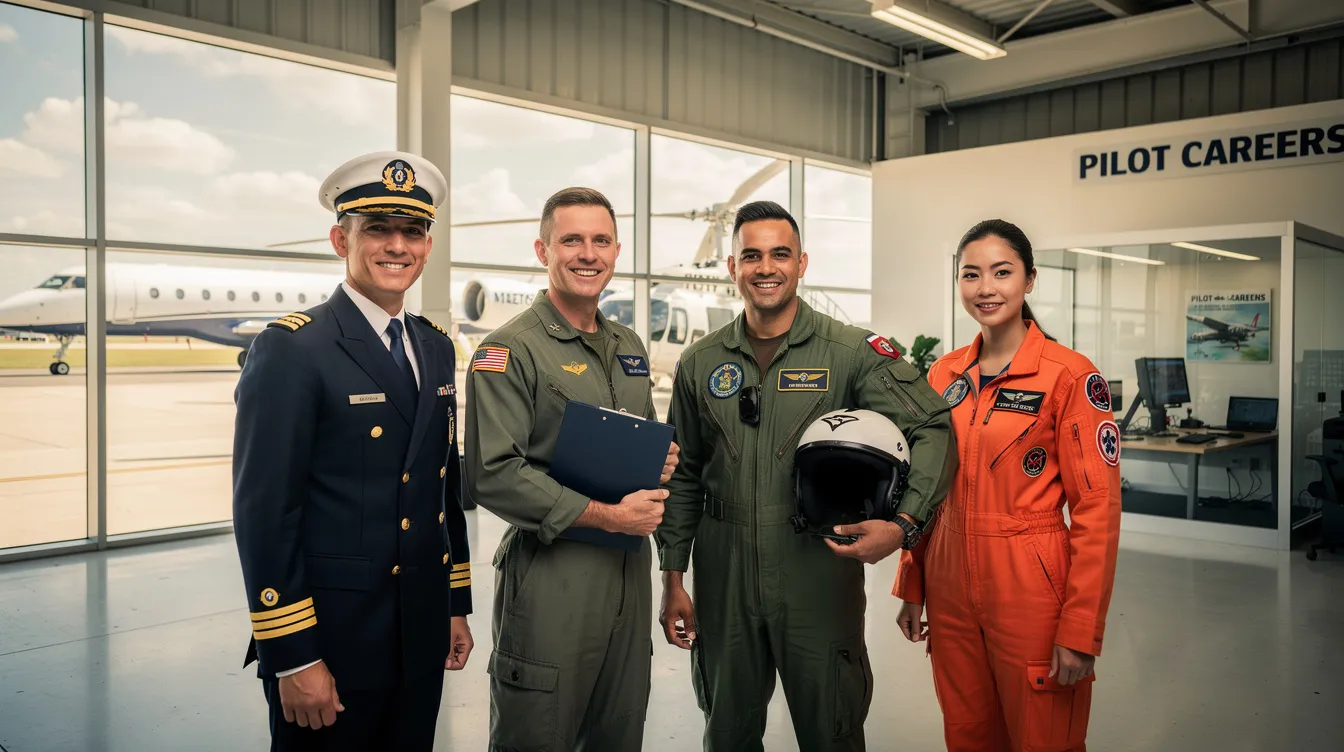
Pilot careers are being reshaped by new technology, sustainability goals, and shifting travel patterns. Artificial intelligence and automation are changing cockpit workflows, but regulators still require qualified human pilots on board for airline and commercial operations.
UAVs are remotely piloted aircraft. Certification pathways for drone pilots (Part 107 in the U.S.) are expanding into commercial inspection, logistics, and delivery roles. Many pilots add UAV credentials alongside traditional certificates.
Cockpit technology. Glass flight decks, satellite-based navigation, ADS-B, and data-driven decision support tools are now standard. Pilots manage systems rather than manually flying for most of a typical cruise phase.
Sustainability. Airlines and business aviation operators are testing sustainable aviation fuel (SAF) and optimizing flight profiles to cut fuel burn. Platforms like Jettly may offer carbon offset options as corporate travelers prioritize environmental accountability.
Training evolution. High-fidelity simulators, virtual reality, and scenario-based training prepare pilots for complex operations at lower cost. Specialized training in degraded operations and automation failures is becoming standard.
Demand outlook. Despite growing automation, demand for well-trained pilots is expected to remain strong through at least the mid-2040s. The aviation industry faces a generational turnover as tens of thousands of pilots approach mandatory retirement age.
An aircraft pilot is a trained professional who commands aircraft ranging from single-engine trainers to widebody jets. The field spans airline and commercial pilots, military pilots, and private pilots, each with distinct missions, aircraft, and credentials.
All pilot types start with structured flight training, medical clearance, and passing a knowledge test and practical checkride before earning their first certificate.
The typical training path runs from Private Pilot Certificate to Instrument Rating to Commercial Pilot Certificate, then branches into advanced roles such as airline transport pilot, military pilot, or flight instructor.
Demand for airline and commercial pilots remains strong heading into 2026, especially in North America and Europe. The median annual wage for U.S. airline pilots sits around $232,000, while many commercial pilots earn above $120,000.
Jettly is a digital private jet charter marketplace with access to over 20,000 aircraft. The platform relies on certified commercial pilots and airline transport pilots to operate on-demand private flights worldwide through approved operators.
These questions address common points not covered in detail above.
The FAA does not require a college degree for any pilot certificate. However, most major airlines prefer or require a bachelor's degree during hiring. Regional airlines and business aviation operators tend to weigh flight experience and training quality more heavily. A qualifying aviation degree from an approved institution can also reduce ATP hour requirements under the R-ATP pathway.
No. Private pilots cannot act as pilot in command for compensation or hire. Limited exceptions exist, such as cost-sharing with passengers under specific FAA rules, but these are narrow. A Commercial Pilot Certificate is required for any paid flying, whether charter, cargo, instruction, or aerial work.
Flying as captain of a typical business jet requires a Commercial Pilot Certificate at minimum, along with instrument and multi-engine ratings and a type rating for the specific aircraft. Most operators want several hundred to a few thousand hours. Second-in-command or first officer positions may be attainable with lower totals, but still require substantial flight hours and rigorous training.
Military paths offer world-class training, access to advanced aircraft, and cover costs in exchange for multi-year service commitments. Civilian pilot training provides more control over location, schedule, and career direction. Both produce qualified, experienced pilots; the choice depends on personal priorities, willingness to serve, and long-term career goals.
Jettly works with licensed air carriers and operators that meet FAA, EASA, or equivalent regulatory standards. All pilots operating Jettly-booked flights hold appropriate commercial or airline transport pilot credentials and complete required medical examinations and recurrent training. Aircraft are maintained to strict airworthiness standards. Ready to experience private travel on your terms? Explore flight options or request a quote at https://www.jettly.com.
Becoming an aircraft pilot offers a rewarding career with diverse opportunities across commercial airlines, private jet charters, military service, and specialized aviation roles. The path requires dedication to training, certification, and ongoing skill development, but the demand for qualified pilots remains strong globally.
Platforms like Jettly highlight the evolving landscape of private aviation, where experienced pilots provide safe, flexible, and efficient travel options for business and leisure travelers alike. Whether pursuing a career as an airline pilot or flying private jets, pilots play a critical role in connecting people and goods worldwide with professionalism and precision.
Ready to experience private travel on your terms? Explore flight options or request a quote at https://www.jettly.com.
Share this post:
Jay Franco Serevilla
Oct 21, 2026
|
5
min read
Discover tips and trends in the industry.
5
min read
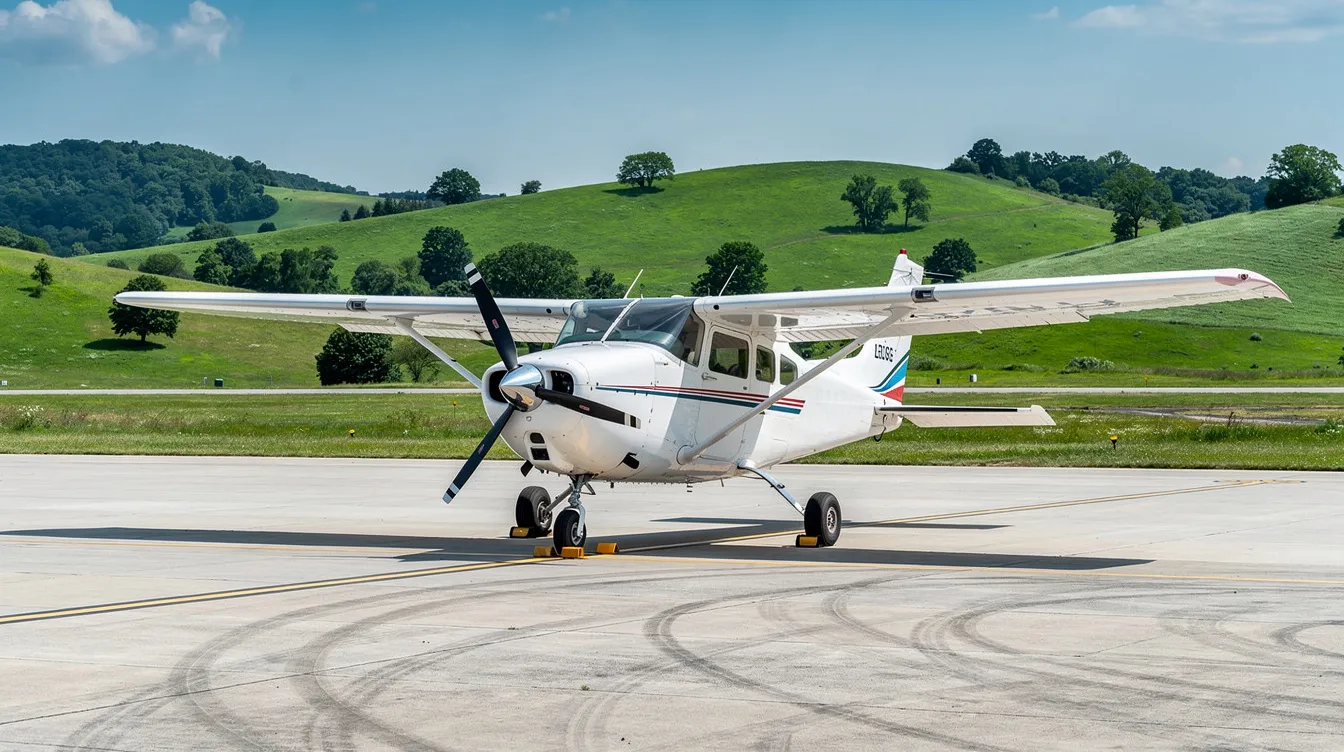
Cessna 182T for Sale: Market Overview, Pricing, and Buying Guide
The Cessna 182T Skylane is a popular single-engine aircraft known for its reliability and performance. With a price range from $239,897 to $879,250, buyers can find models from 2001 to 2024. Understanding key factors like total time, engine status, and avionics is crucial for making informed purchasing decisions.
Read More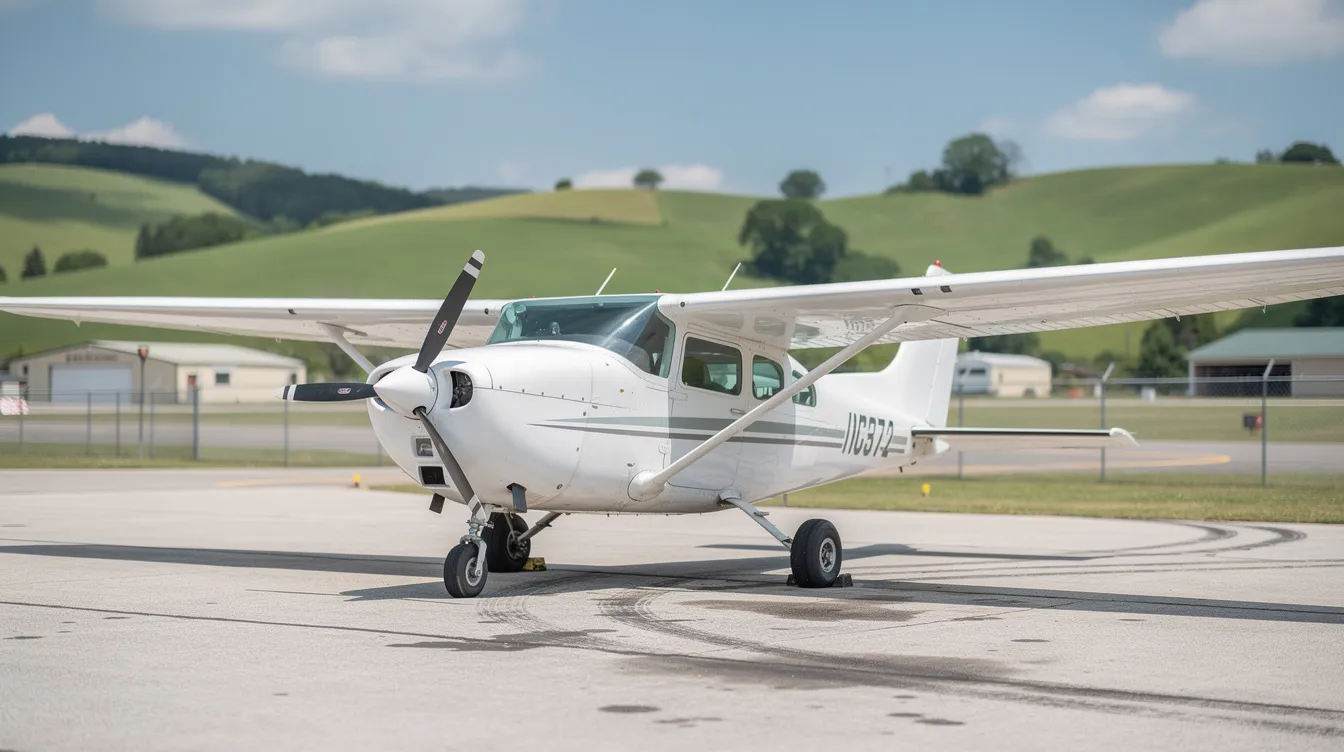
5
min read
Cessna 182 Cost of Ownership in 2026: Fixed Costs, Operating Costs, and Realistic Budgets
In 2026, owning a Cessna 182 Skylane involves navigating fixed and variable costs that can range from $180 to $350 per flight hour. Fixed costs typically amount to $6,500 to $19,500 annually, while variable costs, including fuel and maintenance, can add another $100 to $200 per hour. Understanding these expenses is crucial for pilots considering ownership versus alternatives like chartering.
Read MoreStay updated with our latest insights and tips to elevate your journey with us.
MEMBERSHIPS AND ASSOCIATIONS



Disclaimer: Jettly operates as a charter broker, offering access to a global digital jet charter marketplace. Jettly is not a direct air carrier and does not own or operate aircraft. All advertised flights are conducted by third-party air carriers that are fully licensed and hold the appropriate Part 135 or Part 121 certifications issued by the Federal Aviation Administration (FAA) or equivalent regulatory authorities under U.S. or foreign law. Jettly complies fully with the U.S. Department of Transportation's Part 295 and Part 298 Charter Broker regulations. Jettly does not carry additional liability insurance. Passengers are covered by aircraft operator insurance. TICO: 50023770


