


Login
Get Instant Pricing On 23,000+ Aircraft

>
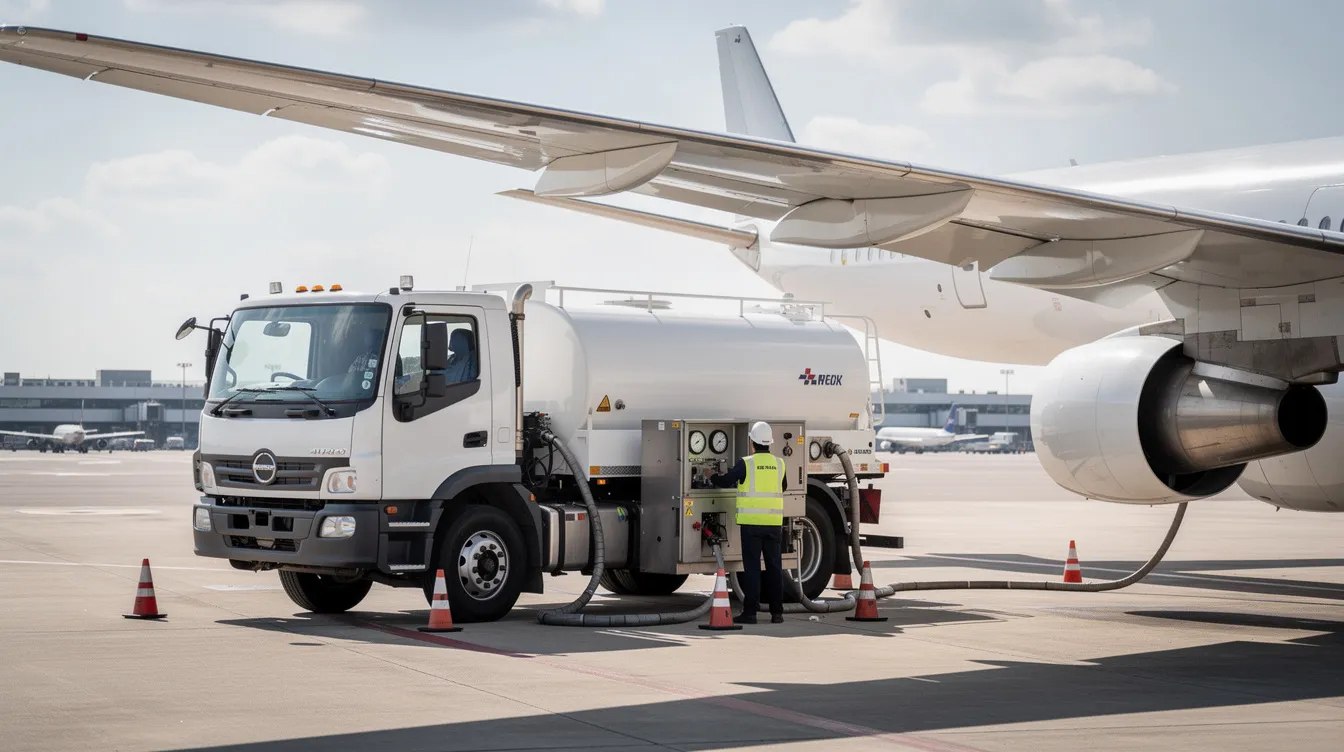
Airfare costs have become one of the most unpredictable line items in any travel budget. Whether flying commercial or chartering a private jet, travelers in 2026 face higher fares, more complex pricing structures, and a growing list of fees that didn't exist a few years ago. This guide is designed for both leisure and business travelers looking to understand and manage airfare costs in 2026. This guide breaks down what's actually driving those numbers, how different booking channels affect what you pay, and where the real opportunities lie to keep costs under control.
U.S. airfares increased by 26.7% from May 2025 to May 2026, and current fares sit roughly 20–25% above pre-pandemic 2019 levels. The average domestic fare reported in Q1 2026 was approximately $428 each way, including taxes and fees.
Airline websites, online travel agencies, and private charter platforms like Jettly all price flights differently. The channel you book through changes the total cost you see and ultimately pay.
Timing, demand on specific routes such as New York to San Francisco, and fare type-economy versus business class versus private jet charter-are the biggest airfare cost drivers in 2026.
Frequent flyer programs and credit card rewards can offset rising commercial fares, while charter travelers can leverage empty legs and dynamic pricing for better value.
Jettly offers cost transparency and control over total trip cost by providing instant, all-in quotes across 20,000+ aircraft globally, a
Jettly offers cost transparency and control over total trip cost by providing instant, all-in quotes across 20,000+ aircraft globally, a different model compared to traditional commercial tickets, where the final figure only becomes clear at checkout. International flight prices typically range between $800 and $1,500, though off-season international flights can occasionally be found for $400 to $600, reflecting the significant impact of seasonality and route competition on airfare costs. Average domestic airfare prices in the U.S. vary based on booking timing, with U.S. airfares increasing by 26.7% from May 2025 to May 2026 and currently up 22% compared to pre-pandemic levels. Airlines adjust prices dynamically using sophisticated algorithms that respond to real-time demand and seat availability, causing airfare prices to fluctuate cyclically by day of the week and season. For example, flying on Tuesdays or Wednesdays typically offers lower prices than weekends, and comparing one-way tickets can sometimes yield cheaper options than round-trip fares. To manage these fluctuations, travelers are advised to book more than three weeks in advance and use tools like Google Flights alerts or apps such as Hopper to track flight prices. Additionally, booking for groups may be cheaper when done separately, a strategy that can help optimize airfare costs in the commercial sector. In contrast, Jettly’s platform simplifies pricing by showing all costs upfront, allowing travelers to make informed decisions without hidden fees or last-minute surprises.
different model compared to traditional commercial tickets, where the final figure only becomes clear at checkout.
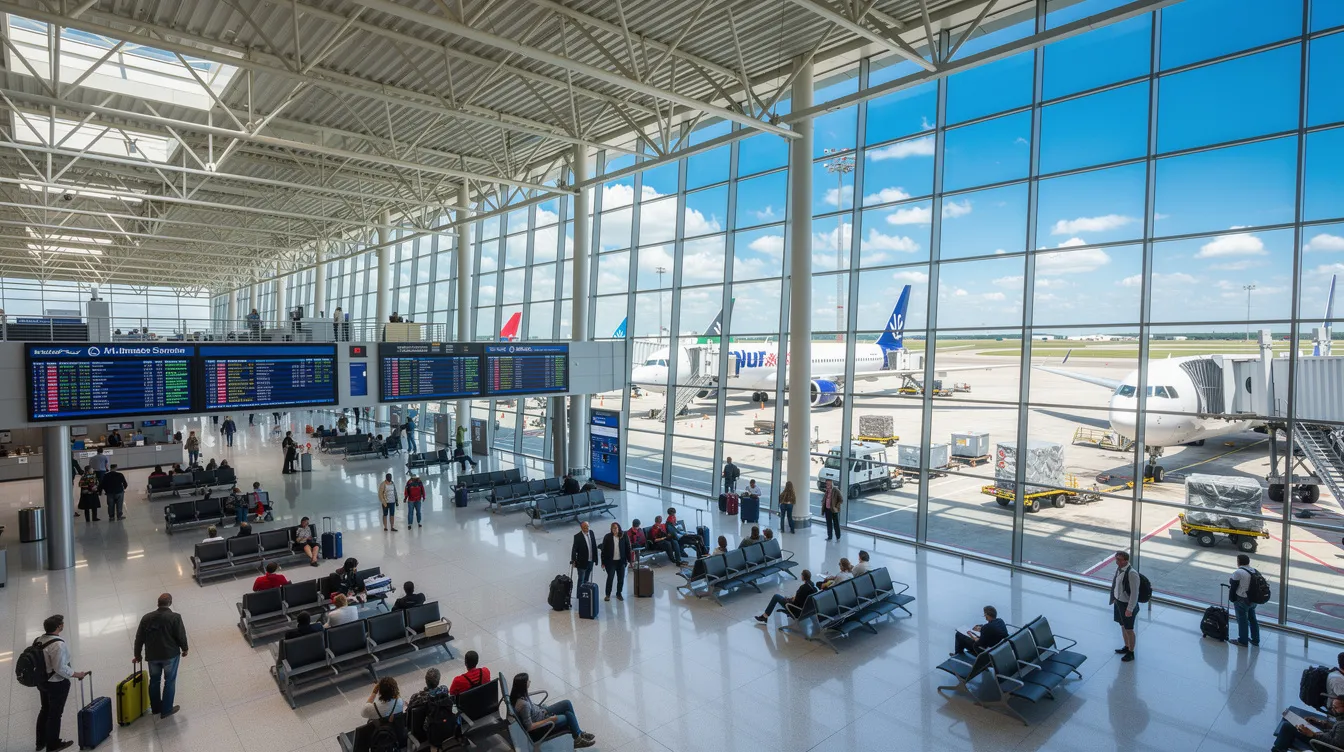
To understand where airfare costs stand today, it helps to measure them against pre-pandemic baselines. Comparing 2026 fares to 2019 levels reveals both headline increases and less obvious shifts in how airlines structure what travelers actually pay.
According to OAG data, global airfare averages in May 2026 reached approximately $471, compared to $387 a year earlier. Airfare prices are up 6.9% from April 2026 to May 2026 alone. When measured against May 2019, average U.S. airfares are roughly 20–25% higher in nominal terms.
Yet the full picture is more nuanced. Overall, U.S. inflation (CPI) has risen nearly 40% cumulatively since 2019, while the Bureau of Labor Statistics airfare index showed weaker growth in certain years, partly due to post-pandemic discounting and capacity shifts. So while the dollar figure on a ticket is higher, airfares have actually lagged general inflation in some measured categories. The real cost increase hides in what airlines have unbundled: checked baggage, seat selection, and change fees now form a significant share of the total trip cost. On popular routes like LA to San Francisco or New York to Miami, the base economy fare may look competitive compared to 2019, but the all-in price has climbed substantially.
Major structural factors since 2020 explain the trend: fuel price spikes tied to geopolitical disruptions, fewer low-cost carriers on certain routes, constrained airport capacity, crew shortages, and sustained leisure demand through 2026. Private jet charter hourly rates have also risen with fuel and crew costs, but charter customers often save on ancillary expenses-no premium seat surcharges, lounge fees, or last-minute change penalties. That time and flexibility advantage is harder to quantify, but meaningful for business travelers, especially when you understand the full private jet operating cost breakdown behind hourly rates.
Understanding what goes into a fare helps travelers make smarter decisions. Airfare is not a single number determined by distance alone-it's the output of several interacting cost inputs and market dynamics.
Airlines use algorithms to maximize profits through dynamic pricing. Revenue management systems divide seats on each flight into multiple fare buckets-basic economy, flexible economy, premium economy, business, and first-and adjust the number of seats available in each bucket throughout the day. Airlines adjust prices based on real-time demand and seat availability, and prices rise as cheaper fare buckets sell out. On a Monday morning, shuttle fares from San Francisco to Los Angeles can shift multiple times before departure based on booking pace and competitive signals.
Core cost drivers include jet fuel (the largest variable expense), crew salaries and contractual obligations, aircraft leasing or ownership costs, airport landing and handling fees, and government taxes. A typical U.S. domestic fare includes a federal excise tax of roughly 7.5%, segment fees, passenger facility charges, and sometimes fuel surcharges, together adding 15–30% on top of the base fare. Key drivers of airfare fluctuations include seasonality and route competition. Seasonality refers to predictable changes in demand based on time of year, while route competition describes the number of airlines operating on a given route. Long-haul flights like San Francisco to Tokyo can have lower per-mile costs than short-haul business routes because fixed costs are spread over more distance and premium cabin revenue subsidizes the flight. International flight prices typically range between $800 and $1,500, depending on route, season, and class, similar to how a private jet flight cost is determined by distance, aircraft type, and additional fees.
Private jet charter pricing works differently. Cost is determined by aircraft type (turboprop, light jet, midsize, heavy, ultra-long-range), block flight time, repositioning legs if the aircraft isn't based at the departure airport, and airport fees. Because you pay for the entire aircraft rather than individual seats, per-passenger cost drops as more travelers share the flight, and crowdsourcing private jet flights and sharing empty seats can further reduce individual costs.
Where you book matters almost as much as when you book. The channel shapes the price you see, the fees you encounter, and the flexibility you get.
Booking on airline websites gives direct access to the carrier's full inventory, including fare classes and add-on options not always visible elsewhere. You also get more straightforward customer service for changes and refunds. However, ancillary fees for baggage, seats, and schedule changes can be higher or less transparent on an airline's own page than what an aggregator might surface.
Online travel agencies and metasearch tools like Google Flights and Skyscanner excel at quick price comparison, flexible date searches, and fare tracking tools that alert travelers to drops. They surface many of the lowest available fares across carriers side by side. The catch: "lowest fare" usually means the base fare without add-ons. Hidden-city ticketing tricks, basic economy restrictions, and bundled packages on OTAs can create apparent savings that disappear once luggage and seat costs are added. A comparison of one-way tickets can sometimes yield cheaper options than round-trip fares on these platforms, worth checking before assuming a round-trip is always better.
Digital private aviation platforms like Jettly take a different approach. They display instant charter pricing, allow comparison across 20,000+ private charter aircraft globally, and show all-in costs-aircraft, crew, fuel, standard fees-up front. For a detailed breakdown of charter pricing, Jettly's platform makes the math clear before you commit. Consider a concrete case: a family of six flying from San Francisco to Las Vegas. Commercial tickets in premium economy might run $400–$600 per person each way. A light jet charter for the same route could cost $8,000–$12,000 total. Split six ways, the per-person charter figure approaches commercial premium economy, with far less time in security lines and greater schedule flexibility.
|
Booking Channel |
Pricing Transparency |
Typical Fees Included |
Flexibility & Service |
Best For |
|---|---|---|---|---|
|
Airline Websites |
Moderate (base fare visible, fees added at checkout) |
Base fare + baggage, seat selection, change fees |
Direct customer service, easier changes |
Travelers wanting full inventory and direct support |
|
Online Travel Agencies (OTAs) |
Low to Moderate (often base fare only) |
Base fare often excludes baggage and seat fees |
Price comparison, fare alerts, but limited service |
Budget-conscious travelers comparing options |
|
Private Jet Platforms (e.g., Jettly) |
High (all-in pricing upfront) |
Aircraft, crew, fuel, and standard fees included |
Instant booking, flexible schedules, premium service |
Business travelers, groups, those valuing time and transparency |
Timing is one of the most powerful levers travelers have. The same seat on the same flight can cost dramatically different amounts depending on when you book and when you fly.
Average domestic airfare prices in the U.S. vary based on booking timing. For commercial domestic flights, the sweet spot is generally 1–3 months in advance. Long-haul international routes often hit their lowest fares 2–5 months before departure. Booking more than three weeks in advance is recommended as a minimum; inside the 21-day, 14-day, and especially 7-day windows, fares tend to spike sharply.
There's a persistent myth about a single "best day" to book. The data doesn't support one magic day, but airfare prices fluctuate cyclically by day of the week and season. Flying on Tuesdays or Wednesdays typically offers lower prices than weekends, and some analysis suggests you should book flights late on Tuesday or early Wednesday, when airlines sometimes release discounted inventory. The better strategy: monitor trends rather than chase a specific day.
Seasonality matters enormously. Holidays, summer peak, and major events in cities like San Francisco, New York, or London can push fares 40–74% higher than shoulder-season levels, according to Farefinda research. Off-season international flights can occasionally be found for $400 to $600, well below the $800–$1,500 range that's typical during peak months. June through August and late December remain the most expensive windows for most routes, which is why booking the cheapest private jet flights often involves targeting shoulder seasons, flexible dates, and less congested airports.
For commercial tickets, last-minute fares are almost always the most expensive. Private charter, however, can occasionally favor last-minute travelers. Empty leg flights-where an operator is repositioning an aircraft and offers the leg at a steep discount-can deliver savings of 40–75%. Jettly's platform surfaces these opportunities in real time, helping frequent business travelers buy a seat on a private jet and secure better value on urgent trips.

Frequent flyer programs and travel rewards cards remain one of the most effective ways to reduce out-of-pocket airfare costs on commercial carriers. In 2026, the mechanics have shifted, but the savings potential is real.
Most major airlines now award points based on ticket price rather than miles flown. That means buying a more flexible or higher-class ticket earns more rewards. Elite status tiers unlock perks like free checked bags, priority boarding, waiver of change fees, and complimentary upgrades-each of which can protect travelers from costs that add up fast on basic economy tickets.
Co-branded airline credit cards and transferable points programs (such as Amex Membership Rewards or Chase Ultimate Rewards) let travelers earn on everyday spending and redeem for award tickets, upgrades, or statement credits against airfare. Strategic redemption is key: using miles for long-haul business or first class, or for last-minute cash-expensive tickets, typically delivers the best cents-per-mile value, just as using memberships, empty legs, and flight-sharing platforms can help you get a seat on a private jet easily without overpaying.
Commercial frequent flyer miles do not apply to private jet charters. However, Jettly memberships offer a parallel form of value: fixed-rate pricing on certain routes, service credits, and reduced commissions that reward loyalty without requiring travelers to accumulate points over years.
One thing to account for: "free" award tickets still incur mandatory taxes, security fees, and sometimes carrier-imposed surcharges. Budgeting $50–$200+ per award ticket for these costs is essential, especially on international itineraries.
The gap between commercial and private travel is real, but narrower than many travelers assume once total trip cost and time value enter the equation.
Consider a commercial business-class round trip between San Francisco and New York. In 2026, expect to pay roughly $1,200–$3,000 per person, depending on season and advance purchase. A light or midsize private jet charter for the same route runs approximately $50,000–$80,000 total, according to industry rate data and typical private jet rental cost ranges. For a solo traveler, the math clearly favors commercial. For a group of six to eight, the per-person charter cost drops to $6,000–$13,000-still higher, but the calculus changes when you factor in what commercial doesn't cover.
Indirect costs of commercial travel include hours in security lines, layovers, overnight hotels due to limited schedules, and lost productivity. If a traveler values their time at $500–$1,000 per hour (a reasonable figure for senior executives), a charter that saves four to six hours per round trip recovers $2,000–$6,000 in time value alone.
Private jet charter pricing includes hourly rates by aircraft category, minimum flight times, repositioning fees, landing and handling charges, and crew overnight costs. Platforms like Jettly provide a cost calculator and jet card flight cost estimator that break down each component so travelers can see exactly what they're paying for. Smaller airports near major cities, such as Oakland or San Jose instead of San Francisco International, for example, reduce ground transfer time and can eliminate the need for extra hotel nights.
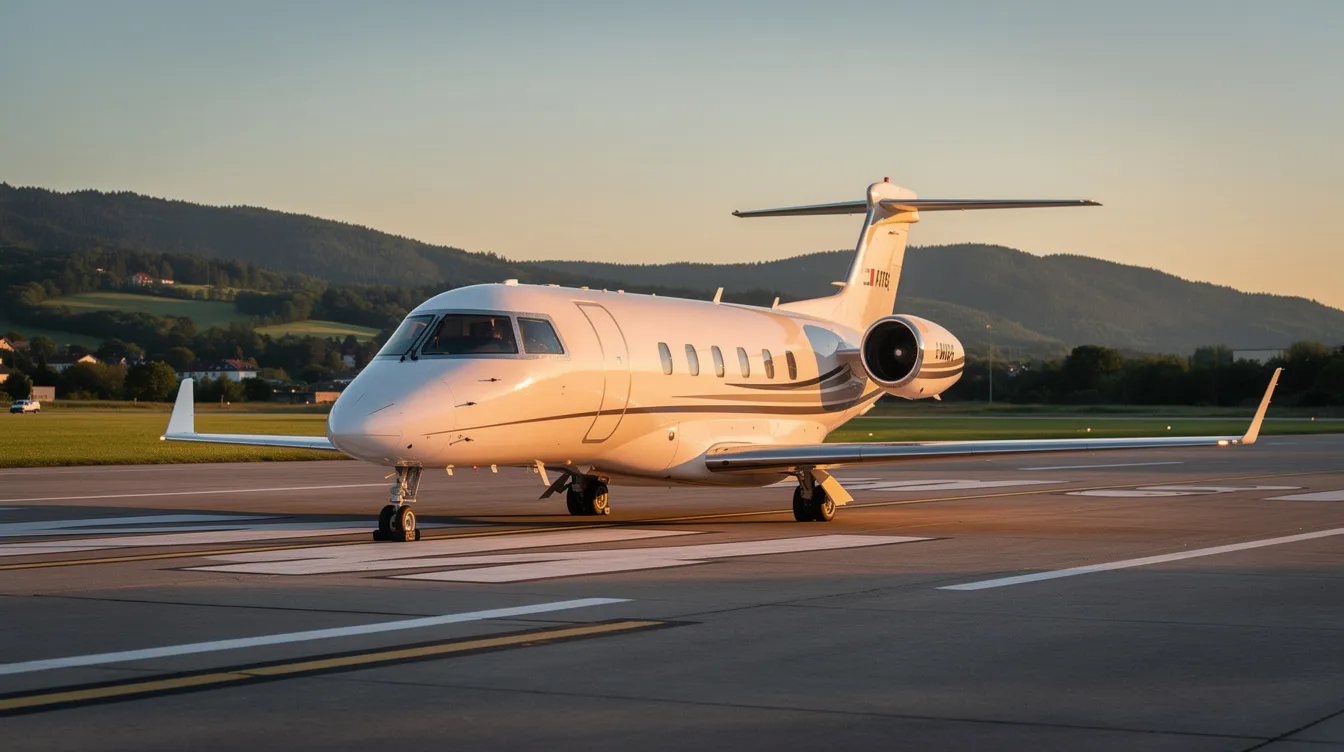
Be flexible with dates and airports. Shifting a San Francisco departure from Sunday to Tuesday, or using a nearby regional airport for a private charter located with an airport locator tool, can cut costs significantly. Even a one-day shift in travel dates sometimes drops commercial fares by 15–25%.
Mix cabins and carriers. Use economy or premium economy for shorter, less time-sensitive legs and reserve business class or private jet charter for segments where schedule and productivity matter most. Some travelers fly commercial outbound and charter a return flight when timing is tight, while others look into affordable planes and budget-friendly aircraft choices if they’re flying frequently enough to consider ownership.
Set up price tracking for specific trip dates using Google Flights, Skyscanner, or similar tools.
Use apps like Hopper to track flight prices over time.
Choose your preferred flight search engine (e.g., Google Flights or Skyscanner).
Enter your route and travel dates.
Activate the price alert or tracking feature.
Monitor notifications for price drops or spikes.
Book when prices dip below the average for your route.
Knowing the typical fare for your route lets you act quickly when prices dip below the average, just as understanding affordable airplane rental costs and options helps you recognize good value in the private aviation market.
Avoid common fee traps. Travel carry-on only when feasible to skip baggage fees.
Pre-select seats early if offered cheaply.
Check change and cancellation policies before you book.
Basic economy fares that look like a deal can cost more in dollars if plans shift, just as choosing among the best private jet charter companies requires comparing fees and inclusions beyond the headline hourly rate.
For charter travel, Jettly helps optimize costs through aircraft selection: a turboprop rather than a jet for shorter hops, or matching travelers with cheap private jet charter prices via empty leg availability.
The spread between the lowest and highest quote for the same aircraft and route can be 18–25%, making comparison across operators essential, and resources like an ultimate list of charter airlines can clarify which providers fit your route and budget.
Frequent business travelers should evaluate whether a membership model or dedicated jet card program with fixed hourly rates or pay-as-you-go charter access best fits their annual flight volume.
Memberships offer fixed hourly rates and guaranteed availability. But if flight volume is low, the fixed costs may outweigh the benefits.
Airlines rely on dynamic pricing models that adjust dozens of fare buckets in response to real-time demand signals. How many seats are already sold, what competitors are charging, how many searches are happening for that route, and how close the departure date is all feed into the algorithm. Routes with fewer competing carriers or constrained capacity tend to show more volatile pricing from one day to the next.
In specific scenarios, yes. When flying with a group of four to six from smaller regional airports where commercial fares require inconvenient connections, the per-person charter cost can approach or undercut commercial premium economy or business class. Last-minute travelers who need schedule flexibility or direct routing may also find charter delivers better total value when commercial rates are surging. Learn more about affordable options at Jettly's website.
Private charters can often be arranged within hours if aircraft availability exists. However, booking a few days in advance typically yields better pricing, more aircraft options, and fewer repositioning costs. Empty leg opportunities, by nature, require flexibility rather than long lead times.
Hidden costs can include repositioning fees, fuel surcharges, landing and handling charges, crew overnight lodging, and aviation segment taxes. The best quotes are all-inclusive. Jettly emphasizes transparent pricing by breaking down every component in its instant digital quotes, so travelers understand the full cost before committing.
Jettly's platform lets users search across dozens of aircraft categories globally, view instant pricing that includes aircraft, crew, fuel, and standard fees, and choose between membership or on-demand access. Ready to explore flight options or request a quote? Visit https://www.jettly.com.
Airfare costs in 2026 reflect a complex mix of market dynamics, fuel prices, demand patterns, and booking strategies. Travelers can manage these costs by understanding how pricing works across commercial and private channels, leveraging timing and flexibility, and using tools like Jettly’s transparent pricing platform for private jet charters. Whether flying economy or chartering a private jet, informed choices about when, where, and how to book can lead to significant savings and a better travel experience. Ready to experience private travel on your terms? Explore flight options or request a quote at https://www.jettly.com.
Share this post:
Jay Franco Serevilla
Jun 28, 2026
|
5
min read
Discover tips and trends in the industry.
5
min read
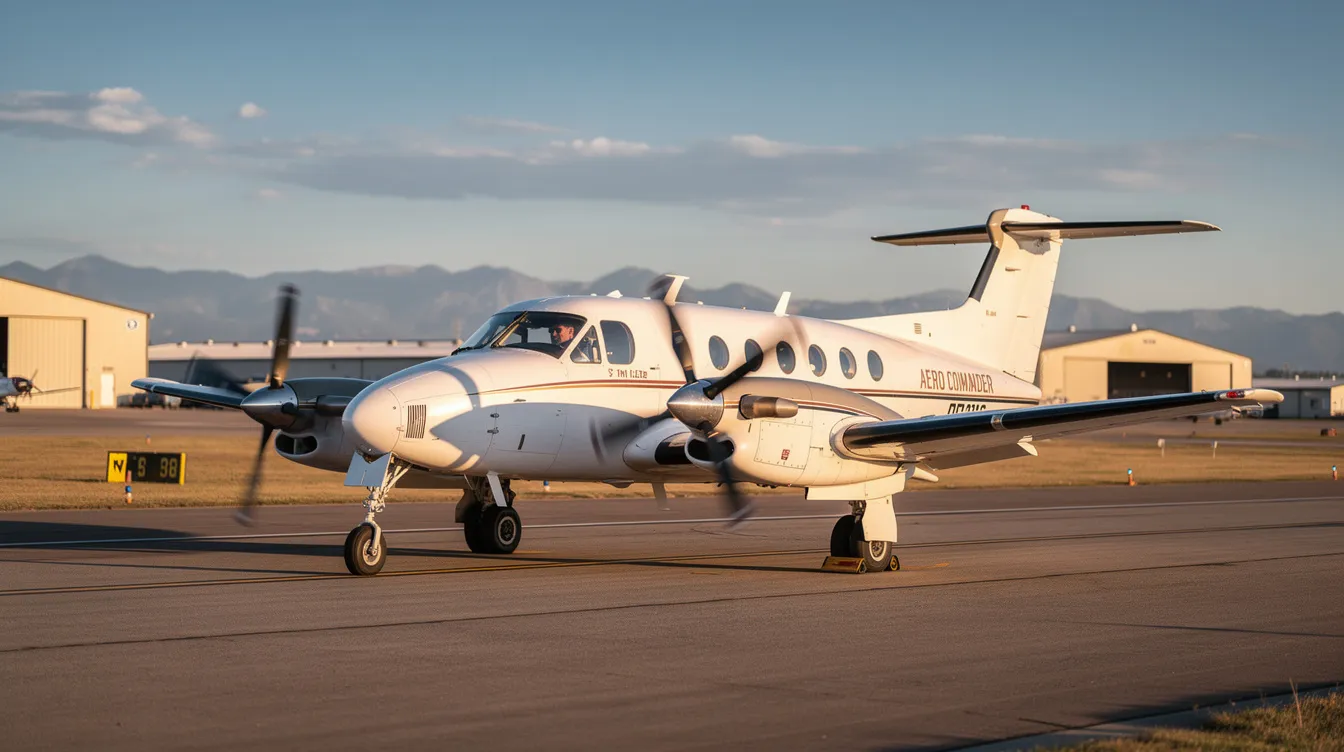
Aero Commander 690: Turboprop Charter Guide
The Aero Commander 690 is a versatile twin-turboprop aircraft ideal for regional charter flights, accommodating 5 to 9 passengers. Known for its short-field capabilities and cost-effectiveness, it offers a practical solution for business and leisure travel. With a range of approximately 1,790 miles and powered by reliable Honeywell engines, it's a popular choice for those seeking efficient air travel.
Read More
5
min read
Sukhoi Superjet SSJ100: Regional Jet Overview, Variants, and Charter Use
The Sukhoi Superjet SSJ100 is Russia's premier regional jet, designed for short to medium-haul routes with a capacity of 68-103 passengers. Despite its modern design and capabilities, the aircraft faces challenges due to sanctions and limited global support, impacting its international operations. This guide provides insights into its variants, charter use, and operational considerations for aviation enthusiasts and travel planners.
Read MoreStay updated with our latest insights and tips to elevate your journey with us.
MEMBERSHIPS AND ASSOCIATIONS



Disclaimer: Jettly operates as a charter broker, offering access to a global digital jet charter marketplace. Jettly is not a direct air carrier and does not own or operate aircraft. All advertised flights are conducted by third-party air carriers that are fully licensed and hold the appropriate Part 135 or Part 121 certifications issued by the Federal Aviation Administration (FAA) or equivalent regulatory authorities under U.S. or foreign law. Jettly complies fully with the U.S. Department of Transportation's Part 295 and Part 298 Charter Broker regulations. Jettly does not carry additional liability insurance. Passengers are covered by aircraft operator insurance. TICO: 50023770


