


Login
Get Instant Pricing On 23,000+ Aircraft

>
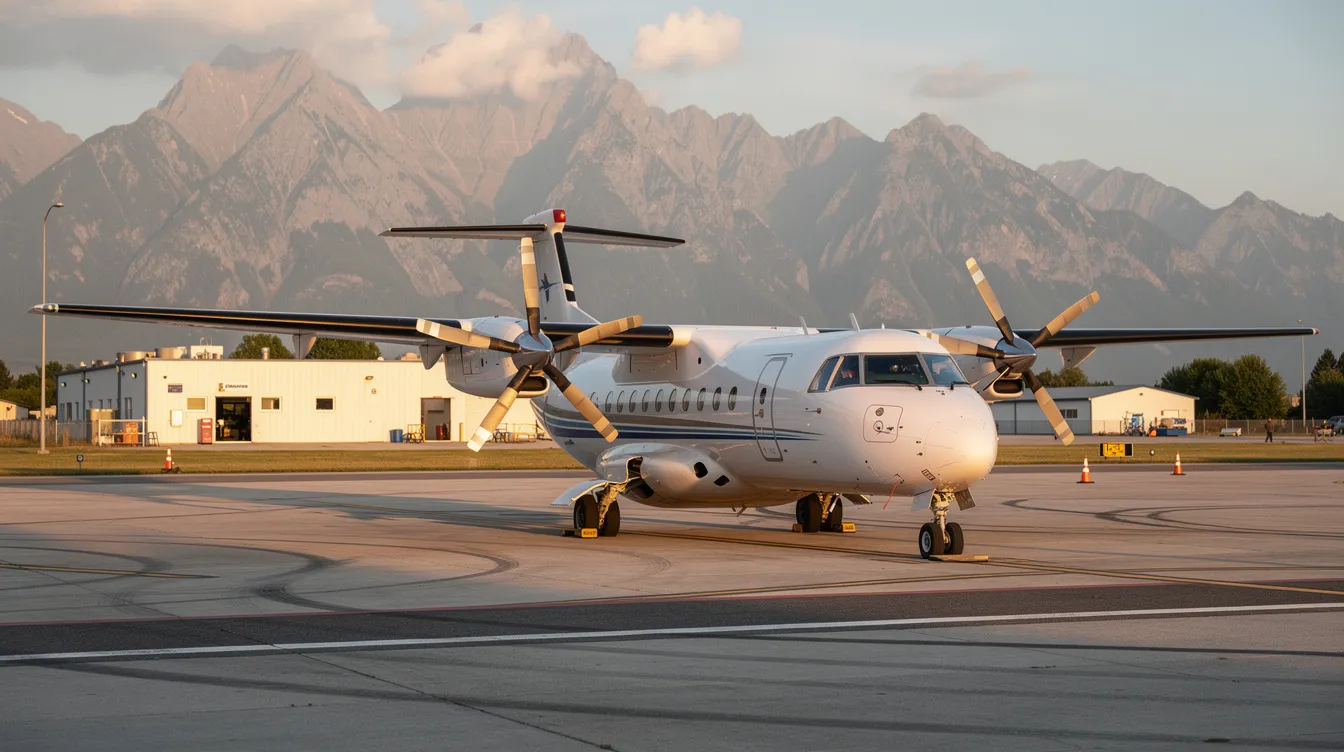
The Beechcraft 1900D is a 19-seat, twin-engine turboprop that earned its reputation as a popular regional airliner thanks to one defining feature: a taller passenger cabin that lets most adults walk upright. Even though Raytheon ended production in 2002, the Beech 1900D remains a practical workhorse for charter, cargo, and corporate shuttle flying across the world today.
The Beechcraft 1900D features a stand-up cabin with a height of 5.92 ft, solving the comfort problems of earlier 1900C models that forced passengers into bending forward during boarding and movement.
A total of 695 Beechcraft 1900 aircraft were built between 1982 and 2002, with the 1900D variant manufactured from 1991 to 2002 as the final and most refined new version.
The airplane can carry passengers on sectors up to 1,279 nautical miles, operate from short runways of roughly 3,400 to 3,800 ft, and access airports that most regional jets cannot touch.
For Jettly customers, the Beech 1900D offers an efficient option for group charters of 10-19 passengers on short regional routes where chartering a jet would be excessive.
This article covers the aircraft's history, cabin experience, performance data, operating costs, and how to book a 1900D charter through Jettly's platform.
The Beechcraft 1900D is a pressurized, twin-engine turboprop regional airliner and the last major evolution of the Beech 1900 family. Beechcraft developed the original 1900 from the King Air 200 platform, and the 1900D marked the final stage in the family's development through later variants; production of all versions spanned from 1982 to 2002. The 1900D prototype first flew in March 1990, received certification in 1991, and deliveries began later that year. Raytheon ended production in October 2002 after building a total of approximately 695 aircraft across all 1900 variants, with roughly 444 of those being 1900D models, many of which now fly under modern charter brands such as Zenflight and similar Jettly partners.
The aircraft was designed primarily as a 19-seat regional airliner certified under FAR Part 23 commuter category rules. It is capable of operating in most weather conditions from relatively short runways, filling the gap between smaller commuter turboprops and larger regional jets. Its roles include:
Regional airline service on scheduled commuter routes
Charter and corporate transport operations
Freight aircraft conversions for express cargo
Governmental and military special missions
The Beech 1900 lineage includes the original 1900, an improved version called the 1900C, and finally the 1900D. The earlier models shared a low cabin ceiling that forced taller passengers to bend forward while moving through the aisle. Beechcraft undertook a substantial redesign to solve this, deepening the fuselage cross-section by about 14 inches and increasing cabin volume by roughly 28.5%.
This change to a taller passenger cabin affected aerodynamics significantly, adding drag that had to be offset. Designers added winglets, ventral strakes, and stabilons to the airframe, along with other elements like a swept tailplane. The 1900D was also equipped with more powerful engines-two Pratt & Whitney Canada PT6A-67D turboprops, each flat-rated at approximately 1,279 shp-replacing the PT6A-65B units in the 1900C.
Key differences between the 1900C and 1900D:
Cabin height changed from under 5 ft to approximately 5.92 ft in the 1900D
More powerful engines (PT6A-67D vs PT6A-65B)
Winglets and aerodynamic elements added to offset fuselage drag
Updated avionics including EFIS flight displays
Revised cabin layout options supporting both commuter and corporate interiors
The cabin is the 1900D's signature selling point. With a stand-up cabin height of 5.92 ft, it is one of the few turboprops in its class that allows most passengers to walk upright through the aisle.
Key cabin dimensions and features:
Height: approximately 5.92 ft (1.80 m)
Width: about 4.5 ft (1.37 m)
Length: roughly 25.3 ft (7.7 m)
Seats: up to 19 in commuter layout; 12-16 in corporate configurations with added legroom and upgraded finishes
Baggage: aft external hold and limited internal stowage; no true overhead bins
Noise: higher than jets, though many operators have installed aftermarket soundproofing
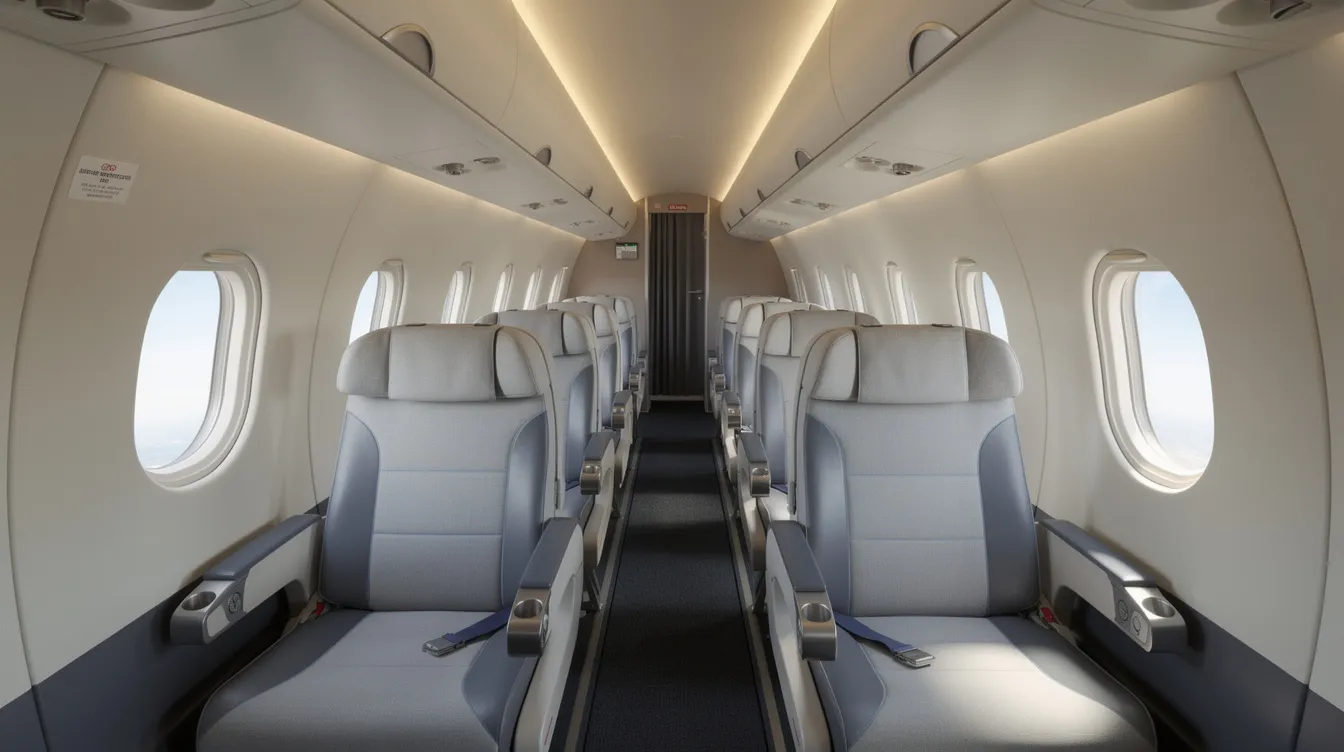
For Jettly customers, boarding a Beech 1900D typically means using smaller regional airports with less congestion and simpler procedures. The cabin provides more privacy than commercial flying, and when a complete aircraft is booked for a group, it functions as a self-contained private space for conversation and work, making it an attractive alternative to shared charter flights when full privacy and control over the schedule are priorities.
The 1900D was engineered to deliver strong short-field performance while carrying up to 19 passengers and a two-pilot crew. It is powered by two Pratt & Whitney Canada PT6A-67D engines and is capable of operating in high-altitude and high-temperature environments.
|
Specification |
Detail |
|---|---|
|
Cruise speed |
Approximately 260 to 280 knots true airspeed |
|
Full fuel range |
About 1,279 nautical miles under standard conditions |
|
Service ceiling |
25,000 ft |
|
Takeoff distance at sea level |
Roughly 3,400 to 3,800 ft |
|
Maximum takeoff weight |
17,120 lbs |
|
Empty weight |
Approximately 10,360 lbs |
|
Useful load |
About 6,400 lbs; payload with full fuel tanks around 1,900-2,100 lbs |
Late-production aircraft came with EFIS displays and GPS navigation. Many airframes have since been upgraded with modern glass cockpits to meet current regulatory standards. In practical terms, these numbers mean the 1900D can climb out of short strips and reach destinations that longer-runway jets simply cannot serve, though operators must account for reduced payload on hot days or at higher-elevation airports.
The Beechcraft 1900D's versatility is one reason it remains in active fleet service decades after production ended. The aircraft is primarily used for regional passenger service, but its adaptable airframe supports multiple roles.
Typical operations include (and can even generate affiliate opportunities through programs like Jettly's ULTRA high-ticket affiliate program):
Regional routes: Short-haul sectors of 15040 nm linking regional hubs to smaller communities across North America, Europe, Africa, and Australasia. However, the 19-passenger capacity of the 1900D limits its scalability for high-demand routes, which is why it thrives on thinner connections.
Freight aircraft: Many 1900Ds are converted for freight operations with large cargo doors, reinforced floors, and cargo loading tracks. Alpine Air Express developed a "Super Freighter" STC that increased cargo capacity by roughly 40% over earlier conversions.
Corporate transport and charter: The 1900D is frequently used by private charter and corporate clients, including sports teams and companies needing group shuttle flights. Corporate interiors offer fewer seats with more legroom.
Governmental and military missions: The U.S. Army designated some airframes as C-12J for surveillance and flight inspection. The aircraft is suitable for a variety of special missions, including government and military operations worldwide.
For Jettly users, the Beech 1900D fits scenarios like group charters to remote resorts, crew transfers to mining or offshore sites, or event shuttles where 10-19 passengers need to reach an airport that jets cannot easily operate from.
Understanding operating costs helps charter clients evaluate whether a 1900D makes economic sense for their trip, and complements broader guidance on affordable private jet charter pricing.
Annual operating cost: approximately $1,293,521 at around 300 flight hours per year
Variable cost per hour: roughly $ 2,400- $ 2,500, including fuel, maintenance, engine reserves, and insurance
Cost per nautical mile: approximately $9.30
Fixed annual costs (crew, hangar, insurance): around $470,000
When spread across 19 seats, the cost per passenger per hour becomes significantly more efficient than chartering a light jet for the same group. On shorter sectors, the turboprop charter rates for a 1900D can be quite competitive compared with other private charter aircraft options.
Currently, a few operators have used 1900Ds for sale on the pre-owned market at prices ranging from roughly $2.8 million to $4.5 million depending on condition and total airframe time. Many airframes are available in North America, Southern Africa, and Australasia, with some undergoing cargo conversions or interior refurbishment for charter work. Jettly's platform may list Beech 1900D operators within its network, allowing users to compare availability and pricing for specific routes.
Choosing between a Beech 1900D and other aircraft depends on group size, route length, and budget, and fits into the broader landscape of charter airlines and private aviation options.
vs. King Air 200/350: The King Air seats roughly 9 passengers with a lower cabin ceiling. The 1900D doubles capacity and offers a true stand-up cabin, but at a higher total cost. For groups under 9, a King Air is often the better fit.
vs. Regional jets (30-50 seats): Jets cruise faster (400-500 ktas) and provide a quieter ride, but need longer runways and cost more per hour. The 1900D wins on short-field access and lower operating expense for smaller groups, while larger narrowbodies like the Boeing 737-800 serve higher-density routes with up to 189 passengers.
Ideal Jettly use cases: Corporate off-sites, incentive trips, school groups, or family events where 10-19 passengers travel together on short sectors.
Honest drawbacks: cabin noise is higher than jets, onboard amenities are limited (many units lack a lavatory), and very tall passengers over 6 ft may still need to stoop slightly. That said, the 1900D balances capacity, cost, and runway performance for group charters better than most alternatives in its class, and appears frequently in comparisons among the best private jet charter companies and aircraft options for regional missions.
Jettly's digital platform connects customers with operators flying aircraft like the Beechcraft 1900D on demand. The process is straightforward: enter your route and dates, use tools like the airport locator to identify suitable fields, compare instant pricing via the charter cost estimator, and confirm. Customers committed to a specific cabin layout can review interior photos and seating plans before booking.
Jettly benefits include transparent pricing, access to a broad global fleet, no long-term ownership commitments, and support with ground transportation or catering. For frequent flyers, Jettly also offers private jet memberships that can pair well with regular 1900D shuttle or regional charter use. Users can cancel or adjust bookings based on operator policies, and Jettly's team can provide guidance for unique itineraries.
Ready to explore group charter options? Request a free quote at https://www.jettly.com.

The Beechcraft 1900D has a long service record in demanding regional environments, from high-altitude airports to remote airfields. Its reliability rests on proven PT6A engines, redundant twin-engine systems, and a pressurized cabin rated for instrument flying in most weather conditions, when flown by properly certified Part 135 charter operators that meet strict regulatory standards.
Maintenance services include overhauls and inspections for safety, with recent industry examples such as new de-ice boots installed on some aircraft in 2015 and CT disk replacements as part of ongoing engine maintenance programs. All operators using Jettly are committed to meeting relevant aviation regulations (FAA, EASA, Transport Canada), and customers can review operator credentials when available, particularly if they are comparing Jettly as a NetJets alternative for private flying.
Practical safety reassurances for passengers new to turboprops:
Twin-engine redundancy provides continued flight capability if one engine fails
PT6A engine family has one of the longest and most reliable service histories in aviation
Pressurized cabin allows flight above most weather conditions up to 25,000 ft, offering a more comfortable experience than many commercial options and aligning with guidance on how to buy a seat on a private jet for those exploring private travel for the first time
Operators must complete regular scheduled maintenance, pilot recurrent training, and safety audits, the same kind of safety focus highlighted in practical guides on getting a seat on a private jet safely and efficiently
These FAQs address common questions from travelers considering a Beech 1900D charter, covering practical details not fully explored above.
The Beechcraft 1900D can carry up to 19 passengers in a standard commuter layout, which is why it is often classed as a 19-seat regional airliner. Some charter configurations install fewer seats-typically 12 to 16-to increase legroom or add work areas. The 1900D requires a two-pilot crew for commercial operations, and actual seating on any Jetly listing will appear in the aircraft details so customers can match group size to cabin layout or explore crowdsourced private jet flights with shared seats when full-aircraft charter isn't necessary.
The cabin dimensions of the 1900D allow for most passengers to stand upright, with a height of 5.92 ft (about 1.80 m). Travelers of average height can walk upright with ease, while those over roughly 6 ft may need to duck slightly near cabin windows where fuselage curvature reduces clearance. Corporate-style interiors often provide extra legroom and upgraded finishes compared to standard commuter seats, and can be paired with tailored in-flight catering through services like Jettly Eats private jet catering.
The Beechcraft 1900D has a normal range of 1,279 nautical miles under standard conditions with a normal passenger load. Real-world charter range depends on payload, weather conditions, and route specifics. Most operators use the aircraft for shorter legs of 150-500 nm to avoid payload and fuel trade-offs, such as regional sectors into markets like private jet charter in Kolkata, West Bengal. Contact Jettly's team or use the platform's tools to estimate flight time for a specific itinerary.
Hourly operating costs for a Beech 1900D run approximately $2,400-2,500 per hour, which is often lower than light jets on a per-seat basis when the aircraft is close to full. A light jet may be faster and quieter, but the 1900D is more economical for short regional hops with larger groups. Jettly shows indicative pricing across aircraft types so customers can compare directly or evaluate fixed-rate options through its Jet Card programs.
Jettly connects travelers with licensed operators, and travelers can use trusted public references such as Wikipedia for general background on the Beechcraft 1900 family before confirming operator-specific details; it will typically show the exact aircraft type offered at the time of booking. Availability depends on operator schedules and maintenance, but customers can request a Beechcraft 1900D or similar 19-seat turboprop when submitting a charter request, whether through major operators or partners like Dexter Air Taxi on the Jettly platform. Join the platform or contact Jettly for tailored options if a specific configuration is required.
The Beechcraft 1900D remains a versatile and efficient choice for regional air travel, combining its unique stand-up cabin comfort with strong short-field performance and economic operating costs. Its ability to serve niche routes with up to 19 passengers makes it ideal for group charters, corporate shuttles, and specialized missions where larger jets are impractical.
Through Jettly's digital platform, accessing and booking a Beechcraft 1900D charter is straightforward, offering transparent pricing and flexible options tailored to travelers' needs. For those seeking a practical, reliable turboprop with a proven track record, the 1900D continues to deliver value and convenience in private aviation.
Ready to experience private travel on your terms? Explore flight options or request a quote at https://www.jettly.com.
Share this post:
Jay Franco Serevilla
Sep 21, 2026
|
5
min read
Discover tips and trends in the industry.
5
min read
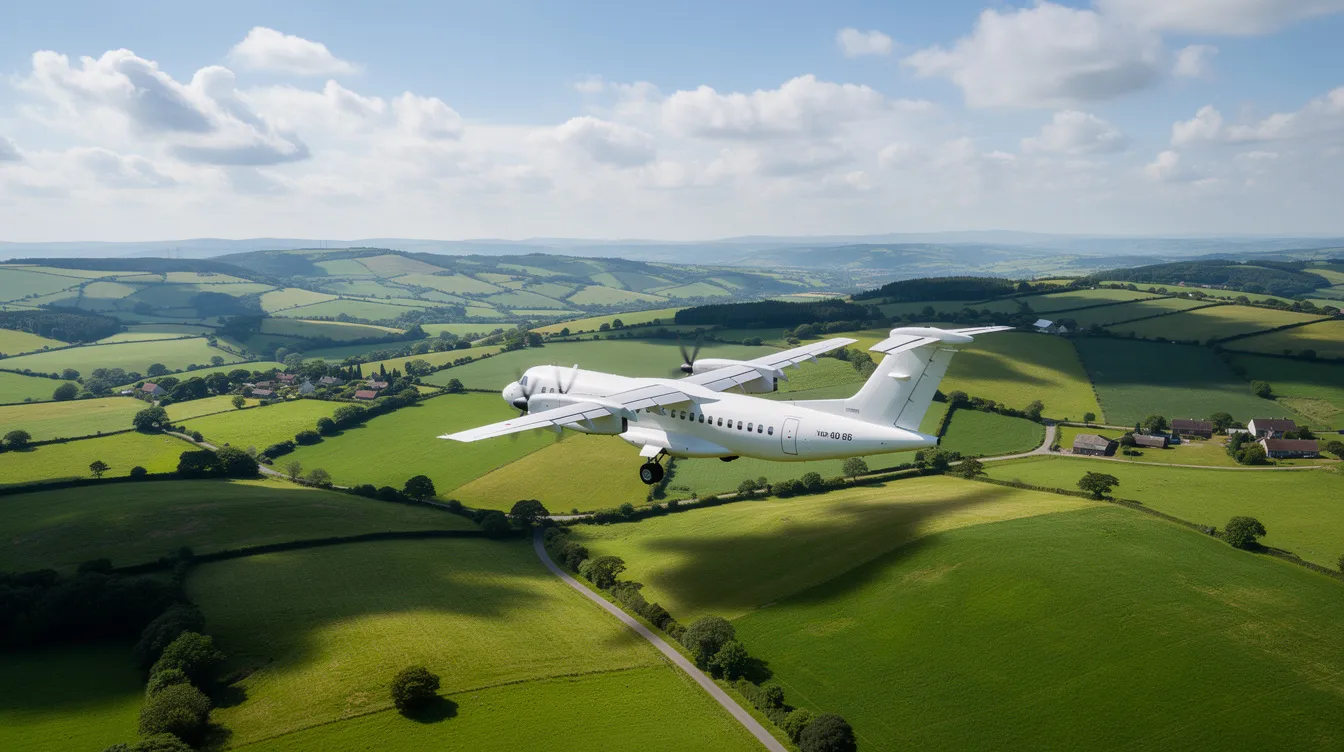
Small Airplane Flights: How Private Small Aircraft Transform Short-Haul Trave
Small airplane flights revolutionize regional travel by offering faster, more convenient alternatives to commercial airlines. With access to more airports and flexible schedules, travelers can save significant time and enjoy personalized experiences. Jettly's platform simplifies booking, providing a wide range of aircraft options and transparent pricing.
Read More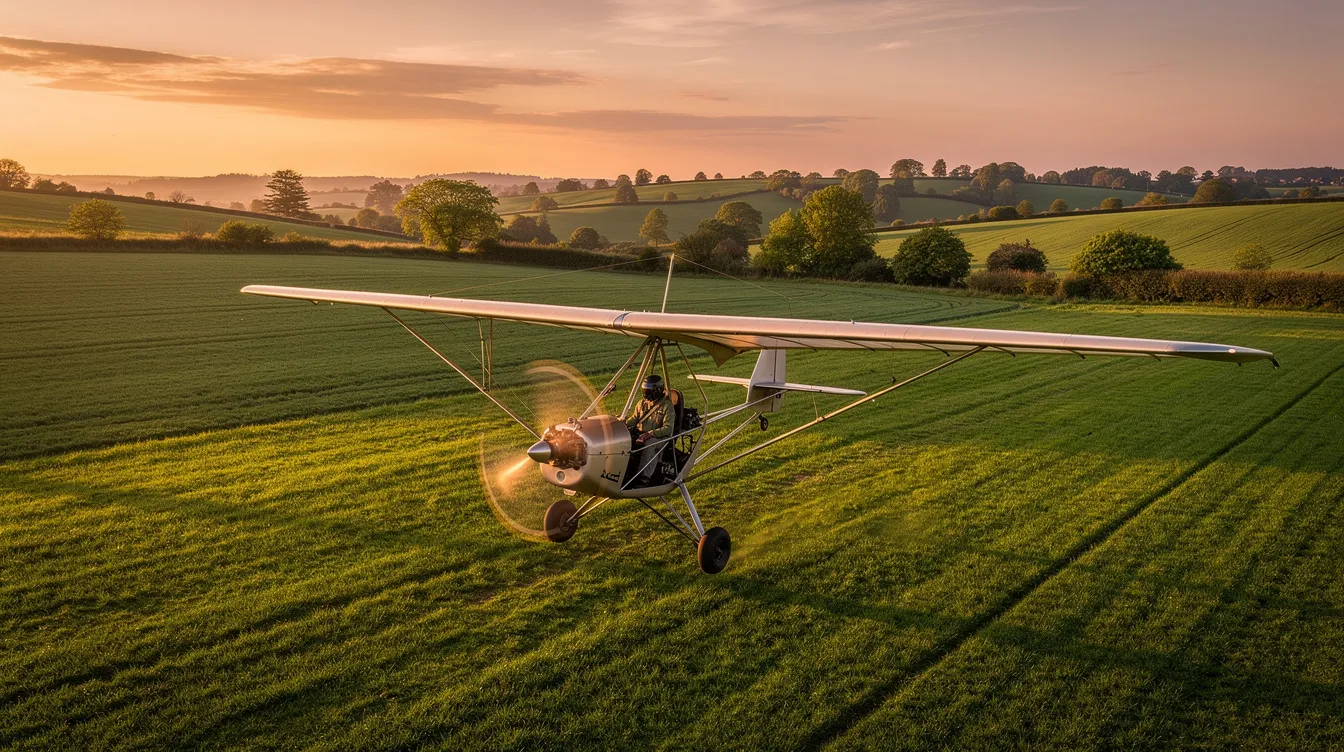
5
min read
Best Ultralight Aircraft: Top Models, Rules, and How They Fit a Private Aviation Lifestyle
This comprehensive guide explores the world of ultralight aircraft, highlighting the best models, essential rules, and their role in a private aviation lifestyle. Ideal for aspiring pilots and aviation enthusiasts, it covers everything from FAA regulations to the unique flying experiences ultralights offer. Discover how ultralight flying complements private jet charter for varied travel needs.
Read MoreStay updated with our latest insights and tips to elevate your journey with us.
MEMBERSHIPS AND ASSOCIATIONS



Disclaimer: Jettly operates as a charter broker, offering access to a global digital jet charter marketplace. Jettly is not a direct air carrier and does not own or operate aircraft. All advertised flights are conducted by third-party air carriers that are fully licensed and hold the appropriate Part 135 or Part 121 certifications issued by the Federal Aviation Administration (FAA) or equivalent regulatory authorities under U.S. or foreign law. Jettly complies fully with the U.S. Department of Transportation's Part 295 and Part 298 Charter Broker regulations. Jettly does not carry additional liability insurance. Passengers are covered by aircraft operator insurance. TICO: 50023770


