



Login
Get Instant Pricing On 23,000+ Aircraft

>
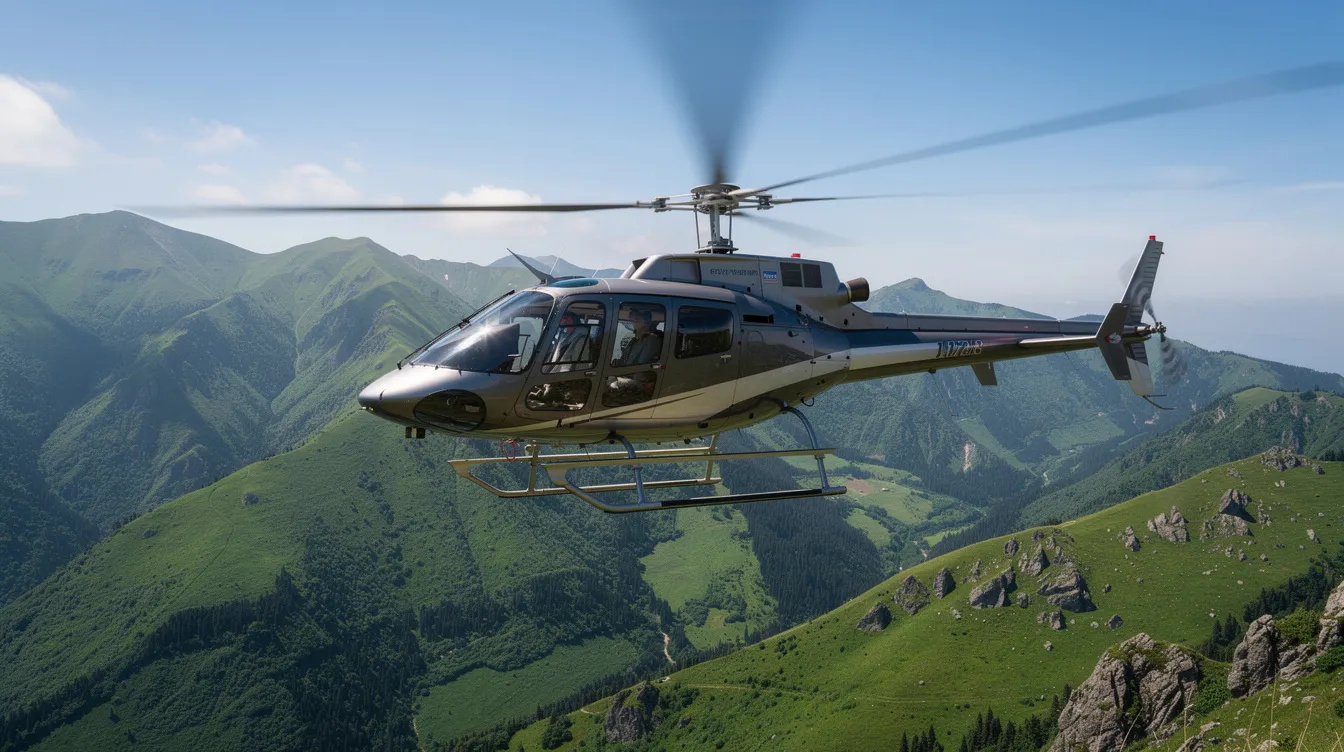
The Bell 407 is a standout in the world of light helicopters, known for its versatility, reliability, and efficiency. Whether you're considering ownership, managing a fleet, or exploring charter options, understanding the true operating cost per hour is essential. This guide dives into the financial details behind the Bell 407, helping you make informed decisions with confidence and clarity.
The Bell 407 is a single-engine light helicopter that has become a workhorse across the aviation industry. From law enforcement agencies and EMS providers to corporate transport and utility operators, the Bell 407 fills a wide range of roles. Understanding its operating cost per hour is one of the first steps for anyone evaluating this aircraft, whether that means purchasing one, budgeting for a public agency fleet, or deciding between ownership and charter.
This article breaks down fixed costs, variable costs, annual budget figures, and per-hour totals using realistic 2024–2026 data rather than theoretical minimums. All numbers reflect typical North American conditions with Jet A fuel prices around $7–$9 per gallon. Actual figures will vary by operator, region, and mission.
The Bell 407 evolved from the popular 206 LongRanger line, receiving its type certification in the mid-1990s. Since then, the global fleet has accumulated over 6 million flying hours across decades of service. The chopper has earned a good safety record overall, with most incidents traced to human error or maintenance oversights rather than fundamental design issues. In 2011, a service bulletin required a new driveshaft installation, which was addressed across the fleet without major disruption.
Primary mission profiles include law enforcement patrol, EMS and HEMS operations, utility work such as powerline inspection, pipeline survey, and sling operations, as well as offshore support and VIP or corporate shuttle flying. Each of these missions places different demands on the airframe, engine, and rotor system, directly influencing operating cost per hour through differences in hover time, payload, and engine cycles.
Modern variants like the 407GXP and 407GXi feature FADEC-equipped Rolls-Royce 250-C47 engines and Garmin G1000H NXi avionics. These upgrades improve situational awareness and engine management, but the overall cost structure remains broadly similar across variants.
Certain Bell 407 specs directly affect cost per hour. Weight, fuel burn, speed, and passenger capacity all shape how much an operator spends for each hour in the air.
The Bell 407 seats one pilot and up to 5 passengers, a similar capacity to versatile utility aircraft like the Cessna 207 used for charter and adventure travel. Its cabin dimensions measure 4 feet 2 inches high and 4 feet 9 inches wide, with a total baggage capacity of 23 cubic feet. The normal cruise speed is 123 knots, and the aircraft has a range of 245 nautical miles with standard fuel; with full fuel, available payload is reduced as weight limits become more restrictive, factors that also shape pricing for city‑pair private jet charters such as Kolkata routes. It can operate at a maximum altitude of 20,000 feet, giving it solid performance in hot and high conditions that challenge other helicopters, similar to how many cheapest single‑pilot business jets balance performance and operating cost.
Fuel consumption sits at approximately 45 gallons of Jet A per hour in typical cruise. Hover operations push fuel burn higher, sometimes to 50–55 gallons per hour, which directly increases variable costs. This relationship between how much fuel the aircraft burns and how an operator flies it is one of the biggest levers in Bell 407 cost management.
Maximum takeoff weight, cabin size, and baggage capacity influence which missions an operator selects. Heavier utility loads demand more power and burn more fuel than lighter VIP runs, shifting the cost equation with every flight.
The average price for a pre-owned Bell 407 is approximately $2,800,000. Older airframes available for sale may trade in the $2.0–$2.5 million range, while newer 407GXi examples with full avionics upgrades command $3.0–$3.6 million as of 2024–2025. For a broader look at helicopter pricing and how much a private jet costs, including ownership and operating expenses, purchase cost is only the beginning of the financial picture.
Depreciation is a major non-cash component of total cost per hour, especially in the first 5–10 years of ownership. Using a $3.0 million acquisition price and straight-line depreciation, an owner might budget $120,000–$150,000 per year. At 300 flight hours annually, that adds roughly $400–$500 per hour to the cost. At 400 hours, it drops to $300–$375 per hour.
The Bell 407 market has historically shown strong residual values. Demand from law enforcement and utility operators keeps pre-owned examples in active circulation, and well-maintained aircraft retain a significant percentage of their initial price over 10–15 years.
Fixed costs are expenses that do not change much with hours flown. They must be paid whether the Bell 407 sits in the hangar or flies every day. Operating a Bell 407 involves both direct variable and fixed annual costs, and understanding the fixed side is critical for accurate budgeting.
Fixed costs for a Bell 407 generally total around $295,000 to $390,000 annually, with some professionally managed operations reaching total fixed costs of $391,674 per year. Major line items include:
|
Fixed Cost Category |
Annual Cost Range |
|---|---|
|
Hull and liability insurance |
$40,000–$80,000 |
|
Hangar or tie-down |
$24,000–$60,000 |
|
Pilot compensation |
$150,000–$200,000 |
|
Recurrent flight training |
$15,000–$30,000 |
|
Avionics subscriptions, databases, management fees |
$10,000–$25,000 |
These figures add up quickly. For operators considering whether buying a helicopter makes financial sense, the fixed cost burden is often the deciding factor, and understanding overall private jet and helicopter operating costs and what drives the cost of a single private jet flight helps frame those decisions.
Variable costs increase directly with flight time and engine or rotor cycles. They form the core of Bell 407 operating cost per hour and include fuel, maintenance labor, parts, consumables, and engine or component reserves.
Total variable costs typically total around $1,080 per flight hour for the Bell 407, adding up to approximately $321,562 annually at moderate utilization. Here is how the main components break down:
|
Variable Cost Category |
Cost Per Flight Hour |
|---|---|
|
Fuel cost |
$345 |
|
Engine reserves |
$255–$260 |
|
Airframe maintenance, parts, consumables |
$400–$475 |
Maintenance and overhaul reserves are significant portions of operating costs for helicopters, and the Bell 407 is no exception. Landing fees and navigation charges apply in some regions but are generally minor compared to fuel and maintenance.
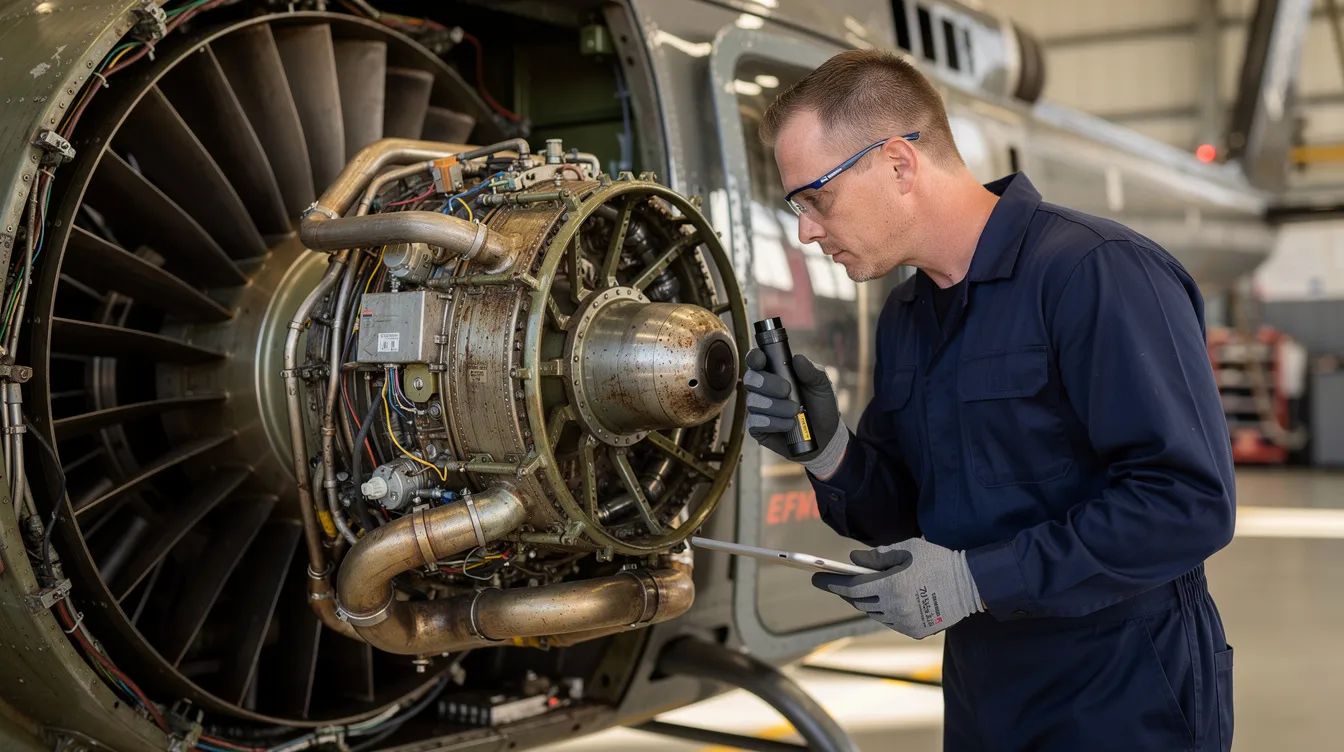
Total cost per hour combines fixed and variable costs, and annual utilization is the single biggest factor in the final number. The calculation is straightforward: add annual fixed costs to total variable costs (per-hour rate multiplied by hours), then divide by total flight hours.
Average operating costs for a Bell 407 typically range from $2,300 to $2,560 per hour at moderate utilization. An estimated operating cost of $2,560 per flight hour applies at roughly 200 hours per year. At around 300 hours, the hourly operating cost for a Bell 407 drops closer to $2,377 as fixed costs spread across more flying time. For more context on helicopter flight cost, utilization is always the key variable.
Here are three worked examples assuming $390,000 in fixed costs and $1,080 per flight hour in variable costs:
|
Annual Flight Hours |
Total Cost Calculation |
Cost Per Hour |
|---|---|---|
|
150 |
($390,000 + $162,000) ÷ 150 |
$3,680 |
|
300 |
($390,000 + $324,000) ÷ 300 |
$2,380 |
|
500 |
($390,000 + $540,000) ÷ 500 |
$1,860 |
Annual utilization significantly affects hourly operating costs due to the distribution of fixed expenses. These are planning numbers. Every operator should customize them based on mission profile, fuel price, crew structure, and maintenance program choices.
Cost per hour is not identical across missions. Law enforcement agencies, EMS providers, utility operators, and VIP users all place different demands on the Bell 407.
Law enforcement operations involve frequent hover, low-altitude orbits, and surveillance equipment such as FLIR running continuously. This increases fuel burn well above cruise estimates, accelerates engine and rotor cycling, and raises maintenance spend. Helicopter operators in this role often report higher variable costs per hour than cruise-based averages suggest.
EMS missions combine high readiness with rapid climbs and heavier interior installations, including stretchers and medical gear. These helicopter ambulance configurations raise both direct operating costs and insurance or training requirements.
Corporate and VIP flying usually involves lighter payloads, more efficient cruise segments, and fewer annual cycles, with many travelers also valuing premium touches such as curated in‑flight catering services for private jets. Variable costs per hour may be lower, but operators often invest more in cabin upgrades, avionics, and premium hangar space. The balance between lower operating costs per hour and higher fixed spending produces a different annual budget profile than mission-intensive use.

The economics of Bell 407 ownership depend heavily on how often the aircraft flies. For operators flying fewer than 150–200 hours per year, on-demand charter often delivers a lower effective cost per hour because fixed costs and capital risk stay with the operator, not the end user. For a deeper comparison of fractional ownership versus charter and a survey of the best fractional jet ownership companies and costs, the math consistently favors charter at lower utilization levels, especially when compared to accessing a broad fleet of private charter aircraft on demand.
Heavy-use operators such as dedicated law enforcement or utility fleets flying 500 or more hours annually can justify ownership because they spread fixed and capital costs across enough hours to bring the per-hour figure into the low $2,000s or below, much like businesses weighing private jet lease costs and structures against outright purchase.
Bell 407 rental price is approximately $4,000 per hour on a charter basis, which is broadly comparable to rates seen on app‑based services like XO charter flights and similar platforms. Dry lease rates for the Bell 407 range from $10,000 to $35,000 monthly, depending on configuration and terms, and some private flyers instead lock in hours through jet cards that bundle costs upfront. Jettly's digital charter platform offers access to Bell 407 and similar helicopters globally without requiring hangars, insurance, pilot payroll, or long-term commitments, positioning it as a flexible NetJets alternative with on-demand access. For a broader look at helicopter rental costs, the platform provides real-time pricing across multiple aircraft types, and tools like a private jet charter cost estimator make it easy to benchmark helicopter trips against fixed‑wing options.
Jettly focuses on transparent pricing and flexible access to helicopters like the Bell 407 for business, leisure, and public-sector missions through scalable private jet membership options and its world‑class jet card programs. The platform removes the guesswork from helicopter charter by providing instant pricing for Bell 407 flights, allowing users to compare all-in cost per hour or cost per trip against the true ownership costs outlined above, similar to how its jet card flight cost estimator simplifies fixed‑wing pricing.
Jettly's membership and on-demand options eliminate long-term capital commitments, jet card lock-ins, and complex management contracts while giving frequent flyers clarity on overall jet card costs and pricing structures. Whether the interest is a single corporate shuttle flight or regular utility transport, the platform scales to the customer's needs and aligns with Jettly's focus on affordable private jet charter and top-rated jet card programs for flexible access.
Operators and private users can use Jettly quotes as a benchmark when building their own buy-versus-charter cost models, especially when pairing them with an airport locator tool to plan realistic routings and bases. Visit jettly.com for detailed charter options and example itineraries.
While some costs are set by regulation and safety requirements, operators still have room to optimize total operating cost, similar to how fixed‑wing operators approach affordable aeroplane rental costs and options. Here are practical strategies informed by the same cost levers that shape one‑off private jet flight pricing:
Flight planning: Minimize unnecessary hover time and optimize routing. Flying at efficient cruise speeds and altitudes improves fuel efficiency and reduces engine wear.
Base selection: Choose a home base that minimizes repositioning. Lower hangar rates in secondary markets can save tens of thousands per year.
Mission consolidation: Combining flights or scheduling back-to-back missions reduces per-trip fixed cost allocation and keeps utilization high, especially when incorporating crowdsourced and shared charter flights or buying a single seat on shared private jet services to fill otherwise empty seats.
Maintenance programs: Enrolling engines and key components in power-by-the-hour or hourly reserve programs stabilizes variable costs and avoids large unplanned cash outlays. These programs are a priority for operators who want budget predictability.
Installation of monitoring upgrades: Modern engine and airframe monitoring features help catch issues early, reducing unscheduled maintenance and extending component life.
For private users who fly occasionally, partnering with a charter broker like Jettly effectively outsources cost optimization to professional operators who already operate at efficient scale and can advise on shared charter flights versus full charters and other ways to get a seat on a private jet easily and affordably.
The typical Bell 407 operating cost per hour ranges from roughly $2,300 to $2,560 depending on annual utilization, fuel price, and maintenance condition. At lower flight hours, the number climbs significantly higher.
Fixed costs such as insurance, hangar, crew salaries, and flight training often total between $295,000 and $391,674 per year, while variable costs for fuel, maintenance, parts, and engine reserves average around $1,080 per flight hour.
Cost per hour drops as annual hours flown increase because those fixed expenses are spread across more flying time. An aircraft flown 400 hours per year can cost nearly half as much per hour as one flown only 100 hours.
Bell 407 operators in law enforcement, EMS, and utility roles see different cost structures depending on mission profile, hover time, and engine cycling patterns.
Chartering a Bell 407 through a platform like Jettly typically runs around $4,000 per hour all-in, removing ownership risk and long-term fixed cost exposure.
A Bell 407 typically burns about 45 gallons of Jet A per hour in cruise. In hover-intensive operations or at high altitudes, fuel burn can climb to 50–55 gallons per hour. At 2024–2026 Jet A prices of roughly $7–$9 per gallon in North America, this translates to a fuel cost per hour in the $300–$400 range depending on location and mission type. Fuel is only one component of variable operating cost, which also includes maintenance, parts, oil, and engine reserves that together bring variable costs to approximately $1,080 per flight hour.
Enrolling engines and key components in hourly maintenance programs can increase the apparent per-hour cost slightly but significantly reduces the risk of large, unexpected overhaul bills. These programs convert major periodic expenses, such as engine inspections at 300- and 2,000-hour intervals, into predictable per-hour reserves that simplify annual budget planning. Many buyers also consider the presence of active maintenance programs a value-add when purchasing a pre-owned Bell 407, which can positively affect resale price.
Law enforcement and government EMS operators often face additional costs for specialized equipment like FLIR, hoists, and medical interiors, plus mission-specific training and compliance requirements. Public agencies tend to fly consistent annual hours, which lowers cost per hour by spreading fixed costs. However, their intensive hover and low-altitude operations increase both maintenance spend and fuel consumption compared to cruise-heavy private or corporate flying.
The Bell 407's cost per hour is broadly competitive with other single-engine light turbine helicopters such as the Airbus H125 when normalized for mission type and utilization. Differences in cabin layout, avionics capabilities, and manufacturer support networks may tip the scale for specific operators beyond pure cost per hour, much like the distinctions among leading private plane manufacturers for different budgets and missions and among operators in a broad list of private charter airlines. The best approach is to compare total mission cost, reliability, and parts availability rather than focusing solely on headline per-hour figures, similar to how travelers evaluate the best private jet charter companies when booking fixed‑wing aircraft.
To convert operating cost per hour into approximate trip costs, multiply the per-hour figure by expected block time, which should include positioning, taxi, and any holding or hover time, just as you would when evaluating cross‑country aircraft options and mission planning. Keep in mind that charter pricing also reflects operator margin, local market demand, and regulatory requirements, so charter quotes will typically exceed bare operating cost, especially when working with compliant Part 135 charter companies. For exact trip costs, Jettly's online platform generates real-time Bell 407 charter quotes that account for all of these factors, providing a more accurate number than manual calculation and reflecting its role within the global fleet and growth of private jets worldwide, while supporting partners through its high-ticket affiliate program.
A realistically operated Bell 407 typically costs in the mid-$2,000s per hour all-in when flown 250–400 hours per year. Variable costs average around $1,080 per flight hour, and fixed costs spread over annual utilization determine the final number. The model remains one of the most capable and cost-competitive single-engine light helicopters on the market, with strong residual values and a deep support network that should keep it relevant for the foreseeable future.
Law enforcement, EMS, utility, and VIP operators will each see slightly different cost profiles based on mission demands, fuel price, and equipment fit. Anyone evaluating ownership should build a detailed estimate including purchase price, depreciation, fixed costs, and variable costs before committing capital.
For those who prefer flexibility and predictable trip pricing without the burden of ownership, exploring Bell 407 and other helicopter charter options is straightforward. Ready to get started? Request a quote at jettly.com.
Share this post:
Jay Franco Serevilla
Oct 21, 2026
|
5
min read
Discover tips and trends in the industry.

5
min read
What Airlines Have Had Crashes? Major Airline Accidents, Safety Records, and What They Mean for Air Travel
Many major airlines, including American Airlines and Japan Airlines, have experienced fatal crashes throughout their histories. While these incidents are significant, they must be viewed in context, as air travel remains one of the safest modes of transportation today. Understanding the historical data and safety improvements can help travelers make informed decisions about their flight options.
Read More
5
min read
Elon Musk Aircraft: Inside Elon Musk's Private Jets, Fleet History, and How to Fly Similar Jets with Jettly
Elon Musk's private jet fleet, primarily consisting of Gulfstream models, showcases the intersection of luxury and necessity in modern aviation. This guide explores Musk's aircraft history, the evolution of his fleet, and how platforms like Jettly provide access to similar jets for those who seek the convenience of private travel without ownership. Discover the details of Musk's jets and how they reflect his dynamic lifestyle and business needs.
Read MoreStay updated with our latest insights and tips to elevate your journey with us.
MEMBERSHIPS AND ASSOCIATIONS



Disclaimer: Jettly operates as a charter broker, offering access to a global digital jet charter marketplace. Jettly is not a direct air carrier and does not own or operate aircraft. All advertised flights are conducted by third-party air carriers that are fully licensed and hold the appropriate Part 135 or Part 121 certifications issued by the Federal Aviation Administration (FAA) or equivalent regulatory authorities under U.S. or foreign law. Jettly complies fully with the U.S. Department of Transportation's Part 295 and Part 298 Charter Broker regulations. Jettly does not carry additional liability insurance. Passengers are covered by aircraft operator insurance. TICO: 50023770


