


Login
Get Instant Pricing On 23,000+ Aircraft

>

Choosing the best private plane for family travel is a crucial decision for families considering private aviation. Whether you’re a family of four planning weekend getaways or a larger group seeking international adventures, the right aircraft can transform your travel experience. This guide is designed specifically for families evaluating private aviation, addressing why the topic matters: safety, comfort, cost, and flexibility are all essential for family travel. By focusing on the best private plane for family needs, we help you navigate the options and make informed choices that fit your unique requirements.
Private jet options vary based on family size and travel distance. This guide walks through every category—from affordable piston singles to midsize jet charters—so you can confidently choose the best private plane for your family’s size and travel needs.
The best family airplane depends on your mission profile: weekend trips under 400 nm favor piston singles like the Cessna 182, while medium-range vacations and long distances call for turboprops or private jets.
Top picks across categories include the Cherokee Six and Cirrus SR22 for general aviation, the Pilatus PC-12 and TBM for turboprops, and the Embraer Phenom 300 and Cessna Citation Latitude as some of the best private jets for families.
Ownership costs run 1.5–2x the purchase price over 5–10 years once you include hangar space, insurance, maintenance, and training. Chartering often costs less than ownership for families flying under 150 hours annually.
Chartering via Jettly offers flexibility for families flying under 200 hours annually, with access to over 20,000 aircraft globally and instant pricing to compare options.
Families can test different aircraft categories and cabin features on real trips through Jettly before committing to ownership or fractional shares.
There is no single best family plane. The right choice is the aircraft that fits your typical flight plan, your family members, and your budget—both upfront and ongoing.
A family of four with two children in car seats needs generous useful load, easy baggage loading, and stable handling at low altitude. A family traveling with teenagers or grandparents may prioritize a spacious cabin, legroom, and quiet cruise. Needs differ, and so do the aircraft.
Start by defining your core missions:
Short weekend trips (200–400 nm): Los Angeles to Lake Tahoe, Boston to Bar Harbor.
Medium-range family vacation legs (400–1,500 nm): Chicago to Denver, New York to Nassau.
Long-haul or international (1,500+ nm): U.S. to Europe, coast-to-coast nonstop.
Speed, range, useful load, and cabin comfort always pull in different directions. These trade-offs determine whether you need a single piston, a turboprop, or a midsize jet. Chartering private charter aircraft avoids airport hassles like long lines and security delays, which is another reason many families skip commercial flights entirely.
As you consider your options, keep in mind that the next section will help you identify the most important family-friendly features to look for in a private aircraft.
Selecting a private jet involves evaluating important family-friendly features. For families, "family-friendly features" means those aspects of an aircraft that directly impact the safety, comfort, convenience, and overall travel experience for all ages. These include cabin layout, ease of access, safety systems, and amenities that make flying enjoyable and stress-free for both parents and children.
Families typically consider range (how far the plane can fly without refueling), cabin height (how much headroom and space there is for movement and comfort), and seating configurations (how seats are arranged for interaction, rest, and child safety) as key factors when choosing a family aircraft.
Here is the practical checklist of family-friendly features to evaluate:
Club seating for face-to-face interaction
A wide cabin for movement
Headroom so parents can tend to kids
Noise insulation for a quieter ride
Enclosed lavatories (essential for longer flights with children)
Flexible seating configurations for different family sizes and needs
Aim for 800–1,200 lbs of payload with full fuel for a family of four with bags in piston or turboprop aircraft categories
Ample cabin space for comfort on longer trips
Generous baggage capacity for families traveling with gear
Pistons: 130–170 knots cruise speed, 400–700 nm maximum range
Turboprops: 250–330 knots, 1,200+ nm range
Light and midsize jets: 380–450 knots, 1,500–3,000 nm
Whole-airframe parachute systems
Modern avionics
Autopilot
Terrain awareness
For charter, Jettly screens operators for safety ratings and regulatory compliance
Fuel costs
Engine reserves
Insurance
Hangar fees
Maintenance and training
With these criteria in mind, let’s explore the best piston singles for family flying, which are often the entry point for new owner-pilots.
Piston singles remain the backbone of general aviation for budget-conscious owner-pilots flying families on regional trips. The typical performance envelope is a cruise speed of 130–170 knots, 400–700 nm stages, four seats or more, and access to small airports near vacation destinations. A single piston is often the entry point for new pilots considering a family aircraft, and selecting the best plane for a family of four requires balancing speed, comfort, and cost. Similar prop planes are also available on charter via Jettly in some markets.
The Cessna 182 is one of the best family planes for owners stepping up from trainers. It is a great plane for cross-country adventures, forgiving enough for newer pilots, and capable enough for serious missions.
Performance: The Cessna 182 Skylane cruises at 135–145 knots with a range of 500–700 nm. Useful load often exceeds 1,000 lbs. Fixed gear keeps systems simple and maintenance lower.
Design: The high-wing layout gives passengers excellent visibility, stable handling, and suitability for grass and short runways.
Real-world mission: A 300–400 nm trip like Dallas to Santa Fe or Toronto to Québec City, with one fuel stop if needed, is the Cessna 182's sweet spot.
Cost: Used aircraft market pricing for a well-maintained single-engine Cessna 182 runs roughly $150,000–$300,000 depending on vintage and avionics. Total cost of ownership over 5–10 years can exceed the initial purchase price significantly.
The Piper PA-32 Cherokee Six is a classic six-seat family aircraft—the SUV of the sky. It remains one of the most practical choices for an entire family with luggage.
Cabin: A wide cabin, club seating for family interaction, and double rear doors make it easy to load strollers, skis, and pets. The Piper Cherokee six-seat layout means no significant compromise on passenger space.
Performance: The PA-32 Cherokee Six cruises at 145–160 knots with a range of 700–900 nm and a useful load often exceeding 1,200 lbs.
Use case: A family of five flying Chicago to Hilton Head (~650 nm) with beach gear fits comfortably, potentially with one fuel stop.
Many families upgrade from the PA-28 Piper Cherokee line to the Cherokee Six or Saratoga as kids grow and luggage demands increase.
The Cirrus SR22 is the best-selling high-performance single in general aviation, and for good reason. Modern aircraft like the SR22 feature whole-airframe parachute systems for safety—specifically, the Cirrus Airframe Parachute System (CAPS), which has saved hundreds of lives and gives parents measurable peace of mind.
Performance: The Cirrus SR22 has a cruise speed of 170–185 knots and a range up to 1,000 nm, making it strong for cross-country family trips of 400–700 nm without fuel stops.
Comfort: Newer G6 models (around $1M+ new) feature refined interiors and strong soundproofing, improving cabin comfort on 3–4 hour legs.
Vs. Cessna 182: The SR22 is a faster and more complex aircraft with retractable gear on some variants. It demands more training but is better suited to frequent medium-range missions.

Several other aircraft fit specific family niches in general aviation:
Beechcraft A36 Bonanza: Six seats (A36 variant), retractable gear, ~170-knot cruise speed with a maximum range exceeding 800 nm. Premium feel for long-distance family flying, with similar performance to the SR22 but a more traditional cabin.
Mooney M20 series: The Mooney M20 delivers cruise speeds of 160–170 knots with a range of 700–1,000 nm and burns less fuel per hour than most competitors. Tighter rear seating makes it best for smaller kids or shorter legs.
Rockwell Commander 114: Wide cabin comfort and smooth handling at 135–140 knots cruise. Ideal for families prioritizing space over raw speed.
Grumman Tiger: An affordable four-seat airplane with about 135 knots cruise, great visibility, and solid baggage capacity. The Grumman Tiger is ideal for trips of 500 to 750 nm—a strong option for small families on a budget.
These models illustrate how diverse the family plane landscape is. The right choice depends on whether you prioritize speed, load, cabin width, or total cost.
For families needing more range or speed, turboprops and jets offer additional options, which we cover next.
Families who fly frequently or mix business and leisure often outgrow piston singles. The performance jump is dramatic: turboprops cruise at 250–330 knots with 1,200–1,800 nm range, while light jets reach 350–450 knots and 1,000–2,000+ nm range.
These complex aircraft are rarely owned solely for family travel unless usage exceeds 150–200 hours per year. For most families, on-demand charter becomes the practical—and cheaper—choice. Jettly's platform gives instant pricing across turboprops and jets, allowing families to compare flight time, cost, and cabin features before booking, while resources like Jettly's guide to choosing the best personal plane help evaluate long-term ownership options.
Turboprops are the ideal bridge between pistons and jets for family trips of 600–1,500 nm, offering pressurized comfort at manageable operational costs.
Pilatus PC-12: A large cabin seating 6–8 passengers, 260–280-knot cruise, and a big baggage hold accessible in flight. The PC-12 is a versatile family aircraft for regional and cross-country routes with a range of roughly 1,750 nm with four passengers.
Daher TBM 910/960: Pressurized single-engine turboprops with 300+ knot cruise, club seating, and executive-style interiors suitable for fast family vacations.
Piper M600: Pressurized, 250–270-knot cruise, a more compact cabin but a strong balance between cost, range, and cabin comfort for family missions.
Chartering these aircraft via Jettly gives access to their benefits without multimillion-dollar acquisition costs. Families get pressurized cabins, lavatories on some models, and baggage capacity that dwarfs piston aircraft, and can also consider high-performance options like the Piper Aerostar 600 for specific regional missions.
Light jets represent some of the best private jets for families wanting speed and comfort on 1,000–2,000 nm legs.
Core examples: Embraer Phenom 100/300, Cessna Citation CJ1/CJ3, HondaJet, and similar models common in charter fleets.
Performance: 380–450-knot cruise, typical ranges of 1,000–2,000 nm, cabins with 4–8 seats. High-speed Wi-Fi is increasingly essential for entertaining older children during flights, and with high-speed internet access, private jets can cater to entertainment needs and entertainment options for the whole family.
Typical routes: New York to Miami, London to Mallorca, Los Angeles to Aspen—nonstop, with minimal time on the ground.
Hourly charter rates for light jets often run $3,000–$5,000+ per hour but eliminate all ownership overhead, and tools that explain affordable private jet charter costs can help families benchmark pricing for typical routes.
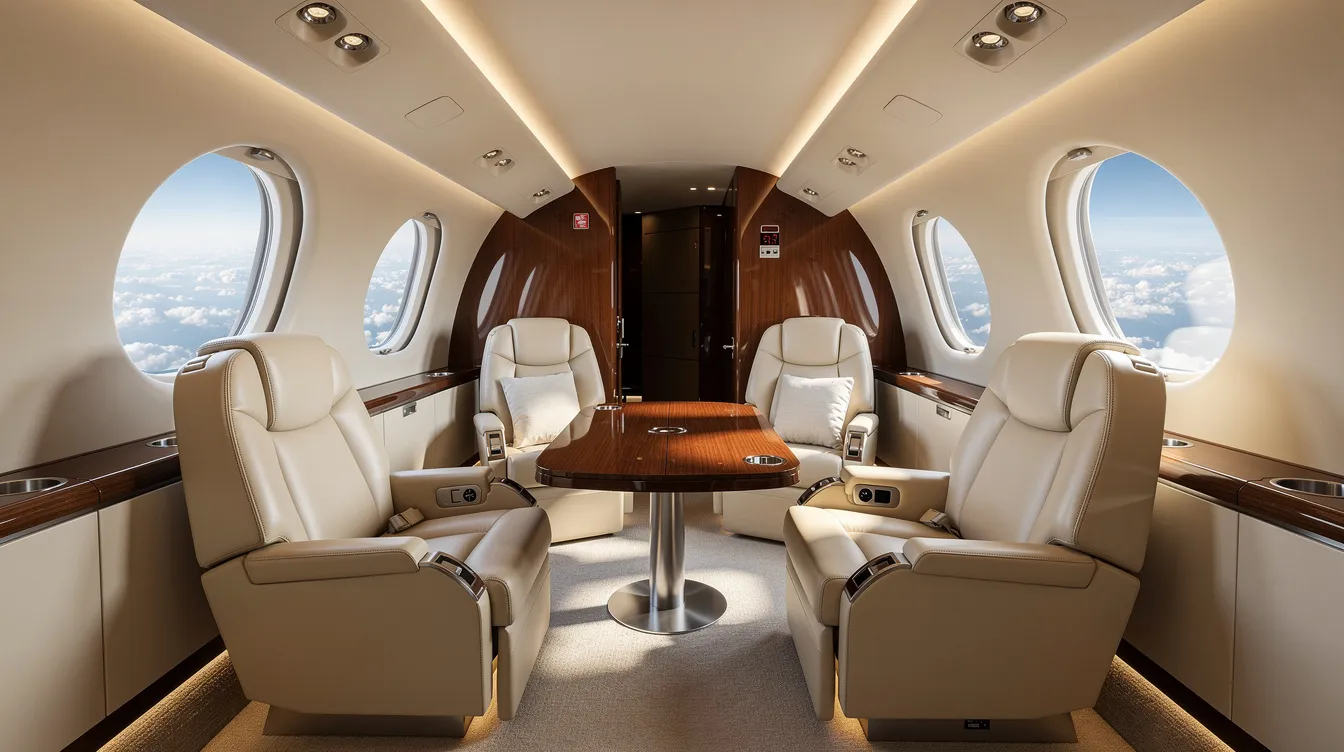
If your family requires even more space or longer range, midsize and super-midsize jets may be the right fit, as discussed in the next section.
Private jet options vary based on family size and travel distance. For coast-to-coast or transcontinental trips where space is a priority, a midsize jet is often the best private plane for family travel.
Segment definition: Stand-up cabins (6+ ft headroom), flat floors, ranges around 2,000–3,200 nm, seating for 6–9 passengers. A flat-floor cabin design minimizes tripping hazards for children.
Top picks: The Cessna Citation Latitude offers a wide cabin with 6 ft stand-up height and ~2,700 nm range. The Embraer Praetor 600 handles coast-to-coast flexibility. Cessna Citation Latitude and Embraer Praetor 600 are popular choices for family travel. Multiple seating configurations in jets enhance the travel experience for families.
Family advantages: Cabin zones, divans, and work/sleep separation matter on longer flights. Distinct cabin zones help keep children occupied while adults relax or work. Cabin technology may include Smart Windows for entertainment display on newer models.
Families can choose these jets on-demand through Jettly's comparison tools, matching larger cabins only to trips that justify the extra cost.
For families with global travel needs, ultra-long-range jets provide the ultimate in comfort and nonstop capability, which we’ll cover next.
For families frequently traveling between continents—U.S. to Europe, the Middle East, or Asia—ultra-long-range jets provide nonstop capability and multiple cabin zones.
Aircraft like the Bombardier Global 7500, Gulfstream G500/G700, Dassault Falcon 8X, and Embraer Lineage 1000E offer ranges exceeding 6,000–7,700 nm with 3–5 living areas, dedicated crew rest, and large baggage holds. Private jets can feature multi-zone cabins for family privacy and comfort on 10+ hour flights—allowing parents to work, sleep, and supervise children in separate spaces.
These jets are rarely owned purely for family reasons. Charter or fractional access via platforms like Jettly is more common for occasional long-haul travel, and families planning global itineraries may want to understand how private jets fly internationally, including customs and overflight rules.
Next, let’s compare the financial realities of ownership versus charter for family travel.
This is the central financial question: buy your own plane, join a membership, or rely on on-demand charter? Chartering is often cheaper for families flying under 150 hours annually. Private jet memberships can bridge the gap by offering wholesale rates and predictable access, while on-demand private jet travel offers flexibility without ownership burdens, and charter eliminates capital risk and maintenance downtime for families.
For a concrete comparison: families flying 60–80 hours annually find chartering often costs less than ownership when fixed costs are included. At 250+ hours per year, ownership may start to win—but only if the aircraft holds its resale value and is well-utilized. A broader view of how much a private jet costs can clarify where your family fits on the spectrum. For a deeper breakdown, see Jettly's guide to ownership vs charter economics.
The purchase price is only the beginning of a serious capital commitment. Total ownership costs run 1.5–2x the acquisition cost over 5–10 years.
Realistic 2024–2026 acquisition ranges for popular family aircraft on the used aircraft market:
|
Aircraft |
Used Price Range |
Cruise Speed |
Range |
|---|---|---|---|
|
Cessna 182 Skylane |
$150k–$300k |
135–145 kt |
500–700 nm |
|
Cirrus SR22 |
$300k–$1M+ |
170–185 kt |
Up to 1,000 nm |
|
PA-32 Cherokee Six |
$150k–$350k |
145–160 kt |
700–900 nm |
|
A36 Bonanza |
$200k–$600k+ |
~170 kt |
800+ nm |
Beyond the purchase price, ownership requires covering fixed costs like insurance (both liability and hull insurance), hangar space at $250 to $1,000+ monthly, and annual recurrent training. Routine maintenance costs range from $2,000 to $5,000+ annually, and major overhauls and avionics upgrades push the total outlay well beyond the original acquisition. Families comparing cash outlay against pre-purchased hours can also use tools like a jet card flight cost estimator to model trip-by-trip spending. More detail on ongoing expenses is available in Jettly's plane operating costs guide.
Jettly provides access to over 20,000 aircraft globally for charter—from pistons to large-cabin jets—searchable by route, dates, and cabin features. For families flying 3–8 extended trips per year, booking on-demand usually costs less than maintaining a family aircraft.
Instant pricing on Jettly allows families to compare charter options easily. Some frequent travelers also look at jet card programs that lock in hourly rates and simplify budgeting. Families flying 60–80 hours yearly find chartering more cost-effective than ownership once you account for hangar, insurance, and maintenance.
Example: A family comparing a Toronto-to-Vancouver trip can see a turboprop vs. light jet vs. midsize jet side by side on Jettly, weighing flight time, cabin comfort, and price before choosing. Use the charter cost estimator to run your own numbers.
Next, we’ll help you match your family’s unique travel patterns to the right aircraft category.
Before shopping by brand or aesthetics, sketch your real flight plan patterns. Define 2–3 representative trips: origin, destination, passenger count, luggage, pets, and seasonality. Consider runway length, altitude, and whether you prefer major hubs or regional fields. Families can test-fly different aircraft types via charter through Jettly before making ownership or membership decisions, using broader industry overviews like an ultimate list of charter airlines to understand how different operators and models compare.
Classic weekend hops—Boston to Bar Harbor, Los Angeles to Lake Tahoe—favor four seats or more in efficient piston singles like the Cessna 172, Cessna 182, Piper Archer, or Grumman Tiger. Low fuel burn, simpler systems for owner-pilots, and easy access to small airports make these the best family planes for short legs. Expect more bumps than commercial flights and headsets for everyone, but strong time savings vs. driving.
Trips like New York to Nashville, Chicago to Denver, or Paris to Palma de Mallorca push into territory where high-performance singles (Cirrus SR22, Bonanza, Cherokee Six, Rockwell Commander 114) or turboprops start to shine. The trade-off is cost vs speed: slower, cheaper pistons vs turboprops that cut hours off each leg at higher hourly rates. Families with tight schedules or weather-sensitive plans may favor chartering turboprops via Jettly instead of flying their own pistons across mountain ranges, and researching the best private jet charter companies helps ensure strong safety records and service standards.
Missions like New York to Miami, Los Angeles to Honolulu (with a tech stop), or London to Athens are where jets often make the real difference. While piston singles can technically cover some of these legs with fuel stops, fatigue and weather exposure make them less ideal for family comfort over long distances. Pressurized turboprops (TBM, PC-12, M600) or light and midsize jets (Phenom 300, Citation CJ3, Citation Latitude) are strong candidates. Jettly enables families to book these jets only when needed, while using smaller aircraft or commercial flights for other travel, and guides on booking the cheapest private jet flights outline strategies like empty legs and smaller aircraft that can significantly reduce costs.
With your mission profile in mind, let’s turn to the critical topics of safety, training, and comfort for family flights.
The best family airplane is only as good as the pilot training and operator standards behind each trip. For owner-flown aircraft, pilot training should include 100–200 hours of total time and an instrument rating before routinely flying family cross-countries. Advanced safety features are crucial for family-friendly private jets. Key technologies include whole-airframe parachute systems, terrain warning, autopilot, angle-of-attack indicators, and de-icing systems. Safety features tailored for families include child seat considerations and age-appropriate restraints.
The Diamond DA40 Star has one of the lowest fatal accident rates in general aviation—worth noting for families evaluating the safety record of their chosen aircraft. Understanding how regulated Part 135 charter companies operate can also reassure parents about safety oversight. Private jets exceed commercial aviation safety standards in many operational areas, with professional crews, regular audits, and modern emergency procedures.
Comfort in private jets includes quiet cabins and low cabin altitudes for children. Low cabin altitude reduces child fatigue and dehydration during flights, which makes a measurable difference on legs over two hours. Jettly works with regulated, audited operators whose crews fly to professional standards, giving families the option to hand safety and flight planning to experts.
Next, let’s consider environmental and efficiency factors that may influence your family’s aircraft choice.
Many families care about emissions and fuel efficiency when choosing a family aircraft or booking private jets. The Mooney M20 and efficient diesel or FADEC engines can reduce fuel burn per hour compared to older designs. Modern turboprops often outperform older jets in fuel burn per passenger-mile on 300–700 nm typical routes, making them an efficient family choice.
Selecting the smallest suitable aircraft for each mission—a light jet vs. a large cabin jet when appropriate—helps reduce environmental impact. Families comparing subscription-style access against fractional ownership often look at NetJets alternatives like Jettly to align flexibility, fleet choice, and sustainability goals. Jettly can support carbon offset programs through partners and allows families to compare aircraft categories for both efficiency and cost.
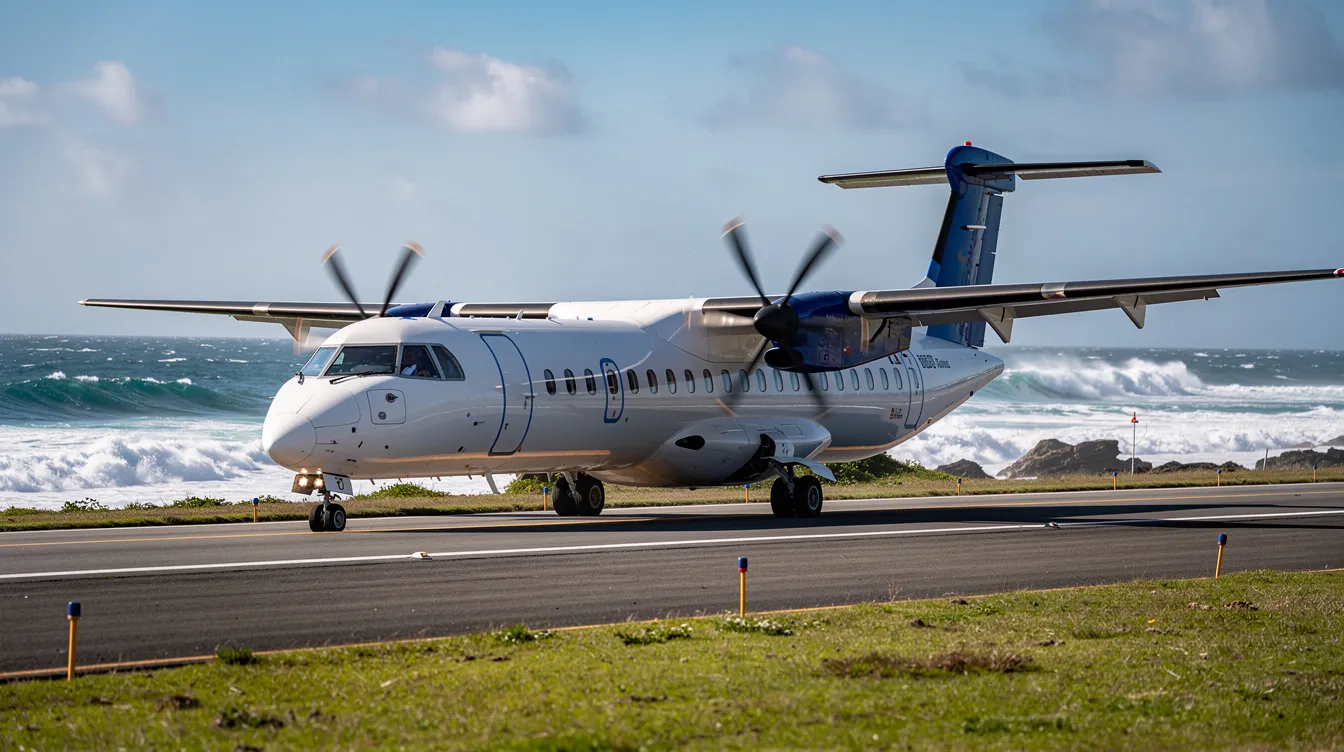
A well-equipped Cessna 182 Skylane or similar four-seat piston with fixed gear and modern avionics is often the most balanced starting point for a family of 3–4. Used examples run $150,000–$300,000. These are great planes for 200–400 nm trips from small airports. Families unsure about ownership can charter comparable small aircraft through Jettly to test comfort and routines before buying, or experiment with buying an individual seat on a private jet to experience private travel without booking the whole aircraft.
Ownership begins to make financial sense around 150–200+ hours annually, depending on aircraft type and local costs. Below about 100–150 hours, most families find on-demand charter or occasional rental more cost-effective and lower stress. Exploring different ways to get a seat on a private jet easily — from empty legs to membership apps — can further optimize costs. A simple spreadsheet comparing annual charter spend (using Jettly quotes) vs estimated annual ownership costs usually makes the answer clear.
It is technically possible in a Cirrus SR22 or Bonanza, but comfort varies with children's ages, turbulence, and noise tolerance. Start with 1.5–3 hour legs and build experience, with regular breaks for kids. For frequent 4–5 hour flights, chartering turboprops or light jets via Jettly provides a quieter, more spacious cabin and in-flight Wi-Fi that makes a meaningful difference.
Must-haves include an enclosed lavatory, enough individually belted seats so no one shares a lap, good baggage capacity, in-flight Wi-Fi, and quiet cabins. Club seating and divans are useful for meals and rest. Separate cabin zones help on flights over 3–4 hours. Jettly's filters let users select aircraft by cabin layout, Wi-Fi, pet-friendly policies, and other family-oriented amenities.
Families enter route, dates, and passenger details on Jettly to see instant pricing across relevant aircraft types. They can compare turboprops vs. light jets vs. a midsize jet in terms of flight time, cabin features, and budget. Jettly's support team can walk families through options—including luggage needs, child comfort, and connecting ground transportation—to find the right destination and trip match, and in some cases help organize crowdsourced private jet flights with shared empty seats to lower per-seat costs.
Ready to experience private travel on your terms? Explore flight options or request a quote at https://www.jettly.com for your next family trip.
Selecting the best private plane for family travel hinges on understanding your unique mission profile, family size, and budget. Whether opting for a piston single like the Cessna 182 for short regional trips or upgrading to turboprops and midsize jets for longer distances and added comfort, each aircraft category offers distinct advantages tailored to family needs. Chartering through platforms like Jettly provides flexibility, cost savings, and access to a broad fleet without the burdens of ownership, making it an attractive option for families flying under 150–200 hours annually.
Safety, comfort, and convenience remain paramount—look for family-friendly cabin features, reliable safety systems, and operational excellence when choosing your aircraft. With instant pricing and a global network of over 20,000 aircraft, Jettly empowers families to compare options and book the ideal flight for every trip.
Ready to experience private travel on your terms? Explore flight options or request a quote at https://www.jettly.com for your next family adventure.
Share this post:
Jay Franco Serevilla
Sep 16, 2026
|
5
min read
Discover tips and trends in the industry.
5
min read
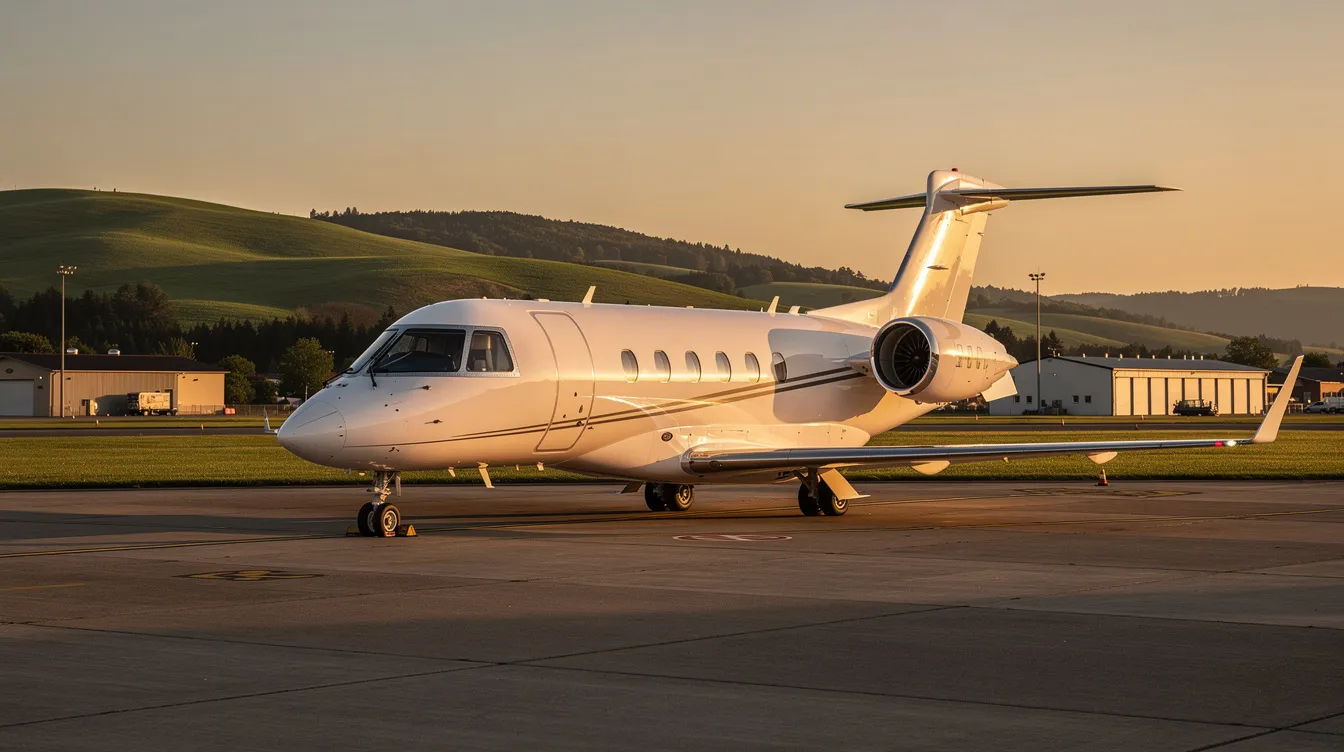
Executive Aviation: How Modern Private Flights Work for Business and Leisure
Executive aviation revolutionizes travel by offering private flights tailored to individual schedules and preferences, bypassing the limitations of commercial airlines. With options like on-demand charters and memberships, travelers can enjoy significant time savings, enhanced comfort, and privacy, making it ideal for both business and leisure trips.
Read More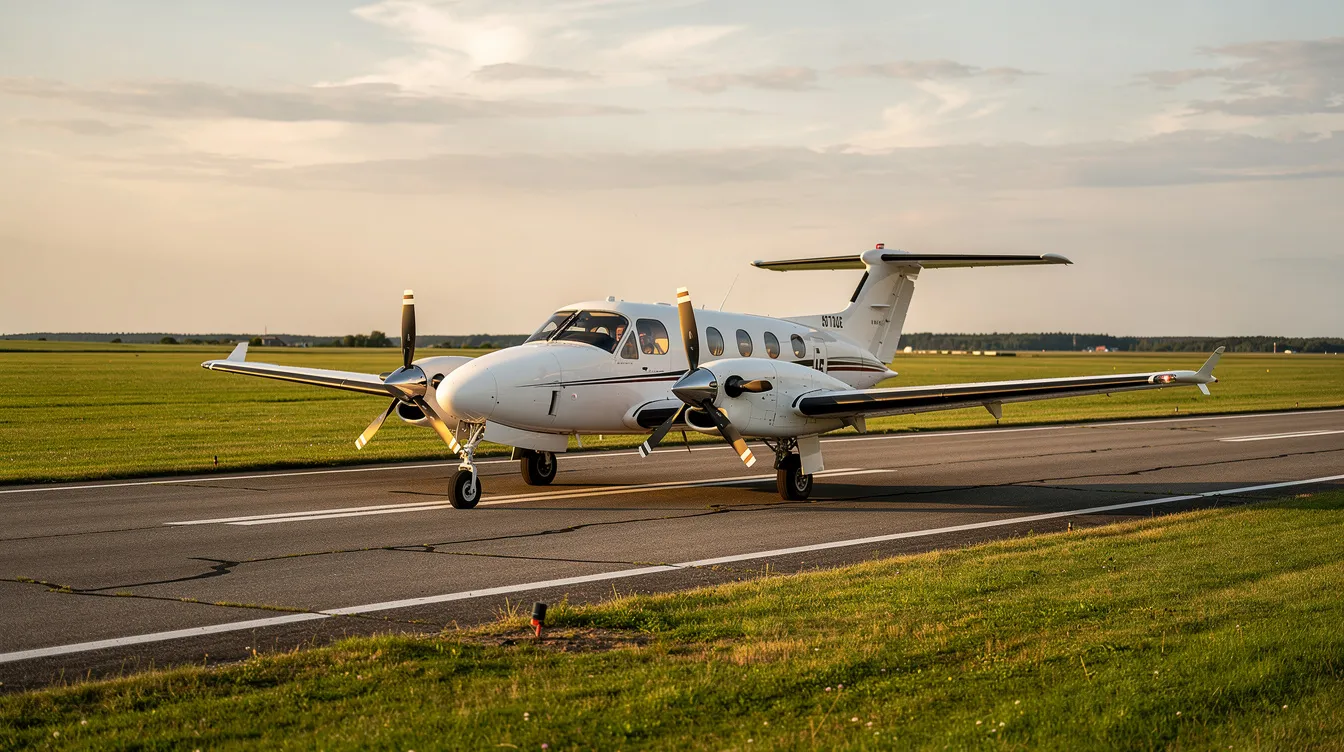
5
min read
Executive Air Transport, Inc.: Private Air Transport with a Modern Digital Alternative
Executive Air Transport, Inc. has been a staple in private aviation since 1959, offering on-demand charter and cargo services from Muskegon County Airport. As the industry evolves, digital platforms like Jettly provide travelers with instant access to a vast array of aircraft and transparent pricing, presenting a modern alternative to traditional operators. This article compares the offerings of Executive Air Transport with digital marketplaces to help travelers choose the best option for their needs.
Read MoreStay updated with our latest insights and tips to elevate your journey with us.
MEMBERSHIPS AND ASSOCIATIONS



Disclaimer: Jettly operates as a charter broker, offering access to a global digital jet charter marketplace. Jettly is not a direct air carrier and does not own or operate aircraft. All advertised flights are conducted by third-party air carriers that are fully licensed and hold the appropriate Part 135 or Part 121 certifications issued by the Federal Aviation Administration (FAA) or equivalent regulatory authorities under U.S. or foreign law. Jettly complies fully with the U.S. Department of Transportation's Part 295 and Part 298 Charter Broker regulations. Jettly does not carry additional liability insurance. Passengers are covered by aircraft operator insurance. TICO: 50023770


