



Login
Get Instant Pricing On 23,000+ Aircraft

>
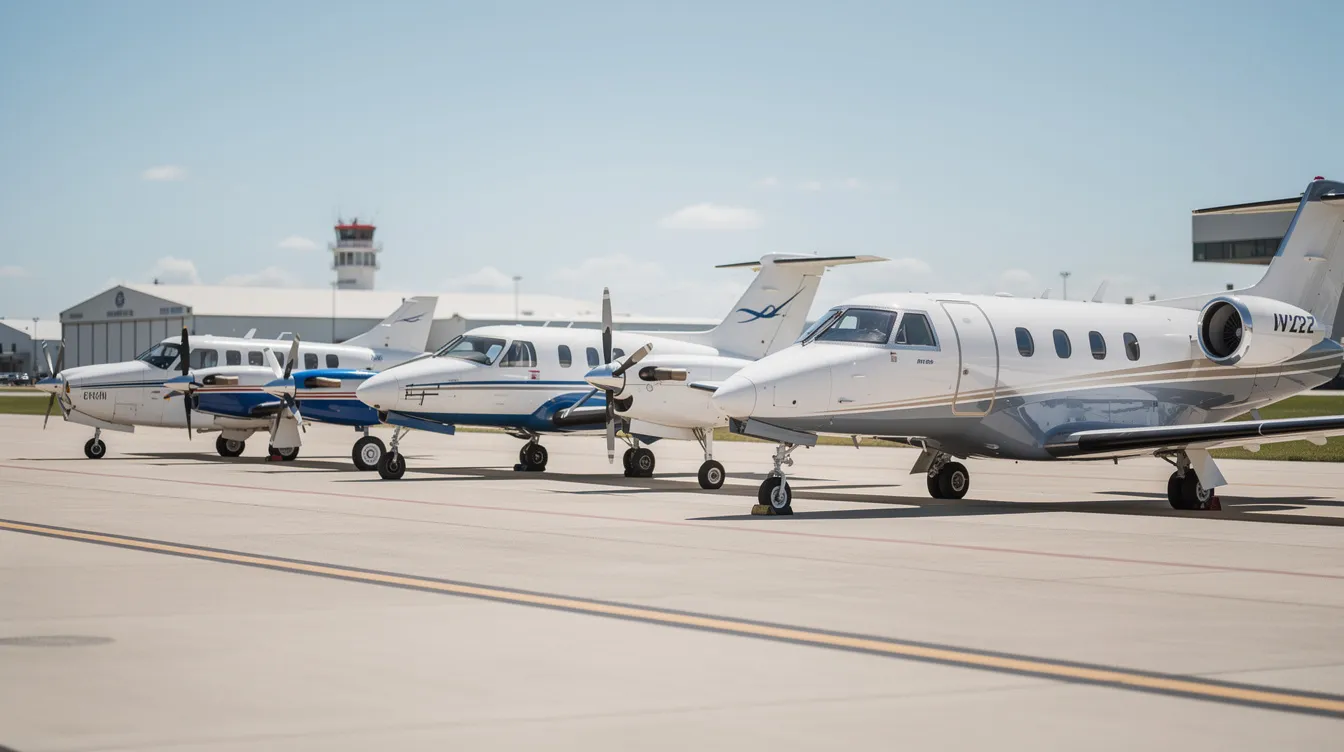
Choosing the best small aircraft in 2026 means weighing speed, range, safety, and cost across a broader selection of light aircraft than ever before. The market spans everything from fuel-efficient piston singles and light sport aircraft to fast turboprops and capable light jets. Whether you're a student pilot logging first hours, a family heading to a weekend getaway, or an executive closing a deal three states away, there's a modern small aircraft built for your mission.
The term "best small aircraft" covers a wide spectrum today. Small aircraft include piston, turboprop, VLJ, and light jet categories, each serving different missions, budgets, and experience levels. The small aircraft market includes personal jets and high-performance piston singles, and the best choice depends on intended missions such as flight training or personal travel.
Here are the standout models worth knowing right now. The Cessna 172 Skyhawk remains the go-to for beginners. The Diamond DA40 and DA40 NG lead in fuel efficiency. The Cirrus SR22T sets the bar for personal aircraft performance and safety. And for jet-speed travel, the Cirrus Vision Jet and HondaJet Elite II define what light jets can do for owner-pilots and charter passengers alike.
A few numbers to frame the landscape: cruising speed across these categories ranges from about 120 KTAS for trainers up to 420+ KTAS for light jets. Passenger capacity spans two to eight seats depending on model. Purchase price for new piston aircraft ranges from roughly $300,000 to $1,150,000, while chartering a small plane can cost anywhere from $800 to $7,000 per hour depending on type. Digital platforms for aircraft charter provide instant pricing and booking, so travelers don't need to own aircraft to fly them. Tools like Jettly's private jet charter cost estimator help travelers understand pricing before they book. Private jet travel offers convenience and flexibility over commercial options - and through Jettly's global marketplace, business travel and family flying are both within reach without the commitment of ownership.
For this article, "small aircraft" means piston singles, select light twins, turboprops, very light jets, and light jets typically seating two to eight people. These are the aircraft used for personal flying, pilot training, private aviation, and on-demand charter.
Several criteria separate a good small airplane from a great one. Cruising speed determines how fast you cover ground. Range dictates how far you can go without stopping. Useful load - the weight you can carry in passengers, baggage, and fuel - directly shapes what missions are practical. Cabin comfort matters for longer flights, including legroom, noise levels, and whether the aircraft has a pressurized cabin. Modern avionics and advanced safety systems keep getting better, with synthetic vision, envelope protection, and autoland now available even in piston singles. Runway performance determines which airports you can access. And fuel efficiency affects both operating costs and environmental impact.
Pilot-owners tend to prioritize handling, direct operating cost, and maintenance simplicity. Charter passengers care more about door-to-door time savings, comfort, Wi-Fi, and schedule flexibility. For context, a typical four-seat piston cruises at 140–150 KTAS, while a jet aircraft like the HondaJet Elite II or Citation M2 exceeds 400 KTAS - a massive difference on a 600-mile leg. Ultimately, "best" depends on the use case: primary flight training, weekend recreational flying, or executive cross-country flights.
Understanding categories helps you narrow choices before diving into specific models. Each class of small airplanes compared to the next trades speed for cost, range for simplicity, or comfort for versatility.
Piston single-engine aircraft form the foundation. Models like the Cessna 172 Skyhawk, Diamond DA40, Piper Cherokee, and Cirrus SR22T typically cruise at 120–180 knots with 500–1,000 nm range. They seat two to five people and serve everything from training to cross-country flying. These are the most popular personal aircraft for owner-pilots and remain common in prop plane operations.
The light sport aircraft category includes models like the Texas Aircraft Colt and Flight Design CTLS. These aircraft prioritize low max takeoff weight, fuel efficiency, and simplified sport pilot rules, making them ideal for new pilots and recreational flying at the lowest operating costs.
Turboprops sit in the middle as versatile aircraft that bridge piston simplicity and jet performance. The Pilatus PC-12 NGX and Daher TBM 960 cruise at 260–330 KTAS, handle short runways, and offer cabin-like comfort. Turboprops cruise at 260–300 knots and can reach 1,800 nm, making them strong choices for charter fleets and regional business travel.
Very light jets offer four to six seats and cruise at 300–400 knots. The Cirrus Vision Jet is the standout here. Light jets like the HondaJet Elite II and Embraer Phenom 100EV push higher, cruising at 400–450 knots and typically seating six to eight passengers. Light jets cruise at 400–450 knots with ranges of 1,300–1,700 nm, making them the appropriate aircraft for schedule-sensitive business missions.
|
Category |
Example Models |
Cruise Speed (KTAS) |
Range (nm) |
Seating Capacity |
Typical Charter Cost per Hour |
Key Features |
|---|---|---|---|---|---|---|
|
Piston Singles |
Cessna 172 Skyhawk, Cirrus SR22T, Diamond DA40 NG |
120–213 |
500–1,000 |
2–5 |
$800–$2,000 |
Low operating costs, good for training and personal use |
|
Light Sport Aircraft |
Texas Aircraft Colt, Flight Design CTLS |
90–120 |
400–800 |
2 |
$500–$1,200 |
Simplified rules, low weight, fuel-efficient |
|
Turboprops |
Pilatus PC-12 NGX, Daher TBM 960 |
260–330 |
1,500–1,800 |
6–9 |
$2,000–$4,000 |
Jet-like speed with short runway capability |
|
Very Light Jets |
Cirrus Vision Jet |
300 |
1,100–1,300 |
4–6 |
$3,000–$5,000 |
Single-engine jet, whole-airframe parachute |
|
Light Jets |
HondaJet Elite II, Embraer Phenom 100EV, Citation M2 |
400–450 |
1,300–1,700 |
6–8 |
$4,000–$7,000 |
High speed, pressurized cabin, professional amenities |
A training and entry-level aircraft needs forgiving flight characteristics, low complexity, predictable costs, and a wide support network of flight schools and mechanics. These are the aircraft where every aviation journey begins.
The Cessna 172 Skyhawk is the most popular training airplane in history. With over 44,000 units produced since 1955, it's the benchmark for pilot training worldwide. It cruises at roughly 120 KTAS, seats four, and offers stable, predictable handling that helps new pilots build confidence. Manufactured by Textron Aviation, its parts availability and instructor familiarity are unmatched. It remains a popular training airplane at flight schools on every continent.
The Diamond DA40 is a modern trainer and personal hybrid built around a composite airframe with excellent cockpit visibility and advanced avionics. The DA40 NG variant runs on Jet-A diesel fuel, burns approximately 5–6 gallons per hour, and has a maximum range of approximately 940 nautical miles. That combination of low fuel consumption and range makes it attractive for both training programs and personal cross-country trips.
The Piper Cherokee and its Archer descendant remain solid low-wing trainers. Piper Aircraft has built a reputation on stable handling, four-seat comfort, and broad parts availability. These aircraft won't win speed contests, but they teach fundamentals well and remain affordable to operate.
These models sometimes appear in cost-conscious charter or air taxi operations for very short hops. Jettly's marketplace can surface when a piston or light sport aircraft is the appropriate aircraft for a trip instead of a jet - saving travelers money on shorter routes.
High-performance piston singles remain popular with owner-pilots who want more speed and range than trainers deliver, yet prefer the lower cost of piston power over turboprops or jets. They're the best-selling personal aircraft class for a reason.
Cirrus Aircraft leads the category with the Cirrus SR22 and Cirrus SR22T. The SR22T features a turbocharged 315 hp engine, composite construction, and the Cirrus Airframe Parachute System (CAPS) - a whole-airframe parachute that has become a defining safety feature. The Cirrus SR22T typically cruises at speeds of 180–213 KTAS and has a maximum range exceeding 1,000 nautical miles. Paired with Garmin Perspective+ avionics, it's the most popular personal aircraft in its class.
The Diamond DA50 RG is a newer luxury five-seat single with retractable gear and a Jet-A-burning diesel engine. It delivers strong fuel efficiency - roughly 8 gallons per hour at long-range cruise - and a premium interior aimed at modern small aircraft buyers. With a base price around $1.15 million, it targets pilots who want a personal aircraft that's efficient, comfortable, and forward-thinking.
Other aircraft in this tier include the Beechcraft G36 Bonanza and Piper M350, both cabin-comfort-focused pistons suited to serious cross-country flying. The Mooney Acclaim Ultra can reach a top speed of about 242 knots, making it one of the fastest piston singles available. These aircraft excel at typical missions of 400–800 nm with two to four passengers - personal business travel, family flying, and trips into regional airports that commercial flights don't serve.
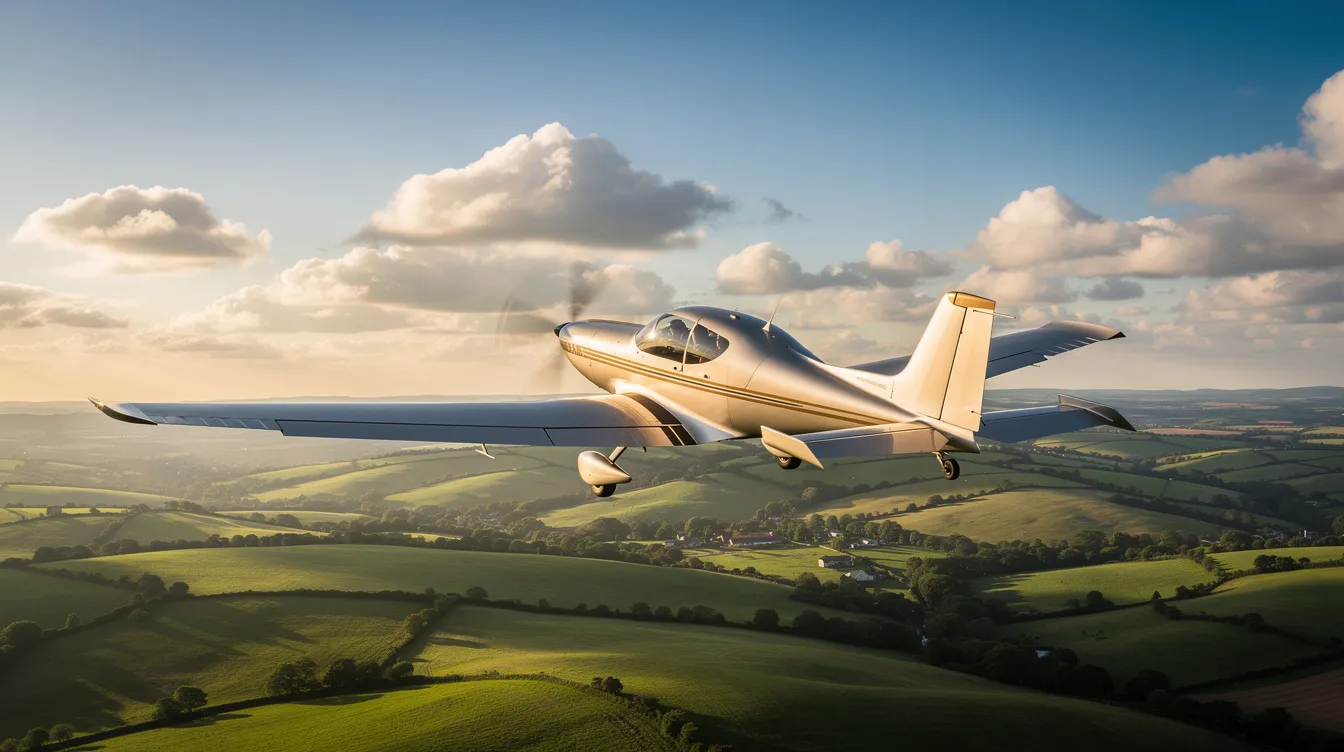
Fuel efficiency and environmental impact are now major factors when evaluating the best small aircraft, especially in Europe and North America where regulations and customer expectations are shifting.
The Diamond DA40 NG and DA50 RG are primary examples of Jet-A diesel-powered light aircraft with low fuel burn per hour. Fuel efficiency is influenced by engine type and fuel availability, and Jet-A fuel usage in small aircraft simplifies fuel logistics since it's available at virtually every airport worldwide. The DA40 NG's roughly 5–6 gallons per hour burn rate is notably lower than comparable AvGas-powered singles.
Light sport aircraft like the Texas Aircraft Colt and Flight Design CTLS deliver very low hourly fuel consumption, making them attractive for training, local flights, and budget-conscious owners seeking low operating costs.
Sustainable aviation fuel reduces emissions significantly compared to traditional jet fuel, and modern aircraft are designed for compatibility with SAF. Turboprops deliver the lowest fuel burn per passenger-mile among powered aircraft categories, which is why many charter clients and operators prefer efficient turboprops like the Pilatus PC-12 NGX over comparable jets on regional routes. Carbon offset programs are standard in private aviation, and platforms like Jettly enable travelers to compare more efficient aircraft types on a route-by-route basis. Users increasingly ask about carbon footprint and offsetting options when choosing their flight plan.
Turboprops are the SUVs of the sky. They balance jet-like speed with short-runway access and strong payload, making them some of the most versatile aircraft in the small aircraft space. For charter operators and owner-pilots alike, they often represent the sweet spot between cost and capability.
The Pilatus PC-12 NGX is the flagship. It seats six to eight passengers, cruises at roughly 280–290 KTAS, and can cover 1,700–1,800 nm with business-typical loads. The Pilatus PC-12 NGX can cruise at speeds of 260–330 KTAS depending on configuration and altitude. It can operate from runways as short as 2,500 feet, making it popular in global charter fleets, air ambulance roles, and utility aircraft operations accessing remote destinations.
The Daher TBM 960 is one of the fastest single-engine turboprops available, with a high cruising speed of roughly 320–330 KTAS and approximately 1,700 nm range. It features advanced Garmin G3000 avionics and the HomeSafe autoland feature, which can land the aircraft autonomously if the pilot becomes incapacitated.
For cargo and rugged regional ops, the Cessna Caravan and similar utility turboprops prioritize payload and STOL capability. The Cessna 206 Turbo Stationair HD, while technically a piston, has a useful load of roughly 1,441 lbs, illustrating how utility-focused designs prioritize carrying capacity. Turboprop charter rates range from $2,000 to $4,000 per hour, positioning them as a cost-effective alternative to jets for medium-haul business travel where access to small airports matters more than top speed.
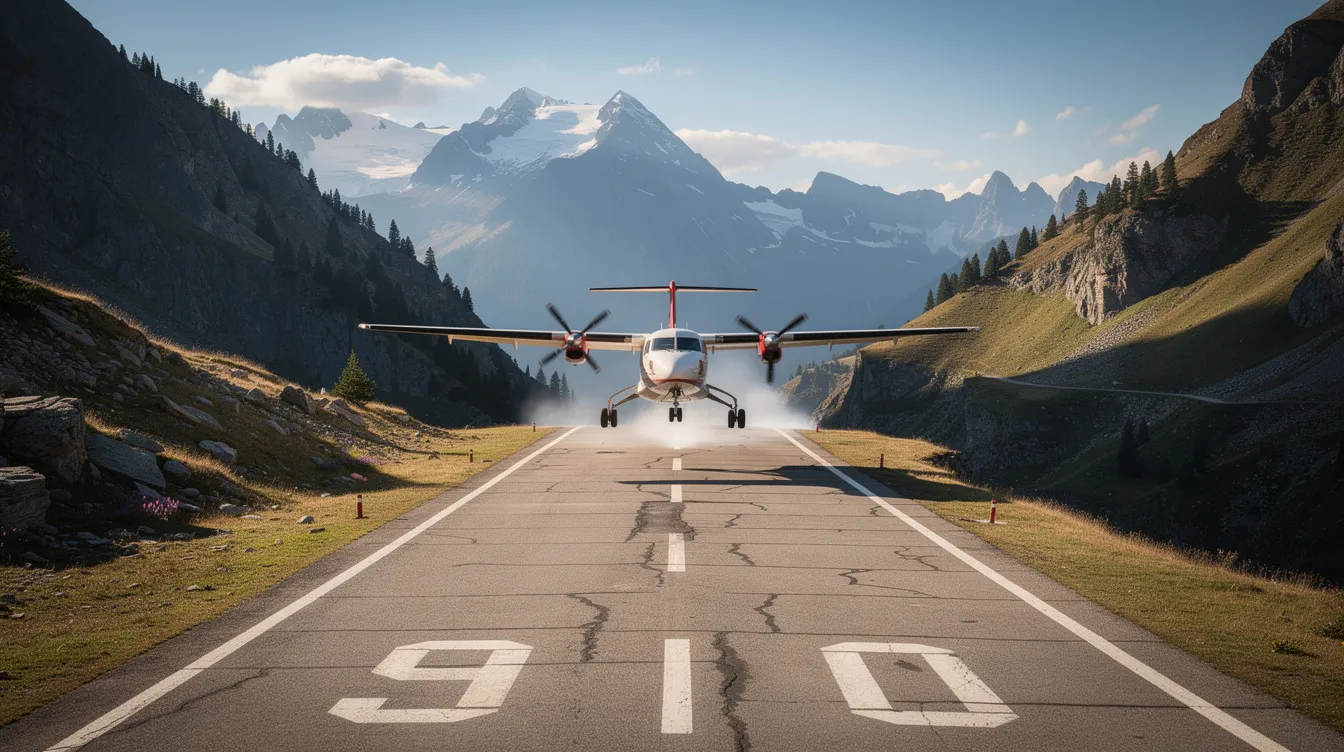
Very light jets and light jets are often considered the best small aircraft for premium business travel. A VLJ typically seats four to six and is designed for owner-pilot simplicity, while a light jet adds range, speed, and cabin refinement for corporate missions.
The Cirrus Vision Jet is a pioneering single-engine personal jet. It cruises at roughly 300 KTAS, covers approximately 1,200 nm, and seats five to seven, including the pilot. It carries the airframe parachute system CAPS - the same whole-airframe parachute technology proven on Cirrus piston models - plus the Safe Return autoland system. For owner-pilots stepping up from high-performance pistons, it's a natural progression. Among most light jets, the Vision Jet stands out for its simplicity and safety-first design.
The HondaJet Elite II is a quiet, efficient light jet with distinctive over-the-wing engine mounts that reduce cabin noise and drag. It cruises above 420 KTAS, covers over 1,500 nm, and seats four to six passengers in a comfortable cabin. Modern avionics include the Garmin G3000 flight deck, autothrottle, and optional autoland features.
The Embraer Phenom 100EV and Cessna Citation M2/CJ3+ represent entry-level business light jets. Single-pilot certified, they cruise at 400–430 KTAS with 1,200–1,700 nm range, optimized for corporate and high-end leisure trips. Platforms like Jettly aggregate these light jets worldwide, allowing customers to compare charter quotes, amenities - Wi-Fi, catering, baggage capacity - and operator ratings in one place.
Selection should focus on real missions rather than chasing maximum speed or size. The right own aircraft or charter booking starts with honest answers about distance, passengers, airports, and budget, and an understanding of the wider private charter airline ecosystem.
Start with leg length. For trips under 400 nm - say a family weekend from Dallas to Santa Fe - a Cirrus SR22T or Diamond DA40 NG handles the job efficiently and affordably. For 600–1,000 nm executive day trips, light jets like the HondaJet Elite II or a Citation M2 cut travel time dramatically. Multi-stop regional itineraries with short runways favor turboprops like the PC-12 NGX, and tools like an airport locator for private flights help identify smaller airfields that best match your mission.
Consider passenger count and baggage needs. Passenger accommodations and luggage capacity significantly influence aircraft choice. A couple with golf bags fits easily in a high-performance piston. A group of six with heavy luggage needs a turboprop or light jet.
Cruising speed trade-offs matter. Slower pistons save on fuel but add hours to longer flights. Turboprops often offer a strong balance of speed, operational efficiency, and access. Light jets prioritize schedule-sensitive business travel where time is the most valuable resource.
Non-pilot travelers don't need to master aircraft specs. They can use tools on Jettly to filter by range, cabin size, and price, while the platform matches the right aircraft class automatically. For step-by-step guidance, Jettly's guide to booking a private jet walks through the process.
Owning a small aircraft makes financial sense only above certain annual flight-hour thresholds. For everyone else, charter and private jet membership programs often deliver better value and less hassle.
Full ownership suits pilots flying 200–300+ hours annually. But ownership means absorbing the purchase price plus hangar space, insurance, maintenance, crew (if needed), and regulatory compliance. New piston aircraft ownership costs range from $300,000 to $1,150,000. Fractional ownership requires a buy-in of $150,000 to $500,000 - a middle ground, but still a significant capital commitment, whether through major providers like NetJets fractional ownership or similar programs.
On-demand charter via platforms like Jettly flips the equation. Travelers pay per trip with no long-term contracts. Jettly offers access to 20,000+ aircraft globally, spanning multiple aircraft types from pistons to turboprops to light jets, while jet card programs with fixed hourly rates appeal to frequent flyers who value price certainty. Chartering costs less for those flying under 150 hours yearly. Charter flights eliminate hangar fees and maintenance scheduling, removing the two biggest headaches of ownership. Operating costs vary depending on maintenance requirements and fuel consumption, but charter users simply pay a quoted rate and fly, with resources like a guide to private jet rental costs helping set expectations.
Jettly provides transparent instant pricing, route-based aircraft suggestions, and the ability to compare multiple aircraft types for the same itinerary, supported by tools like its jet card flight cost estimator for common one-way routes. For more on the real cost of flying private, Jettly's cost guide breaks down the economics in detail, and its broader overview of how much a private jet costs explores ownership, leasing, and charter trade-offs. Whether you're flying 10 hours a year or 100, charter offers flexibility that ownership can't match for most travelers.
Modern aircraft - especially those from Cirrus Aircraft, Diamond, Pilatus, and current light jet manufacturers - now carry airline-grade or better avionics and safety technology. This is one of the biggest shifts in private aviation over the past decade.
Notable safety features include whole-airframe parachutes, synthetic vision, terrain awareness, envelope protection autopilots, de-icing and anti-icing systems, and autoland capabilities. The Cirrus Airframe Parachute System has a 95% survival rate in deployment events, and whole-airframe parachutes have saved over 100 lives in emergencies. Modern small aircraft feature synthetic vision systems for safety, overlaying terrain and obstacles on flight displays even in low visibility. Autoland systems can land aircraft during pilot incapacitation - a feature now available on the TBM 960 and HondaJet Elite II. High-performance personal aircraft often feature lower insurance barriers due to integrated safety technologies.
Advanced avionics improve navigation and safety in small aircraft. The Garmin G1000 NXi improves aircraft functionality and usability across piston and turboprop fleets. Air traffic management aids in safe navigation for aircraft at all levels of the airspace system. In-flight Wi-Fi, quiet cabins, and climate control round out the passenger experience on many light jets.
Regulatory oversight in charter operations adds another layer. U.S. Part 135 certification and European equivalents, plus third-party safety audits like ARGUS, Wyvern, and IS-BAO, are standards that Jettly-approved operators typically hold. When booking via Jettly, travelers see aircraft details and operator standards, helping them balance comfort, safety tech, and cost without deep technical knowledge.
Cost in private aviation is driven by aircraft category, route length, repositioning, airport fees, and peak versus off-peak demand. Understanding the bands helps set realistic expectations.
Consider a New York–Boston hop of roughly 200 nm. A Cirrus SR22T handles this in about an hour, and chartering piston aircraft costs $800–$2,000 per hour. A Los Angeles–Las Vegas run of about 230 nm in a HondaJet Elite II takes roughly 40 minutes in the air - light jet charters typically cost between $4,000 and $7,000 per hour, but the time saved versus commercial flights and airport procedures is significant. A London–Geneva trip of roughly 320 nm in a PC-12 NGX balances speed and cost, with turboprop charter rates ranging from $2,000 to $4,000 per hour; understanding what drives a single flight’s cost makes it easier to benchmark quotes.
Empty leg flights and flexible scheduling can cut charter costs, and shared-flight platforms that crowdsource private jet seats can further reduce the price per traveler. When an aircraft needs to reposition after dropping off passengers, operators often offer discounted one-way pricing - sometimes 30–60% below standard rates. Jettly's empty leg flights marketplace highlights these opportunities when available.
The real value isn't just the hourly rate. It's the ability to turn a two-day commercial itinerary into a single-day business loop, or to reach smaller airports much closer to final destinations, even on international private jet flights that cross borders and oceans. That's where the math shifts in charter's favor, even at higher per-hour rates versus commercial flights.
Many buyers and charter users understand their options best through real-world examples. Here are three common scenarios.
A 300–400 nm weekend family trip - say,y Dallas to Santa Fe. For owner-pilots, a Diamond DA40, Cessna 182 Skylane, or Cirrus SR22 handles this efficiently. The flight takes roughly two hours, costs relatively little in fuel, and avoids the six-hour drive. Non-pilots can book a PC-12 or VLJ via Jettly for the same route, arriving rested and ready.
A 600–800 nm executive day trip - New York to Chicago or London to Berlin. Light jets such as the HondaJet Elite II or Citation M2 cover this in 1.5–2 hours, enabling same-day return. A pilot can fly solo or with a co-pilot, and business travelers gain a full productive day instead of losing it to airport security lines and connection layovers.
A remote-destination scenario - a backcountry lodge or ski resort served by a short regional runway. Turboprops like the PC-12 or rugged piston utility aircraft outperform jets here. A 2,500-foot gravel strip is routine for a PC-12 but impossible for most light jets. Runway performance matters as much as speed when the destination is the whole point.
Jettly's trip planners can recommend specific aircraft classes for similar itineraries once users input city pairs, dates, and passenger counts, much like broader guides to affordable aircraft rental options that explain how different access models compare.

A handful of manufacturers dominate the small aircraft space for both owners and charter users. Knowing the key names helps when evaluating options or reading charter listings.
Cirrus Aircraft is the leader in advanced light aircraft. The SR20 is a capable four-seat personal aircraft, the SR22T is the best-selling personal aircraft in its class, and the Cirrus Vision Jet redefined what a personal jet can be. All feature the Cirrus Airframe Parachute System and modern, lifestyle-oriented cabins.
Textron Aviation carries the Cessna legacy. The Cessna 172 Skyhawk, 182 Skylane, and 206 Stationair serve training, personal, and utility roles. On the jet side, the Citation M2 and CJ3+ are reliable entry-level business jets. Broad service networks and decades of fleet data make Textron models low-risk choices, and many appear among the best private plane manufacturers for different budgets and missions.
Diamond Aircraft earns its reputation through the DA40, DA40 NG, and DA50 RG. Composite construction, fuel-efficient diesel engines, and a strong safety record appeal to eco- and cost-conscious pilots seeking modern small aircraft with low fuel consumption.
Pilatus continues to set the standard in turboprops with the PC-12 NGX. Honda's HondaJet Elite II is redefining the light jet segment with engineering innovation. And Piper Aircraft remains relevant with the Cherokee, Archer, and M-class piston family aircraft and kit aircraft alternatives that keep private aviation accessible, especially for those exploring the cheapest private aircraft options. These brands appear across other aircraft listings on platforms like Jettly, where travelers can explore multiple aircraft types for any route.
The Cessna 172 Skyhawk is widely regarded as the best small aircraft for beginners due to its forgiving handling, reliability, and extensive training support worldwide.
Ranges vary by type: piston singles typically cover 500–1,000 nautical miles, turboprops reach 1,500–1,800 nm, and light jets cover 1,300–1,700 nm nonstop, depending on payload and conditions.
Ownership involves high upfront costs ($300,000 to over $1 million for pistons), plus maintenance and hangar fees. Chartering via platforms like Jettly offers pay-per-trip flexibility without these fixed costs, ideal for those flying under 150 hours annually.
Modern small aircraft feature advanced avionics, whole-airframe parachutes, autoland systems, and rigorous operator certifications, making them very safe when flown by professional crews and maintained properly.
Yes, turboprops like the Pilatus PC-12 NGX and rugged piston aircraft like the Cessna 206 Turbo Stationair HD can use short or unpaved runways, enabling access to remote destinations that jets cannot reach.
Fuel capacity directly impacts range and payload. Aircraft with larger fuel tanks can fly longer distances without refueling but may carry fewer passengers or cargo due to weight limits.
Many modern small aircraft and turboprops are compatible with SAF, which helps reduce carbon emissions. Carbon offset programs are also common in private aviation to support environmental goals.
Yes, light jets like the HondaJet Elite II and Embraer Phenom 100EV are popular for business trips, offering speed, comfort, and professional cabins suitable for executive travel.
VLJs typically seat 4–6 passengers and cruise at 300–400 knots, designed for owner-pilot simplicity. Light jets are larger, seating 6–8 passengers, with faster speeds (400–450 knots) and longer ranges, suited for business missions.
Baggage capacity varies by aircraft size and type. Turboprops and light jets usually accommodate multiple large bags and sports equipment, while smaller piston aircraft have more limited space. Always specify baggage needs when booking to ensure the right aircraft match.
There is no single best small aircraft. Instead, there are standout choices by mission. The Cessna 172 Skyhawk and Diamond DA40 are ideal for learning and building flight characteristics knowledge. The Cirrus SR22T and DA50 RG lead high-performance personal use with advanced safety features. The PC-12 NGX and TBM 960 deliver versatile regional capability. And the Cirrus Vision Jet or HondaJet Elite II bring jet speed to light aircraft missions.
Whether you're a sport pilot exploring kit aircraft on weekends, a family planning cross-country flights, or an executive who needs to fly solo to a meeting 800 miles away, the right small airplane exists. The best small aircraft for you is the one that matches your flight plan, your passengers, and your budget - not the one with the highest spec sheet numbers.
On-demand private jet charter via Jettly lets travelers access many of these light aircraft, turboprops, and light jets worldwide without ownership, long contracts, or complex management. The platform provides instant pricing, a global aircraft inventory spanning every category discussed here, digital booking, and vetted operators focused on safety and service.
Ready to experience private travel on your terms? Explore flight options or request a quote at https://www.jettly.com.
Share this post:
Jeff Ryan Serevilla
Oct 31, 2026
|
5
min read
Discover tips and trends in the industry.
5
min read
Helicopter for Sale Cheap: Real-World Options, Costs, and Smarter Alternatives
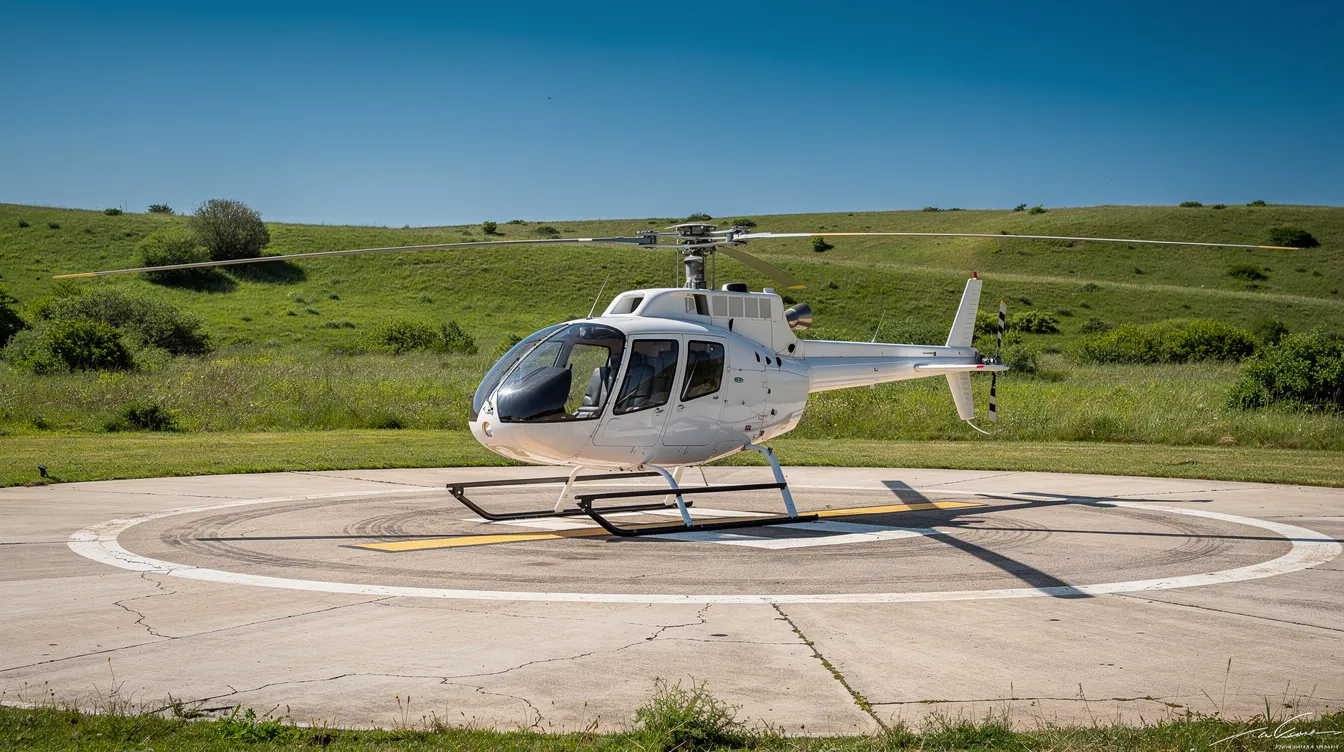
Finding a cheap helicopter for sale often reveals that affordability in rotorcraft is relative. While kit and used piston helicopters offer lower entry points, ongoing costs like maintenance and insurance can add up quickly. For many, chartering through platforms like Jettly proves to be a smarter, more economical choice, eliminating the burdens of ownership.
Read More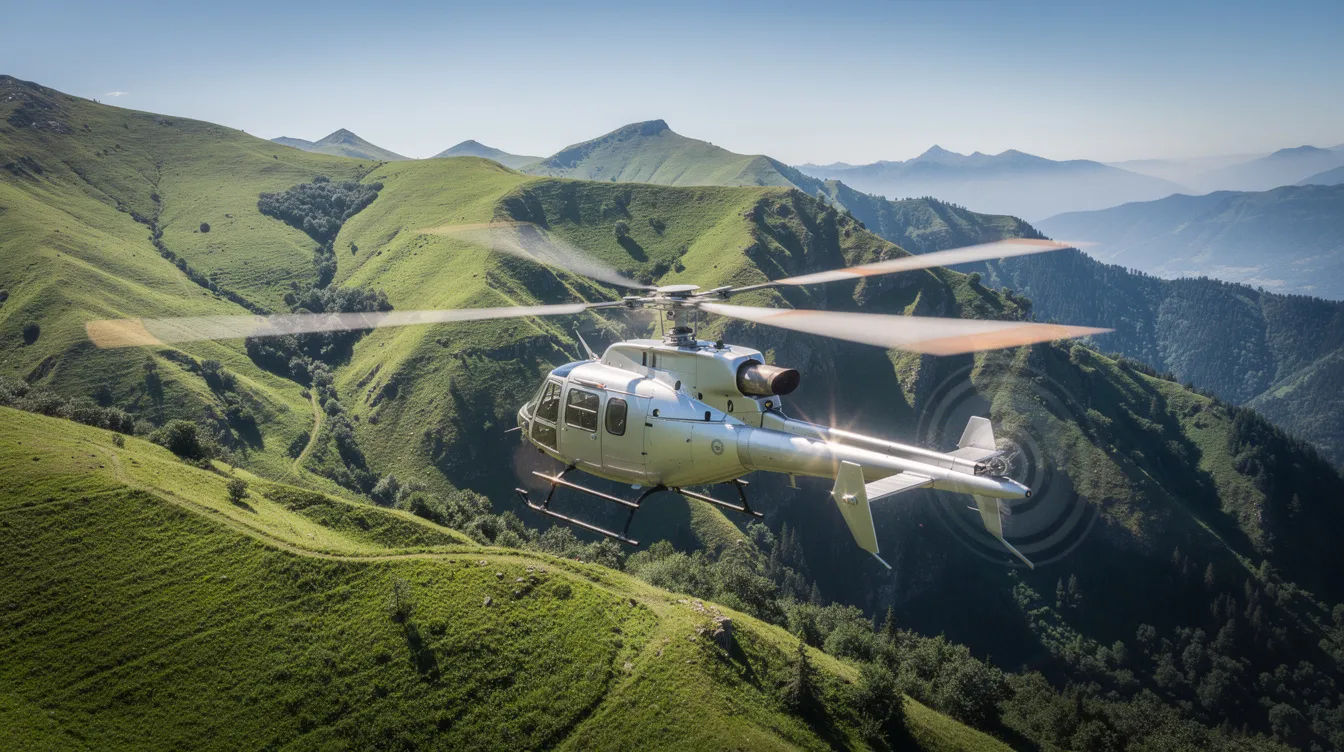
5
min read
Bell 206B JetRanger: Specifications, Uses, and Charter Options
The Bell 206B JetRanger is a renowned light turbine helicopter, celebrated for its versatility and efficiency since the 1960s. Ideal for short-range missions, it accommodates up to four occupants and is widely used for passenger transport, aerial photography, and utility work. Jettly offers a seamless charter experience for those looking to book this reliable helicopter.
Read MoreStay updated with our latest insights and tips to elevate your journey with us.
MEMBERSHIPS AND ASSOCIATIONS



Disclaimer: Jettly operates as a charter broker, offering access to a global digital jet charter marketplace. Jettly is not a direct air carrier and does not own or operate aircraft. All advertised flights are conducted by third-party air carriers that are fully licensed and hold the appropriate Part 135 or Part 121 certifications issued by the Federal Aviation Administration (FAA) or equivalent regulatory authorities under U.S. or foreign law. Jettly complies fully with the U.S. Department of Transportation's Part 295 and Part 298 Charter Broker regulations. Jettly does not carry additional liability insurance. Passengers are covered by aircraft operator insurance. TICO: 50023770


