


Login
Get Instant Pricing On 23,000+ Aircraft

>
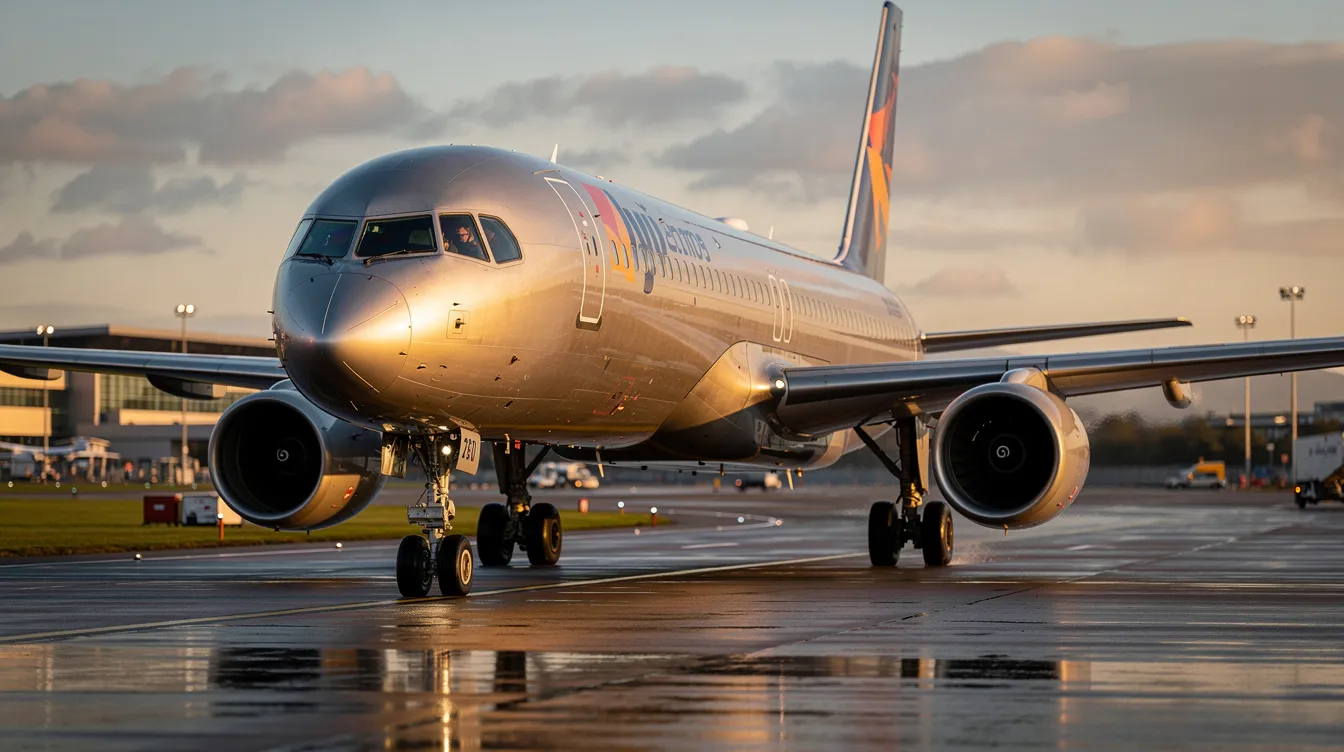
The Boeing 757 may no longer roll off a production line, but it remains one of the most talked-about aircraft in both commercial and private aviation. Whether you're considering a used airframe for cargo operations, a VIP conversion, or simply want to charter one for a large group, understanding the real Boeing 757 cost in 2025 is essential before committing serious capital.
This guide breaks down every layer of Boeing 757 cost in 2025: the original base price when the aircraft was still in production, what used airframes trade for today, and what it actually costs per hour to fly one for airlines, charter operators, and VIP owners.
The Boeing 757-200's historical list base price was around $45 million in the 1980s, later settling to roughly $36–37 million before Boeing ceased production in 2004. Current used aircraft often trade between about $1.5 million and $10 million depending on age, total cycles, and configuration.
Hourly operating costs for the Boeing 757 range from $12,000 to $25,000 in 2025. The average hourly rental rate for a Boeing 757-200 is $19,800 per block hour, including fuel, crew, and standard maintenance reserves.
Luxury VIP completions - private bedrooms, meeting rooms, and gold-plated fittings including a gold-plated sink - can add $20–30 million or more on top of the airframe price, pushing some high-profile private jets well past the $80–100 million mark.
Instead of owning a Boeing 757, travelers can charter comparable large-airliner or heavy-jet private aircraft on-demand through Jettly's digital marketplace, gaining flexibility without the long-term ownership risk that comes with aging airframes and multi-million-dollar annual fixed costs.
The Boeing 757 is a narrow-body, twin-engine jet that first entered service in the early 1980s and remained in production until 2004. Despite its age, this popular aircraft is still widely deployed across the world for passenger service, cargo operations, and VIP private jet use.
Several technical factors drive the aircraft's cost profile:
Passenger capacity: The Boeing 757-200 can seat up to 239 passengers in a high-density layout, while the stretched 757-300 variant can carry up to 295 passengers.
Range: The 757-200 has a maximum range of 3,850 nautical miles, making it suited for transcontinental flights and medium-haul intercontinental routes.
Engines: Two options - Rolls-Royce RB211-535 or Pratt & Whitney PW2000 - each with different maintenance cost profiles.
Performance: A maximum cruising speed of Mach 0.80, a maximum takeoff weight of 255,000 pounds, and strong climb performance from shorter runways compared to other airplanes of similar size.
The 757 is ETOPS certified for transoceanic flights, and the main variants break down by cost relevance: the 757-200 (most numerous, often converted to freighter or VIP), the 757-300 (stretched, higher capacity), and proposed developments such as the 757-200X or 757-300X that focused on a longer range version, alongside special military versions like the C-32 used to fly high-ranking U.S. officials.
High demand for reliable, mid-range narrow-body aircraft has kept the 757 relevant in modern fleets. VIP examples - like the one famously owned by Donald Trump - keep public attention focused on what a 757 truly costs, from acquisition through daily operations.

The term "base price" refers to Boeing's published list price during the 757's active production years, before airline-specific interior customization or volume discounts were applied.
In the early-to-mid 1980s, the Boeing 757-200 carried an initial list price of about $45 million in then-year dollars. As the program matured through the 1990s and competition from Airbus intensified, that figure adjusted downward to roughly $36–37 million. By 2002, near the end of production, the list price had climbed back to around $65 million for the 757-200 and approximately $80 million for the 757-300.
Real transaction prices, however, were almost always lower. Airlines worldwide negotiated substantial discounts through bulk orders and cross-fleet deals. British Airways and Eastern Airlines, for instance, combined early orders for about 40 aircraft at roughly $1.3 billion - well below the per-unit list. Delta Air Lines and American Airlines also placed large 757 orders at significant discounts.
Key factors that moved transaction prices below list:
Volume discounts on orders of 20+ aircraft
Launch customer incentives for early commitment
Cross-fleet bundling with 737 or 767 orders
Macroeconomic conditions and competitive pressure from Airbus
Adjusted for inflation, a $40–45 million 1980s base price translates to roughly $110–130 million in 2025 dollars. That puts a hypothetical "new" 757 in the same cost neighborhood as today's Airbus A321neo or Boeing 737 MAX 9 - new aircraft that have largely replaced the 757 in the aviation industry thanks to better fuel efficiency and lower maintenance burdens.
Because Boeing stopped producing the 757 in 2004, today's acquisition cost is driven entirely by the used aircraft market and conversion potential.
Used Boeing 757 prices range from $1.5 million to $10 million for standard passenger or feedstock airframes. The average purchase price of a pre-owned Boeing 757-200 can be as low as $1.1 million for high-time, high-cycle examples nearing end-of-life. Meanwhile, a used Boeing 757-200 in better condition generally costs between $7.8 million and $15.86 million, particularly for airframes suited to freighter conversion.
Key factors influencing Boeing 757 pricing include maintenance status, age, and configuration. Here's how they break down:
|
Factor |
Lower Price Range |
Higher Price Range |
|---|---|---|
|
Age |
35–40 years old |
20–25 years old |
|
Total hours/cycles |
Very high |
Moderate |
|
Maintenance status |
Needs heavy checks |
Fresh C/D-check |
|
Engine type |
Either |
RB211 (often preferred) |
|
Configuration |
Stripped or economy |
Freighter conversion or VIP |
An older airframe like a 1990s 757-200 with tens of thousands of hours and cycles, based at a facility like Miami, would typically sit toward the lower or mid range of the spectrum - often a candidate for freighter conversion or budget charter use.
Cabin configuration matters too. Some used 757s are marketed already equipped with upgraded interiors or avionics, which can push the asking price higher. An airline economy layout has limited resale appeal. A VIP interior adds value if it's relatively modern, but highly customized interiors can actually reduce marketability because buyers face steep costs to reconfigure.
Serious buyers should also budget several million dollars beyond the advertised sale price for immediate maintenance catch-up, avionics upgrades, or cabin refurbishment - costs that don't appear on the listing but hit the bank account fast.
A Boeing 757 private jet starts with an ex-airline airframe and transforms it into something entirely different. Typical VIP configurations reduce passenger capacity to 40–80 seats and add lounges, a master bedroom, offices, and conference areas.
The cost stacks up in layers:
Used airframe: $5–10 million for a decent candidate
VIP interior completion: $20–40 million for a high-quality build
Connectivity and avionics: $2–5 million for satellite communications, in-flight Wi-Fi, and modern flight deck upgrades
Custom features: Variable - bespoke finishes can push total investment past $60–80 million
Buying a used or VIP-converted Boeing 757 typically ranges from $7.8 million to over $50 million, depending on how far the completion goes.
A typical VIP layout includes a forward lounge or reception area, a mid-cabin conference room with a large table and meeting rooms, private offices, and an aft stateroom with an ensuite bathroom. Each zone requires separate design work, structural modification, and certification - all of which drive cost.
Bespoke finishes push budgets further: premium leathers, hardwood veneers, advanced soundproofing, full-size galleys, gold-plated sink fixtures, custom stonework, and tailored lighting. Each element adds incremental millions.
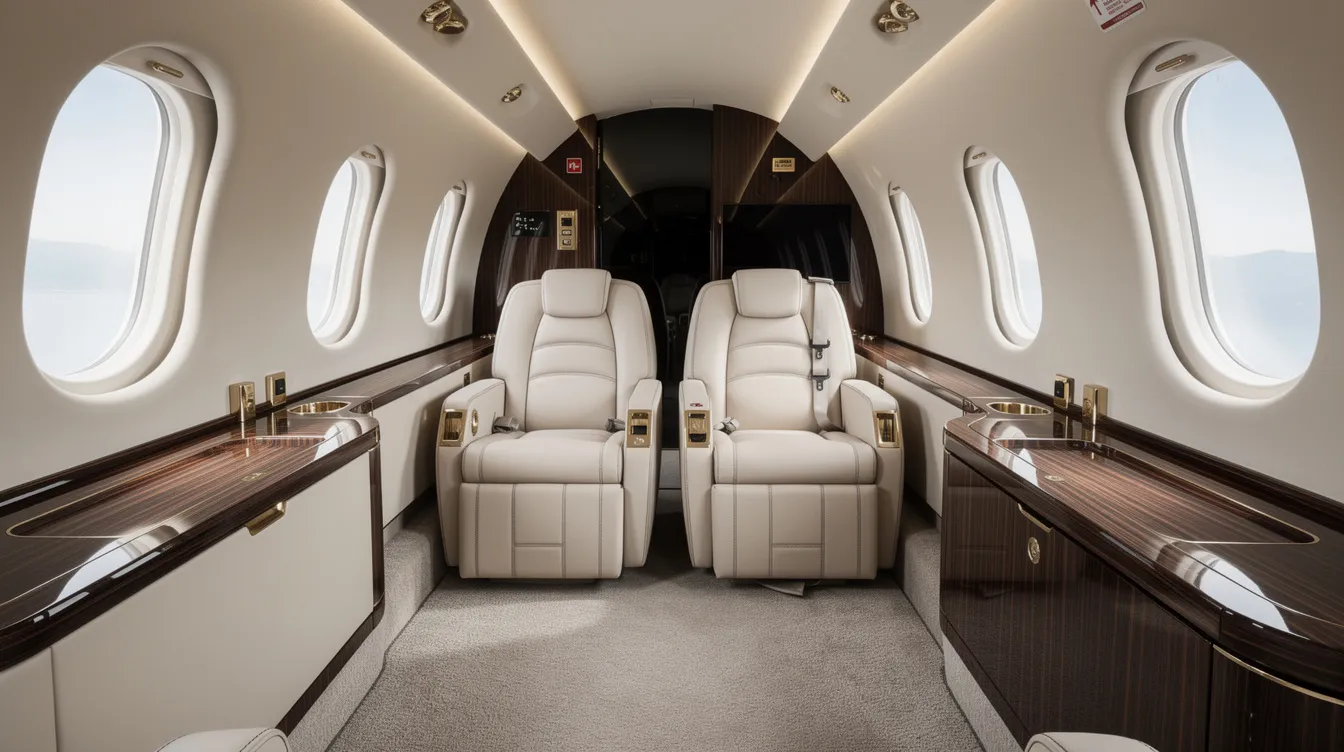
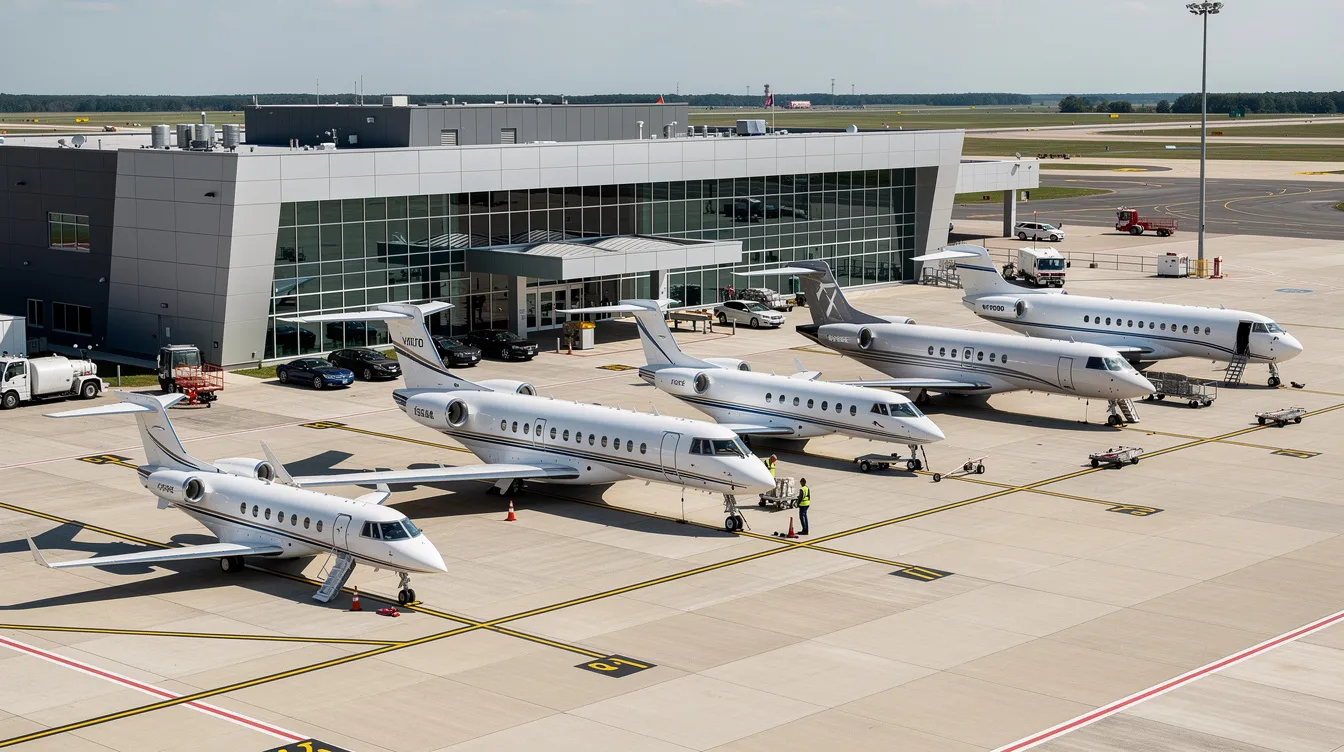
While these aircraft are technically private jets, they sit in a fundamentally different category from a Gulfstream G500 or a Boeing business jet - both in direct cost and ongoing operating expenses. The sheer size of a 757 means more passengers, more fuel burn, and more crew.
Resale is another consideration. Extensive customization makes a VIP 757 valuable to a very narrow pool of buyers, and reconfiguring someone else's bespoke interior can cost nearly as much as the original completion. Depreciation on custom interiors is steep.
Donald Trump's Boeing 757-200, tail number N757AF, is one of the most recognized private jets in the world and a clear example of how expensive a VIP 757 can become.
Media sources commonly describe the aircraft as a $100 million jet when factoring in both the airframe and its bespoke interior. The actual acquisition cost of the used 757 was far lower - documented financial records placed the aircraft's value at around $10 million after a $4 million engine repair, with subsequent maintenance and updates bringing the estimated value to $15–18 million. The gap between that figure and the $100 million narrative reflects the cost of VIP modifications and perceived brand value rather than market-comparable resale.
Signature interior features include a private bedroom with a queen-size bed, a cinema-style lounge, a conference seating area, custom mahogany finishes, gold-plated seatbelts, and a gold-plated sink. These details make the plane a visual statement, but they also carry real financial weight in completion costs.
As an ex-president and high-profile businessman, Trump uses the 757 both as a practical long-range private jet for long-haul flights and as a branding tool. That dual purpose influences how its "value" is perceived well beyond strict resale comparisons.
The operating cost implications remain standard 757 economics: high fuel consumption, a large crew requirement, and heavy maintenance schedules that mirror broader private jet cost structures. Annual operating costs exceed $6 million for owners, even when the aircraft flies relatively infrequently.
For most travelers - whether organizing corporate roadshows, campaign-style tours, or large group travel - chartering comparable capacity through a platform like Jettly offers similar capabilities without the financial exposure of owning a Trump-style 757.
Direct operating cost (DOC) covers expenses that scale with flight time: fuel, maintenance, and crew. For a Boeing 757, these are expressed as cost per block hour.
In 2025, operating a Boeing 757-200 typically costs between $12,000 and $25,000 per hour depending on fuel prices, aircraft condition, and utilization levels.
Fuel consumption for the Boeing 757 typically averages 1,000 to 1,200 gallons per hour under normal cruise conditions. With Jet-A prices varying by region (often $5–7 per gallon at retail or fuel-farm rates), fuel costs average at least $7,000 per hour and can exceed $10,000 per hour on heavy legs or in high-cost regions.
Fuel burn remains one of the biggest cost drivers. The 757's engines - whether Rolls-Royce RB211 or Pratt & Whitney PW2000 - were efficient for their era but lag behind modern powerplants in fuel efficiency. This fuel burn exposure is a primary reason airlines have retired the type in favor of new aircraft with aerodynamic improvements and more efficient engines.
Maintenance costs are approximately $1,700 per hour for labor, with parts adding another $1,400 or so per hour on average. Engine shop visits, structural inspections on aging airframes, and corrosion work can push long-run maintenance averages well above these figures for older fleets.
A Boeing 757 requires a minimum of two pilots plus cabin crew - typically three to six flight attendants depending on configuration and regulatory requirements. Crew salaries can total at least $700,000 per year, and when recurrent training, simulator checks, and benefits are included, the annual crew cost climbs further. Amortized across flight hours, this adds several thousand dollars per hour to total DOC.
Most operators pad published DOC numbers by 20–30% to buffer against unscheduled maintenance, diversions, and short-notice operational needs. That padding is reflected directly in commercial charter rates and in tools like Jettly's jet card flight cost estimator.
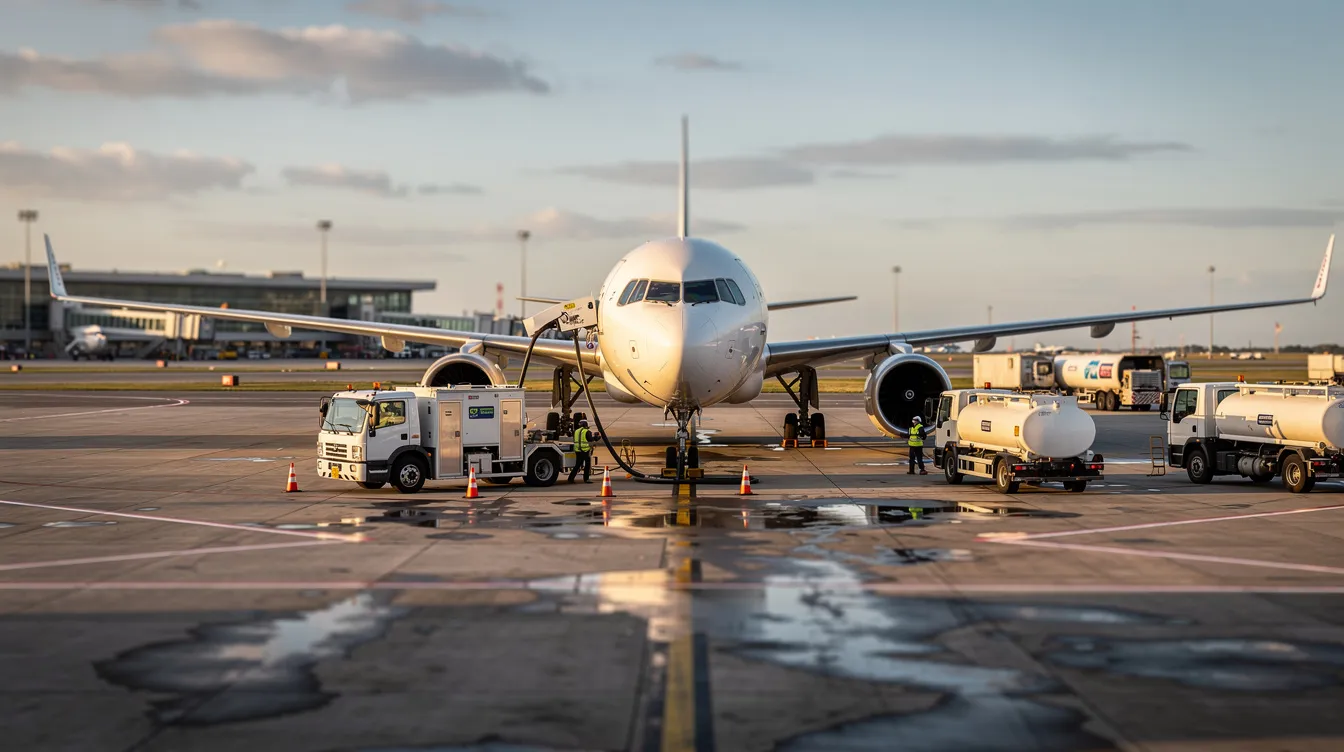
Fixed costs accrue whether a Boeing 757 flies or sits idle. They include insurance, hangar or parking, management fees, regulatory compliance, and crew training programs. Operators who own rather than lease the aircraft still carry these fixed annual obligations.
Here's what a typical annual fixed-cost budget looks like:
|
Category |
Estimated Annual Cost |
|---|---|
|
Hangar or parking |
$150,000–$300,000+ |
|
Hull & liability insurance |
$200,000–$500,000 |
|
Full-time crew (pilots + cabin) |
$700,000–$1,000,000+ |
|
Recurrent training & simulators |
$100,000–$200,000 |
|
Management & regulatory overhead |
$100,000–$250,000 |
Annual hangar expenses can reach around $175,000 even at mid-tier airports, and climb significantly at major hubs. Insurance premiums depend on hull value, operator history, and whether the aircraft is used for commercial charter, government transport, or private use.
Regulatory and administrative overhead - recurrent simulator checks, audits, manual updates, and safety management systems - scales with aircraft size and complexity, easily adding six-figure annual costs for many operators.
The total fixed cost package for a single 757 can surpass $2–3 million per year before a single flight hour of variable cost is logged. Overall operating costs exceed $6 million annually for owners when fixed and variable expenses are combined. That math makes high utilization absolutely critical: flying fewer than 400–500 hours per year means each hour absorbs a disproportionate share of fixed overhead.
Chartering offers access to Boeing 757 capacity - often in VIP or high-comfort configurations - without the capital commitment or ongoing fixed costs of ownership, and travelers can even buy individual seats on private jets on certain shared or semi-private services. The Boeing 757 is often used for VIP, charter, and cargo operations, and the charter market reflects that versatility, especially when operators use crowdsourced private jet flights and shared empty seats to improve utilization.
The average hourly rental rate for a Boeing 757-200 is $19,800 per block hour, though rates range from about $17,000 to $30,000 depending on interior layout, region, and whether the aircraft is configured for VIP, corporate shuttle, or high-density group travel.
That hourly rate typically includes:
Fuel and oil
Crew salaries and per diem
Standard maintenance reserves
Basic catering
Insurance and operator overhead
Broker or operator margin
Corporate roadshows across North America or Europe, carrying 50–150 employees or clients
Sports and entertainment tours - music acts, professional teams needing to carry more passengers and equipment between cities
Political campaigns - ex-president-style travel where schedule flexibility and security matter
Large family or group leisure trips to destinations requiring longer routes
Some "experiential" products take the concept further. Four Seasons' 757-based world tours, for example, package the aircraft with hotels, curated itineraries, and premium in-flight catering for private jets. Chartering a Boeing 757 can cost around $2 million for a multi-day trip of this kind, which is a different model from a simple hourly charter.
Jettly can source comparable large-airliner VIP or high-capacity aircraft worldwide, offer instant pricing, and help clients compare the value of a 757-200 charter versus heavy jets or multiple smaller private jets for specific missions through its broad private charter aircraft network.
For many private travelers, the real question is whether a large aircraft like the Boeing 757 is cost-effective compared with smaller private jets.
|
Factor |
Boeing 757-200 VIP |
Gulfstream G500 |
Boeing Business Jet (BBJ) |
|---|---|---|---|
|
Hourly charter rate |
~$19,800 |
~$9,000–$10,000 |
~$16,000–$20,000 |
|
Typical passengers |
40–200 |
8–16 |
20–50 |
|
Cost per seat (full load) |
$100–$500/hr |
$600–$1,250/hr |
$320–$1,000/hr |
|
Range |
~3,850 nm |
~5,200 nm |
~6,000+ nm |
|
Runway requirements |
Longer |
Shorter |
Moderate |
The 757 can carry far more passengers than any purpose-built business jet. For groups of 50 or more, the per-seat cost is often lower than splitting across multiple heavy jets. But for smaller parties, a dedicated business jet is significantly more economical on a total-trip-cost basis.
Most 757s are 25–40 years old, which means higher maintenance burdens and occasional parts scarcity compared with modern business jets. Airlines worldwide have shifted to replacements like the Airbus A321neo and Boeing 737-800 and Boeing 737 MAX, which offer lower fuel burn and maintenance costs - underlining why 757 economics are increasingly niche.
The 757 excels for 100–200 passengers on transcontinental flights or medium-haul international routes. Heavy jets are better suited to 8–16 passengers wanting long-range nonstop travel. Jettly's platform lets travelers compare multiple aircraft types in terms of total trip cost, time saved, and comfort for their specific route and group size, functioning like a modern charter airline comparison guide for private aviation.
757 ownership costs are driven by two forces: the size and age of the airframe, and the extent of VIP customization.
Fuel exposure is the most visible ongoing cost. High fuel consumption on each flight means owners face significant sensitivity to fuel price volatility, especially on longer routes or in regions with elevated fuel taxes. Unlike modern wide-body jets or new-generation narrow bodies, the 757 lacks the aerodynamic improvements and engine efficiency that cut per-mile costs on newer aircraft.
Aging-fleet maintenance compounds the picture. Older Boeing 757s require more frequent structural checks, corrosion work, avionics updates, and engine overhauls. Parts for both Rolls-Royce RB211 and PW2000 engines are increasingly expensive as supply tightens. The value of engines sometimes exceeds the value of entire aging airframes on the parts market.
Luxury customization multiplies costs further. Features like marble countertops, high-end entertainment systems, and gold-plated interior elements don't just inflate the completion budget - they add ongoing maintenance complexity and weight, which increases fuel burn on every flight.
Crew and regulatory requirements for a 757-sized private jet are more extensive than for smaller planes. Larger crews, more specialized pilots, and more stringent regulatory oversight all push training and compliance costs higher.
While 757 ownership works for heads of state, large companies, and ultra-high-net-worth individuals, most travelers find that chartering comparable capacity on-demand delivers the experience without these structural cost burdens.
Jettly is a digital private aviation platform and charter broker that connects travelers to over 20,000 aircraft worldwide for on-demand private jet travel. That inventory includes airliners and large-group options comparable to a Boeing 757, as highlighted in its extensive private charter aircraft directory.
Through the platform, customers can request aircraft with similar capacity - VIP-configured narrow-body airliners, high-density charter aircraft, or multiple heavy jets - using instant or rapid pricing tools. There's no need to buy an airliner.
The financial advantage is straightforward:
No multi-million-dollar base price or interior investment
No annual fixed costs for hangar, crew, or insurance
Pay per trip with transparent charter quotes
Ability to compare aircraft categories - from light jets to airliners - for each specific mission
Jettly's key differentiators include on-demand access without long-term jet card commitments, transparent pricing, digital booking, and the flexibility to match the right aircraft to each route and group size.
Safety and regulation are built in. Jettly works with certified operators who meet relevant aviation authority standards, giving travelers airline-style oversight with private-aviation flexibility via trusted partners such as Dexter Air Taxi, a private jet operator.
To explore how it works, use Jettly's airport locator and booking tools, learn more about Jettly's charter options and large-group solutions, or request tailored quotes for routes that might otherwise require an aircraft like the Boeing 757, visit https://www.jettly.com.
The Boeing 757's historical base price landed in the $36–45 million band. Today's used aircraft usually sell for $1.5–10 million, and operating costs typically fall between $12,000 and $25,000 per hour. Charter rates average around $19,800 per hour.
The 757 still makes sense for specific use cases: large-group charters, specialized cargo operations (the 757-200PF freighter can carry 87,700 pounds of cargo), and VIP or government transport where its unique performance and passenger capacity offset higher per-hour and annual costs.
For individuals, families, and most companies, ownership is rarely justified compared with charter access or alternatives like fractional private jet ownership. The scale of fixed and variable expenses - especially on aging airframes - makes the economics punishing at low utilization.
Jettly enables travelers to access 757-level capacity or choose more efficient private jets depending on route and passenger count, all with upfront pricing and affordable private jet charter options and no ownership commitment.
Ready to experience private travel on your terms? Explore flight options, request a quote, or even earn with Jettly's ultra-high-ticket affiliate program at https://www.jettly.com. Whether you need a single heavy jet or full airliner capacity, understanding the real Boeing 757 cost is the first step toward making a smarter decision.
Below are answers to common questions that go beyond the main sections above, focusing on practical decision-making for potential buyers and charter customers who may also be comparing top private jet charter companies.
Converting a used Boeing 757-200 into a VIP private jet can cost $25–50 million or more when you include the airframe purchase and a quality interior completion. A new large-cabin business jet - such as a Gulfstream G600 or Bombardier Global 6500 - typically costs $55–70 million but comes with far lower operating costs, newer technology, and better fuel efficiency.
For owners flying with fewer than 20 passengers most of the time, a purpose-built business jet is usually more economical over its life cycle. The 757's advantage only emerges when regularly carrying 50+ passengers. For occasional large-group travel, chartering a 757-type aircraft through a broker like Jettly is more practical than committing to either purchase, whether you're flying globally or arranging private jet charter in regions like Kolkata, West Bengal.
Because a Boeing 757 has very high fixed and variable costs, an owner would typically need to fly well over 700–1,000 hours per year - and often with large passenger loads - before ownership begins to compete with charter on a pure cost-per-hour basis.
Most private owners and companies with more modest utilization (200–400 hours per year) find that on-demand charter or private jet membership-based solutions deliver more flexibility and lower financial risk. Prospective users should model total annual cost (capital, depreciation, fixed and variable) against projected flying hours, and consider hybrid strategies: smaller owned jets for regular travel, plus occasional 757-class charters via a marketplace like Jettly.
The Boeing 757 was designed for strong takeoff and climb performance, and the 757-200 can operate from shorter runways efficiently - one of the reasons airlines and VIP operators have valued the type for decades. It can access airports that challenge other airplanes of similar size.
However, as a large narrow-body jet, it still faces runway length and ground support infrastructure limitations that smaller private jets don't. Many regional and executive airports that accept light and midsize jets simply cannot handle a 757's weight and landing gear footprint. For access to smaller airports and closer-to-destination travel, chartering smaller private jets may be more practical. The 757 is best suited to larger commercial or major secondary airports.
Freighter-converted 757-200 aircraft typically cost less to acquire than VIP-configured ones - often sitting in the lower end of the $1.5–10 million range - because interiors are stripped and value is tied primarily to structural and engine condition. The 757-200PF freighter can carry 87,700 pounds of cargo, making it a workhorse for express freight operators.
Operating costs per hour are similar in fuel and basic maintenance to passenger versions, but cabin-related expenses are lower since there's no passenger service infrastructure to maintain. Cargo operators generally fly higher annual utilization, spreading fixed costs across more hours, which improves economics compared with low-utilization VIP or private operation.
Start with the typical hourly charter rate - around $19,800 per hour for a Boeing 757-200 - then multiply by expected block hours, including any positioning or ferry flights needed to get the aircraft to your departure point.
Additional elements that may apply:
Landing and handling fees at each airport
Overnight crew costs if the trip spans multiple days
Premium catering for large groups
De-icing charges in winter operations
Special ground services or security arrangements
Jettly's platform and support team can provide an all-inclusive quote in advance, outlining each cost component so customers understand exactly how the Boeing 757 cost for their specific itinerary is constructed. Use the charter cost estimator or the dedicated jet card flight cost estimator to get started.
The Boeing 757 remains a unique aircraft offering substantial passenger capacity, range, and versatility, but its cost profile reflects its size, age, and specialized role. Whether considering purchase, VIP conversion, or charter, understanding the full scope of acquisition, operating, and fixed costs is critical. For most travelers and companies, outright ownership involves significant capital and ongoing expenses that require high utilization to justify.
Jettly provides an efficient alternative by offering on-demand access to Boeing 757-class aircraft and comparable large jets through its global digital private jet charter platform. Travelers benefit from transparent pricing, instant booking, and flexible options without the financial and operational burdens of ownership. Whether for corporate roadshows, group leisure travel, or specialized missions, Jettly connects customers to a broad network of aircraft suited to their needs.
Explore private aviation on your terms and access Boeing 757-level capacity without the long-term commitments. Visit https://jettly.com/ to discover flight options, request quotes, and experience the convenience and flexibility of private jet charter in 2025 and beyond.
Share this post:
Jay Franco Serevilla
Aug 2, 2026
|
5
min read
Discover tips and trends in the industry.
5
min read
Delta Routes: How to Use Delta's Network Strategically (and When Private Charter Wins)
Delta Air Lines boasts a vast network of over 1,000 routes across six continents, making it a top choice for travelers. This article explores Delta's upcoming network expansion and highlights scenarios where private jet charters through Jettly can offer superior flexibility and convenience. By understanding both options, travelers can optimize their itineraries for efficiency and comfort.
Read More
5
min read
Statistics on Airline Safety: How Safe Is Modern Air Travel?
Airline safety statistics reveal that modern air travel is exceptionally safe, with a global all-accident rate of just 1.32 per million flights in 2025. The fatal accident rate is approximately one per two billion miles flown, making flying significantly safer than driving. Continuous improvements in aircraft design and safety regulations contribute to this positive trend in aviation safety.
Read MoreStay updated with our latest insights and tips to elevate your journey with us.
MEMBERSHIPS AND ASSOCIATIONS



Disclaimer: Jettly operates as a charter broker, offering access to a global digital jet charter marketplace. Jettly is not a direct air carrier and does not own or operate aircraft. All advertised flights are conducted by third-party air carriers that are fully licensed and hold the appropriate Part 135 or Part 121 certifications issued by the Federal Aviation Administration (FAA) or equivalent regulatory authorities under U.S. or foreign law. Jettly complies fully with the U.S. Department of Transportation's Part 295 and Part 298 Charter Broker regulations. Jettly does not carry additional liability insurance. Passengers are covered by aircraft operator insurance. TICO: 50023770


