


Login
Get Instant Pricing On 23,000+ Aircraft

>
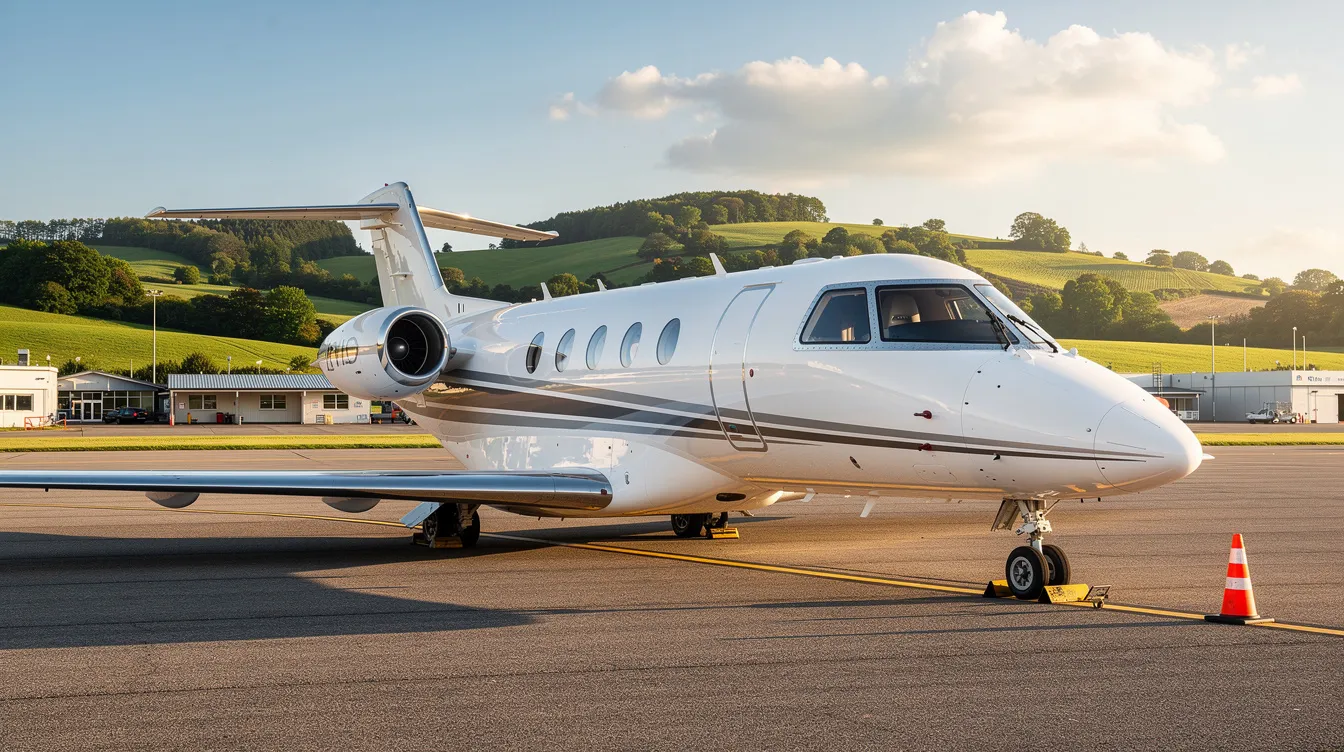
Budget travel in 2026 looks nothing like it did five years ago. Prices have shifted, tools have improved, and even private aviation has entered the conversation for cost-conscious travelers willing to plan strategically. This guide is for cost-conscious travelers, families, and business groups looking to maximize value on their trips, whether flying commercial or considering private jet options. Here, we break down exactly where to save, where to spend, and how platforms like Jettly make private jet access surprisingly practical for groups and specific routes, all while keeping budget travel at the forefront.
Budget travel is about maximizing value, not cutting every cost. Jettly helps travelers access private jets more affordably through on-demand charter and empty leg flights, especially when splitting costs among a group.
Saving money starts with flexible planning: traveling in the off-season or shoulder season, watching when prices drop, with tips like choosing budget-friendly destinations such as Guatemala, Albania, or Thailand instead of Western Europe's priciest capitals, and exploring practical strategies on how to get a seat on a private jet easily when a shared charter or empty leg aligns with your route.
Combining commercial flights for long-haul routes with short private jet hops via Jettly can be a cost-effective strategy for families or business groups heading to remote areas with limited commercial service.
Using reward points, fee-free payment cards, and perks like free breakfast at chain hotels can significantly reduce daily travel costs across any trip, just as understanding jet card costs and pricing structures can help frequent private fliers decide whether pre-paid hours lower their long-term travel budget.
Below, you will find concrete examples, sample costs, and step-by-step tactics for building a realistic travel budget, including how Jettly fits into the plan.
Budget travel is intentional spending. It means directing money toward what matters most, whether that is safety, time, or comfort, while aggressively cutting costs elsewhere. Most people assume it means the cheapest option in every category. The reality is closer to value engineering.
Post-pandemic price shifts make this distinction important. International summer fares are up roughly 12% compared to previous years, with a round-trip economy flight from New York to London running hundreds more in peak July than during shoulder season months like April or late October.
Budget travel can even include private aviation when used strategically. Splitting a light jet charter among six passengers for a short regional hop or using platforms that crowdsource private jet flights and share empty seats can bring per-person costs closer to premium economy fares. The four main cost buckets remain transportation, accommodation, food, and activities, plus travel insurance as a non-negotiable. This article shows where to aggressively save money and where to pay more for time savings or safety.
Booking flights early can save money on travel costs. For long-haul international travel, locking in fares 3–6 months in advance is one of the fastest and easiest ways to secure lower prices. For regional or domestic trips, 1–3 months gives enough window.
Set up price alerts on Google Flights or Skyscanner for specific routes. For example, tracking Toronto to Lisbon in October shoulder season lets you watch for dips. According to a Trip Manta study, 73% of popular routes experience at least one meaningful price drop per week, with an average of 2.4 drops per week. However, over 34% of those drops last less than six hours, so using price tracking tools and acting fast matters.
Flexibility with travel dates can lead to better flight deals. Flying on a Tuesday versus Sunday on domestic routes can save roughly 13%. That gives flexible travelers an advantage when paired with price alerts and quick booking decisions. Jettly's platform offers instant pricing on thousands of private aircraft, letting travelers compare charter versus commercial options in real time. Learn more about timing strategies at Jettly's guide on when is the cheapest time to buy flights.
Build a simple weekly routine: check tracked fares, log current prices, and set a decision threshold such as "book when under $600 round trip."
Budget-friendly destinations are locations where your purchasing power is maximized, allowing you to get more value for every dollar spent. Destination choice affects every daily expense, and costs are relative to the destination selected: lodging, local transportation, food, and activities.
In 2026, consider these daily cost comparisons:
|
Destination |
Estimated Daily Cost |
Notes |
|---|---|---|
|
Mexico City |
$50–$80 |
Great food, affordable transport |
|
Chiang Mai, Thailand |
$40–$70 |
Thailand offers low local prices for food and transport |
|
Tirana, Albania |
$45–$75 |
Albania provides scenic views at lower costs than neighboring countries |
|
Guatemala |
$35–$65 |
A budget destination with low daily expenses |
|
Laos |
~$15–$40 |
Daily expenses in Laos can average around $15.40 |
|
Paris |
$250–$350 |
High season peaks even higher |
|
Zurich |
$280–$400 |
Among Europe's most expensive |
Travel during shoulder or off-peak seasons reduces airfare and lodging costs. Traveling in the off-season can save over $800 on flights alone. In a city like Rome, accommodation prices can triple from March to April as peak season demand builds. Visiting Italy in late October or early November generally offers 20–40% lower hotel rates and far fewer crowds.
Off-season travel often results in fewer crowds and lower costs, but be realistic about weather trade-offs, shorter daylight, and reduced services. Some coastal destinations may close ferry routes or restaurants during deep off season.
Private jet charter can open up smaller, less touristy airports. Jettly's network of 20,000+ aircraft accesses regional airfields that commercial airlines skip entirely, making it easier to reach a remote town or countryside destination directly, whether that's a European ski village or a city like Kolkata, West Bengal, with dedicated private jet charter services.

Transportation is often the biggest part of any trip, sometimes 40–50% of total spend. Small savings on a flight can unlock a much larger travel budget for everything else, whether you are choosing between budget airlines or the best private jet charter companies for a route where private travel makes sense.
Use meta-search tools like Skyscanner and Google Flights to compare airlines, nearby airports, and multi-city itineraries. Flying into Madrid instead of Barcelona in the same week might save $150. Budget airlines often provide cheaper flight options on intra-Europe or domestic routes, and understanding how much it costs to rent a private jet helps you decide when chartering a short hop is actually competitive with commercial fares.
Think in combinations: book long-haul economy on a commercial airline, then connect with a short private jet hop on Jettly for remote resorts, ski towns, or islands with limited commercial service. An overnight train between two European cities can also replace a short flight and save a night of accommodation.
Packing light can help avoid baggage fees. Checked bag fees on U.S. airlines run $35–$75 per bag each way, adding $140 or more per person round trip. Traveling carry-on only on basic economy fares is one of the simplest ways of saving money on any journey.
Accommodation typically accounts for 32% of travel expenses, making it a big part of any budget. But optimizing it does not mean sleeping badly.
Accommodations such as hostels and guesthouses are often more economical, providing basic amenities at lower prices than hotels. Another low-cost option is house sitting, where you stay for free in exchange for watching someone’s home while they are away. For avid fliers, choosing affordable planes and budget-friendly aircraft or charter options can mirror this mindset of trading a bit of luxury for major savings. Hostels can cost as little as $10 per night in some regions, while Vietnam is known for affordable street food and budget accommodations that keep daily costs remarkably low. For a new city like Lisbon in March, expect roughly:
Hostel dorm: ~$18/night
Budget hotel: ~$70/night
One-bedroom apartment: ~$90/night
Evaluate total value, not just the nightly rate. A room with free breakfast, a kitchen for cooking meals, and included Wi-Fi may cost slightly more but saves money across the rest of the day. Booking accommodations early can secure better rates and options, especially for popular cities during shoulder season. For Amsterdam in late May, book at least three months in advance before rates spike.
Jettly customers often arrive at smaller airports outside city centers. Choosing apartments or hotels near train stations or transfer hubs can save money and simplify ground transportation on arrival.
Small daily decisions are where travelers quietly overspend. Trimming food, transport, and activity costs can extend a vacation by days or even a full week.
Cooking meals while traveling can reduce food expenses significantly. Pick lodging with a kitchen.
Shopping at local markets can save money on food compared to eating every meal at restaurants.
In Paris, a set lunch menu runs €15–€18, while à la carte dinner at the same spot costs €35+.
Street food in Thailand or Vietnam can fill a meal for $2–$3.
Exploring free attractions and locals' favorite cheap spots makes travel a much more interesting ride than following an organized tour to the same tourist restaurants.
Public transportation is generally cheaper than taxis or rental cars. A metro day pass might cost $7 versus $25+ in taxi rides.
Buses, bike-share programs, and walking cover most of any city.
Renting a car only makes sense in the country or for a specific adventure outside town.
Prioritize free or low-cost options: city parks, public beaches, free museum days, walking tours with a tip-only local guide.
Save paid experiences for a few highlights.
Exploring free attractions can enhance travel experiences without touching the budget.
Smart use of banking tools and travel rewards can transform an ordinary budget into multiple trips per year. Using reward points can cover flights and hotel costs entirely for budget travelers.
Travel credit cards often offer welcome bonuses for points. A typical welcome bonus of 60,000 points after $4,000 in spend can cover a round-trip flight or several hotel nights, and anyone considering frequent private flying should also understand private jet operating costs so they don't underestimate the true expense compared to commercial reward travel. A round-trip flight to Paris costs 45,000 miles on average, making it accessible after a single sign-up bonus.
Many hotel credit cards provide complimentary elite status perks, including room upgrades and free breakfast, which directly support budget travel. Booking hotels with points avoids extra charges for additional guests, a useful trick for families or friends sharing a room.
Avoid 3% foreign transaction fees and ATM surcharges by choosing cards designed for independent travel abroad. On a $2,000 trip, that saves $60 in fees alone. For private jet charter, Jettly's transparent pricing through its charter cost estimator and dedicated jet card flight cost estimator makes it easier to understand when cashback from reward points actually offsets charter costs.
Private jet charter is not always synonymous with ultra-luxury. In specific scenarios, it can be calculated into a budget travel plan and deliver genuine value, especially if you understand tips for booking the cheapest private jet flights and apply them alongside other budgeting strategies.
Jettly operates a digital marketplace with access to 20,000+ aircraft and positions itself as a cost-effective NetJets alternative for travelers who want flexibility without long-term fractional ownership commitments. Travelers get instant pricing and can compare aircraft classes, from turboprops and light jets to midsize and heavy categories, across its global private charter aircraft network. Here is a simplified comparison:
|
Aircraft Type |
Seats |
Hourly Rate Range |
Best For |
|---|---|---|---|
|
Turboprop |
4–8 |
$1,200–$3,000 |
Short regional hops |
|
Light Jet |
4–8 |
$3,000–$5,000 |
City pairs under 2 hours |
|
Midsize Jet |
8–12 |
$4,000–$8,000 |
Longer domestic routes |
|
Heavy Jet |
12–16+ |
$8,000–$15,000+ |
Transcontinental, large groups |
For a Los Angeles to Las Vegas flight (~1 hour), a light jet charter might run $4,000–$5,000. Split among six friends, that is roughly $700–$850 per person before taxes. Last-minute commercial fares plus ground transfers, parking, and time lost at the hub can approach that figure. Check current estimates with Jettly's private jet charter costs page.
Empty leg flights arise when aircraft reposition without passengers. These offer savings of 25–75% off standard charter rates. A New York to Miami charter that normally costs $15,000 might appear as an empty leg for $7,000 or less. The trade-off: fixed routing, less schedule flexibility, and possible last-minute cancellation.
Safety should never be the place travelers try to save money. Jettly works with licensed operators and regulated aircraft across its network.
Saving money is not only about cash. Time savings also have value, especially for business travelers and families with limited vacation days on the calendar, which is where flexible private jet memberships can sometimes justify their cost through convenience and predictable access.
Flying into major hubs versus regional airports changes the equation for both commercial and private travel. A flight landing at Fort Lauderdale instead of Miami International may save $80 on the fare and 45 minutes in ground transfers. Private jets via Jettly can use smaller airports even closer to a final destination, cutting long resort transfers, car rental costs, tolls, and parking. The convenience of landing 15 minutes from a ski house rather than two hours from a major hub is hard to overstate.
Compare ground options carefully:
|
Ground Option |
Typical Cost |
|---|---|
|
Public transit (airport-city center) |
$5–$15 |
|
Ride-share |
$25–$50 |
|
Car rental (per day) |
$40–$80+ |
|
Pre-booked shuttle |
$15–$30 |
Factor these hidden costs into the overall budget. Sometimes a slightly more expensive flight that arrives closer to the destination is the only option that actually saves money overall.

A written budget converts vague hopes into a concrete plan and helps avoid credit card debt after the adventure ends. Estimating daily budgets helps in planning affordable trips. Using a travel budget calculator helps manage expenses effectively.
Worked example: A 10-day shoulder season trip, Toronto to Lisbon, October 2026:
|
Category |
Estimated Cost |
|---|---|
|
Round-trip flight |
$550 |
|
Accommodation (10 nights × $70) |
$700 |
|
Food ($35/day) |
$350 |
|
Activities & tours |
$200 |
|
Local transport |
$80 |
|
Travel insurance |
$45 |
|
Contingency (10%) |
$195 |
|
Total |
~$2,120 |
Track spending in real time during the trip using a budgeting app. If overspending on meals, decide to cook for a few nights to stay on track. For travelers considering occasional flying themselves, a guide to affordable aeroplane rental costs and options can clarify when renting an aircraft fits a realistic budget. Jettly's instant charter quotes through its cost estimator page make it straightforward to slot a potential private segment into any overall plan without guesswork.
These questions address common concerns not fully covered above, focusing on how to decide if certain strategies make sense for your specific situation, and you can dive deeper into how much a private jet really costs if you're weighing ownership or frequent charter against occasional budget trips.
Private jets can make sense for small groups sharing the cost, for remote destinations poorly served by commercial flights, or when time saved has clear financial value. Consider six friends flying a light jet from New York to Nantucket for a long weekend. A cheap private jet charter split six ways may cost $600–$900 per person, while last-minute commercial tickets plus ferries and taxis could reach a similar price with far more hassle. Guides on how to buy a seat on a private jet and Jettly's marketplace and empty leg listings help travelers quickly see if a private segment fits within their budget.
General guidelines: book 1–3 months before domestic trips and 2–6 months before international trips. Traveling during the off-season can reduce flight prices significantly, and flexibility with travel dates can lead to significant savings. Use price alerts to watch for prices drop below a personal target rather than chasing a single "perfect" booking day. Private jet charters on Jettly can be booked closer to departure, but booking in advance for popular dates like New Year's or major sporting events is still wise.
Off-season often has the lowest sticker prices, but shoulder season can offer the best balance of cost, weather, and open attractions. In Rome, for example, February brings the cheapest hotel rates but also rain and reduced hours at some attractions. May offers pleasant weather and moderate prices. August brings peak season heat and the highest cost. Traveling during shoulder seasons can yield significant savings without the trade-offs of deep off-season, such as reduced ferry schedules or closed businesses on an island visit.
The most common surprise fees include checked baggage charges, resort fees, foreign transaction fees, dynamic currency conversion at card terminals, and last-minute seat selection costs. Always pay in local currency at terminals, check hotel fine print for resort or cleaning fees, and confirm what is included in a private charter quote on Jettly, including landing fees, catering, and ground transport. Set aside 5–10% of the total budget specifically for unexpected expenses to keep stress low and the rest of the plan intact.
Jettly's website provides detailed information on aircraft categories, empty leg deals, membership options, and private jet pricing. Travelers can browse available aircraft, get instant quotes, and compare options to find what fits their trip and budget.
Discover the convenience of private travel tailored to your needs. Browse available flights or get a personalized quote at https://www.jettly.com.
Budget travel in 2026 is about smart choices that balance cost, convenience, and experience. Platforms like Jettly demonstrate that private jet travel can fit within a budget-conscious plan when used strategically, such as sharing costs with a group or accessing remote destinations. By planning early, choosing budget-friendly seasons and locations, leveraging reward points, and comparing transportation options, travelers can maximize value without sacrificing comfort or time.
Whether flying commercial or chartering a private jet, a well-crafted budget and flexible approach unlock more travel opportunities. Ready to experience private travel on your terms? Explore flight options or request a quote at https://www.jettly.com.
Share this post:
Jay Franco Serevilla
Aug 5, 2026
|
5
min read
Discover tips and trends in the industry.

5
min read
Best Private Jet for Business Travel in 2026
Choosing the best private jet for business travel in 2025 and 2026 depends on specific mission profiles, passenger needs, and budget considerations. Top contenders include the Bombardier Global 7500 and Gulfstream G700 for ultra-long-range travel, while the Embraer Phenom 300E excels for regional trips. This guide helps decision-makers evaluate jets based on range, cabin productivity, and operating economics to find the ideal fit for their travel requirements.
Read More
5
min read
Private Jet Charter Baggage Limits: Luggage Allowance in 2026 (by Aircraft Class)
Understanding private jet baggage limits is crucial for a smooth travel experience, especially for first-time charter travelers. Unlike commercial airlines, private jet luggage policies vary by aircraft class and operator, focusing on baggage volume, weight, and fit through the baggage door. This guide provides insights into luggage allowances by aircraft class for 2026, helping travelers plan effectively.
Read MoreStay updated with our latest insights and tips to elevate your journey with us.
MEMBERSHIPS AND ASSOCIATIONS



Disclaimer: Jettly operates as a charter broker, offering access to a global digital jet charter marketplace. Jettly is not a direct air carrier and does not own or operate aircraft. All advertised flights are conducted by third-party air carriers that are fully licensed and hold the appropriate Part 135 or Part 121 certifications issued by the Federal Aviation Administration (FAA) or equivalent regulatory authorities under U.S. or foreign law. Jettly complies fully with the U.S. Department of Transportation's Part 295 and Part 298 Charter Broker regulations. Jettly does not carry additional liability insurance. Passengers are covered by aircraft operator insurance. TICO: 50023770


