


Login
Get Instant Pricing On 23,000+ Aircraft

>
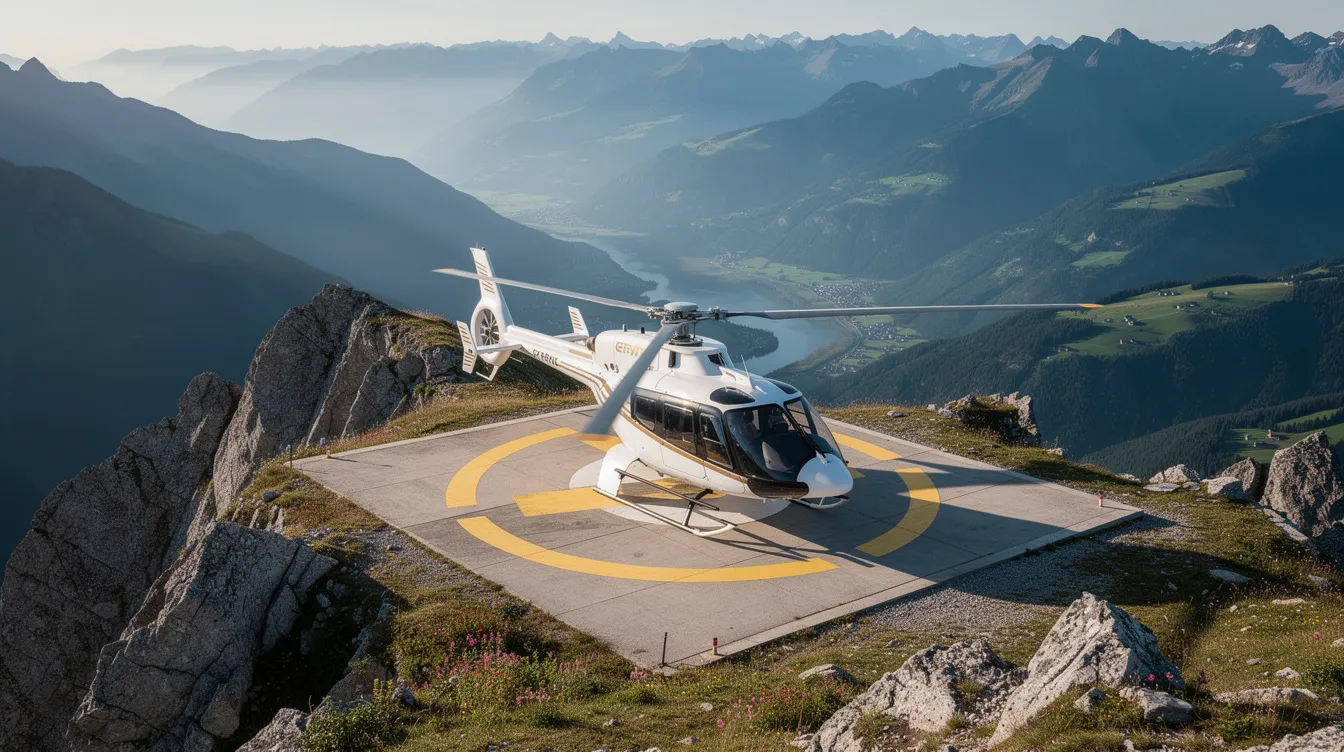
In 2026, private helicopter ownership starts around $300,000 for piston models and can exceed $20 million for VIP and offshore twins. The initial purchase price is only part of the total cost.
Most private owners focus on light helicopters like the Robinson R44 (listing near $646,000 new), Airbus H125, and Bell 407 GXP, used for commuting, resort transfers, and site visits.
Ongoing expenses including maintenance, pilots, hangar fees, and insurance can match or exceed the original purchase price over 10–15 years, often surpassing what comparable fixed-wing aircraft would cost to operate.
For buyers unsure about committing capital, Jettly offers instant charter pricing to compare the effective hourly cost of ownership versus chartering based on actual flight hours.
Buying a helicopter in 2026 is closer to acquiring a small business or buying a house than purchasing a luxury vehicle. It involves navigating airworthiness regulations, hiring crew, managing scheduled and unscheduled maintenance, and planning for component overhauls years into the future.
Helicopter prices span a wide range. A new Robinson R44 Raven II lists around $646,000, while a 2017 Bell 407 GXP with low hours can sit around $3.1–$3.2 million. VIP twins like the Airbus H145 or Leonardo AW139 routinely exceed $10–$15 million. Compared to fixed-wing aircraft, helicopters have limited payload and range but excel at short, point-to-point hops, remote landing zones, and urban rooftop operations.
Common buyer profiles include:
Executives commuting to city centers or between corporate campuses
Property owners accessing remote estates, islands, or mountain retreats, or flying by private jet into major hubs like Atlanta for onward helicopter transfers
Businesses needing aerial access for construction, energy, or emergency services, including operations around major Indian metros where private jet charter in Kolkata can complement helicopter access
This article covers purchase price brackets, popular models, ongoing ownership costs, and when helicopter charter makes more financial sense than buying, including scenarios where private jet charter services in New Delhi or other hubs pair with helicopter shuttles.
Helicopter acquisition costs vary widely based on model and type. Here are realistic brackets for 2026:
Piston helicopters (Robinson R22, R44): Piston engines power the most accessible rotorcraft on the market. Prices range from the tens of thousands for older R22 trainers to $708,000 for new R44 variants. A new R44 Raven II lists around $646,000 in 2026.
Light single turbines (Bell 505, Airbus H125, Bell 407 GXP): New light turbine helicopters range from $1 to $2.5 million. A well-equipped 2017 Bell 407 GXP was recently listed at $3,190,000, reflecting its low total time and premium avionics.
Twin turbines (Airbus H135/H145, Leonardo AW109/AW139): Twin-engine helicopters typically cost $5 to $15 million new, depending on year and configuration.
Heavy-lift and offshore models (Bell 412, Sikorsky S-76, AW139 offshore variants): Heavy-lift helicopters can cost $20 to $30 million or more.
Used helicopters can be purchased for 40–60% less than new, but proximity to engine and component overhauls can easily add $500,000 or more to lifetime costs. For a deeper breakdown of helicopter pricing, real listing data from platforms like Controller.com offers useful benchmarks.
|
Category |
Examples |
New Price Range (USD) |
Typical Use Cases |
|---|---|---|---|
|
Piston Helicopters |
Robinson R22, R44 |
$60,000 – $708,000 |
Training, personal transport |
|
Light Single Turbines |
Bell 505, Airbus H125 |
$1M – $2.5M |
Corporate, utility, tourism |
|
Twin Turbines |
Airbus H135/H145, AW109 |
$5M – $15M |
EMS, offshore, VIP transport |
|
Heavy-Lift/Offshore |
Bell 412, Sikorsky S-76 |
$20M – $30M+ |
Offshore, SAR, heavy cargo |
New helicopters come with full warranties, the latest advanced avionics, and zero wear on major components. Used helicopters offer a lower purchase price but introduce variability in condition and remaining component life.
Key factors that drive value in used aircraft:
Year of manufacture and total airframe hours (e.g., 1,000 hours vs 10,000+ hours)
Hours and calendar limits remaining before engine and gearbox overhauls
Avionics currency: analog instruments vs glass cockpit systems like Garmin G1000H or Helionix
Mission equipment: cargo hook capability, EMS interiors, emergency floats, or VIP configuration
Helicopter prices can vary by 20–30% based on factors like damage history, avionics upgrades, and overhaul status. Component life limits can impose significant maintenance costs regardless of flight hours, meaning a "low-hour" airframe approaching calendar-limited overhauls may carry hidden six-figure liabilities.
Serious buyers should budget for pre-purchase inspections and logbook reviews at an independent Part 145 or OEM-approved maintenance shop. Skipping due diligence can turn apparent savings into a surprise bill.
Most private helicopter ownership falls into three categories: piston trainers, light single turbines, and light or medium twins for VIP or EMS missions.
Piston helicopters:
Robinson R22: Two-seat trainer with a low purchase price but limited use for personal transport.
Robinson R44 Raven II: Four seats with dual controls, common among private owners. A recent listing showed a Robinson R44 Raven II with a total time of 205 hours at approximately $699,000.
Light single turbines:
Airbus H125 (AS350 B3e): The Eurocopter AS350B-3 offers advanced avionics for flight safety. This helicopter offers exceptional performance in "hot and high" conditions and is widely used for utility, tourism, and cargo hook missions.
Bell 407 GXP: The Bell 407GXP seats five passengers and serves as a popular corporate and utility platform. Models from 2017 market around $3.1–$3.2 million.
Bell 505 Jet Ranger X: Modern successor to the Bell 206, featuring the Garmin G1000H glass cockpit. Typical asking prices fall in the $1.3–$1.7 million range.
Leonardo AW119Kx: The Leonardo AW119Kx has a 6-Pax VIP configuration, making it capable of handling both corporate transport and utility operational roles.
Light and medium twins:
Airbus H135/H145: The Airbus H135T3 features a SP/DP IFR Helionix system, making it well-suited for EMS, offshore support, and corporate VIP missions. New H145 deliveries can exceed $10 million.
Leonardo AW109 series: A fast VIP twin with IFR capabilities, with new AW109 GrandNew models around $6–$7 million.
Bell 412EP: The Bell 412EP features heavy-duty high skid gear, built for demanding utility and offshore missions where reliability under tough ground conditions matters.
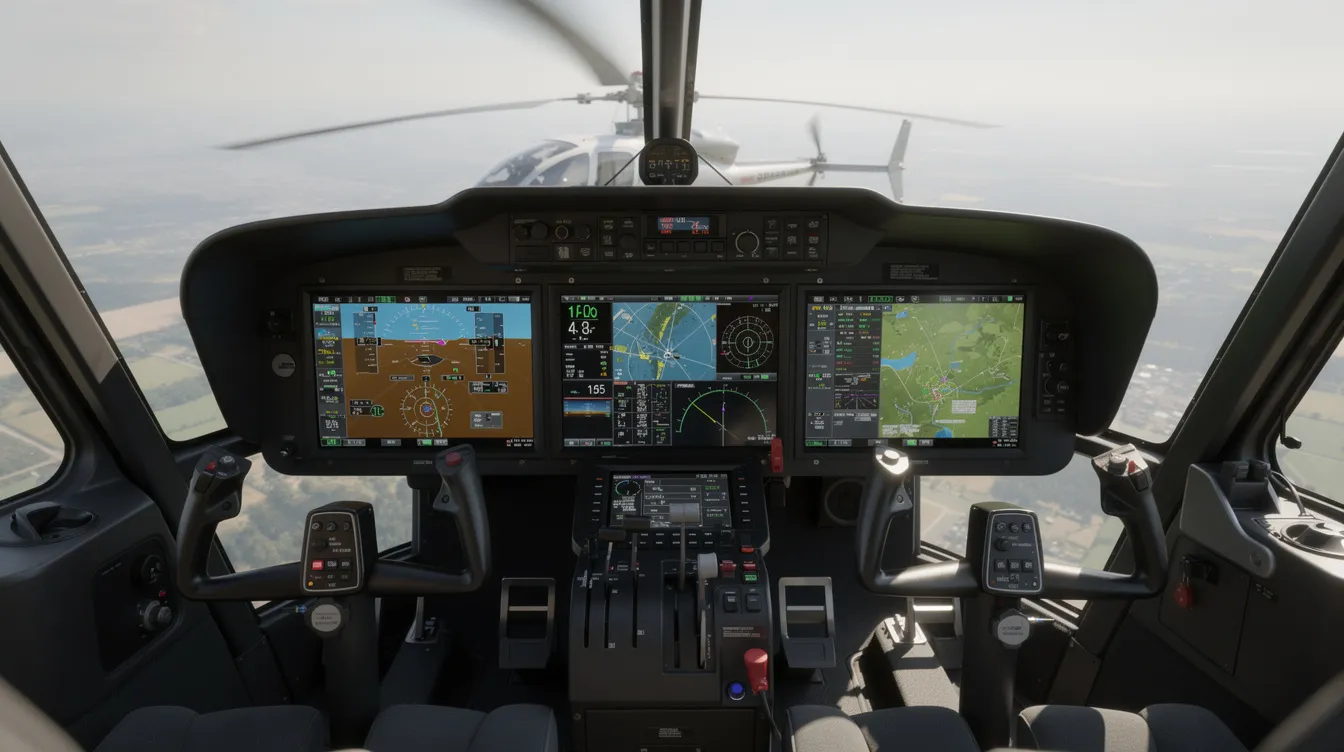
The single vs twin turbine decision is one of the biggest drivers of helicopter purchase price, regulatory flexibility, and insurance premiums.
Single-engine turbine helicopters:
Typical price range: $1–$4 million
Lower fuel burn and maintenance costs
Common models: Airbus H125, Bell 505, Bell 407 GXP
Allowed for most VFR and some IFR operations, but may face restrictions over water, at night, or in dense urban environments
Twin-engine turbine helicopters:
Typical price range: $5–$15+ million
Engine redundancy often required for offshore, HEMS, and rooftop operations
Higher fuel burn (often 40–60 gallons per hour) and insurance premiums sometimes 30–50% above single-engine equivalents
Aviation authorities like the FAA, EASA, and Transport Canada treat twins more favorably for demanding missions, which also matters if an owner plans to generate charter revenue or satisfy corporate safety policies. Mapping typical routes-overwater segments, night operations, city center helipads-before choosing between single and twin helps avoid buying more helicopter than needed or, worse, not enough.
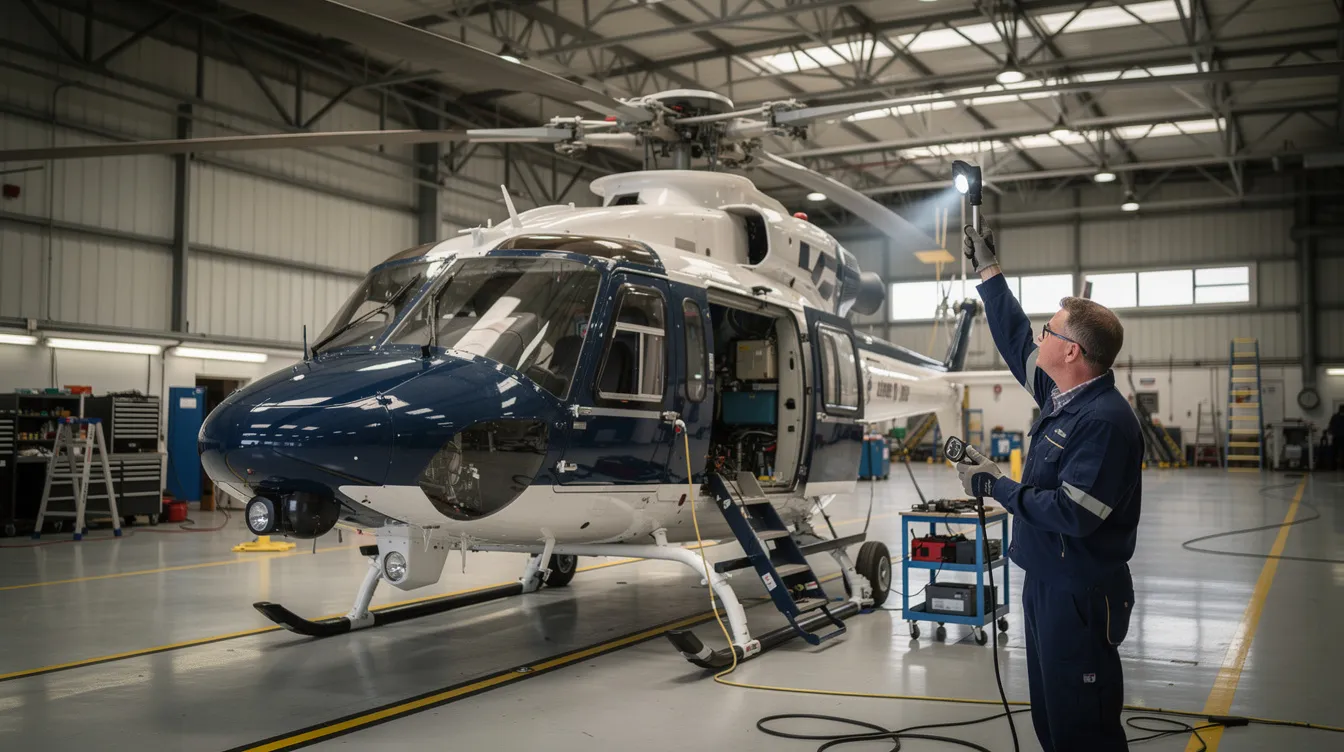
For most owners, helicopter ownership costs can exceed the initial purchase price over time. Helicopter ownership introduces higher mechanical complexity than other aircraft types, and mandatory inspections and time-limited components are major aspects of helicopter maintenance.
Annual fuel costs range from $35,000 to $60,000 for a piston or light turbine helicopter flying 200+ hours per year. Twins burn considerably more.
Typically $30,000 to $60,000 annually, covering scheduled inspections and building reserves for engine and gearbox overhauls that can run into hundreds of thousands.
Hangar costs can range from $12,000 to $60,000 per year depending on region. Major U.S. metro areas command the highest rates.
Pilot and crew salaries can total $100,000 to $200,000 annually, plus recurrent training and type-rating costs that reduce pilot workload over time.
Insurance costs range from $20,000 to $100,000 each year. Helicopter insurance is typically more expensive than airplane insurance due to operational complexity.
Total annual ownership costs can exceed $300,000 for light turbine helicopters. For a detailed look at helicopter flight cost breakdowns, operating costs for helicopters include fuel, maintenance, and storage as baseline categories before capital and depreciation enter the picture.
Robinson R44: $300–$500/hour (direct costs, excluding capital)
Bell 505 or similar light turbine: $600–$1,000/hour
VIP twin like an AW109 or H145: $2,000+ per flight hour all-in
Aircraft ownership makes the most financial sense when annual hours flown and mission requirements justify carrying fixed costs year-round. Readers comparing helicopters with jets should understand the broader cost of private jet ownership and use, as many of the same capital and operating cost dynamics apply. Chartering or fractional ownership can be more economical for infrequent fliers than outright helicopter ownership.
When ownership is typically justified:
Annual usage above roughly 300–500 flight hours, depending on model and financing structure
Time-critical missions (regular plant inspections, medical support, remote site access) where guaranteed availability is essential
Locations where high-quality charter supply is limited or unreliable
When charter is usually better:
Private travelers flying only a few times per month between cities or to resorts
Businesses needing occasional site visits, event shuttles, or airport transfers
Buyers considering both helicopters and airplanes who prefer to mix aircraft type via charter rather than locking capital into one airframe
Jettly's digital platform fits naturally here. With access to thousands of helicopters and fixed-wing aircraft globally, instant pricing and a dedicated private jet charter cost estimator let users compare the effective hourly cost of charter against projected ownership costs. A family flying 50 hours a year will almost certainly save money chartering. A company logging 400+ hours annually in a specific region may find ownership more practical.
Because helicopters are high-value, regulated assets, buyers need to address financing, registration, and insurance early in the search process. Anyone planning to generate charter revenue should also understand how Part 135 charter companies operate and are regulated.
Financing:
Helicopter financing typically requires a 20–30% down payment through specialized aviation lenders who offer financing options for helicopter purchases
Typical loan terms run 5–12 years. Interest rates for helicopter loans depend on aircraft age and buyer creditworthiness, with older airframes and commercial use commanding higher rates.
Factor loan payments into per-hour cost calculations alongside fuel and maintenance
Insurance:
Hull coverage based on agreed market value, plus liability limits appropriate for the intended use
Insurance premiums increase with twin engines, offshore or urban operations, and less-experienced pilots
Pilot hours in type and operating environment (mountainous, overwater) are key rating factors
Legal and regulatory points:
Choose a registration jurisdiction (FAA N-reg, EASA, Transport Canada) based on where the helicopter will operate and sell
Ensure compliance with airworthiness directives, service bulletins, and local airspace rules
Many buyers create a special purpose entity to own the aircraft for liability protection and tax planning
Work with specialist aviation counsel early to avoid costly missteps.
Unlike buying a car, helicopter listings require detailed technical scrutiny. Most transactions involve brokers or specialized dealers on a global market.
Focus on total time (e.g., "2,611 hours since new"), recent overhaul status, and 12- or 24-month inspection compliance
Note features that materially affect value: IFR glass cockpits (GTN 750Xi, Garmin G1000H), emergency floats, cargo hook, VIP interiors, or HEMS kits
Look for clear logbook histories and "no known damage" statements, then verify through documentation and logbook reviews
Engage an aviation attorney and independent maintenance expert before committing
Arrange a pre-purchase inspection at a neutral facility with agreed scope and acceptance criteria
Use discrepancies (upcoming overhauls, corrosion, outdated avionics) as negotiation points on price or remedial work
Benchmark asking prices against similar recent sales on platforms like Controller.com, not just current listed inventory
Consider including training, spare parts, or support agreements in the deal
Walk away from any aircraft with incomplete records, unclear damage history, or sellers unwilling to allow independent inspection
Even buyers who ultimately decide to charter can use helicopter rental cost data to understand what operators value in a given region, and complementary guides on affordable airplane rental costs and options help frame how helicopter pricing compares to fixed-wing alternatives.

Jettly is a digital private aviation platform that connects travelers to thousands of helicopters and fixed-wing aircraft worldwide without requiring ownership, and is frequently cited among the top private jet charter companies for luxury travel.
Core platform features relevant to prospective buyers: Jettly also maintains a global private charter aircraft marketplace that spans helicopters, turboprops, and jets.
On-demand access to over 20,000 aircraft, including light helicopters, twin-engine EMS-capable types, turboprops, and private jets, supported by an integrated airport locator and booking tool
Instant online pricing and booking that eliminates opaque "call for price" models, making budgeting straightforward, with options to crowdsource flights and share empty seats to reduce costs on some routes
Membership and pay-as-you-go options that lower per-flight costs for frequent users without tying up capital, alongside structured jet card programs for frequent private flyers
Practical use cases:
A business leader who charters helicopters for city-center transfers and uses jets for longer legs like New York–Miami, comparing platforms and choosing a flexible NetJets alternative in Jettly
A family using helicopter shuttles from regional airports to mountain resorts, integrated with private jet arrivals on the same itinerary, deciding between shared charter flights and full aircraft charter based on budget and privacy needs
Companies testing demand on a new route via charter before committing to helicopter ownership or lease, using a broad list of private charter airlines and operators to benchmark service quality and coverage
By comparing projected ownership cost per hour with real-time charter quotes, readers can make data-driven decisions about whether buying is actually justified for their world of operations.
Ready to see how charter compares? Explore flight options or request a quote at https://www.jettly.com, or review Jettly's overview of affordable private jet charter pricing and cost drivers.
The following questions address practical concerns not fully covered above. Some readers may also be interested in Jettly's high-ticket affiliate partnership program if they regularly refer clients into private aviation services.
Anyone can legally buy a helicopter, but flying it requires at least a private pilot license with a helicopter rating. The FAA requires a medical certificate for helicopter pilots before flight training, and pilots must accrue a minimum of 40 flight hours to obtain a Private Pilot Certificate for helicopters. Many owners hire professional pilots, especially for turbine helicopter or IFR operations, and may still train for recreational flying under supervision.
Access depends heavily on local regulations. Some cities offer multiple public and private helipads and rooftop sites, while others are highly restricted. New owners should work with local operators or charter brokers to map approved landing sites, and sometimes combine helicopter hops with ground transport or jet segments for door-to-door trips.
Mainstream models from Airbus, Bell, Leonardo, and Robinson with complete records tend to retain value better than niche types. Market cycles, upcoming overhauls, avionics currency, and damage history can move resale prices by 20–30% or more. Good maintenance documentation is critical if you plan to sell.
You can also use a jet card flight cost estimator to forecast typical pricing for the jet segments of an itinerary before deciding whether to buy or charter a helicopter.
Yes. It is common to charter a fixed-wing aircraft for the main leg and a helicopter for the last miles to a downtown heliport or remote property. Platforms like Jettly can coordinate both segments under a single trip plan, often through vetted private jet operators such as Dexter Air Taxi, letting passengers experience private aviation without owning any aircraft.
The timeline can range from a few weeks for a straightforward used purchase with cash and a ready pilot, to several months when financing, inspections, and pilot training are involved. Allow extra time for regulatory approvals, insurance underwriting, and any customization or refurbishment before putting the helicopter into service.
Buying a helicopter in 2026 ranges from relatively accessible piston machines under $700,000 to eight-figure VIP twins capable of offshore and EMS missions. The true cost of ownership, however, is dominated by maintenance, crew, depreciation, hangar, and insurance over time-not just the purchase price on the website listing.
Private helicopter ownership makes sense primarily for high-usage, mission-critical operations or buyers who explicitly value constant availability and control. For most individuals and many businesses, flexible access through helicopter and private jet charter via platforms like Jettly offers similar capabilities without capital commitments, management overhead, or resale risk.
Before making a purchase decision, quantify your expected annual flight hours, map your routes, and compare realistic ownership budgets against live charter pricing. Explore charter options or request a quote at https://www.jettly.com to see whether charter, membership, or ownership best fits your needs.
Share this post:
Jay Franco Serevilla
Aug 5, 2026
|
5
min read
Discover tips and trends in the industry.
5
min read
C-21 Plane: USAF Learjet 35A Variant, Specs, Missions & Charter Alternatives
The C-21 plane, a military variant of the Learjet 35A, has been a reliable light transport aircraft for the USAF since 1984, serving various missions including passenger airlift and aeromedical evacuation. With impressive speed and range, it continues to play a vital role in military logistics, while civilians can access similar performance through private jet charters like the Learjet 35A.
Read More
5
min read
Does a Private Jet Have WiFi? Connectivity, Costs, and What to Expect with Jettly
Private jets increasingly offer WiFi, becoming essential for both business and leisure travelers. Connectivity options vary by aircraft type, age, and installed technology, impacting performance and costs. Understanding these factors helps travelers choose the right jet for their connectivity needs.
Read MoreStay updated with our latest insights and tips to elevate your journey with us.
MEMBERSHIPS AND ASSOCIATIONS



Disclaimer: Jettly operates as a charter broker, offering access to a global digital jet charter marketplace. Jettly is not a direct air carrier and does not own or operate aircraft. All advertised flights are conducted by third-party air carriers that are fully licensed and hold the appropriate Part 135 or Part 121 certifications issued by the Federal Aviation Administration (FAA) or equivalent regulatory authorities under U.S. or foreign law. Jettly complies fully with the U.S. Department of Transportation's Part 295 and Part 298 Charter Broker regulations. Jettly does not carry additional liability insurance. Passengers are covered by aircraft operator insurance. TICO: 50023770


