


Login
Get Instant Pricing On 23,000+ Aircraft

>
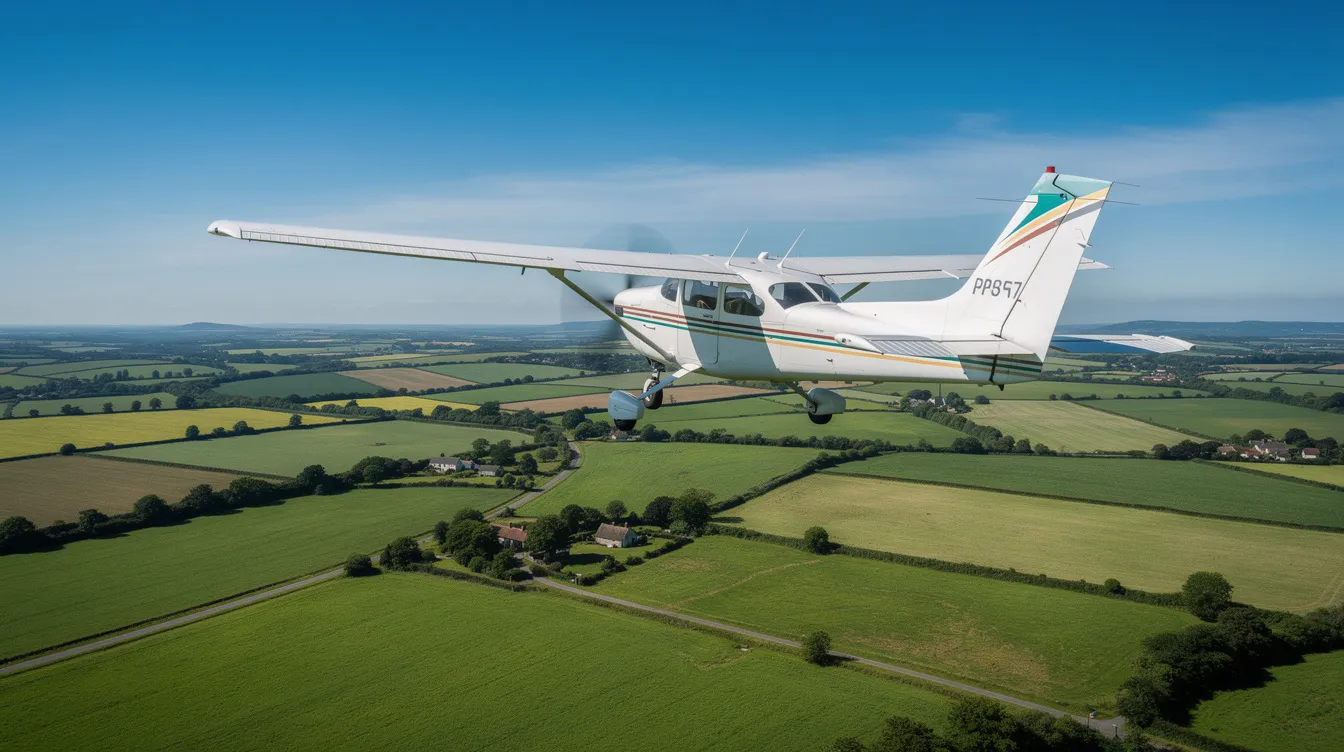
Whether someone just earned their wings or has been flying recreationally for years, one question comes up constantly: can private pilots make money? The short answer is yes, but only in very specific, highly regulated ways. This guide is for aspiring and current private pilots, aviation enthusiasts, and anyone curious about legal earning options for private pilots in the U.S. Understanding these rules is crucial to avoid regulatory violations and to make informed decisions about aviation careers. This guide breaks down every legal earning option available to private pilots in the United States, explains where the lines are drawn, and maps out the path toward professional-level aviation income.
Under 14 CFR 61.113(a), a private pilot generally cannot carry passengers or property for compensation or hire.
Private pilots can legally share direct flight expenses with passengers, and can be paid in a few narrow scenarios: business-incidental flights, charity events, search and rescue missions, demo flights for aircraft sales, towing gliders, and test flying certain light sport aircraft.
Regulations prohibit private pilot license holders from acting as commercial pilots without a commercial pilot certificate.
Significant, stable income typically requires a commercial pilot license and often an airline transport pilot certificate.
Platforms like Jettly rely on commercial pilots and certified operators, but a private pilot certificate is a key first step toward those higher-earning roles in the aviation industry, especially for those curious about how much a private jet costs to own or operate over the long term.
Summary of Legal Ways Private Pilots Can Make Money:
Business-related flights: Compensation for flights incidental to primary employment (not as a commercial pilot).
Towing gliders: Earning money by towing gliders or unpowered ultralight vehicles.
Charity flights: Flying for charity events under specific regulations.
Cost-sharing with passengers: Sharing direct flight expenses with passengers (no profit).
Aircraft sales and aviation content creation: Income through demo flights, aircraft sales, or aviation-related content.
Leasing aircraft to flight schools: Passive income by leasing owned aircraft.
Demo flights for aircraft sales: Performing demo flights for aircraft sales after logging 200 hours.
Becoming a flight instructor after 200 hours: Eligible to instruct and earn income after meeting hour requirements.
Progression to commercial pilot roles: Additional training opens up most paid flying jobs.
Aerial surveying and medical transport: Participation in these activities under specific conditions.
Regulations prohibit acting as a commercial pilot or flying for compensation/hire without a Commercial Pilot Certificate.
Regulations prohibit private pilot license holders from acting as commercial pilots without a Commercial Pilot Certificate. Private pilots cannot fly for compensation or hire. A Commercial Pilot Certificate is required for most paid flying jobs.
A private pilot is someone who holds a private pilot certificate and is not permitted to fly for compensation or hire. A commercial pilot holds a Commercial Pilot Certificate, which is required for most paid flying jobs. "Compensation" is defined by the FAA as anything of value, including money, goods, or services, received in exchange for flying.
The distinction between a private pilot and a commercial pilot comes down to one word: compensation. A private pilot certificate grants broad flying privileges. A commercial certificate unlocks the right to get paid for them.
A private pilot license (PPL), also called a private pilot certificate under FAA terminology, allows the holder to act as pilot in command, carry passengers, fly day and night, and make a cross-country flight. Private pilots cannot earn money from flying commercially.
The key rule: under 14 CFR 61.113(a), a private pilot may not act as PIC of an aircraft carrying passengers or property for compensation or hire. Private pilots typically operate smaller, specialized aircraft and fly for personal purposes or incidental business use.
The FAA, EASA, and most other global regulators share a broadly similar framework. Private and commercial pilots operate under different privilege sets, and private pilots cannot function as airline pilots or charter pilots without upgrading their credentials.
"Holding out" to the public—advertising flights, selling seats, or listing transport services online—crosses the line into commercial operations. Once a pilot holds out, they need commercial pilot privileges and an appropriate operating certificate (such as a Part 135 certificate).
To earn a full-time income flying passengers, whether as an airline pilot, charter captain, or corporate pilot, a commercial pilot license is the minimum requirement. Many roles also demand an airline transport pilot certificate.
With these definitions and restrictions in mind, let's look at the most common way private pilots can legally offset costs: cost-sharing.
Cost-sharing is the simplest way private pilots offset what they spend on recreational flying. It is legal under federal regulations, but it is not a moneymaking strategy. Private pilots can share flight costs with passengers—nothing more.
Pro rata sharing defined: Passengers may reimburse their share of direct operating costs, including fuel, oil, aircraft rental fees, and airport expenditures. The pilot must pay at least their own equal share. No profit margin or markup is permitted.
What cannot be billed: Indirect costs like insurance, hangar rent, annual inspections, and depreciation are off-limits. Only direct flight expenses qualify.
Concrete example: A 2.5-hour flight in a Cessna 172, renting at $180 per hour, totals $450. With three passengers aboard, each person (including the pilot) pays $112.50. The pilot does not come out ahead financially.
Common purpose requirement: The FAA's Advisory Circular 61-142 clarifies that the pilot and passengers must share a common purpose—both heading to the same meeting, event, or destination. Flying strangers as a de facto taxi service violates this rule, even if the money exchanged only covers costs.
In Europe, EASA permits cost-sharing under its own specific rules, with differences in minimum flight hours and aircraft weight limits. Pilots based outside the U.S. should consult their national aviation authority before structuring any cost-sharing arrangement.
Beyond cost-sharing, there are other scenarios where private pilots can legally receive compensation. Let's explore these specific situations next.
Online flight-sharing platforms attempt to connect private pilots with passengers willing to split direct costs. In Europe, platforms like Wingly facilitate this under EASA rules, while in the private jet world, services such as Jettly's crowdsourced private jet flights and empty seat sharing help operators recover expenses on larger aircraft. In the U.S., the regulatory landscape is far less accommodating.
Flight-sharing platforms let passengers browse available flights and contribute to rental fees and fuel. The pilot is not selling seats—they are splitting costs on a trip they would already be making.
Regulators closely scrutinize these platforms. Any compensation must stay within legal cost-sharing rules: no markups, no guaranteed schedules, no per-seat pricing resembling commercial airlines or charter operators.
In the U.S., the FAA shut down Flytenow in 2015 after ruling that its model constituted common carriage. Even though pilot compensation was limited to expense sharing, the platform's public-facing booking system looked too much like an on-demand charter without proper certification.
Pilots should check current national regulations and recent legal interpretations before using any flight-sharing application or exploring traveler-facing options for getting a seat on a private jet easily. Misuse can lead to enforcement actions, fines, or loss of a pilot's license.
Next, let's look at the specific situations where private pilots can be paid under federal regulations.
Federal regulations carve out several narrow exceptions under 14 CFR 61.113(b)–(h) where a private pilot can receive compensation. Each comes with strict conditions.
Business-incidental flying (§ 61.113(b)): Private pilots can be compensated for business-related flights when flying is incidental to their primary employment. For example, an engineer who holds a PPL may fly themselves and crew members to a job site, with the company covering all flight expenses. The aircraft must not carry passengers or property for hire.
Charity flights (§ 61.113(d) / § 91.146): Private pilots can fly for charity events organized by nonprofit organizations—think Angel Flight medical transport or community benefit flights. The pilot typically needs a minimum of 500 flight hours as pilot in command. The charitable organization, not the pilot, may accept passenger contributions.
Search and rescue operations (§ 61.113(e)): Pilots performing search and rescue missions under the direction of an approved organization (such as the Civil Air Patrol) can receive reimbursement for fuel, oil, airport expenditures, and rental fees. These rescue missions serve a public safety function and are specifically exempted.
Aircraft sales demo flights (§ 61.113(f)): A private pilot with at least 200 total flight hours can perform demonstration flights for prospective aircraft buyers. Private pilots can conduct demo flights for aircraft sales when employed by a manufacturer or dealer, making aircraft sales a viable niche.
Towing gliders (§ 61.113(g)): Private pilots can earn money by towing gliders or unpowered ultralight vehicles. Eligibility generally requires at least 100 hours PIC in the relevant category and class rating, plus specific tow training from an authorized instructor. Pilots can tow gliders for compensation once these requirements are met.
Light-sport aircraft production flight tests (§ 61.113(h)): A private pilot with at least 100 hours PIC in the appropriate category and class may be compensated for conducting production flight tests on powered parachutes or weight-shift-control light-sport aircraft for manufacturers.
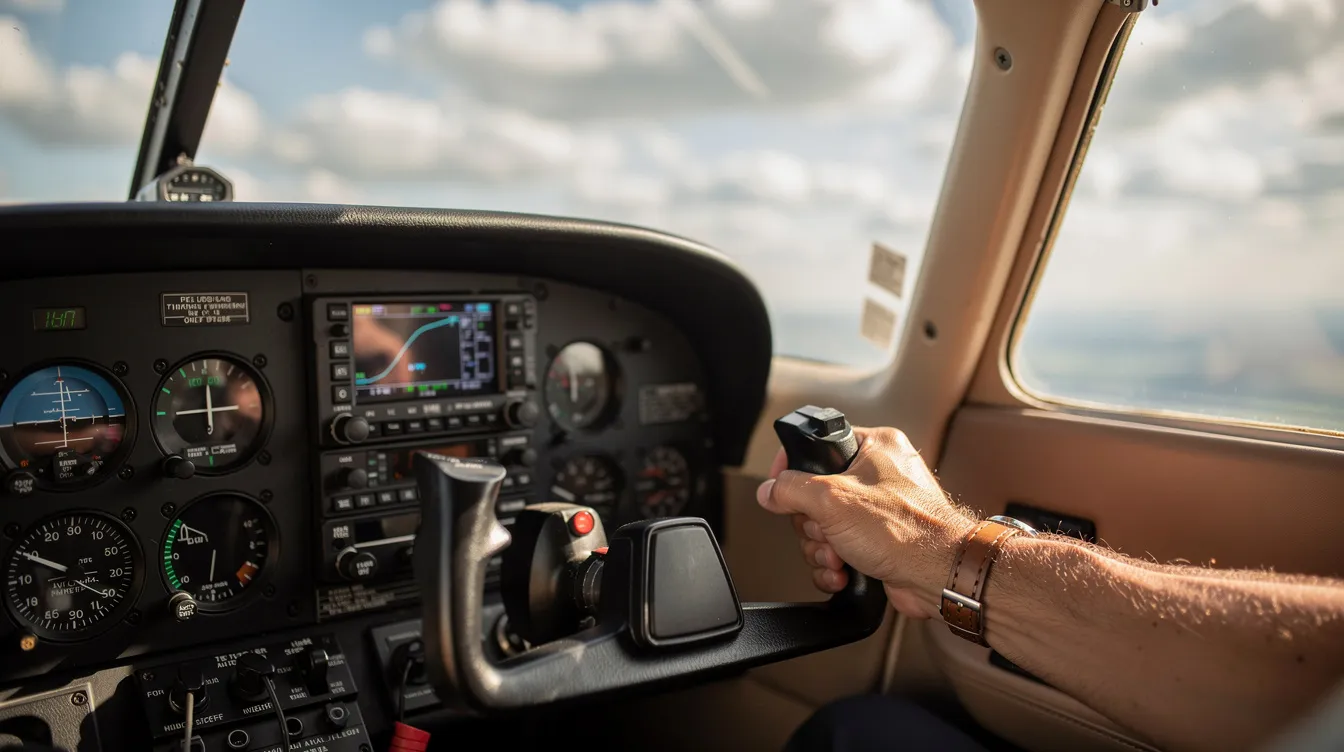
In addition to these exceptions, private pilots can also earn income through activities like aviation content creation, leasing their aircraft to flight schools, and, after logging 200 hours, becoming a flight instructor. Now, let's see how these opportunities fit into the broader path from private to commercial pilot.
A private pilot certificate is usually the first credential on the path to an exciting career in professional aviation. But aspiring pilots should understand that most paid flying jobs require a commercial pilot certificate at a minimum.
A commercial pilot license requires roughly 250 total flight hours, including pilot-in-command time, cross-country flight experience, night flying, and flight training in complex aircraft. Many pilots gain experience through flight instruction roles or by logging more flight hours through recreational flying and volunteer work.
A commercial certificate opens doors to roles as a flight instructor, charter pilot, corporate pilot, cargo pilot, and eventually airline pilot. Flight instructors are often the first paid position many pilots hold, building flight time while earning income.
Commercial pilots can earn an average salary of $202,180 per year, according to recent industry data. Private jet pilots earn an average salary of $96,791 per year, with private pilot salaries varying significantly based on experience and employer type. Entry-level private jet pilots earn around $66,000 annually, while experienced private jet pilots can earn between $160,000 and $300,000 per year.
To captain larger airliners at major airlines, most commercial airline pilots also obtain an airline transport pilot certificate, which typically requires 1,500 flight hours—well beyond what a student pilot certificate or PPL provides. Military pilots transitioning to civilian roles may have accelerated pathways but still must meet Federal Aviation Administration certification standards.
Private pilots can also work in corporate aviation, transporting executives once they upgrade to a commercial license. Many skilled pilots and experienced professionals in this segment command higher salaries and enjoy better compensation packages, including health insurance, retirement plans, and more flexible schedules.
For a deeper look at the training investment, see Jettly's breakdown of pilot lesson costs, private plane license costs, and tools like Jettly's private jet charter cost estimator that show how pilot, fuel, and aircraft expenses factor into real-world charter pricing.
Next, let's examine how private pilots fit into the private jet charter market and what roles are available as they advance their credentials.
The private jet charter sector depends entirely on properly licensed pilots and certified operators. Understanding where a private pilot certificate fits—and where it doesn't—matters for both aspiring pilots and travelers who are also comparing options across the wider charter airlines and private flight market.
On-demand private charter aircraft, such as those booked through Jettly, are commercial operations flown under appropriate air carrier certificates. A private pilot cannot act as pilot in command on these flights. Charter pilots flying for these operators are typically commercial pilots or airline pilots with thousands of flight hours and type ratings on business jets. For more detail on how this works, see What Is FAR Part 135.
A PPL is still a useful step. It builds the foundation of air travel knowledge, instrument skills, and discipline needed for a private pilot career that eventually leads to charter or corporate roles. Pilots gain experience through each stage—PPL, instrument rating, commercial certificate, multi-engine rating—before qualifying for the flight schedules and compensation packages offered by charter operators.
Jettly connects travelers to a global inventory of over 20,000 aircraft, providing instant pricing, an airport locator tool, and digital booking for legitimate commercial operators and properly licensed crews. Every flight booked through the platform involves security verification processes and operators that meet strict safety and regulatory standards. Security service and verification successful protocols protect both travelers and the broader aviation ecosystem from malicious bots and unauthorized operators.
For aspiring pilots interested in flexible schedules, competitive salaries, and flying business jets, the career path typically runs from flight school through PPL, then a commercial pilot license, and ultimately positions with charter operators and private aviation employers. Resources like Jettly's overview of the best private jet charter companies help illustrate where those roles exist in the broader market. The private jet pilot salary guide offers a closer look at what experienced pilots in this sector actually earn.
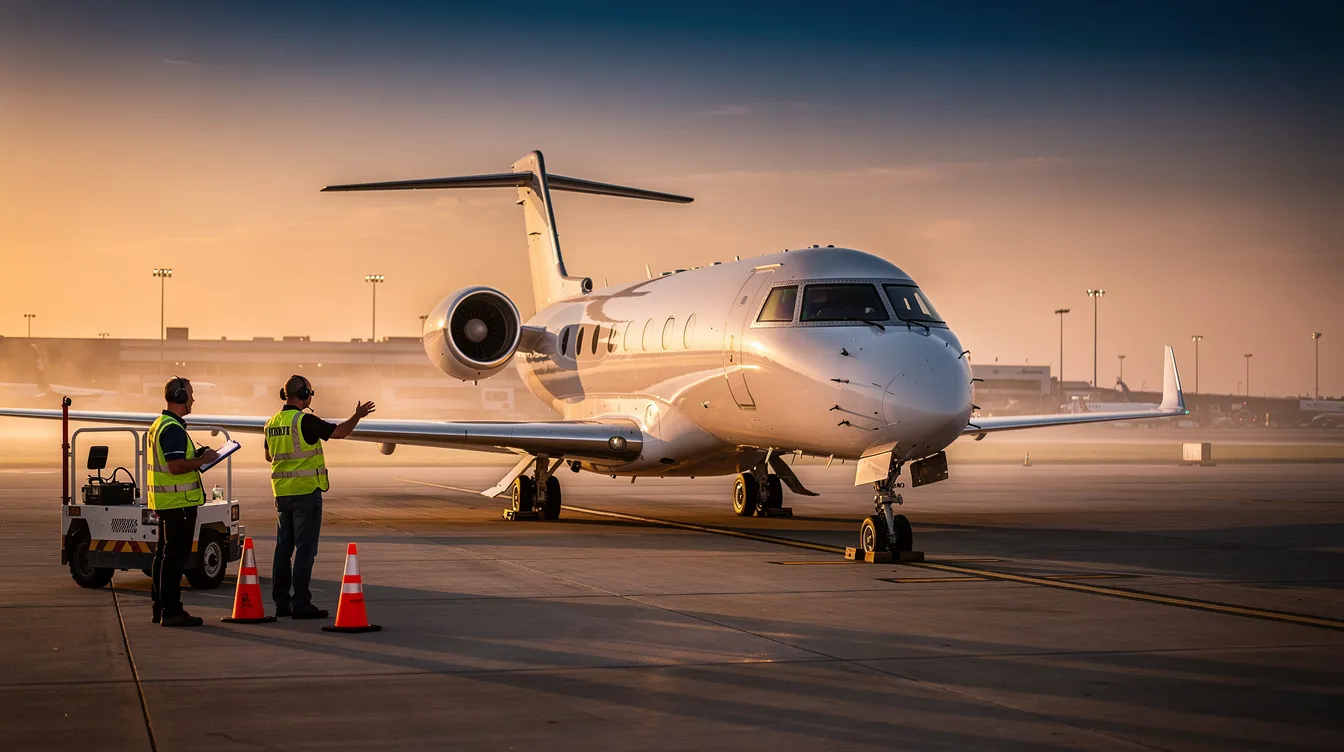
Now, let's weigh the pros and cons of earning money as a private pilot.
Ability to offset flight expenses through legal cost-sharing, making recreational flying more affordable without violating any rules.
Gaining valuable experience through charity flights, search and rescue operations, and demo flights—all of which add flight time and build skills that other pilots respect.
Exciting opportunities in niche roles: glider towing, light-sport production tests, and aircraft sales demonstrations provide pilots with limited but legitimate paid work.
Private pilots who own planes can lease their aircraft to flight schools for income—a passive revenue stream that does not require the pilot to act as PIC for hire.
Private pilots can earn additional income through freelance or contract gigs outside the cockpit, such as aviation content creation, consulting, or working with aircraft dealers.
Networking with commercial pilots, co-pilots, operators, and other pilots while volunteering or working in these roles supports longer-term career paths in the airline industry.
Strict regulatory limits make it very difficult to earn a substantial or reliable income with only a private pilot license. Average salaries for PPL-only roles are minimal compared to what experienced professionals earn with advanced certifications.
Misunderstanding or stretching cost-sharing and "incidental to business" rules can expose a pilot to enforcement actions, fines, or loss of their pilot certificate. The FAA does not treat violations lightly.
The volume of legally compensated flights is small and unpredictable. These are not steady jobs with flight schedules, compensation packages, or benefits.
Insurance and liability coverage may not recognize cost-sharing arrangements, creating financial risk even when the operation is technically legal.
Anyone who wants flying to be their primary source of income should view the PPL as a stepping stone toward a commercial pilot license and specialized training rather than a terminal credential. A high school diploma and a PPL get a pilot started, but advanced certifications and more flight hours provide pilots with the career paths that lead to real earnings.
Let's wrap up with some final thoughts and a clear salary comparison.
Private pilot earnings are limited by strict regulations that prohibit flying for compensation or hire without a commercial pilot certificate. While private pilots can share flight costs with passengers and be compensated in specific cases such as business-related flights, towing gliders, demo flights after logging 200 hours, charity flying, aerial surveying, and medical transport, these opportunities provide modest income rather than full-time salaries. Private pilots who own aircraft may also lease them to flight schools for additional revenue.
In contrast, commercial pilots, who hold the required commercial pilot certificate, earn significantly more. The average commercial pilot salary is approximately $202,180 per year, with more predictable compensation and benefits. Private jet pilots, a specialized category of commercial pilots, earn an average of $96,791 annually. Entry-level private jet pilots start around $66,000, while senior pilots can earn between $160,000 and $300,000 per year. Top private pilots may command daily rates as high as $3,000, depending on experience, employer type, and geographic location, especially when they understand tips for booking the cheapest private jet flights and how pricing dynamics affect demand.
Advancing from private to commercial pilot roles involves additional training and certifications, including the commercial pilot certificate, which unlocks most paid flying jobs. Private pilots can also increase their income by becoming flight instructors after 200 logged hours or engaging in activities like aircraft sales and aviation content creation. Overall, experience level, employer type, and location greatly influence private pilot salary potential, with earnings typically ranging from $50,000 to $100,000 on average for private pilots.
Salary Comparison Table
|
Pilot Type |
Typical Salary Range |
Notes |
|---|---|---|
|
Private Pilot (PPL only) |
$0 – $10,000 (part-time, niche, or passive) |
Limited to cost-sharing, niche roles, or leasing aircraft |
|
Private Jet Pilot |
$66,000 – $300,000+ |
Requires a commercial certificate; varies by experience/employer |
|
Commercial Pilot |
$202,180 (average) |
Airline, charter, and corporate pilots; full-time roles |
For those passionate about flying, the private pilot license is an essential foundation, but a meaningful and stable income in aviation generally requires progression to commercial certification and beyond.
These FAQs address common follow-up questions about private pilots and compensation that were not fully covered above.
Selling seats to the public—whether through social media, a booking website, or word-of-mouth advertising—is generally considered "holding out" by the Federal Aviation Administration. This turns the operation into illegal commercial transport unless the pilot and operator hold appropriate commercial certificates. Only true cost-sharing with a common purpose, within strict regulatory limits, is allowed. Respond to any uncertainty by consulting an aviation attorney before listing flights publicly. The response ray ID from any air traffic control or FAA inquiry into such operations can trigger a formal investigation.
Regulators typically view anything of value given in exchange for flying—cash, gifts, hotel rooms, or event tickets—as "compensation." This is prohibited for private pilots when carrying passengers or property for hire. Pilots should treat non-cash benefits the same as money when assessing whether a flight is legal under private pilot rules. Even seemingly small perks can trigger enforcement if the FAA determines the flight was conducted for compensation.
Under U.S. rules, the "incidental to business" exception applies only when the pilot is flying themselves or coworkers as part of their job. Transporting paying clients is considered a commercial operation and requires a commercial license and an appropriate operating certificate. Companies looking to transport clients by air should work with Part 135 charter companies or book through platforms like Jettly that provide pilots with proper credentials, whether they need a full-aircraft charter or want to buy a seat on a private jet on a shared or empty-leg flight.
Many students earn a PPL within 6 to 12 months and reach commercial pilot license requirements in 18 to 36 months, depending on training intensity, budget, and how quickly they accumulate flight hours. Integrated or accelerated programs at a flight school can shorten this timeline, but all candidates must meet regulatory training and flight hour minimums. The journey from a student pilot certificate to a commercial certificate requires discipline, financial planning, and consistent flying.
It depends. Some corporate and charter captains flying large business jets match or exceed the average salary of commercial airline pilots. Others flying small aircraft or single-engine aircraft in regional operations may earn less. Factors like aircraft type, employer size, route structure, and seniority all influence whether a commercial pilot in private aviation out-earns or under-earns typical airline pilots. For a detailed breakdown, see Jettly's guide to private jet pilot salary.
While private pilots cannot legally operate like commercial pilots or airline pilots, there are legitimate, limited ways to offset costs and receive compensation in specific scenarios. The main legal avenues include:
Cost-sharing with passengers
Business-incidental flights
Charity event flying
Search and rescue reimbursement
Demo flights for aircraft sales
Towing gliders
Light-sport production flight tests
Leasing aircraft to flight schools
Aviation content creation
Becoming a flight instructor after 200 hours
Aerial surveying and medical transport
None of these will replace a salary from a full-time flying career. Meaningful, stable earnings begin with a commercial pilot license. For many pilots, the progression continues toward an airline transport pilot certificate and roles at major airlines, corporate flight departments, or charter operators. Platforms like Jettly depend on these commercially licensed, experienced pilots and certified operators to deliver safe, on-demand private air travel to passengers worldwide.
Ready to experience private travel on your terms? Explore flight options, use Jettly's guide on affordable private jet charter costs, or request a quote at https://www.jettly.com.
Share this post:
Jay Franco Serevilla
Jun 30, 2026
|
5
min read
Discover tips and trends in the industry.

5
min read
Business Aviation: How Modern Private Air Travel Powers Business Growth
Business aviation revolutionizes corporate travel by providing unmatched flexibility, privacy, and efficiency. With access to over 5,000 airports and the ability to book on-demand, it enhances productivity and reduces travel time significantly. Platforms like Jettly simplify the process, making private jet travel accessible and cost-effective for businesses.
Read More
5
min read
Private Jet from Chicago to Las Vegas: Flight Time, Cost & Best Charter Options
Chartering a private jet from Chicago to Las Vegas offers a swift and convenient travel option, covering approximately 1,500 miles in about 3.5 hours. With various aircraft options available, travelers can enjoy significant time savings and avoid crowded commercial airports. Jettly's platform provides transparent pricing and access to over 20,000 private jets, making it easy to find the right charter for your needs.
Read MoreStay updated with our latest insights and tips to elevate your journey with us.
MEMBERSHIPS AND ASSOCIATIONS



Disclaimer: Jettly operates as a charter broker, offering access to a global digital jet charter marketplace. Jettly is not a direct air carrier and does not own or operate aircraft. All advertised flights are conducted by third-party air carriers that are fully licensed and hold the appropriate Part 135 or Part 121 certifications issued by the Federal Aviation Administration (FAA) or equivalent regulatory authorities under U.S. or foreign law. Jettly complies fully with the U.S. Department of Transportation's Part 295 and Part 298 Charter Broker regulations. Jettly does not carry additional liability insurance. Passengers are covered by aircraft operator insurance. TICO: 50023770


