


Login
Get Instant Pricing On 23,000+ Aircraft

>
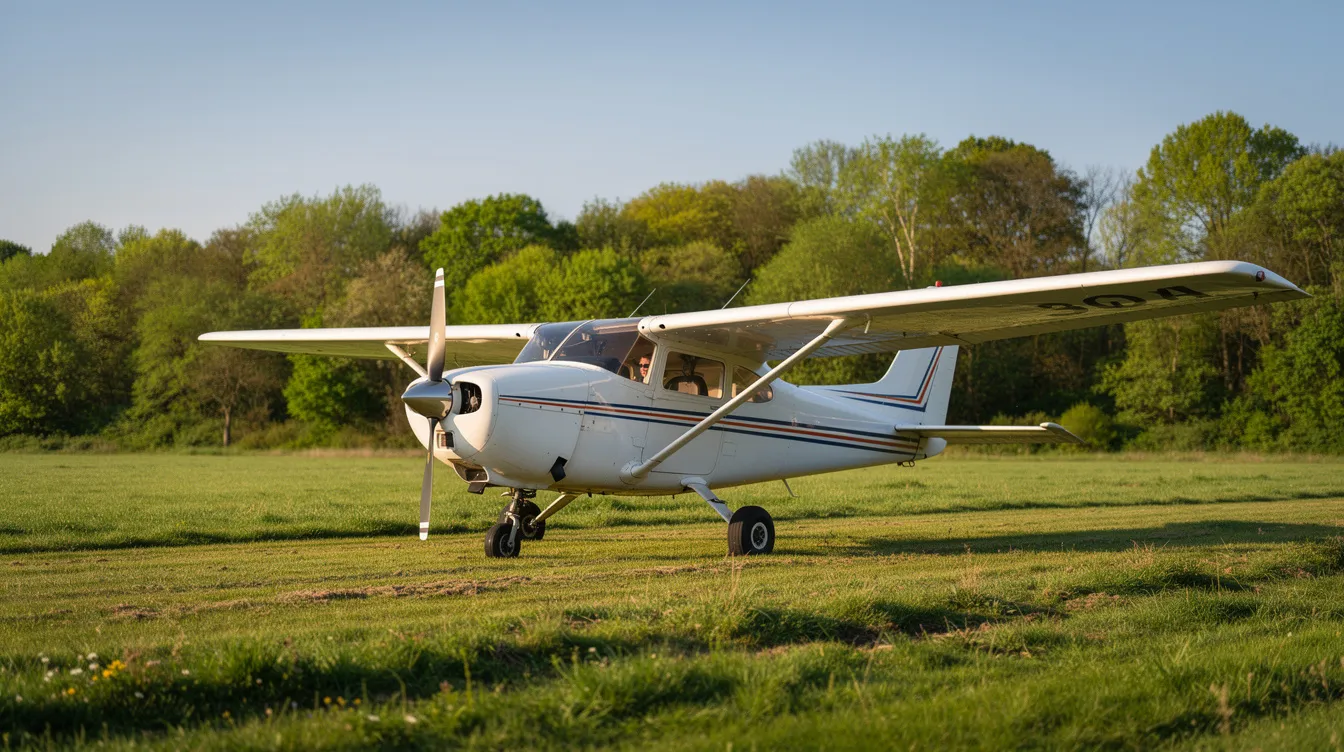
The Cessna 150 150 is one of the most compelling upgrades in light general aviation. By replacing the factory 100-hp Continental with a 150-hp Lycoming engine, owners transform a modest two-seat trainer into a surprisingly capable cross-country commuter. This guide covers everything pilots and prospective buyers need to know about the conversion, from specifications and flight characteristics to ownership costs and when chartering a private jet through Jettly makes more sense.
The Cessna 150/150 is a Cessna 150 upgraded from a 100-hp Continental to a 150-hp Lycoming O-320 engine via FAA-approved STC.
Over 24,000 Cessna 150s were built (1958–1977); it remains a popular two-seat trainer and commuter.
Performance upgrades: climb rate near 1,000 fpm, cruise speed around 113 knots, optional 40-gallon fuel capacity, but with higher fuel burn and sometimes reduced useful load.
This guide covers specs, flight planning, ownership costs, and when private charter through Jettly is a better fit for longer or more demanding trips.
See the FAQ for answers on gross weight, range, and private charter alternatives.
The term "Cessna 150 150" describes a Cessna 150 airframe upgraded from its factory 100-hp Continental O-200-A engine to a 150-hp Lycoming O-320 via a Supplemental Type Certificate. One of the most referenced approvals is STC SA572CE, which covers installing Lycoming 150/160-hp O-320 variants on many Cessna 150 models.
The base Cessna 150 entered production in 1958 as a successor to the Cessna 140, featuring fixed tricycle landing gear and side-by-side seating for two occupants. The airplane can carry one pilot and one passenger, making it one of the most recognized trainers in aviation history.
The 150-hp conversion gained popularity from the late 1960s onward. Owners wanted better climb, improved short-field performance, and what some call "Super Commuter" capability. A well-known example is Spennato's "Super 150," a 1967 Cessna 150G converted with a 150-hp Lycoming, Horton STOL kit, 40-gallon long range tanks, and a Garmin IFR avionics stack.
These aircraft remain in the light two seat trainer category, but with the extra power, a bigger prop, and other changes like STOL kits, they perform more like a small personal cross-country commuter.
Production of the Cessna 150 spanned from 1958 to 1977, after which Cessna transitioned to the 152 model. The original design featured all-metal construction, fixed tricycle landing gear (easier than taildraggers like the Cessna 140), and side-by-side seats that made it ideal for flight training. Later models introduced electric flaps for smoother adjustments during landing approaches.
Key milestones in the platform's history:
Over 24,000 Cessna 150s were built during its production run, with Cessna producing over 3,000 units in 1966 alone.
The Cessna 150 was priced at $9,500 in 1967 - remarkably affordable even by the standards of the era, echoing how today some pilots offset travel costs through Jettly's high-ticket affiliate program for private flight referrals.
An estimated 250,000-plus pilots worldwide have trained in the type, making it a popular trainer for general aviation pilots, many of whom later migrate to services such as instant-book private jet operators like Zenflight.
Early straight-tail models from the late 1950s differ from the swept-tail 1960s–1970s variants that most commonly receive 150-hp conversions.
The platform's popularity and strong parts support make it a practical base for performance modifications, including 150/150 conversions and STOL kits. Its reputation for low operating costs and user-friendly flying characteristics keeps it relevant decades after the last factory delivery.
This section compares the baseline factory specs of a typical 1970s Cessna 150 to a representative 150-hp conversion. External dimensions—wingspan, length, and height—remain essentially unchanged after the engine swap.
|
Specification |
Stock Cessna 150 (100 hp) |
Cessna 150/150 (150 hp) |
|---|---|---|
|
Engine |
Continental O-200-A, 100 hp |
Lycoming O-320, 150 hp |
|
Wingspan |
33 ft 4 in (10.16 m) |
Same |
|
Length |
24 ft 9 in (7.54 m) |
Same |
|
Height |
8 ft 6 in (2.59 m) |
Same |
|
Cruise speed |
~100 knots (115 mph) |
~113 knots at 7,500 ft |
|
Rate of climb |
640–670 fpm |
~800–1,000 fpm |
|
Service ceiling |
Often above 15,000 ft |
|
|
Fuel capacity |
23–26 gal usable (standard) |
Up to 40 gal with long range tanks |
|
Fuel burn (cruise) |
~5–6 GPH |
~7–8.5 GPH |
|
Max gross weight |
1,600 lbs |
1,600–1,760 lbs (STC dependent) |
|
Useful load |
~500–550 lbs |
~500–550 lbs (varies) |
|
Seats |
2 (side-by-side) |
2 (side-by-side) |
Note: While external dimensions stay the same, the engine, propeller, fuel capacity, interior updates (avionics, seat tracks, shoulder harnesses, lighting), and even the battery location can vary significantly between individual 150/150 aircraft.
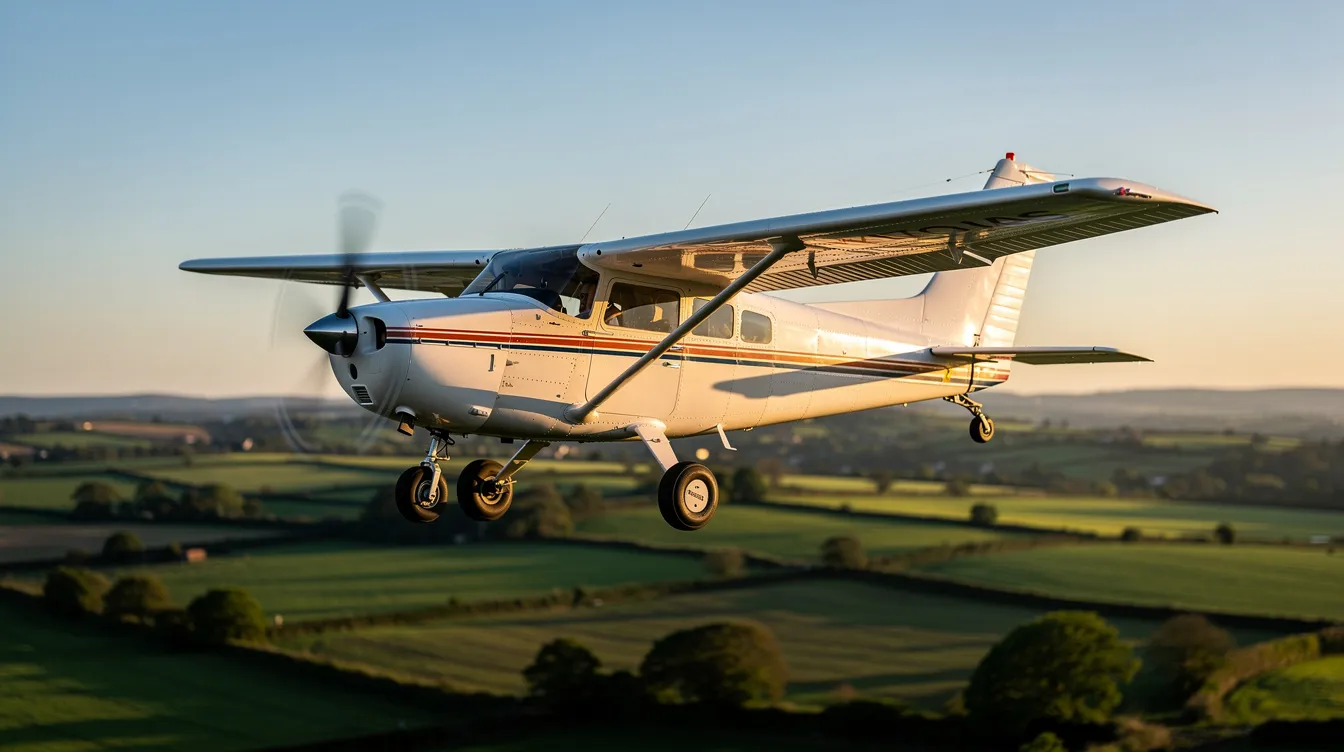
The main benefits of the Cessna 150 150 are stronger takeoff performance, steeper climb, and better cruise speed. The trade-offs are higher fuel burn and, in some cases, reduced useful load.
Climb performance:
Stock Cessna 150: 640–670 feet per minute at sea level
150/150 conversion: Up to 1,000 feet per minute with full load
At 6,000–8,000 feet: Owners report 400–600 fpm
Takeoff:
Shorter takeoff roll and faster runway acceleration
Extra power enables better soft-field and short-field operations
STOL kits further improve short-field capability
Cruise speed:
150/150: About 113 knots at 7,500 feet (vs. ~100 knots stock)
Some data shows up to 119 knots at higher altitudes
Other notes:
Better high-density altitude performance
Fuel consumption rises to about 7.3–8.5 GPH at 65–75% power (30–50% more than stock)

Despite the power increase, the Cessna 150/150's basic wings and airframe remain the same, so stall characteristics stay familiar to pilots trained on standard Cessna 150s.
Stall speed (full flaps): ~42 KCAS
Stall speed (clean): ~48 KCAS
Converted aircraft retains similar stall speeds; STOL kits can reduce stall speed by a few knots
Most STCs do not change certified gross weight or stall speed limits
More powerful engine does not mean higher legal payload
Handling differences:
Stronger acceleration on takeoff (more pronounced left-turning tendencies)
More aggressive pitch-up during initial climb
Greater energy in the pattern (requires earlier power reductions)
Some STCs placard "intentional spins prohibited"
Transition training with an instructor is strongly recommended for pilots moving from a 100-hp 150 into a 150/150. Focus areas include power management, steep climbs, and energy control during landing.
Installing a heavier 150-hp engine and additional fuel capacity often adds more weight at the nose, which can reduce the Cessna 150's useful load even though the airplane feels more capable in the air.
Lycoming O-320 plus mounting hardware, bigger prop, and firewall mods can increase empty weight by 30–100+ lbs
Some STCs (e.g., del air) include a gross weight increase to 1,750–1,760 lbs
Filling 40-gallon tanks (~240 lbs fuel) can leave only 260–310 lbs for pilot, passenger, and baggage
CG shifts from heavier nose may require tail counterweights or relocated battery
Owners and renters should review current weight-and-balance data and POH supplements for their specific aircraft. Recalculate loading for every flight plan, especially on hot or high-altitude days.
Typical mission profiles for a 150/150 include:
150–300 NM regional hops
Training flights
Short cross-country trips
Flight planning considerations:
Range: 40-gallon tanks at 65% cruise power = 300–450 NM (with reserves)
Density altitude: Extra power helps, but performance still degrades above 10,000–12,000 feet
Fuel burn: 7–9 GPH (vs. 5–6 GPH stock)
Use realistic numbers: Base plans on your own recent flights, not optimistic book values
For longer trips (multi-leg business, >500 NM, or tight schedules), private charter through Jettly or choosing the best cross-country plane for your travel needs removes the burden of weather, fuel stops, and single-pilot fatigue.
Many surviving Cessna 150/150s from the 1960s–1970s have been modernized well beyond their original steam-gauge panels and basic radios. When evaluating one for sale, the installed upgrades often determine half the airplane's value.
Avionics upgrades:
Garmin GPS units (GNS 530/430 or newer GTN series)
Glass-panel retrofits
ADS-B Out transponders
IFR-capable nav/comm stacks
Interior improvements:
New seat foam, upholstery, and seat tracks
Shoulder harnesses
Refreshed side panels, LED cabin lights
Updated windows
Airframe modifications:
STOL kits (Horton leading-edge cuffs)
Wingtip replacements
Fresh tires, landing gear refurbishments
New paint schemes
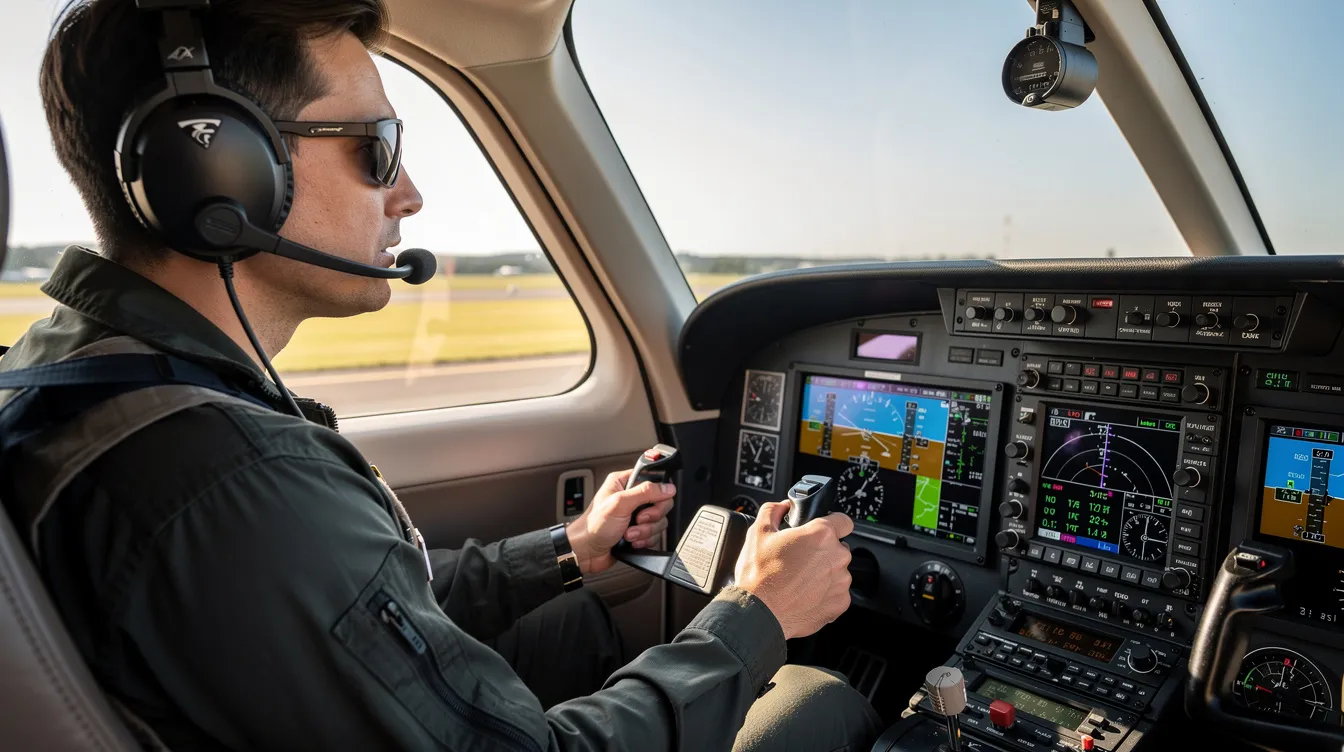
When listing a Cessna 150/150 for sale, complete logs documenting every modification significantly boost buyer confidence. A deal with many extras—modern avionics, fresh interior, STOL kit, and a low-time overhaul—commands a premium, similar to how selecting the best personal plane for your mission and budget requires looking beyond basic specs.
The original Cessna 150 became one of the world's most common primary trainers. The aircraft is known for its low operating costs and user-friendly flying characteristics, making it popular for recreational flying and time building among pilots working toward advanced certificates.
The Cessna 150/150 variant keeps that trainer friendliness but offers enough performance for owner-pilots using the airplane as a personal commuter. The fun factor goes up, too—more power on takeoff, better climb to smoother air, and enough cruise speed to make 150-NM hops feel worthwhile.
Example scenarios:
A pilot in California commuting 150 NM between regional airports twice a week
Weekend trips to nearby recreational destinations with a single passenger
Training and proficiency flights where the extra power allows practicing soft-field and short-field operations safely
These missions suit the 150/150 perfectly. But when the profile shifts—same-day multi-city business visits, long range family vacations, or time-critical medical travel—a private jet charter through Jettly fills the gap. Depending on budget and preferences, you can also weigh shared charter flights versus full aircraft charter. The Cessna 150/150 is an excellent entry-level aircraft for learning, local flights, and regional hops. Private charter steps in when speed, range, or payload requirements exceed the small piston's capabilities, drawing on a broad ecosystem of private and charter airlines serving business and leisure travelers.
Owning a Cessna 150/150 involves acquisition cost, maintenance, fuel, insurance, and hangar or tie-down fees, much like the broader mix of private jet operating costs and budgeting considerations that apply to larger aircraft. Here's a realistic breakdown of what to expect and how it contrasts with structured access options like corporate jet card programs for frequent private flyers.
Acquisition:
Purchase prices for modified 1970s Cessna 150s vary widely
Converted models with low-time engines, fresh annuals, and upgraded avionics command a premium
STC purchase plus 70–300 A&P hours of installation labor is a significant investment
Small aircraft ownership costs are covered in Jettly's guide alongside broader advice on affordable planes and budget-friendly aircraft choices for new owners
Hourly operating costs:
|
Cost Category |
Stock 100 hp |
Converted 150 hp |
|---|---|---|
|
Fuel (~$6/gal avg) |
$30–36/hr |
$44–51/hr |
|
Engine reserve |
~$12–15/hr |
~$15–20/hr |
|
Maintenance/inspection |
$10–20/hr |
$12–25/hr |
|
Insurance (est.) |
$800–1,500/yr |
$1,000–2,000/yr |
Maintenance factors:
Corrosion control
Landing gear wear
Control-cable inspections
AD compliance
Complete logs for all modifications and inspections are essential for safety and resale value
For travelers who fly only a few times per year, chartering via Jettly or renting from a flying club may be more economical than full ownership. A detailed guide to affordable aeroplane rental costs and options and a broader overview of how renting a plane works for different trip types can help you compare scenarios. Hangaring, insurance, and annual inspections add up whether the airplane flies or not.
The Cessna 150/150 occupies a specific niche: a high-value two seat piston with enhanced performance but limited range and payload. Here's how it stacks up:
|
Aircraft |
Power |
Cruise |
Seats |
Approx. Hourly Cost |
|---|---|---|---|---|
|
Stock Cessna 150 |
100 hp |
~100 kt |
2 |
$50–70 |
|
Cessna 150/150 |
150 hp |
~113 kt |
2 |
$70–95 |
|
Cessna 152 |
110 hp |
~107 kt |
2 |
$55–80 |
|
Light Sport (typical) |
100 hp |
~95–105 kt |
2 |
$60–90 |
Versus private charter through Jettly:
Turboprop charters: 500+ NM nonstop, 250+ knots, 4–8 passengers
Light jets: 1,000+ NM, 400+ knots
Jettly offers access to 20,000+ private charter aircraft with instant pricing and digital booking
No ownership burden or maintenance headaches
For pilots who fly themselves locally in a plane like the 150/150, on-demand charter through Jettly makes sense for longer business itineraries, international routes, or multi-passenger journeys where a two seat piston is impractical; in those cases, understanding how much it costs to rent a private jet per hour helps set realistic budgets.
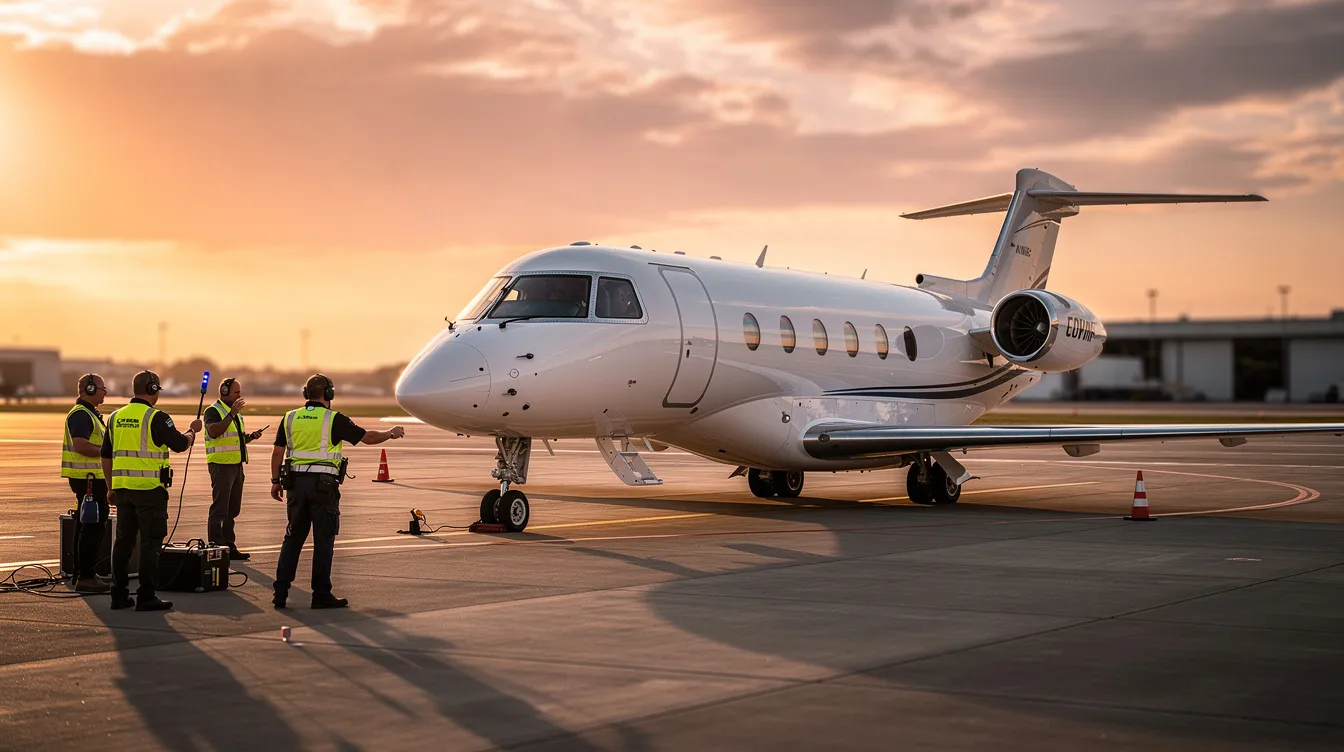
Jettly operates as a digital private jet charter marketplace—not an aircraft dealer or operator of Cessna 150s. The platform connects travelers with operators across categories: turboprops, light jets, midsize jets, heavy jets, and helicopters, similar to the wide range of operators featured in comprehensive charter airline guides to private flights.
For current or former Cessna 150 pilots transitioning to passenger travel, Jettly offers advantages that a small piston simply cannot match, including affordable private jet charter options and pricing guidance:
Transparent pricing with no hidden fees (charter cost estimator) backed by vetted Part 135 charter companies that meet strict safety standards
Professional crews handling weather, compliance, and all flight planning
Access to smaller airports, tailored departure times, in-flight connectivity, catering, and ground transportation
No long-term ownership commitment—fly only when you need to
The platform positions private charter as a logical next step when mission needs outgrow the Cessna 150/150, whether that means on-demand access through Jettly or exploring industry leaders like NetJets and their fractional ownership model. It's not about replacing the joy of flying your own airplane—it's about choosing the right aircraft for each specific trip, and understanding the best private jet charter companies and how they compare.
Ready to explore flight options beyond the cockpit of your Cessna? Use Jettly’s airport locator and on-demand charter platform to plan routes and then request a quote at https://www.jettly.com.
Below are common questions about the Cessna 150/150 conversion and when private charter through Jettly offers a practical alternative, including when it makes sense to simply buy a single seat on a private jet via shared flights instead of chartering the whole aircraft.
A well-maintained Cessna 150/150 can be a suitable first aircraft for pilots who already trained in Cessna 150s, provided they receive transition training for the extra power. The pros include familiar handling, strong parts support, and dramatically improved climb performance. The cons are limited seats and payload, potentially reduced useful load from the heavier engine, and the maintenance realities of an airframe that may be 50+ years old, which is why some buyers also compare the cheapest private aircraft options across categories before committing. Pilots should budget for a thorough pre-buy inspection and verify complete logs before any purchase.
With 40-gallon long range tanks at 65% power, practical endurance is around 3.5–4.5 hours, translating to roughly 300–450 NM depending on winds and altitude. Plan conservative legs. Headwinds, diversions, and 45-minute VFR or IFR fuel reserves eat into that range quickly, and many pilots considering frequent long trips weigh these limits against better cross-country aircraft choices for extended missions. Stretching to maximum book range is poor practice—land with margin, not fumes.
It depends entirely on the specific STC installed. Some STCs, such as the del air stc variant, include a gross weight increase to approximately 1,750–1,760 lbs. Many others retain the stock 1,600-lb limit. Pilots must follow the exact limits and supplements documented in their aircraft's records. A stronger engine does not automatically authorize higher loading.
Ownership suits pilots who fly regularly for training, hobby, or short regional trips—the kind of missions where the 150/150 excels, while others may prefer to rent aircraft for specific missions instead of owning. Charter through Jettly is ideal for longer, multi-passenger, or time-critical travel where speed, comfort, and crew support matter, especially once you understand how much a private jet can cost across ownership and charter options. Many pilots enjoy a hybrid approach: owning or renting a small piston for local flights and booking private jets through Jettly for business or family trips, sometimes supported by flexible private jet membership programs with wholesale rates.
Visit https://www.jettly.com to compare aircraft types, view estimated pricing, and request quotes for routes that would be impractical or too time-consuming in a Cessna 150/150. Private charter works as a flexible complement to personal piston flying—not a replacement—allowing pilots and passengers to choose the right aircraft for each specific trip.
The Cessna 150/150 conversion offers a compelling blend of classic trainer familiarity with enhanced performance, making it a versatile choice for pilots seeking a capable two-seat aircraft for training, commuting, and regional travel. While the upgrade provides stronger climb rates, improved cruise speeds, and better short-field capabilities, it also introduces higher fuel consumption and potential useful load limitations. For pilots whose missions exceed the range, speed, or passenger capacity of the Cessna 150/150, private jet charter through platforms like Jettly presents a convenient, flexible alternative that eliminates ownership burdens and expands travel possibilities.
Ready to experience private travel on your terms? Explore flight options or request a quote at https://www.jettly.com.
Share this post:
Jay Franco Serevilla
Aug 13, 2026
|
5
min read
Discover tips and trends in the industry.
5
min read
Jet Right: How to Choose and Book the Right Private Jet with Jettly
Jet Right is about selecting the ideal private jet that aligns with your trip's needs, balancing aircraft type, route, and pricing. Jettly simplifies this process by providing access to over 20,000 aircraft, instant pricing, and a transparent booking experience, ensuring travelers can jet right without the hassle of traditional ownership. This guide covers essential decisions like aircraft selection, pricing models, and efficient booking strategies.
Read More
5
min read
Cost to Fly Private Jet to Europe: 2026 Pricing Guide
Flying private to Europe in 2026 can cost between $60,000 and over $350,000, depending on various factors like departure city and aircraft type. This comprehensive guide helps travelers understand the pricing structure, key cost drivers, and how to get accurate quotes for their specific routes. With insights on aircraft categories and tips for reducing costs, it’s essential for anyone considering private jet travel across the Atlantic.
Read MoreStay updated with our latest insights and tips to elevate your journey with us.
MEMBERSHIPS AND ASSOCIATIONS



Disclaimer: Jettly operates as a charter broker, offering access to a global digital jet charter marketplace. Jettly is not a direct air carrier and does not own or operate aircraft. All advertised flights are conducted by third-party air carriers that are fully licensed and hold the appropriate Part 135 or Part 121 certifications issued by the Federal Aviation Administration (FAA) or equivalent regulatory authorities under U.S. or foreign law. Jettly complies fully with the U.S. Department of Transportation's Part 295 and Part 298 Charter Broker regulations. Jettly does not carry additional liability insurance. Passengers are covered by aircraft operator insurance. TICO: 50023770


