


Login
Get Instant Pricing On 23,000+ Aircraft

>
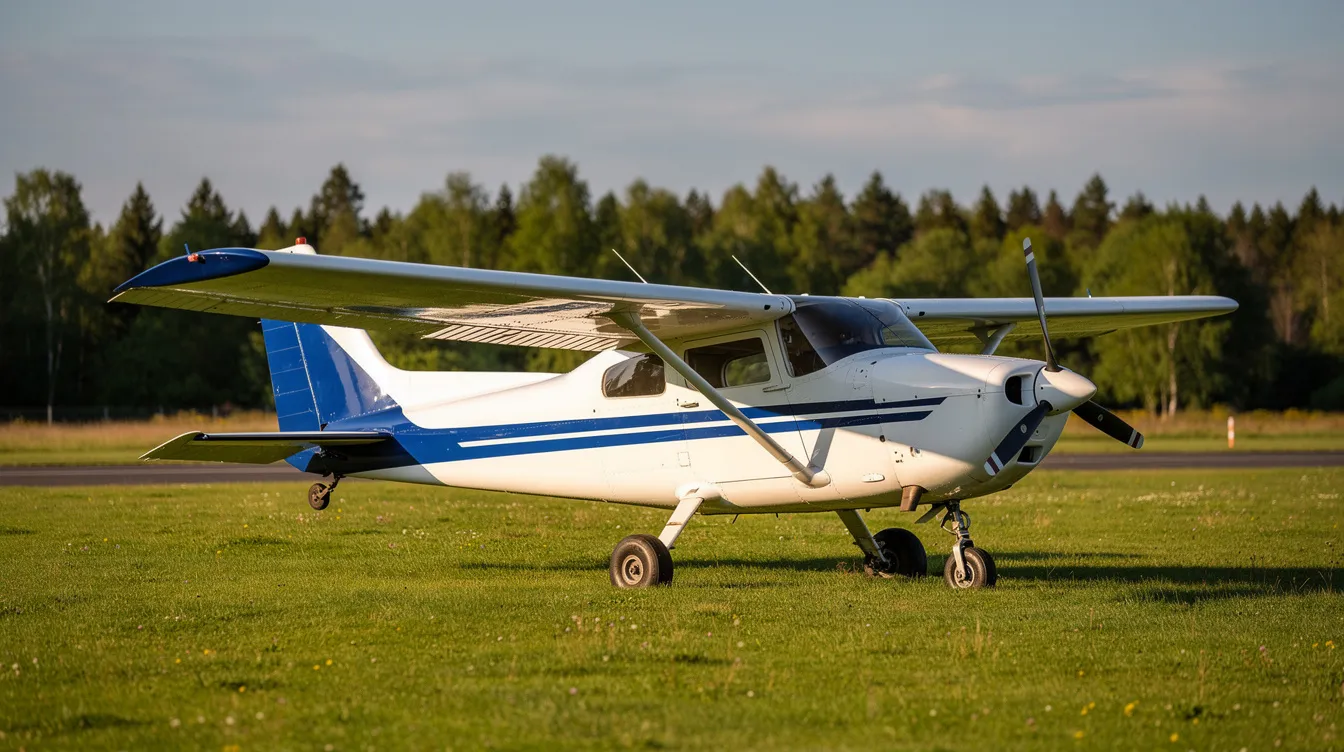
The Cessna 150M stands as one of the most recognized two-seat trainers in general aviation history. This article is tailored for student pilots, aircraft owners, and aviation enthusiasts who want to understand the enduring value, capabilities, and limitations of the Cessna 150M—knowledge that is essential for safe training, informed ownership, and appreciating its place in aviation history. Produced during the 1974–1977 model years, this late-production variant of the classic Cessna 150 line combines a 100 hp Continental O-200-A engine with refined systems, a wider vertical tail, and handling characteristics that continue to make it a favorite at flight schools and flying clubs worldwide. This article covers the aircraft's detailed specifications, real-world performance, training applications, popular modifications, and how pilots eventually move from trainers like the 150M to private jet charter when missions demand more speed, range, and capacity.
The Cessna 150M is a two-seat, high-wing, fixed tricycle-gear aircraft powered by a Continental O-200-A engine producing 100 hp, with a maximum gross weight of 1,600 lb, empty weight around 1,111–1,129 lb, useful load near 485–490 lb, and a standard fuel capacity of 26 gallons.
Its forgiving stall behavior, predictable rate of climb (~670 ft/min at sea level), and stable low-speed flight make it an ideal platform for primary flight training, time-building, and recreational flying.
The Cessna 150M is not a charter or transport aircraft. Travelers needing speed, comfort, and multi-passenger capacity for business or family trips turn to private jet charter platforms like Jettly.
This article covers detailed specifications (wing area, fuel consumption, sea level performance), cockpit layout, training use cases, common modifications, ownership costs, and how the 150M compares to charter aircraft.
The Cessna 150M is one of the final and most refined versions of the classic Cessna 150, produced primarily for the 1974–1977 model years by the Cessna Aircraft Company. It is a two-seat high-wing fixed tricycle-gear aircraft designed for ab initio flight training and personal flying.
It carries forward the Continental O-200-A engine producing 100 hp, offering straightforward systems, low fuel consumption, and forgiving handling characteristics ideal for student pilots. The 150M sits just before the introduction of the Cessna 152 in 1977, representing the culmination of incremental improvements across the entire 150 family.
Many 150M aircraft remain active in flying clubs and schools around the world in 2026. Parts for the Cessna 150M are widely available due to its large production numbers, and a strong owner community ensures ongoing support for maintenance and modifications.
The Cessna 150's first flight occurred in 1957, and the aircraft was introduced for the 1959 model year. Production lasted from 1958 to 1977, during which Cessna built nearly 23,839 units-making it one of the most successful two-seat civil airplane programs ever. Additionally, Reims Aviation produced licensed variants in France for the European market.
Over nearly two decades, Cessna iteratively refined the design. The Omni Vision rear window appeared in the mid-1960s, electric "Para-Lift" flaps were introduced in 1966, and the vertical tail shifted to a swept design in 1968. Later models featured circuit breakers replacing fuses, improved cabin trim, and updated instrument panel layouts.
The 150M generation consolidated these updates: more ergonomic controls, a larger vertical fin for improved crosswind and spin recovery, and minor aerodynamic tweaks. While the powerplant and basic performance remained similar to earlier variants, the 150M benefited from accumulated operational feedback gathered from thousands of training aircraft worldwide. The Cessna 150 was succeeded by the Cessna 152 in 1977.
The Cessna 150M was engineered for stability, simplicity, and benign handling characteristics-especially at low speed and near stall. The aircraft features forgiving handling characteristics for beginners, making it a reliable choice for the first year of flight training.
The high-wing, strut-braced layout gives good downward visibility through generous cabin windows, inherent stability, and predictable slow-flight behavior useful for students learning landing patterns. Wing struts support the all-metal semi-monocoque structure while keeping the design simple to inspect and maintain.
Control forces are light but not overly sensitive. The airplane tends to self-correct from small upsets, which helps build pilot confidence during pattern work and basic maneuvers. The Cessna 150M features improved rudder authority for better handling during crosswinds-a direct result of the enlarged vertical tail that added roughly 15% more fin and rudder area compared to earlier variants.
At sea level and gross weight, pilots can expect a best rate of climb around 670 ft/min and a stall speed in the low 40-knot range in landing configuration. The 150M's flap system can deploy up to 40 degrees for enhanced short-field performance, giving crews a meaningful tool for managing approach angles and touchdown points.
The Cessna 150M uses a semi-monocoque all-metal fuselage with conventional construction throughout. Key dimensions for a mid-1970s 150M:
|
Dimension |
Measurement |
|---|---|
|
Length |
23 ft 11 in |
|
Height |
8 ft 6 in |
|
Wingspan |
33 ft 2 in |
|
Wing area |
160 sq ft |
|
Cabin width |
3 ft 4.9 in |
That 160 sq ft wing area translates to low wing loading at gross weight-about 10 lb per square foot-which contributes directly to the gentle stall behavior and slow-speed controllability pilots appreciate. The cabin width means snug seating for two adults plus limited baggage behind the seats, with doors on both sides for entry and exit.
Understanding how empty weight, maximum gross weight, and useful load interact is essential for safe loading and trip planning in any airplane.
The Cessna 150M's empty weight ranges from 1,111 to 1,129 lb depending on installed avionics, paint, and configuration. Maximum certified gross weight is 1,600 lb, yielding a useful load around 470–490 lb. "Useful load" is the total weight available for occupants, fuel, and baggage once you subtract the aircraft's empty weight from its maximum gross weight.
Baggage capacity is usually limited to about 120 lb in the rear compartment, which restricts what two occupants can carry when fuel tanks are full.
Here is a practical loading scenario that illustrates the constraints:
Two occupants at 170 lb each: 340 lb
Full fuel (26 gallons × 6 lb/gal): 156 lb
Total: 496 lb-already exceeding a typical useful load of ~489 lb
Result: one passenger must be lighter, or fuel must be reduced, or baggage left behind
This kind of weight-and-balance exercise is a daily reality for any pilot who operates a 150M with more than one passenger aboard.
Standard fuel capacity on the Cessna 150M is 26 gallons, with slightly less usable due to the unusable fuel volume in each tank. Some aircraft are equipped with optional long-range tanks holding approximately 38 gallons total for extended cross-country flights.
The Continental O-200-A has a low fuel burn of 6–7 gallons per hour at typical cruise power settings (65–75%). During pattern work or lower-power training, fuel consumption often drops to 5–6 GPH according to the Cessna Flyer Association.
Practical still-air range on standard tanks runs about 300–350 nautical miles with required reserves. Under optimal conditions-higher altitude, lean mixture, light weight-maximum range can reach approximately 420 nm.
For training operations, instructors typically plan 1.5- to 2-hour lessons with comfortable fuel margins. Owners flying short regional trips accept these range limits, using the 150M for hops between nearby airfields rather than long-distance missions, while pilots considering longer journeys must think carefully about selecting the best cross-country aircraft for their travel needs.
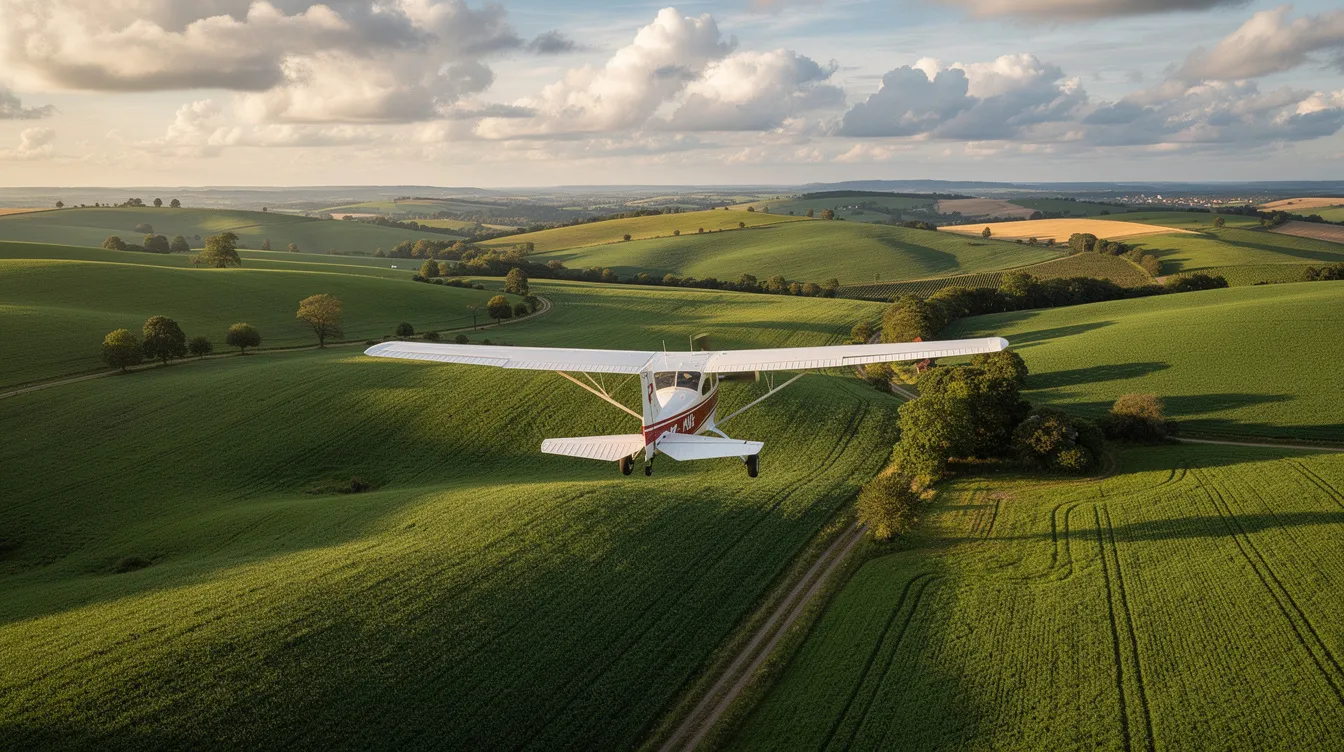
Performance figures for the Cessna 150M assume standard atmosphere, sea level, and gross weight. Real-world results vary with density altitude, loading, and aircraft condition.
|
Performance Parameter |
Value |
|---|---|
|
Takeoff ground roll |
735 ft |
|
Takeoff distance over 50-ft obstacle |
1,385 ft |
|
Landing ground roll |
445 ft |
|
Landing distance over 50-ft obstacle |
1,075 ft |
|
Best angle of climb (VX) |
61 knots |
|
Best rate of climb (VY) |
67 knots (670 ft/min) |
|
Stall speed clean (VS1) |
48 KCAS |
|
Stall speed landing config (VSO) |
42 KCAS |
|
Never-exceed speed (VNE) |
141 knots |
|
Maximum speed |
109 knots |
|
Cruise speed (75% power at 7,000 ft) |
106 knots |
These numbers reinforce that the airplane prioritizes economy and control feel over speed. At higher density altitudes-common at airports in the western United States during summer-takeoff distances stretch significantly and rate of climb drops, requiring careful performance planning from student pilots and their instructors.
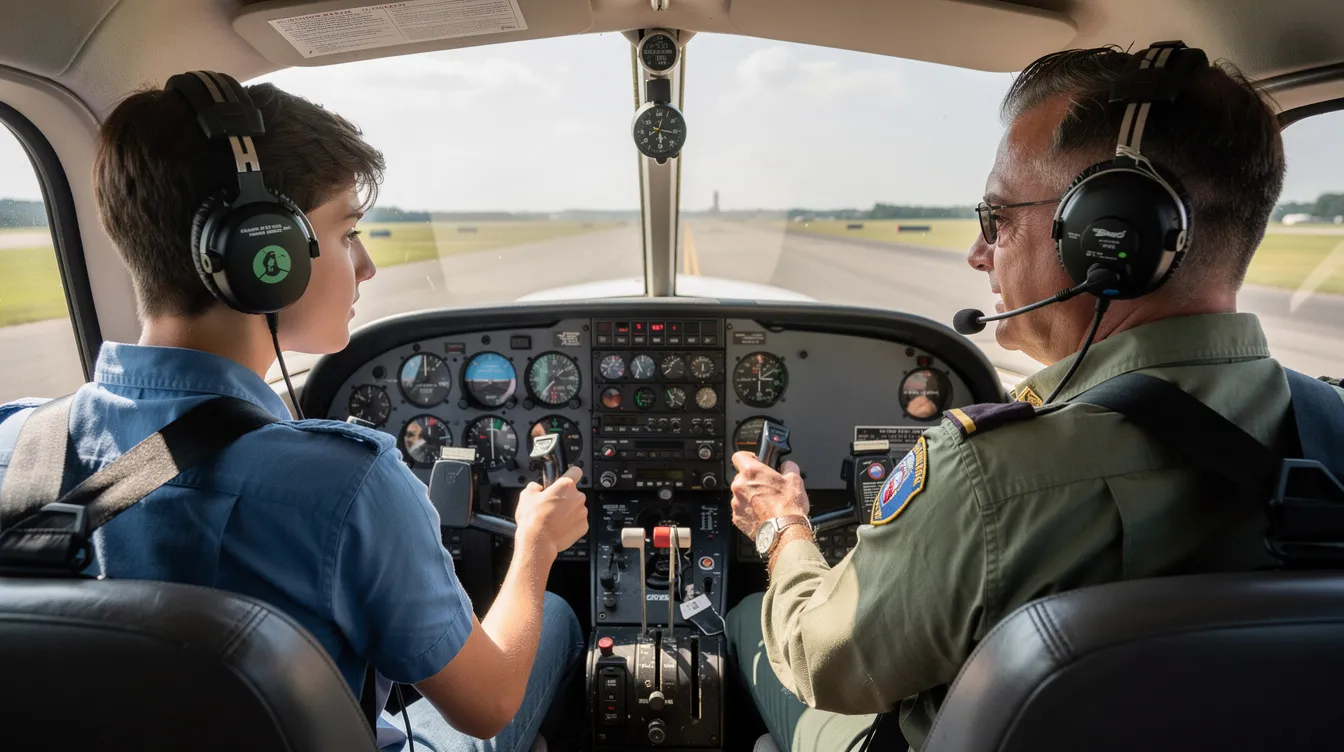
The Cessna 150M cockpit features side-by-side seating with dual controls-dual yokes and rudder pedals-allowing both instructor and student to fly from either seat. The cockpit is relatively cramped, making space limited for larger individuals, though adequate for typical training sessions.
Standard equipment includes traditional analog instruments: altimeter, airspeed indicator, turn coordinator, attitude indicator, and VSI. Engine management is straightforward-throttle, mixture, and carb heat-all centralized on the panel for easy access.
The electrical system, fuel system selection, and flap controls are intentionally simple, keeping pilot workload manageable during training. The aircraft is certified for day and night VFR operations, and many 150Ms carry landing and taxi lights as standard or approved additions.
By 2026, many operators have retrofitted their 150M aircraft with GPS units, ADS-B Out transponders, and sometimes compact glass displays installed on the instrument panel. These upgrades blend the classic airframe with modern avionics, improving safety and situational awareness without fundamentally changing the aircraft's mission.
The Cessna 150 is widely used for flight training and has trained hundreds of thousands of pilots worldwide. The 150M variant continues that tradition, serving as a primary trainer for private pilot license candidates from initial taxi practice through first solo and early cross-country flights.
Flight schools use it for pattern work, basic instrument maneuvers under the hood, and cross-country navigation exercises. Its low fuel consumption, modest maintenance costs, and easy handling characteristics make the aircraft attractive for students building hours toward commercial licenses. It is regarded as an ideal platform for primary flight training due to its forgiving characteristics.
Cessna 150M pilots commonly use it for time-building, local sightseeing, and recreational flying. Private owners accept limits on speed and payload for the trade-off of affordable per-hour operating costs.
A typical progression: a student logs 50–100 hours in a 150M, earning a private pilot license, then transitions to complex or multi-engine aircraft for advanced ratings or explores other affordable aircraft rental options and structures. The fundamentals learned while flying a 150M-energy management, crosswind technique, weight-and-balance discipline-carry directly into larger, faster airplanes.
The Cessna 150 has hundreds of available modifications supported by a robust STC ecosystem. The 150M airframe, in particular, benefits from strong aftermarket support.
Frequent upgrades include:
Modern avionics: GPS navigators, ADS-B Out/In, tablet mounts, and digital fuel gauges
LED landing and taxi lights replacing older incandescent bulbs
Cosmetic refurbishments: new paint, interior upholstery, and window sealing
Flap gap seals, which can provide 5–10 knot speed gains by reducing drag around the flap-to-wing junction
Vortex generators that lower stall speed and improve short-field performance
Performance-oriented modifications go further. Lycoming O-320 conversions deliver 125–150 hp, significantly improving climb, cruise, and useful load-especially in hot-and-high conditions. Constant-speed propellers improve takeoff performance when paired with engine upgrades. However, these changes increase fuel consumption and empty weight.
Specialized conversions occasionally involve 150M airframes: camera ports for aerial photography, and floatplane kits are available for water operations. Niche ski installations also exist for winter flying.
Every modification must comply with FAA regulations and carry approved documentation. Operators should note that changes can affect empty weight, useful load, and sometimes maximum gross weight limitations, which is critical knowledge for anyone renting an airplane and planning safe loading.
The Cessna 150M excels as a trainer and personal airplane. But its mission profile-two seats, roughly 100-knot cruise, 300–350 nm practical range-sits at the opposite end of the spectrum from the aircraft used for business and family travel.
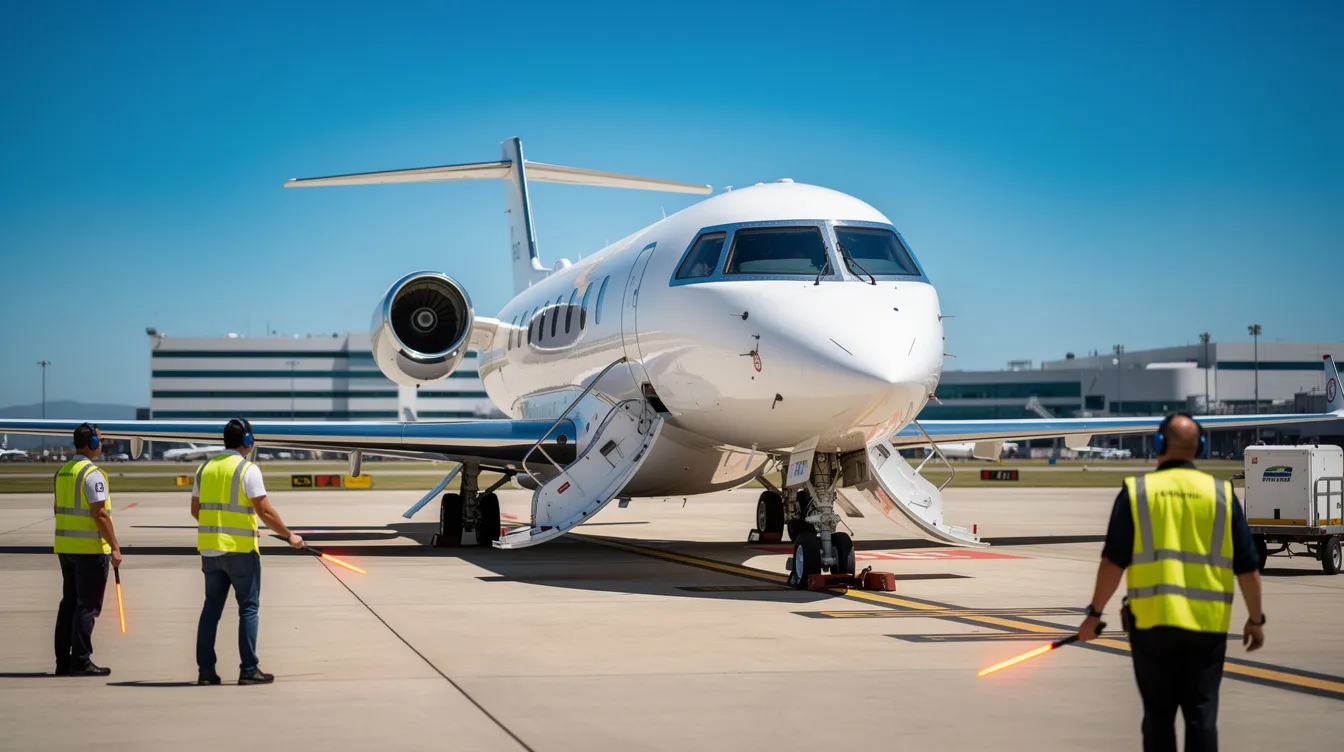
Consider the gap: a 150M carries one passenger plus the pilot at about 106 knots, while a typical light jet cruises above 400 knots with a range well above 1,000 nm and a cabin for 6–8 passengers. When pilots or travelers need to move teams, clients, or family quickly over longer distances, that gap becomes a commuter-level difference in capability, often pushing them toward private charter aircraft with far greater speed and capacity.
Digital charter platforms such as Jettly give travelers instant access to a large global inventory of jets, turboprops, and helicopters. The platform offers on-demand booking, transparent pricing through its charter cost estimator, and flexible membership options-all without the fixed costs and maintenance burden of aircraft ownership.
The progression makes sense: a pilot learns fundamentals in a Cessna 150M, appreciates what powered flight demands, and then, for real-world missions where time, comfort, and payload matter, turns to private jet charter to access larger, faster aircraft while weighing the true costs of chartering a private jet.
The following questions address practical concerns about the Cessna 150M that go beyond the core specifications and performance data covered above.
Performance between late-model 150s-such as the 150L and 150M-is broadly similar. The 150M often benefits from newer airframes, improved interiors, and refined systems layouts, including the enlarged vertical fin for better crosswind handling.
In practice, maintenance history, corrosion status, and avionics condition matter more than specific sub-model designation when picking a trainer. That said, many schools appreciate the incremental improvements of the M variant. Its handling characteristics remain classic Cessna 150: predictable stalls, stable approaches, and modest operating costs that make it fully suitable for modern training when well maintained.
Used 150M purchase prices generally fall between $25,000 and $60,000 depending on engine time, avionics, and cosmetic condition. The Cessna 150 typically costs 20–30% less than the 152 on the used market, making it an accessible entry point into aircraft ownership.
Annual operating costs for a private owner flying 75–150 hours per year include fuel (6–7 GPH at current avgas prices), routine maintenance, annual inspection ($1,200–$2,500), insurance ($1,000–$1,500), and hangar or tie-down fees ($1,000–$4,800 depending on region). PlanePHD estimates total annual cash costs around $15,000–$20,000 when flying approximately 100 hours per year.
Many Cessna 150M aircraft can be equipped and certified for IFR operations, provided they carry the required instruments, radios, and current inspections. The small cabin and limited performance are acceptable for initial IFR familiarization and basic instrument maneuvers under the hood.
However, some schools prefer larger trainers for extensive advanced instrument work due to comfort and payload limitations. Students should verify the specific aircraft's equipment list and maintenance status before planning serious instrument training in a 150M.
The Cessna 152 has a 110-hp Lycoming O-235 engine, a maximum gross weight of 1,670 pounds, and climbs at 725 feet per minute-modestly better than the 150M across the board. Noise levels are somewhat lower, and engine management is simplified for modern fuel grades.
From a handling perspective, both models feel similar with predictable, training-friendly flight characteristics and comparable cabin dimensions. The 150M often costs less on the used market, while the 152 offers marginal performance advantages. Operators typically choose based on availability, airframe condition, and local maintenance support.
The Cessna 150M is ideal for solo or two-person training and short leisure flights, but its limited useful load, speed, and range make it unsuitable for multi-passenger business trips or time-critical travel.
When travelers need to move several people quickly between cities-such as New York to Miami or Toronto to Vancouver-chartering a jet or turboprop saves significant time and offers a quieter, more comfortable cabin with real baggage capacity, especially when comparing the best private jet charter companies and platforms. Platforms like Jettly help those familiar with small training aircraft access the next step in capability, offering instant pricing, digital booking, and a network of thousands of charter-ready aircraft worldwide.
The Cessna 150M remains a late-model evolution of one of aviation's most important trainers, combining a 100 hp Continental engine, 1,600 lb maximum gross weight, modest fuel consumption, and gentle handling characteristics that define it as a flight training mainstay. Its empty weight and useful load figures set clear boundaries: efficient local training and recreational flights, not heavy or long-range travel.
Understanding aircraft like the Cessna 150M helps new pilots appreciate the performance gap between trainers and modern charter aircraft used for business and personal trips. The skills built in a 150M cockpit-precision, planning, respect for weight limits-translate directly to informed decisions about how to travel when the mission outgrows a two-seat airplane.
Ready to experience private travel on your terms? Explore flight options or request a quote at Jettly.com, and if you share aviation with an audience, consider joining Jettly’s high-ticket affiliate program for travel referrals.
Share this post:
Jay Franco Serevilla
Sep 21, 2026
|
5
min read
Discover tips and trends in the industry.
5
min read
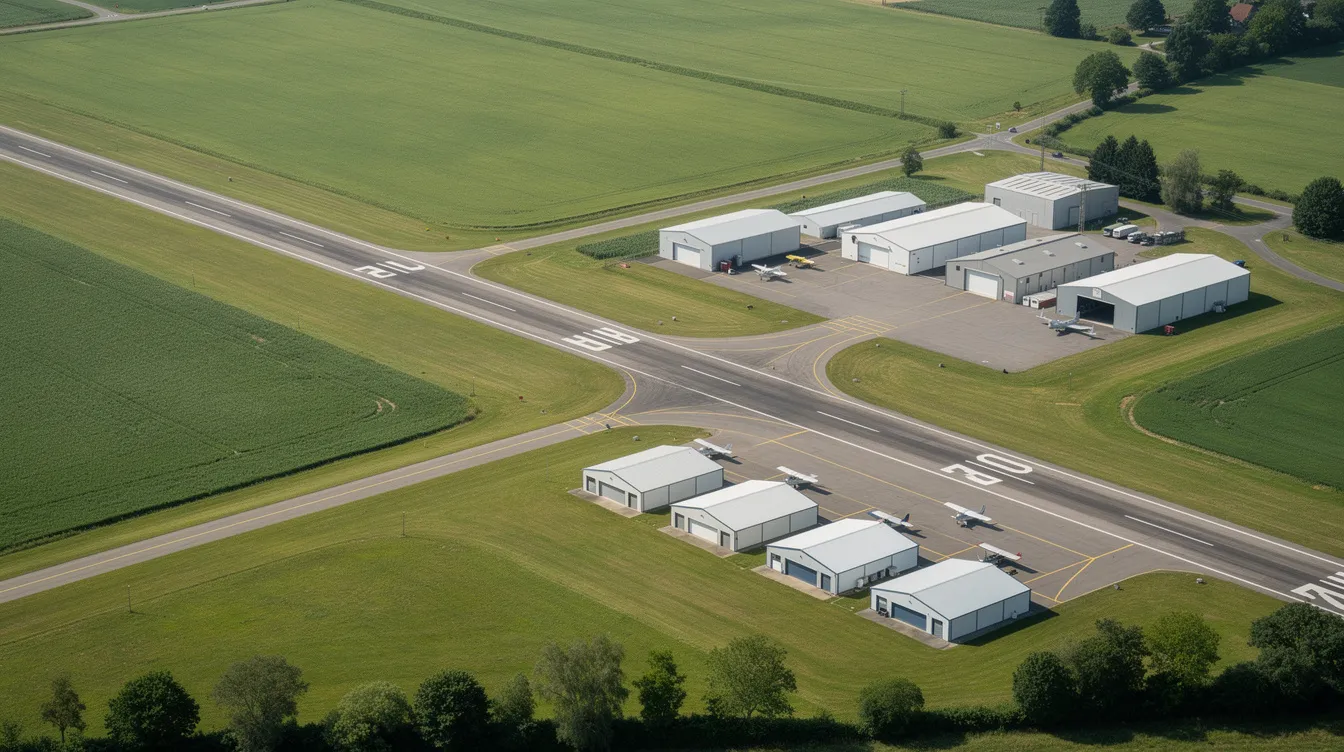
Ann Arbor Municipal ARB Airport Guide for Private Flyers
Ann Arbor Municipal Airport (ARB) is a key hub for private flyers in southeastern Michigan, located just 3 miles from downtown Ann Arbor. This guide provides essential information on airport facilities, ground transportation options, and private charter services through Jettly, making travel to and from ARB efficient and convenient.
Read More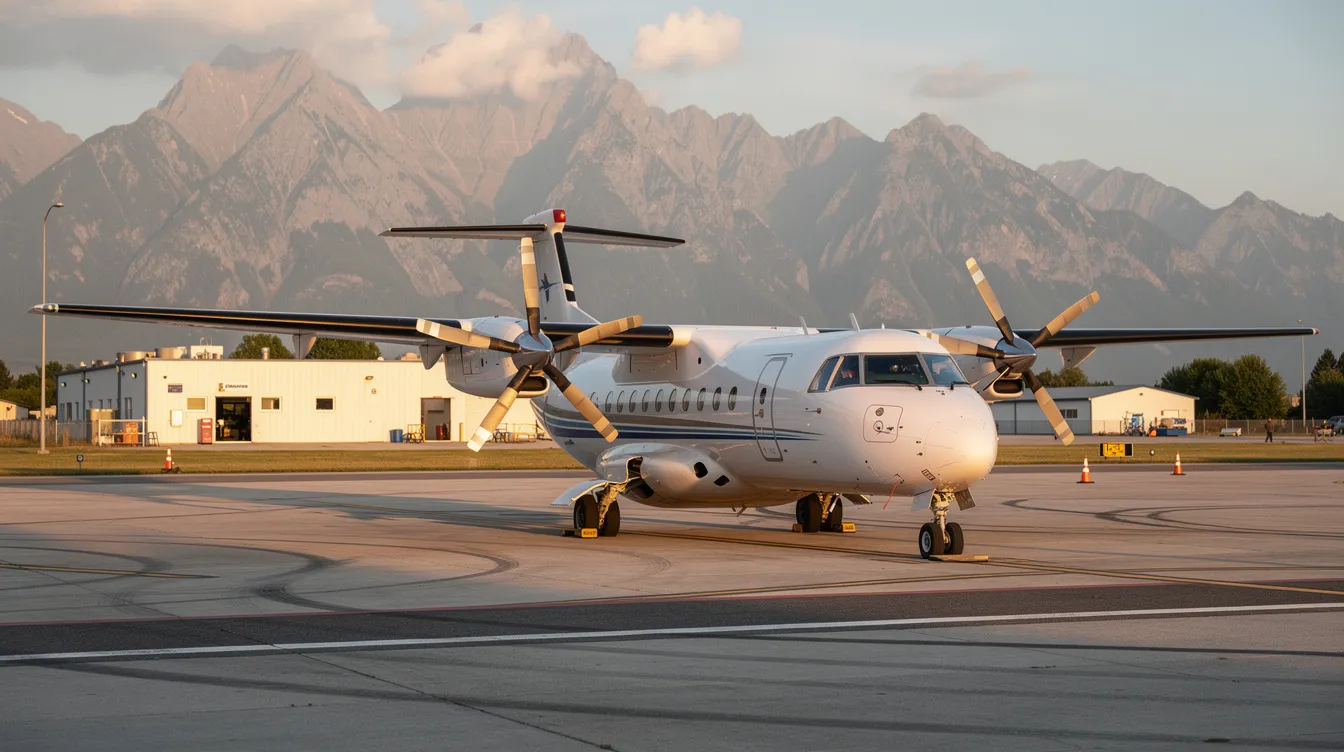
5
min read
Beechcraft 1900D: Stand-Up Cabin Regional Airliner Guide
The Beechcraft 1900D is a 19-seat regional airliner known for its stand-up cabin, allowing passengers to walk upright. Despite production ending in 2002, it remains a popular choice for charter, cargo, and corporate shuttle services due to its versatility and efficiency. This guide covers its history, performance, and how to book a charter through Jettly.
Read MoreStay updated with our latest insights and tips to elevate your journey with us.
MEMBERSHIPS AND ASSOCIATIONS



Disclaimer: Jettly operates as a charter broker, offering access to a global digital jet charter marketplace. Jettly is not a direct air carrier and does not own or operate aircraft. All advertised flights are conducted by third-party air carriers that are fully licensed and hold the appropriate Part 135 or Part 121 certifications issued by the Federal Aviation Administration (FAA) or equivalent regulatory authorities under U.S. or foreign law. Jettly complies fully with the U.S. Department of Transportation's Part 295 and Part 298 Charter Broker regulations. Jettly does not carry additional liability insurance. Passengers are covered by aircraft operator insurance. TICO: 50023770


