


Login
Get Instant Pricing On 23,000+ Aircraft

>
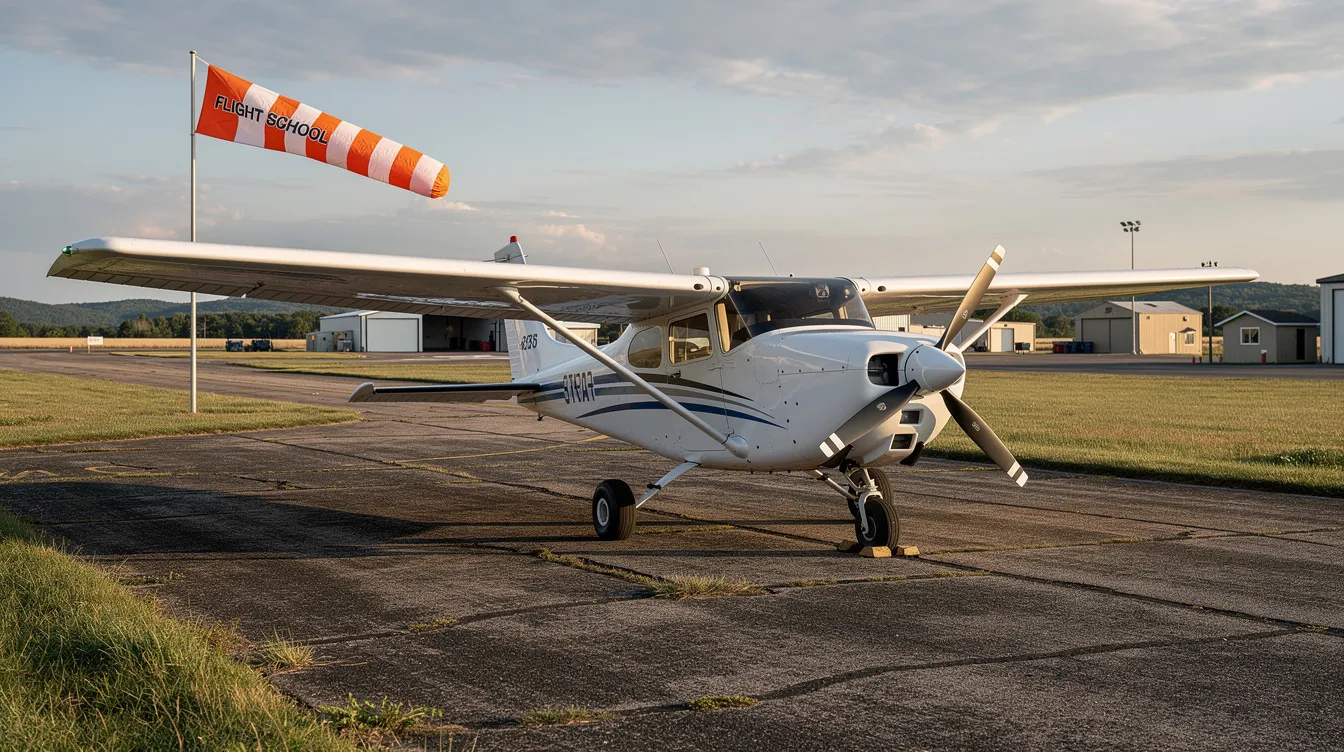
Choosing between a Cessna 152 and a Cessna 172 is one of the first real decisions student pilots face. This guide is designed for student pilots, flight school candidates, and anyone comparing these two popular training aircraft. Both aircraft sit in nearly every flight school lineup across North America, and the Cessna 152 vs 172 comparison touches everything from your per-hour training cost to how comfortable you are on a two-hour cross-country leg. This guide breaks down the key differences with concrete numbers so you can make a confident, budget-aware choice.
The Cessna 152 is a two-seat trainer with a 110 hp Lycoming engine, a cruise speed of 107 knots, and fuel burn around 6 gallons per hour. The Cessna 172 seats four, runs a 160 hp engine, cruises at 122 knots, and burns 8 to 10 gallons per hour.
The Cessna 152 has a lower hourly rental rate than the 172. Typical 2024-2025 wet rates run $100-$130/hr for the 152 versus $140-$180/hr for the 172; using the 152 can reduce training costs by up to 30%.
Key differences between the two aircraft include cabin space, engine power, range, useful load, and hourly operating cost.
Most student pilots will fly both types at some stage. The correct choice depends on your height, weight, budget, and where you are in the training syllabus.
Foundational training in small piston aircraft like the 152 and 172 builds the planning discipline and performance awareness that pilots carry forward into larger aircraft, and eventually into private jet travel through platforms such as Jettly.
Both the Cessna 152 and Cessna 172 are American-built, high-wing, fixed-gear trainers that have shaped the aviation industry since the mid-20th century. Their high wings, tricycle landing gear, and forgiving flight characteristics made them the standard training aircraft at flight schools worldwide.
The Cessna 152 traces its lineage to the Cessna 150. Cessna introduced the 152 in 1977, fitting it with a Lycoming O-235 engine optimized for 100LL avgas and bumping the gross weight above the 150's limits. Production ran until 1985, yielding roughly 7,584 airframes. Many of those airframes still fly daily at flight schools because the airplane is simple, cheap to maintain, and reliable enough for tens of thousands of circuits.
The Cessna 172 first flew in 1955 and entered mass production in 1956. It became the most-produced airplane in history, with more than 44,000 units built. Textron Aviation still manufactures newer models like the 172S Skyhawk, now equipped with Garmin G1000 NXi glass cockpits. Key evolutionary milestones include the switch from a straight tail to a swept tail, engine upgrades from 145 hp to 180 hp across variants, and the addition of integrated digital avionics in the 2000s.
Both types serve as a foundation for pilot career paths, from a first solo in the practice area through advanced ratings and, later, chartering larger aircraft or private jets for business travel.
Most global flight training fleets rely on the Cessna 152 and Cessna 172 because of their forgiving handling, widespread parts availability, and well-documented performance data.
Stable handling. Both are high-wing platforms with gentle stall behavior and a predictable flare. The Cessna 152 is lighter and more responsive for beginners, which helps develop precision with control inputs. The Cessna 172 is widely considered the gold standard for general aviation training because of its stable, well-mannered flight characteristics.
Visibility and safety. The high-wing design offers excellent downward visibility for ground reference maneuvers and traffic scanning. In off-airport landings, the wings sit above the cabin and offer some structural protection.
Maintenance and economics. Fixed tricycle gear, simple Lycoming engine support, and decades of parts inventory keep direct operating costs lower than many modern composite trainers. The Cessna 152 has a simpler control system that is beneficial for beginner pilots learning basic coordination.
Training versatility. Both airplane types cover initial PPL lessons, night flying, cross-country navigation, and basic instrument work. IFR-equipped 172SP and 172S models handle the full instrument training syllabus.
Students progressing to commercial careers or eventually chartering private aircraft benefit from starting on these standardized trainers because the habits, planning skills, and systems knowledge transfer directly to more complex machines.
Although both are classic trainers, their differences in size, performance, and cost change the learning experience and budget. The main comparison axes are cabin space and seating, engine power and performance, fuel burn and hourly cost, useful load, and mission suitability from pattern work to longer cross-countries.
Useful load refers to the combined weight of passengers, baggage, and usable fuel the aircraft can carry. Gross weight is the maximum allowable weight of the aircraft at takeoff.
|
Specification |
Cessna 152 |
Cessna 172 (172S) |
|---|---|---|
|
Seats |
2 |
4 |
|
Engine |
Lycoming O-235, 110 hp |
Lycoming O-320/IO-360, 160 hp |
|
Wingspan |
33 ft 4 in |
36 ft 1 in |
|
Cruise speed |
107 knots |
122 knots |
|
Fuel burn |
~6 gal/hr |
8-10 gal/hr |
|
Max takeoff weight |
1,670 lbs |
2,450 lbs |
|
Max gross weight |
1,670 lbs |
2,400-2,550 lbs |
|
Useful load |
500-600 lbs |
850-950 lbs |
|
Range (with reserves) |
~415 nautical miles |
~640 nautical miles |
|
Typical wet rental (2024-2025) |
$100-$130/hr |
$140-$180/hr |
For basic pattern work and early airwork, the 152's lower inertia makes each control input feel immediate; students learn to correct for gusts and drift quickly. The 172, with more power and weight, better approximates the feel of heavier touring and commercial aircraft, which helps during the transition to advanced training.
Many flight schools use both types strategically. The 152 covers early cost-effective hours in the course, and the 172 handles checkrides, night cross countries, and flights with more than one passenger onboard, while private pilots might later look at the best weekend plane rental options and costs when planning leisure trips.
Physical fit and comfort directly affect concentration and fatigue, especially on extended flights lasting one to three hours.
The Cessna 152's tight cabin may be uncomfortable for larger individuals. The cockpit is roughly 39-40 inches wide, with shoulder-to-shoulder seating and limited legroom. For an average-build student and instructor, it works. For a pilot over 6 ft 3 in, the floor-to-headliner space and knee room become an issue on longer flights. The Cessna 172 provides better accommodation for larger passengers and instructors due to its spacious cockpit. The cabin is arranged across four seats with more headroom, legroom, and room behind the front seats for bags or rear passengers. The Cessna 172 offers more cabin space for dual instruction, and DPEs often prefer it for checkrides because of the extra interior space.
Seating configuration matters for training logistics. The 152 allows only a student and instructor in the seat; no observer can ride along. The 172 permits carrying an extra student, family member, or safety pilot once weight and balance allow.
The 172's larger instrument panel also accommodates modern avionics, tablet mounts, and kneeboards, making IFR and advanced navigation exercises easier to manage without clutter.
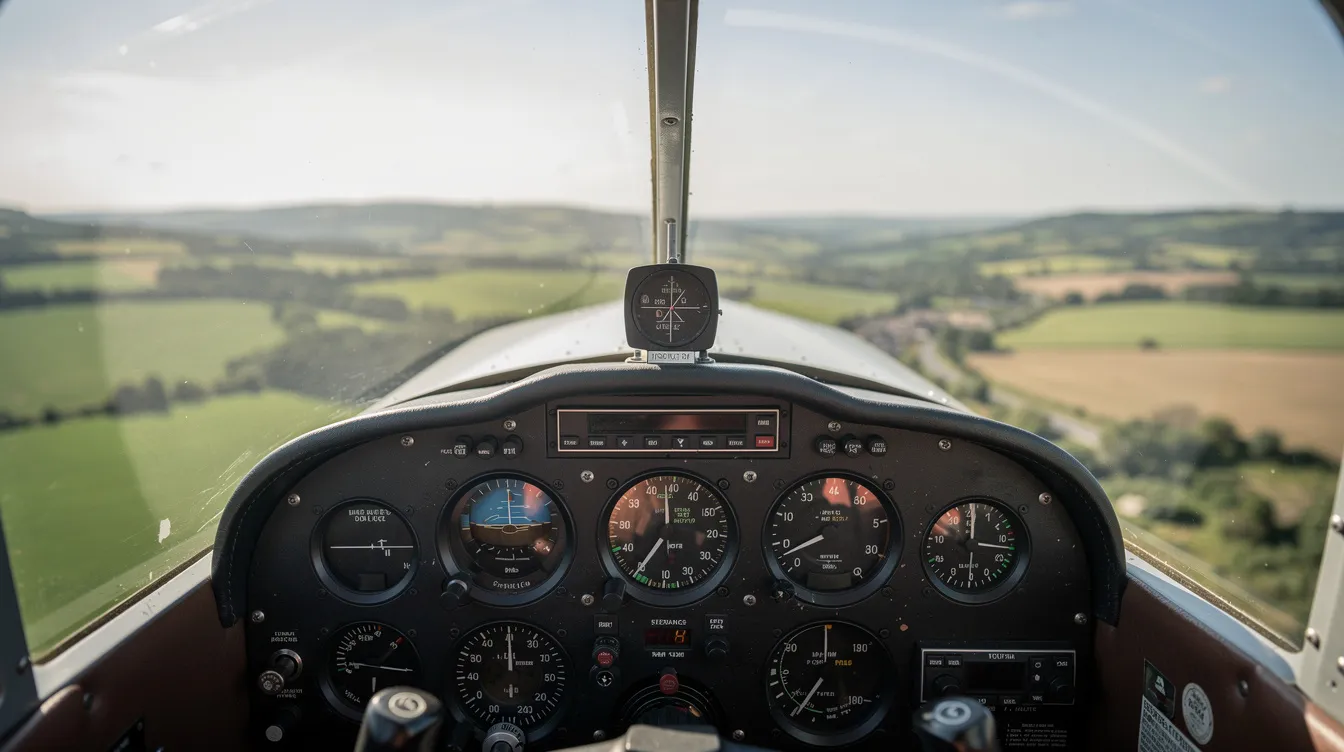
Both the Cessna 152 and Cessna 172 are slow by private jet standards, but the performance gap between them—including power, climb, and stall speed—still affects training scheduling, route planning, and safety margins on a hot day at a high-elevation airport.
The Cessna 152 runs a Lycoming engine producing 110 hp. That translates to a cruise speed of roughly 107 knots, fuel burn of approximately 6 gallons per hour, and a service ceiling near 14,700 ft. In hot-and-high conditions, the 152's climb rate drops noticeably, reducing the margin for obstacle clearance.
The Cessna 172 typically runs on a 160 hp engine (Lycoming O-320 in many models, IO-360 producing up to 180 hp in some variants). Cruise speed reaches 122 knots, fuel burn ranges from 8 to 10 gallons per hour, and the service ceiling sits around 14,000-14,200 ft for the 172S. The Cessna 172 has a higher maximum takeoff weight than the 152, and its extra horsepower improves climb rate and obstacle clearance at heavier weights. The Cessna 172 is a four-seat aircraft capable of cross-country training, and it is suitable for advanced training and cross-country capabilities that the 152 cannot match at heavier loads. Its slightly higher low-speed threshold also changes approach feel in training, while the 152 is often perceived as a bit more forgiving near the bottom of the envelope.
On range, the Cessna 152 has a range of approximately 415 nautical miles, while the Cessna 172 has a range of approximately 640 nautical miles. That difference matters when planning the FAA-required long cross-country solo; fewer fuel stops mean less time on the ground and a simpler flight plan.
Cost per hour is a major factor for student pilots choosing between a Cessna 152 and a Cessna 172, especially when the figure for total hours to license completion stretches toward 50-70 hours.
The Cessna 152 is considered economical for flight training. With less fuel burned per hour and simpler systems, the 152 is the cheaper option for basic lessons, pattern work, and solo hour building. The Cessna 152 is often used for basic flight training and hour building for exactly this reason. The Cessna 152 is ideal for solo training, where the student pays for every minute of air time.
Using the Cessna 152 can reduce training costs by up to 30% compared to doing all hours in a 172. Over a 60-hour PPL program, a "hybrid" strategy works well: fly the first 25-30 hours in a 152 at around $110/hr (roughly $3,300 in rental), then transition to the 172 for cross country, night, and checkride preparation at $160/hr for 30 hours ($4,800). Total: about $8,100. Doing all 60 hours in the 172 at $160/hr costs $9,600, a difference of $1,500 or more.
The 172 costs more per hour, but its ability to carry more weight and handle advanced training segments reduces the need for upgrading to a third type later, so the money and time spent is efficient, similar to how understanding affordable aeroplane rent costs and options helps optimize overall flying budgets.
This kind of cost optimization mirrors how private travelers later compare fractional ownership versus jet cards or structured jet card programs with fixed hourly rates or on-demand charter. Jettly offers transparent pricing for private flights so that costs remain predictable, much like budgeting your training hours between two trainer types.
Avionics fit can strongly influence the learning curve and IFR readiness. The difference between a traditional "six-pack" steam gauge panel and a modern glass cockpit is not just cosmetic; it changes how a student processes information in flight.
Many older Cessna 152 airframes retain analog instruments, basic radios, and manual flaps. This setup is ideal for building a fundamental instrument scan, practicing VOR/NDB navigation, and developing raw stick-and-rudder skills without digital distractions.
The Cessna 172 is easier to equip with modern navigation electronics. Newer models like the 172S commonly feature Garmin G1000 or G1000 NXi avionics, integrated autopilots, and moving-map GPS, similar in concept to the advanced avionics found in a Cessna 340 business-class twin. These systems make the 172 a better fit for instrument rating preparation. The Cessna 172 is preferred for advanced training and checkrides partly because of this avionics advantage.
Starting in analog and progressing to glass has one thing going for it: students learn what the instruments actually measure before relying on a computer to display it. But students who start in glass cockpits tend to develop stronger situational awareness earlier. Either path works; the key is getting exposure to both during training.
The avionics familiarity gained in a 172 transfers directly to more complex aircraft and private jets, where glass cockpits and FMS are standard. For pilots who later book chartered flights through platforms like Jettly, the systems thinking learned here makes cockpit environments feel more intuitive.
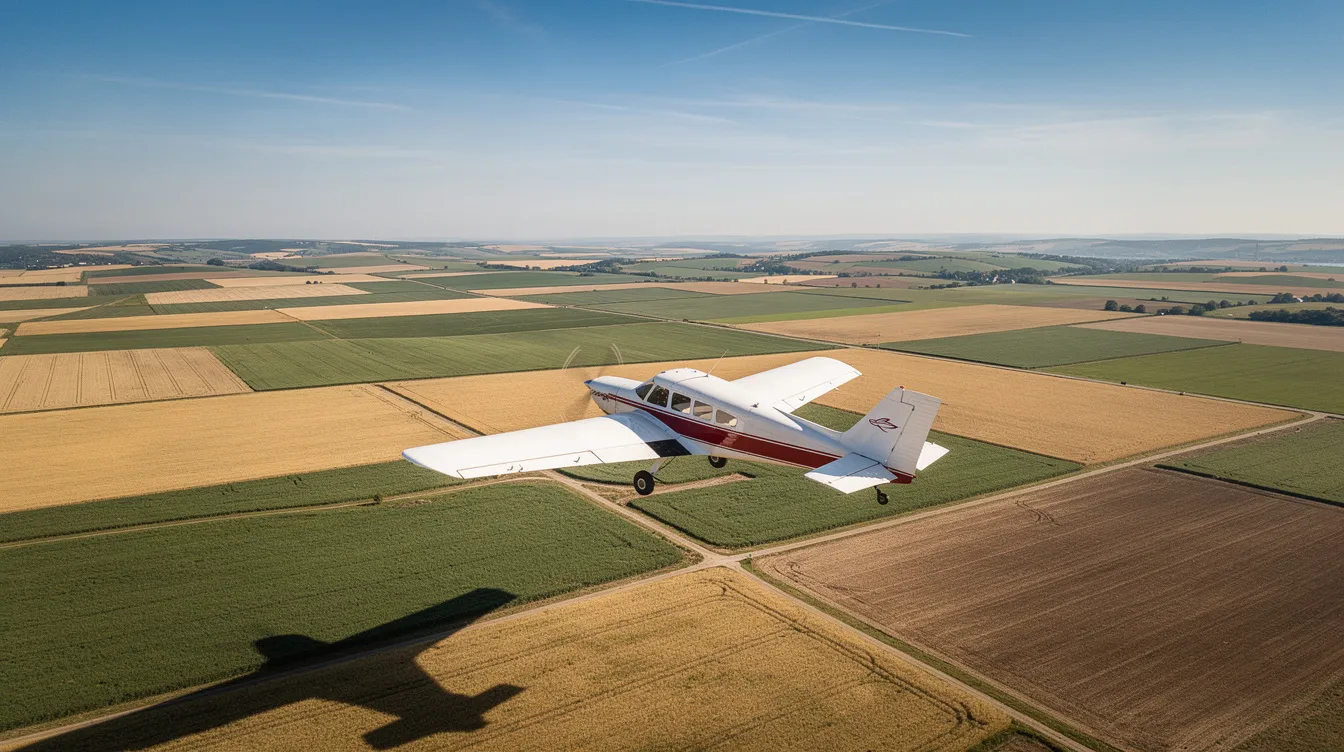
There is no universal winner. The correct choice depends on body size, training goals, budget, and what your local flight school fleet looks like.
Choose the Cessna 152 if:
You are average build or smaller and fit comfortably in the seat with your instructor.
Budget is tight, and you want to spend less per hour during early training.
You want to master fundamental handling at lower speeds, with a lower stall speed that reinforces that slower-speed training feel before adding complexity.
You plan to use the plane for pattern work, solo practice, and fun building hours.
Choose the Cessna 172 if:
You are taller or heavier, and the 152's cabin feels restrictive.
You plan to carry passengers soon after licensing.
You are targeting an instrument rating, commercial license, or airline career.
The Cessna 172 offers greater versatility for different training profiles with its four seats and higher useful load, and its higher stall speed gives approach and landing a different feel, much like stepping up from simple aircraft rental into more structured options once you understand how renting a plane works end-to-end.
Note that the Cessna 152 has strict weight and balance limitations, especially with full passenger load, so a heavier student plus a heavier instructor can push the airplane past its limits even before adding full fuel.
Try a demonstration flight in both types if your flight school permits. Pay attention to comfort, control feel, and visibility in windy conditions; then discuss options with your instructor. A practical path: spend 20-30 hours in the 152 for early landings and airwork, then transition into the 172 before longer cross-countries and checkride phases.
Once training is complete and time-sensitive trips become common, many pilots shift from renting 172-class aircraft to chartering turboprops or light jets or other private charter aircraft. Jettly's digital marketplace lets you price and book those private flights quickly.
The skills learned in a Cessna 152 or 172 do not stay in the practice area. Range planning, payload calculations, and weather decision-making in a small airplane mirror the core thinking used when selecting a suitable private aircraft category or evaluating the cheapest private aircraft options for your budget for a trip.
Consider a student pilot who trains in a 152 in 2024, upgrades to a 172 for IFR work in 2025, and by 2028 needs to cover a multi-city business itinerary that a slow piston plane cannot handle, prompting them to research how much a private jet really costs. A private jet charter via Jettly, with access to over 20,000 aircraft, an integrated airport locator and booking platform, and instant digital pricing, becomes the logical next step. No long-term ownership commitment, no jet card minimums; just the right aircraft matched to the mission.
Even pilots who never plan to own a 172 benefit from understanding the 152 vs 172 performance comparison. It makes them more informed users of charter services, better able to pass along the correct payload and range requirements when booking a flight and to interpret one-flight private jet cost breakdowns accurately.
These questions address common Cessna 152 vs 172 concerns not fully covered above, focused on practical training and planning.
Both aircraft land similarly thanks to their shared high-wing, tricycle-gear layout. The 152's lighter weight can make it more sensitive to gusts during the flare, while the 172's extra mass and different stall speed provide a bit more stable feel on approach. Difficulty with landings usually depends more on wind conditions, runway length, and instructor technique than on the specific model. Students successfully solo in either type every day.
Yes. The FAA, EASA, and Transport Canada all allow the full PPL syllabus and checkride in a single aircraft type, whether a Cessna 152 or 172, as long as it is appropriately equipped. Some schools encourage mixing types to optimize cost and capability, but it is not mandatory.
The Cessna 172 is the clear choice for carrying more than one passenger plus light baggage within weight-and-balance limits. Its four-seat layout and useful load of 850 to 950 lbs give practical room. The 152 is limited to two occupants and a modest payload, making it more suitable for solo flights or flying with just one companion, whereas larger groups might instead consider chartering a Cessna 207 with six to seven seats.
Training in a 172 can smooth the transition to heavier, faster aircraft. Higher approach speeds, greater momentum, and more complex avionics in the 172 resemble what pilots encounter in turboprops and business jets. That said, core stick-and-rudder skills from either the 152 or 172 transfer well. Later experience, whether self-flying or riding in chartered jets arranged through Jettly, further familiarizes pilots with professional-grade cockpits.
Renting a Cessna 152 or 172 is ideal for local training flights, short leisure hops, and hour building at the airport. Private jet charter is designed for fast, weather-flexible travel over hundreds or thousands of miles, often using operators featured in the ultimate list of charter airlines and private flight options. For time-critical business itineraries or long-distance family travel, on-demand charter via a digital marketplace like Jettly saves hours compared to flying a light piston aircraft or piecing together commercial connections, and can be a compelling NetJets alternative for flexible private flying. You can compare costs using a private jet cost calculator or a dedicated jet card flight cost estimator before booking.
The key differences between the Cessna 152 and Cessna 172 come down to cabin space, engine output, fuel burn, payload, and rental rates. The 152 is the more economical, compact two-seat trainer that does a stable, reliable job for early flight training. The 172 is roomier, delivers more power, and excels in cross-country, IFR, and checkride roles.
Many student pilots benefit from flying both types. Starting in the smaller, cheaper trainer builds confidence and saves money; moving to the 172 adds capability at the right time. That progression, from a basic trainer to a more capable airplane to eventually chartering jets, follows a logical line.
Ready to plan business or leisure trips beyond light piston range? Explore private flight options, review affordable private jet charter costs and savings strategies, or request a quote at https://www.jettly.com.
Share this post:
Jay Franco Serevilla
Aug 12, 2026
|
5
min read
Discover tips and trends in the industry.
5
min read
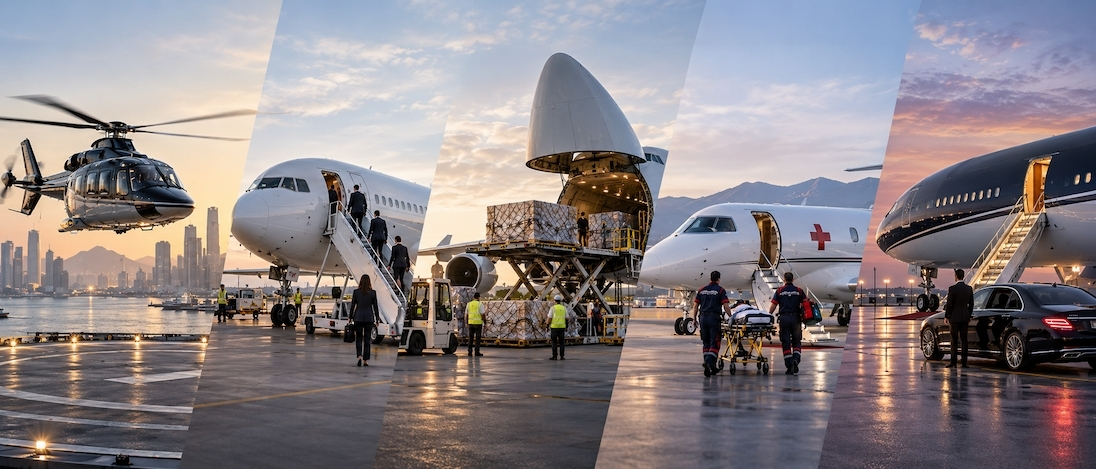
Jettly Launches Special Missions, Expanding On-Demand Access to Helicopters, Group Charter, Cargo, Medevac and VIP Airliners
Jettly has launched "Special Missions," integrating complex charter categories—including helicopters, group charter (18–200 seats), cargo freighters, medevac flights, and VIP airliners—into its instant-pricing digital marketplace. Supported by a network of over 23,000 aircraft and 24/7 flight operations, the feature replaces slow, offline sourcing with transparent digital access for high-stakes, specialized flying.
Read More
5
min read
Tom Brady's Aviation Habits After His Retirement From Pro Football
Tom Brady’s post-NFL career has transformed his travel needs from those of a professional athlete into those of a broadcaster, investor, and business executive. While he has long been associated with the Gulfstream G550, the economics of private aviation suggest that flexible access can be more efficient than whole-aircraft ownership for travelers flying fewer than several hundred hours per year. His evolving schedule illustrates why depreciation, fixed operating costs, productivity, and fleet flexibility increasingly shape how ultra-high-net-worth travelers approach private aviation.
Read MoreStay updated with our latest insights and tips to elevate your journey with us.
MEMBERSHIPS AND ASSOCIATIONS



Disclaimer: Jettly operates as a charter broker, offering access to a global digital jet charter marketplace. Jettly is not a direct air carrier and does not own or operate aircraft. All advertised flights are conducted by third-party air carriers that are fully licensed and hold the appropriate Part 135 or Part 121 certifications issued by the Federal Aviation Administration (FAA) or equivalent regulatory authorities under U.S. or foreign law. Jettly complies fully with the U.S. Department of Transportation's Part 295 and Part 298 Charter Broker regulations. Jettly does not carry additional liability insurance. Passengers are covered by aircraft operator insurance. TICO: 50023770


