



Login
Get Instant Pricing On 23,000+ Aircraft

>
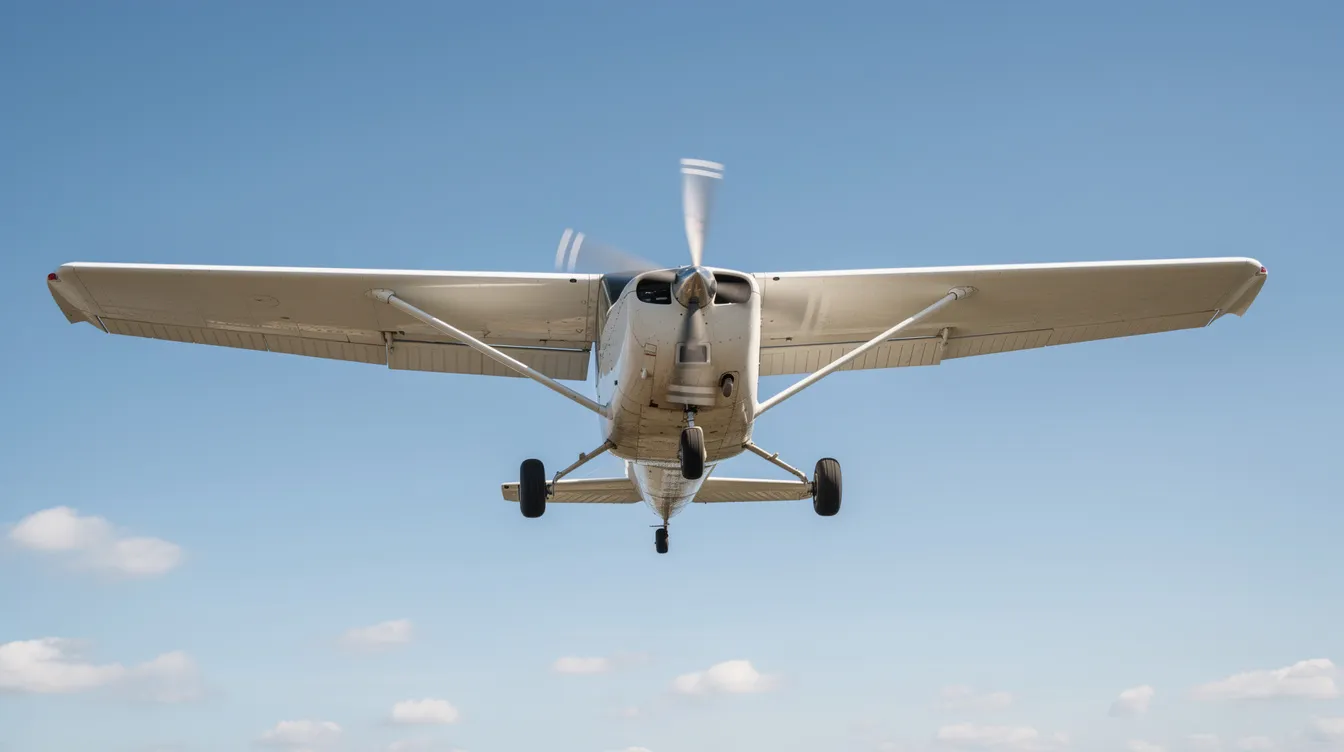
The Cessna 172 G limit is one of the most important numbers a pilot needs to know before flying this iconic airplane. Whether you're a student pilot starting flight training or an experienced aviator reviewing limitations, understanding how many g-forces the Cessna 172 Skyhawk can handle is directly tied to safety, airframe longevity, and smart decision-making in the cockpit. This guide breaks down the certified load factors, explains how weight, speed, and configuration affect them, and connects G-load awareness to practical flying scenarios.
Most Cessna 172 and Cessna 172 Skyhawk models are certified to +3.8 G / −1.52 G in the normal category and +4.4 G / −1.76 G in the utility category, with flaps up.
Lowering flaps reduces the positive limit load factor to +3.0 G regardless of category, so configuration awareness is critical during maneuvers and approach.
Exceeding these limits, especially at or above maneuvering speed, can lead to permanent structural damage or catastrophic structural failure. The ultimate load limit is 150% of the specified load limit.
The 172 should not be treated as aerobatic even within its G limit, as its structural design and systems are not configured for sustained aerobatic maneuvers.
The Cessna 172 has a fuel capacity of 56 gallons, with approximately 53 gallons usable.
Fuel burn at 75% power ranges from 9 to 10 gallons per hour, giving the aircraft a practical endurance of about 4–5 hours.
Flying at higher altitudes improves fuel efficiency and range by 10–15%.
In turbulence, gust loads can cause significant structural stress, requiring pilots to fly at or below maneuvering speed and use smooth control inputs.
The FAA certifies the Cessna 172 Skyhawk under specific operational and weight categories, affecting G limits and allowable maneuvers.
Aircraft weight significantly influences structural G-limits and maneuvering speed, with higher payloads reducing range.
The Cessna 172 is the most produced aircraft, with over 44,000 units, featuring a high-wing design for excellent visibility and stability.
It offers forgiving handling characteristics for student pilots and a maximum cruise speed of 124 knots.
The aircraft can fly approximately 600–800 nautical miles on a full tank, though range decreases to about 440 NM when fully loaded.
Private jets can fly nonstop over 1,000 nautical miles and cruise three to four times faster than a Cessna 172.
Private jet charter offers instant booking, transparent pricing, and access to smaller airports and FBOs, saving hours on long trips.
A "G limit" is the maximum positive and negative load factor the Cessna 172 structure is certified to withstand without permanent deformation. In simple terms, it tells you how many g-multiples of gravity the wings, fuselage, and tail can safely handle during flight.
For a modern Cessna 172 Skyhawk in the normal category, the certified limits with flaps up are:
Positive: +3.8 G
Negative: −1.52 G
When flaps are extended, the positive limit drops to +3.0 G.
Many 172 models also carry a utility category envelope, applicable when weight and center of gravity fall within a narrower range. In the utility category, flaps-up limits increase to +4.4 G and approximately −1.76 G, suitable for certain approved training maneuvers like spins and chandelles.
These are "limit loads" used in certification. Under FAR Part 23, aircraft structures must withstand limit loads without permanent deformation, and they are tested to an ultimate load of 1.5 times the limit load before structural failure occurs. That safety factor exists as a buffer, not as an operational target.
Every G limit is tied to configuration, including flap position, gross weight, center of gravity, and sometimes fuel load. Pilots must confirm exact numbers in the Pilot's Operating Handbook for their specific model and year.
The FAA certifies the Cessna 172 Skyhawk under specific operational and weight categories. The two relevant categories for the 172 are normal and utility. The airplane was never certified as an aerobatic aircraft.
The normal category covers standard operation, including flight training, cross-country travel, and non-aerobatic maneuvers. Load factor limits sit at +3.8 / −1.52 G. This is where most flight schools and private owners operate the airplane day to day.
The utility category applies when the aircraft is at or below a reduced maximum gross weight with the center of gravity within a forward range. Rear seats and baggage compartments are typically required to be empty. In this configuration, limits increase to +4.4 / −1.76 G, and maneuvers like spins (where approved by the POH) become permissible under instructor supervision.
Not all 172 variants publish a utility category envelope. Some older or modified airframes may only carry normal category approval, so pilots must check the specific aircraft documents rather than assuming the ability to operate in utility.
Certification category also affects insurance requirements and which maneuvers instructors can demonstrate during advanced student pilot training sessions.
Exceeding specified load factor limits can compromise an aircraft's structural integrity. The consequences range from permanent deformation of wing spars and stretched rivets to catastrophic structural failure of wings, empennage, or engine mounts.
Positive G, produced by pulling back on the yoke, loads the wings upward and compresses the lower spar cap. Negative G, from pushing forward, reverses those stresses. The negative limits are smaller in magnitude because parts of the structure and systems (fuel and oil, for instance) are less robust under reversed loading.
Consider a concrete example: a steep turn at too high an airspeed in severe turbulence can momentarily exceed +3.8 G, especially if the pilot over-controls with an abrupt pull. That single event may cause hidden damage that only shows up later as cracks or skin wrinkling near the wing root.
Aircraft weight significantly influences structural G-limits in practice. The same G number at maximum gross weight produces far more absolute force on the structure than at a lighter weight. Repeated operation near limit loads, even without exceeding them, accelerates metal fatigue over the airplane's life.
Staying below maneuvering speed and using smooth control inputs are the primary defenses against over-G events in turbulence or aggressive maneuvering.
Routine flight training maneuvers in a Cessna 172 stay well below certification G limits when flown correctly. Here is what pilots typically encounter:
|
Maneuver |
Approximate G Load |
|---|---|
|
Straight-and-level cruise |
~1.0 G |
|
Normal turns (15–30° bank) |
1.1–1.3 G |
|
Steep turns (45–50° bank) |
1.4–1.7 G |
|
Abrupt pull-up or turbulence spike |
2+ G (if mishandled) |
Load factor increases rapidly with bank angle during coordinated turns. A 60-degree bank produces 2.0 G, which is still within limits but already halfway to the normal category ceiling.
Students often feel "heavy" in the seat during steep turns or pull-ups. That physical cue is a practical way to understand G forces in a controlled environment. Instructors use the Cessna 172's forgiving handling characteristics and clear G margins to teach safe maneuvering, upset recovery basics, and awareness of structural limits.
The Skyhawk's sedate G environment during training contrasts sharply with aerobatic trainers that routinely operate at +6 G or more, which is precisely why the 172 is not used for aerobatics.
Maneuvering speed is the maximum speed at which full, abrupt control deflection should not overstress the Cessna 172 within its G limits. It is crucial for preventing structural overload during abrupt control inputs.
Va varies with weight. For a Cessna 172S at its maximum takeoff weight of 2,550 lbs, Va is approximately 105 KIAS. At 2,200 lbs, it drops to around 98 KIAS, and at 1,900 lbs, it falls to roughly 90 KIAS.
The interaction between G loads and Va works like this:
At or below Va, the wing should stall before G limits are exceeded, protecting the structure.
Above Va, structural stress can exceed +3.8 G before a stall occurs, meaning the airframe absorbs the full load.
Stall speed increases with load factor due to the need for more lift at higher G. This is why the wing "protects" the structure at lower speeds — it simply cannot generate enough lift to break anything.
Student pilots should memorize or have quick access to the V-A for their training aircraft's current weight. Flying in turbulence faster than Va can combine gust loads with pilot inputs to produce brief but potentially damaging over-G events.

Weight and fuel load influence both the structural loading experienced and the published maneuvering speeds, even though the certified G limits themselves remain fixed numbers.
The Cessna 172 has a fuel capacity of 56 gallons, with usable fuel of approximately 53 gallons. At a fuel burn rate of 9–10 gallons per hour at 75% power, practical endurance is approximately 4–5 hours. The maximum takeoff weight affects fuel capacity and payload directly — higher payloads reduce the range of the Cessna 172.
Fuel management matters for G-load awareness in two ways:
At higher gross weight (full passengers, baggage, and near maximum fuel capacity), the same G produces more absolute force on the structure. Pilots should be especially smooth near max weight.
As fuel burns off, the airplane gets lighter. Pulling the same G produces lower absolute loads, but Va decreases, requiring speed adjustments.
Flying at higher altitudes improves fuel efficiency by 10–15%, extending range while also reducing weight over time.
Configuration plays a critical role as well. Lowering flaps reduces the positive limit load factor to +3.0 G, a significant reduction from the clean-wing limit. Pilots must respect this lower limit during approach and pattern work.
Modifications via STCs, such as increased gross weight kits, different landing gear, or long-range fuel tanks, may alter envelopes. Pilots must review the revised, approved flight manual supplement data for any modified airplane.
In turbulence, gust loads can cause significant structural stress that combines with any pilot-induced G to create dangerous spikes. Careful speed and attitude control are vital for protecting the airframe.
Key practices for turbulence:
Fly at or below turbulence penetration speed (typically Va or below) in moderate or greater turbulence to keep gust loads within the +3.8 G normal category limit.
Use smooth control inputs. Avoid abrupt pitch changes and reduce bank angle when encountering gusts, especially during training flights with students.
Watch for cockpit cues: increased seat pressure, airspeed fluctuations, and stall warning horn activation in gusts. Instructors teach students to react without over-controlling.
Turbulence in a light prop plane like the Cessna 172 feels noticeably rougher than in a larger private jet. Jets ride turbulence more smoothly due to greater mass, higher wing loading, and advanced autopilot systems that dampen uncommanded pitch and roll inputs.
While published G limits mainly describe in-flight structural load factors, hard landings and side loads can impose damaging G spikes on the Cessna 172 landing gear and airframe.
The Cessna 172 features a fixed tricycle landing gear designed to absorb typical training landings, including minor student pilot errors, without structural failure. The nosewheel, mains, and their attachment points to the fuselage and wings are built for repeated use in a training environment.
Signs of gear overstress after a hard landing include:
Wrinkled skin near the gear legs or wing root
Bent firewall or deformed engine mounts
Misaligned nosewheel or doors that no longer close flush
Any suspected hard landing should trigger a post-landing inspection per the manufacturer's Structural Repair Manual before further flight.
Proper landing technique — correct flare timing, stabilized approach speed, and avoiding excessive sink rate — keeps vertical G loads within safe ranges during touchdown and rollout. In contrast, private jet operations benefit from professional crews, longer runways, and more robust landing gear that reduce the likelihood of structurally damaging landings.
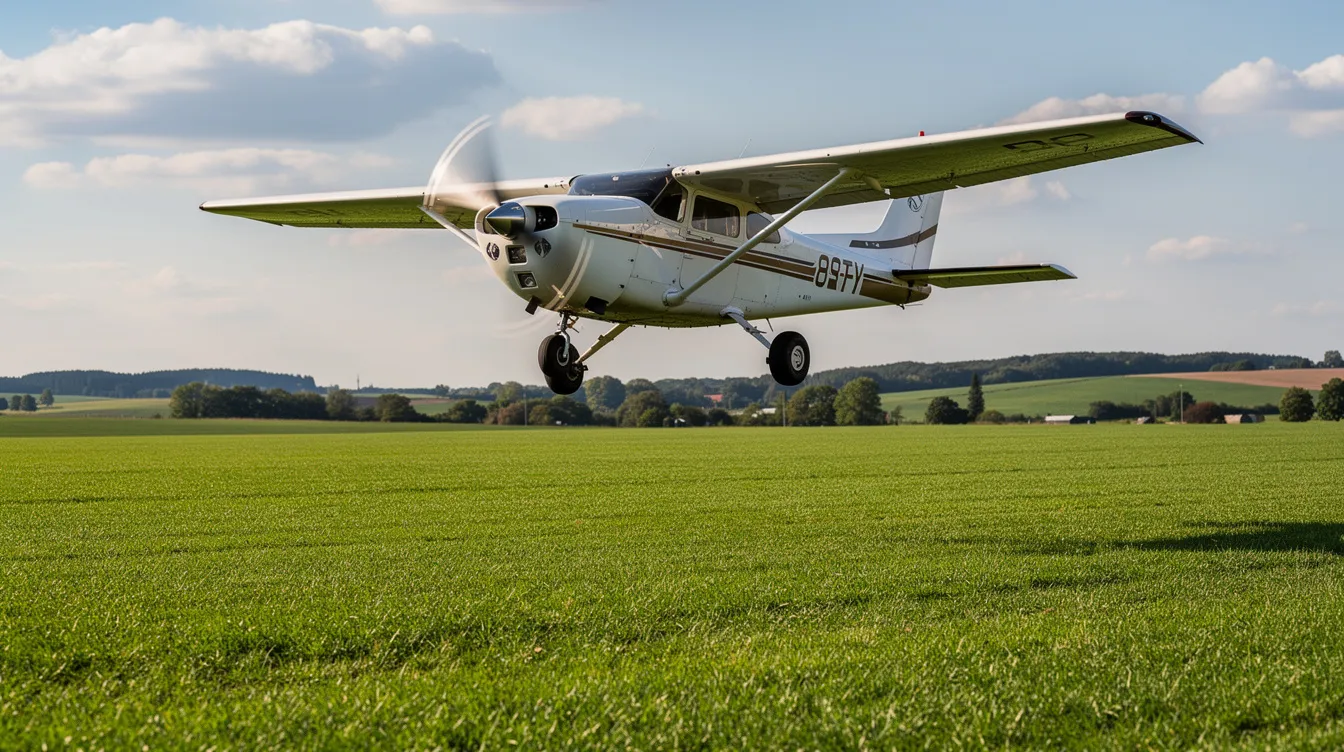
G-limit awareness is woven directly into flight training syllabi. Stalls, steep turns, slow flight, and basic upset recovery all teach students how to manage load factor safely within the Cessna 172's generous structural margins.
The Cessna 172 is the most produced aircraft in aviation history, with over 44,000 units built since its first flight in 1956, and later Skyhawk variants introduced updated avionics and training-focused refinements that help keep it relevant for modern flight schools. Its high-wing design provides great visibility and stability, and its benign stall characteristics give flight schools a reliable, predictable training aircraft.
Flight schools choose the 172 because:
Its empty weight and useful load leave room for an instructor, a student pilot, and enough fuel for extended sessions.
Its maximum cruise speed of 124 knots and service ceiling allow cross-country training at reasonable altitude and speed.
The cockpit provides easy access to standard equipment and avionics, with a lowered rear deck that improves rear visibility.
The Cessna 172 has a fuel capacity that supports 4–5 hours of practical endurance at 8–10 GPH, allowing extended maneuvers practice without frequent fuel stops. But fuel management and weight calculations must maintain compliance with the category weight limits throughout each session.
Understanding G limits early prepares pilots for future aircraft types where margins are tighter and maneuvering errors carry more serious consequences in terms of performance and safety.
The Cessna 172 excels as a training and short-range personal airplane, but its production purpose was never long-distance, high-speed transportation. With a maximum range of 600–800 nautical miles on a full tank — dropping to about 440 NM when fully loaded — and a cruise speed around 124 knots, multi-leg cross-country trips become time-consuming compared with the cheapest private aircraft options designed specifically for longer or faster missions. Cessna 172S models can achieve roughly 660 NM with one passenger, but that still requires careful flight plan management.
Private jets can fly nonstop over 1,000 nautical miles and cruise three to four times faster than a Cessna 172. For a pilot who earns their license in a Skyhawk but needs to cover routes like New York–Miami or Los Angeles–Seattle for business, understanding how much a private jet costs helps determine whether chartering is worthwhile. In many cases, chartering a light jet or midsize jet through Jettly saves hours on each trip. Private jets also provide access to smaller airports and FBOs closer to final destinations.
Jettly offers on-demand access to a broad fleet of private charter aircraft - from turboprops to heavy jets - with instant booking and transparent pricing. When mission profiles outgrow what a 172 comfortably handles, private jet charter is a natural next step. Pilots and travelers can quickly estimate trip pricing using Jettly’s jet card flight cost estimator. Learn more about options and get a quote at Jettly's charter cost estimator.
While typical G limits are similar across Cessna 172 variants, subtle differences exist between models, and newer 172 variants may introduce changes in weight limits, equipment, or POH details that pilots must verify by model and year. The 172R model's maximum takeoff weight is 2,450 lbs; the maximum takeoff weight increased to 2,550 lbs in the 172S model. Older models like the 172N had a normal category gross weight of around 2,300 lbs and a utility category limit of 2,000 lbs.
To find exact data, pilots should check the "Limitations" section of the POH for:
Certified categories (normal, utility, or both)
Allowable maneuvers per category
Maximum load factors with flaps up and flaps down
Weight and CG limits for each category
Modifications via supplemental type certificates - such as increased gross weight kits, engine upgrades with a six-cylinder powerplant, or landing gear changes - may include updated limitation pages that supersede original figures. Referencing FAA type certificate data sheets and maintenance records provides additional confirmation for any new aircraft acquisition or unfamiliar airframe.
Quoting generic G numbers without checking the actual documents is poor airmanship, especially for instructors and owners operating older or heavily modified equipment in good condition.
These FAQs address common questions about Cessna 172 G-limit topics not fully covered above, with concise answers for quick reference.
No. The 172 should not be treated as aerobatic even within its G limit. The structural design, fuel and oil systems, and control authority are not configured for sustained inverted flight, snap rolls, or other aerobatic maneuvers. Only maneuvers specifically permitted in the POH - such as steep turns, stalls, and, where approved, spins in the utility category - should be performed. Pilots seeking aerobatic experience should use purpose-built aerobatic trainers rather than attempting aerobatics in a Skyhawk. This is a fundamental point in aviation history and ongoing pilot education.
Possible indications include unusual noises during a high-G event, wrinkled skin near wing roots, new control stiffness or free play, and misalignment of doors or cowling after landing. Any suspected over-G event should be reported to maintenance immediately, with entries in the aircraft logbooks and an inspection performed per manufacturer guidance. Self-disclosure is critical to ground safety and balance between transparency and continued operation. Instructors treat these events as learning opportunities, not grounds for punishment.
Most Cessna 172 trainers do not include a dedicated G meter as standard equipment. Pilots infer load factor from bank angle, speed, and attitude, guided by training and POH limitations. Some G1000-equipped aircraft or aftermarket installations may feature G indication, but this is not standard across legacy 172 fleets. The answer for most pilots is to focus on flying within recommended bank angles, speeds, and maneuvers rather than relying on a single point of instrumentation to prevent over-G.
Many business jets are certified in the transport category under different design standards than small trainers. Jets are typically operated by professional crews using autopilots and flight management systems that keep the plane within safe G ranges at all times, offering passengers a smoother ride at higher altitude, speed, and climb performance across any country. For travelers planning high-speed, long-distance trips, private jet charter through Jettly provides professionally managed load factor operation under stringent regulatory oversight and serves as a compelling NetJets alternative for flying private.
Trips involving multiple 300–400 NM legs, complex weather, or tight schedules often become inefficient and fatiguing in a Cessna 172, even when G limits are respected, leading some travelers to explore buying a single seat on a private jet rather than chartering the whole aircraft. Private jets cover routes like New York–Chicago or Los Angeles–Seattle nonstop at far greater speed, with passengers experiencing low and stable G loads throughout the flight. Chartering a jet can save hours on long trips while eliminating repeated climb and descent cycles. The cost of charter has become more accessible, especially with private jet memberships that offer wholesale rates and flexible access — explore private jet options and get instant quotes at https://www.jettly.com.
The Cessna 172’s G limits are fundamental to safe operation, protecting the airframe from damage and ensuring longevity. Pilots must be aware of the certified load factors, how configuration changes like flap extension affect limits, and the critical role of maneuvering speed in preventing structural overload. Weight, fuel, and turbulence further influence the practical G environment, requiring smooth control inputs and prudent speed management.
While the Cessna 172 is an excellent training and personal aircraft with forgiving handling and clear structural margins, it is not designed for aerobatics or high-G maneuvers beyond its certified envelope. Understanding these limits prepares pilots for safe flying in the Skyhawk and lays a foundation for operating more advanced aircraft.
For longer trips or missions requiring higher speed and range, affordable private jet charter through platforms like Jettly offers a modern alternative that complements the 172’s capabilities. With instant booking, transparent pricing, and access to a wide range of aircraft, Jettly helps travelers save time and fly comfortably beyond the practical limits of piston singles.
Ready to experience private travel on your terms? Explore flight options or request a quote at https://www.jettly.com.
Share this post:
Jay Franco Serevilla
Aug 15, 2026
|
5
min read
Discover tips and trends in the industry.
5
min read
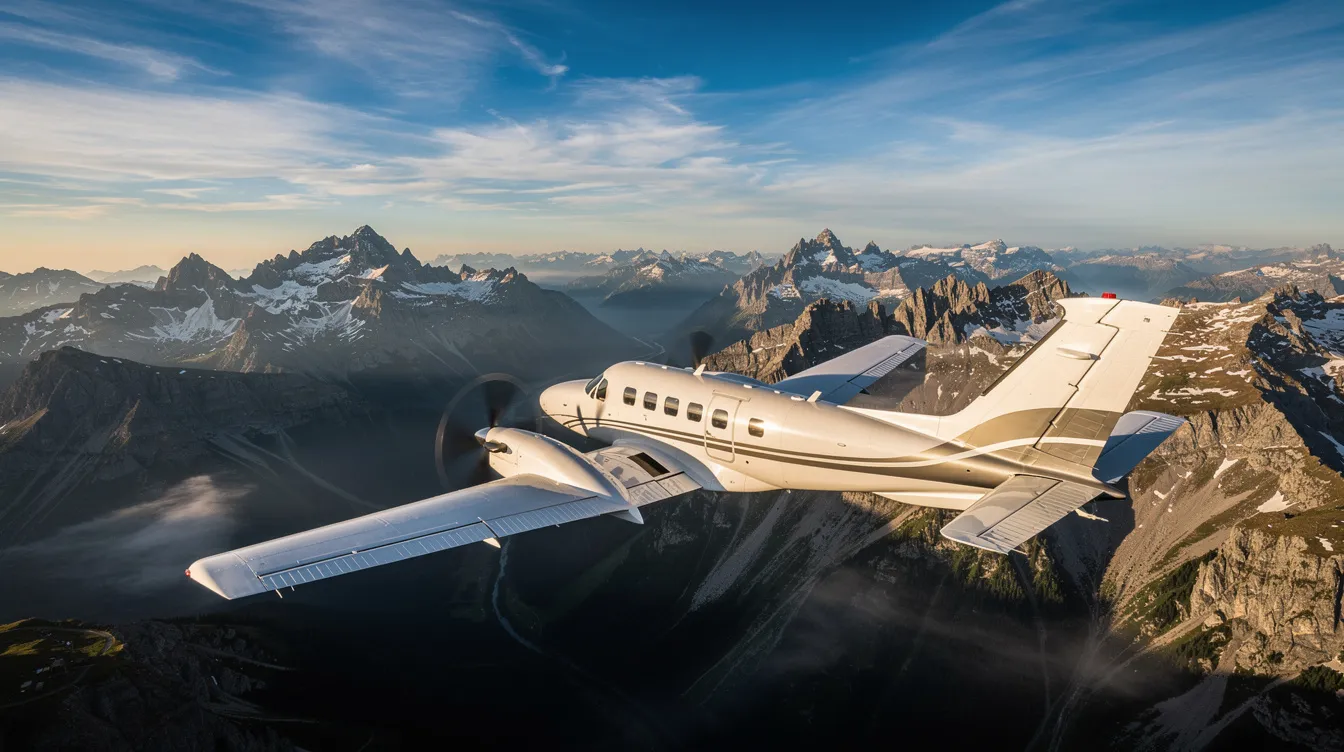
Pilatus PC-12 Price: Purchase, Charter Costs, and Value Compared to Light Jets
The Pilatus PC-12 is a versatile single-engine turboprop known for its competitive pricing and strong resale value. With purchase prices ranging from $1.8 million to over $8 million, it offers cost-effective charter options compared to light jets. This guide provides insights into the PC-12's pricing, operating costs, and how it compares to other aircraft for regional missions.
Read More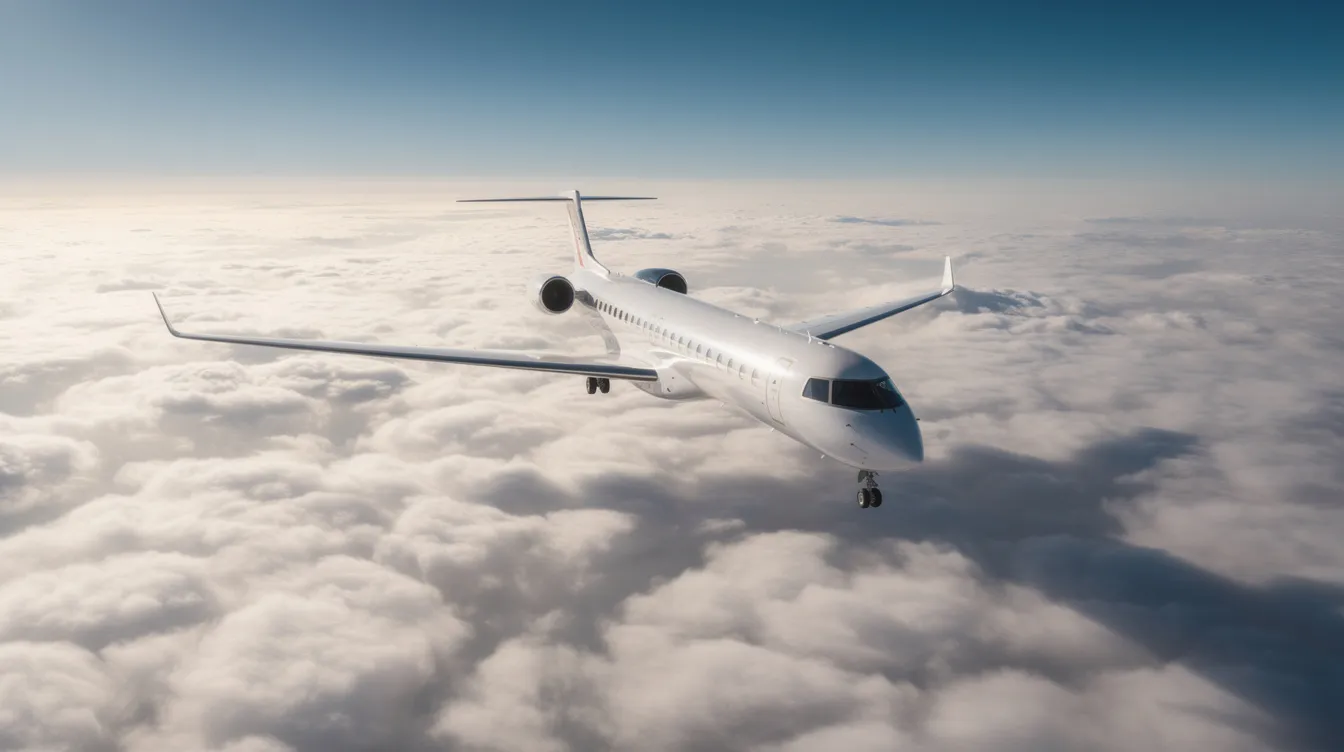
5
min read
Airplanes: How They Work, Evolve, and Power Modern Private Travel
Airplanes have transformed global travel, enabling rapid movement of people and goods. This guide explores how airplanes work, their evolution, and the advantages of private jet travel. Understanding the mechanics and types of aircraft can help travelers make informed decisions for their journeys.
Read MoreStay updated with our latest insights and tips to elevate your journey with us.
MEMBERSHIPS AND ASSOCIATIONS



Disclaimer: Jettly operates as a charter broker, offering access to a global digital jet charter marketplace. Jettly is not a direct air carrier and does not own or operate aircraft. All advertised flights are conducted by third-party air carriers that are fully licensed and hold the appropriate Part 135 or Part 121 certifications issued by the Federal Aviation Administration (FAA) or equivalent regulatory authorities under U.S. or foreign law. Jettly complies fully with the U.S. Department of Transportation's Part 295 and Part 298 Charter Broker regulations. Jettly does not carry additional liability insurance. Passengers are covered by aircraft operator insurance. TICO: 50023770


