


Login
Get Instant Pricing On 23,000+ Aircraft

>
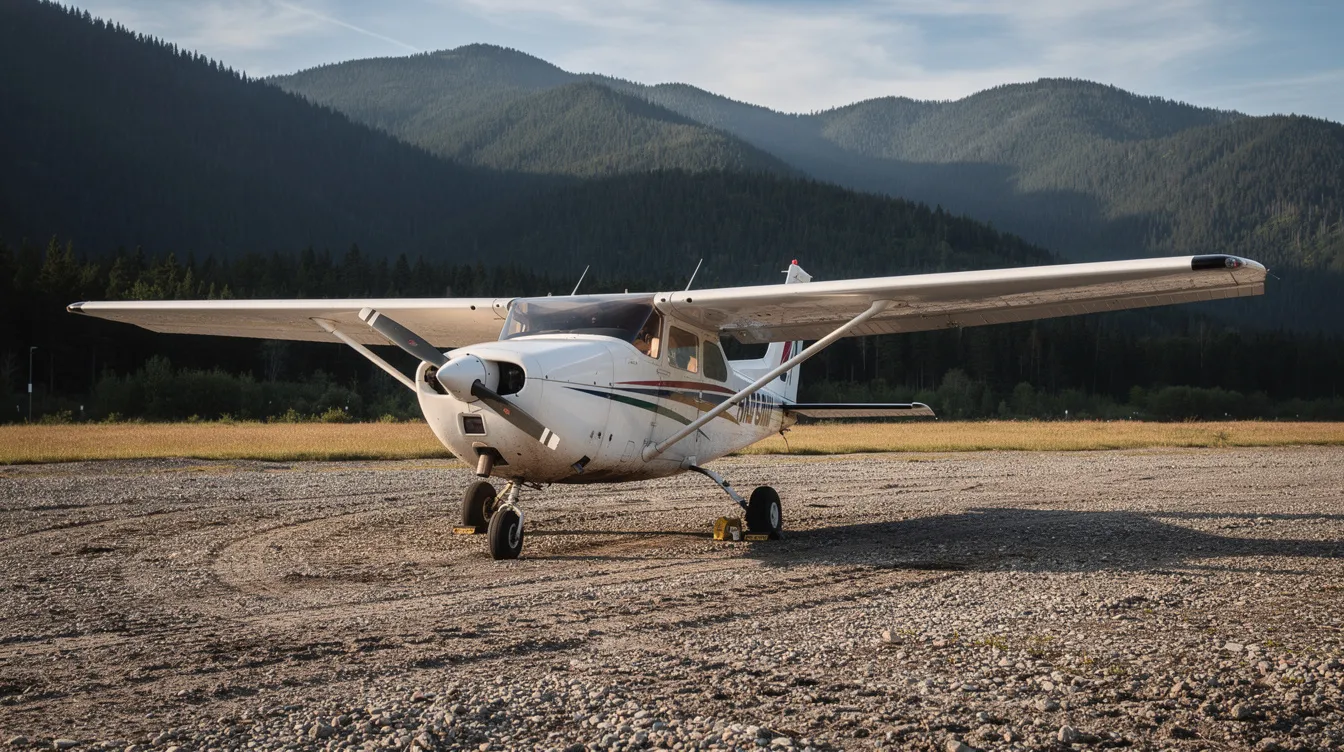
Cessna charter flights are private, on-demand flights on single-engine piston Cessna aircraft, best suited to short- to mid-range trips for 1 to 5 passengers who want to fly private without paying jet-level rates. For business executives, high-net-worth travelers, and families heading to small airports, remote strips, or regional destinations, they offer door-to-door flexibility, direct routing, and access that larger aircraft often cannot match, typically at around $500 to $1,500 per flight hour.
Jettly's platform connects travelers to certified charter operators flying these aircraft across the globe, with instant pricing and no long-term commitments, and also offers an ULTRA high-ticket affiliate program for partners who refer new clients. Below, you'll see which Cessna models are commonly chartered, how capacity and range compare, what these flights cost versus turboprops and light jets, how booking works, what safety rules apply, and where to find value through options like empty leg flights.
This guide is for business travelers, families, and anyone seeking affordable private flight options. Understanding Cessna charter flights helps travelers access more destinations at lower cost.
Cessna charter flights are a cost-effective entry point into private aviation. Single-engine piston aircraft like the Cessna 172, 182, and 206 handle short to mid-range trips for small groups. Piston aircraft generally seat 2 to 6 passengers, and their charter rates range from $500 to $1,500 per flight hour. The Cessna 206, often called the "Sport Utility Vehicle of the air," averages around $850 per hour and can accommodate up to 5 passengers.
Jettly connects travelers to a global network of certified charter operators, including air taxis and empty legs options, without membership fees, jet cards, or fractional ownership. Booking a private charter can be done with 24 hours' notice. The platform covers more than 20,000 aircraft around the world, spanning piston, turboprop aircraft, and light jets through heavy jets, similar to the diverse fleets profiled in its guide to charter airlines and private flights.
Travelers can compare Cessna aircraft to turboprops like the Pilatus PC-12 and private jet options on Jettly's platform. This side-by-side view, similar to the comparisons in its overview of the best private jet charter companies, helps decide whether a piston aircraft, a turboprop, or a jet is the ideal private aircraft for a given trip based on distance, passenger count, and budget.
Cessna charter flights are on-demand private flights using Cessna aircraft, booked through aircraft charter brokers or platforms like Jettly. Most of these flights use single-engine piston models: the Cessna 172 Skyhawk, Cessna 182 Skylane, or Cessna 206 Stationair. Clients specify departure, final destination, passenger count, and luggage, then receive live pricing from operators.
In North America and Europe, these flights typically cover short hops under 500 to 700 nautical miles. They serve as air taxis, regional connectors, and access flights for communities where airlines don't fly, sitting alongside larger operators in the wider charter airlines and private flights ecosystem. Cessna aircraft can operate from small airports and unpaved strips, which opens up thousands of destinations that jets and even turboprops cannot reach.
The difference between aircraft types is straightforward. Piston aircraft use reciprocating engines, cruise at 110 to 160 knots, and offer basic cabins. Turboprop aircraft use turbine engines for better climb, speed, and range. Private jets provide pressurized cabins, high cruise speeds, and long range. Cessna builds aircraft across all three categories, from the small Cessna piston models to the Citation jet family. Legitimate on-demand charter operations are generally conducted under FAA Part 135 regulations, meaning operators must meet strict maintenance, pilot training, and insurance requirements.
For 1 to 4 passengers with light luggage, a Cessna piston aircraft costs a fraction of what a light private jet charges. Private charter flight pricing for jets starts at $5,700 per hour, while a Cessna 182 or 206 runs $850 to $1,200 per hour. On a 200-mile trip, the savings are substantial.
Cessna charter flights can use smaller runways, including grass and gravel strips. Booking a Cessna charter gives access to a broad network of small airports, and private charter flights connect travelers to over 3,000 airports across the country through operators and partners such as Dexter Air Taxi and other private jet providers. Charter flights enable direct routing to thousands of local destinations; a family can fly from Seattle to the San Juan Islands, or from Calgary to a backcountry strip, where a jet would be impossible to land.
Private charter eliminates long security lines and rigid airline schedules. Passengers often arrive at private terminals, typically through fixed base operators, just 15 to 30 minutes before departure. Charter flights operate at your desired time and route. The cabin of a Cessna aircraft serves as a private mobile office, and flight experiences in Cessna charter flights offer an intimate cabin environment. Complementary services such as in-flight catering for private jets are also available on larger aircraft. Cessna charter flights provide privacy for work or rest during the flight, making them practical for business meetings, medical visits, family trips, or property inspections.
Several Cessna models appear across charter fleets, each suited to different group sizes and missions. Cessna aircraft are known for spacious cabins tailored to passenger comfort relative to their size class, and piston engines in Cessna aircraft require less routine maintenance than turbine powerplants.
The Cessna 172 Skyhawk carries 3 passengers plus a pilot, cruises at about 120 knots, and covers roughly 500 nautical miles. It handles sightseeing, training, and short regional hops between rural airfields. The Cessna 182 Skylane, introduced in 1956, seats 3 to 4 passengers plus the pilot, with better payload and climb performance, reaching about 700 nautical miles. The Cessna 206 Stationair carries up to 5 passengers plus a pilot, with a payload around 750 to 1,000 pounds and a practical range of 400 to 500 nautical miles on charter missions. Piston aircraft generally seat 2 to 6 passengers across these models.
For higher capacity, the Cessna 207 adds seats, and the Cessna 210 Centurion seats six passengers with retractable gear and higher cruise speeds. Both appear in charter fleets across Alaska, northern Canada, and mountainous regions. Twin-engine piston alternatives like the Beechcraft Baron 58 and Piper Navajo offer engine redundancy for over-water or mountain routes and sit alongside Cessna models on Jettly's platform. The Piper Cherokee also appears in air taxi fleets for lighter-duty missions.
Chartering a light or midsize Cessna jet is often more cost-effective for smaller groups needing jet speed. The Cessna Citation family includes a range of light jets to super-midsize aircraft, and modern Citation models feature advanced avionics and safety technology, while pressurized piston twins like the Cessna 340 offer an efficient middle ground for regional business trips. Private charters can accommodate groups larger than 8 passengers when stepping up to these cabin class options or a super mid jet.
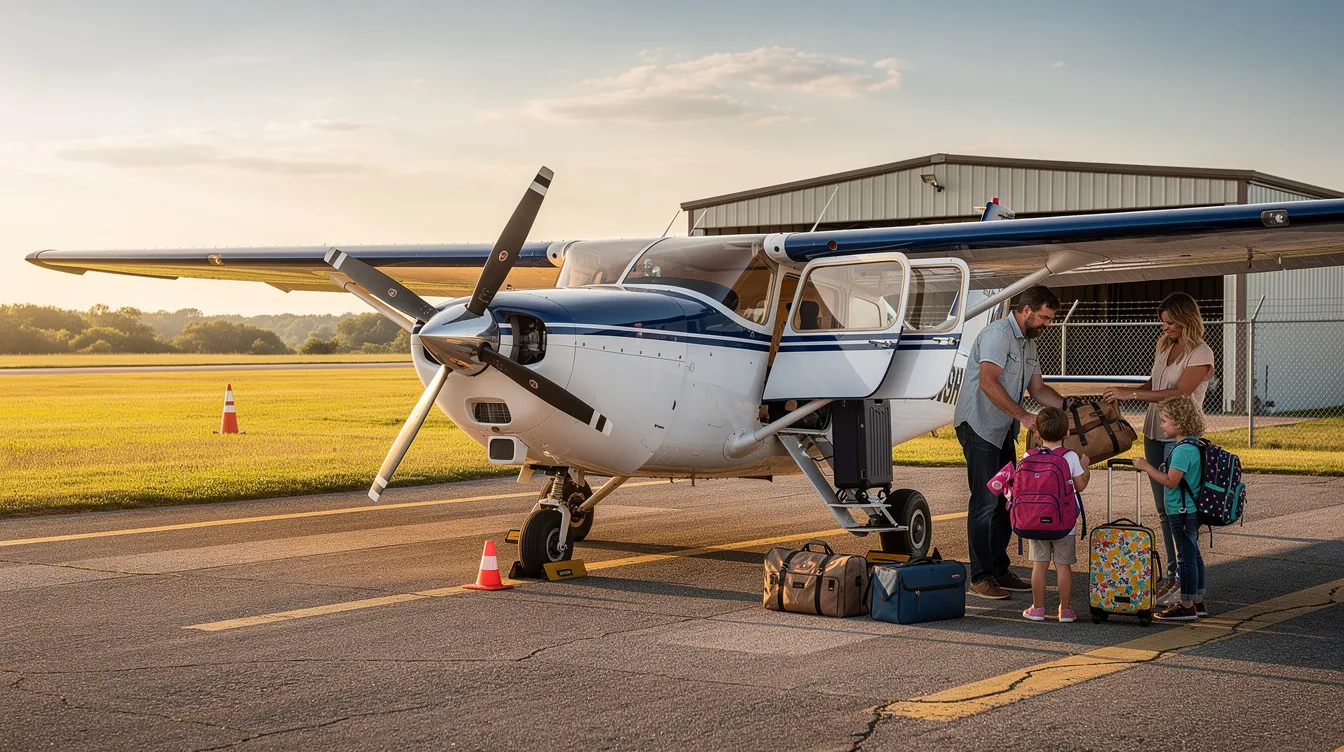
The Cessna 206 Stationair is known as the "Sport Utility Vehicle of the air." High-wing design gives pilots and passengers clear ground visibility, and large cargo doors accept gear like skis, bikes, fishing rods, and diving equipment. Cessna 206 is ideal for accessing remote locations where other aircraft cannot operate.
The typical configuration is a single-engine piston airplane with 5 passenger seats plus the pilot. Cessna 206 offers short-haul effectiveness for regional flights of 200 to 400 miles, landing at small municipal airports, grass strips, or island runways. Cessna 206 charter flights are available from remote airstrips across Alaska, British Columbia, and Caribbean island hopping routes. In Alaska, operators like Smokey Bay Air charge about $1,045 per hour for a Cessna 206, while Cessna 206 charter rates average around $850 per hour as a broader mid-point.
With Jettly, travelers can compare a Cessna 206 against a Beechcraft Baron twin-piston or a Pilatus PC-12 turboprop on the same route, balancing speed, payload, and budget before they pay.
Piston aircraft are the entry point for private charter in terms of cost. As part of the broader landscape of affordable aeroplane rental options, charter rates are quoted per flight hour, and piston aircraft charter rates range from $500 to $1,500 per hour depending on model, region, and season. A smaller Cessna 172 sits closer to the low end, while twin-engine options like the Beechcraft Baron, Piper Navajo, or the Cessna 414 Chancellor (a twin-engine light aircraft) push toward the high end.
Total trip cost includes repositioning time, airport fees, crew costs, waiting time, and taxes such as the U.S. Federal Excise Tax. Jettly's instant pricing and its private jet charter cost estimator show an all-in estimate before booking, so travelers see the real price rather than a base rate.
For context, turboprop charter rates for aircraft like the Pilatus PC-12 or Beechcraft King Air run $3,000 to $6,000 per hour. Light jets start higher still. For cheap private jet charter prices and deeper insights into how Jettly offers affordable private jet charter, Jettly can surface discounted options, but piston aircraft remain the most affordable class for trips under 400 miles with fewer than 5 passengers.
Jettly is a digital private aviation platform connecting customers to more than 20,000 aircraft across the world from approximately 2,260 operators in 190 countries, positioning itself as a flexible NetJets alternative for private flying. That fleet includes a broad range of Cessna and other piston models alongside turboprops and jets.
The booking flow is direct: enter departure and arrival airports, dates, passenger count, and luggage requirements. The platform returns live charter options across aircraft types, drawing from Jettly's extensive private charter aircraft network. Travelers can filter for air taxi-style Cessna aircraft when they want affordable, short-range private flights, then compare those results with turboprops or jets on the same route. Charter companies provide quotes based on travel dates, passenger counts, and destinations. Flexibility in scheduling allows passengers to adjust itineraries easily with charter flights.
Jettly works with certified charter operators only, verifying Part 135 charter companies or equivalent certificates, insurance, and safety records. Pricing is transparent; no hidden fees. Travelers are not locked into jet cards, memberships, or fractional ownership. A dedicated team supports booking and trip coordination. Learn more about Jettly's charter options at https://www.jettly.com.
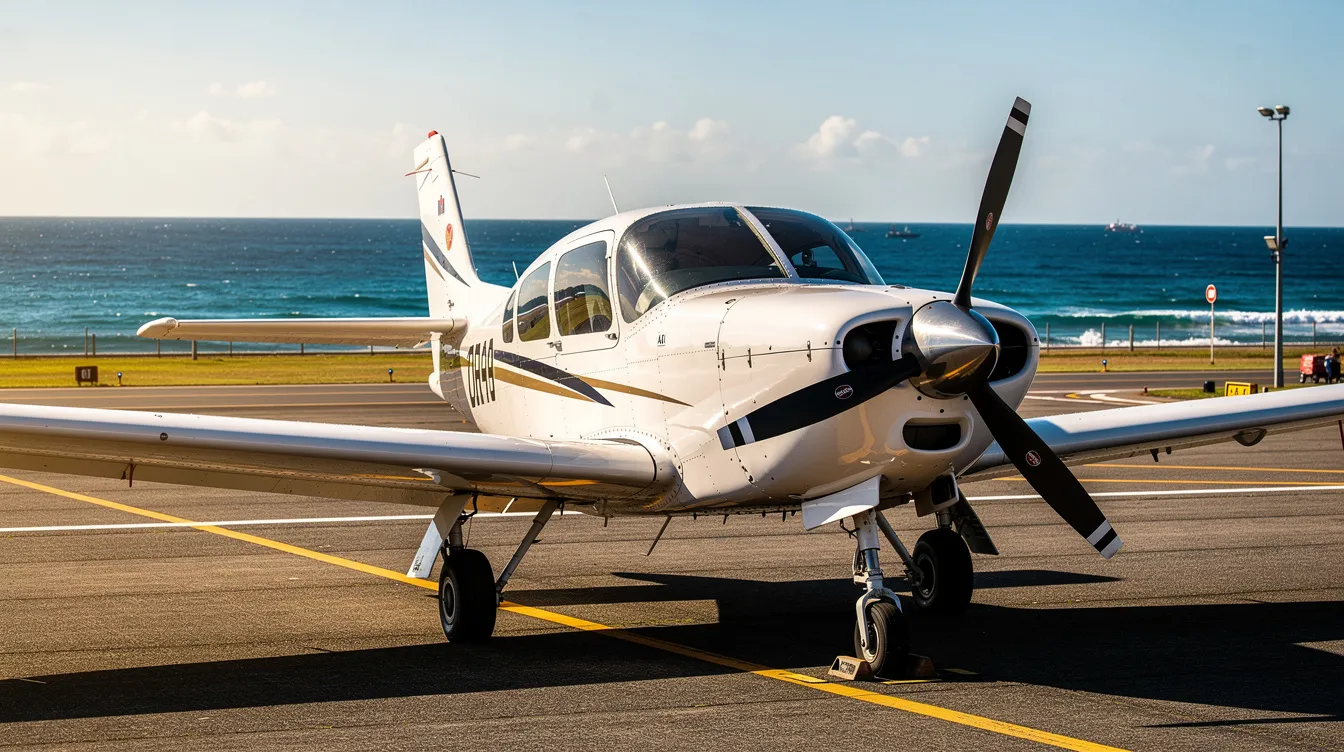
The right aircraft depends on distance, passenger count, budget, and runway conditions. Jettly is designed to make these comparisons easy on a single screen.
Piston aircraft like the Cessna 172, Cessna 206, and Beechcraft Baron suit short hops under 400 miles for 2 to 5 passengers with basic comfort and maximum range cost efficiency. These are among the cheapest private aircraft options for travelers who want to balance ownership or charter costs with flexibility. A 6-hour drive between two small regional airports on the East Coast can become a 45-minute Cessna charter flight with direct routing.
Turboprop aircraft such as the Pilatus PC-12 or Beechcraft King Air serve 5 to 8 travelers on longer trips around 800 to 1,500 miles. Two pilots are standard on many turboprop charter operations, and these aircraft handle weather and altitude better than single-engine pistons.
A light jet or heavy jet is the better choice for business trips between major cities, or when speed and cabin amenities matter more than lowest cost. Think White Plains to Miami, Toronto to Vancouver, or Los Angeles to Las Vegas. Travelers who fly frequently on these routes might analyze options using a jet card flight cost estimator before committing to a program. Jettly can show mixed fleets on a given itinerary, so a traveler might take a Cessna 206 into a remote strip and connect to a private jet for the long leg home.
Empty leg flights are scheduled to fly without passengers; they happen when an operator repositions an aircraft after dropping off or before picking up a client. These repositioning flights can be sold at a discount or combined with crowdsourced shared private flights when they match a traveler's route and date.
While empty leg flights are more commonly associated with private jets, similar opportunities appear on turboprops and piston aircraft on popular air taxi corridors. Jettly's platform lets travelers browse or receive alerts for empty legs, or follow strategies for getting a seat on a private jet easily, which can sometimes make a larger plane comparable in price to a standard piston charter. Availability is limited and subject to last-minute changes, so empty legs work best for leisure travelers or frequent flyers with flexible schedules. Compare a standard on-demand Cessna charter quote with any available empty legs on similar routes to save time and money.
Safety is the top priority in private aviation, especially for small piston aircraft operating into remote or challenging airports. Cessna's proven safety and reliability stem from decades of engineering expertise across thousands of aircraft delivered worldwide.
Jettly lists aircraft from certified charter operators who hold appropriate operating certificates, such as FAA Part 135 in the U.S. or equivalents in other countries. These operators follow manufacturer maintenance schedules, conduct regular inspections, and train pilots on specific types like the Cessna 206 or Beechcraft Baron. Many operators voluntarily participate in third-party safety audits through programs like ARGUS and Wyvern, which Jettly highlights where applicable.
On the environmental side, piston aircraft burn less fuel than larger jets on short routes, improving operational efficiency for regional service. Some operators offer carbon offset programs that Jettly can help travelers explore.
|
Aircraft Model |
Passenger Capacity |
Cruise Speed (knots) |
Range (nautical miles) |
Charter Rate (per hour) |
Typical Use Cases |
|---|---|---|---|---|---|
|
Cessna 172 Skyhawk |
3 + Pilot |
120 |
500 |
$500 - $700 |
Short regional hops, sightseeing |
|
Cessna 182 Skylane |
4 + Pilot |
145 |
700 |
$700 - $900 |
Regional business, training |
|
Cessna 206 Stationair |
5 + Pilot |
140 |
400 - 500 |
$850 |
Remote locations, outdoor trips |
|
Cessna 207 |
6 + Pilot |
140 |
500 |
$900 - $1,100 |
Higher capacity regional flights |
|
Cessna 210 Centurion |
6 + Pilot |
160 |
700 |
$1,000 - $1,500 |
Faster regional trips, utility |
Most single-engine Cessna piston aircraft used in charter carry up to 3 passengers plus the pilot (Cessna 172 and 182). A Cessna 206 or 207 can accommodate 4 to 5 passengers plus the pilot, depending on weight and luggage. For larger groups, twin-engine pistons or turboprops offer more seats.
Safety depends on aircraft capability, pilot training, and conditions. Many charter operators use twin-engine aircraft like the Beechcraft Baron or Piper Seneca for mountain routes, night operations, or over-water flights. Operators may decline a flight when conditions exceed safe limits, and Jettly only lists operators that follow these protocols.
A typical Cessna 206 has a maximum range of roughly 600 to 700 nautical miles with reserves. Charter operators often plan shorter legs of 300 to 400 nautical miles to account for weather, payload, and air traffic.
The Cessna 206's large cargo door and flexible interior make it popular for trips with skis, fishing gear, golf clubs, or camping equipment. Passengers should discuss specific items with Jettly and the charter operator to confirm space and weight limits before the flight.
Visit https://www.jettly.com, enter departure and arrival airports, travel dates, and passenger details, then filter results to show piston aircraft and suitable Cessna models. Instant pricing appears on screen, with the option to request support from Jettly's team for custom itineraries.
Cessna charter flights offer an affordable, flexible, and practical entry point into private aviation for travelers seeking short to mid-range trips with small groups. With their ability to access remote locations and smaller airports, Cessna piston aircraft provide unique convenience and direct routing that larger jets cannot match. Jettly’s platform connects travelers to a global network of certified FAA Part 135 operators, ensuring safety, transparency, and ease of booking without long-term commitments or membership fees.
Whether flying for business, leisure, or specialized outdoor adventures, Cessna charter flights balance cost savings with reliable performance and comfort. For those who prioritize flexibility, privacy, and access to thousands of regional airports, a Cessna charter flight is an excellent choice. Explore Jettly’s extensive fleet options and request a quote today to experience private travel on your terms at https://www.jettly.com.
Share this post:
Jay Franco Serevilla
Aug 19, 2026
|
5
min read
Discover tips and trends in the industry.
5
min read
Renta de Jet Privado: Guía Completa para Vuelos Privados con Jettly
Renta de jet privado has transformed into a seamless digital experience, allowing travelers to book flights without ownership or long-term commitments. This comprehensive guide details how private jet rentals work, the types of aircraft available, and how Jettly simplifies the booking process for business and leisure travelers alike.
Read More
5
min read
Cessna 402: History, Performance, and Charter Use
The Cessna 402 is a versatile light twin-engine aircraft known for its reliability and efficiency in regional travel. With a spacious cabin accommodating up to 10 passengers, it serves various roles including commuter service and cargo transport. Its long history and proven performance make it a popular choice among charter operators and aviation enthusiasts alike.
Read MoreStay updated with our latest insights and tips to elevate your journey with us.
MEMBERSHIPS AND ASSOCIATIONS



Disclaimer: Jettly operates as a charter broker, offering access to a global digital jet charter marketplace. Jettly is not a direct air carrier and does not own or operate aircraft. All advertised flights are conducted by third-party air carriers that are fully licensed and hold the appropriate Part 135 or Part 121 certifications issued by the Federal Aviation Administration (FAA) or equivalent regulatory authorities under U.S. or foreign law. Jettly complies fully with the U.S. Department of Transportation's Part 295 and Part 298 Charter Broker regulations. Jettly does not carry additional liability insurance. Passengers are covered by aircraft operator insurance. TICO: 50023770


