


Login
Get Instant Pricing On 23,000+ Aircraft

>
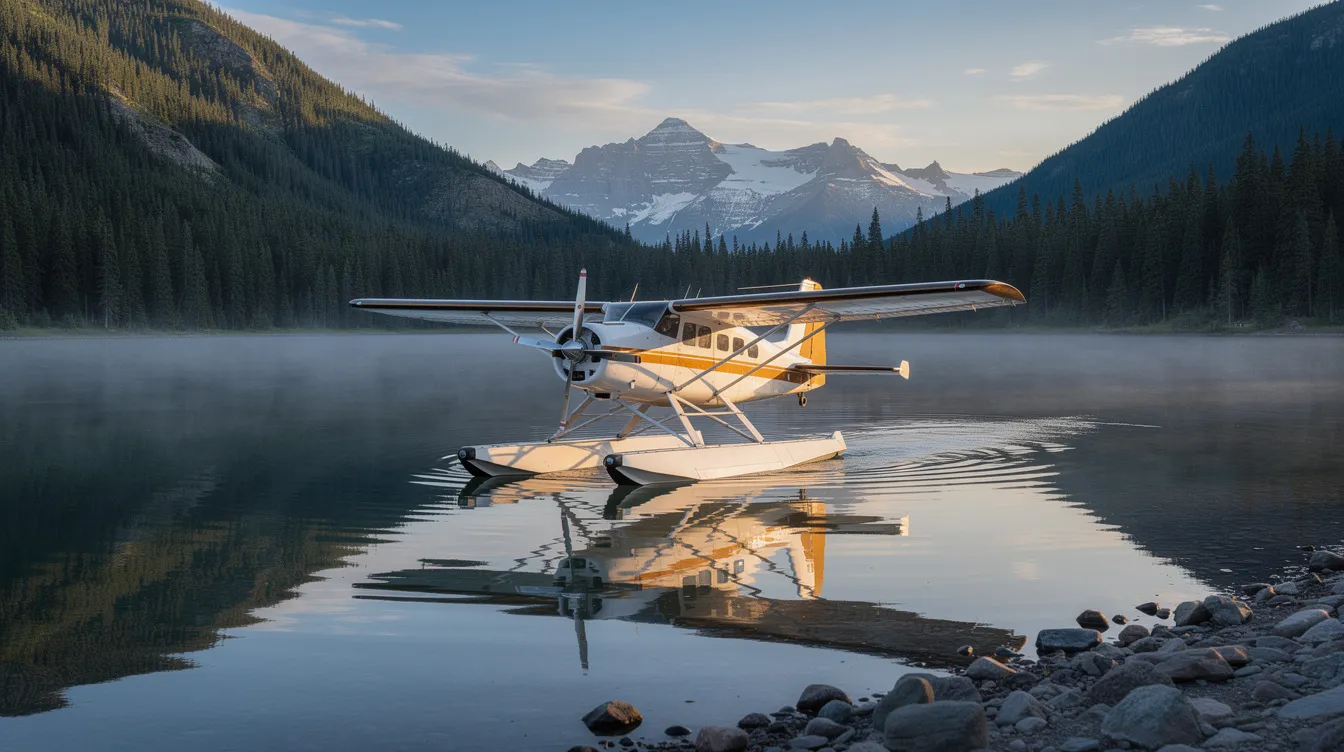
The Cessna Caravan family, produced by the Cessna Aircraft Company (now part of Textron Aviation), includes several models built around the same rugged, high-wing, single-engine airplane platform. The 208B Grand Caravan stretches the original Cessna 208 fuselage for more cabin length and payload, while the Grand Caravan EX, introduced around 2013, adds a more powerful engine for better performance in demanding conditions.
"On floats" means the airplane is fitted with flotation gear instead of standard wheeled landing gear. A caravan amphibian specifically refers to a configuration using amphibious floats that incorporate retractable wheels for dual runway access, allowing the aircraft to operate from both concrete runways and open water. The Grand Caravan EX is the most common modern choice for these conversions, thanks to its PT6A-140 engine producing 867 shp.
Typical missions include sightseeing over archipelagos, lodge transfers, mixed passenger-cargo shuttles, and special missions like medevac or patrol in regions without developed airstrips. Amphibious floats allow access to remote destinations without runways. Jettly connects travelers with operators that fly these aircraft, offering charter access without full aircraft ownership or fractional commitments.
A Cessna Grand Caravan on floats transforms the proven Caravan platform into a true caravan amphibian, capable of operating from both runways and open water. This versatility makes it one of the most practical aircraft for reaching destinations that lack paved airstrips.
The Cessna Grand Caravan EX on amphibious floats is a high-capacity amphibious utility aircraft used for charter, tourism, cargo, and special missions across remote regions worldwide.
Modern float installations integrate retractable landing gear, corrosion protection, and the upgraded Pratt & Whitney PT6A-140 engine for reliable water and land operations.
Jettly's marketplace often includes Grand Caravan EX amphibians among its turboprop and one-aircraft charter options, ideal for short-haul flights to lakes, islands, and coastal lodges.
This article covers performance specifications, cabin layouts, real-world use cases, safety considerations, and how to charter a Cessna Grand Caravan EX on floats through Jettly.
The Cessna 208 Caravan first flew in the early 1980s as a rugged utility turboprop. Around 1990, the stretched 208B Grand Caravan arrived with a longer fuselage and higher payload. The Grand Caravan EX followed in 2013, upgrading from the older PT6A 114A engine (~675 shp) to the PT6A-140 at 867 shp-a jump that gives the word versatility a whole new range of meaning for float operations.
The Cessna 208 is used for cargo and passenger transport around the globe. It serves humanitarian missions and air ambulance services in dozens of countries. The aircraft is certified in 100 countries for various uses. FedEx operates 239 Cessna 208 aircraft for freight, and 123 Cessna 208s were in military service as of 2024. The Grand Caravan EX is positioned as a revenue-generating utility aircraft, and its higher power directly benefits amphibious operations, improving climb rate on hot-and-high days and preserving useful payload even after adding floats, making it a compelling option alongside jets when comparing NetJets alternatives like Jettly.
Although the Caravan platform appears as one aircraft type, it now spans multiple models (208, 208B, EX), many of which show up in Jettly's turboprop charter inventory and broader guides to cross-country-capable aircraft.
Dedicated seaplane floats are water-only, while amphibious floats include integrated landing gear for runways, beaches, and ramps. Amphibious floats can increase operational flexibility for landing on both water and land with the same aircraft.
Certified float kits from manufacturers like Wipaire (Wipline 8750) are installed by removing the standard tricycle landing gear, attaching floats to reinforced fuselage hardpoints, and integrating hydraulic gear retraction systems. The exchange weight-float kit weight minus removed gear adds roughly 1,142 lb to the empty weight. Floats can also provide extra storage in watertight compartments for supplies, with each float locker holding approximately 150 lb.
Key changes after a modification include:
Higher empty weight and increased aerodynamic drag
Reduced cruise speed and range compared to the landplane version
Need for constant-speed propeller with full feathering capability and water rudder systems
Safety and reliability elements include watertight sealed compartments for buoyancy, corrosion-proofing (critical in saltwater), and periodic inspection of hull integrity and hydraulic lines. Most commercial amphibious operators adhere to strict maintenance schedules under FAA certification standards (Part 135) or equivalent regulations.
Floats change how the Cessna Grand Caravan and Grand Caravan EX perform across every phase of flight. The maximum cruise speed of the Grand Caravan EX on floats is approximately 164 KTAS (about 304 km h), compared to a higher cruise speed of roughly 185 KTAS for the landplane version.
|
Specification |
Grand Caravan EX on Amphibious Floats |
|---|---|
|
Engine |
Pratt Whitney PT6A-140, 867 shp |
|
Maximum Takeoff Weight |
9,062 lb (takeoff weight limit) |
|
Cruise Speed |
~164 KTAS (~304 km h) |
|
Climb Rate |
~1,212 fpm |
|
Land Takeoff Roll |
~1,826 ft / 2,341 ft 714 m over 50 ft obstacle |
|
Takeoff Water Run |
~2,000 ft / 3,660 ft 1,116 m over 50 ft obstacle |
|
Range (ferry) |
~813 nm (~1,506 km) |
Water takeoff performance is affected by various environmental conditions including altitude, temperature, wind, swell height, and water surface state. Glassy water requires specific pilot techniques. The EX's 867 shp provides a critical safety margin for short lakes or high-density-altitude environments.
For pilots, handling differences include higher yaw inertia, more susceptibility to crosswinds while taxiing on water, and the need for specialized flight training and float endorsements. Prospective owners weighing a Caravan against other light aircraft can benefit from Jettly's guidance on choosing the best personal plane. For passengers chartering via Jettly, the result is a slightly slower but scenic and flexible way to reach remote waterfront destinations that are impractical for jets.
The Grand Caravan features a high-wing, boxy cabin with generous cabin height, cabin width, and large doors. Big windows make it ideal for sightseeing over lakes, fjords, and reefs. The aircraft features a large cabin capable of accommodating up to 10-14 occupants depending on configuration and local regulations.
Common seating configurations include:
9-seat commuter layout: standard for most charter passengers and seating arrangements
Combi setup: mixed passenger and cargo for utility missions
Tourism configuration: fewer seats, more legroom, premium comfort
The effective payload capacity of the Grand Caravan EX on floats is around 3,122 lb (maximum payload), which means the aircraft can carry substantial luggage and equipment. The Grand Caravan can facilitate cargo and supply transport to remote regions-everything from fishing gear to medical supplies. Large cargo doors and a flat floor make loading straightforward, much like rugged utility types such as the Cessna 207 used for adventure travel.
Optional fittings on caravan amphibian charters include upgraded interiors, modern avionics suites like the Garmin G1000 NXi, air conditioning, and quick-change seating tracks. Jettly's platform presents multiple aircraft profiles so customers can compare Cessna Caravan specs, baggage capacity, and configuration before booking.
Operators in British Columbia, the Maldives, the Caribbean, Alaska, and Scandinavia favor the Cessna Grand Caravan EX on floats because it can operate where conventional aircraft simply cannot land. The Grand Caravan can operate in wilderness tourism, charter, and humanitarian missions. It also serves humanitarian missions and air ambulance services in remote areas.
Concrete use cases include:
Resort transfers: city airports to lakeside or island docks
Day-trip sightseeing: Miami seaplane tours or Nordic lake-to-lake scenic flights
Coastal commuter services: replacing slow ferry routes
Business site inspections: hydropower projects, mining camps, or remote lodges with only water access
Cargo and supply runs: delivering essentials to island communities
Illustrative routes range from Vancouver to fishing lodges in northern British Columbia, Miami to Bahamas cays, and Finnish lakeland hops between wilderness resorts. Business travelers sometimes charter a caravan amphibian for site visits where only water access exists-a scenario that gives the Cessna Caravan a practical edge no jet can match, especially when compared with other cross-country aircraft options.
Through Jettly, travelers can search and filter for turboprops like the Cessna Caravan or Grand Caravan EX when planning short regional flights to smaller waterfront locations, or use the platform's airport locator tool to identify suitable departure and arrival points.
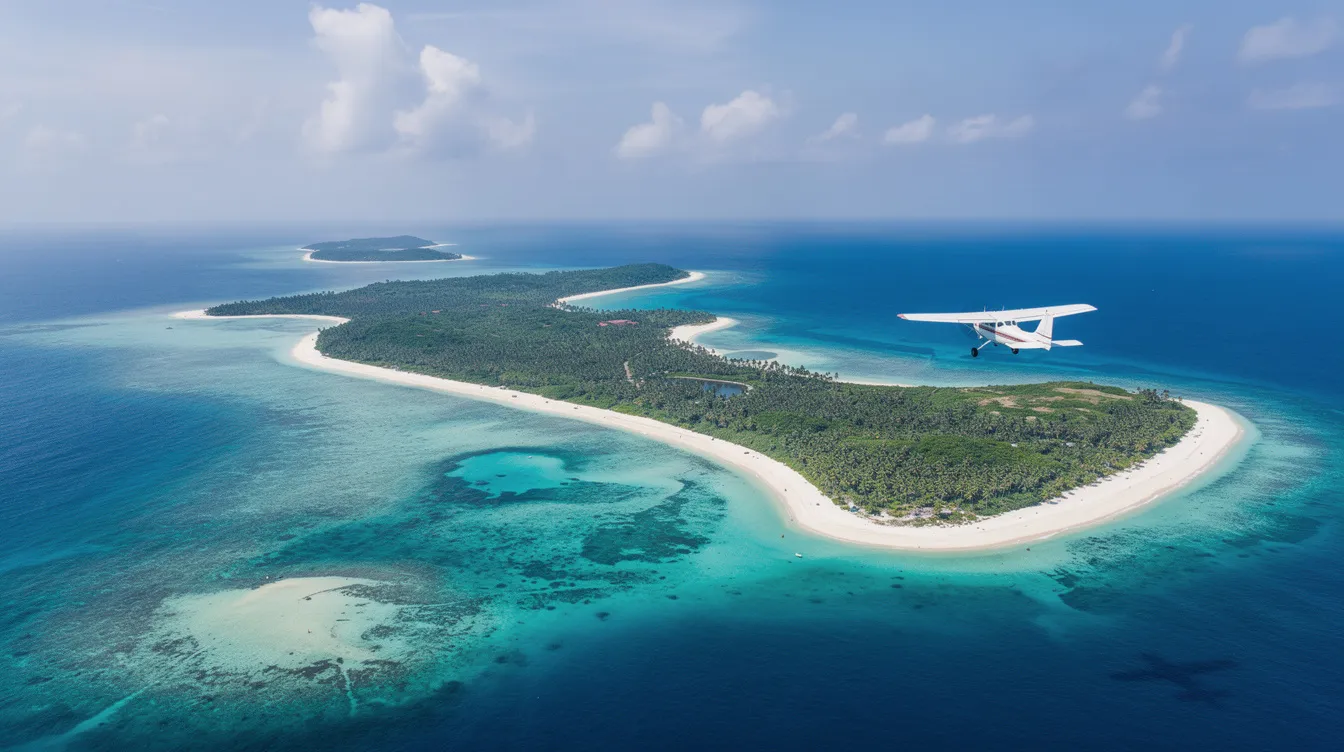
Amphibious floats combine boat-like hulls with retractable landing gear, letting the same airplane operate from both concrete runways and open water. The cockpit includes gear position selectors and indicators. Amphibious operations require specialized training for landing gear management-a gear-down water landing or gear-up runway landing can be catastrophic.
Water taxi, docking, and beaching procedures demand careful power management, use of water rudders, and coordination with dock staff. Passengers receive briefings on life vests, exits, and weight-and-balance limits, especially for operations from short lakes or in high temperatures with wind conditions.
Safety context matters. As of February 2025, there have been 277 hull losses across the Cessna 208 fleet. These hull losses include 271 accidents causing 516 fatalities. The average fatalities per hull loss is 2. However, 27.4% of all occupants survived fatal accidents, and 36.9% of hull-loss occurrences were passenger flights. These figures span decades of global operations across all variants and configurations- including single-engine airplanes operating in some of the world's most challenging environments- and they underscore why choosing reputable private plane manufacturers and operators is so important.
Reputable operators accessed via Jettly follow strict safety and maintenance standards, and the platform helps passengers understand limitations such as baggage caps or weather delays on seaplane routes. Profiles for vetted partners, such as Dexter Air Taxi as a private jet operator, give added transparency into who is operating each flight.
Jettly operates as a digital private aviation marketplace rather than an aircraft owner, giving access to thousands of aircraft, including Caravan and Grand Caravan EX amphibians where available. It functions as an easy-to-use site for comparing options, similar to how partners like Zenflight's private jet service leverage the platform for instant booking.
Backed by a global network of private charter aircraft across all categories, the basic booking flow:
Enter your route and dates, specifying waterfront or remote destination requirements
Compare available turboprop options from listing members across the network
Select a caravan amphibian when it fits your trip profile
Confirm transparent pricing with no long-term jet card or fractional ownership commitments
Trip types where a Grand Caravan amphibian beats a jet include short 30-60 minute hops to fishing lodges, lodge-to-lodge transfers, and regional hops where runways are limited or nonexistent. Jettly can also help coordinate ground transport from the seaplane dock to resorts, in-flight catering through Jettly Eats, or multi-leg itineraries combining jets and turboprops. Learn more about Cessna Caravan rental options on the platform.
Operating costs for a Cessna Grand Caravan on floats are generally lower than for midsize or large jets, but higher than for small land-based turboprops due to extra drag and maintenance demands on extended float systems. Short floatplane legs are typically priced by flight time or minimum hours and can be cost-effective for groups compared to multiple commercial tickets plus boat transfers. Travelers who want a broader view of pricing across aircraft types can also use Jettly's private jet charter cost estimator. For detailed pricing context, see Jettly's guide to turboprop charter rates.
How the amphibious Caravan compares with alternatives:
|
Aircraft Type |
Best For |
Limitation |
|---|---|---|
|
Grand Caravan EX amphibian |
Waterfront access, groups with gear |
Slower than jets, weather-dependent |
|
Smaller lakes, shorter legs |
Fewer seats, less range |
|
|
Helicopter |
Point-to-point without water |
Higher cost per mile for groups |
|
Light jet |
Faster, longer legs to hubs |
Needs a paved airstrip |
|
Landplane Caravan |
Gravel or grass strip access |
No water landing capability |
Choose the Caravan amphibian when the final destination is directly on water, when groups travel together with bulky gear, or when scenic value is part of the trip. For frequent flyers who want predictable access to a range of aircraft beyond seaplanes, Jettly also offers private jet memberships with wholesale-style pricing. FlyExclusive aircraft sales and other brokers may list pre-owned models, but for charter, Jettly's on-demand model avoids ownership complexity, while its jet card programs serve travelers who prefer fixed hourly rates.
Turboprops like the Cessna Caravan and Grand Caravan EX are often more fuel-efficient per passenger on short sectors than comparable jets. The basic wing area and wing design of the Caravan is optimized for low-speed efficiency, and its constant-speed propeller helps manage fuel burn across different altitude and power settings.
Amphibious operations can reduce the need for building runways in sensitive coastal or wilderness areas. Using existing docks or harbors limits land-use impact. Many operators explore fuel-saving practices and voluntary carbon offset programs that Jettly customers can ask about when planning itineraries, and some travelers further reduce per-person impact by using Jettly's tools for sharing and crowdsourcing private flights to fill otherwise empty seats.
Industry innovation continues. Experimental electric and hybrid-electric modifications to Cessna aircraft airframes are in development, though most charter-available float-equipped aircraft remain conventionally powered. Combining passengers into one aircraft reduces per-person emissions compared to multiple smaller alternatives-a practical efficiency gain worth factoring into trip planning, and Jettly's broad private charter aircraft catalog makes it easier to right-size the plane to your group.

Most commercial Grand Caravan amphibians are configured for around 8-9 passengers plus pilot, though operators sometimes use fewer seats to allow more baggage or comfort. The exact seat count depends on local regulations, float type, and operator configuration. Jettly's aircraft profiles show seating for each available aircraft so you can confirm capacity before booking.
Caravan amphibians are primarily designed for coastal, lake, and relatively sheltered waters. Operators avoid rough swell or adverse weather beyond aircraft and regulatory limits. Safety margins, weather planning, and life-saving equipment such as life vests are standard parts of professional seaplane operations used by charter partners on Jettly's platform.
In many jurisdictions, seaplanes can land on suitable bodies of water, but restrictions may apply regarding noise, safety distances, and protected areas. Share exact coordinates with Jettly in advance so operators can confirm whether the lake, river, or dock meets operational and legal requirements for the company providing the flight.
The Grand Caravan's large doors and cabin volume make it well suited for bulky items like fishing rods, dive gear, and soft bags. However, weight and balance limitations are strict-especially from short lakes. Pack in soft-sided luggage and confirm baggage allowances during the quoting process on Jettly to avoid surprises on departure day.
Availability for amphibious Caravans is seasonal and region-specific, with peak demand during summer months or holiday periods near popular resort areas. Book several weeks in advance for high season. Jettly can sometimes source last-minute options for time-sensitive trips if aircraft and crews are available in the region you need.
The Cessna Grand Caravan EX on floats stands out as a high-capacity amphibious utility aircraft equipped with the powerful PT6A-140 engine producing 867 shp. Its amphibious floats, featuring retractable wheels, provide dual runway and water access, greatly increasing operational flexibility to reach remote destinations without runways. These floats also offer extra storage in watertight compartments, supporting cargo and supply transport to isolated regions.
With a maximum cruise speed of approximately 164 KTAS and an effective payload capacity around 3,122 lb, the Grand Caravan EX amphibian balances performance and utility. Its large cabin can accommodate 10 to 14 occupants, making it ideal for wilderness tourism, charter flights, humanitarian missions, and air ambulance services. The aircraft’s maximum takeoff weight is 9,062 lb, and it is certified for use in over 100 countries.
The Grand Caravan platform, including the 208 model widely used for cargo and passenger transport, is a proven revenue-generating utility aircraft. FedEx operates a significant fleet of 239 Cessna 208s for freight, and 123 were in military service as of 2024.
Water takeoff performance varies with environmental conditions, and amphibious operations require specialized pilot training for safe landing gear management. Safety remains paramount; as of February 2025, there have been 277 hull losses across the Cessna 208 fleet, including 271 accidents with 516 fatalities—averaging two fatalities per hull loss. Notably, 27.4% of occupants survived fatal accidents, and 36.9% of hull-loss events involved passenger flights.
Through Jettly’s platform, travelers can access and charter Cessna Grand Caravan amphibians with confidence, benefiting from transparent pricing and flexible booking powered in part by tools like its private jet charter cost estimator. Whether for business, leisure, or humanitarian needs, this amphibious aircraft offers unmatched access to water-bound and remote destinations.
Ready to explore remote lakes and islands by private seaplane? Explore flight options or request a quote at https://www.jettly.com, or even earn commissions by promoting these trips through Jettly's ULTRA high-ticket affiliate program.
A Cessna Grand Caravan or Grand Caravan EX on floats blends the reliability of the Caravan family with the unique access of a seaplane, making it ideal for lakefront resorts, islands, and remote work sites. Through Jettly's platform, travelers can compare Caravan amphibian options against other turboprops, helicopters, and jets with transparent pricing and flexible on-demand booking.
Consider your group size, destination infrastructure, and whether scenic flying is part of the experience. If your final stop is on the water, a Cessna Grand Caravan on floats is hard to beat.
Ready to explore remote lakes and islands by private seaplane? Explore flight options or request a quote at https://www.jettly.com.
Share this post:
Jay Franco Serevilla
Aug 24, 2026
|
5
min read
Discover tips and trends in the industry.
5
min read
How Long Is a Flight to London, England? (Private & Commercial Travel Times Explained)
Flight times to London vary significantly based on the departure city, ranging from 1 hour for nearby European cities to 14 hours for long-haul flights from Asia. Private jet travel can greatly reduce overall journey time by minimizing airport waiting and offering flexible routing. This guide provides insights into flight durations, airport choices, and the benefits of private versus commercial travel.
Read More
5
min read
Days Cheapest to Fly in 2026: How to Time Your Trip for the Best Prices
Discover the best days to fly in 2026 to save on airfare, with midweek departures typically offering the lowest prices. This guide covers domestic and international trends, booking strategies, and tips for private jet travelers. Learn how to leverage flexible dates and booking windows for maximum savings.
Read MoreStay updated with our latest insights and tips to elevate your journey with us.
MEMBERSHIPS AND ASSOCIATIONS



Disclaimer: Jettly operates as a charter broker, offering access to a global digital jet charter marketplace. Jettly is not a direct air carrier and does not own or operate aircraft. All advertised flights are conducted by third-party air carriers that are fully licensed and hold the appropriate Part 135 or Part 121 certifications issued by the Federal Aviation Administration (FAA) or equivalent regulatory authorities under U.S. or foreign law. Jettly complies fully with the U.S. Department of Transportation's Part 295 and Part 298 Charter Broker regulations. Jettly does not carry additional liability insurance. Passengers are covered by aircraft operator insurance. TICO: 50023770


