


Login
Get Instant Pricing On 23,000+ Aircraft

>
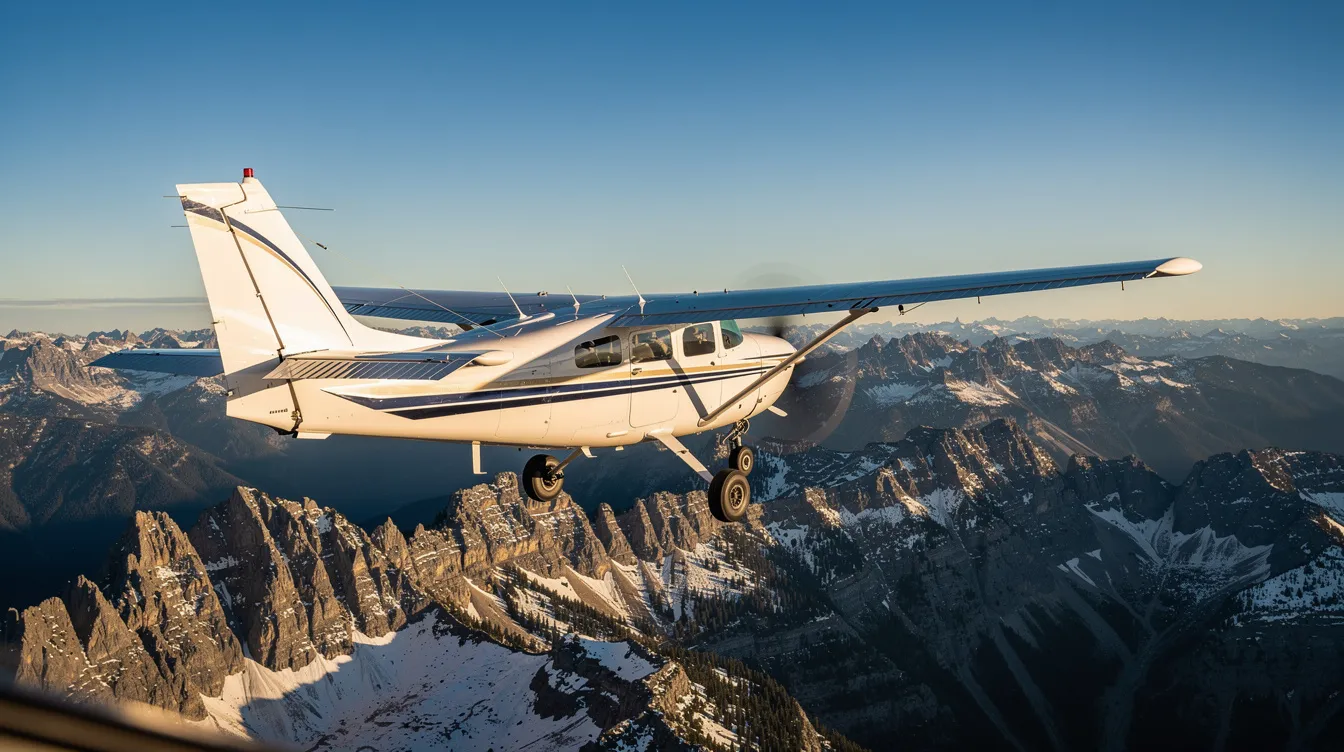
The Cessna Silver Eagle is one of the most distinctive owner-flown turboprops in general aviation. Built on the bones of a pressurized Cessna P210, this turbine conversion swaps out the original piston engine for a Rolls-Royce powerplant, delivering faster climbs, better high-altitude cruise, and improved reliability. Whether you are personally evaluating a purchase or simply curious about how this airplane performs against charter alternatives, this guide breaks down what matters.
The Cessna P210 Silver Eagle is a pressurized Cessna P210 piston aircraft converted into a single-engine turboprop using a Rolls-Royce (Allison) 250-B17F/2 engine derated to 450 HP. The turbine conversion delivers improved climb, better high-altitude performance, and smoother operation compared with the stock P210.
The Silver Eagle achieves a cruise speed of approximately 215 KTAS at altitude, offers a range of 800–1,000+ NM depending on fuel capacity configuration, and is recognized for its performance in high-density-altitude and short-runway operations.
On the used market, a P210 Silver Eagle typically lists between USD $500,000 and $975,000 depending on engine time, avionics, and airframe condition. Controller data shows recent listings averaging around $804,000 for well-equipped examples.
Jettly does not sell or convert aircraft but offers PropJet aviation options and other charter aircraft with similar or greater capabilities for travelers who want turboprop performance without ownership obligations.
This article covers history, technical details, ownership pros and cons, market availability, and how to achieve similar mission profiles through on-demand charter.
The Cessna P210 Silver Eagle is a turbine conversion of the pressurized Cessna P210R/Centurion. The project replaces the original 310-HP Continental TSIO-520 piston engine with a Rolls-Royce (Allison) 250-B17F/2 turboprop. The result is a pressurized, high-wing, retractable-gear aircraft that seats four to six and appeals to owners stepping up from high-performance pistons but not yet ready for a twin turboprop or light jet.
The conversion replaces a high-maintenance Continental piston engine with a reliable turbine engine, and the airplane is approved to hold a maximum takeoff weight of 4,000 lbs. In terms of performance, the Silver Eagle achieves a cruise speed of roughly 215 KTAS at high altitudes, with a range of approximately 800–1,000+ NM depending on tank configuration. The aircraft is pressurized up to flight level 230, making it capable of cruising above most weather.
Common naming can be confusing. "Silver Eagle," "Cessna Silver Eagle," and "Cessna P210 Silver Eagle" all refer to the same modified pressurized 210. Some owners informally call the entire fleet of converted airframes "Silver Eagles."
The Silver Eagle conversion began around 1992 in the United States. The project aimed to give the aging but popular P210 airframe turbine-like performance without requiring owners to buy an entirely new airplane.
Myron "Ole" Olson at the O&N Aircraft Modifications shop initiated the development. The O&N shop specializes in Cessna 210 and P210 modifications and had already built a reputation with auxiliary fuel tanks, nacelle tanks, and other P210 upgrades. A supplemental type certificate (STC) was issued in the early 1990s after the conversion demonstrated compliance with structural load, cooling, and performance requirements.
The Rolls-Royce 250-B17F/2 engine powers the Silver Eagle, derated to 450 HP for takeoff. This turbine engine is part of the M250 family, which has accumulated hundreds of millions of operating hours worldwide in helicopter and turboprop applications. The turbine engine provides improved climb rates and safety margins compared to the original 310-HP Continental piston engine it replaces.
Some airframes were converted well into the 2010s—one example was converted by O&N in February 2014. In total, roughly 114 Silver Eagles have been converted, making the P210 Silver Eagle a niche but well-recognized aircraft in the owner-flown turbine world. Today, PropJet210 Aviation and Griggs Aircraft maintain the STC and support the fleet through sales, training, and service.
This section covers how the Silver Eagle differs technically from a standard P210 and what that means for day-to-day flying.
The Rolls-Royce 250-B17F/2 is a single-shaft free turbine engine adapted for a tractor propeller configuration. The Silver Eagle's turbine engine is derated to 450 HP for takeoff, with continuous power around 380 shp. This protects the airframe while still delivering strong performance in hot-and-high conditions. The Silver Eagle is known for its high power-to-weight ratio and smooth operation compared to the vibration-heavy piston it replaces.
Most conversions pair the engine with a 3-blade Hartzell constant-speed prop, roughly 90 inches in diameter. The combination gives a distinct propjet aviation feel—smooth, responsive throttle, and none of the reciprocating roughness of the old Continental.
In cruise, the aircraft can reach a true airspeed of 200 knots at moderate altitudes, and many owners report 195–215 KTAS depending on altitude and throttle setting. The turbine engine provides improved climb rates and safety margins compared to piston engines, with climb rates commonly exceeding 2,000 feet per minute versus 1,000–1,200 fpm for the stock P210. The Silver Eagle is recognized for its performance in high-density-altitude and short-runway operations, with takeoff over a 50-foot obstacle at sea level around 2,200 feet.
Fuel burn runs approximately 20–24 gallons per hour of Jet A, depending on altitude and power setting. That compares favorably to the old TSIO-520's avgas consumption at high power, particularly since the turbine performs best at higher altitudes where piston engines lose efficiency.
The aircraft is pressurized up to flight level 230, allowing cabin altitudes of roughly 12,000 feet without supplemental oxygen. Operating in the mid-teens to low twenties means better weather avoidance and higher true airspeeds. Pressurization also reduces fatigue on longer flights.
Many Silver Eagles on the market feature upgraded avionics panels—Garmin G500/G600 displays, GTN 750/650 navigators, or full glass suites. Avionics condition strongly influences value. The cockpit workload suits experienced instrument-rated pilots, and integrated autopilots (S-TEC 55X, GFC series, or legacy BendixKing systems) are common. Buyers should evaluate avionics carefully, as modernization can add six-figure costs.
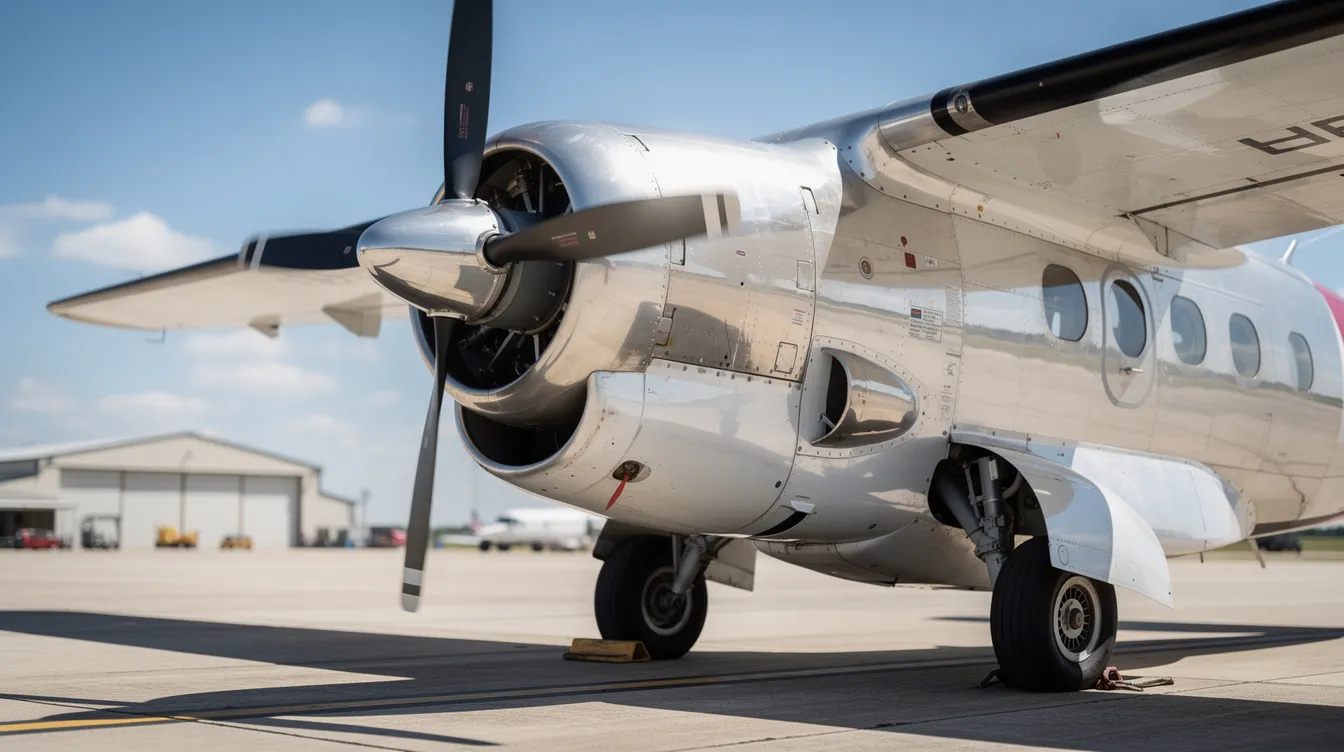
At its core, the airframe is still a Cessna P210: a pressurized, high-wing, single-engine airplane with a relatively compact but comfortable cabin for four adults plus luggage.
Typical layouts seat four to six, with a center-row double seat and a rear bench. Cabin dimensions are roughly 3 feet 5 inches wide and 4 feet tall—tight for six adults, particularly in the rear. Many owners remove the rear bench to free up baggage space and stay within weight limits. When fuel capacity is maximized with auxiliary tip tanks (up to approximately 148 usable gallons), payload drops to around 400–600 lbs after fuel weight, which means hard choices between passengers and luggage on longer trips.
The turbine reduces vibration compared to the piston, but cabin noise remains significant. Headsets are standard practice. Heating works well, and some aircraft include aftermarket air conditioning. Pressurization makes a meaningful difference on flights beyond an hour.
Common mission profiles include business trips between regional cities, owner-flown cross-country flights of 500–800 NM, and operations into mountain or high-elevation airports. Routes like Denver to Santa Fe or Dallas to Santa Rosa illustrate practical range and the airplane's ability to handle challenging field elevations.
Compared to chartered light jets or larger turboprops, the Silver Eagle's cabin is more utilitarian. A Pilatus PC-12 or King Air offers stand-up headroom, a wider cabin, and dedicated cabin service. The Silver Eagle trades space for lower operating costs and single-pilot simplicity.
Prospective buyers need to understand both direct operating costs and long-term maintenance commitments before acquiring a Silver Eagle.
Fuel burn at 20–24 GPH of Jet A translates to roughly $120–$170 per hour in fuel alone at current pricing, depending on region. Routine maintenance includes annual and 100-hour inspections under Part 91, plus consumables like tires, brakes, and de-ice boots where equipped. Luis is an A&P mechanic who has been maintaining Silver Eagles for 2 years, and he notes that finding shops with turbine conversion experience matters. PropJet has technicians with over 14 years of maintenance experience supporting the fleet.
The Rolls-Royce 250 series in this application carries a TBO on the order of 3,500 hours. An overhaul can cost a significant portion of the aircraft's market value, so remaining engine time is a primary driver of price. Support shops known for Silver Eagle work—such as O&N and independent turboprop specialists—can influence where owners base or service the airplane.
Insurance underwriters typically require turbine transition training for pilots coming from piston aircraft. An instructor like Gil, who has been a Silver Eagle instructor for over 10 years, can provide the specialized training that insurers and safety demand. Fixed costs include hangar fees, navigation database subscriptions, and hull/liability insurance.
On the resale side, Controller data shows Silver Eagles for sale with asking prices between $500,000 and $975,000. A 1980 model listed in Santa Rosa, California, was recently priced at $845,000 with 1,425 engine hours. Condition, remaining engine time, known-ice capability, and avionics are the primary value drivers. For some travelers, paying by the hour through a charter platform, using a private jet charter cost estimator to model trip budgets in advance, can be more economical than bearing these fixed costs year-round.
The Silver Eagle is only available on the used market. Listings appear periodically on sites like Controller and Trade-A-Plane, primarily in North America but occasionally in Europe, Africa, and Australia. Aircraft have been listed in places such as Santa Rosa (California), Oshawa (Ontario), and South Africa. Some listings also carry a month stamp such as August to show how recently the aircraft was posted or updated.
With roughly 114 airframes in the world, buyers may need to be patient and willing to travel for pre-purchase inspections. Engage a shop familiar with Silver Eagles for a detailed pre-buy, including borescope, logbook review, corrosion checks, and pressurization leak checks. Verify engine time since overhaul, propeller calendar time, and compliance with all service bulletins and STCs.
Evaluate ADS-B compliance, WAAS approach capability, autopilot health, and whether a glass cockpit retrofit is already done. Avionics modernization can easily add six-figure costs if not already completed. On financing, some buyers use aircraft loans, partnerships, or leasebacks to mitigate capital outlay—though each structure carries its own complexity. By contrast, on-demand charter through Jettly lets users access private charter aircraft with similar performance without tying up capital.
The P210 Silver Eagle competes conceptually with other owner-flown turboprops and light jets, but travelers also have the option to charter instead of buying.
Against other turboprops, the Silver Eagle generally offers a lower acquisition cost than a TBM 850 or PC-12, but it also comes with a smaller, tighter cabin and reduced payload. A Cessna 208 Caravan is slower but carries more. The King Air offers twin-engine redundancy and a larger cabin but costs substantially more to operate.
Light jets like the Citation CJ series or Phenom 100 cruise faster and higher with more passenger comfort, but acquisition and operating costs are in a different league. Many of these jets are widely available for charter through platforms like Jettly, making them accessible on a per-trip basis without ownership.
On-demand charter eliminates maintenance, crew training, insurance, and hangar obligations. It also offers choice of aircraft for each mission. Jettly gives access to over 20,000 aircraft globally, and tools like its airport locator help match turboprops that fill a similar role to the Silver Eagle for regional hops and short-runway operations.
For an executive flying Toronto to New York monthly, a family taking seasonal mountain trips, or ad-hoc business visits to smaller airports, charter typically makes more sense than owning a niche aircraft. Infrequent or variable flying patterns generally favor charter. The Silver Eagle is a strong choice for committed owner-pilots who fly 200–300+ hours per year. Jettly's digital marketplace is better suited to travelers who primarily value flexibility and time savings.
Jettly is a digital private aviation platform connecting travelers to a global inventory of turboprops, light jets, and other aircraft with capabilities similar to or exceeding the Silver Eagle.
The network includes turboprops (King Air, PC-12, Caravan), light jets, midsize jets, and helicopters. Many turboprops offer short-field performance and regional efficiency comparable to a P210 Silver Eagle, but with professional crew and more cabin space.
Jettly provides instant pricing and online booking with transparent cost display—no long-term commitments like jet cards or fractional shares, though private jet memberships are available for frequent flyers who want additional benefits. Users can compare aircraft options for a given route, balancing speed, cost, and cabin comfort at a glance. The platform supports access to smaller airports closer to final destinations, reducing door-to-door travel time. In-flight catering coordination through Jettly Eats and ground transportation arrangements are available where supported.
All flights booked through Jettly are operated by licensed, regulated operators with professional crews—ideal for travelers who want turbine performance but prefer not to act as pilot in command—and may include partners like Dexter Air Taxi within its global operator network.
Ready to experience private travel on your terms? Explore flight options, review world‑class jet card programs, or request a quote at jettly.com.
Turbine aircraft like the Silver Eagle burn more fuel than some pistons on an hourly basis, but they can be more efficient per nautical mile when flown at optimal altitudes and speeds.
The shift from avgas to Jet A in the Silver Eagle conversion offers operational advantages in fuel availability, especially outside North America where avgas can be scarce. Flying higher in the flight levels reduces fuel burn per nautical mile compared to low-altitude piston operations.
Emissions per passenger can be moderated by filling available seats and using efficient routings. Single-engine turboprops like the Silver Eagle or PC-12 are often chosen for efficiency on shorter legs where a larger, heavier jet would burn disproportionately more fuel.
Jettly can help travelers select efficient aircraft types for specific missions—choosing a turboprop rather than a heavy jet for a 300-mile hop, for example—and can also serve as a flexible NetJets alternative for those comparing charter to fractional ownership. Some operators in Jettly's network participate in carbon-offset programs or sustainability initiatives; travelers should inquire at the time of booking and can also review affordable private jet charter pricing factors to balance cost with environmental preferences. Smart aircraft selection and efficient routing remain the most practical levers for balancing performance and environmental impact.
No. The base Cessna P210 is no longer in factory production, and no new version of the Silver Eagle conversion is being produced as a new-build aircraft. All Silver Eagles are used airframes that underwent the turboprop conversion via STC, and some frequent flyers instead compare jet card costs and pricing structures to avoid long-term ownership commitments. The fleet remains active, but buyers should search the used market for available examples or consider other affordable aeroplane rental options if ownership isn’t essential.
The Silver Eagle generally performs better in climb and at high altitude, with smoother engine operation and different power management due to the turbine. Bob has over 40 years of Silver Eagle flying experience and agrees that transition training is essential. Logan is a commercially rated Silver Eagle pilot who can attest that the airplane performs well for its class, but the turbine demands respect and proper technique.
Individual Silver Eagle aircraft may be available in certain operator fleets from time to time, but availability is not guaranteed, and travelers open to crowdsourced private jet flights and shared seats often find more flexibility on routing and pricing. Jettly can typically source comparable turboprops with similar range, speed, and short-field capability for most routes, including discounted empty leg flights when schedules align.
Pilots typically need at least a private or commercial certificate with an instrument rating, substantial complex and high-performance time, and dedicated turbine transition training. Gil has been a Silver Eagle instructor for over 10 years and provides the type-specific instruction that insurers require. Many owners invest in annual recurrent training to stay proficient, while aviation entrepreneurs might also explore Jettly’s high ticket affiliate program to earn referral income from travelers who prefer to charter rather than own.
Chartering generally makes more sense for travelers flying fewer than a couple hundred hours per year, those with varying group sizes or destinations, or anyone who prefers predictable trip-based costs, especially when applying tips for booking the cheapest private jet flights to keep budgets in check. Ownership means managing maintenance, hangar fees, insurance, and capital that could be deployed elsewhere, whereas savvy travelers might instead buy a seat on a private jet on select routes to capture much of the benefit without tying up funds. If the money tied up in a Silver Eagle doesn't meet your annual flying needs, charter offers equal flexibility without the fixed overhead, and there are now many ways to get a seat on a private jet easily for occasional trips. Explore flight options or request a quote at jettly.com.
The Cessna Silver Eagle remains a compelling option for owner-pilots seeking turbine performance on a proven airframe with pressurization and solid short-field capabilities. Its Rolls-Royce turbine engine offers reliable, smooth operation with improved climb rates and high-altitude cruise compared to the original piston model. However, ownership requires a long-term commitment to maintenance, training, and operational costs that may not be worth it for all travelers.
For those who cannot or prefer not to afford the fixed costs or who fly only half the hours needed to justify ownership, on-demand charter through platforms like Jettly provides a flexible, cost-transparent alternative. Jettly’s extensive network of turboprops and light jets offers similar or better performance with professional crews and no ownership hassles.
Whether considering a Silver Eagle purchase or exploring charter options, understanding the aircraft’s story, performance, and operational footprint is key to making the best choice for your travel needs today and into the future.
Ready to enjoy private travel tailored to your needs? Discover flight options or get a personalized quote at https://www.jettly.com..
Share this post:
Jay Franco Serevilla
Aug 15, 2026
|
5
min read
Discover tips and trends in the industry.
5
min read
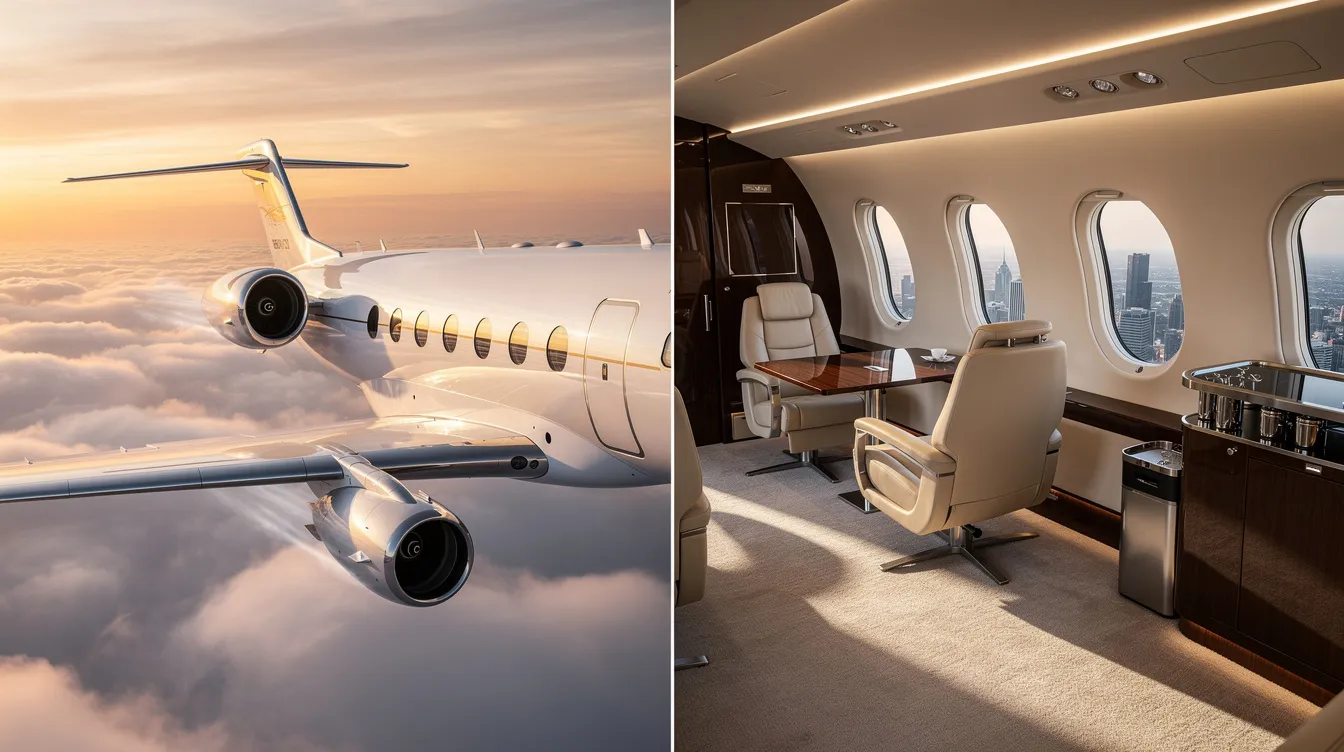
White Cloud Aviation & Private Charter Around Lake Havasu
White Cloud Aviation in Lake Havasu City offers specialized flight training and private jet charter services, making it an ideal destination for pilots and leisure travelers. With year-round flying conditions and a focus on cloud aviation skills, students can enhance their training while enjoying seamless travel through platforms like Jettly.
Read More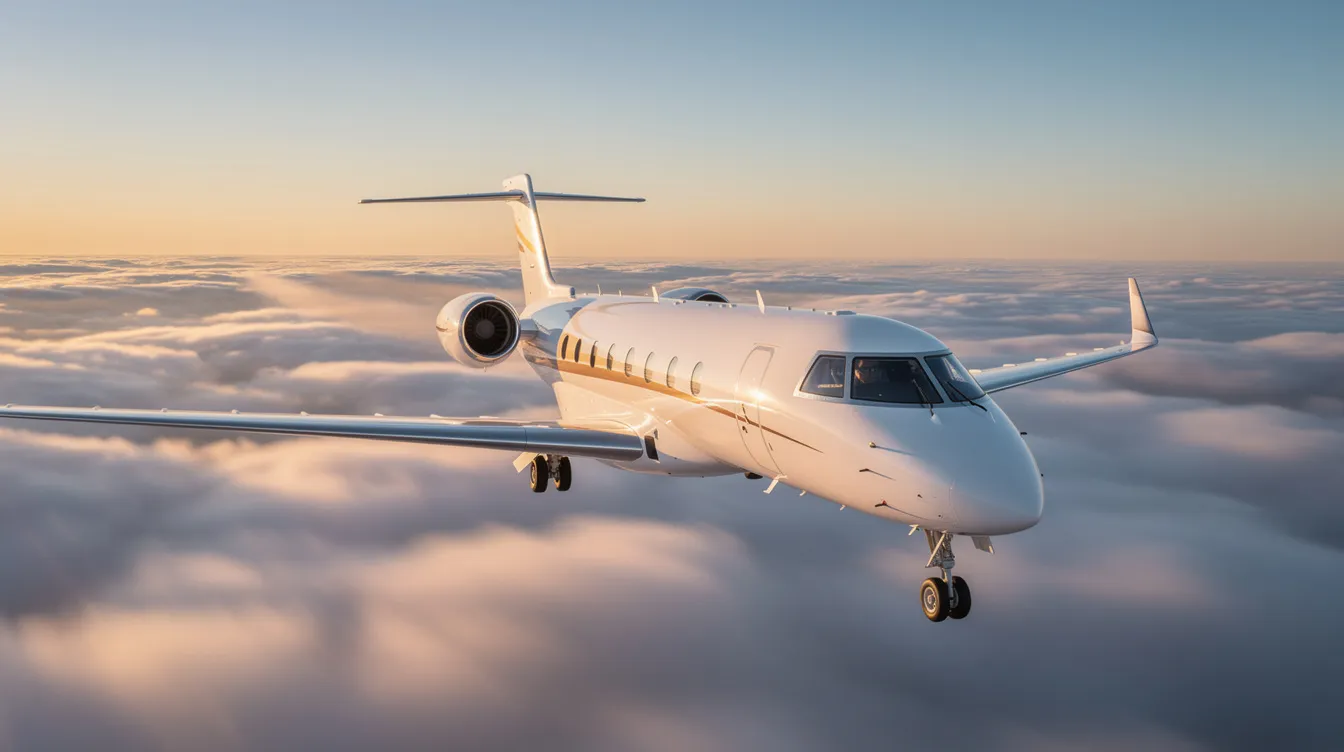
5
min read
BAJ Jets: How Digital Platforms Like Jettly Are Changing Private Jet Travel
BAJ jets, or Book-A-Jet platforms, are revolutionizing private aviation by providing digital access to over 20,000 aircraft worldwide. Platforms like Jettly offer live pricing, transparent quotes, and flexible booking options, making private jet travel more accessible than ever. This article explores how these platforms work, their pricing models, and the overall booking experience.
Read MoreStay updated with our latest insights and tips to elevate your journey with us.
MEMBERSHIPS AND ASSOCIATIONS



Disclaimer: Jettly operates as a charter broker, offering access to a global digital jet charter marketplace. Jettly is not a direct air carrier and does not own or operate aircraft. All advertised flights are conducted by third-party air carriers that are fully licensed and hold the appropriate Part 135 or Part 121 certifications issued by the Federal Aviation Administration (FAA) or equivalent regulatory authorities under U.S. or foreign law. Jettly complies fully with the U.S. Department of Transportation's Part 295 and Part 298 Charter Broker regulations. Jettly does not carry additional liability insurance. Passengers are covered by aircraft operator insurance. TICO: 50023770


