


Login
Get Instant Pricing On 23,000+ Aircraft

>
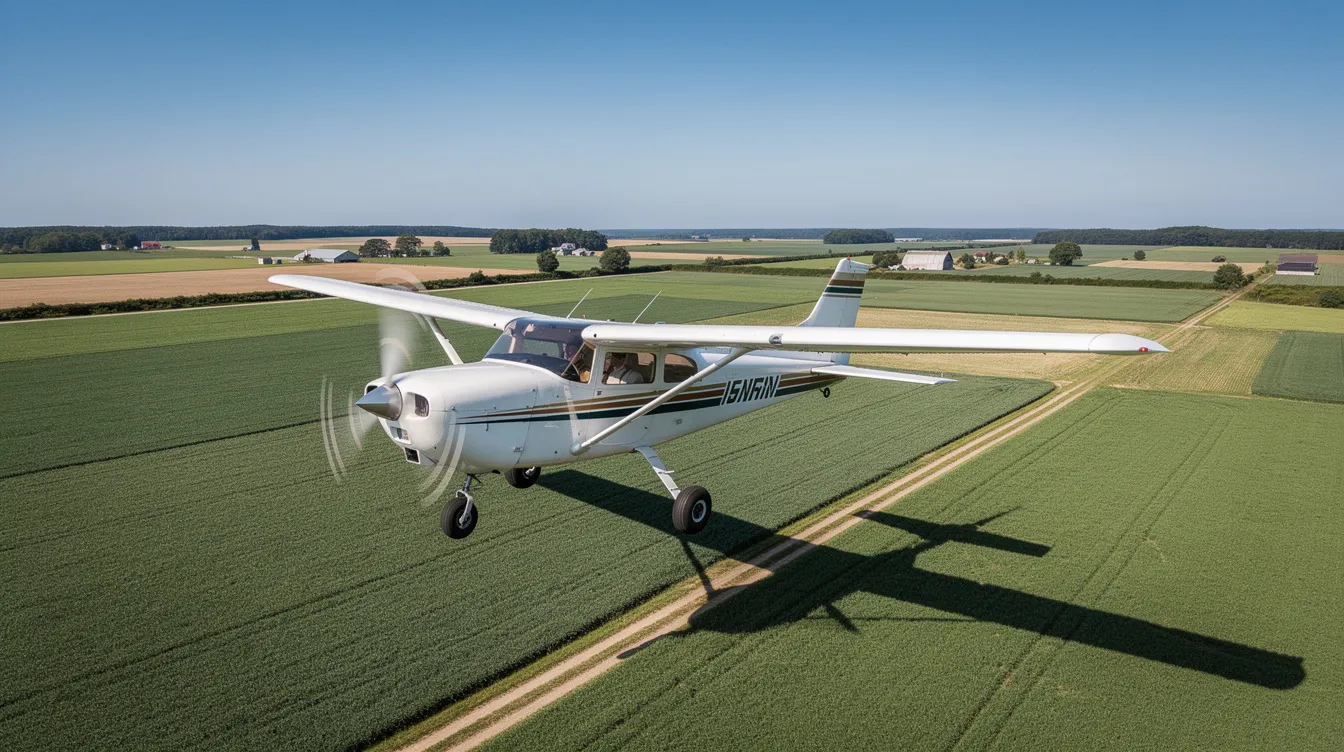
Few names carry as much weight in aviation as Cessna. Cessna single-engine aircraft are light airplanes powered by one piston engine, and models such as the Cessna 172 Skyhawk are used worldwide for pilot training, recreational flying, and short-range personal travel because they are affordable to operate, easier to maintain, and known for stable handling. At the center of that lineup sits the Cessna 172 Skyhawk, the world's most popular training airplane and the most-produced single-engine aircraft in history, with more than 45,000 units built since its first flight in 1955.
Compared with turboprops and private jets, single-engine piston aircraft fly slower, lower, and shorter routes, but they deliver a far lower cost of entry into general aviation. That makes them especially relevant for student pilots, private aircraft owners, frequent flyers weighing ownership or charter options, and aviation enthusiasts who want to understand where Cessna fits in the economics and utility of personal flying. Cessna single-engine aircraft range from basic trainers to cross-country cruisers, which is why they remain foundational to flight training and everyday general aviation around the world.
Many pilots who later fly private jets or book charter flights for business began in a Cessna cockpit. This article looks at the history of Cessna single-engine aircraft, the main models and what each is built to do, training use, ownership costs, safety and regulatory considerations, and how to choose the best cross-country aircraft for different missions, while also showing how Jettly connects travelers to private jet charter when a single-engine airplane is no longer the right tool for the trip.
Cessna single-engine piston aircraft, led by the Cessna 172 Skyhawk, set the global standard for pilot training, first flight experiences, and affordable personal flying.
Different Cessna models serve distinct missions: the 150/152 for budget training, the 172 for all-around versatility, the 182 for cross-country travel, and the 206 for backcountry utility.
Owning a single-engine aircraft makes financial sense at roughly 100+ flight hours per year, while chartering through a platform like Jettly is typically more efficient for longer, less frequent, or weather-sensitive trips.
Cessna trainers feed directly into the broader private aviation ecosystem, producing the pilots who later fly turboprops and jets available on digital charter platforms.
When a piston single can't match your range, speed, or schedule requirements, Jettly offers on-demand access to thousands of aircraft worldwide with instant pricing and no ownership overhead, tapping fleets from leading private aircraft manufacturers across every budget and mission profil
Cessna single-engine aircraft are the backbone of general aviation. Here is how the company got there:
1927: Clyde Cessna founded the Cessna Aircraft Company in Wichita, Kansas, with a focus on building monoplanes with cantilever wings.
Post-WWII boom: Demand for private and training aircraft surged. Cessna expanded its high-wing single-engine line to serve U.S., Canadian, European, and emerging markets.
1960s–1980s peak: Production of models like the 172, 182, and 206 hit record volumes. The brand became synonymous with simple, rugged, high-wing singles.
1986–1996 pause: Rising product liability costs forced Cessna to halt production of many piston singles. The gap limited supply and drove up used-aircraft values.
Modern era: Production resumed in 1996 with updated avionics and engines. Cessna is now part of Textron Aviation, which also builds turboprop and jet aircraft like the Citation line, though this article focuses on the piston single-engine aircraft used for training and short-range travel.
The core design philosophy across Cessna's piston single fleet centers on stability, visibility, and ease of maintenance. Several features set these aircraft apart from competitors:
High-wing configuration: High-wing configuration provides exceptional downward visibility and increased ground clearance, making it easier for student pilots to scan for traffic, judge landings, and operate from rough or unpaved strips.
Fixed tricycle landing gear: Tricycle landing gear enhances directional stability during ground operations, simplifying taxiing and landing for new pilots. The fixed-gear setup also eliminates the complexity and cost of retractable systems.
Simple engine piston aircraft systems: Cessna single-engine aircraft typically use piston engines from Lycoming or Continental, both well-supported with parts and service globally. Fewer moving parts than turbine engines means more predictable maintenance costs.
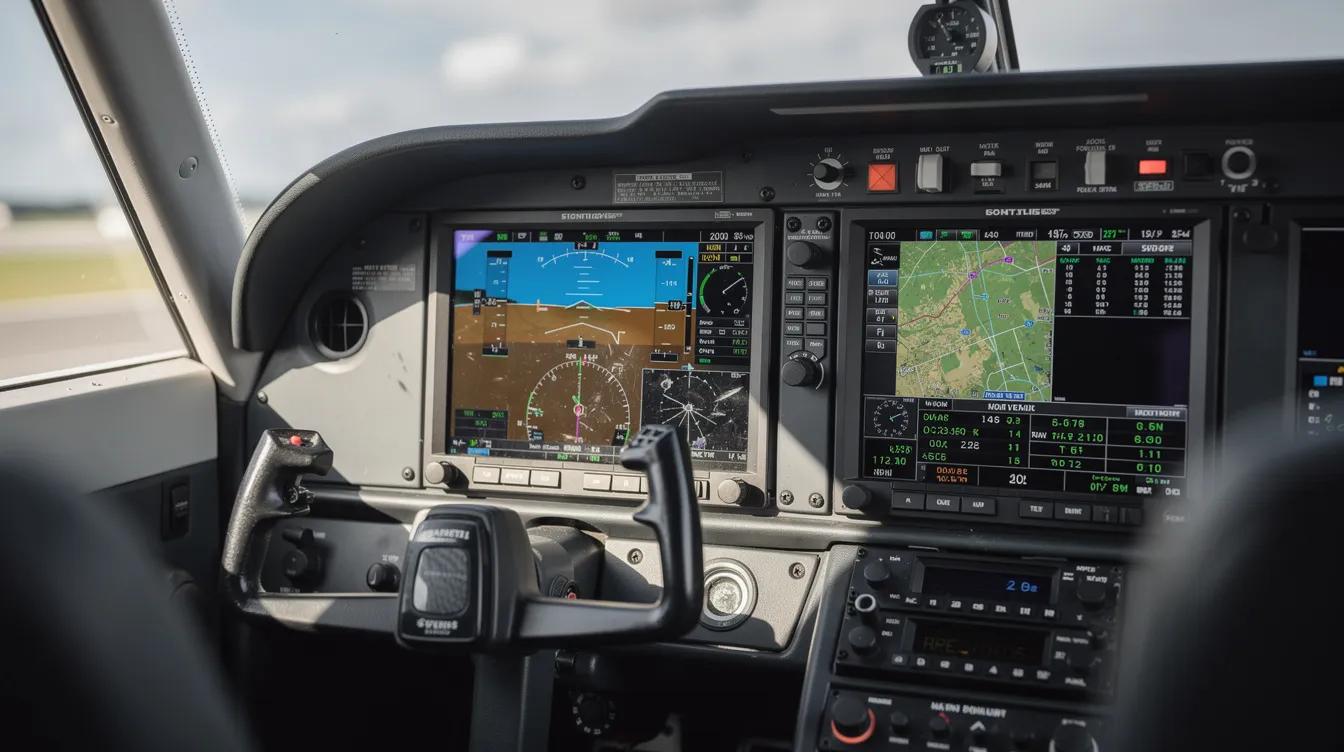
Modern avionics: Many modern Cessna models feature advanced glass cockpits with integrated avionics. The current Skyhawk ships with a Garmin G1000 NXi panel and GFC 700 autopilot, giving students early exposure to the same display logic found in turboprops and jets.
Global support: Cessna's aircraft are recognized for their reliability and ease of maintenance, backed by a worldwide network of parts suppliers and mechanics familiar with every Cessna model in the fleet.
Flight schools around the world still rely on two legacy trainers for initial instruction, first solo flights, and time-building missions.
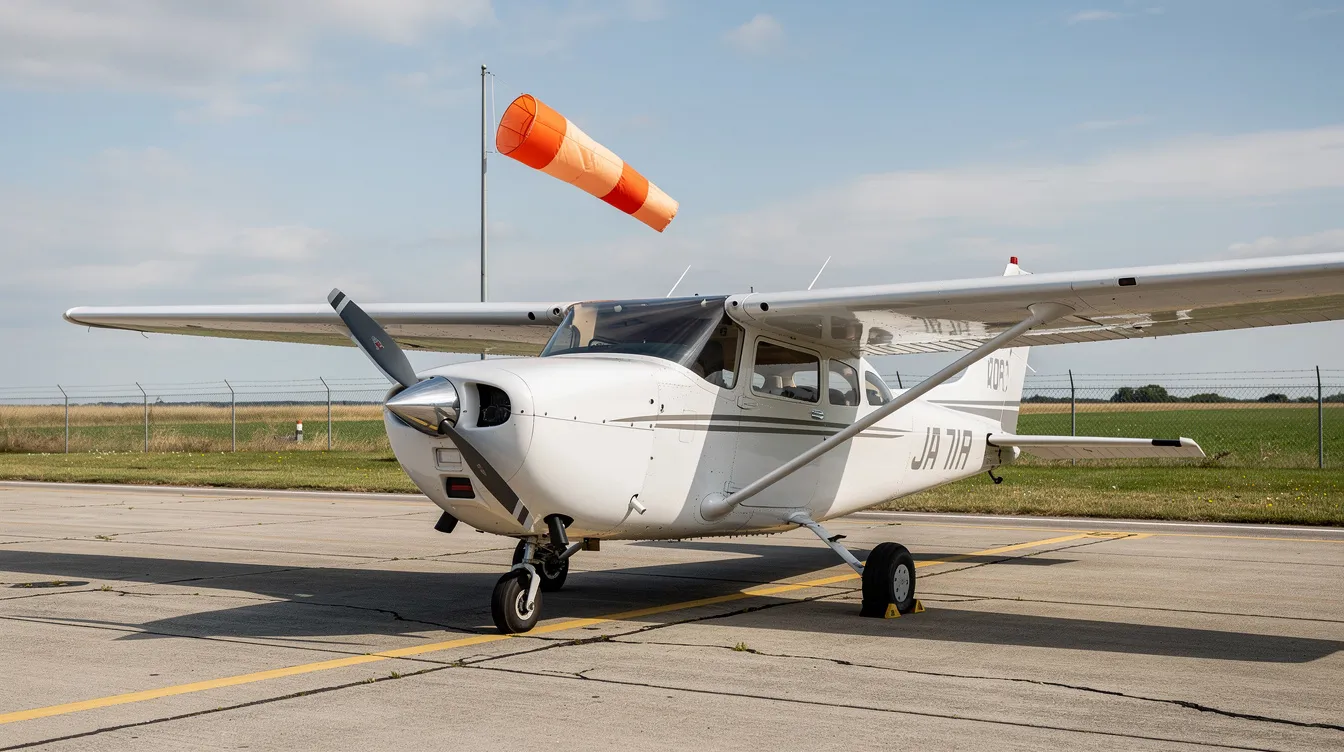
Cessna 150 (produced 1958–1977): A two-seat trainer with a 100–110 hp Continental engine and a basic analog cockpit. Used-market prices typically run USD 20,000–70,000 depending on condition, total hours, and avionics. It remains the budget entry point for student pilots who want the lowest possible cost per hour.
Cessna 152 (produced 1977–1985): A refined version with a Lycoming O-235 engine, slightly improved handling, and better durability. Used listings average around USD 68,000. It fills the same trainer and time-builder role as the 150 but with a bit more cabin comfort.
Why do flight schools still use aircraft designed decades ago?
Cessna models feature stable and predictable handling, making them ideal for training.
Parts are abundant.
Maintenance is straightforward.
Training materials are widely available.
Common milestones logged in these aircraft include discovery flights, first solo (typically around 10–20 hours), cross-country navigation flights, and checkride preparation.
The Cessna 172 is the benchmark single-engine aircraft for both training and light personal travel. Production started in 1956 and continues today, making it the longest-running production airplane in aviation history.
Here are the key performance numbers for the modern 172S variant:
|
Metric |
Value |
|---|---|
|
Cruise speed |
124 knots TAS at 75% power |
|
Useful load |
Up to 878 pounds |
|
Fuel capacity |
56 gallons (53 usable) |
|
Maximum range |
640 nautical miles (with reserves) |
|
Takeoff distance (over 50 ft obstacle) |
1,630 feet |
|
Service ceiling |
~14,000 feet |
|
Rate of climb |
~730 ft/min |
|
Seats |
4 |
Pilot training commonly employs the Cessna 172 due to its user-friendly systems. Four seats accommodate an instructor, student, and observers. The Skyhawk model is popular for its forgiving stall characteristics and good visibility, reducing risk during the earliest and most vulnerable hours of flight training.
The modern cockpit includes Garmin G1000 NXi avionics with ADS-B In/Out, synthetic vision, and moving-map navigation. This mirrors systems on many charter jets, giving students a head start on glass-cockpit proficiency before they ever step into a turboprop or private charter aircraft.
Beyond training, the 172 transitions smoothly into a personal transportation role for weekend trips, short business hops, or regional sightseeing with family.
Once pilots gain experience, they often progress from a basic trainer into more capable single engine cessna aircraft.
Cessna 182 Skylane: The Cessna 182 Skylane is a high-performance four-to-five-seat cruiser ideal for longer trips. With a more powerful engine (~230 hp), constant-speed propeller, and increased gross weight, it delivers higher top speed (~135 knots), greater useful load, and better climb performance in mountainous or high-density-altitude environments. The Cessna 182T Skylane features a Garmin G1000 avionics suite, keeping the cockpit experience consistent for pilots stepping up from the 172. The Cessna 182 Skylane provides improved performance for personal cross-country travel compared to the 172.
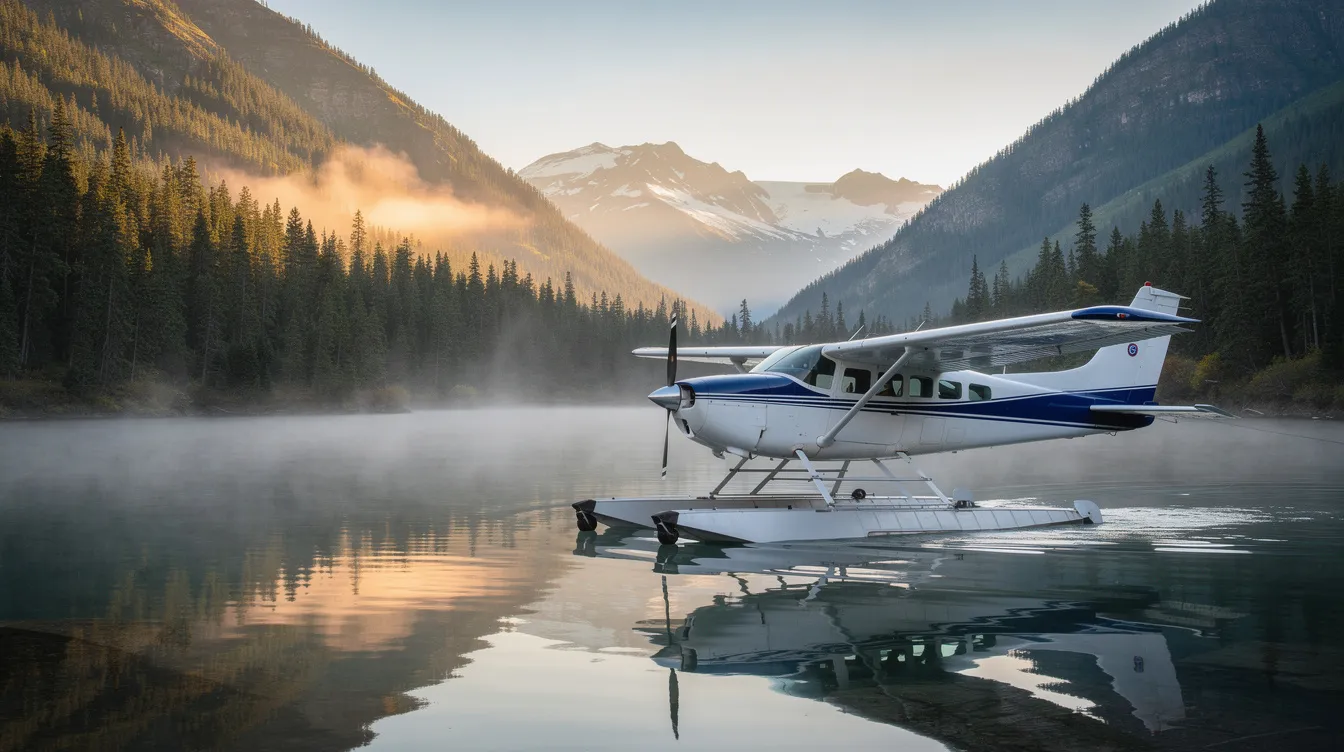
Cessna 206 Stationair: The Cessna 206 Stationair is a heavy-utility aircraft designed for backcountry operations. Its six-seat configuration, strong short-field performance, and robust landing gear make it the perfect aircraft for float operations, remote strips, and mission flying. The Cessna T206 Turbo Stationair HD is known as the "SUV of the skies" and is popular for its payload capacity. The Cessna 206 offers significant payload capabilities and is suited for utility missions, with cruise speeds around 140 knots and a range near 560 nautical miles depending on load.
Cessna TTx: A discontinued but notable new model in the single-engine lineup. Cessna TTx was acquired by Cessna in 2007 and offered near-light-jet cruise speeds from a fixed-gear piston single. Cessna TTx production has been discontinued, but used examples appeal to owner-pilots wanting maximum speed on shorter routes. Its liquid-cooled engine set it apart from traditional air-cooled Cessna singles.
These step-up models trade some of the 172's simplicity for greater capability. Still, when a mission demands even more speed, range, or weather tolerance, chartering a turboprop or light jet through Jettly offers a clear upgrade path.
A majority of private pilots globally log their earliest hours in Cessna single-engine aircraft, often starting with affordable aircraft rental and flying club options. The typical training pipeline looks like this:
Discovery flight in a Cessna 172 or 152
Private pilot license (regulatory minimum ~40–45 hours; most students finish in 55–70 hours)
Instrument rating for flying in clouds and low visibility
Time-building toward commercial certificates or airline transport pilot minimums
University aviation programs and large flight schools standardize on Cessna fleets because of reliability, low downtime, and consistent performance across the fleet. Many charter captains flying turboprops and jets available on platforms like Jettly started their careers in piston singles before transitioning to more complex aircraft, and some now operate shared and crowdsourced private flights with empty seats that make charter more affordable for passengers.
Simulation and modern training devices often emulate 172 or 182 panels, creating a consistent learning environment from classroom to cockpit and reinforcing the versatility of these trainers throughout a pilot's career.
A Cessna single-engine aircraft can be cost-effective for frequent short trips, while charter platforms better serve longer or less frequent missions.
|
Cost Category |
Cessna 172 (100 hrs/yr) |
Cessna 182 (100 hrs/yr) |
|---|---|---|
|
Annual fixed costs (hangar, insurance, inspection) |
~USD 15,000–20,000 |
~USD 20,000–28,000 |
|
Hourly variable (fuel, oil, maintenance reserves) |
~USD 100–150/hr |
~USD 150–225/hr |
|
Total annual operating cost |
~USD 17,100 |
~USD 23,550 |
|
Engine overhaul reserve |
~USD 35,000+ every 1,500–2,000 hrs |
Higher due to larger engine |
Cessna single-engine aircraft average $300,867 on the used market, and 456 Cessna single-engine listings are currently available, reflecting steady demand. Older trainers like the 150/152 can be found for well under USD 70,000, while a factory-new 172S equipped with glass avionics runs significantly higher.
Ownership makes the most financial sense for pilots flying 100+ hours per year on similar regional routes and who understand the broader costs of private aircraft ownership and use. Below that threshold, fixed costs dilute value quickly. For missions requiring longer range, tight schedules, or poor-weather capability—perhaps better served by a high-performance cabin-class twin like the Cessna 340 for business travelers—chartering on demand eliminates maintenance, hangar, and depreciation overhead entirely.
Practical scenario: A pilot-owner flies a Cessna 172 for local weekend trips and uses Jettly for a multi-city business trip or an international family vacation where a piston single simply can't compete on speed or comfort.
Jettly is a digital private aviation platform that sits above piston singles in speed and capability while serving many of the same origin airports. Regional and municipal fields with strong Cessna training activity are often also accessible to light jets and turboprops listed on the platform.
A pilot or aviation enthusiast who learned to fly in a Cessna can use charter flights for missions where a single-engine aircraft falls short:
Long nonstop legs beyond the maximum range of a piston single
Poor weather requiring de-icing, pressurization, or higher-altitude flight paths
Time-critical business trips where 124-knot cruise speed is too slow and where Jettly's affordable private jet charter pricing guidance helps estimate the upgrade cost
Passengers and comfort: a larger cabin, interior amenities, and professional crew
Jettly provides easy access to thousands of aircraft worldwide, instant pricing through its charter cost estimator, digital booking, and flexible membership options. No aircraft ownership is required. Learn more about Jettly's charter options at https://www.jettly.com or explore its high-ticket affiliate partnership program if you regularly refer other travelers to private aviation.
Matching the right aircraft to your mission requirements prevents overspending and underperforming. Here is a quick decision framework:
|
Mission |
Best Cessna Model |
Why |
|---|---|---|
|
Budget training, solo time-building |
150 / 152 |
Lowest cost, two seats, less fuel burn (~5–6 gph) |
|
Family sightseeing, flying club, instrument training |
172 Skyhawk |
Four seats, forgiving handling, strong resale value |
|
Cross-country with family and baggage |
182 Skylane |
Higher gross weight, faster cruise, more carry capacity |
|
Backcountry, floats, heavy cargo, adventure travel |
206 Stationair |
Six seats, short-field performance, rugged configuration |
|
Multi-city business travel, long legs, tight schedules |
Charter via Jettly |
Turboprop or jet speed, professional crew, no ownership drag |
For pilots who regularly fly over long distances or need to plan stops in multiple cities in one day, a chartered turboprop or light jet delivers greater efficiency and productivity than any piston single. Jettly's guide to leading private jet charter companies and private jet for business travel options covers that gap.
Safety and regulation are central to both flying a personal aircraft and choosing a charter service.
Cessna single-engine aircraft have a long safety record when flown within limits and maintained properly. Their forgiving flight characteristics, predictable wings-level stall behavior, and simple flaps and systems reduce risk for newer pilots. But limitations exist: piston singles lack pressurization, often have no de-icing equipment, and are more vulnerable to turbulence and icing than larger aircraft.
Key regulatory points for personal flying:
Licensing: Private pilot license requires minimum ~40–45 flight hours (FAA); instrument rating adds more
Medical certificates: Required and must be kept current
Inspections: Annual inspection for private use; 100-hour inspection if the aircraft is used for hire or instruction
Recurrent training: Flight review every 24 calendar months in the U.S.
Charter flights arranged through Jettly are operated by certified air carriers with professional crews, rigorous maintenance programs, and safety audits that often exceed minimum regulations set by the FAA, Transport Canada, EASA, and other national authorities, as highlighted in its guide to private and charter airlines. Cessna training and private jet charter are complementary paths that both demand serious attention to safety and compliance.
Most discovery flights worldwide are conducted in Cessna single-engine aircraft, particularly the 172 and 152. Their stable, predictable handling and excellent downward visibility make them ideal for first-time flyers. Because these aircraft fly at lower speeds than jets, students have more time to absorb the experience and listen to instructor explanations during that critical first flight.
Regulatory minimums in many countries sit around 40–45 flight hours for a private pilot license, but most students realistically finish between 55 and 70 hours in a Cessna 172 or similar trainer. Total time depends on lesson frequency, local weather patterns, and how much ground study a student completes between flights.
Licensed pilots can use a Cessna 172, 182, or 206 for regional business trips, especially on routes under 300–400 nautical miles where the time saved over driving is significant. For longer distances, tight schedules, or multi-city days, chartering a turboprop or jet is often more efficient and allows the traveler to focus on work rather than flying the aircraft, especially when you know how to access a private jet seat affordably.
Smaller single-engine aircraft are more sensitive to adverse weather, turbulence, icing, and strong winds, often leading to delays or cancellations for safety. Professionally crewed charter turboprops and jets can typically fly above or around weather, carry more advanced de-icing systems, and are dispatched according to strict safety protocols that keep schedules more reliable.
No ownership is required. Jettly is a digital marketplace connecting travelers with certified charter operators and their aircraft on an on-demand or membership basis. Pilot-owners of Cessna single-engine aircraft often use Jettly for trips that exceed their aircraft's range, passenger capacity, or weather capabilities.
Cessna single-engine aircraft form the foundation of modern pilot training and affordable personal flying around the world. The Cessna 172 and its single-engine siblings remain the most common starting point for student pilots, producing generations of aviators who go on to fly everything from turboprops to heavy jets.
As travel needs expand beyond the typical range and speed of a single-engine piston aircraft, digital charter platforms like Jettly unlock broader possibilities with no ownership burden, instant booking, and access to a global fleet as a compelling alternative to fractional programs like NetJets.
Ready to experience private travel on your terms? Explore flight options or request a quote at https://www.jettly.com.
Share this post:
Jay Franco Serevilla
Aug 13, 2026
|
5
min read
Discover tips and trends in the industry.
5
min read
Who Flies a Plane: From Private Jet Captains to Celebrity Pilots
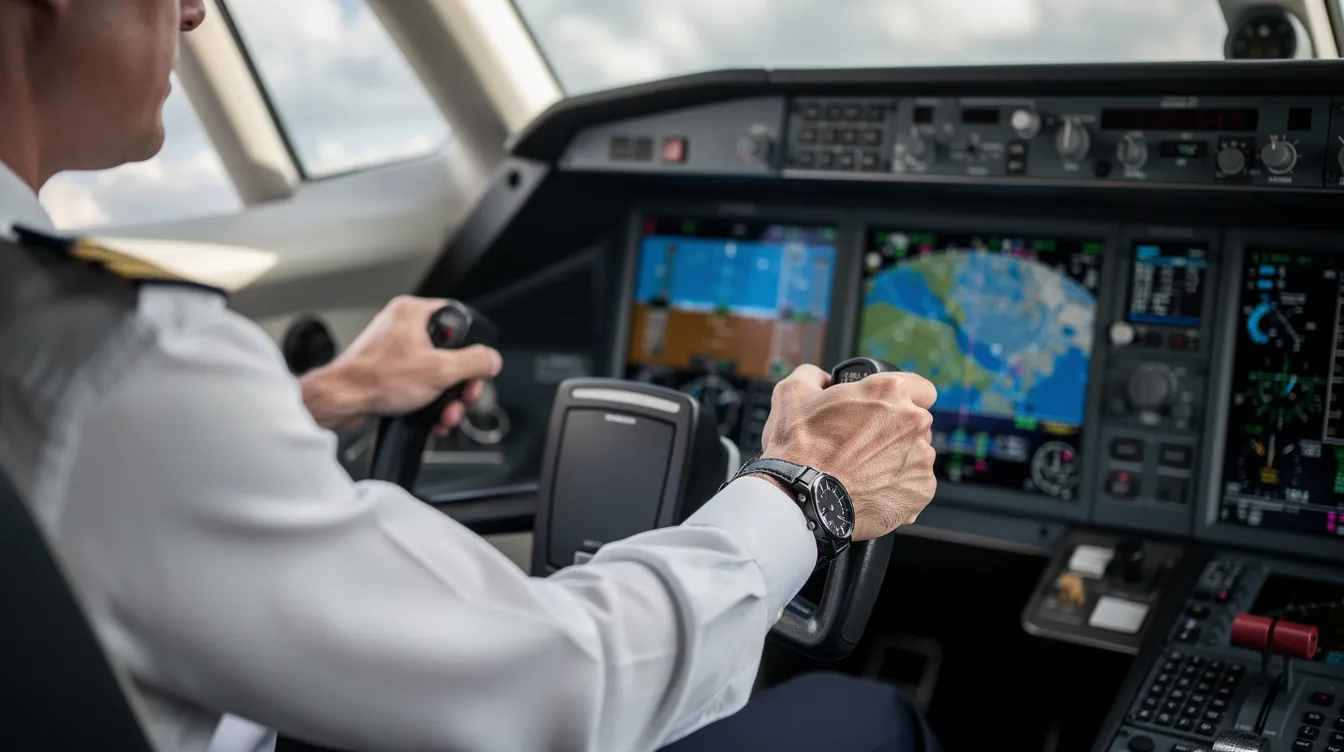
Flying a plane requires skilled, licensed pilots who undergo extensive training. This article explores the various types of pilots, their training processes, and the controls they manage during flights. It also highlights the role of private jet charter services like Jettly in connecting travelers with professional pilots and aircraft.
Read More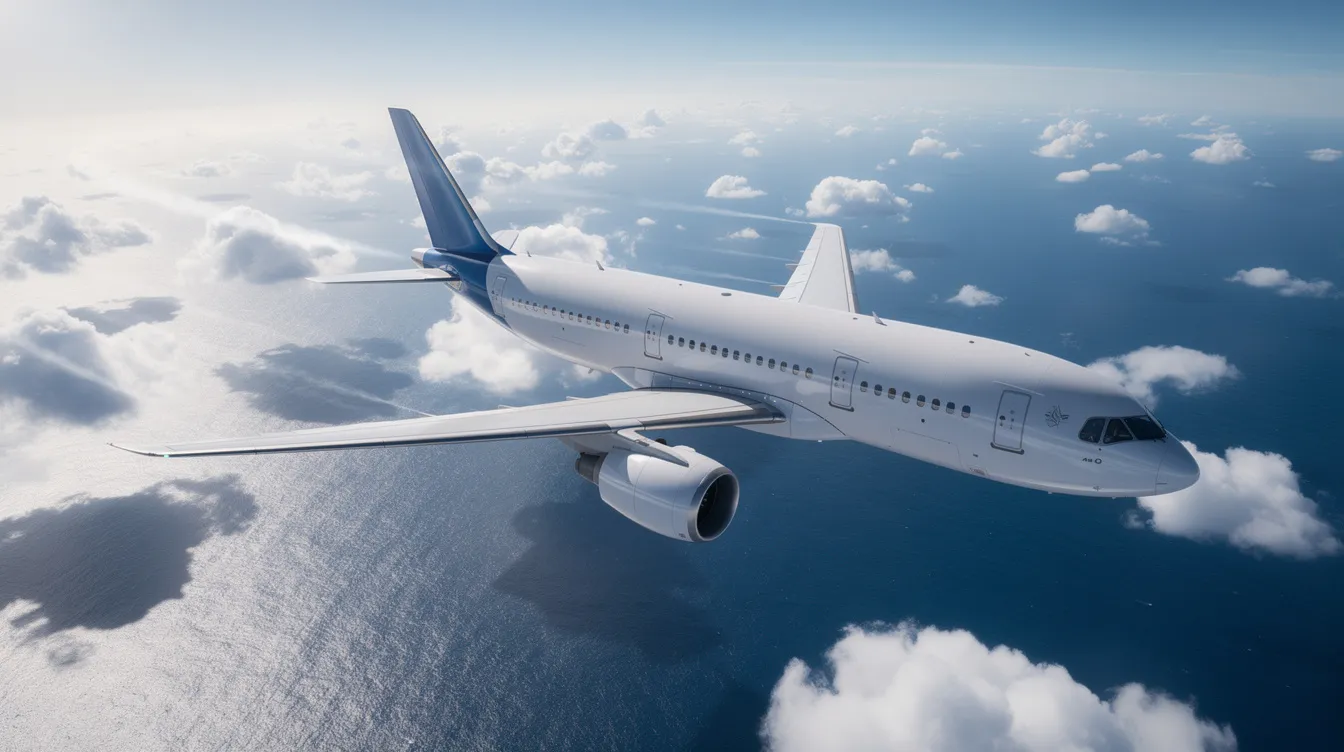
5
min read
Free Flight Tracker: How to Monitor Commercial and Private Flights in Real Time
Free flight trackers have revolutionized how we monitor aircraft in real-time, providing accessible tools for tracking both commercial and private flights. These platforms aggregate data from various sources to deliver live updates on flight status, routes, and estimated arrivals. While free versions offer essential features, premium options and services like Jettly enhance the experience by enabling booking and detailed trip management.
Read MoreStay updated with our latest insights and tips to elevate your journey with us.
MEMBERSHIPS AND ASSOCIATIONS



Disclaimer: Jettly operates as a charter broker, offering access to a global digital jet charter marketplace. Jettly is not a direct air carrier and does not own or operate aircraft. All advertised flights are conducted by third-party air carriers that are fully licensed and hold the appropriate Part 135 or Part 121 certifications issued by the Federal Aviation Administration (FAA) or equivalent regulatory authorities under U.S. or foreign law. Jettly complies fully with the U.S. Department of Transportation's Part 295 and Part 298 Charter Broker regulations. Jettly does not carry additional liability insurance. Passengers are covered by aircraft operator insurance. TICO: 50023770


