


Login
Get Instant Pricing On 23,000+ Aircraft

>
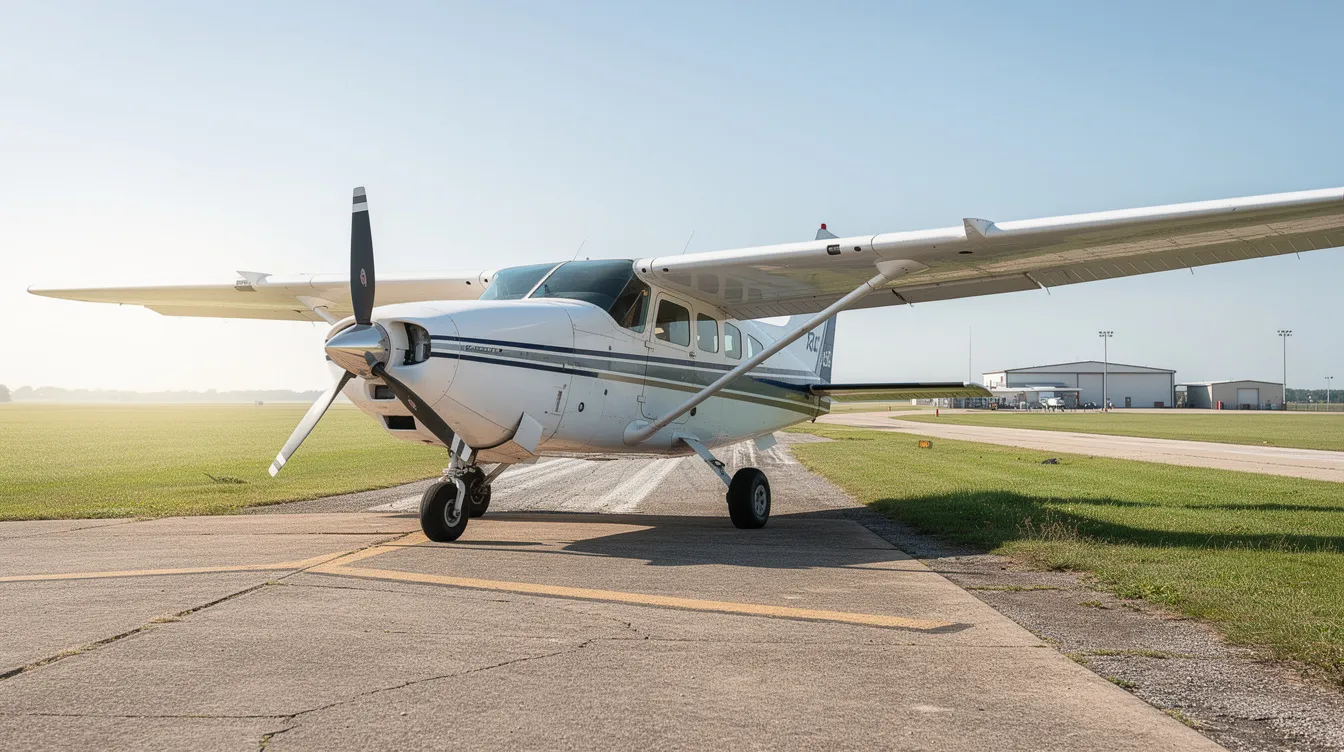
Cessna twin-engine aircraft shaped decades of private aviation, from the first plane in the 310 series rolling off the line in the 1950s to the pressurized cabins of the 421 Golden Eagle. A twin Cessna refers to Cessna's family of twin-engine piston and turboprop aircraft, including both light piston models and heavy turboprops. These airplanes remain relevant for charter, training, and owner-flown missions today. This guide is designed for pilots, charter customers, and aviation enthusiasts seeking to understand the advantages, models, and operational considerations of Cessna twin-engine aircraft, helping you choose the right aircraft for charter or purchase.
Twin-engine piston aircraft like the Cessna 310, 340A, 414A, and 421C built the company's reputation for speed, redundancy, and cabin comfort across business and personal aviation.
Cessna twin-engine aircraft include light piston models and heavy turboprops, offering increased safety through engine redundancy and significantly greater payload capacities compared to single-engine alternatives.
Two engines provide higher performance and greater operational flexibility, making them ideal for regional business trips, cargo, and routes over challenging terrain.
Jettly's digital charter platform gives travelers on-demand access to twin-engine turboprops, light jets, and piston-powered aircraft globally, with transparent pricing and no ownership burden.
Later sections compare model specifications, outline operating costs ranging from fuel burn to engine overhauls, and explain how to charter the right twin for your next mission.
A twin Cessna refers to Cessna's family of twin-engine piston and turboprop aircraft produced mainly between the 1950s and late 1980s, plus the modern SkyCourier. Cessna twin-engine models include 340A, 414A, and 421C, among others. These aircraft typically use fuel-injected turbocharged engines, distinguishing them from single-engine models like the Cessna 172 or the turboprop Caravan.
Twin-engine designs became popular after World War II because two engines improve climb rates and provide higher cruise speeds compared to single-engine models. Air taxi operators, corporate shuttles, and flight schools adopted them for their useful load, speed, and redundancy. The Cessna 310 is a fast low-wing traditional twin built for personal travel, while the 421 Golden Eagle serves as a pressurized executive transport.
Although many classic twin Cessna models are no longer in production, they remain active in private ownership, air charter, survey, cargo, and medevac roles. Jettly's marketplace includes access to a range of twin engine options beyond Cessna, giving charter customers a broad search across aircraft categories.
Cessna's twin engine story starts in the early 1950s and spans light twins to pressurized businessliners and modern utility turboprops.
Cessna 310: Its first flight took place in January 1953, with civil deliveries beginning in 1954. Over 5,400 units were produced through the 1980s, powered by Continental engines ranging from 240 to 285 hp across variants. With tip tanks, wing lockers for baggage, and cruise speeds around 175–190 knots, it became a workhorse for air taxi and private owners.
Cessna 340/340A: Delivered starting in 1972, this smaller pressurized cabin-class twin targeted owner-pilots stepping up from high-performance single-engine aircraft. The Cessna 340A features a 310 horsepower engine (TSIO-520-NB) and pressurized club seating for comfort. The Cessna 340 has a maximum range of 1,487 nautical miles, making it highly versatile for cross-country flight. Production ended in 1984 with about 1,351 units produced.
Cessna 414 Chancellor: First delivered in November 1968, the Cessna 414 Chancellor is designed for comfortable executive transport with a larger cabin, generous baggage volume, and steady IFR handling. The Cessna 414A features a long wing for better altitude control, replacing the earlier tip tank design. Around 1,070 were built.
Cessna 421 Golden Eagle: Introduced in the late 1960s with B and C variants through the 1970s, this was Cessna's top-of-the-line twin-engine piston aircraft. The Cessna 421C has a cruise speed of 205 knots at altitude, can seat up to 7 passengers, and has a maximum range of 1,487 nautical miles. The Cessna 421 Golden Eagle offers significant space and advanced long-distance capability with 375 hp geared engines.
Cessna 441 Conquest II: First delivered in September 1977, this model bridged piston twins and jet charter with turboprop engines and a pressurized fuselage.
Cessna SkyCourier: A modern utility twin turboprop designed for various missions; its first flight occurred in May 2020, with the first freighter delivered in May 2022. It seats 19 passengers and handles both cargo and regional passenger service.
|
Model |
Engine Power (hp) |
Max Cruise Speed (knots) |
Max Range (nm) |
Passenger Capacity |
Cabin Pressurization |
Notes |
|---|---|---|---|---|---|---|
|
Cessna 310 |
240–285 |
190 |
~1,000 |
4 |
No |
Classic low-wing twin |
|
Cessna 340A |
310 |
230 |
1,487 |
6 |
Yes |
Pressurized club seating |
|
Cessna 414A |
310 |
230 |
~1,200 |
8 |
Yes |
Long wing for altitude control |
|
Cessna 421C |
375 |
205 |
1,487 |
7 |
Yes |
Top-of-line piston twin |
|
Cessna 441 |
Turboprop |
300 |
1,500+ |
7–9 |
Yes |
Turboprop bridging piston/jet |
|
Cessna SkyCourier |
Turboprop |
200 |
900 |
19 |
No |
Modern utility turboprop |
Twin Cessna aircraft evolved from air taxi workhorses into military utility platforms and modern charter options.
After WWII, the Cessna 310 and 400-series twins found a new home in commercial aviation, with well-kept aircraft moving to air taxi services, small feeder airlines, and corporate shuttle duty. Their cruise speed and load capacity gave them an edge compared to competitors like the Piper PA-31 Navajo. Common aftermarket upgrades include Robertson STOL kits, auxiliary fuel tanks, de-ice systems, and an upgraded glass Garmin panel, improving short-field performance and avionics for charter and survey operations.
The USAF adopted the Cessna 310 as the L-27/U-3 series starting in 1957 for military liaison, courier flights, and administrative transport. These variants featured extra windows, longer noses, and swept vertical tails. The Cessna 337 Skymaster features a unique push-pull centerline thrust engine layout, which also saw military service as the O-2 in Vietnam.
Importantly, many modern charter operators now use turboprops and private jets instead of vintage twin-engine piston aircraft. But the performance roles remain similar: short-hop business trips, regional cargo, and remote runway access.
This section is aimed at pilot-minded readers, owners, or those comparing aircraft capabilities before choosing a charter solution.
Cessna 340/340A: The Cessna 340 is easy to fly and manage, with good ground handling, strong brakes, and responsive flaps. Powered by 310 hp TSIO-520 engines, it delivers solid climb and cruise performance. Air conditioning is essential for hot-climate operations from places like Texas or Ohio. The interior accommodates four to six passengers in pressurized comfort.
Cessna 414A: The Cessna 414A has a long wing for improved altitude control and better single-engine performance than the original 414's tip tank configuration. Full eight-seat plus full-fuel operations are limited by weight, so operators must plan the load carefully. The cabin display of instruments benefits from modern Garmin avionics when installed.
Cessna 421C: The Cessna 421C can cruise at 205 knots at altitude with its hydraulic landing gear and long wing. It requires careful management during ground handling due to powerful engines and heavier weight. Pilots should use deliberate two-handed control inputs during rotation and monitor ram air temperature closely.
Training and safety: Twin-engine aircraft have more complex systems and require demanding engine-out procedures. All pilots should pursue recurrent training with simulator sessions. Engines need proper monitoring to avoid trouble; JPI engine monitors are widely recommended for modern operations. A fresh annual inspection and keeping oil changed early contribute to reliable performance.
Compared to a single-engine plane, twin-engine aircraft demand higher approach speeds, asymmetrical thrust management on engine failure, and more complex landings, making them better suited for trained multi-engine pilots and professional crews.
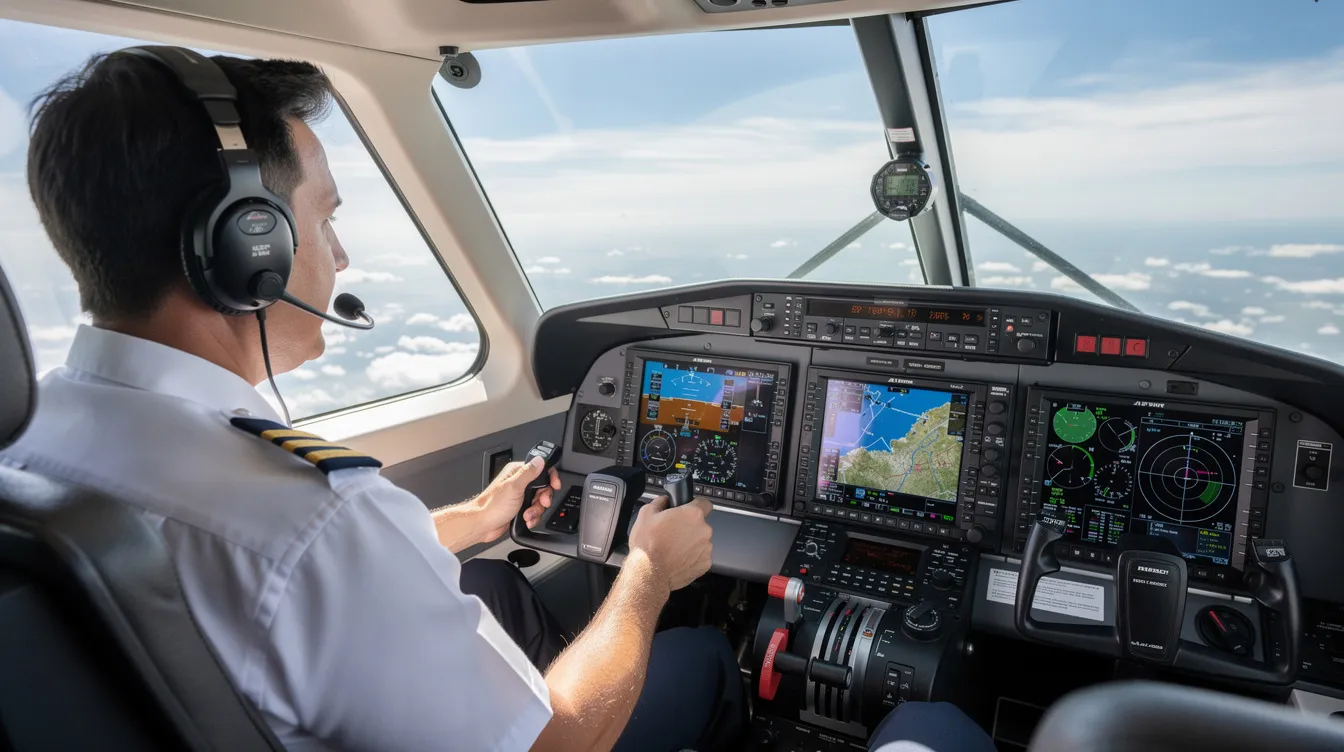
The commitment of purchasing an older twin Cessna differs dramatically from the flexibility of on-demand charter through platforms like Jettly.
For buyers, the aircraft purchase process for twin Cessna aircraft should always include a thorough pre-buy inspection. Use the right specialized Twin Cessna company or shop for the inspection and maintenance review, and insist on complete logs covering airframe, engines, and props. Check for damage history, corrosion at the wing spar and firewall, and verify whether low-time engines are genuinely low time or just sitting idle. Cessna twin-engine aircraft prices range from $12,000 to $1,400,000, depending on model, condition, and equipment.
Typical ownership costs for a 1970s–1980s engine piston aircraft include:
Fuel: 24–40 GPH at $6–$8 per gallon, or $150–$320 per hour
Engine overhauls: $50,000–$100,000 per engine
Insurance, hangar, avionics upgrades: Easily $20,000–$40,000 annually
For charter customers, Jettly eliminates capital risk, depreciation, and maintenance surprises. Customers pay per flight or via private jet memberships, with costs driven by route length, passenger count, and aircraft category that can be estimated in advance using a jet card flight cost estimator. Charter operators using pressurized twin turboprops or light jets deliver similar mission capability-400 to 1,000 nm trips with 4–8 passengers-without the owner having to manage inspections, sale logistics, or regulatory compliance.
Buying might still make sense for those flying 200+ hours annually on specialized missions. For occasional business travel, family holidays, or multi-city trips, on-demand charter through a wide selection of private charter aircraft on Jettly is typically more efficient.
Jettly is a global digital charter marketplace that can arrange flights on a wide range of aircraft, including twin-engine piston and turboprop types with performance similar to classic twin Cessnas. The platform is not a manufacturer-it connects travelers with certified operators worldwide.
Here's how it works: enter your route and date for instant pricing, use an airport locator tool to choose convenient departure and arrival points, review transparent aircraft details including category, seats, and range, and compare twin-engine turboprops, light jets, and high-performance single-engine aircraft side by side.
A twin-engine aircraft is a smart charter choice for:
Regional business trips (New York–Boston, Toronto–Montreal)
Short-runway access where larger airplanes cannot operate
Routes over water or mountains where engine redundancy matters
When choosing between twin-engine piston, twin turboprop, and single-engine turboprop for charter, consider cost per hour, speed, passenger comfort, and airport compatibility. Resources like a comprehensive list of charter airlines and private operators can help you understand the broader market. All aircraft available through Jettly are operated by certified air carriers compliant with local aviation authorities, with crews trained for multi-engine operations.
Ready to compare aircraft for your flight? Explore options at jettly.com.
While many classic twin Cessna piston models are aging, their mission profiles live on in newer aircraft categories widely available for charter. Cessna's newer aircraft utilize advanced avionics systems like Garmin G1000 NXi, and modern turboprops like the Beechcraft King Air series fulfill similar roles with better fuel efficiency.
Key performance differences:
Modern twin turboprops: Cruise speeds of 250–300 knots, ranges of 800–1,500 nm, lower emissions per seat-mile
Classic twin-engine piston aircraft: Cruise speeds of 180–240 knots, ranges of 400–1,487 nm, higher per-hour fuel costs
Newer turboprops and light jets also deliver advanced engine management, better noise control, and green operational profiles that matter to corporate sustainability teams. International aircraft marketing for models like the SkyCourier emphasizes payload flexibility: the freighter version handles nearly 7,870 lb of cargo.
Jettly's inventory includes thousands of turboprops and light jets that serve the same trip profiles once dominated by twin Cessna piston aircraft, giving travelers modern alternatives without sacrificing flexibility and offering a compelling NetJets alternative for flying private at lower cost. The classic twin Cessna fleet remains an important historical step that informs how mission planning and aircraft selection work on digital charter platforms today.
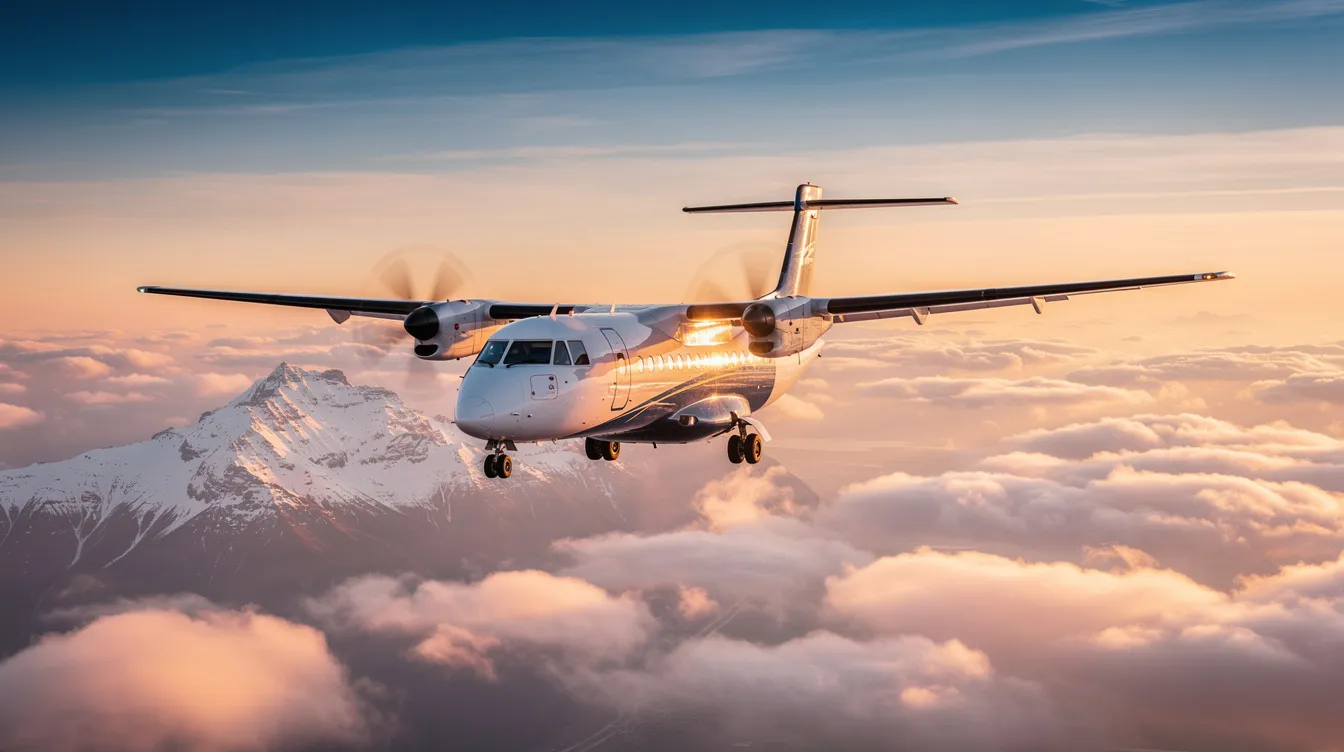
These questions address topics beyond the main sections, covering safety, costs, and choosing the right aircraft for charter.
Safety depends on maintenance, pilot training, and regulatory oversight rather than brand alone. Older twin-engine piston aircraft can be very safe when operated by certified charter companies following strict inspection and overhaul schedules. Many charter operators now prefer newer turboprops and jets equipped with modern systems, but any aircraft offered via Jettly must meet applicable airworthiness and operator certification standards, whether you're booking regional hops or long-range private jet charter in New Delhi and the wider Delhi region.
Twin-engine turboprops and larger piston twins often cost less per flight hour than light jets, especially on short regional sectors. Actual charter pricing depends on route length, availability, airport fees, and time of year, and guides to affordable private jet charter costs can help set realistic expectations. For longer routes or time-sensitive business trips, a light jet might justify a higher hourly rate thanks to faster cruise speeds and reduced total travel time. Use Jettly's instant pricing tools for concrete numbers on any route.
Travelers might prefer a twin engine when flying over large bodies of water, mountainous terrain, or in conditions where additional engine redundancy offers peace of mind, especially on international private jet flights over oceans and remote regions. For some missions, modern single-engine turboprops provide performance and reliability comparable to older twin-engine piston aircraft at lower operating costs. Jettly's support team can help match each trip with a suitable aircraft type based on route, passenger count, luggage, and weather considerations.
Many cabin-class twin Cessna aircraft like the 340, 414, and 421 were designed with club seating, pressurization, and luggage space suitable for families. The 421C's passenger capacity of 7 seats gives room for a family, of course. Policies on pets vary by operator, but private charter generally offers more flexibility than commercial airlines. When requesting a quote through Jettly or exploring how to buy a seat on a private jet through shared or empty-leg options, mention family needs, child seats, and pets so operators can propose the most appropriate aircraft configuration.
Visit Jettly's website, enter your route and dates, and review instant pricing across aircraft categories. Filter for turboprops or multi-engine options if desired. You can also explore easy ways to get a seat on a private jet if you're flexible on sharing or routing. Create a free account or membership to compare different aircraft and operators, then confirm your booking digitally without long-term contracts.
Ready to experience private travel on your terms? You can charter entire aircraft or crowdsource private jet flights by sharing empty seats to reduce costs. Explore flight options or request a quote at jettly.com.
Cessna twin-engine aircraft have played a pivotal role in shaping private and regional aviation, offering a blend of performance, safety, and comfort that remains relevant today. From the versatile 310 and 340A piston twins to the spacious and capable 421C Golden Eagle, these aircraft continue to serve a variety of missions including business travel, cargo, and specialized operations. While ownership involves significant maintenance and operational considerations, chartering through platforms like Jettly provides a flexible, transparent, and cost-effective alternative to access these reliable aircraft without the burdens of ownership.
Jettly’s digital charter marketplace connects travelers with a broad selection of twin-engine piston and turboprop aircraft worldwide, enabling instant pricing and booking for regional trips where engine redundancy and cabin comfort matter most. Whether you seek efficient short-haul business flights, family travel with ample luggage space, or routes requiring enhanced safety, twin-engine Cessna models and their modern successors remain a smart choice.
Explore Jettly’s extensive fleet and experience private travel tailored to your needs. Ready to experience private travel on your terms? Explore flight options or request a quote at https://www.jettly.com.
Learn more about Jettly’s charter options and how to book a twin-engine aircraft through the platform.
Share this post:
Jay Franco Serevilla
Aug 12, 2026
|
5
min read
Discover tips and trends in the industry.

5
min read
Jetout vs. Jettly: How Modern Private Aviation Is Changing for Travelers and Crew
Jetout and Jettly represent two distinct models in private aviation, catering to different traveler needs. Jetout focuses on regional co-ownership with a dedicated fleet, while Jettly offers a global digital marketplace for on-demand charter services. Understanding these options can help travelers make informed decisions based on their flight frequency and preferences.
Read More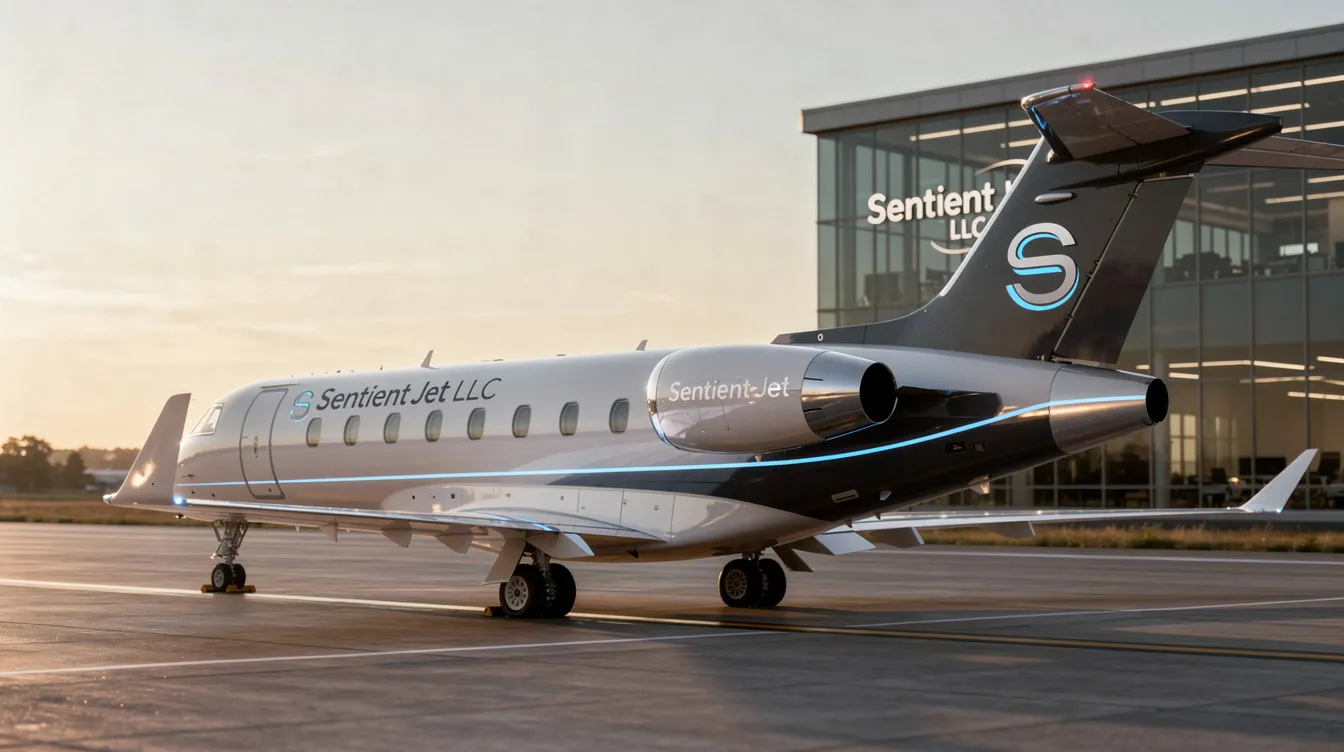
5
min read
Sentient Jet LLC: Jet Cards, the Sentient Certified Network, and Modern Private Aviation
Sentient Jet LLC revolutionized private aviation by introducing the jet card model in 1999, offering prepaid flight hours at fixed rates. This article explores the advantages and disadvantages of Sentient Jet's structured approach compared to on-demand charter solutions, helping travelers make informed decisions based on their flying habits and preferences.
Read MoreStay updated with our latest insights and tips to elevate your journey with us.
MEMBERSHIPS AND ASSOCIATIONS



Disclaimer: Jettly operates as a charter broker, offering access to a global digital jet charter marketplace. Jettly is not a direct air carrier and does not own or operate aircraft. All advertised flights are conducted by third-party air carriers that are fully licensed and hold the appropriate Part 135 or Part 121 certifications issued by the Federal Aviation Administration (FAA) or equivalent regulatory authorities under U.S. or foreign law. Jettly complies fully with the U.S. Department of Transportation's Part 295 and Part 298 Charter Broker regulations. Jettly does not carry additional liability insurance. Passengers are covered by aircraft operator insurance. TICO: 50023770


