



Login
Get Instant Pricing On 23,000+ Aircraft

>

This guide explains the cheapest times to buy Delta flights in 2026, who will benefit from these strategies (frequent flyers, families, business travelers), and why timing matters for saving money.
The cheapest time to buy Delta flights is usually 21 to 60 days before departure for domestic trips and about 3 to 5 months ahead for international travel, with longer lead times often paying off on long-haul routes; flying on Tuesdays, Wednesdays, or Saturdays also tends to produce lower fares. Finding that window can mean the difference between a $180 round trip and a $450 one on the same route.
Delta Air Lines uses dynamic pricing that can shift fares multiple times per day, so timing matters more than luck. For travelers trying to save money and get better value from Delta in 2026 whether you fly often for work, book family holiday trips, or want to compare commercial tickets with private options this guide breaks down the booking windows, cheapest travel days, seasonal fare patterns, fare types, SkyMiles and other loyalty strategies, fare-tracking tools, and the points where a private jet charter through Jettly may actually cost less or offer better convenience than an overpriced commercial fare.
Book Delta domestic flights about 21 to 60 days before departure; international flights 3 to 5 months out. Booking too early (9+ months) or at the last minute usually results in higher fares.
Domestic flights refer to travel within the United States and Canada, while international flights include travel to destinations such as Europe, Asia, and Latin America.
There is no single "magic" cheapest day of the week to book, but there are consistently cheaper days to fly: Tuesdays, Wednesdays, and Saturdays for domestic routes. Fridays are generally the cheapest days to fly internationally, and flying on a Friday can save up to 8% compared to Sunday.
Delta basic economy fare is often the lowest upfront price but carries strict change and cancellation rules that can erase savings if plans shift.
Christmas flights, Thanksgiving trips, and spring break travel on Delta require earlier booking: roughly by early October for Thanksgiving, by late October to mid-November for Christmas.
When commercial Delta fares spike during peak season or for last-minute trips, travelers can use Jettly's charter cost estimator to price out a private jet split among several passengers.
Setting price alerts can notify you when flight fares drop, and using price tracking tools like Google Flights, Hopper, and Skyscanner can help you save money on flights.
Domestic flights refer to travel within the U.S. and Canada, while international flights include travel to Europe, Asia, and Latin America. Booking windows differ due to varying demand patterns and fare release schedules. Booking too early or at the last minute usually results in higher fares.
Delta U.S. domestic: Start tracking 60+ days out; book around 21 to 60 days before departure.
Delta to Europe (summer 2026): Start looking for summer flights three months before travel; book about 3 to 6 months out.
Delta to Asia or long-haul Latin America: Book 4 to 6 months ahead for the best prices on economy and premium cabin seats.
Cheapest days to fly (not to book): Tuesday, Wednesday, and Saturday for domestic trips. Fridays are generally the cheapest days to fly internationally. Friday evenings and Sunday afternoons are typically the most expensive.
Dynamic pricing reality: Delta changes flight prices many times per day. Set price alerts, monitor them several times per week, and book flights when fares reach a good historical range.
Extreme peak periods (e.g., Christmas flights from New York to Las Vegas or Los Angeles): Lock in as soon as you see a reasonable fare, often 2 to 4 months ahead.
These habits help travelers spot flight deals before peak-demand fares rise.
Understanding how Delta sets flight prices helps explain why the same seat can cost $190 on Monday and $340 on Thursday. Dynamic pricing means that Delta adjusts fares frequently based on demand, route popularity, and other factors. This section covers the mechanics so travelers can make sharper decisions about when to buy.
Delta no longer uses a simple fixed award chart. Both cash fares and many SkyMiles award prices float based on demand, departure date, route popularity, and cabin. A Main Cabin seat on a Tuesday afternoon flight from Atlanta to San Diego will price differently than the same cabin on a Sunday evening flight, even on the same dates.
Delta organizes fares into classes:
Z and J for Delta One
F for First Class
W for Premium Select
Y/B/M tiers for economy
E for basic economy
As a flight fills, cheaper fare buckets sell out first. Once the low-priced economy seats are gone, only mid-range and premium buckets remain, which is why waiting too long often means paying more.
Route type also matters. Business-heavy corridors like Atlanta to New York LaGuardia or Los Angeles to San Francisco see frequent pricing changes driven by corporate demand. Leisure routes like Minneapolis to Orlando follow more seasonal patterns. On routes where Delta dominates (such as Minneapolis-St. Paul), fares tend to be "sticky" because limited competition reduces the pressure to drop prices. Axios reported at least a 10% fare increase on many Delta-dominated routes out of MSP between fall 2024 and fall 2025.
This pricing behavior also explains when commercial tickets become so expensive that a private jet charter quote through Jettly may be cost-competitive for groups or urgent trips.
Transitioning from understanding Delta's pricing, let's look at which days of the week offer the best value for travelers.
Midweek flights are generally cheaper than weekend flights.
Fridays and Sundays are generally the most expensive travel days from hubs like Atlanta (ATL), Detroit (DTW), and Minneapolis (MSP).
Monday and Sunday are the most expensive days to fly on many domestic routes.
Tuesdays are cheaper than Sundays by about 14%, according to Expedia's 2026 Air Hacks report.
Wednesdays and many Saturdays also consistently show lower demand and lower prices.
Midday departures on Tuesday or Wednesday often offer the cheapest slots.
Day of the week differences exist but are smaller.
Fridays are generally the cheapest days to fly internationally; flying on a Friday can save up to 8% compared to Sunday.
Flying midweek from New York (JFK) to London (LHR) or Paris (CDG) can still shave 5 to 10% off average prices.
Concrete example: Atlanta to Los Angeles leaving Wednesday versus Sunday in June can often differ by $60 to $120 per round trip in Main Cabin. That range is typical, not guaranteed, as it depends on how full the flight is and the number of people flying that week.
Understanding the cheapest days to fly is only part of the equation; knowing when to book is just as important, which we cover next.
No consistent cheapest day to buy tickets exists anymore. The old advice to book on Tuesday at midnight does not hold up under modern revenue management systems that update pricing constantly.
Multiple studies and fare-tracking tools confirm that how far in advance you book matters more than which day of the week you purchase the ticket. Expedia's 2026 data shows Friday as the cheapest day to purchase tickets on average, but the savings over other days was only about 3%. That margin is too thin to build a strategy around.
Travelers still benefit from checking prices several times a week, including weekends, because Delta frequently adjusts fares based on demand and competitor pricing. Strategic booking windows can help secure lower rates on flights far more reliably than chasing a specific booking day.
The practical approach: use flexible date searches, fare calendars, and alerts rather than hunting for a mythical cheapest day. Book when a fare drops into the historical low range for that route, regardless of whether it's a Tuesday or a Saturday, and consider strategies similar to those used to find the cheapest private jet flights when timing really matters.
High-spend travelers or corporate flyers using private jets rarely chase booking-day micro-timing. Instead, they use platforms like Jettly for clear, upfront pricing and time savings.
Knowing the best day to book is only effective if you also know how far in advance to book for your specific trip type. Let's break down those windows next.
Every trip type has a "sweet spot" for booking Delta flights. The window depends on whether a trip is domestic, transatlantic, transpacific, or a short hop.
Book domestic flights one to three months in advance for economy.
For Delta One and First Class, 30 to 90 days ahead often works.
Last-minute tickets can spike 40% or more above the median fare.
Booking too early (9 to 12 months out) can lead to overpaying for tickets because initial loaded prices are not always the lowest.
Book international flights two to eight months ahead.
For Europe: Book 60 to 150 days out. Summer peak (June through August) is best booked 3 to 6 months before departure, especially from hubs like JFK, ATL, DTW, and BOS.
Premium cabins like Delta One may release deals either very early or close-in when unsold seats remain, but that close-in availability is rare and route-specific.
Jettly customers can often book high-demand dates closer in because pricing is based on aircraft availability rather than mass-market yield management and access to a broad network of private airports worldwide.
A same-day private jet charter is possible when commercial options are sold out or priced at a premium.
Transitioning from booking windows, let's look at how seasonality affects Delta fares.

Seasonality drives a large share of fare variation on Delta, especially on the domestic network and transatlantic routes. Flying during shoulder seasons can lead to cheaper fares across most Delta routes.
|
Period |
Typical Pricing |
Notes |
|---|---|---|
|
Late January, early February |
Low |
Post-holiday demand drops |
|
Mid-September through early November |
Low to moderate |
Shoulder season between summer and holidays |
|
April through May (excluding spring break weeks) |
Moderate |
Good value before summer surge |
|
Period |
Typical Pricing |
Notes |
|---|---|---|
|
June, July |
High |
Peak summer, especially early June through mid-August |
|
Late December (Dec 20-Jan 2) |
Very high |
Christmas and New Year's demand |
|
Thanksgiving week |
High |
Prices start rising early |
Start looking for summer flights three months before travel to catch the best inventory.
Shoulder seasons (April through May and September through early November) often deliver better value on Delta flights to Europe than peak summer, especially from Atlanta, New York, and Boston.
Transatlantic routes show a 40 to 60% fare difference between summer and off-peak winter.
Delta flights to warm-weather destinations like Fort Lauderdale, Fort Myers, Myrtle Beach, Palm Springs, and other Florida and Caribbean routes are often cheapest in late April through early June and September through early October, outside school holidays.
During ultra-peak months when commercial prices surge, running a Jettly quote can reveal whether a private jet split among several travelers offers a similar per-person cost with time savings included.
Next, let's discuss how to approach booking for holiday travel, when demand and prices spike.
Christmas flights and other peak holidays follow different patterns than regular travel. Prices rise earlier, and cheap inventory disappears faster because demand is forecasted as strong from the start.
Book Thanksgiving flights 24 to 59 days before departure.
Monitor prices starting in late August.
A general goal is booking by early October to lock in reasonable fares.
Flying on Thanksgiving Day itself (November 26, 2026) is often much cheaper than flying the Wednesday before.
Book Christmas flights 32 to 73 days before the holiday.
Set alerts by late August, watch fares in September, and aim to book between late October and mid-November.
Christmas Day departures (December 25) tend to be cheaper than December 23 or December 24 departures, especially in basic economy or Main Cabin.
Pricing varies by school district calendar.
Booking 6 to 10 weeks ahead for domestic spring break trips and 3 to 4 months ahead for international trips generally avoids the steepest surges.
If a family of four sees Delta fares for Christmas week from New York to Aspen climb past $800 per person in Main Cabin, a light jet charter via Jettly may be close in total cost while providing private terminals, schedule flexibility, and direct routing to smaller airports like Aspen-Pitkin County (ASE); understanding how much a private jet really costs helps make that comparison accurately.
Now that you know when to book, let's look at the types of fares Delta offers and how they affect your total cost.
Understanding fare types determines whether the "cheapest price" is actually a good deal.
Basic Economy (sometimes called "Main Cabin Basic")
Cheapest but least flexible option
Passengers board last
Limited or no seat selection
Strict restrictions on changes and cancellations
Works for travelers with fixed plans and no checked bags
Can backfire for those needing flexibility
Main Cabin
Costs slightly more than Basic Economy
Allows changes (with fare difference applied)
Includes seat selection
Flexibility to rebook and capture savings if prices drop after purchase
Premium Cabins
Comfort+: Extra legroom, priority boarding, complimentary upgrades to snacks and drinks
Premium Select: Available on select international routes, wider seat with more recline
First Class: Domestic premium product with full meal service on longer flights
Delta One: Flat-bed seats on long-haul international and select domestic routes, premium dining
The cheapest time to buy each cabin differs. Deep-discount basic economy might appear closer to departure on less popular flights. Delta One deals tend to show the lowest prices far in advance or very close-in when unsold seats remain on a specific flight, similar to how understanding jet card costs and pricing can clarify when premium private options start to compete with commercial fares.
Next, let's see how loyalty programs and elite status can further reduce your costs.
Delta loyalty programs can shift what counts as the "cheapest" option once upgrades, mileage redemptions, and elite benefits enter the equation. SkyMiles members and Medallion Status holders get access to pricing and perks that non-members do not.
SkyMiles redemptions operate under dynamic pricing. Using miles for off-peak flights or flash sales can beat even the lowest cash fares. A domestic economy award that costs 8,000 miles on a Tuesday in October might cost 25,000 miles on the Sunday before Thanksgiving.
Medallion status (Silver, Gold, Platinum, Diamond) can unlock complimentary upgrades, priority same-day changes, and fee waivers. These benefits effectively lower the total cost of travel even if the ticket price is not the absolute lowest fare available. Elite status holders earn miles at accelerated rates, compounding the value over time.
Delta-branded credit cards offer extra miles per dollar spent on Delta purchases and companion certificates on specific routes. These certificates can cut the total cost of two-person trips nearly in half on certain class tickets.
High-value travelers sometimes maintain elite status with Delta for flexibility on commercial flights while using Jettly private jet memberships for trips where schedule control, private terminals, and time savings matter more than earning miles.
With loyalty strategies in mind, let's move to practical booking tactics for finding the lowest fares.
This section covers practical, step-by-step tactics rather than myths.
Use flexible date search tools. Delta.com's fare calendar and Google Flights' date grid show price variation across different dates. Using a flexible date calendar can help identify cheaper flight prices across an entire month.
Set price alerts. Setting price alerts can notify you when flight fares drop. Delta's app, Google Flights, Hopper, and Kayak all offer this feature. Monitor flights starting three months before travel dates for domestic trips.
Check nearby airports. Checking nearby airports can help find lower regional fares. For New York: compare JFK, LaGuardia, and Newark. Around Los Angeles: check LAX, Burbank, Long Beach, and Orange County (SNA). For San Francisco trips, look at San Jose and Oakland as alternatives.
Compare one-way vs. round trip pricing. Sometimes two one-ways on Delta or a mix of cash and miles can produce a lower price than a single round trip ticket. This is especially true on simple domestic routes where one-way pricing is already competitive.
Example: A traveler booking Atlanta to Seattle monitors fares for two weeks after setting a Google Flights alert. The Main Cabin fare drops from $310 to $245 round trip on a Wednesday; they book immediately, knowing the historical low for that route is around $220. If prices drop further before departure, they can rebook the Main Cabin ticket and capture the difference. Other tips: keep alerts active and compare nearby airports before you book.
For more on timing strategies, see Jettly's guide on the best day to buy last-minute flights.
Once you've booked, it's important to know how to rebook if prices drop. Let's cover that next.
Modern Delta change policies can turn flexibility into real savings. Here is how it works.
For Main Cabin and higher fares on many Delta U.S., Canada, and Caribbean routes, ticket change fees have been largely eliminated. Most airlines allow free changes on Main Cabin tickets, and Delta is no exception for these regions. Travelers can cancel and receive an eCredit, then rebook at the lower fare. Delta has a price guarantee feature for Main Cabin tickets and above that makes this process straightforward.
Basic economy generally does not allow free changes. If prices drop after a basic economy purchase, the traveler cannot capture those price drops without buying an entirely new ticket and forfeiting the original.
A simple approach: set a calendar reminder to check your booked flight's price once a week, especially for non-basic tickets purchased more than a month in advance. Even a $30 drop on each leg of a family trip adds up quickly.
In the private jet world, frequent rebooking is less of an issue. Jettly offers transparent, all-in quotes up front, similar to the clear pricing discussed in its guide to affordable aeroplane rental costs and options. Last-minute schedule changes focus on aircraft availability rather than chasing small fare fluctuations.
Next, let's clarify when basic economy is truly the best deal.
Basic economy is sometimes the true cheapest Delta option, but only for specific travelers and trip types.
Quick weekend trips with no checked bags (e.g., Atlanta to San Antonio or Kansas City)
Solo travelers who do not care about seat selection or boarding order
Itineraries that are locked in and will not change under any circumstances
Families, business travelers, or anyone with uncertain plans face real risk.
The lack of flexibility in basic economy can create higher total costs.
A changed itinerary means buying an entirely new ticket at current prices, which can easily exceed the original savings.
The comparison test: On the same flights, if the difference between basic economy fare and Main Cabin is modest (e.g., $20 to $40 per segment), Main Cabin is usually the better value. It preserves the option to rebook when fares fall and includes seat selection.
When both basic economy and Main Cabin are very expensive, such as last-minute Christmas flights or spring break routes to Panama City or San Juan, private charter options via Jettly or shared private jet seats might provide a different kind of value for groups or time-sensitive international travel.
Now, let's compare cabin choices and how they affect both price and comfort.
Cabin choice changes both the price and the experience.
For overnight flights over 6 to 8 hours (e.g., JFK to Amsterdam), paying more for Delta One or Premium Select can be worth the cost. The cheapest time to buy premium cabin seats is often months in advance; limited last-minute deals appear only when seats remain unsold, making it important to weigh them against jet rentals vs. first-class tickets for corporate travel.
Comfort+ works as an affordable middle ground on busy domestic routes. Extra legroom and priority boarding cost less than First Class while making a 4-hour flight from Atlanta to Colorado Springs or Las Vegas noticeably more comfortable.
Concrete comparison: A traveler might pay double or triple Main Cabin for Delta One on a transatlantic route (say, $2,400 vs. $800 round trip in shoulder season). In return, they get a fully flat bed, better dining, and real rest before a business meeting. For some travelers, that premium pays for itself in productivity.
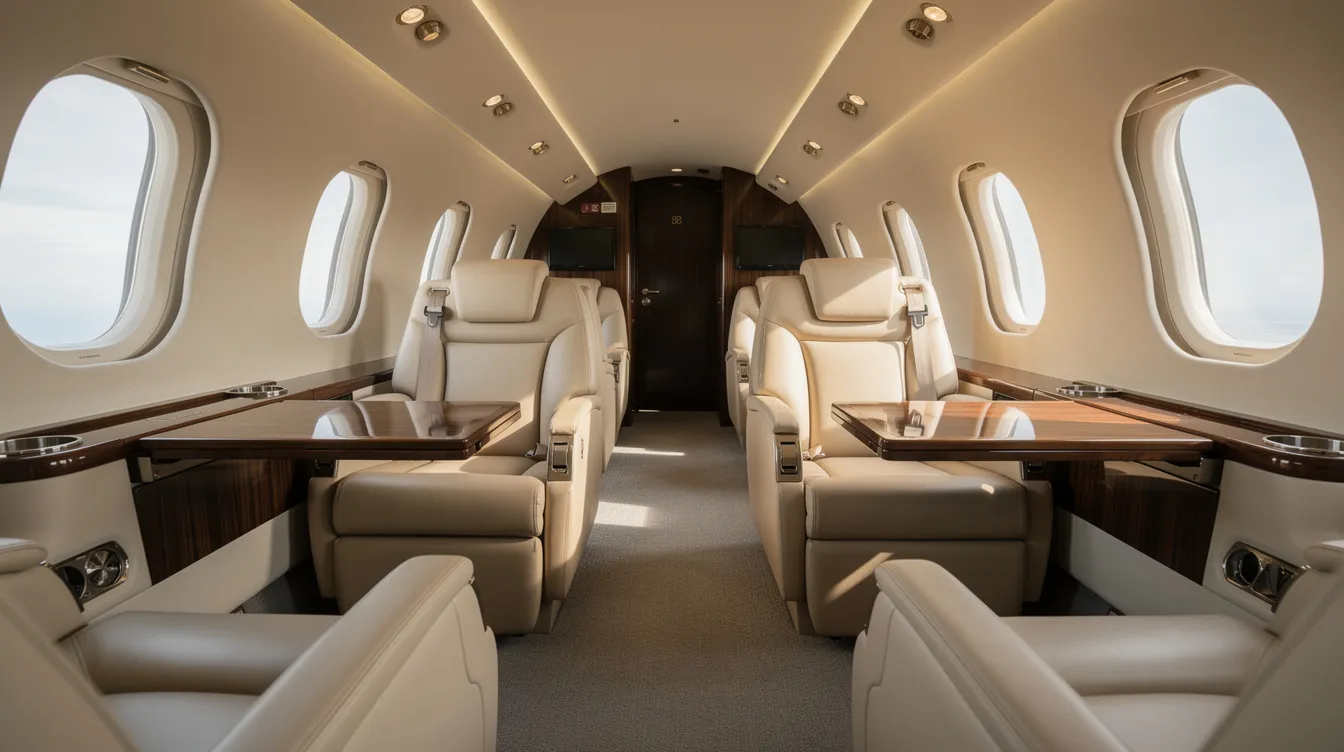
For those already thinking in terms of upgrade costs, private jets through Jettly offer fully private cabins as the baseline, with total trip pricing influenced by aircraft type, route, and fees much like any one private jet flight cost breakdown. A comparison between private jet charter and first-class travel can help frame whether a premium commercial seat or a private flight makes more sense for a given trip.
Next, let's see how credit cards and rewards can further reduce your Delta costs.
Timing is the biggest lever for savings, but paying with the right credit card or points strategy can further reduce the effective cost of Delta flights.
General travel cards that earn transferable points (such as American Express Membership Rewards or Chase Ultimate Rewards) can be used to book Delta flights through bank portals or, in some cases, through partner transfer programs.
Delta-branded credit cards (like the Delta SkyMiles Gold, Platinum, or Reserve) offer priority boarding, free checked bags, and companion certificates. The annual fee on these cards ranges from $0 to $650, but the fee is often offset by benefits for travelers who fly Delta more than a few times per year. Companion certificates alone can save hundreds on a domestic round trip.
Travelers who fly Delta frequently and also charter private jets might prefer flexible rewards ecosystems. Points that can be redeemed toward both commercial tickets and a NetJets alternative like Jettly offer the most versatility per dollar spent.
Pair good timing (booking in the right window) with rewards redemptions for maximum savings, especially on expensive cabins like First Class or Delta One during shoulder seasons.
When commercial fares surge, sometimes private jets become the smarter option. Let's explore when that happens.
During peak demand periods and on certain routes, the per-person cost of a commercial Delta ticket can approach or exceed the cost of chartering a private jet shared among several travelers.
Last-minute Christmas flights from New York to Aspen or Twin Falls, where Delta fares exceed $1,000 per person in economy
Heavy-demand weekends for major events (Miami during Art Basel, Las Vegas for major fight nights, Oklahoma City or Salt Lake City for regional events)
Urgent cross-country business class trips when only last-seat fares remain (e.g., San Francisco to Atlanta at $2,500+ one-way in business class)
Holiday routes to smaller markets like Cedar City, South Bend, Grand Rapids, Sioux Falls, or Colorado Springs where connections add time and cost
Jettly's marketplace model provides instant pricing across thousands of aircraft, including a jet card flight cost estimator, making it straightforward to compare a high last-minute Delta fare against a private charter quote for a small group.
Private jets via Jettly can use smaller airports closer to a traveler's home or final destination, adding time savings and convenience. A family of five paying $1,200 each for Delta economy at Christmas might find a light jet for $5,500 total, making the per-person cost comparable with the added benefit of private terminals and schedule control.
Let's compare when to choose Delta and when to choose private charter.
Delta is ideal for mass-market scheduled flights with predictable pricing and a large route network. Jettly is built for on-demand private travel with customized timing and routing, and for frequent flyers its jet card programs can lock in predictable hourly pricing. They serve different needs, and sometimes the choice is obvious; other times, the math makes it closer than most people expect.
Key advantages of Jettly for certain scenarios:
Point-to-point routes without connections (e.g., San Jose to Palm Springs direct)
Late-notice departures where commercial flights are sold out or priced at a premium
Private terminals that eliminate TSA lines and boarding waits
Departure at specific times that commercial schedules do not offer
Pricing model contrast:
Delta prices each seat dynamically.
Jettly prices the whole aircraft.
When a group of four to eight people splits the cost of a private jet, the per-person cost can approach or beat inflated commercial fares, especially during holidays.
Jettly's instant pricing tools help travelers quickly see whether a private jet is competitive with higher prices on commercial flights during busy seasons by surfacing options across thousands of private charter aircraft. The platform is not a replacement for every Delta flight but a strategic alternative when flexibility, privacy, and time savings matter more than chasing the absolute lowest commercial fare.
Let's look at some real-world examples to see how the math works out.
Three real-world-style scenarios illustrate how timing and group size change the math, including when it makes sense to simply buy a seat on a private jet instead of booking an entire aircraft.
Booking Delta Main Cabin in mid-October (about 65 days out) might yield $350 per person round trip, totaling $1,750 for five.
Waiting until December 10 could push fares to $650 per person ($3,250 total).
At that higher price point, a light jet charter via Jettly from Chicago Midway to Orlando Executive might run $4,500 to $6,000 total, making the per-person cost $900 to $1,200. Still higher than the well-timed Delta booking, but comparable to the late booking, with the added benefit of skipping crowds and flying on the family's schedule.
A Sunday night Delta business class ticket might cost $900 to $1,400 per person ($3,600 to $5,600 for four), plus a hotel night in Dallas.
A Monday-morning private jet departure from Teterboro (TEB) arriving at Dallas Love Field (DAL) by 9 a.m. could cost $8,000 to $12,000 for the aircraft.
Factor in the saved hotel costs ($800 to $1,200 for four rooms) and the time value, and the charter becomes competitive, especially if the team evaluates shared charter flights versus full charters for the route. More on this kind of comparison in Jettly's commercial flight vs private flight guide.
A same-day Delta flight might cost $250 to $400 one-way for Main Cabin.
A same-day private charter on a turboprop or light jet runs $2,500 to $4,000 for the aircraft.
For a solo traveler, Delta is the clear winner on cost. But for a group of three or four splitting the charter, the per-person math shifts. Door-to-door time on a private flight (using Van Nuys to San Carlos or Hayward) can be under 3 hours total, compared to 5 to 6 hours through LAX and SFO with check-in and security.
Next, let's see how to use technology to track Delta prices and maximize your savings.
Technology makes it easier than ever to find deals by tracking Delta fares in real time. Price tracking tools can help you save money on flights by removing guesswork.
Google Flights:
Google Flights can notify you when prices drop on specific routes and dates.
You can set alerts for specific destinations on Google Flights and receive email notifications when fares change.
The price history chart and date grid help identify whether a current fare is high, low, or typical for that route.
Hopper and Skyscanner:
Hopper and Skyscanner also offer price tracking alerts.
Hopper uses historical data to predict whether fares will rise or fall, giving a "buy now" or "wait" recommendation.
Skyscanner's "whole month" view is useful for travelers with flexible dates.
Delta's own tools:
Check Delta's website and app periodically, as certain flash sales or SkyMiles offers may not always appear in third-party tools.
The Delta app sometimes surfaces route-specific promotions for logged-in SkyMiles members that do not show up elsewhere.
Best practice: Monitor flights starting three months before travel dates. Use multiple data points over a few weeks to understand what constitutes a "good" price for a particular route, rather than reacting to every small change. A fare that looks cheap today might be normal for that route; a fare that looks expensive might actually be a deal for peak season.
While commercial fares fluctuate constantly, Jettly's instant quotes offer stable, all-in pricing at the moment of search, which can be useful when time is more valuable than incremental savings.
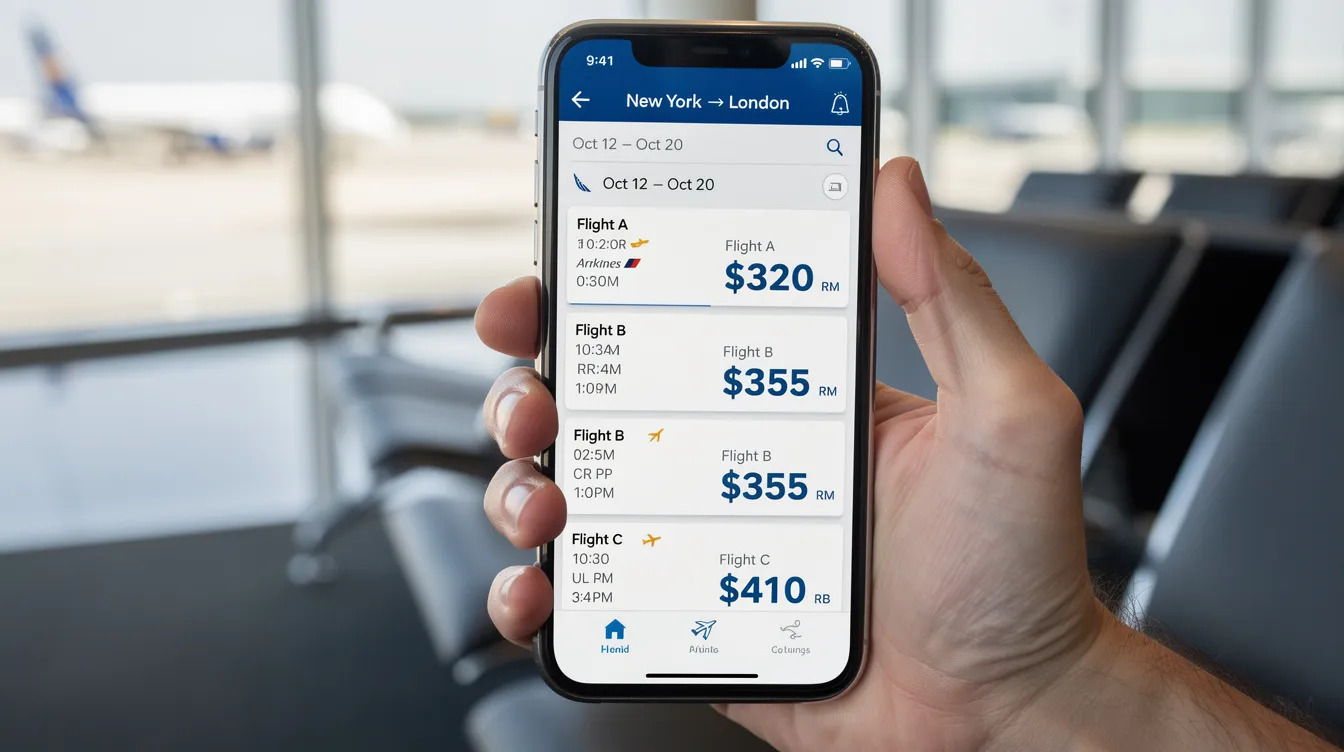
No consistent cheapest booking day exists. Prices shift many times a day based on demand, sales, and competition. The best approach is to start tracking fares early, know the typical low range for the route, and book when prices drop into that range, regardless of the weekday. Checking several times per week and setting alerts works better than focusing on one specific day like Tuesday or Wednesday.
Delta typically loads schedules and opens most flights for booking about 11 to 12 months before departure. The first loaded prices are not always the cheapest; some of the best deals appear in the recommended booking windows closer to departure (21 to 60 days for domestic, 60 to 150 days for international). Travelers planning complex itineraries around holidays benefit from seeing these early schedules to map out ideal dates and connections, even if they wait to purchase tickets.
Aim to book Delta Christmas flights roughly 1 to 3 months in advance, with many travelers targeting late October to mid-November for departures around December 20 through 26. If a family or group sees Delta fares climb past $800 to $1,000 per person, getting a Jettly quote to compare the total cost of a private charter split among passengers is worth the few minutes it takes. Private jets often remain bookable closer to departure than peak commercial flights, though popular aircraft types and time slots can still sell out during holidays.
Delta sometimes prices round-trip tickets lower than two separate one-ways, but this is not always the case, especially on simple domestic routes. Check both options: a round trip fare, two matching one-ways, and sometimes mixed cabins or mixed cash-plus-miles combinations to find the lowest fare. One-way pricing flexibility also matters when planning open-jaw itineraries or combining commercial Delta flights with a private jet leg arranged via Jettly.
Compare the cents-per-mile value: divide the cash fare by the miles required and aim to use miles when they deliver a value equal to or better than your personal target (for example, 1.2 to 1.5 cents per mile or higher). Save miles for expensive cabins like Delta One or peak dates when cash fares are very high, and pay cash during off-peak periods with cheap tickets. Travelers who also value private travel might prefer to reserve flexible points for missions where platforms like Jettly provide more value per dollar spent than a commercial ticket.
The cheapest time to buy Delta flights depends on trip type, cabin class, and season. Book domestic flights 21 to 60 days out. Book international flights 3 to 5 months ahead. Fly on Tuesdays, Wednesdays, or Saturdays when possible. Use price alerts. Understand the difference between basic economy and Main Cabin.
There is no single cheapest day to buy Delta flights, but travelers who book in the right window and stay flexible on dates and cabins reliably save money compared to those who book impulsively.
For routine domestic trips and international travel during shoulder seasons, optimizing Delta bookings usually offers the best mix of cost and convenience. For peak-demand travel, time-critical trips, or group travel where commercial ticket prices have surged, private jets via Jettly or other options in the wider charter airline market can be an intelligent alternative that saves time and sometimes money.
Ready to see how private travel compares? Explore flight options or request a quote at https://www.jettly.com.
Share this post:
Jay Franco Serevilla
Aug 29, 2026
|
5
min read
Discover tips and trends in the industry.

5
min read
Are Airline Tickets Cheaper on Tuesdays? (And What Actually Lowers Your Fare)
The belief that airline tickets are cheaper on Tuesdays is largely a myth in 2026, as prices are now set dynamically based on various factors. Booking windows, travel days, and demand patterns play a more significant role in determining airfare than the specific day of the week. Travelers should focus on flexible booking strategies and timing rather than chasing specific days for the best deals.
Read More
5
min read
Fuel for Cessna 172: Capacity, Consumption, and Safe Fuel Management
Understanding fuel management in the Cessna 172 is crucial for safe flying. This guide covers fuel capacity, consumption, and best practices for effective fuel planning, essential for both student pilots and experienced aviators. Proper fuel management habits learned in the 172 apply directly to larger aircraft operations.
Read MoreStay updated with our latest insights and tips to elevate your journey with us.
MEMBERSHIPS AND ASSOCIATIONS



Disclaimer: Jettly operates as a charter broker, offering access to a global digital jet charter marketplace. Jettly is not a direct air carrier and does not own or operate aircraft. All advertised flights are conducted by third-party air carriers that are fully licensed and hold the appropriate Part 135 or Part 121 certifications issued by the Federal Aviation Administration (FAA) or equivalent regulatory authorities under U.S. or foreign law. Jettly complies fully with the U.S. Department of Transportation's Part 295 and Part 298 Charter Broker regulations. Jettly does not carry additional liability insurance. Passengers are covered by aircraft operator insurance. TICO: 50023770


