



Login
Get Instant Pricing On 23,000+ Aircraft

>
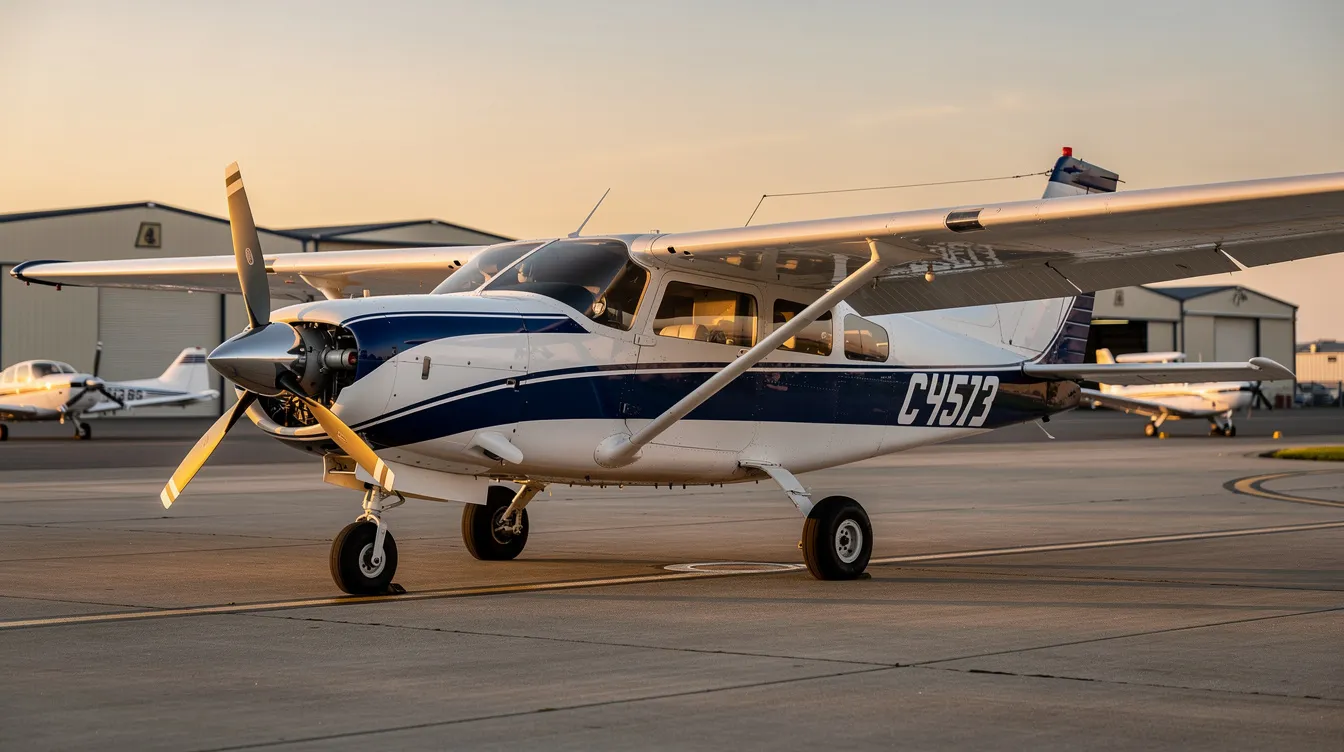
The Piper Cherokee Six (PA-32) is a renowned single-engine aircraft that has earned a reputation for its versatility, spacious cabin, and strong payload capabilities. Since its introduction in the mid-1960s, it has served a wide range of roles, from family travel and air taxi services to cargo transport and training. Known for its reliable performance and straightforward handling, the Cherokee Six offers a practical balance between capacity and operating costs, making it a favorite among private pilots and small commercial operators alike.
This buyer’s and operator’s guide explores the key features, specifications, and operational considerations of the Piper Cherokee Six. It also highlights how travelers today can access similar aircraft through modern charter platforms like Jettly, combining the benefits of private aviation with the convenience of on-demand booking. Whether you’re considering ownership or chartering, understanding the Cherokee Six’s capabilities and market position will help you make informed decisions for your flying needs.
The Piper Cherokee Six, formerly the Piper PA 32 series, is a six-seat, single-engine workhorse that has served family travel, cargo hauling, and air taxi services since the mid-1960s. It is described as a versatile aircraft suitable for various operational purposes, built around a spacious cabin and a strong useful load that few competitors in its class can match.
The line started with the 260 Cherokee Six (PA-32-260), powered by a 260 hp Lycoming engine. Piper quickly introduced the PA-32-300 with a 300-horsepower engine, which improved climb rate, cruise speed, and payload capacity while raising fuel burn and operating costs slightly.
A typical 1972 Piper Cherokee Six 300 delivers approximately 140 knots in cruise, a range of around 850 nautical miles with reserves, and a useful load commonly exceeding 1,400 pounds depending on installed equipment and configuration. The Cherokee Six offers a unique niche in general aviation by prioritizing payload and simplicity over speed.
For travelers who want similar cabin flexibility without aircraft ownership, Jettly's marketplace lets users book comparable charter aircraft on demand. Ready to explore Cherokee Six–class aircraft and other types? Visit https://www.jettly.com.
The Piper Cherokee Six, officially the Piper PA-32 series, arrived around 1965 as a stretched, six-seat evolution of the popular Piper Cherokee line. Piper developed the airplane to fill a gap between smaller four-seat singles and light twins, giving owners a high-payload platform with fixed-gear simplicity and a low-wing design that kept maintenance straightforward.
The history of the PA-32 family runs through several milestones. Production of the PA-32-260 began in 1965, and by 1966, the PA-32-300 was introduced with a fuel-injected 300 hp Lycoming engine. Later variants like the Lance added retractable gear for higher cruise speeds, and the Saratoga refined the airframe further in the early 1980s. Throughout this evolution, the core Cherokee Six design remained a reliable performance benchmark for owner-pilots and small commercial operators.
The Piper Cherokee Six is regarded as one of the most capable fixed-gear piston singles ever built. It is often compared to the Cessna 206 for its passenger comfort and load capacity. Key design features include a large rear door that made the airplane attractive for cargo, medical transport, and family trips, plus predictable handling that pilots transitioning from smaller Cherokee models find forgiving.
Compared to charter turboprops, the Cherokee Six is smaller, slower, and piston-powered, but it offers similar mission flexibility for short-haul flights of 300–600 nm at a fraction of the cost, making it a relevant example when evaluating the best cross-country aircraft for different mission profiles.
Its fixed landing gear results in lower maintenance costs compared to retractable-gear aircraft in the same prop plane category.
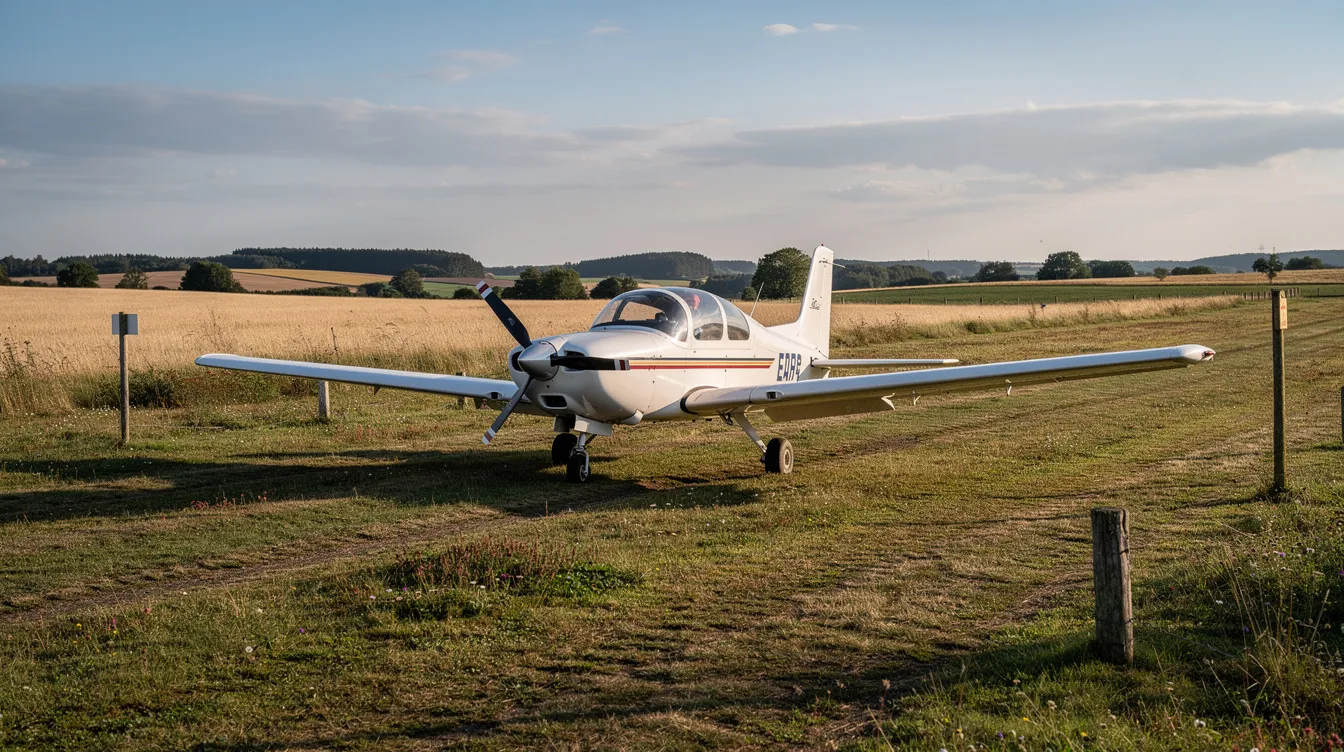
The 1972 PA-32-300 "E" model is one of the most commonly referenced Cherokee Six variants in pilot operating handbooks and sales listings. The airplane spans roughly 32 feet 10 inches in wingspan with a length of about 27 feet 9 inches. Cabin width sits near 49 inches, noticeably wider than that of earlier four-seat Piper Cherokee models—the cabin dimensions are larger than those of the standard PA-28 Cherokee, enhancing passenger comfort.
A Lycoming IO-540-K1A5 engine produces 300 horsepower. Standard fuel capacity runs around 84 gallons usable (100LL avgas), with some airframes configured for up to 94 usable gallons through optional tanks. The aircraft has a maximum range of approximately 700 to 900 nautical miles, depending on payload and power setting—economy cruise with reserves pushes toward 850 nm.
|
Metric |
Typical Value |
|---|---|
|
Cruise speed (65–75% power) |
~135–146 knots |
|
Rate of climb (gross weight) |
~1,050 ft/min |
|
Service ceiling |
~16,250 ft |
|
Stall speed (full flaps) |
~55 knots |
|
Max takeoff weight |
~3,400 lb |
|
Useful load |
1,400–1,600 lb |
Its useful load is typically over 1,400 pounds, making it one of the strongest performers in its class. Many 1972 airframes flying today are equipped with modern panel avionics—GPS, IFR-approved navigators, and autopilot systems—making the PA-32 suitable for IFR touring and light charter operations even in 2026.
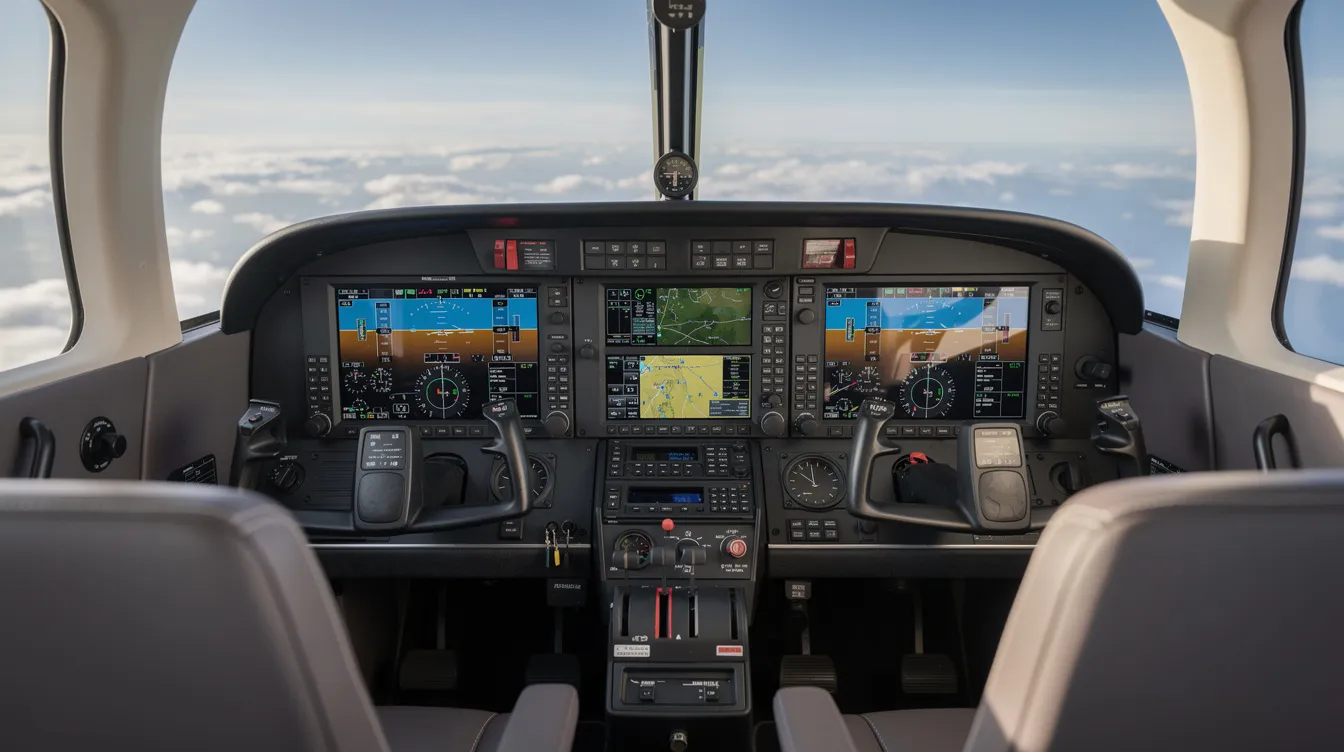
The hallmark of the Piper Cherokee Six is a roomy six-seat cabin and a payload capacity that lets families and small groups carry serious baggage or gear without difficult trade-offs. The Cherokee Six seats up to six passengers comfortably and can accommodate up to six to seven occupants, depending on configuration.
The typical cabin layout places two front seats (pilot and co-pilot or passenger), a middle row of two or three seats, and an aft bench. Some later PA-32 variants offered club seating. The aircraft features a spacious cabin with flexible seating arrangements and generous shoulder room that smaller four-seat singles simply cannot replicate.
In practical terms, a useful load of 1,400–1,500 lb works out like this:
|
Scenario |
Fuel Load |
Payload Remaining for Passengers & Baggage |
|---|---|---|
|
Full fuel (~84 gal, ~500 lb) |
Full |
900–1,100 lb |
|
Six adults with overnight bags, partial fuel |
Partial |
Suitable for shorter missions |
|
Fewer passengers, full fuel |
Full |
Maximum range unlocked |
The aircraft features a rear cabin door for easy loading of large cargo—golf bags, skis, strollers, small cargo pallets, and even medevac stretchers in specialized, configured setups- offering a practical reference point for anyone researching affordable airplane rental options and mission flexibility. This versatility is why the airplane earned its reputation as a "people and stuff mover."
Weight and balance management matters: the long cabin and rear cargo area can shift the center of gravity, so pilots need to pay attention to load distribution. Cabin noise levels run higher than those of modern turboprops or jets, which is why many owners invest in interior refurbishments, upgraded seating, and soundproofing for a more comfortable ride.
For travelers interested in the same "take everyone and everything" mission profile on longer routes, modern charter turboprops and light jets available through Jettly deliver faster, quieter alternatives and can serve as a compelling NetJets alternative for flexible private flying.
Common uses for the Cherokee Six include family travel, air taxi services, and cargo operations. Over the decades, the airplane has also served for parachute operations, flight training, and medical transport in remote areas. The aircraft is used for personal flying and air taxi services across dozens of countries, whether on a full-aircraft basis or in models similar to shared charter flights versus full charters.
Typical mission profiles fall in the 200–500 nm range—regional business trips, island runs, and family holidays where the aircraft's cruise speed and excellent short-field performance are sufficient, much like trips where passengers might crowdsource private jet flights and share empty seats to reduce per-person costs. For many owners, the Cherokee Six replaced a four-seat single when they needed more seats and payload.
|
Metric |
Typical Value |
|---|---|
|
Typical fuel consumption |
14 to 17 gallons per hour |
|
Variable operating cost (2026 dollars) |
$121/hr (excluding hangar, insurance, and financing) |
|
Operating costs vs. smaller four-seaters |
Higher |
|
Operating costs vs. light twins/turboprops |
Substantially lower |
Maintenance is simplified by the fixed gear design. Parts for the Lycoming IO-540 and the airframe remain widely available, though owners should budget for engine TBO cycles (roughly 1,700–2,000 hours), wing spar AD compliance, and avionics modernization. Low-time airframes in good condition with a new wing or overhauled engine command higher sale prices—anywhere from $30,000 for high-time examples to $200,000 for well-maintained, fully equipped aircraft.
The aircraft is known for its stability and straightforward handling characteristics. Pilots transitioning from smaller Piper Cherokee models find the Cherokee Six forgiving at low speeds, though density altitude awareness is critical. Some PA-32 aircraft operate under Part 135 charter company or equivalent commercial rules for on-demand charter, scenic flights, or medical missions, which means stricter maintenance and pilot experience requirements apply.
For those deciding between a Cherokee and alternative aircraft categories, the trade-offs are clear: four-seat singles offer less load, light twins provide engine redundancy at higher fuel burn, and turboprops deliver speed and altitude at a steeper acquisition cost. Review current turboprop charter rates or use Jettly's private jet charter cost estimator to see how the economics compare.
While many Piper Cherokee Six aircraft are privately owned, similar six-seat piston and turboprop aircraft are widely available in the charter market. For travelers who hear about the PA-32's versatility and want to experience that mission profile without buying an airplane, on-demand charter is the practical path, especially once you understand how renting a plane works from start to finish.
Owning a PA-32 means handling purchase financing, insurance, hangar fees, inspections, and selling the aircraft when you're done. Chartering flips that equation—pay per flight, skip the maintenance shop, and fly a maintained, VFR- or IFR-capable aircraft managed by a certified operator, or even consider Jettly's private jet membership programs if you fly frequently but want to avoid direct ownership.
Jettly's platform gives travelers access to over 20,000 private charter aircraft worldwide, from piston singles to heavy jets. Users can compare multiple aircraft types for any route, see transparent cost breakdowns, and book without long-term commitments.
Example use case: A family of five planning a weekend trip on a 300–400 nm route—the kind of mission a Cherokee Six was built for—can use Jettly to surface options like modern six-seat turboprops or light jets departing from regional airports closer to home. Private-terminal access, time saved versus commercial airline connections, and optional in-flight catering for private jets are all scheduled through one digital platform.
Explore more about how much it costs to charter a small plane or get a quote at https://www.jettly.com.

Below are common questions about the Piper Cherokee Six (PA-32) and how it relates to modern private charter through platforms like Jettly, one of many options in the broader world of private and charter airlines. Each answer is kept short for easy scanning.
The 260 Cherokee Six uses a 260 hp naturally aspirated Lycoming engine, while the PA-32-300 features a 300 hp fuel-injected Lycoming IO-540. The 300 model offers faster climb, higher cruise speed, and greater useful load, though fuel burn and operating cost are modestly higher. Most articles and ads you'll find for sale today feature the 300 variant due to its stronger, more reliable performance.
Availability varies by region and operator. Some Part 135 operators in remote or underserved areas still fly the Cherokee Six for air taxi and cargo missions. For travelers interested in chartering more modern, comparable aircraft types, Jettly lists thousands of six-seat piston and turboprop options globally and provides an airport locator tool to find convenient departure points. Learn how to book a private charter through the platform.
The Cherokee Six's cabin is roomy for a piston single but smaller and noisier than most charter turboprops. Its maximum payload capacity of over 1,400 pounds is competitive for its class, though turboprops like the Pilatus PC-12 carry more at higher speeds. For short routes under 400 nm, a Cherokee Six–class aircraft is an economical option; for longer flights, turboprops offer better speed and comfort.
In the U.S., commercial operations require Part 135 certification, which mandates stricter maintenance programs, pilot qualifications, insurance standards, and operational oversight than private Part 91 flying. Jettly only lists operators that meet relevant safety and regulatory standards.
Choose a Cherokee Six or similar piston single when the route is under 400 nm, the runway is short, cost sensitivity is high, and speed is secondary. Light jets make more sense for distances beyond 500 nm, time-critical travel, or when flying above weather at higher altitude is important, especially when you understand how much private jets really cost across ownership and charter options. Use Jettly's charter cost estimator to compare pricing for your specific route. Ready to experience private travel on your terms? Request a quote at https://www.jettly.com.
The Piper Cherokee Six remains a versatile and practical choice for pilots and travelers seeking a reliable six-seat aircraft with strong payload capabilities and straightforward handling. Its spacious cabin, useful load, and excellent short-field performance make it ideal for a variety of missions, from family travel to air taxi and cargo operations. While ownership involves maintenance and operational considerations, travelers looking for similar flexibility without the responsibilities of ownership can explore comparable aircraft through Jettly’s digital private jet charter platform.
Jettly offers instant access to a wide range of six-seat piston and turboprop aircraft, providing transparent pricing and convenient booking options for business and leisure trips. Whether planning a short regional flight or a weekend getaway, Jettly’s marketplace simplifies private aviation, delivering the benefits of private travel on your terms. Learn more about how renting a plane works and explore private jet charter costs to plan your trip efficiently.
Ready to experience private travel with the convenience and flexibility of modern charter? Explore flight options or request a quote at https://www.jettly.com.
Share this post:
Jay Franco Serevilla
Jul 17, 2026
|
5
min read
Discover tips and trends in the industry.

5
min read
Who Owns a Jet? A Guide to Private Jet Owners, Boeing BBJ Operators, and Smarter Ways to Fly
This guide explores the landscape of private jet ownership, highlighting famous owners like Oprah Winfrey and Prince Al Waleed bin Talal. It also discusses the advantages of private jet charter services, such as Jettly, which provide flexible access to a wide range of aircraft without the burdens of ownership. Understanding the different models of private jet access can help travelers make informed decisions about their flying needs.
Read More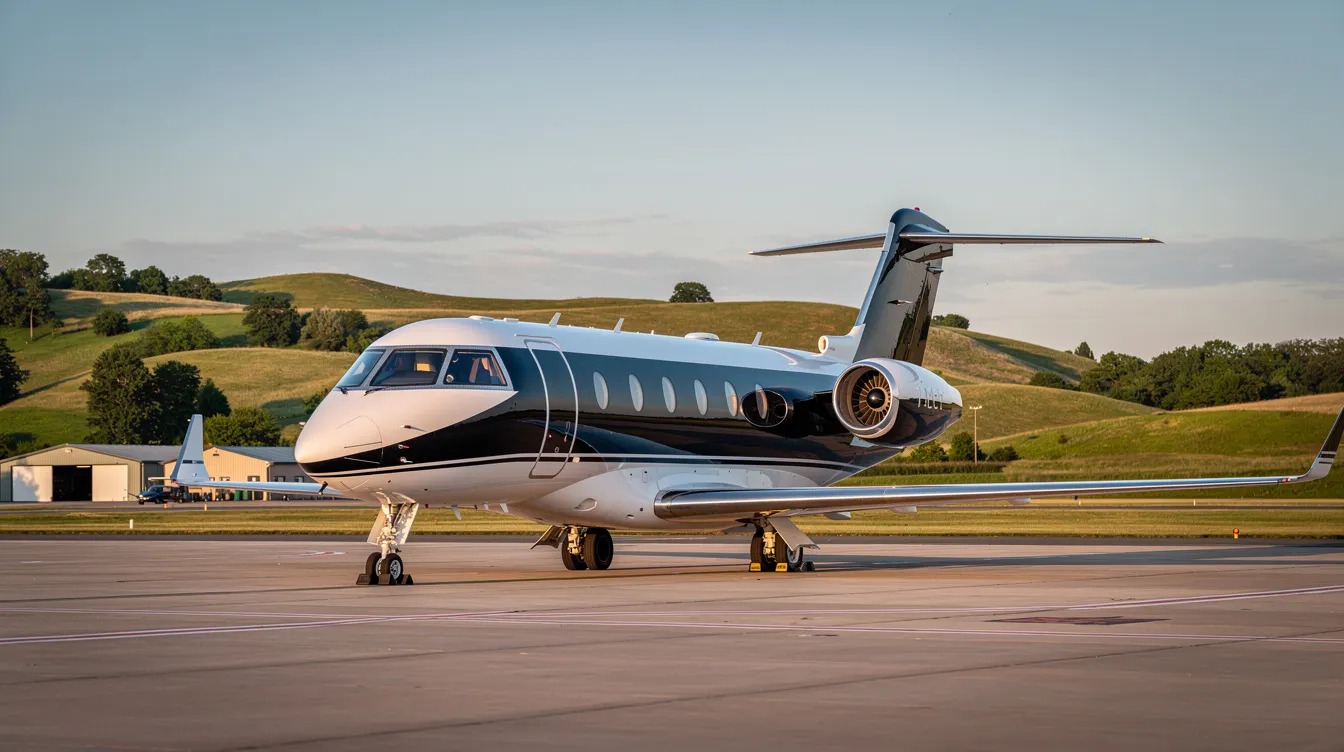
5
min read
Airport Charter Service: How Jettly Makes Private Charter Flights Simple
Jettly simplifies private charter flights, offering travelers on-demand access to over 20,000 aircraft worldwide. With flexible scheduling and transparent pricing, it caters to business, family, and group travel needs, ensuring a seamless experience from booking to arrival.
Read MoreStay updated with our latest insights and tips to elevate your journey with us.
MEMBERSHIPS AND ASSOCIATIONS



Disclaimer: Jettly operates as a charter broker, offering access to a global digital jet charter marketplace. Jettly is not a direct air carrier and does not own or operate aircraft. All advertised flights are conducted by third-party air carriers that are fully licensed and hold the appropriate Part 135 or Part 121 certifications issued by the Federal Aviation Administration (FAA) or equivalent regulatory authorities under U.S. or foreign law. Jettly complies fully with the U.S. Department of Transportation's Part 295 and Part 298 Charter Broker regulations. Jettly does not carry additional liability insurance. Passengers are covered by aircraft operator insurance. TICO: 50023770


