



Login
Get Instant Pricing On 23,000+ Aircraft

>
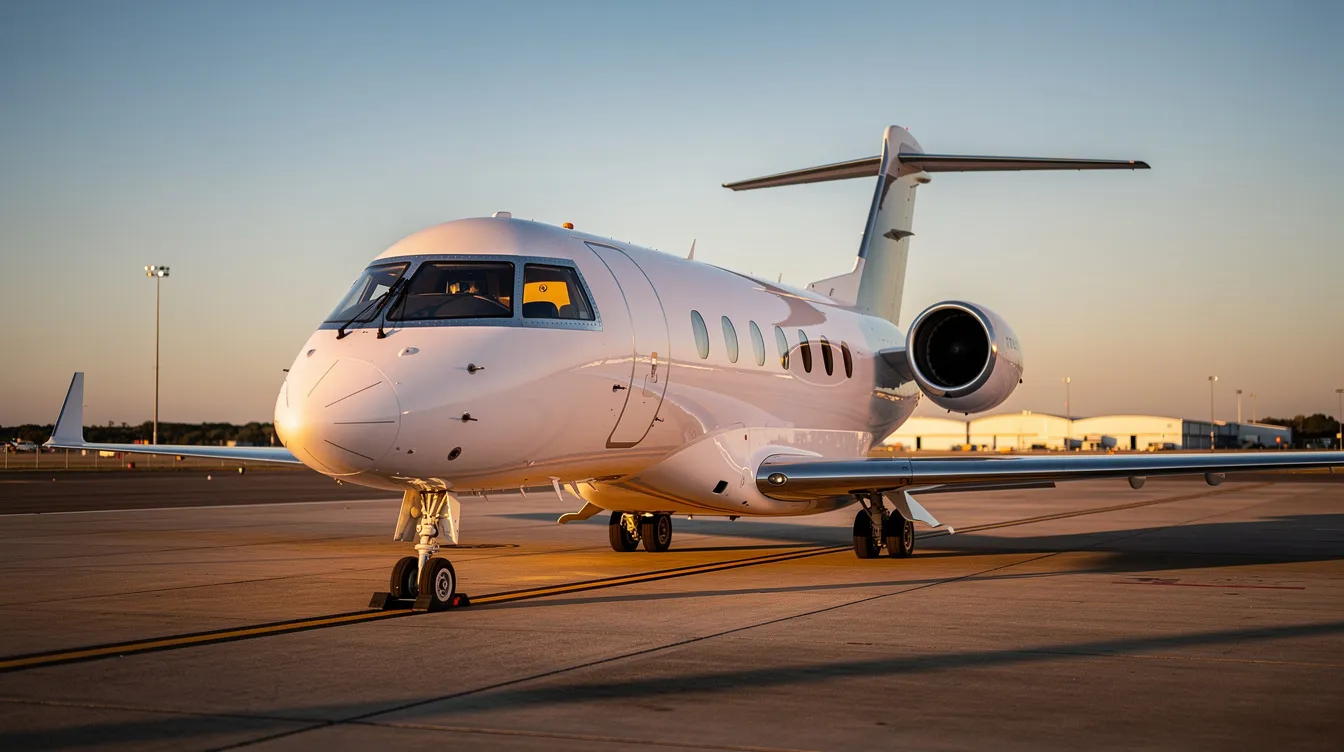
On March 3, 2023, a Bombardier executive jet owned by Conexon diverted to a Connecticut airport after a violent in-flight upset killed one passenger and shook the private aviation world. The Conexon jet incident, initially blamed on severe turbulence, turned out to be far more complex than early headlines suggested. This article is intended for private jet travelers, aviation professionals, and anyone interested in flight safety, providing essential context and practical lessons from the Conexon jet incident. Understanding what happened and why is crucial for anyone who values safety and transparency in private aviation.
The Conexon jet was a Bombardier Challenger 300 business jet carrying three passengers and two crew members from Keene, New Hampshire, to Virginia on March 3, 2023. Former White House official Dana Hyde died after the aircraft experienced abrupt vertical accelerations during climb.
The plane diverted to Bradley International Airport in Windsor Locks, Connecticut. Early reports attributed the event to severe turbulence, but the National Transportation Safety Board later pointed to a chain of preflight errors, incorrect checklist selection, and abrupt control inputs as the probable cause.
Turbulence-related injuries and fatalities on private jets are extremely rare but possible, especially when seat belts are not fastened. Part 91 planes have had 38 turbulence-related deaths since 2009, while no turbulence-related deaths have occurred on Part 121 carriers since 2009.
Modern charter platforms such as Jettly focus on safety oversight, qualified operators, and passenger briefings to reduce risk on every business jet or private jet flight.
Understanding how a flight is operated—under Part 91, Part 135, or Part 121 rules—helps travelers set informed expectations about safety procedures and oversight.
The phrase "Conexon Jet" refers to the Bombardier Challenger 300 (registration N300ER) involved in a fatal in-flight incident on March 3, 2023. Conexon LLC is a company based in Kansas City, Missouri, that brings high-speed internet to rural communities through dedicated fiber-to-the-home networks. Conexon utilizes partnerships with local electric cooperatives for fiber deployment. Its subsidiary, Conexon Connect, offers symmetrical speeds for upload and download, improving internet reliability in rural areas. High-speed internet from companies like Conexon enhances telehealth, remote learning, and online services in rural areas, and their fiber networks minimize lag and provide stable connections during storms.
The jet was managed by Executive Flight Services, a Part 135 charter operator, but the accident flight itself was operated as a non-revenue Part 91 flight—essentially a private trip for the owner's associates. Among the five people aboard were Dana Hyde, age 55, a prominent attorney and former White House official who had previously served at the State Department and the Millennium Challenge Corporation. Hyde was the wife of Conexon partner Jonathan Chambers. Dana's family, including her husband and one of their sons, were traveling from their home area near Cabin John, Maryland. The entire Aspen Institute community later mourned Hyde, describing her as a brilliant and generous colleague whose collective work helped build partnerships aimed at creating a more inclusive economy.
The jet departed Dillant-Hopkins Airport in Keene, New Hampshire,e at approximately 4:00 p.m. EST, bound for Leesburg Executive Airport in Virginia. Shortly after takeoff, advisory messages appeared on the flight deck. Within minutes, the aircraft experienced violent pitch oscillations. Hyde, who was not wearing a seat belt at the time, suffered fatal injuries. She was later pronounced dead at Saint Francis Medical Center in Hartford, Connecticut. The other passengers and crew members aboard were not seriously injured. The plane was diverted to Bradley International Airport in Windsor Locks, Connecticut, where Connecticut State Police and federal investigators responded.
Early coverage from the Associated Press and other outlets framed the event as a case of severe turbulence over New England. But as investigators from the NTSB began reviewing the flight data recorder and cockpit voice recorder, a different picture emerged—one involving human error, system advisories, and the airplane's control surfaces rather than unstable air alone.
With the background and sequence of events established, let's examine what investigators discovered about the causes and safety implications.
The NTSB investigates every civil aviation accident in the United States. The Conexon jet case (designated ERA23LA135) drew national attention because of Dana Hyde's public profile—Hyde served in senior roles across multiple administrations and was a part-time consultant and co-chair of several policy initiatives—and because the initial "turbulence" narrative began to unravel quickly.
Media reports described severe turbulence striking the Bombardier aircraft during climb over New Hampshire. Authorities in Connecticut confirmed the emergency landing at Bradley International Airport and described one fatality and no other serious injuries among the three passengers and two crew members aboard.
A preliminary report from the NTSB confirmed the diversion and noted the reported trim issue and advisory messages that appeared on the aircraft's displays. But the report stopped short of attributing the event to weather alone.
As investigators examined the flight data recorder, cockpit voice recorder, and maintenance records, a chain of errors came into focus:
A pitot probe cover was left on the right side of the aircraft during preflight inspection. This invalidated one of the primary flight displays' airspeed readings.
The crew attempted a takeoff, aborted it, then retried without fully resolving the underlying anomaly.
Advisory messages appeared during climb, including "MACH TRIM FAIL," "AP STAB TRIM FAIL," and "AP HOLDING NOSE DOWN."
The pilots selected an incorrect non-normal checklist and switched the stabilizer trim from "PRI" to "OFF," triggering abrupt pitch oscillations.
The aircraft exceeded its maneuvering load factor limitations of +2.6g to -1.0g with flaps retracted.
The NTSB's probable cause determination cited the crew's failure to remove the pitot cover, their decision to depart with a "No-Go" advisory, selection of an incorrect checklist, and inadequate crew resource management. The trim problems and resulting pilot-induced oscillations were not caused by weather. All those factors combined to produce a potential cause that looked nothing like traditional turbulence.
That distinction matters. True severe turbulence—sudden, unpredictable changes in airflow from unstable air, jet streams, or convective weather—is a real hazard in aviation. According to FAA data, from 2009 to 2021, 146 serious injuries occurred on Part 121 carriers due to turbulence. Of those, roughly 80% of serious injuries from turbulence involved crew members, typically flight attendants moving through the cabin. Despite the frequency of turbulence encounters, no turbulence-related deaths occurred on Part 121 carriers since 2009.
The picture is different in general aviation. Turbulence caused 38 deaths in Part 91 planes since 2009, according to the Federal Aviation Administration database. These events are still extremely rare relative to the hundreds of thousands of hours flown, but they underscore that the regulatory environment and safety protocols matter.
The Conexon jet incident illustrates how a turbulence-like event can be triggered not by weather alone, but by a combination of aircraft systems behavior, pilot inputs, and flight conditions. The same model of Bombardier aircraft has an excellent safety record overall. The event's complexity is precisely why phrases like "hit turbulence" can be misleading. The full NTSB final report provides the authoritative technical account. This article translates that safety context for private jet travelers and their loved ones.
With the investigation findings in mind, let's turn to practical lessons for passengers and how to stay safe on private jet flights.
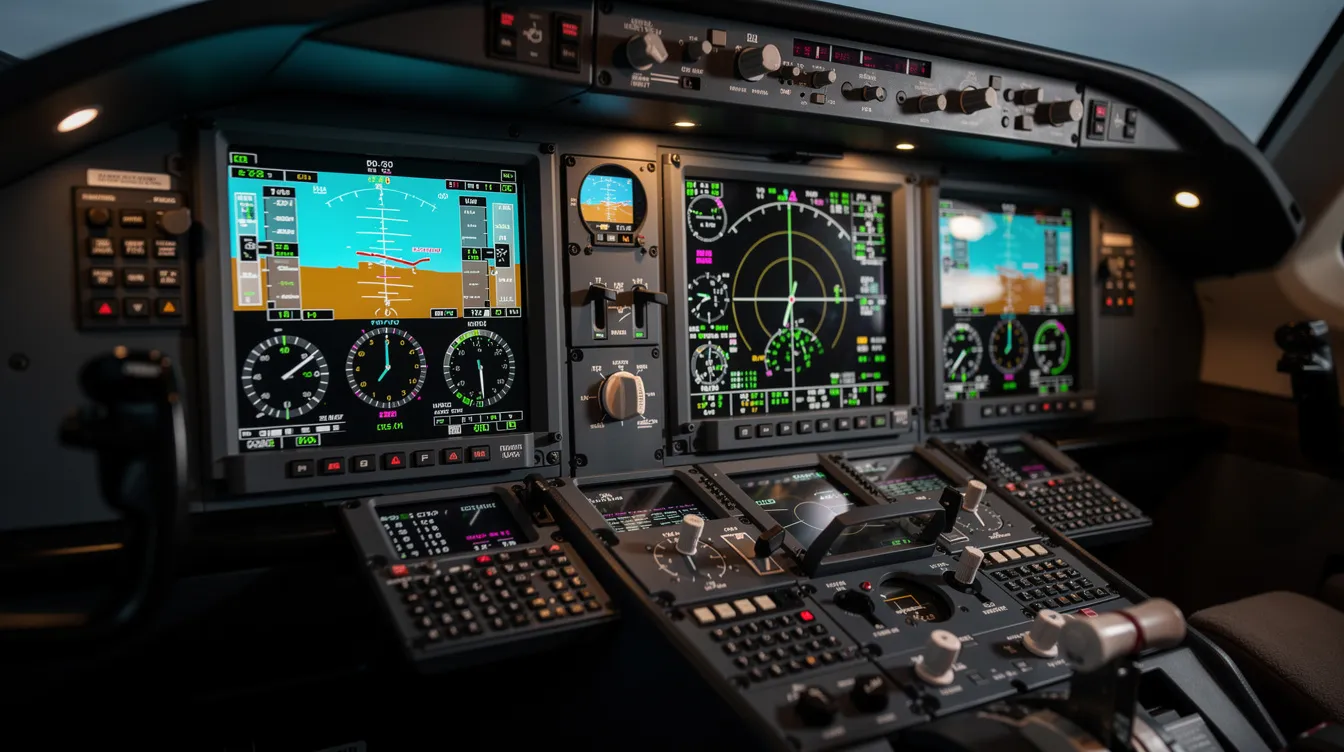
Statistically, private aviation remains highly safe. Millions of flight hours are logged every year on business jets and charter aircraft without incident, as highlighted in many overviews of the charter airlines and private aviation industry. But events like the Conexon jet case underscore specific practices that every passenger—whether a frequent flier or boarding a private jet for the first time—should follow.
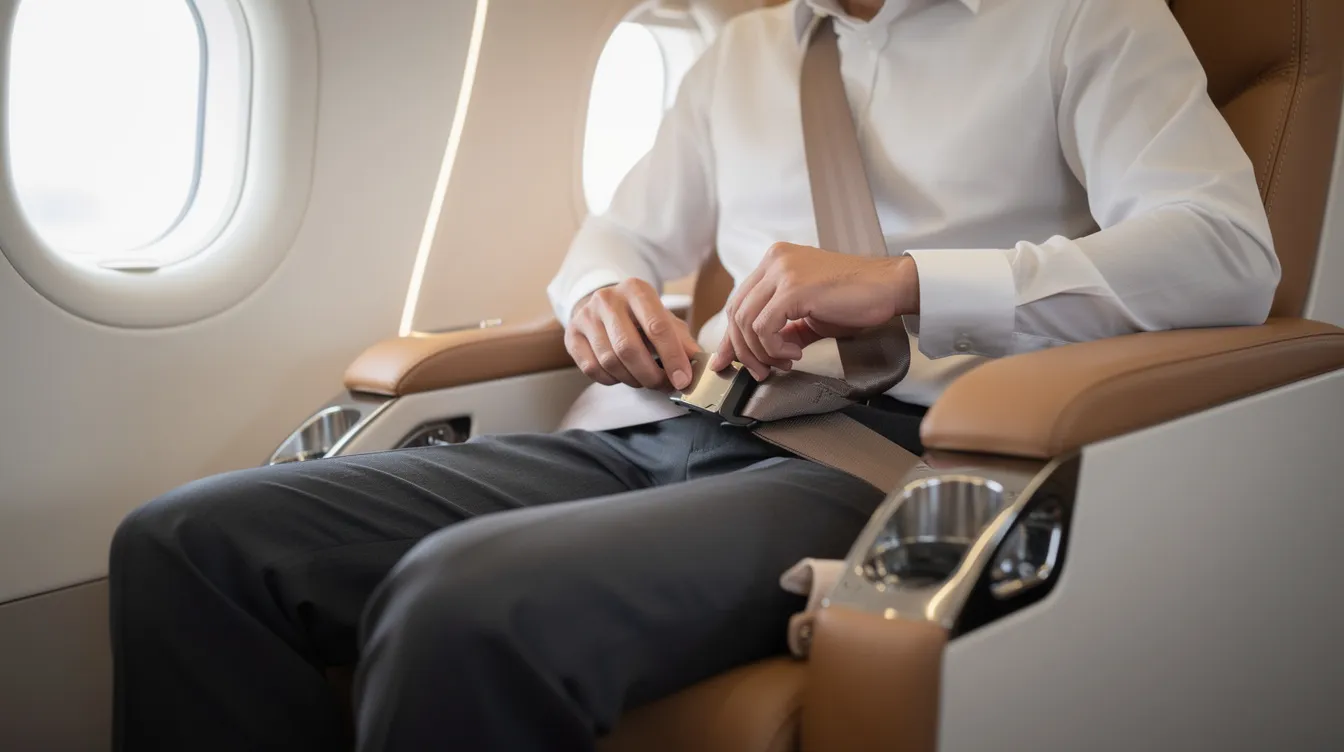
Keep Your Seat Belt Fastened:
Dana Hyde was not wearing a seat belt when the violent pitch oscillations occurred. The other passengers and crew members aboard survived without serious injury. The same principle applies whether you are flying regionally in North America or using private jet charter services in cities like Kolkata, where local routes may still encounter sudden turbulence.
NTSB data across all categories of flight consistently shows that nearly all serious turbulence injuries happen to unrestrained occupants. In one well-known example, severe turbulence injured at least 36 people on a Hawaiian Airlines flight in 2022—most were airline passengers or crew members not belted at the time.
Keep your seat belt fastened whenever you are seated, even when the cabin feels calm. Abrupt maneuvers or unexpected turbulence can happen with two to three weeks' worth of warning—or with none at all, whether you are chartering a whole aircraft or simply buying a seat on a private jet through a shared-flight option.
Limit Cabin Movement:
On a short private jet flight—say, New Hampshire to Virginia—it can be tempting to move freely around the cabin almost immediately after takeoff. Resist the urge during climb and descent. Stow loose items. If the pilots or crew members request that you sit down, do so immediately. Extra pre-flight measures like stowing heavy bags under seats and securing laptops make a real difference during unexpected motion, regardless of whether you accessed your flight through easy ways to get a seat on a private jet such as memberships, empty legs, or shared charters.
Understand What Turbulence Actually Is:
Modern jets, including the Bombardier Challenger 300, are engineered to withstand turbulence loads far beyond what they typically encounter. The primary risk during turbulence is not structural failure—it is passengers being thrown against cabin surfaces, overhead fixtures, or other occupants, whether the flight is a short hop or a private jet charter in major hubs like New Delhi.
Turbulence does not mean the plane is in danger. It means the people inside the plane need to be restrained.
How Operators Plan Around Turbulence:
Charter operators use advanced meteorological forecasts, turbulence prediction models, and air traffic control coordination to reduce exposure to known rough air. Flights departing from or returning to communities in Maryland, Virginia, or the greater Washington, D.C. area—including passengers from places like Cabin John—often use nearby general aviation airports such as Leesburg or smaller reliever fields, which travelers can easily identify using an airport locator tool for private flights. At these airports, safety briefings tend to be more personal and tailored, with the crew able to walk passengers through what to expect during each phase of flight.
Passengers departing from or arriving at airports in New Hampshire, Connecticut, or other Northeast corridors where jet-stream activity is common can ask their operator about expected conditions and planned altitude adjustments before boarding, just as they would when planning international private jet flights that cross busy oceanic routes and variable weather systems.
By following these safety tips, passengers can significantly reduce their risk and travel with greater confidence. Next, let's look at how Jettly and other charter platforms address turbulence risk and safety transparency.
Jettly is a digital marketplace that connects travelers with vetted operators and private charter aircraft worldwide. The platform provides access to light jets, midsize jets, and large-cabin business jet categories—including aircraft in the same model class as the Bombardier Challenger 300 involved in the Conexon jet incident.
Jettly works exclusively with licensed Part 135 charter operators or their equivalent in other jurisdictions. This means every operator on the platform meets regulatory requirements for crew training, maintenance programs, insurance coverage, and operational oversight, positioning Jettly as a compelling NetJets alternative for flying private. Travelers can review safety ratings such as ARGUS and Wyvern Wingman certifications before booking.
The Conexon jet flew under Part 91 rules on the day of the accident—a category with less regulatory oversight than Part 135 charter operations. That distinction is one reason why booking through a platform that verifies operator credentials matters.
Crews operating flights booked through Jettly rely on up-to-date weather briefings, turbulence forecasts from services like the Federal Aviation Administration's turbulence prediction tools, and collaboration with dispatchers to select altitudes and routings that minimize exposure to known rough air. This is standard practice for professional charter operators, and travelers using tools like Jettly's jet card flight cost estimator can factor in route length and likely conditions when planning budgets, but it is not always guaranteed on owner-operated Part 91 flights.
Operators on the Jettly platform brief passengers on seat belt use, cabin movement protocols, emergency procedures, and what to expect during a bumpy climb, descent, or cruise segment. For first-time private jet travelers, this briefing can be the difference between confidence and anxiety—and between safety and risk.
Jet ConneX is a high-speed global broadband service for business jets. It operates primarily over a Ka-band satellite network, provides near-seamless worldwide coverage excluding extreme polar regions, supports bandwidth-heavy applications in aviation, allows streaming and video conferencing while in flight, and is designed to maintain stable connections during flights. The high-speed broadband service supports bandwidth-heavy applications in aviation, meaning Jet ConneX allows streaming and video conferencing while in flight. Jet ConneX is designed to maintain stable connections during flights, enabling travelers to stay productive or connected with loved ones regardless of altitude or routing, especially when paired with dedicated in-flight catering for private jets that supports longer missions.
Jettly's value extends beyond secure air charter. The platform offers transparent pricing, on-demand access without long-term contracts, and private jet memberships that let travelers compare aircraft types for different missions. A traveler might choose a light jet for a short hop from Virginia to New Hampshire, or a super-midsize aircraft for a longer flight over regions prone to high-altitude jet-stream turbulence.
Unlike traditional jet ownership or jet card programs, booking through Jettly gives travelers the flexibility to adapt quickly to changing schedules or weather conditions—without the financial commitment of owning a plane or the limited options of a single-fleet provider.
Learn more about Jettly's charter options at https://www.jettly.com, or use the private jet charter cost estimator to understand how aircraft type, distance, and operating factors affect pricing.
With a clear understanding of how Jettly addresses safety and turbulence risk, let's address some frequently asked questions about the Conexon jet incident and private jet travel.

These questions address common concerns readers may have after learning about the Conexon jet incident and Dana Hyde's death. Answers are kept concise and focused on facts not fully covered in the main sections above, while other resources explore tips for booking the cheapest private jet flights for travelers focused on cost.
No. Initial reports labeled it severe turbulence, but the NTSB investigation (case ERA23LA135) determined that a pitot probe cover left on during preflight, a "No-Go" advisory that the crew dismissed, selection of an incorrect non-normal checklist, and subsequent pilot-induced pitch oscillations caused the violent vertical accelerations. Weather alone did not explain the event. Investigators analyzed the flight data recorder, cockpit voice recorder, and maintenance records in depth before reaching this conclusion. The incident is better described as an in-flight upset caused by procedural and human-factor errors.
They are extremely rare. According to FAA and NTSB data, turbulence caused 38 deaths in Part 91 planes since 2009—across all general aviation categories, not just business jets. By comparison, from 2009 to 2021, 146 serious injuries occurred on Part 121 carriers from turbulence, but zero fatalities. Most turbulence incidents lead to minor injuries or none at all when passengers remain seated with seat belts fastened. The Conexon jet case is an outlier, made more tragic by the fact that the fatal injury occurred to an unbelted passenger.
Business jets are smaller than commercial airliners, so occupants may feel motion more noticeably. However, Bombardier aircraft and other business jets are engineered to stringent structural and safety standards and often cruise at similar or even higher altitudes than airline passengers experience. The intensity of turbulence depends on atmospheric conditions—not on whether a traveler is on a private jet or a large airline. The key difference is how prepared and restrained passengers are when turbulence or an unexpected maneuver occurs.
Arrive early enough to listen carefully to the full safety briefing from crew members. Ask where emergency equipment is located and review how to quickly fasten and tighten your seat belt. Wear practical footwear rather than loose sandals or heels. Secure heavy personal items under seats or in stowage compartments. If you have mobility concerns or medical considerations that could affect your movement during sudden turbulence, inform the crew before departure so they can assist you appropriately; if you are still evaluating options, a guide on how renting a plane works can clarify requirements and safety protocols before you book.
Jettly's platform enables travelers to review aircraft details, operator credentials, and safety standards before booking, similar to independent guides that outline the best private jet charter companies and selection factors. Its support teams can answer questions about turbulence expectations, cabin layout, and the safety practices of specific operators. Because Jettly works only with vetted Part 135 operators, travelers benefit from a layer of oversight that is not always present on privately operated Part 91 flights. For personalized guidance on choosing a safe and suitable aircraft, explore options or request a quote at https://www.jettly.com.
Ready to experience private travel on your terms? Explore flight options or request a quote at https://www.jettly.com, and review Jettly's guide on affordable private jet charter costs if you want a deeper breakdown of pricing and ways to save.
The Conexon jet turbulence incident highlights the complexities of private jet safety and the critical importance of thorough preflight procedures, proper crew training, and passenger awareness. While true severe turbulence remains a rare but real risk, most turbulence-related injuries and fatalities occur when passengers are unrestrained or when human error compounds the situation. Platforms like Jettly prioritize safety through rigorous operator vetting, transparent communication, and adherence to regulatory standards, helping travelers enjoy the convenience and flexibility of private aviation with confidence. Understanding the differences between Part 91 and Part 135 operations, staying buckled during flight, and choosing trusted operators are key steps for anyone flying privately.
Ready to experience private travel on your terms? Explore flight options or request a quote at https://www.jettly.com.
Share this post:
Jay Franco Serevilla
Sep 11, 2026
|
5
min read
Discover tips and trends in the industry.

5
min read
Propeller Planes: How They Work, When to Use Them, and What Matters for Private Charters
Propeller planes, particularly turboprops, are essential for short-haul and remote private flights, offering efficiency and cost savings. They generate thrust through rotating blades, making them versatile for various missions. With the ability to access smaller airports, they provide significant advantages over jets for regional travel.
Read More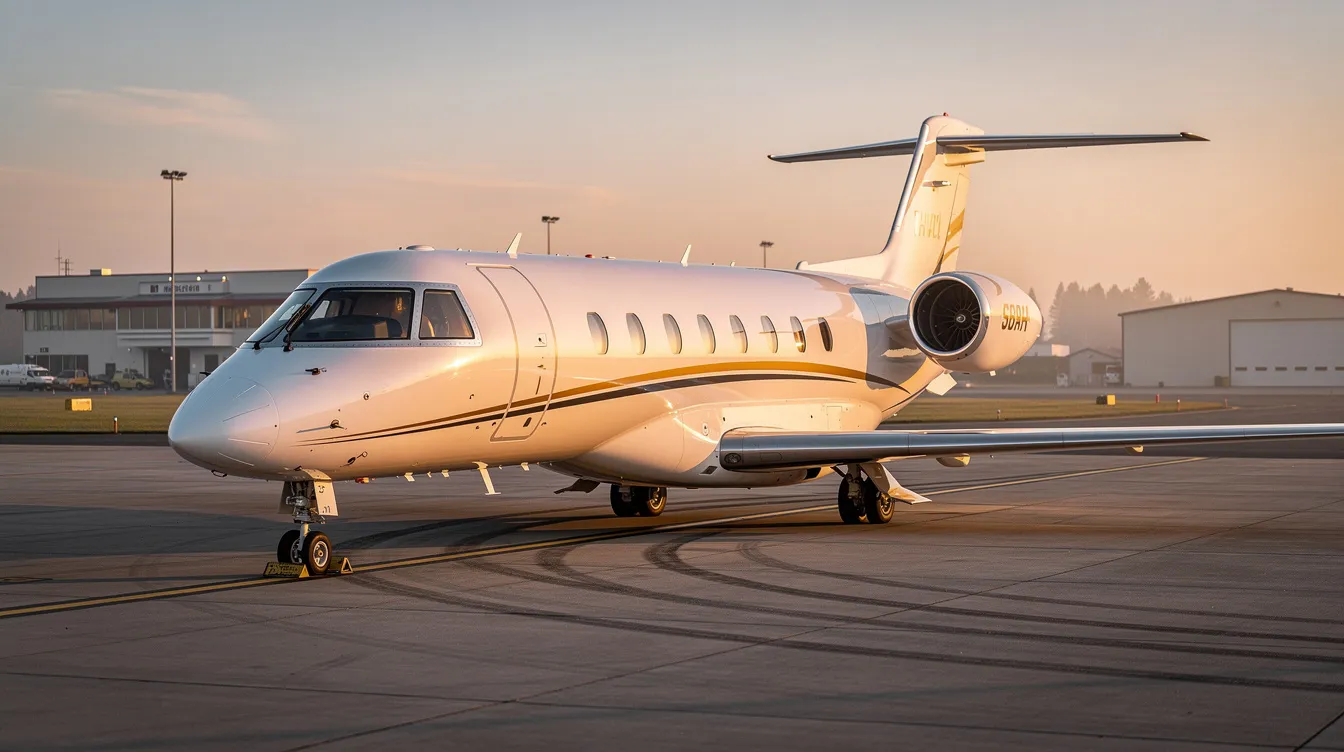
5
min read
Reynolds Jet: Private Charter, Aircraft Management, and Digital Alternatives
Reynolds Jet Management, based in Cincinnati, offers personalized private jet charter and aircraft management services since 2008. With a focus on safety and reliability, they provide tailored solutions for travelers, while digital platforms like Jettly offer broader access to over 20,000 aircraft worldwide. This guide compares the two models, highlighting their unique benefits for private aviation.
Read MoreStay updated with our latest insights and tips to elevate your journey with us.
MEMBERSHIPS AND ASSOCIATIONS



Disclaimer: Jettly operates as a charter broker, offering access to a global digital jet charter marketplace. Jettly is not a direct air carrier and does not own or operate aircraft. All advertised flights are conducted by third-party air carriers that are fully licensed and hold the appropriate Part 135 or Part 121 certifications issued by the Federal Aviation Administration (FAA) or equivalent regulatory authorities under U.S. or foreign law. Jettly complies fully with the U.S. Department of Transportation's Part 295 and Part 298 Charter Broker regulations. Jettly does not carry additional liability insurance. Passengers are covered by aircraft operator insurance. TICO: 50023770


