


Login
Get Instant Pricing On 23,000+ Aircraft

>
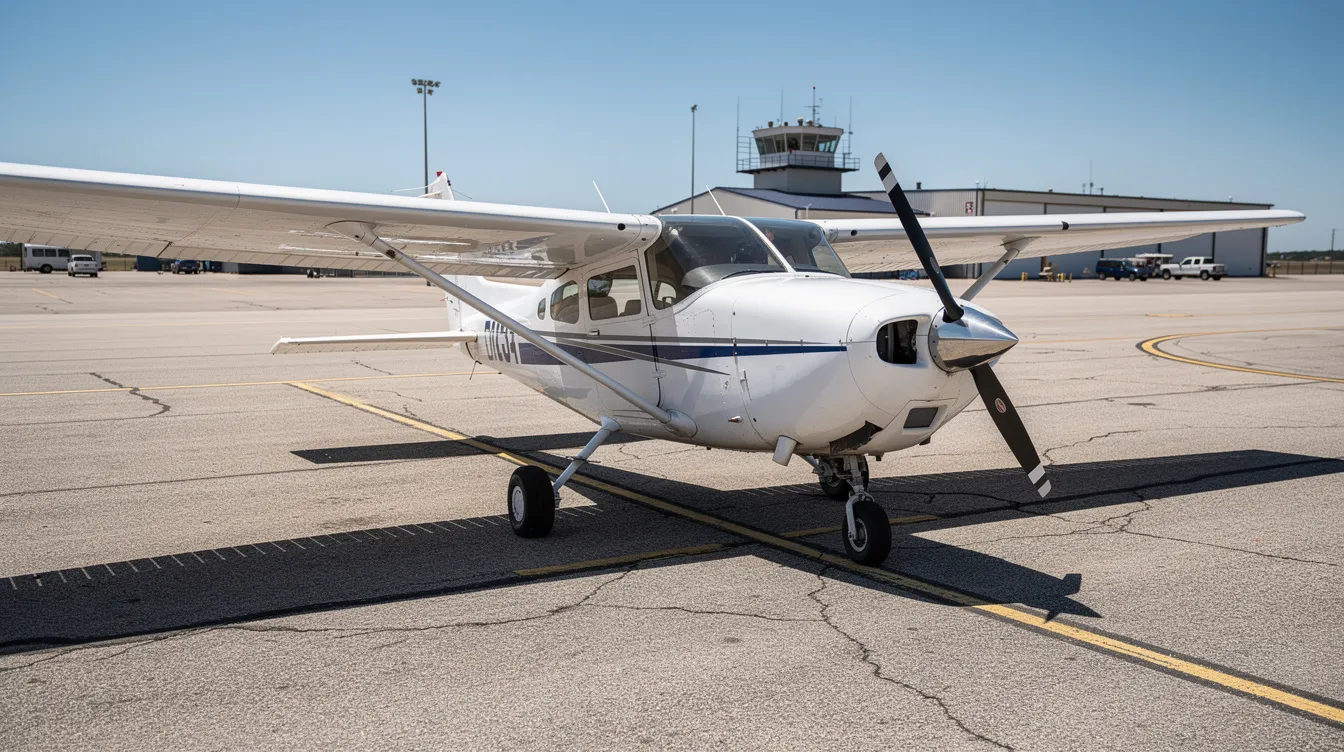
Owning an aircraft sounds like the ultimate freedom, but the cost of aircraft ownership goes far beyond what most buyers expect. Between the initial purchase price, hangar fees, insurance premiums, fuel, and engine overhauls, the actual costs can catch even experienced private pilots off guard. This guide is for prospective aircraft buyers, current owners, and anyone comparing ownership to charter or fractional programs. This guide breaks down every major expense category with 2026-specific data so readers can make informed decisions about whether ownership, fractional programs, or on-demand charter through a platform like Jettly is the smarter financial move.
Owning an aircraft requires significant financial commitment beyond the purchase price. The true cost includes ongoing expenses that persist for every year of ownership. For travelers flying below certain annual thresholds, private jet charter platforms like Jettly often deliver better economics and zero asset risk.
Total aircraft ownership costs include the purchase price, fixed costs (hangar, insurance, inspections), variable costs (fuel, maintenance, crew), and maintenance reserves for major overhauls. Aircraft ownership costs can amount to 15–25% of the aircraft value annually.
Many aircraft owners underestimate fixed costs and overestimate their annual flight hours, which inflates their cost per hour far above initial projections.
Operating costs for private jets can exceed $500,000 annually, driven by fuel, crew salaries, insurance, and maintenance reserves.
In 2026, ownership usually becomes financially competitive only above roughly 200–250 flying hours per year for turboprops and jets. For piston aircraft, the break-even point may sit closer to 100–150 hours.
Jettly's on-demand access eliminates ownership costs entirely while providing access to over 20,000 aircraft worldwide. Ready to compare? Request a quote at Jettly.com.
Fixed annual costs are incurred regardless of aircraft usage and include items such as insurance and hangar fees. Variable operational costs depend on hours flown and include expenses like fuel and maintenance.
Aircraft ownership costs fall into three distinct layers. Understanding each layer—acquisition cost, fixed and variable costs, and long-term reserves—is essential before signing any purchase agreement. Owning an aircraft averages about $30,000 annually for small planes, but the total cost climbs steeply with aircraft complexity.
Layer 1 – Acquisition cost: The purchase price plus taxes, closing fees, and a thorough pre-purchase inspection. Acquisition expenses include pre-purchase inspections and registration fees. The purchase price of used single-engine aircraft can range from $70,000 to $250,000, while major business jets can cost $20 million to over $75 million.
Layer 2 – Annual fixed costs: Insurance, hangar space, annual inspection, subscriptions (charts, weather, EFB software), registration fees, and local or state property taxes that may apply to aircraft ownership. Fixed annual costs range from $15,000 to $30,000 for small aircraft. Hangar rental is often one of the largest fixed expenses, with storage costs ranging from $225 to $350 per month in Colorado and up to $3,000 per month in major metro areas. Insurance premiums vary based on aircraft type and pilot experience—for example, insurance for a Cessna 172 costs $1,500 to $2,500 annually.
Layer 3 – Variable costs per hour: Fuel, engine oil, routine maintenance, landing and handling fees, and reserves for eventual engine overhaul. Fuel is typically the highest operational expense, accounting for up to 70% of variable costs. The average small plane fuel burn rate is 5 to 10 gallons per hour. Typical annual maintenance for a piston airplane ranges from $2,000 to $10,000, including routine oil changes every four months or after 50 hours and tire replacements. Owners often budget for engine reserves to cover future overhaul costs, which can reach tens of thousands of dollars depending on the engine.
Variable operational costs depend heavily on hours flown. For example, landing fees can vary significantly by airport and by the specific facility, so using an airport locator tool can help owners anticipate local charges. Maintenance costs can range from 10% to 45% of total yearly expenses, with unexpected repairs sometimes significantly increasing costs. Annual inspections for small aircraft cost between $600 and $1,200, with fixed-rate inspections for light singles ranging from $800 to $2,000. A well-maintained engine can last decades without major issues.
To express all costs as a blended hourly cost, divide total annual fixed costs by projected flight hours, then add variable expenses per hour. If fixed costs are $25,000/year and you fly 100 hours, fixed cost alone adds $250 per hour before fuel or maintenance.
Ownership risk and cost also differ by aircraft type. Single-engine pistons carry lower insurance and simpler systems. Turboprops and light jets layer on complexity—pressurization, dual engines, professional crew requirements, and stricter regulatory oversight—all of which raise hourly costs.
The purchase price is only the starting point. A 2006 Cirrus SR22 might list for $300,000–$500,000, while a 2015 Citation CJ3+ could run $6–$8 million. The gap between aircraft models is enormous, and so is everything that follows.
2026 purchase price ranges: Used single-engine aircraft can range from $70,000 to $250,000. Used turboprops sit at $1.2–$4 million. Used light jets start around $1.5–$3 million for older Cessna Citations. Major business jets can cost $20 million to over $75 million.
Depreciation: New aircraft typically lose 10–15% of their aircraft value in year one, then 5–10% annually. Depreciation affects aircraft ownership costs over time and must be factored into any long-term projection.
Financing basics: Most aircraft loans require a down payment of 15–30%. Loan terms range from 15–20 years for pistons down to 7–15 years for turboprops and jets. Interest rates for home equity loans are generally lower than aircraft loans. Lenders typically require 20% down for leaseback configurations. Interest on personal aircraft loans is generally not tax-deductible. Aircraft used for business may qualify for Section 179 expensing, which can provide tax benefits.
Example: Financing a $1.8 million pre-owned 2010 Beechcraft King Air C90 with 20% down ($360,000) leaves a $1,440,000 loan. At roughly 7.5% over 15 years, the monthly loan payment lands near $13,000–$14,000. Annual interest cost in early years exceeds $100,000.
Capital locked inside an aircraft could generate returns elsewhere. By contrast, charter through Jettly requires no capital outlay, no depreciation exposure, and no financing costs, and some travelers instead compare these numbers with private jet lease costs as a hybrid approach.
A detailed pre-purchase inspection by a mechanic familiar with the specific aircraft type is non-negotiable. It reveals deferred maintenance, corrosion, engine time near TBO, and avionics obsolescence—all of which affect the true cost and help most buyers avoid costly surprises.
Fixed costs are ongoing expenses that hit the budget whether the aircraft flies 300 hours or sits untouched. First-time aircraft owners routinely underestimate these line items.
Fixed costs include insurance, hangar fees, annual inspections, subscriptions, registration fees, and local and state property taxes that may apply to aircraft ownership. Hangar rental is often one of the largest fixed expenses for aircraft owners. Hangar storage costs can range from $225 to $350 per month in Colorado and up to $3,000 per month in major metro airports. Outdoor storage via tie-down runs $75–$250/month but accelerates paint, avionics, and airframe degradation.
Insurance premiums vary widely based on aircraft value, pilot experience, and usage. Insurance for a Cessna 172 costs $1,500 to $2,500 annually. Larger turboprops and jets can see premiums from $7,000 to over $200,000 annually.
Annual inspections for small aircraft cost between $600 and $1,200. Turboprop inspections run $15,000–$40,000 annually, while light jet scheduled checks can reach $25,000–$80,000+.
Variable costs scale with flight activity and include fuel, engine oil, tires, brakes, landing fees, and routine maintenance labor. Fuel is typically the highest operational expense, accounting for up to 70% of variable costs. Avgas prices vary regionally, with burn rates of 5 to 10 gallons per hour for small planes.
Typical annual maintenance for a piston airplane ranges from $2,000 to $10,000, including routine oil changes every four months or after 50 hours. Owners often budget for engine reserves to cover future overhaul costs, which can reach tens of thousands of dollars depending on the engine. Unexpected repairs such as corrosion, prop strikes, or pressurization leaks can significantly increase maintenance costs.
Larger aircraft types often enroll in program-based reserves that convert major overhaul costs into predictable per-hour fees. Landing fees can vary significantly by airport, especially for international or high-traffic fields.
The hourly cost metric is the most useful way to compare owning an aircraft versus renting from flying clubs, fractional ownership, or chartering through Jettly, and it should reflect both fixed and variable components of private jet operating cost.
Step-by-step method:
Total all annual fixed costs.
Estimate annual flight hours.
Divide fixed costs by hours for fixed cost per hour.
Add average variable costs per hour (fuel, maintenance reserves, landing fees).
Sum = true cost per flight hour.
Ownership is generally economical for over 100 flight hours annually for small pistons. For turboprops and light jets, the break-even point typically falls at 200–300 hours per year. Renting is ideal for occasional flyers without commitment, and many compare on-demand services to NetJets-style fractional alternatives when deciding how to access private travel. Fractional jet ownership costs allow shared costs among multiple owners and may fill the gap for moderate usage.
Readers can benchmark their numbers against Jettly's charter cost estimator or a dedicated jet card flight cost estimator for the same factors like route, aircraft size, and passenger count.
Tax considerations—business purpose deductions, depreciation schedules, operating expense write-offs—can shift the break-even point. Consult an aviation-savvy CPA before relying on tax benefits in your calculations.
Aircraft types differ dramatically in both purchase price and ongoing costs. The intended use—range, passenger count, runway requirements—should drive the choice, not aspiration alone.
|
Aircraft Type |
Purchase Price (2026) |
Annual Fixed Costs |
Operating + Reserve per Hour |
|---|---|---|---|
|
Used single-engine piston |
$70,000–$250,000 |
$15,000–$30,000 |
$100–$150/hr |
|
Twin piston |
$400,000–$900,000 |
$30,000–$60,000 |
$150–$250/hr |
|
Turboprop |
$1.2–$5 million |
$80,000–$200,000+ |
$500–$1,200/hr |
|
Light jet |
$1.5–$12 million |
$200,000–$400,000+ |
$2,000–$3,500+/hr |
|
Midsize/heavy jet |
$8–$75 million+ |
$400,000–$700,000+ |
$3,500–$8,000+/hr |
Operating costs for private jets can exceed $500,000 annually once crew salaries, recurrent simulator training, and management fees are included, and a detailed breakdown of private jet operating costs reveals how quickly these expenses compound. More complex aircraft demand professional crew, stricter insurance, and more rigorous regulatory compliance.
Jettly offers a flexible way to access different aircraft categories without committing to one specific aircraft or its full ownership cost. Pairing that flexibility with private jet memberships can further optimize pricing. A turboprop for a 400-mile hop, a midsize jet for a cross-country flight—mission matching keeps spending efficient.
Beyond the obvious line items, several factors drive costs that accumulate over years of aircraft ownership.
Avionics upgrade cycles: Every 8–12 years, major panel modernization becomes necessary. Costs range from $30,000 for partial upgrades to $200,000+ for full glass cockpit conversions on low-use aircraft. Regulatory mandates like ADS-B compliance have forced unplanned upgrades on many private owners.
Paint and interior: Paint refreshes run every 10–15 years ($12,000–$25,000 for small planes; $250,000+ for large cabin jets). Interior refurbishment follows a similar cycle. These costs directly affect resale and aircraft condition.
Unexpected component failures: Corrosion, gear issues, prop strikes, and pressurization leaks generate unplanned bills. A prudent contingency fund of 10–20% of the annual maintenance budget helps absorb these hits.
Regulatory changes: Airworthiness directives, evolving rules for Part 135 charter companies, and service bulletins can force part replacements or modifications on specific aircraft models at any time.
Soft costs: Administration, scheduling, record-keeping, and maintenance coordination consume real flying time. Outsourcing to a management company adds expense; self-managing adds hours of unpaid work, and even amenities like in-flight catering services for private jets introduce additional planning and cost layers.
Charter eliminates every fixed ownership cost—hangar, insurance, annual inspection, management, crew salaries, and maintenance reserves—replacing them with a pay-per-trip model, especially when using a broad network of private charter aircraft.
Jettly's access to over 20,000 aircraft globally lets travelers match each trip to the optimal aircraft type, drawing from a broad list of private charter airlines and operators. A turboprop for short hops, a midsize jet for coast-to-coast, a heavy cabin for transatlantic. No single owned aircraft can do all of that efficiently, and understanding affordable private jet charter pricing helps clarify when this model beats ownership.
Comparison scenario: A business traveler flying 80–100 hours per year on routes like New York–Miami or Toronto–Vancouver. Owning a light jet at 100 hours/year produces a true cost of roughly $3,500–$6,000 per hour once all fixed and variable expenses are included. Rental costs through Jettly for the same missions—paid only for hours actually flown, with no fixed overhead—often come in lower on a total annual spend basis once you factor in how one private jet flight cost is constructed.
Qualitative benefits matter too: no asset risk, no depreciation, zero administrative burden, and the ability to upgrade or downgrade aircraft type per trip. For high-utilization flyers above 250+ hours/year, ownership may pencil out. For everyone else, charter deserves a hard look.
Learn more about how to charter a private jet or request instant pricing at Jettly.com.
These questions address practical issues that go beyond the main sections, using 2026-relevant figures and plain language.
For a basic used single-engine piston like a Cessna 172 flown 75–100 hours per year, expect all-in annual costs of $20,000–$35,000 including insurance, hangar, inspection costs, fuel, and maintenance reserves (excluding financing). In high-cost metro areas with expensive hangar space, that number climbs further. A flight school environment or other affordable aeroplane rental options can sometimes reduce effective rental costs compared to low-hour ownership.
TBO for most piston engines ranges from 1,400 to 2,200 hours. An engine rebuild or overhaul at those intervals can cost $30,000–$95,000 depending on the engine. Calendar limits also apply—many factors lenders and insurers consider include whether an engine has sat idle too long. Spreading the overhaul costs into a per-hour reserve keeps the financial impact predictable.
Revenue from leasing offsets fixed costs, but it adds hours flown, increases wear, and may require Part 135 certification or other regulatory structure. Insurance premiums rise, and maintenance cycles accelerate. The trade-off can work for some, but the added complexity and lower resale value from high-hour airframes means the savings aren't always what they appear.
Business use can allow depreciation deductions (MACRS, bonus depreciation, Section 179 in the US), plus deductions for operating costs, insurance, and interest on financed aircraft. Record-keeping must meet IRS standards, and personal use triggers different rules. Always consult an aviation-savvy CPA before factoring tax benefits into your ownership math.
At very low flight hours—say under 50 per year—fixed costs dominate, pushing the cost per hour extremely high. For most occasional travelers, chartering through platforms like Jettly or exploring affordable planes for shared access delivers better value and far less stress than full ownership. You can share costs through fractional programs, weigh the good and bad of fractional private jet ownership, or simply pay per trip and keep your capital working elsewhere.
The cost of aircraft ownership is layered: purchase price, fixed costs, operating costs, avionics upgrades, maintenance reserves, and depreciation all compound year after year. A disciplined, data-driven approach—detailed budgeting, per-hour cost calculation, and regular review—is essential before committing to any specific aircraft or financing structure.
Run multi-year projections (5–10 years) that include depreciation, resale value, and stress-tested assumptions about annual flight hours and fuel prices.
Compare full ownership, fractional programs, leasing, and on-demand charter on an apples-to-apples per-hour basis, factoring in both direct monetary outlay and the time spent managing the asset, drawing on a detailed view of how much a private jet costs across these models.
Discover the convenience of private travel tailored to your needs. Browse available flights or get a personalized quote at Jettly.com.
Share this post:
Jay Franco Serevilla
Jul 1, 2026
|
5
min read
Discover tips and trends in the industry.
5
min read
Private Flight Club Membership Cost: What You Really Pay For
Private flight club memberships offer a range of costs influenced by initiation fees, monthly dues, and hourly rates. Understanding these components helps travelers make informed decisions between membership and on-demand charter options. With costs varying significantly based on aircraft type and usage, it's essential to evaluate personal travel needs and frequency before committing.
Read More
5
min read
Taneja Aerospace Share Price: Live Updates, Fundamentals & Investor Guide
Taneja Aerospace & Aviation Ltd's current share price is ₹344.20, reflecting a 1.7% decrease. With a P/E ratio of approximately 47, the stock indicates strong growth expectations in the aerospace sector, making it an intriguing option for investors. This guide provides essential trading data, valuation metrics, and insights into the company's fundamentals and market trends.
Read MoreStay updated with our latest insights and tips to elevate your journey with us.
MEMBERSHIPS AND ASSOCIATIONS



Disclaimer: Jettly operates as a charter broker, offering access to a global digital jet charter marketplace. Jettly is not a direct air carrier and does not own or operate aircraft. All advertised flights are conducted by third-party air carriers that are fully licensed and hold the appropriate Part 135 or Part 121 certifications issued by the Federal Aviation Administration (FAA) or equivalent regulatory authorities under U.S. or foreign law. Jettly complies fully with the U.S. Department of Transportation's Part 295 and Part 298 Charter Broker regulations. Jettly does not carry additional liability insurance. Passengers are covered by aircraft operator insurance. TICO: 50023770


