


Login
Get Instant Pricing On 23,000+ Aircraft

>
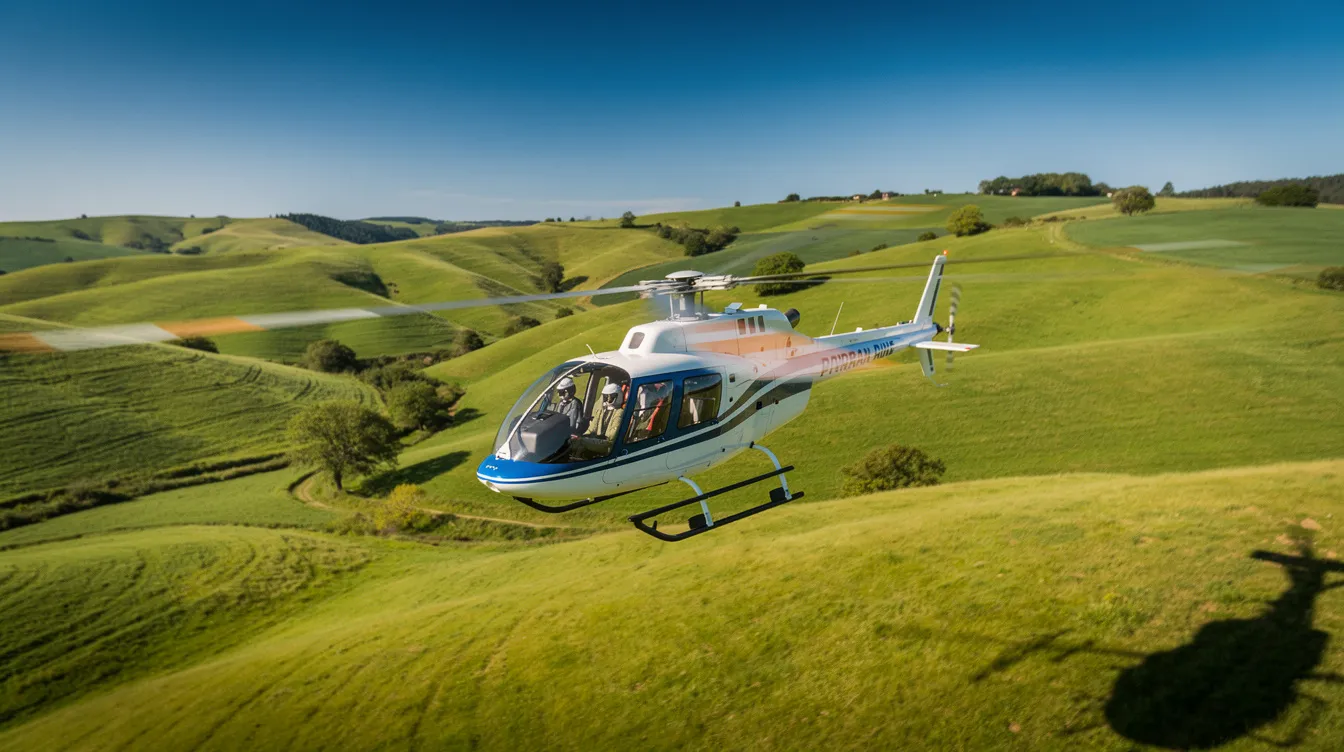
The cost of R44 helicopter ownership in 2026 is a crucial consideration for a range of audiences—including prospective buyers, flight schools, frequent flyers, and travelers evaluating charter options. Whether you are looking to purchase an R44 for personal use, operate a flight training program, fly frequently for business, or simply want to compare the economics of ownership versus charter, understanding the full cost of an R44 helicopter is essential for making informed decisions.
This comprehensive guide covers the purchase price of new and used Robinson R44 helicopters, ongoing operating costs, and the alternatives available through on-demand charter. We’ll break down not only the upfront investment but also the recurring expenses such as fuel, maintenance, insurance, and the mandatory overhaul required every 2,200 flight hours or 12 years (Fact 1). By examining these factors, you’ll be able to accurately budget, avoid unexpected expenses, and determine whether buying or chartering an R44 is the best fit for your needs in 2026.
The cost of an R44 helicopter in 2026 ranges from under $100,000 for older used aircraft to about $646,000 for a new Robinson R44 Raven II (Fact 1, Fact 2, Fact 3), with fully equipped examples climbing past $850,000.
Robinson R44 aircraft typically list between $372,453 and $726,085 depending on model, year, hours, and equipment. New R44 Raven II models list for approximately $646,000 (Fact 3).
Total operating costs per flight hour usually fall between $200 and $350 once fuel, maintenance, reserves, and overhaul are included (Fact 9, Fact 10). Annual ownership costs often range from $35,000 to $55,000 at 100–150 hours per year (Fact 7, Fact 8, Fact 11).
The Robinson R44 Raven II generally costs more upfront but delivers better performance and resale value than the Raven I, influencing long-term ownership costs.
An overhaul is a mandatory process required every 2,200 flight hours or 12 years (Fact 1), involving extensive inspection and replacement of key components, with costs typically ranging from $285,000 to $338,000 (Fact 4).
On-demand charter or private jet membership programs via platforms like Jettly let travelers access R44 and turbine helicopters by the hour without tying up capital in ownership. Charter rates for an R44 typically range from $500 to $900 per flight hour (Fact 13), with scenic tours costing less (Fact 14) and empty leg flights reducing costs by 30–50% (Fact 15).
The cost of an R44 helicopter in 2026 spans a wide range. New Robinson R44 helicopters cost around $350,000 at the base end (Fact 2), while new R44 Raven II models list for approximately $646,000 with standard configuration (Fact 3). Fully equipped versions with autopilot, glass panel avionics, and air conditioning can push past $850,000.
Used R44 models can be found for under $100,000 for high-airframe-hour Astros or early Raven I aircraft, with year of manufacture being one of the biggest drivers of age-related value (Fact 1). Typical used R44 prices range from $150,000 to $250,000 for mid-life airframes. Late-model, low-time Raven II helicopters often list between $450,000 and $650,000. Buyers often compare Robinson R44 asking prices and equipment on Controller.
Prices shift based on:
Total airframe hours and time since overhaul
Avionics suite (analog vs glass panel)
Accident or damage history
Paint, interior, and cosmetic condition
Proximity to the mandatory 2,200-hour or 12-year overhaul
Regional demand also matters. North American buyers face different pricing than European or Australian markets, with currency shifts and local supply pushing the average price by 10–20% in a given year.
Next, let's compare the different R44 variants and how their features affect cost.
The "Robinson R44" label from Robinson Helicopter Company covers several variants: Astro, Raven I, Raven II, Cadet, and Clipper. Each has its own purchase price and cost profile.
The original Astro and early Raven I models serve as lower-entry-price options. Flight schools and private individuals willing to accept older avionics and higher maintenance risk often choose these for a reduced capital outlay. The Raven I uses a carbureted Lycoming powerplant with a maximum operating altitude suited to low-elevation operations. R44 Raven II prices range from $150,000 to $290,000 used, depending on hours and condition.
The Robinson R44 Raven II is the most sought-after piston variant in 2026. Its fuel-injected Lycoming IO-540 engine delivers improved high-altitude performance, better cruise speed, and stronger resale value compared to earlier models. Used Raven II helicopters from 2018 onward still list well above $500,000 if low-time and well-equipped.
The Cadet variant targets flight training with side-by-side seating in two rows, while the Clipper adds floats for water-adjacent operations. Both command premiums when equipped for specialized missions, with floats alone adding $30,000+ to the configuration.
Robinson R44 helicopters are popular for private flying and pilot training, balancing affordability with versatility.
Now that we've covered the main variants and their pricing, let's break down the ongoing operating costs and what you can expect to pay per flight hour.
Operating costs for an R44 helicopter split into two categories: the costs required to operate an R44 helicopter on an hourly and annual ownership basis, with fixed costs accruing regardless of flying and variable costs tied directly to each flight hour.
It's important to note that the Robinson R44 requires a complete overhaul every 2,200 flight hours or 12 years (Fact 1), and maintenance inspections are mandatory at regular intervals (Fact 2). Ownership involves significant mandatory maintenance expenses (Fact 3), making it essential to factor these into your budget.
Fuel burn of approximately 14–16 gallons of avgas per hour (~$80–$100 at current fuel prices)
Engine oil, filters, and consumables (~$5–$10/hr)
Routine maintenance and parts replacement based on component life limits (~$15–$40/hr)
Overhaul reserves for the mandatory 2,200-hour/12-year overhaul (~$70–$150/hr set aside)
Hangar or tie-down fees ($4,000–$7,500/year)
Insurance premiums for hull and liability coverage ($10,000–$30,000 annually depending on usage)
Annual or 100-hour inspections ($1,500–$4,000/year)
Subscriptions, charts, and recurrent pilot training
Hourly operating cost for the R44 ranges from approximately $200 to $350 (Fact 9, Fact 10), with an average estimated operating cost between $308 and $332 per hour (Fact 5). For low-utilization owners flying about 100 hours per year, the hourly cost is around $250. Annual operating costs typically range from $35,000 to $42,000 at 100 hours (Fact 7, Fact 8) and rise to $40,000 to $55,000 at 150 hours per year (Fact 11).
High-utilization operators flying 300+ hours annually can reduce hourly costs to about $150 by spreading fixed expenses over more flight hours (Fact 12). Direct operating costs for an R44 range from $300 to $500 per hour depending on usage and maintenance.
Many private owners underestimate ownership costs. Over a decade, scheduled overhauls, avionics upgrades, rotor blade replacement, and compliance with service bulletins from the factory can exceed the original purchase price.
With a clear understanding of operating costs, let's look at the total annual ownership costs and how they add up over time.
Total cost of ownership for an R44 helicopter extends well beyond the sale price. It includes purchase or helicopter financing payments, routine operating costs, major inspections, and eventual resale value.
|
Utilization |
Annual Budget |
Effective Cost/Hour |
|---|---|---|
|
100 hrs/year |
$35,000–$42,000 |
$350–$420 |
|
150 hrs/year |
$40,000–$55,000 |
$267–$367 |
|
300+ hrs/year |
$80,000–$110,000 |
~ $150 effective |
High-utilization operators at 300+ hours per year reduce effective hourly costs to roughly $150 because fixed expenses like insurance, hangar storage, and inspections are distributed more efficiently. Commercial operators and flight schools flying 500+ hours achieve the lowest cost per hour, even with higher total annual outlay.
Aircraft age and proximity to overhaul heavily affect figures. A corporate owner buying a low-price R44 with overhaul due in 200 hours faces a six-figure cash requirement in the first year. Overhaul kits alone run $285,000 to $338,000 (Fact 4), not counting labor and the engine rebuild.
An overhaul is a mandatory process required every 2,200 flight hours or 12 years (Fact 1), involving extensive inspection and replacement of key components, with costs typically ranging from $285,000 to $338,000 (Fact 4). This significant expense must be factored into both purchase decisions and hourly cost calculations by setting aside a maintenance reserve per flight hour.
Opportunity cost matters too. Capital tied up in an R44 could be invested elsewhere, which is why some buyers factor an implicit annual budget line for cost of capital into ownership calculations.
Next, let's explore how financing, insurance, and risk management factor into the total cost of R44 helicopter ownership.
Many R44 buyers finance part of the purchase, converting a lump-sum cost into ongoing loan payments. Financing typically requires a 20–30% down payment. Loan terms run 7–15 years at interest rates between 6.5% and 9% depending on aircraft age and buyer credit, and some operators even offset costs by promoting an ULTRA high-ticket affiliate program tied to their aviation services.
Lenders require a minimum credit score of 600
Annual income must exceed $100,000 for financing approval
Commercial pilots are preferred for helicopter financing
Helicopter financing often includes hull insurance requirements
Documented maintenance and compliance with Robinson service bulletins
Annual debt service for a $180,000 R44 loan is approximately $32,400, a meaningful addition to the annual budget. Buyers should also build contingency into budgets for unplanned downtime, unscheduled maintenance, and the risk of an accident grounding the aircraft.
Insurers typically demand pilot minimum hours, make and model time, and completion of a Robinson safety course. These structural requirements support both safety and resale value but add cost for operators and private individuals alike.
With financing and insurance in mind, let's compare the economics of R44 ownership versus simply chartering a helicopter as needed.
For travelers who need only 20–150 flight hours per year, the financial case for full ownership weakens. Charter rates for an R44 typically range from $500 to $900 per flight hour (Fact 13). Scenic tours generally cost less than on-demand transfers (Fact 14), while empty leg flights can reduce charter costs by 30–50% (Fact 15), making occasional flights even more affordable through helicopter charter platforms.
Chartering an R44 is more economical for low-utilization travelers as the rate generally includes fuel, pilot, maintenance, and insurance—eliminating every fixed cost for the charter customer.
Platforms like Jettly aggregate helicopter and fixed-wing options, offering transparent instant pricing on piston helicopters, turbine helicopters, and private jets through tools such as a private jet charter cost estimator. Travelers can compare the cost of different helicopter types for each route and book the aircraft that best fits their mission, passengers, and demand.
A business owner flying four regional routes per month may spend less booking through Jettly than owning, insuring, and maintaining an R44 aircraft—while avoiding all the operational risk.
Now, let's examine when an R44 helicopter is the right choice, and when a jet or turbine helicopter might be a better fit.
The Robinson R44 is a versatile, relatively economical piston helicopter. It seats a pilot and up to three passengers, making it practical for short missions. But it's not always the optimal model for every route or traveler.
R44 is cost-effective for:
Short scenic flights and aerial photography
Local business hops under 100–150 miles in range
Initial flight training at flight schools specializing in piston rotorcraft
A turbine helicopter or private charter aircraft such as a light jet delivers better value for:
Longer-range transfers where cruise speed and performance matter
IFR operations in variable weather
Flights carrying more passengers and baggage in a larger cabin
Missions where the R44's specifications and range fall short
Jettly's platform lets users compare the price of booking an R44 against turbine helicopters like the Airbus H130 or light jets for the same itinerary. Understanding the full cost of R44 ownership often leads occasional flyers to favor flexible access via charter or even crowdsourced private jet flights that share empty seats rather than committing to a single aircraft type.

Next, let's address some frequently asked questions about the cost of R44 helicopter ownership and charter.
Below are common questions that address practical budgeting and decision points not fully covered above.
Ownership generally begins to make financial sense when annual utilization approaches 200–300 flight hours or more. Below that threshold, the per-hour cost of ownership—once hangar, insurance, maintenance, and overhaul reserves are included—often exceeds typical charter rates (Fact 9, Fact 10, Fact 13). Travelers uncertain about future usage can start with on-demand charter through Jettly to track hours and refine the business case before purchasing, using strategies similar to those for getting a seat on a private jet easily.
Fuel burn and direct variable costs per hour are broadly similar between the Raven I and Raven II. However, the Raven II's fuel-injected engine offers efficiency benefits at higher altitudes and heavier loads. Maintenance and parts pricing are comparable, so the main economic difference lies in purchase price and resale value—the Raven II typically holds value better in the used market. For buyers focused on acquisition cost, an older Raven I may be cheaper, but total cost of ownership can favor a well-maintained Raven II.
The R44 has mandatory overhaul limits at 2,200 flight hours or 12 calendar years (Fact 1), so its year of manufacture matters alongside total time when judging overhaul timing and buyer pricing risk. An overhaul is a mandatory process involving extensive inspection and replacement of key components, with costs typically ranging from $285,000 to $338,000 (Fact 4). Buyers must factor this into both purchase decisions and hourly cost calculations by setting aside a maintenance reserve per flight hour. Aircraft priced far below the market average often have a looming overhaul deadline, meaning the "cheap" purchase quickly becomes expensive once required work is performed.
Learning to fly at a flight school involves paying hourly training rates plus instructor fees. This path is cost-effective only for those committed to earning a helicopter license and flying regularly afterward. Business travelers who need reliable transport a few times per month are better served chartering via Jettly—it's cheaper and far more time-efficient than training, licensing, and then operating an aircraft, much like the options outlined in guides to buying a seat on a private jet. Safety, insurance, and regulatory requirements also make self-piloted business travel impractical for most casual users.
Jettly provides instant charter quotes across a wide range of aircraft—including piston helicopters like the R44, single-engine turbines, and private jets—so users can compare hourly and trip-level pricing side by side using its affordable private jet charter tools. The platform's transparent pricing, access to thousands of aircraft worldwide, and route-by-route comparisons help travelers see whether an R44, a turbine, or a light jet offers the best value for a specific mission, especially when viewed as a NetJets alternative for flying private with Jettly.
Ready to find the right aircraft for your next trip? You can use Jettly's airport locator tool, estimate trip pricing with the private jet charter cost estimator or jet card flight cost estimator, explore world-class jet card programs and private jet memberships, read tips on finding the best cross-country plane for your travel journey, or add amenities like in-flight catering for private jets. Travelers bound for specific regions can also review services for private jet charter in Atlanta, Georgia, Chennai, Tamil Nadu, Kolkata, West Bengal, or New Delhi, Delhi, and even book through partners such as Dexter Air Taxi. Explore flight options or request a quote at https://www.jettly.com.
The cost of an R44 helicopter in 2026 encompasses more than just the purchase price. Prospective owners must consider ongoing operating expenses, including fuel, maintenance, insurance, and mandatory overhauls, which can push annual costs to $35,000–$55,000 or more depending on hours flown (Fact 7, Fact 8, Fact 11). While ownership can make financial sense for those flying 200 hours or more annually, many travelers benefit from the flexibility and cost-effectiveness of chartering through platforms like Jettly. Charter options provide access to R44 helicopters and a broad range of turbine and jet aircraft without the burdens of fixed costs and maintenance. Understanding the full cost of ownership versus charter helps travelers make informed decisions tailored to their flying needs and budget.
Ready to experience private travel on your terms? Explore flight options or request a quote at https://www.jettly.com.
Share this post:
Jay Franco Serevilla
Jul 25, 2026
|
5
min read
Discover tips and trends in the industry.
5
min read
Weight Limit for Helicopter Ride: What You Need to Know Before You Book
Understanding helicopter weight limits is crucial for ensuring safety and comfort during flights. Each helicopter has specific weight restrictions that can affect seating arrangements and costs. Passengers should be aware of these limits and plan accordingly to avoid surprises.
Read More
5
min read
Helicopter Specs: Key Performance Numbers, Configurations, and Use Cases
Helicopter specs provide essential performance data that define a rotorcraft's capabilities, including weight, speed, range, and passenger capacity. Understanding these specifications is crucial for selecting the right helicopter for various missions, from VIP transfers to emergency services. This guide simplifies complex technical details, helping users make informed decisions based on their travel needs.
Read MoreStay updated with our latest insights and tips to elevate your journey with us.
MEMBERSHIPS AND ASSOCIATIONS



Disclaimer: Jettly operates as a charter broker, offering access to a global digital jet charter marketplace. Jettly is not a direct air carrier and does not own or operate aircraft. All advertised flights are conducted by third-party air carriers that are fully licensed and hold the appropriate Part 135 or Part 121 certifications issued by the Federal Aviation Administration (FAA) or equivalent regulatory authorities under U.S. or foreign law. Jettly complies fully with the U.S. Department of Transportation's Part 295 and Part 298 Charter Broker regulations. Jettly does not carry additional liability insurance. Passengers are covered by aircraft operator insurance. TICO: 50023770


