


Login
Get Instant Pricing On 23,000+ Aircraft

>
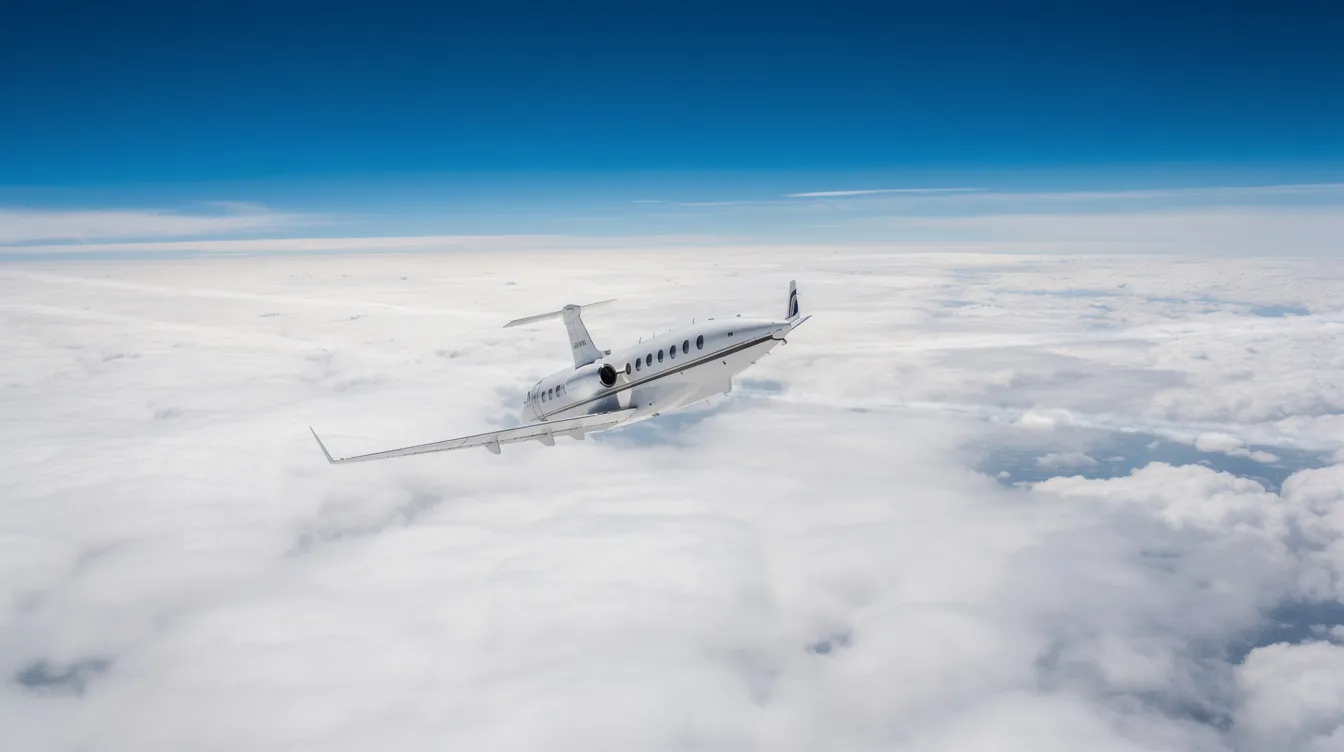
The cruise speed of an aircraft is one of the most misunderstood numbers in aviation. It is not simply "as fast as the plane can go." It is a deliberate, calculated compromise shaped by aerodynamics, fuel economics, and passenger comfort. For anyone booking a private flight, understanding this number can mean the difference between overpaying for speed you do not need and selecting the right aircraft for your route.
Typical cruise speeds vary depending on the type of aircraft. Commercial airliners cruise around Mach 0.78–0.85 (roughly 450–490 knots), while private jets often cruise between Mach 0.80 and Mach 0.90.
Cruise speed is a deliberate compromise that balances speed, fuel burn, range, and passenger comfort-not a race to top speed.
Private jet charter platforms like Jettly help travelers match aircraft cruise velocity, range, and cost to specific missions, whether a 950 NM hop from New York to Miami or a nonstop transatlantic crossing.
Turboprops cruise around 275–312 knots, light jets near Mach 0.76, and long-range jets like the Gulfstream G700 reach about Mach 0.90-each suited to different route lengths and budgets.
Future developments will likely focus on efficiency, sustainable fuels, and smarter digital booking tools rather than dramatically faster cruise speeds for mainstream commercial aircraft.
Cruise speed is the steady, efficient speed an aircraft maintains during the en-route phase of flight, after climb and before descent. It is distinct from takeoff, climb, and landing speeds and represents the portion of flight where passengers spend the most time.
In practice, "cruise speed" and "cruising speed" are used interchangeably. The value is expressed in knots, km/h, or as a Mach number-the ratio of the airplane's true airspeed to the local speed of sound. Jets operating above FL300 (about 30,000 feet) almost always reference Mach.
Commercial airliners typically cruise between Mach 0.74 and Mach 0.85. A Boeing 737 typically cruises around Mach 0.79, while widebodies like the Boeing 787-9 cruise closer to Mach 0.84–0.85. Average turbofan-powered aircraft cruise at about 500 knots. For private travelers, these numbers directly determine total flight time, fuel consumption, operating cost, and schedule flexibility.
Engineers and operators do not pick cruise speed arbitrarily. It emerges from the intersection of aerodynamics, engine thrust, structural limits, and economics.
Every aircraft has a "design cruise Mach" where the wing, fuselage, and engine are optimized to minimize drag. For the Boeing 787, that is about Mach 0.85. For many Gulfstream and Bombardier long-range jets, it is closer to Mach 0.90.
Aircraft design influences drag and efficiency during flight, which is why manufacturers publish several recommended cruise regimes: long-range cruise, normal cruise, and high-speed cruise.
Long-range cruise is defined as the speed providing 99% of the maximum range-ideal when distance matters more than schedule. The speed providing the best fuel efficiency is known as the maximum range speed.
Structural limits like MMO (Maximum Mach Operating) and VMO cap the safe top speed. Typical commercial airliners have MMO around Mach 0.86–0.89.
Flying very close to MMO increases fuel burn sharply. Most operators set cruise at roughly 85–95% of top speed, depending on fuel prices and schedule demands.
Modern flight management systems automatically compute an optimum cruise speed based on weight, cost index (time versus fuel priority), altitude, and wind conditions.
Although each aircraft has published cruise speeds, real-world cruising speed varies flight to flight. Here are the main factors that determine what a pilot actually flies:
Aircraft weight and passenger load: Aircraft weight affects lift and cruising speed directly. Heavier aircraft require higher angles of attack and generate more drag, pushing operators toward adjusted power settings during initial cruise. As fuel burns off and weight decreases, the airplane can climb higher or slow to a more efficient Mach.
Cruising altitude and temperature: Cruising altitude impacts drag and true airspeed. Thinner air at higher altitudes reduces drag on aircraft, which is why commercial jets cruise at FL330–FL410 and some business jets reach FL510. The local speed of sound decreases with colder temperatures aloft, meaning that cruising aircraft operate close to their critical Mach limit at high altitudes even when flying at a seemingly moderate Mach number.
Wind and jet streams: Jet streams can significantly boost an aircraft's ground speed without increasing airspeed. A 100-knot tailwind on a transatlantic route adds roughly 100 knots to ground speed for free, while a strong headwind may justify a pilot choosing to fly faster despite extra fuel burn to maintain a schedule.
Passenger comfort: Flying at or near MMO can bring an aircraft closer to buffet margins and generate more cabin noise. Operators typically maintain a comfortable margin below MMO to keep the ride smooth.
Air traffic control constraints: ATC speed restrictions, step climbs, and traffic flow control on busy routes like North Atlantic tracks can force flights to cruise at suboptimal speeds or altitudes, affecting average cruise velocity over the entire route.
Cruise performance varies widely across aircraft classes. Here is how the main categories compare, with real models and data:
|
Aircraft Category |
Typical Cruise Speed (Mach) |
Typical Cruise Speed (Knots) |
Example Aircraft Models |
Notes |
|---|---|---|---|---|
|
Commercial Narrowbodies |
0.78–0.79 |
450–460 |
Airbus A320neo, Boeing 737-800 |
Speeds improved from 450 knots in the 1950s to 500 knots today |
|
Commercial Widebodies |
0.84–0.85 |
480–490 |
Boeing 787-9, Airbus A350-900, Boeing 747 |
Larger aircraft with longer range and higher cruise altitudes |
|
Private and Business Jets |
0.76–0.90 |
430–528 |
Embraer Phenom 300E, Cessna Citation X, Gulfstream G700 |
Light jets on the lower end, long-range jets near Mach 0.90 |
|
Turboprops and Regionals |
N/A |
275–312 |
Pilatus PC-12 NGX, Beechcraft King Air 350i |
Efficient for short sectors under 500 NM |
|
Military Jets |
>1.5 |
>1,000+ |
F-22 Raptor, SR-71 Blackbird |
Designed for supersonic speeds, some exceeding Mach 3 |
Note: Mach numbers vary with altitude and temperature; knots are approximate true airspeeds.
Commercial jet cruise speeds were about 450 knots in the late 1950s; today's turbofan-powered aircraft average cruise speeds are about 500 knots thanks to engine and aerodynamic advances.
The Cessna Citation X has a cruising speed of 604 mph (approximately 525 knots), making it one of the fastest civilian jets.
Top speed-often close to MMO-is a certification limit, not the speed at which an aircraft flies on a typical mission. Maximum cruise speed sits near that ceiling, but the practical cruise speed flown day-to-day sits well below it.
For most jet aircraft, normal cruise runs at roughly 85–95% of top speed. A jet with MMO Mach 0.90 may have a typical cruise Mach of 0.85–0.88. The Concorde cruised at about Mach 2.02, or 1,354 mph, even though its theoretical top speed was slightly higher. The Cessna Citation X+ cruises around Mach 0.90 despite an MMO of Mach 0.935.
Why don't operators simply fly at absolute top speed? Because fuel consumption increases non-linearly as Mach climbs, range shrinks, and structural margins get tighter. For travelers, choosing a jet that cruises a few percentage points faster might only save 20–40 minutes on a transcontinental leg while increasing the charter cost per hour. The "fastest" option is not always the best value.
Jettly is a digital private jet charter marketplace with access to over 20,000 aircraft worldwide. Cruise speed is one of several parameters-alongside cabin size, range, and price-that shape charter recommendations on the platform.
On common routes like New York–Miami or Los Angeles–Las Vegas, higher cruising speed can noticeably shorten door-to-door travel time, especially when combined with access to smaller, less congested airports.
Jettly's instant pricing tools present different categories side by side-light jet versus midsize versus long-range jet-highlighting estimated flight time and cost so travelers can weigh speed against budget.
For a 300–500 NM trip like London to Geneva, a high-speed turboprop might deliver a similar block time to a light jet at lower cost. For 2,000+ NM trips, a faster super-midsize or heavy jet can materially cut time in the air.
Business travelers who value time above all often select jets with higher cruising speed and nonstop range. Leisure travelers may prioritize quieter cabins, payload capacity, or total trip price over a slight difference in cruise Mach.
Jettly's on-demand model lets customers choose per trip whether speed, cost, or comfort takes priority, without being locked into a single aircraft type.
Cruise speed strongly influences fuel consumption, emissions, and overall operating cost. For most jets, fuel burn per hour climbs rapidly as cruise Mach approaches MMO, while fuel burn per distance has an optimum at a slightly lower cruise Mach-the long-range cruise setting.
Slowing a Boeing 737 from Mach 0.78 to Mach 0.74 on a 500 NM sector can cut fuel burn by around 5–7% while adding only a few minutes to flight time. Similar trade-offs apply to many business jets.
The Bombardier Global 7500 achieves roughly 8% better fuel efficiency than its predecessor at cruise, demonstrating how modern aerodynamics and geared turbofan engines improve performance without sacrificing speed.
Travelers can request newer, more efficient models and flight plans that balance cruising speed with lower fuel burn. Platforms like Jettly support this by matching travelers with aircraft that have modern engines, reducing emissions per passenger mile compared with older or oversized jets.
The basic cruise speed range for commercial airliners has stayed near Mach 0.80–0.85 since the 1970s. Several supersonic concepts target business and premium markets at about Mach 1.4–1.7 over water, but physical limits-drag rise near Mach 1, structural heating, the sound barrier, and certification challenges-make it unlikely that mainstream passenger aircraft will cruise much faster than Mach 0.85 in the coming decades.
The more certain trend is toward higher efficiency at existing cruise speeds: advanced composite wings, geared turbofan engines, and improved flight management algorithms that optimize cruise Mach and altitude in real time. For private aviation, progress will focus on cleaner fuels, more efficient long-range jets, and smarter digital charter platforms like Jettly that help travelers minimize both time and emissions.
For most travelers, access, flexibility, and reliability-being able to depart on short notice from a convenient airport-often save more time than pushing cruise speed a few percentage points higher into the sky.
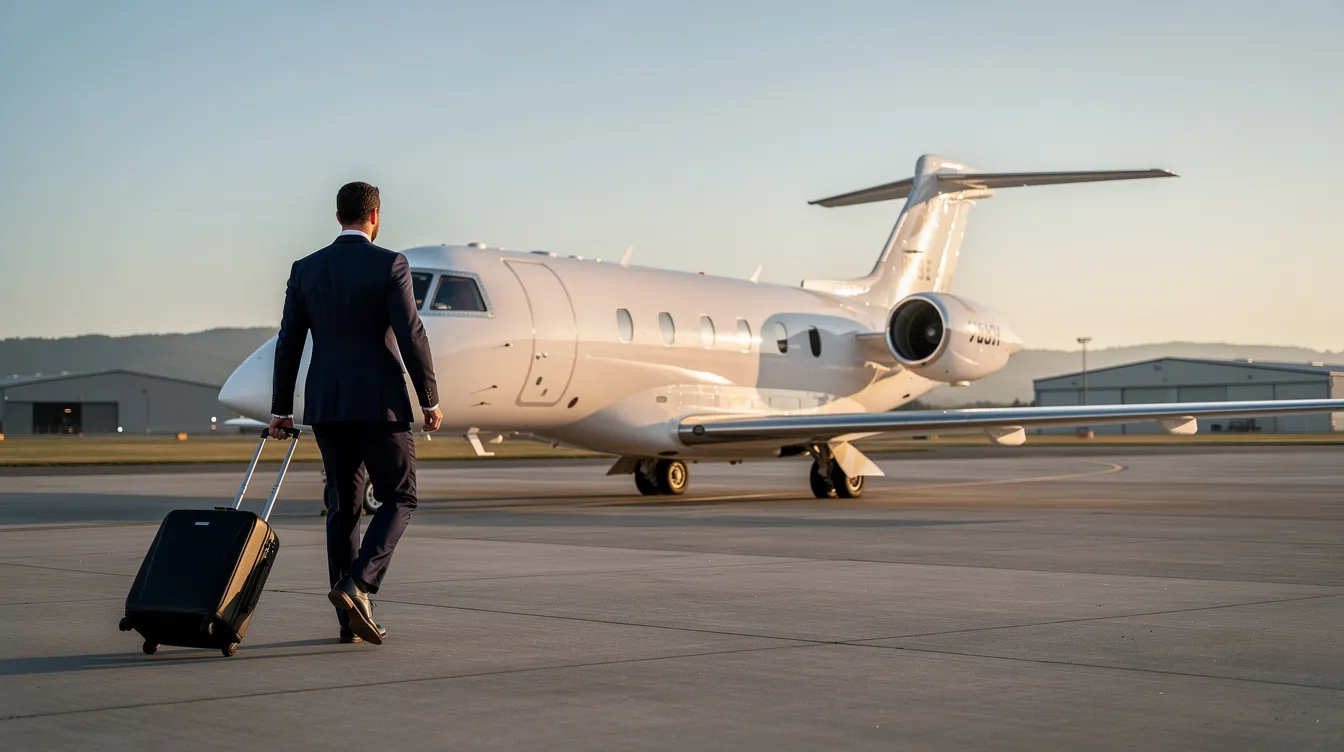
On a New York–Miami flight (roughly 950 NM), a jet cruising at 430 knots versus 470 knots may differ by about 20–25 minutes in air time. On New York–Los Angeles (roughly 2,150 NM), a cruise difference of Mach 0.78 versus Mach 0.86 can mean 30–45 minutes saved. Real-time savings also depend on routing, wind, and ATC, so published cruising speed is only one piece of the puzzle. Using smaller, less congested airports via private charter can save as much time on the ground as a faster cruise does in the air. For a deeper look at estimating travel time, see Jettly's guide on how long to fly.
Not necessarily. Higher cruise speed often comes with higher charter rates and greater fuel burn, which may not be justified for shorter legs. For routes under 500 NM, a turboprop or light jet may offer a similar door-to-door time as a long-range jet at significantly lower cost. Platforms like Jettly allow side-by-side comparisons so travelers can see exactly when the extra cost of a faster aircraft meaningfully reduces total trip time.
Yes. Pilots and flight management systems routinely adjust cruising speed during a flight to account for changing wind conditions, step climbs as fuel burns off and weight decreases, air traffic flow restrictions, or updated arrival slot times. A flight may start at a cost-efficient long-range cruise Mach, then speed up slightly to recover minor delays, or slow down to match a required arrival window. These adjustments are usually small-on the order of Mach 0.02–0.04-and are essentially invisible to passengers.
Perceived speed is affected by routing, wind, taxi times, holding patterns, and runway configuration-not just cruising speed. Two flights on the same aircraft model can differ by 20–40 minutes depending on these factors. Private jets often feel faster door-to-door because they use less congested airports, skip long boarding processes, and depart closer to the traveler's preferred schedule.
Start with your mission profile: distance, number of passengers, preferred departure window, and whether a nonstop flight is important. Then use Jettly's instant quote and aircraft comparison features to review estimated flight time, aircraft category, and indicative cruising speed. Filter options by cabin size or budget, and contact Jettly's support team when speed is a critical factor, such as same-day return business trips or tight connection schedules.
Cruise speed is a carefully chosen compromise that balances top speed potential, fuel efficiency, maximum range, structural limits, and passenger comfort. Commercial airliners settle around Mach 0.78–0.85, while many modern private jets achieve up to Mach 0.90. What matters most is not the absolute top speed an aircraft reaches, but the practical cruising speed it uses on your specific route-and how that interacts with airport choice, routing, and scheduling.
By using Jettly's global marketplace and instant comparison tools, travelers can evaluate aircraft options based on cruising speed, range, cabin features, and price to find the best fit for each trip. Whether future developments bring supersonic options or simply smarter efficiency at today's speeds, the goal remains the same: getting you to your destination on your terms.
Ready to experience private travel on your terms? Explore flight options or request a quote at https://www.jettly.com.
Share this post:
Jay Franco Serevilla
Jun 29, 2026
|
5
min read
Discover tips and trends in the industry.
5
min read
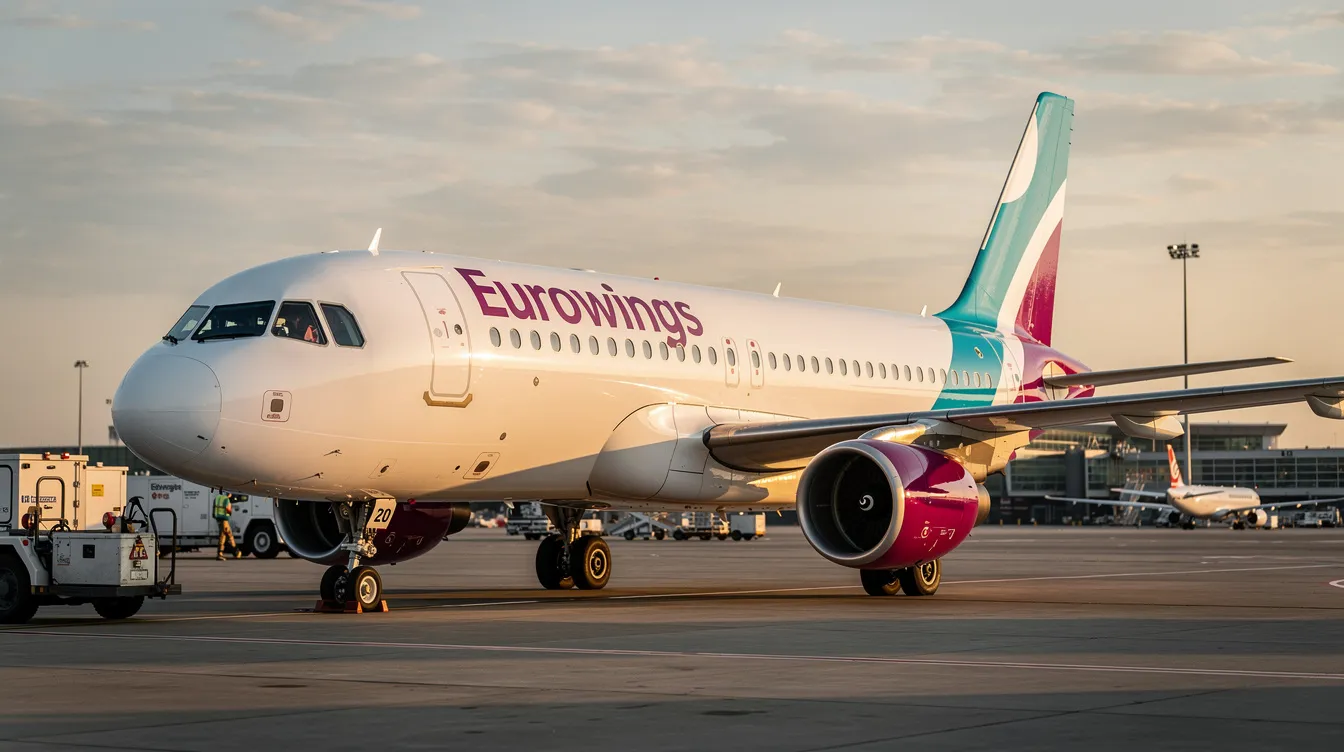
Is Eurowings Discover a Good Airline? (2026 Guide)
Eurowings Discover, the Lufthansa Group's leisure airline, offers affordable long-haul travel from Germany to various holiday destinations. While it provides a decent experience with competitive fares and lie-flat Business Class, it lacks the premium service and flexibility of higher-end carriers. This guide evaluates its pros and cons to help you decide if it's the right choice for your next trip.
Read More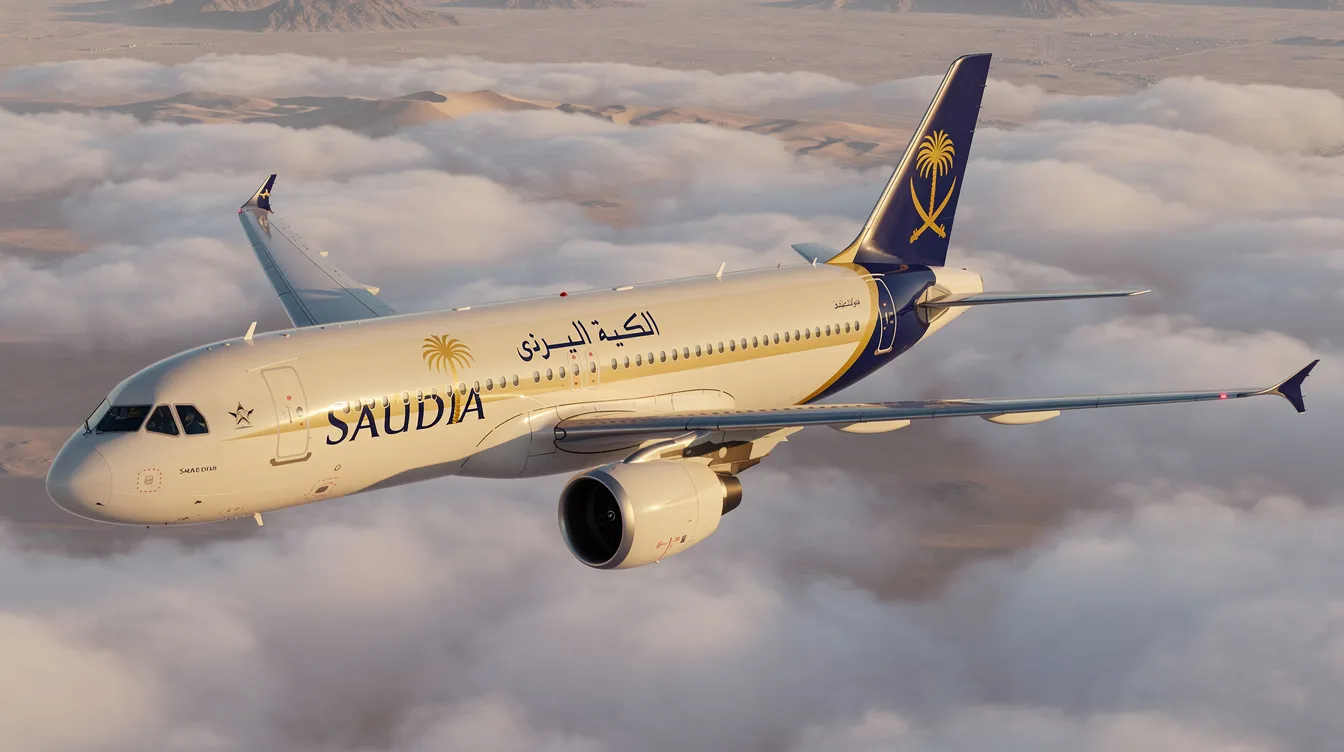
5
min read
Saudi Jet: Military Tensions, Regional Security, and What It Means for Modern Air Travel
The term 'Saudi jet' often refers to military aircraft incidents involving the Royal Saudi Air Force, particularly in the context of regional tensions with Iran and Yemen. These incidents impact not only military operations but also civilian aviation, as airspace management is crucial for ensuring safety. Despite the risks, private and commercial flights operate under strict regulations to navigate around conflict zones effectively.
Read MoreStay updated with our latest insights and tips to elevate your journey with us.
MEMBERSHIPS AND ASSOCIATIONS



Disclaimer: Jettly operates as a charter broker, offering access to a global digital jet charter marketplace. Jettly is not a direct air carrier and does not own or operate aircraft. All advertised flights are conducted by third-party air carriers that are fully licensed and hold the appropriate Part 135 or Part 121 certifications issued by the Federal Aviation Administration (FAA) or equivalent regulatory authorities under U.S. or foreign law. Jettly complies fully with the U.S. Department of Transportation's Part 295 and Part 298 Charter Broker regulations. Jettly does not carry additional liability insurance. Passengers are covered by aircraft operator insurance. TICO: 50023770


