


Login
Get Instant Pricing On 23,000+ Aircraft

>
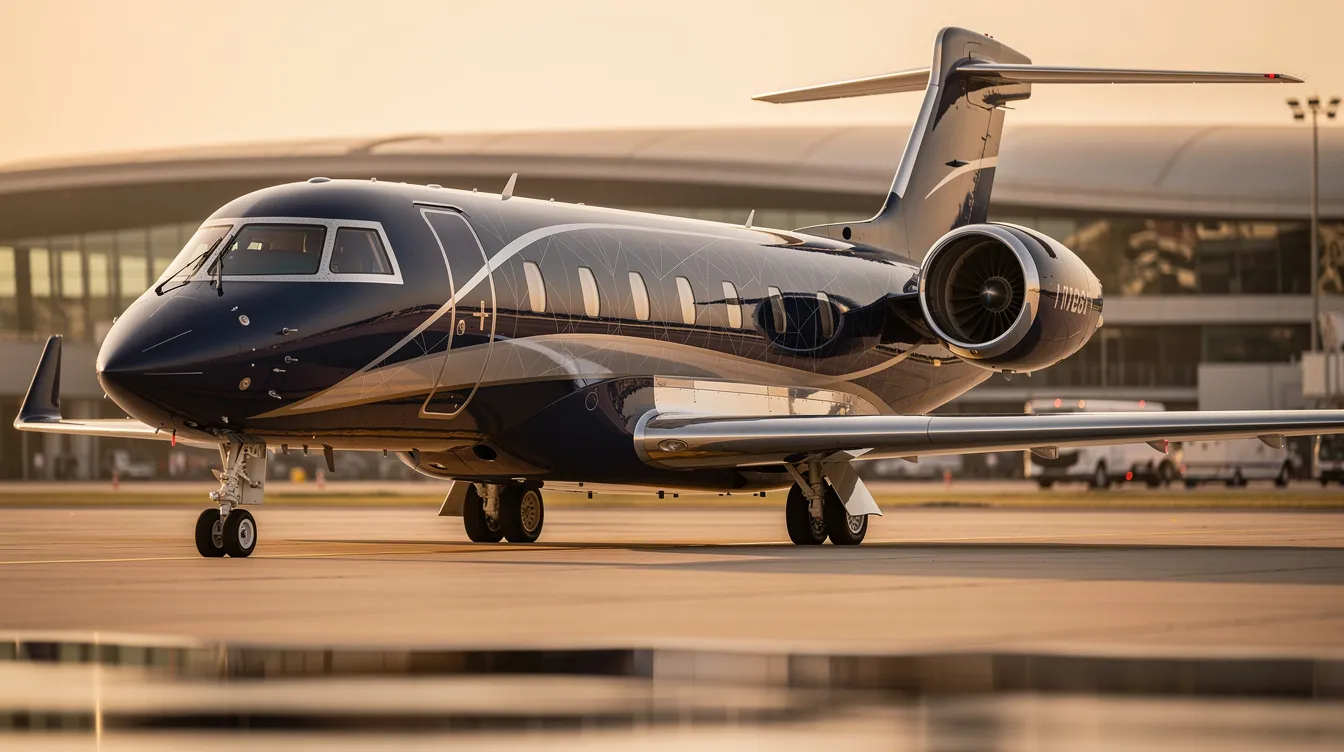
Private jet customs clearance is one of the most misunderstood parts of flying private. Many travelers assume that chartering a private aircraft means bypassing border controls entirely. It doesn't. Every international private jet flight must go through customs, immigration, and agricultural inspections, just like commercial flights. The difference is how and where it happens.
This guide breaks down the entire customs process for private jets, from pre-flight data filings to on-the-ground arrival procedures, so travelers know exactly what to expect before, during, and after crossing borders.
Private jets must clear customs and immigration on every international arrival, even when using private terminals or Fixed Base Operators (FBOs).
Customs procedures for private jet travel are typically faster and more discreet, with FBO processing taking 15–20 minutes compared to over two hours at busy commercial terminals.
Advance electronic submissions such as APIS manifests, customs declarations, and necessary documentation are what actually make flying private feel seamless.
Platforms like Jettly connect travelers with vetted operators who handle most of the customs process in the background, from manifest filings to FBO coordination.
A simple pre-flight checklist covering passports, visas, and declaration items can prevent unexpected delays at any destination country.
Yes. All international private jets and private planes must go through a formal customs process, including passport control and customs declarations. Private jets must clear customs upon international arrival, and all occupants must present valid passports and required visas upon arrival. There are no exceptions based on aircraft type or ownership.
What "skipping the line" actually means is avoiding crowds and long queues at commercial airports, not bypassing legal customs requirements or local regulations. Unlike commercial flights, where hundreds of passengers funnel into the same immigration hall, private jet passengers typically clear customs in a small lounge or even onboard the aircraft.
Consider a private jet flying from Toronto to Nassau. The operator files passenger data electronically before departure. When the private jet lands, the aircraft parks at the FBO, where customs officers process passengers there rather than in a commercial terminal, often in under 20 minutes. The rules are the same as on a commercial flight, and compliance with customs regulations is still required. The environment is completely different.
Jettly operates as a digital private charter aircraft marketplace that pairs travelers with aircraft operators who manage these formalities efficiently, so passengers focus on the trip, not the paperwork.
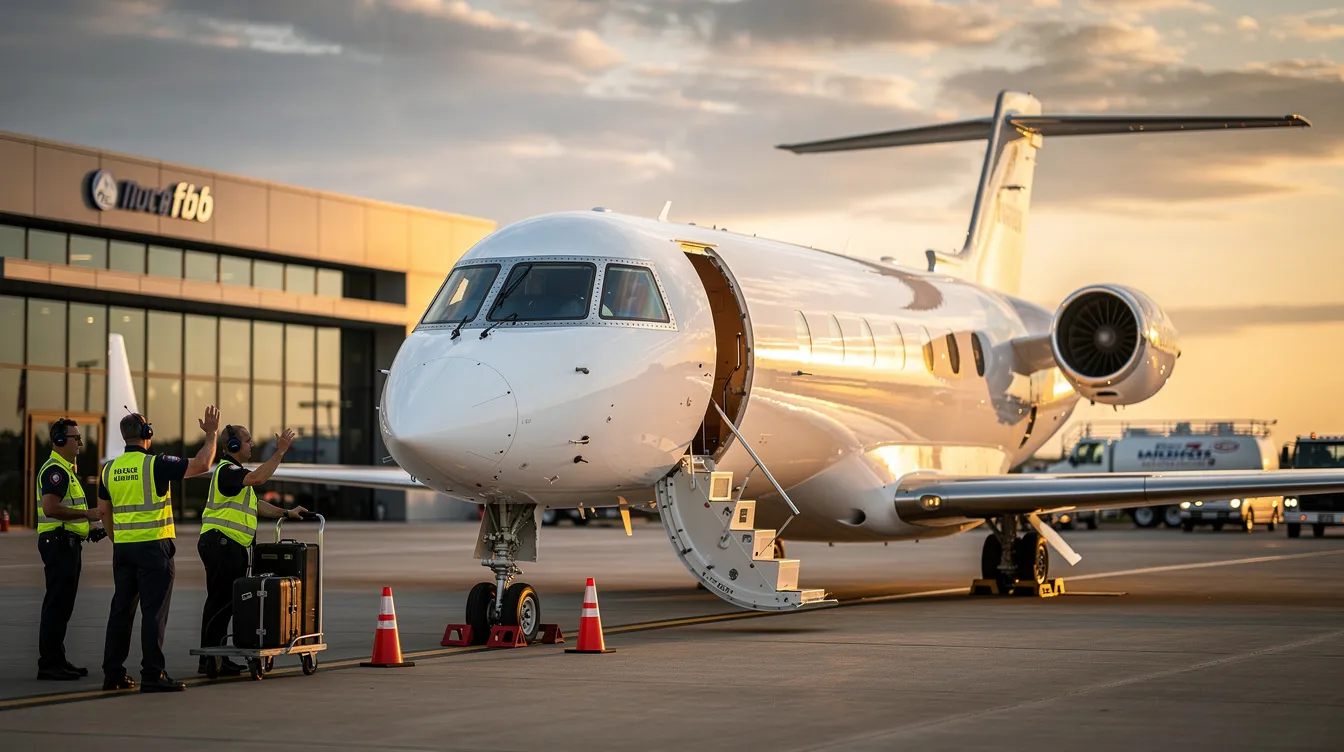
The customs process for international private jet travel breaks into three stages: pre-flight filings, arrival processing, and departure or exit controls for multi-leg itineraries.
Here is the typical workflow:
Booking and data collection - The operator gathers full passenger details (names, passport numbers, nationalities) during booking.
Advance submissions - Operators must submit an Advance Passenger Information System manifest hours before departure to relevant customs authorities.
Landing at a designated airport - Flights must land at a designated airport with customs facilities for clearance, often an FBO-equipped field.
On-site clearance - Customs officials and immigration officers handle customs processing and immigration clearance at the FBO or on board the aircraft.
Release - Passengers are free to proceed once documents and declarations are verified.
Private aviation is subject to international customs, immigration, and agricultural regulations. The process requires an advance digital passenger manifest before crossing borders. Customs processes involve inspection of aircraft contents and documentation. While the legal framework mirrors commercial flights, the environment-private lounges, smaller groups, sometimes onboard inspections, and processing through private jet terminals-is different.
Jettly-connected operators follow standardized workflows for customs compliance across major regions, including the U.S., Canada, the European Union, the Caribbean, and the Middle East. Timelines and exact procedures vary with the destination's regulations and the specific airport's capabilities.
The rules are similar. The experience is not.
|
Factor |
Private Jets |
Commercial Flights |
|---|---|---|
|
Typical clearance time |
15–20 minutes |
60 minutes to over 2 hours |
|
Location |
FBO lounge or onboard |
Large immigration hall |
|
Passengers processed |
3–8 per aircraft |
200–400+ per aircraft |
|
Officer access |
Dedicated customs officers |
Shared among hundreds |
|
Queue time |
Minimal |
Often 30–60 minutes |
Commercial passengers funnel into large immigration halls alongside hundreds of other international arrivals, while private jet travelers typically move through FBOs or General Aviation Terminals with dedicated facilities. Customs officers for private aviation may come directly to the aircraft or process passengers in a small holding area. GAT terminals can clear customs in under 15 minutes.
On common business routes such as New York–Toronto or London–Geneva, private travelers might clear in 10–20 minutes instead of the 60–90 minutes that commercial passengers often experience, especially when flying with top private jet charter companies that coordinate customs efficiently.
Fixed base operators are private aviation facilities at airports that provide ground handling, fueling, hangar space, and-critically for international flights-on-site customs and immigration processing.
The typical FBO customs flow works like this: the aircraft taxis to the FBO ramp, passengers walk a few steps into a lounge, and customs officers either meet them at the door, in a small inspection room, or board the aircraft directly. Customs officers often meet private jets on the tarmac at FBOs. FBOs provide dedicated customs facilities for private aviation passengers, and private jet customs inspections can occur onboard the aircraft.
FBOs handle 10–20 private jets daily compared to roughly 1,300 commercial flights at a major hub. With fewer passengers to process, FBOs can process customs in 15–20 minutes.
Major business aviation hubs with on-site customs include Teterboro (New York area), London Farnborough, Paris Le Bourget, and Dubai Al Maktoum. Where on-site customs is not available, the operator may arrange for passengers to be escorted to the commercial terminal's customs hall with priority processing.
Jettly's platform allows travelers to choose airports and FBOs that support the smoothest customs process along their route. Learn more about where private jets land and how airport selection affects the overall experience.
Most of the customs process for flying private happens before wheels-up via electronic data submissions.
In the United States, Advance Passenger Information must be submitted 60 minutes before departure for all international private aircraft flights through the eAPIS system. Approval must be obtained from Customs for a private aircraft landing in the U.S., and airports of entry must be designated for inbound international private flights. The annual private aircraft user fee is also required for aircraft entering the U.S.
In the UK, the General Aviation Report (GAR) is required for UK customs. Submissions must be made between 48 hours and 2 hours before departure.
Canada's CANPASS program requires pilots to report between 2 and 48 hours before arrival.
Core passenger data required across most jurisdictions includes:
Full legal name
Date of birth and nationality
Passport number and expiration date
Address of stay and contact details
Operators must also transmit crew manifests and key flight details including tail number, aircraft registration, departure and arrival airports, and estimated times. Jettly's partner operators request and verify passenger documentation during the booking process to prevent last-minute customs issues. For first-time flyers, the private jets flying internationally guide covers the essential documents to prepare.
Picture a private jet arriving from Miami to Nassau. The aircraft parks at the FBO, engines shut down, and the doors remain closed. Passengers and crew must remain on the aircraft until customs officials grant permission to disembark.
Once cleared to exit, passengers step into the FBO lounge or remain onboard while immigration officers check passports and visas and review customs declarations. The customs process typically covers:
Travel documents and visa verification
Purpose of travel and length of stay
Customs declarations for high-value goods and restricted items
Currency declarations: passengers must declare currency over $10,000 upon arrival
Passengers must declare goods exceeding £390 when entering the UK
Agricultural items, food products, or animal products are subject to inspection by CBP agriculture specialists
Baggage inspections can be conducted onboard, at the bottom of the stairs, or in a small inspection room depending on the airport's setup. Customs clearance at FBOs can take 15–20 minutes when documentation is correct. Because private jets carry fewer passengers, these checks usually take minutes rather than hours.
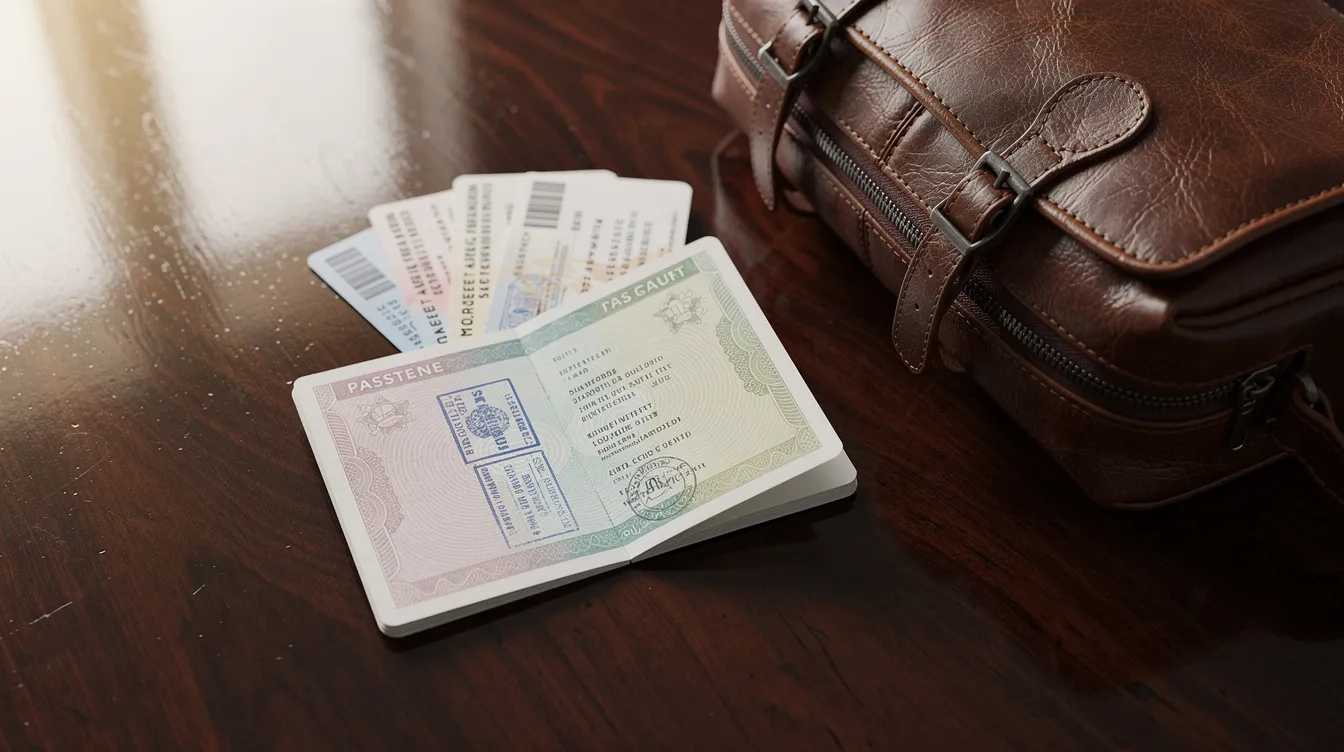
Some countries require formal exit checks when leaving, even on private jets. This can include passport stamping, exit immigration, and exit tax validation. Operators coordinate customs and immigration slots for both departure and arrival when planning multi-country itineraries.
Technical stops for fuel-such as in Shannon or Reykjavik on transatlantic flights-may or may not involve customs, depending on whether passengers disembark. A Border Overflight Exemption may be needed for certain flights from southern areas to the U.S.
Each country has unique customs documentation requirements for private jets. Cabotage laws may restrict foreign-registered aircraft from domestic operations within a foreign country, and the aircraft is typically admitted under a Temporary Importation Bond for private transit. For complex itineraries, each leg can require separate landing rights and overflight permits obtained in sequence.
Jettly's network of operators and handling agents helps align permits, customs timing, and FBO choices so frequent travelers can keep tight schedules. For transcontinental routing details, see this guide to charter airlines and private flights.
Where private jets go has a direct impact on how smooth the customs process feels.
Selecting airports with on-site FBO customs facilities eliminates the need to transfer to commercial terminals. Business travelers flying internationally should prioritize smaller airports outside major city hubs that still offer full customs capabilities, especially when using jet card flight cost estimators to compare routing and pricing options.
Preclearance locations, such as the U.S. CBP preclearance port at Shannon, Ireland, allow a private jet to arrive into U.S. airports as a domestic flight, which is especially useful on popular routes like private jet charter in Houston, Texas. The preclearance process eliminates arrival-side customs entirely, saving significant waiting time.
Some remote airstrips require either officers to be flown in or a mandatory stop at a designated international airport first, a factor also discussed in comprehensive lists of charter airlines and private flight options. Private aviation requires meticulous pre-clearance and coordination with local authorities, and customs procedures vary significantly by country for private jets.
Jettly's platform and concierge support team can suggest route options that minimize customs delays while meeting the traveler's schedule and aircraft requirements, using tools like an airport locator for private jet routes. Explore international private jet charter options, including crowdsourced private jet flights and shared empty seats, to see how route planning works in practice.
Customs compliance is mandatory. Non-compliance can lead to flight delays and aircraft detention.
Common traveler mistakes:
Failure to declare currency over $10,000 can lead to penalties
Carrying an undeclared high-value item confiscation of goods can occur for undeclared items
Expired passports or missing visas
Last-minute passenger changes not communicated to the operator
Common operator issues good providers avoid:
Incorrect passenger manifests may result in financial penalties
Missed APIS deadlines or late GAR submissions-fines start from £1,000 per passenger for late GAR submission
Using airports without appropriate customs capabilities or CBP facilities
Inconsistent tail numbers on filings
Jettly only works with licensed, regulated aircraft operators that understand local regulations and maintain compliance with customs authorities, similar to vetted partners such as Dexter Air Taxi private jet operator services. Using a digital marketplace like Jettly allows travelers to see aircraft options, secure instant pricing, leverage private jet memberships, and rely on professionals to manage the customs process in the background.
Before any international private flight, review this checklist:
✅ Confirm passport validity (at least 6 months beyond entry where required)
✅ Check visa and ETA needs for every destination country on your itinerary
✅ Share full passenger details with the operator as early as possible
✅ Confirm APIS/API deadlines for each leg (60 minutes for U.S., 2 hours for UK)
✅ Prepare customs declarations for high-value goods, currency over $10,000, and restricted items
✅ Gather pet documentation if applicable: vaccination records, microchips, import permits
✅ Carry prescriptions for any medications and supporting documentation
✅ Confirm which airports along your route have FBO customs and whether any legs require preclearance or special entry permits
✅ Inform the operator immediately of any passenger changes to prevent unexpected delays
Treat this list as a standard part of planning any cross-border private jet travel, not just for occasional long-haul trips. For more on options to buy a seat on a private jet and how private jets handle security, see Jettly's detailed breakdown.

Yes. Passports and, where required, visas are mandatory for international private jet travel, just as they are for commercial flights. Some short-haul domestic flights or Schengen-internal European Union flights may not require passport checks, but travelers should always carry valid identification and travel documents. Confirm visa and ETA rules with the operator or via official government sources several days before departure to complete procedures without delays.
At many airports, customs and immigration officers routinely board private jets on arrival to check passports and declarations right at the aircraft. This onboard customs process is one reason private planes often clear faster-there is no need to present identification in public queues at commercial terminals. In other cases, passengers may walk a short distance to an FBO lounge or holding room for checks.
Any change in the passenger list requires the operator to update manifests and, for some countries, resubmit advance passenger information data before departure. Late changes can cause delays if customs authorities have not received updated flight details. Inform the operator of any changes as early as possible so they can adjust filings and maintain compliance, keeping the hassle-free customs experience intact.
Pets are commonly carried on private flights but must comply with the destination country's regulations, including vaccinations, health certificates, and sometimes microchipping or quarantine, and travelers can even coordinate specialized in-flight catering for private jets alongside other trip details. Customs agents and CBP agriculture specialists may inspect the animal and documents on arrival. Discuss pet travel with the operator in advance so they can confirm requirements for specific routes, particularly flights into the UK or the European Union from North America.
Private jet passengers usually avoid standard TSA-style lines and X-ray queues, but security and customs checks still occur in more discreet, streamlined forms. Luggage may be screened separately, and aircraft inspection may take place before or after boarding to meet homeland security and border-control standards. These procedures are typically quick and unobtrusive, forming part of the overall personalized services and convenience of private jet travel.
Private jets cannot bypass customs requirements. But fewer passengers, dedicated FBOs, and advance data submissions make private jet customs significantly faster and more comfortable than commercial flights. Understanding the customs process, pre-flight data, arrival procedures, and multi-leg planning helps travelers avoid surprises and maximize the benefits of flying private.
Jettly connects travelers with thousands of private aircraft worldwide and experienced operators who manage customs filings, local regulations, and airport selection for every charter. The platform's instant pricing, private jet charter cost estimator, and digital booking tools make it easy to plan routes that balance convenience, customs efficiency, and cost.
Ready to make your next international trip faster and simpler? Explore private jet options, use Jettly's affordable private jet charter guide, or request a quote at https://www.jettly.com.
Share this post:
Jay Franco Serevilla
Aug 23, 2026
|
5
min read
Discover tips and trends in the industry.

5
min read
Cheapest Time to Fly to Italy: How to Find the Lowest Fares (and Faster Private Options with Jettly)
Discover the best times to fly to Italy for the lowest fares, from November to March, and learn how to find affordable flights. This guide also explores when private jet charters via Jettly can be a cost-effective alternative for groups and last-minute trips.
Read More
5
min read
Best Day of the Week to Buy Plane Tickets: Data, Myths, and Smart Booking Strategies
Finding the best day of the week to buy plane tickets is a common query, but no single day guarantees the lowest fare. Mid-week days often show slightly lower fares, but factors like booking window and flight timing are more crucial for savings. This guide explores data-backed patterns and smart strategies for both commercial and private jet travel.
Read MoreStay updated with our latest insights and tips to elevate your journey with us.
MEMBERSHIPS AND ASSOCIATIONS



Disclaimer: Jettly operates as a charter broker, offering access to a global digital jet charter marketplace. Jettly is not a direct air carrier and does not own or operate aircraft. All advertised flights are conducted by third-party air carriers that are fully licensed and hold the appropriate Part 135 or Part 121 certifications issued by the Federal Aviation Administration (FAA) or equivalent regulatory authorities under U.S. or foreign law. Jettly complies fully with the U.S. Department of Transportation's Part 295 and Part 298 Charter Broker regulations. Jettly does not carry additional liability insurance. Passengers are covered by aircraft operator insurance. TICO: 50023770


