


Login
Get Instant Pricing On 23,000+ Aircraft

>
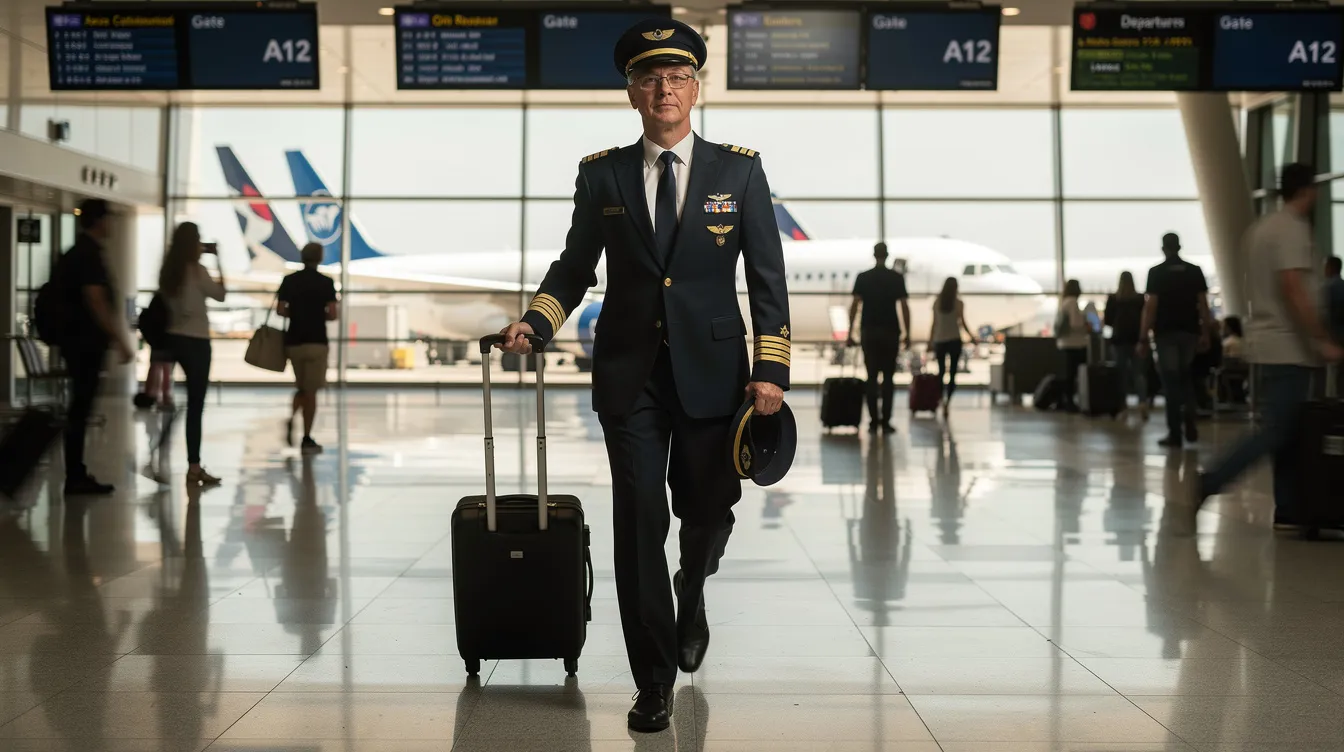
The word "deadhead" carries two very different meanings depending on who you ask. In aviation, a deadhead pilot is a crew member riding as a passenger to get to the right place for a work assignment. Outside the cockpit, the same word describes something else entirely. This post breaks down what deadheading means for pilots, flight attendants, airlines, and even private charter travelers.
A deadhead pilot is an airline pilot traveling as a passenger, on duty and paid, to reposition for another flight.
Deadheading also applies to flight attendants and cabin crew—it is not the same as unpaid commuting.
Deadhead flights can be on the same carrier or, with agreements, on other airlines. The crew is required to travel in uniform.
Deadheading is a key scheduling tool for airlines and charter brokers, including private aviation platforms like Jettly.
In private jet travel, repositioning flights (similar in concept to deadheading) can create cost savings for travelers through empty-leg flights.
A deadhead pilot is an airline pilot who flies as a passenger, in uniform and on duty, to reposition for a current or upcoming work assignment. Deadheading refers to crew flying as passengers—not operating the aircraft—and the practice applies equally to pilots and cabin crew.
Deadheading occurs when crew members travel as passengers to reach a city where they are scheduled to begin or continue a trip sequence.
The terms "deadhead," "DH leg," and "repositioning leg" all describe the same type of travel for crew members.
Deadhead time is paid duty time and usually counts toward flight or duty hour limits set by regulators such as the FAA in the United States.
Deadhead pilots must travel in uniform while on duty, representing their airline even as passengers.
Interestingly, the word "deadhead" also lives outside aviation. A deadhead refers to a devoted fan of the band Grateful Dead. The Deadhead subculture originated in the 1970s, and the Grateful Dead built a nomadic subculture around their tours. Deadheads often follow the band on multi-city tours, believing they can influence the band's song choices at concerts. Some airline workers are dedicated fans of the Grateful Dead, and pilots help fans navigate travel logistics during concert tours. Being a Deadhead represents a communal ethos embracing diversity. Some deadhead pilots even create Grateful Dead-themed merchandise for fans. The aviation and music meanings share a word but not much else—though both involve a lot of travel.
Deadheading exists to solve real-world scheduling problems: irregular operations, one-way route structures, crew base locations, maintenance routing, and maintaining operational coverage when airlines reschedule crew after disruptions. Deadheading is used for repositioning or rescheduling crew members whenever the airline's network creates a mismatch between where staff end up and where they need to begin their next assignment, helping restore coverage across the network.
After weather disruptions, mechanical delays, or cancellations, an airline pilot or flight attendant may be stranded in the wrong city. A deadhead flight gets them to the right place.
Multi-day trips often end in a different location from the crew base. A pilot based in Dallas who ends a trip in Chicago deadheads home the same day.
On long-haul or special routes with no local base, cabin crew may be deadheaded from their home city to operate a return segment for their airline.
Charter brokers and platforms like Jettly sometimes arrange crew transport and repositioning flights when aircraft and crews need to move to the departure point for the next client.
Deadheading flight attendants must also travel in uniform and are typically paid for their travel time.
Deadheading flight attendants may pre-board the aircraft if allowed and are not required to take a jumpseat, unlike some commuting crew.
Deadheading and commuting are not the same, even though both involve pilots or cabin crew traveling by air.
|
Features |
Deadheading |
Commuting |
|---|---|---|
|
Who arranges it |
Company-scheduled |
Personal |
|
Pay |
Deadheading pilots and flight attendants are paid for their travel time |
Commuting pilots are not paid |
|
Ticket |
Confirmed seat arranged by crew scheduling |
Commuting typically involves no confirmed ticket for the crew member |
|
Duty status |
On duty; counts toward rest and duty limits |
Off duty, commuting is the crew member's sole responsibility |
|
Uniform |
Deadheading crew members must travel in uniform |
Commuting crew members may not be required to wear a uniform |
|
Example |
Airline books a first officer on a morning flight to reach a crew base for an afternoon departure |
A flight attendant living in Denver flies standby to a base in Dallas prior to a shift |
Rest rules and duty time limits apply to deadheading because it is duty. Personal commuting does not carry those protections, which can impact fatigue and scheduling decisions.
Pay treatment and scheduling rules around deadheading significantly affect an airline pilot's work-life balance. Deadheading pilots receive pay during their travel, and at some carriers, pilots receive 100% pay during deadhead flights. Deadhead pilots are paid while traveling as passengers—this is a core distinction from unpaid commuting.
Many airlines pay for deadheading at the same or a similar rate as active flight time, and some airlines pay 100% during deadheading while the pilot is traveling as a passenger. Some regional airlines in North America have advertised 100% deadhead pay as a quality-of-life benefit in pilot contracts.
Deadhead legs are stitched into multi-day pairings: an early-morning deadhead to operate a midday flight, or an end-of-trip deadhead to return to the pilot's domicile.
Pilots may sometimes request alternate deadhead flights, accept earlier or later departures, or trade trips, subject to union contracts and company policy. This is a common contractual scheduling scenario.
Even though deadhead pilots and flight attendants are not working the flight, they are still representing the airline and must follow specific rules.
Uniform and appearance: Deadhead pilots must travel in uniform while on duty. Deadheading flight attendants must wear uniforms or designated attire, as they remain on duty and represent the company.
Seating and boarding: Deadheading flight attendants can pre-board the aircraft if allowed. They typically travel in their assigned class of service, sit in regular passenger seats, and are not required to take a jumpseat unless asked for operational reasons. Deadhead pilots follow the same rules as regular passengers when it comes to the boarding process and sitting in their assigned seats.
Emergency assistance: Deadhead pilots can assist in emergencies if needed, especially during takeoff or landing. While they have no regular in-flight duties, the operating captain may request help during medical events, evacuations, or security incidents.
Conduct and accountability: There have been rare high-profile incidents involving deadheading crew. The 2017 United Express event involving David Dao—where passengers were removed to make room for deadheading employees—sparked industry-wide discussion about how airlines manage confirmed seat assignments and crew repositioning priorities.
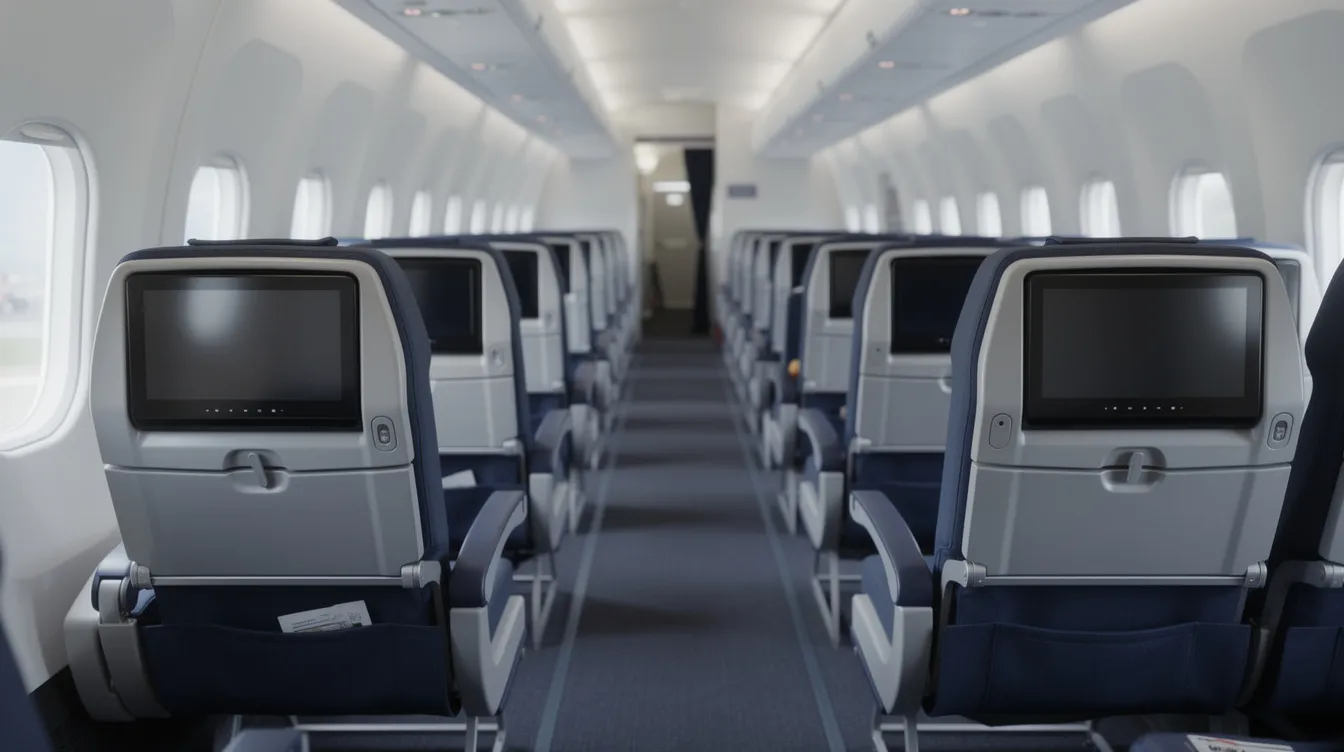
Deadhead travel can take place on the pilot's own airline or on other airlines when agreements exist. Pilots can deadhead on other airlines with travel agreements, and deadhead pilots may travel on other airlines with agreements that their employer has in place, similar to how fractional and managed fleets such as NetJets, a leader in private aviation, reposition aircraft and crew across extensive networks.
Interline or codeshare agreements allow an airline to book its crew on another carrier's flight when that is the fastest way to get them to an assignment at the right location and keep a scheduled run intact when its own network is not the best option.
A paid deadhead seat is a confirmed commercial-style ticket, distinct from jumpseating, where pilots occupy a dedicated cockpit or cabin jumpseat on a standby basis.
When pilots deadhead on other airlines, passengers may notice multiple different uniforms on the same plane—a normal part of aviation operations.
While the term "deadhead" is most common in airline crew scheduling, the underlying concept—repositioning aircraft and crew—is central to private aviation as well, regardless of whether operators are flying very light jets or some of the best private airplanes for luxury travel.
Private jet operators frequently reposition aircraft and flight crews without passengers to reach the airport where the next charter begins, or to return to their home base after a drop at the client's destination, often using some of the top private jets in the world to balance performance, comfort, and operating costs. Platforms like Jettly use technology and a global network of over 20,000 aircraft to minimize empty positioning legs by crowdsourcing private jet flights and sharing empty seats, matching travelers with flights that would otherwise operate with no passengers. These are often sold as empty-leg flights at favorable rates.
In the private jet context, the captain, first officer, and sometimes additional cabin crew may ride in ferry or positioning segments that function similarly to deadhead legs in airline operations, regardless of whether the aircraft comes from manufacturers like those profiled among the best private plane manufacturers. Their time is fully accounted for under FAR Part 135 duty-time planning, just as it is for crews flying with many of the operators listed in our ultimate list of charter airlines.
Efficient management of these positioning segments can reduce costs, support more transparent pricing for travelers, and lower environmental impact through better aircraft utilization, especially when operators have access to a broad range of private charter aircraft to match each mission efficiently.
Passengers often notice pilots or flight attendants sitting in uniform among regular travelers and wonder why they are not in the cockpit or galley. These individuals are usually deadhead pilots or deadheading flight attendants repositioning between flights—a scheduled, normal part of airline operations.
Deadhead crew are not assigned service duties but may quietly assist the working crew, answer simple passenger questions, or step in during emergencies if requested by the captain. Having additional trained professionals on board, even as passengers, can be a safety benefit in rare abnormal situations, and safety is also a key factor when comparing the best private jet charter companies for travelers who prefer non-airline options.
In private jet travel booked through a platform like Jettly, travelers are less likely to see extra staff in passenger seats because flights are usually point-to-point and tailored to the specific group on board, especially for clients using structured solutions such as Jet Card programs to secure consistent access and pricing.
Aviation authorities such as the FAA impose strict limits on flight and duty time to manage crew fatigue. Deadheading usually counts as duty time and may count toward daily or weekly duty limits, affecting when the pilot or flight attendant can next operate a flight.
Crew scheduling systems take deadhead legs into account when building pairings to comply with legal rest minima, such as mandatory 10-hour rest periods before certain duty periods.
Under FAA Part 117, deadhead transportation is defined as movement required by the certificate holder and is treated as duty—not rest—regardless of whether the crew member sleeps during the ride.
Union contracts and company policies can add protections beyond government rules, especially for long overnight deadheads or multi-segment repositioning itineraries.
Traditional airline deadheading and private jet repositioning share the same challenge: getting crew and aircraft to the right city at the right time, whether through on-demand brokers like Dexter Air Taxi or other charter operators. Jettly's marketplace model allows it to surface a wide range of aircraft movements—including repositioning and empty legs—as opportunities for more cost-effective private travel.
Instant pricing, an airport locator tool, and a global aircraft inventory help Jettly connect travelers with flights that fit their schedule, sometimes using aircraft that are already repositioning close to the requested route. While the crew on a Jettly-arranged charter is not typically described as "deadhead pilots," the underlying operational concept—efficiently moving aircraft and crew between cities—is very similar and helps keep pricing transparent and competitive.
Ready to explore flexible, on-demand private flights or structured private jet memberships? Learn more about Jettly's charter options at www.jettly.com.
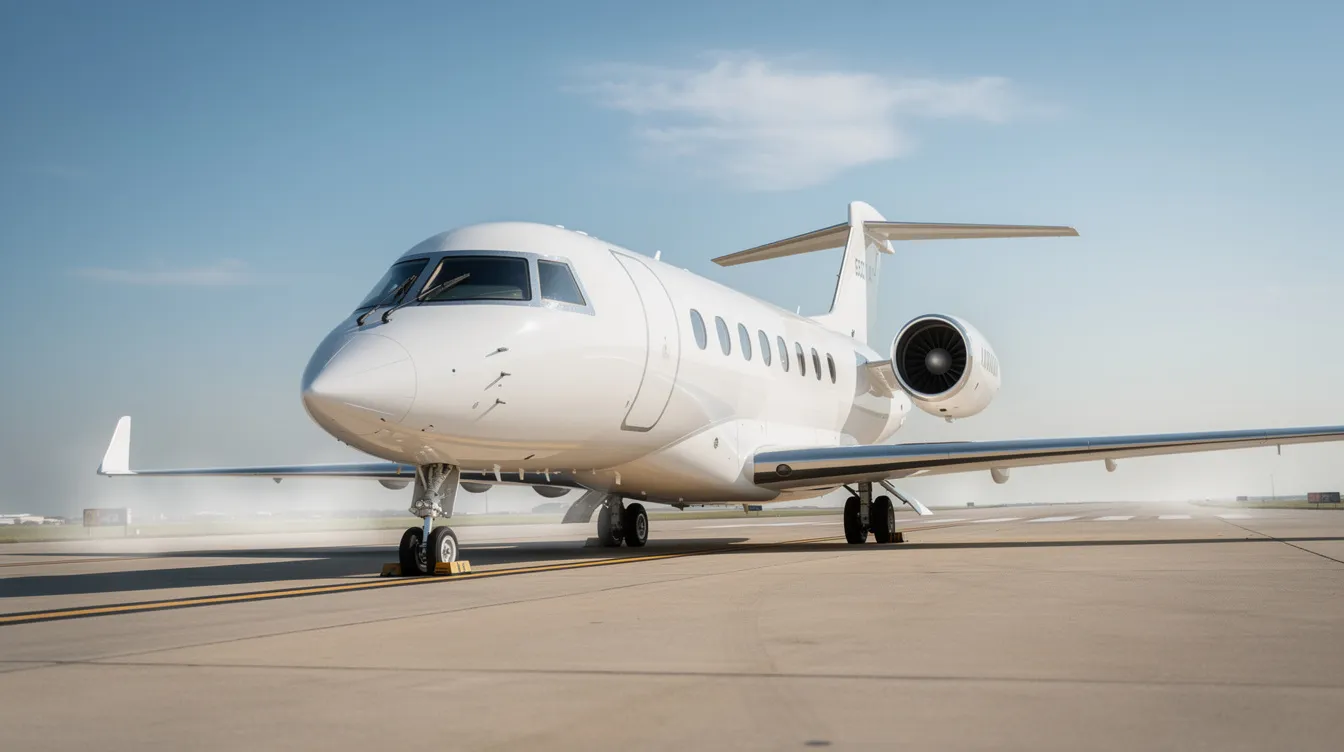
These FAQs cover practical points not fully detailed above, including how travelers can get a seat on a private jet easily using options such as empty legs and shared charters. Each answer is kept short and direct for easy scanning.
Deadhead pilots and flight attendants are not part of the assigned working crew, but as licensed professionals on duty, they are expected to assist if the operating captain or lead flight attendant requests help during an emergency. In serious situations such as rapid decompression requiring oxygen masks, medical events, or evacuations, additional trained personnel can make procedures faster and more effective. Any intervention falls under the authority of the captain and the operating cabin crew.
Airlines sometimes change plans at short notice. A pilot scheduled to deadhead may be reassigned to operate a flight if there is a staffing shortage or last-minute disruption. This is governed by company policy, union agreements, and duty-time limits, and cannot happen if it would violate legal rest or fatigue rules. When it does occur, the pilot's schedule and pay are adjusted to reflect the new operating duties.
Many airlines require pilots and flight attendants to wear full or partial uniforms while deadheading. Some carriers permit approved business-casual attire on certain routes, provided the crew can still be identified if needed. Uniform policies differ between airlines and between domestic and international legs, and are typically displayed in internal manuals rather than public documents.
Deadhead time generally does not count as flight time for logbook purposes because the pilot is not manipulating the controls or serving as a required crew member operating the engines; even if a deadheading pilot later becomes involved in an onboard incident, such as an attempt to shut off the engines, that time still is not loggable because they were not acting as operating crew on that leg. It does, however, count as duty time and appears in scheduling records used to monitor fatigue and rest compliance. Aspiring airline pilots should focus on logged operating hours from training and active flying roles when tracking experience toward hiring minimums.
For travelers using Jettly, deadheading usually appears as empty legs or repositioning flights that can be booked at favorable rates compared with bespoke point-to-point charters, offering one of several ways to buy a seat on a private jet without chartering an entire aircraft. Jettly coordinates with certified Part 135 operators to ensure pilots and any cabin crew arrive where they are needed, integrating those movements into the flight options displayed on the page and helping travelers access affordable private jet charter by optimizing these repositioning legs. Travelers who want flexible, on-demand private flights can explore options or request a quote at jettly.com.
Deadhead pilots play a crucial role in airline operations by efficiently repositioning crew to maintain seamless flight schedules. Unlike unpaid commuting, deadheading is a paid duty status requiring pilots to travel in uniform and adhere to specific rules, while also offering flexibility and contributing to operational reliability. In private aviation, similar repositioning flights help optimize aircraft utilization and reduce costs for travelers. Platforms like Jettly leverage these concepts to provide transparent, convenient access to private jet charters, including empty-leg flights that benefit both operators and passengers. Understanding deadheading helps travelers appreciate the complexity behind crew scheduling and the value of flexible private air travel.
Ready to experience private travel on your terms? Explore flight options or request a quote at https://www.jettly.com.
Share this post:
Jay Franco Serevilla
Jun 30, 2026
|
5
min read
Discover tips and trends in the industry.
5
min read
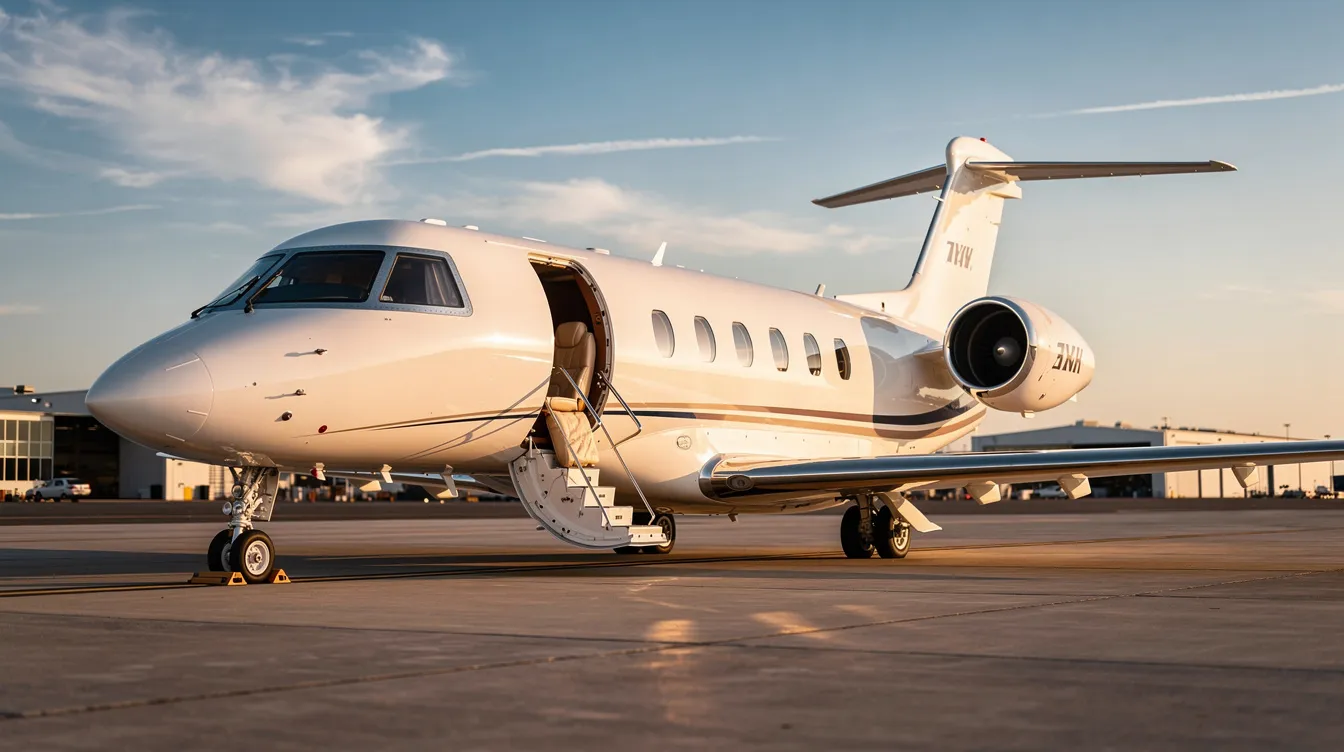
Jet Deals: How to Find the Best Private Jet Prices with Jettly
Discover how to find the best private jet prices with Jettly, where jet deals make luxury travel more accessible. From empty leg flights to membership benefits, Jettly offers significant savings and real-time comparisons across 20,000+ aircraft.
Read More
5
min read
Semi Private Flights Oakland: How to Fly Smarter via Oakland International Airport
Semi-private flights from Oakland International Airport provide a convenient and cost-effective alternative to traditional commercial air travel. With access to private terminals and reduced wait times, travelers can enjoy a more comfortable flying experience to popular destinations like Los Angeles and Las Vegas. Platforms like Jettly simplify the booking process, allowing for quick comparisons of flight options and pricing.
Read MoreStay updated with our latest insights and tips to elevate your journey with us.
MEMBERSHIPS AND ASSOCIATIONS



Disclaimer: Jettly operates as a charter broker, offering access to a global digital jet charter marketplace. Jettly is not a direct air carrier and does not own or operate aircraft. All advertised flights are conducted by third-party air carriers that are fully licensed and hold the appropriate Part 135 or Part 121 certifications issued by the Federal Aviation Administration (FAA) or equivalent regulatory authorities under U.S. or foreign law. Jettly complies fully with the U.S. Department of Transportation's Part 295 and Part 298 Charter Broker regulations. Jettly does not carry additional liability insurance. Passengers are covered by aircraft operator insurance. TICO: 50023770


