



Login
Get Instant Pricing On 23,000+ Aircraft

>
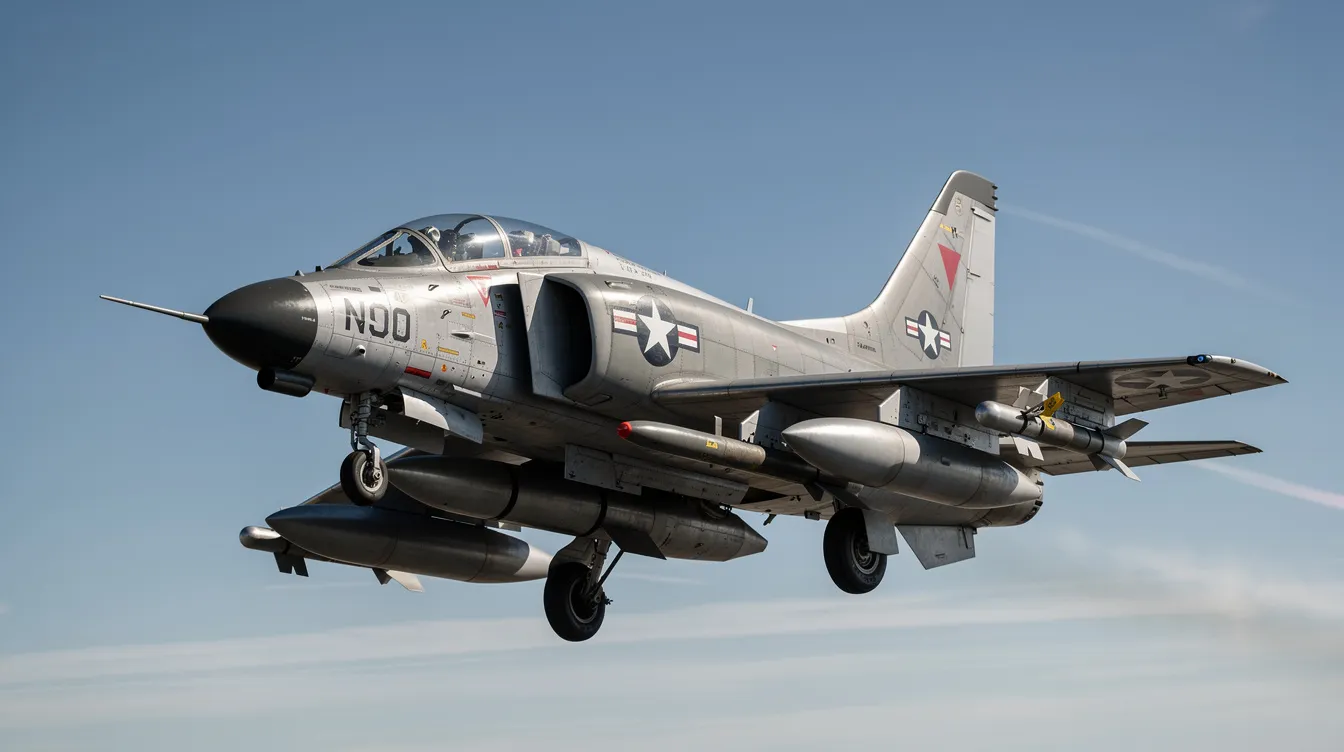
The Douglas A-4 Skyhawk is a compact, carrier-capable, single-seat light-attack jet that first flew in 1954 and became one of the most important strike aircraft of the Cold War. Affordable, agile, and surprisingly powerful for its size, it served the United States Navy and United States Marine Corps for decades and proved that a lightweight aircraft could deliver outsized combat performance, especially in Vietnam. Understanding the A-4 Skyhawk's design and operational history provides insight into how efficient aircraft engineering has shaped both military and modern private aviation.
For aviation enthusiasts, military history scholars, and private aviation travelers curious about how efficient aircraft design shapes flight, the A-4 offers a useful case study in performance, simplicity, and operational flexibility. Below is a focused look at the Skyhawk’s history, design philosophy, technical specifications, combat service, global operators and variants, training role, safety record, and lasting legacy—including why its emphasis on agility and efficiency still resonates in modern private aviation platforms such as Jettly.
The Douglas A-4 Skyhawk is a single-seat, carrier-capable light attack jet that first flew on June 22, 1954, and entered operational service with the U.S. Navy in 1956. Known by nicknames like Heinemann's Hot Rod, Tinker Toy Bomber, and Bantam Bomber, it had a compact design that kept costs low while delivering a heavy weapons load from five hardpoints.
The A-4 Skyhawk saw extensive combat during the Vietnam War—logging more combat missions than any other U.S. naval aircraft—and played a critical role during the Falklands War, where Argentina employed its Skyhawks against British naval forces. It also served in the Yom Kippur War with the Israeli Air Force.
Beyond combat, the Blue Angels flew the A-4F Skyhawk from 1974 to 1986. Today, surviving airframes serve as museum exhibits, privately owned warbirds, and aggressor aircraft for military training contracts.
The Skyhawk's design philosophy—efficiency, flexibility, and rapid deployment from an aircraft carrier—echoes principles valued in modern private aviation. Platforms like Jettly apply similar ideas of agile, on-demand air mobility for business and leisure travelers.
The A-4 Skyhawk set a world speed record on October 15, 1955, reaching 695.163 miles per hour, underscoring its remarkable performance for a lightweight attack jet.
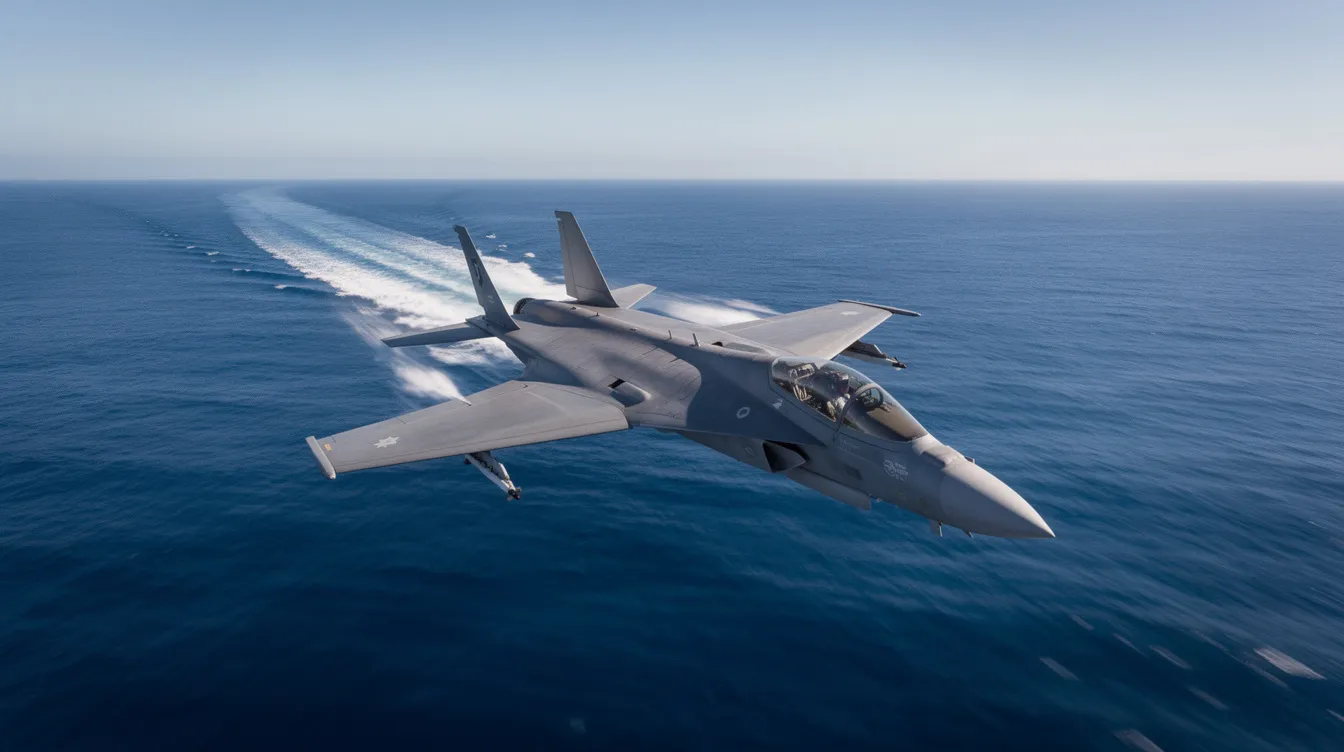
The Douglas A-4 Skyhawk is a single-seat, subsonic, carrier-capable attack aircraft designed for the U.S. Navy and Marine Corps during the early Cold War. The Douglas A-4 Skyhawk was designed in response to a U.S. Navy requirement for a lightweight jet attack aircraft capable of delivering both conventional and nuclear weapons from carrier decks. A light attack jet is a type of military aircraft designed for delivering ordnance in support of ground forces, typically characterized by its relatively small size and agility. The A-4 Skyhawk was designed in response to a U.S. Navy requirement for a lightweight jet attack aircraft.
Design work began in the early 1950s under the Douglas Aircraft Company, with a contract awarded in June 1952. The A-4 Skyhawk first flew on June 22, 1954, and entered U.S. Navy service in 1956. After Douglas merged with McDonnell in 1967, production continued under McDonnell Douglas. The aircraft's original Navy designation, A4D, changed to A-4 under the 1962 tri-service redesignation system.
Its mission profile covered light attack, close air support, delivery of nuclear strikes using low-level and loft bombing techniques, and later service as an advanced trainer. Its top speed exceeds 670 miles per hour, and it carries a maximum takeoff weight of 24,500 pounds across five hardpoints for weapons and fuel tanks.
The A-4 Skyhawk has over 3,000 units produced across numerous variants—a production run spanning from 1954 to 1979—making it one of the most widely built military jets in Western aviation history.
Ed Heinemann, chief designer at Douglas, set out to build something the Navy didn't expect: a compact, lightweight attack jet that undercut every size and weight requirement the service had specified. His A4D proposal weighed roughly only half of what the Navy's initial specification called for. The A-4 Skyhawk demonstrated that a small and lightweight aircraft could deliver a massive payload effectively.
Heinemann achieved this through structural simplicity. The A-4 Skyhawk featured a low-mounted delta wing design that provided excellent maneuverability—and critically, the delta-winged configuration required no folding mechanisms for carrier stowage. Eliminating wing-fold hardware saved weight, reduced maintenance, and improved reliability aboard crowded carrier hangar decks.
The development timeline moved quickly. After the contract award in the early 1950s, the first prototype XA4D-1 was built and readied for testing. The transition from prototype to production happened rapidly, with fleet deliveries beginning just two years after first flight.
Cost was a major selling point. Early production A-4s cost approximately US$860,000 per aircraft in mid-1950s dollars—a fraction of the price of larger, heavier contemporaries. That affordability earned nicknames: Tinker Toy Bomber for its small stature and Bantam Bomber for its compact punch. The name Heinemann's Hot Rod stuck because the design delivered high performance from modest size and a single engine, proving that bigger didn't always mean better.
The A-4's cockpit was a single-seat layout optimized for low-level attack flying, with analog instruments arranged for quick reference during high-speed, low-altitude runs. Later two-seat trainer variants like the TA-4J added a second cockpit for instructor pilots without fundamentally changing the aircraft's compact dimensions.
Main dimensions kept the Skyhawk remarkably small for a carrier jet: wingspan around 27.5 ft (8.38 m), length about 40 ft (12.2 m), and a height of roughly 15 ft. This compact footprint made it ideal for tight carrier hangar decks where space was at a premium alongside other aircraft.
The A-4 Skyhawk has a maximum takeoff weight of 24,500 pounds, with typical empty weights ranging from 8,400 to 10,500 lb depending on variant. That weight-to-payload ratio defined it as a true lightweight aircraft in the attack category.
Performance numbers tell the story. It has a top speed of 580 knots at sea level (approximately 670 mph depending on altitude and variant). The A-4 Skyhawk has a combat radius of 625 nautical miles, and ferry range stretched beyond 1,000 miles with external tanks. It can climb at a rate of 8,440 feet per minute—impressive for a subsonic attack jet.
The aircraft has five hardpoints for munitions: one centerline and four underwing stations. The A-4 Skyhawk could carry conventional bombs, rockets, air-to-ground missiles like the AGM-12 Bullpup, and nuclear weapons. Weapons delivery profiles ranged from dive bombing to loft (toss) bombing for nuclear strike missions.
Avionics evolved significantly across variants. Early models relied on basic analog navigation and attack systems. Later upgrades added radar-ranging equipment, Doppler navigation, low-altitude bombing computers, improved flight control systems, and HUD-style aids in modernized variants like the A-4M. Wing loading remained manageable across versions, contributing to the type's agility throughout its career.
|
Specification |
Value |
|---|---|
|
Wingspan |
27.5 ft (8.38 m) |
|
Length |
40 ft (12.2 m) |
|
Maximum Takeoff Weight |
24,500 lb (11,113 kg) |
|
Maximum Speed |
~670 mph / 580 knots |
|
Combat Radius |
625 nautical miles |
|
Climb Rate |
8,440 ft/min |
|
Hardpoints |
5 (1 centerline + 4 underwing) |
|
Armament |
Bombs, rockets, missiles, nuclear weapons |
Early Skyhawks—the A4D-1 (A-4A) through the A-4C—were equipped with Curtiss-Wright J65 turbojet engines. The 1960 A4C Skyhawk features a Wright J65-W-16A engine producing around 7,700 lbf of static thrust. While adequate for the aircraft's light weight, the J65 had reliability limitations that pilots and maintenance crews learned to manage.
The transition to the Pratt & Whitney J52 turbojet in mid-life variants transformed the Skyhawk's capabilities. Starting with the A-4E, the J52-P-6A delivered approximately 8,500 lbf. The A-4F received the J52-P-8A at around 9,300 lbf. The A-4M, built specifically for the Marine Corps, used the J52-P-408, producing roughly 11,200 lbf—a substantial improvement over earlier powerplants.
This thrust increase allowed higher payloads, better hot-and-high performance, and improved mission flexibility. Engineering trade-offs included redesigned inlets and different maintenance requirements, but the J52 proved more reliable and fuel-efficient overall.
Training variants like the TA-4J used derated engine configurations suited for their less demanding mission profiles, including adversary support and pilot instruction. For carrier operations—catapult launches and arrested landings under heavy load—the more powerful J52 variants provided crucial safety margins.
Nearly 3,000 Douglas A-4 Skyhawks were produced across a wide range of variants, from the first prototype to highly modernized export versions delivered decades later.
Early U.S. Navy/USMC variants:
XA4D-1: the first prototype
YA4D-1: pre-production test aircraft
A4D-1 (A-4A): initial production model with three hardpoints
A4D-2 (A-4B): the second production variant, adding an in-flight refueling probe and strengthened airframe
A4D-2N (A-4C): configured for night and bad-weather operations with radar and improved instruments
Mid-war and late-war U.S. variants:
A-4E: more powerful J52 engine, five hardpoints, and improved avionics
A-4F: added nose wheel steering, lift spoilers, and the distinctive dorsal avionics hump
A-4M (Skyhawk II): a Marine Corps-specific modernization with the J52-P-408 engine, larger canopy, drag chute, and enhanced avionics
Training and electronic warfare versions:
TA-4E/TA-4F/TA-4J: two-seat trainers used to prepare naval aviators for fleet operations
EA-4F: configured for electronic warfare training and radar jamming exercises
OA-4M: modified for fast forward air control duties
Export variants extended the Skyhawk's reach worldwide. Argentina received A-4P and A-4Q models, later upgrading to the A-4AR Fightinghawk. Singapore operated the heavily upgraded A-4SU Super Skyhawk. New Zealand flew the A-4K, and Australia operated the A-4G from its carrier HMAS Melbourne. Each nation customized avionics, weapons integration, and structural upgrades to keep their Skyhawks viable for decades beyond original projections.
For U.S. reserve and observation roles, the A-4L provided modernized capabilities from rebuilt earlier airframes, while the Colt Mk 12 20mm cannons equipped on most variants gave pilots a reliable close-range option.
The A-4 Skyhawk served as the primary light-attack and close-air-support aircraft for U.S. Navy and Marine Corps attack squadrons during the Vietnam War. The A-4 Skyhawk was extensively used during the Vietnam War, logging more combat missions than any other U.S. naval aircraft—a testament to both the fleet's size and the type's reliability.
Typical missions in Vietnam included strikes against infrastructure and supply lines in North Vietnam, close air support for ground troops in South Vietnam, and maritime interdiction along coastal routes. During early Rolling Thunder campaigns beginning in 1965, Skyhawks launched from carriers in the Gulf of Tonkin at a relentless tempo, with pilots flying multiple sorties per day.
The aircraft's strengths in the Vietnam context were clear: its small size made it harder to hit, its low-level handling was responsive and predictable, and its proven toughness allowed it to absorb battle damage and return to the flight line. Pilots valued the Skyhawk's simplicity—fewer systems meant faster turnaround between combat missions and less time spent on maintenance.
Losses were significant. Vulnerability to surface-to-air missiles and anti-aircraft artillery was a constant risk, particularly during low-altitude attack runs over heavily defended targets in North Vietnam. Despite those losses, the Skyhawk's reliability and maintainability kept it at the center of carrier air operations throughout the conflict.
Beyond Vietnam, A-4s served in broader Cold War duties. They equipped Atlantic and Pacific carrier battle groups throughout the 1960s and 1970s, maintained nuclear deterrent readiness through loft-bombing delivery of nuclear weapons, and provided training platforms for the next generation of naval aviators.
The Skyhawk Douglas design attracted operators worldwide. Major foreign users included Argentina, Israel, Kuwait, Singapore, New Zealand, Brazil, and Australia—each drawn to the type's combination of capability, compact size, and reasonable acquisition cost.
Argentina employed A-4 Skyhawks during the 1982 Falklands War against British naval forces. Argentine air force and navy pilots flew A-4P, A-4Q, and A-4C variants on daring low-altitude, sea-skimming attack runs against Royal Navy ships. These missions pushed the aircraft to its limits: range constraints required aerial refueling, and pilots faced intense defensive fire. Argentine forces suffered significant losses—Grupo 4 alone lost 9 A-4C aircraft and 8 pilots—but their Skyhawk strikes caused serious damage to British warships and demonstrated the aircraft's lethality even against a modern naval force.
The Israeli Air Force used the A-4 Skyhawk extensively during the Yom Kippur War in 1973, primarily in close air support and battlefield interdiction roles during the War of Attrition and the broader 1973 conflict. Israeli variants incorporated modifications like extended exhaust nozzles to reduce vulnerability to heat-seeking missiles.
Other export variants were primarily used for training, coastal defense, and regional deterrence. Singapore's A-4SU Super Skyhawk received substantial avionics upgrades. New Zealand operated A-4Ks until it disbanded its combat air units around 2001. Kuwait deployed A-4s during the Gulf War period.
Remarkably, Argentina's air force officially retired its remaining A-4AR Fightinghawk fleet on 14 May 2026—ending over 60 years of Skyhawk operations and marking the type's final departure from military service.
The Blue Angels flew the A-4F Skyhawk from 1974 to 1986, using it as their primary demonstration aircraft. The Skyhawk's small size and agility made it ideal for diamond formation aerobatics and tight, crowd-pleasing maneuvers. Compared to heavier jets, its lower weight and tighter turning radius allowed the Blue Angels to perform routines that showcased precision flying at its finest.
As frontline A-4s transitioned out of attack squadrons, many found second careers as advanced trainers. The TA-4J became a standard pipeline aircraft, preparing naval aviators for the demands of carrier operations—catapult launches, arrested landings, and air combat maneuvering.
In adversary and aggressor aircraft roles, A-4s simulated enemy fighters during dissimilar air combat training. Companies like Top Aces and similar contractors operated Skyhawks as adversary support platforms, providing realistic threat replication at U.S. Navy and contractor-operated training schools. The type also served in test and evaluation tasks throughout its career, including weapons trials, avionics experimentation, and carrier suitability tests.
These roles reinforced the Skyhawk's value within the wider ecosystem of naval aviation training. A reliable, forgiving platform like the A-4 contributed directly to pilot proficiency and safety—qualities that extended its useful life well beyond its original combat design intent.

Carrier-based light attack missions carried inherently high risk. Short decks, catapult launches, arrested landings, and frequent cycles in demanding weather all contributed to attrition. In combat zones, the risks multiplied.
The Royal Australian Navy's experience with the A-4G illustrates the hazards. Australia procured approximately 20 airframes, and roughly half were lost in accidents and incidents—many related to the demanding nature of carrier operations from HMAS Melbourne. Early A4D-1 production also encountered rudder-flutter issues that required modifications before the model reached full operational status.
Design and procedural responses addressed these risks over time. Later variants improved pilot visibility with larger canopies, added drag chutes (A-4M) for shorter landing rolls, strengthened structures, and benefited from more reliable engines. Maintenance protocols improved, and pilot training programs incorporated lessons learned from operational losses.
Despite its accident statistics, the Skyhawk was generally regarded as robust and forgiving by the pilots who flew it. Its structural simplicity meant fewer things could go wrong, and its responsive handling gave pilots confidence during demanding missions. That reputation for reliability is a key reason the type remained in training and operational service for so many decades.
Many A-4 Skyhawks live on as museum exhibits, gate guardians at naval air station entrances, and privately operated warbirds. Their post-service lives reflect the enduring interest in this iconic model.
Notable preserved examples include A-4L bureau number 148538, displayed at the National Museum of Naval Aviation in Pensacola, Florida. Other significant holdings exist in Argentina, Israel, New Zealand, and across the United States.
Restoration of a flyable Skyhawk is a significant undertaking. It involves structural inspection and corrosion repair, engine overhauls (typically J52 rebuilds), avionics upgrades such as Garmin GPS installations, glass cockpit retrofits, ADS-B transponders, and modern radios to comply with contemporary airspace regulations. Aircraft are then repainted in historic squadron schemes.
Specific surviving airframes illustrate the range of service life these jets accumulated. The 1961 A-4L Skyhawk has 4,060 hours total airframe time, while a 1992 TA-4J Skyhawk has 1,058 hours TTSN—reflecting the difference between a heavily flown combat veteran and a later-production trainer. The 1962 A4D-2N Skyhawk has an airframe estimated at 3,000 hours TTSN, representing typical mid-career usage.
Some fully restored A-4s are flown by private owners or specialist companies for contract adversary training, technology testbeds, or high-end enthusiast flying. These operations require specialized pilot training and regulatory oversight, making privately flown Skyhawks among the more exclusive warbirds in the skies today.
The A-4 Skyhawk influenced naval aviation tactics by proving the effectiveness of small, agile aircraft in conflict. It demonstrated that a properly designed lightweight aircraft could deliver ordnance loads comparable to jets twice its size, reshaping how navies thought about carrier air wing composition and cost-effectiveness.
Its cultural footprint remains strong. The Skyhawk appears in films, books, and aviation museums worldwide. It holds an enduring image within naval aviation communities, where former pilots and ground crews share stories from Vietnam-era carrier deployments and Cold War exercises. The type's association with the Blue Angels during the 1970s and 1980s cemented its public visibility.
Design lessons from the Skyhawk carry forward into both military and civilian aviation: simplicity reduces maintenance burden, modularity extends service life, and mission flexibility matters more than raw performance in many operational contexts.
There's a conceptual line connecting the Skyhawk's fast, flexible deployment from an aircraft carrier to today's emphasis on agile, on-demand air mobility. The same principles—efficiency, rapid readiness, and adaptable mission profiles—resonate in modern aviation solutions designed for speed and responsiveness.
Aviation enthusiasts and travelers can still encounter the Skyhawk at airshows, museums, and special flight experiences, keeping its story alive for new generations who appreciate both military history and the broader evolution of flight.
Aircraft like the A-4 Skyhawk demonstrated the strategic value of rapid, point-to-point air operations. Pilots launched from carrier decks, flew hundreds of miles to targets, and returned—all within hours. That responsiveness changed how military planners thought about air power projection.
Modern private aviation platforms build on similar ideas of flexibility and speed, but for civilian business and leisure travelers instead of combat missions. The ability to depart on short notice, reach destinations without layovers, and avoid the constraints of commercial airline schedules mirrors the operational agility that made carrier-based jets so effective.
Jettly operates as a digital private jet charter marketplace, providing access to more than 20,000 aircraft worldwide through on-demand booking rather than traditional ownership models. Travelers can choose from light jets, midsize jets, heavy jets, turboprops, and helicopters—each suited to different mission profiles, much like different aircraft variants serve different military roles.
The advantages of private jet charter over commercial flights include direct routing to smaller airports, reduced travel time, tailored scheduling, and the ability to work or rest in a quiet cabin. Tools like Jettly’s private jet charter cost estimator help travelers understand pricing while planning trips. Aviation enthusiasts who appreciate the history of the Douglas A-4 Skyhawk and broader naval aviation may also value efficient, technology-driven ways of arranging their own air travel.
Learn more about Jettly's charter options at https://www.jettly.com.
Using Jettly is straightforward. A traveler enters their route and preferred dates, uses the airport locator tool to identify the best departure and arrival airports, views instant pricing across available aircraft, compares options by size and capabilities, and confirms a booking online or with support staff. The process is designed to remove friction—much like how a well-designed aircraft minimizes complexity.
Key aircraft categories available through the platform include a broad range of private charter aircraft:
Light jets: Ideal for short hops under 2 hours with 4–6 passengers
Midsize jets: Suitable for cross-country flights with more cabin space, and often highlighted among the top private jet charter options for balancing comfort and cost
Heavy jets: Built for transcontinental or international routes with large groups and frequently used by leading charter airlines and private operators
Turboprops: Cost-effective for shorter distances and remote airfields, and commonly employed by regional operators such as Dexter Air Taxi
Helicopters: Point-to-point transfers within metro areas or to remote locations, supported by instant-book broker networks like Zenflight
Jettly focuses on transparent pricing, avoiding the complexity of jet cards or fractional ownership commitments. Both private jet membership and pay-as-you-go options are available, giving travelers flexibility without long-term obligations.
All flights operate through licensed, regulated charter operators that meet strict safety and maintenance standards. Options for in-flight catering via Jettly Eats and ground transportation coordination round out the experience.
Whether you're drawn to aviation through historic warbirds like the A-4 Skyhawk Douglas design or through modern business aircraft, private charter offers a different way to experience the skies. Cost-conscious travelers can also consider crowdsourced and shared private flights that make use of empty seats on charter aircraft. Ready to experience private travel on your terms? Explore flight options or request a quote at https://www.jettly.com.
Below are answers to common questions about the A-4 Skyhawk's design, current status, and its legacy's connection to today's private aviation options. For a broader view of private operators beyond military history, Jettly’s guide to charter airlines and private flights offers additional context.
The A-4 was intentionally designed to be smaller and lighter than contemporary carrier attack aircraft. It lacked folding wings and heavy avionics suites—features common on larger naval bombers—to save weight and reduce per-unit cost. This compact design allowed more aircraft to fit on carrier decks without the mechanical complexity of folding wing mechanisms, reduced maintenance hours per flight cycle, and still carried a weapons load comparable to much larger types. That efficiency made the Skyhawk attractive for export and long-term use, particularly for nations operating under tighter defense budgets that needed a capable attack platform without the overhead of a larger, more expensive aircraft.
Most frontline A-4s have been retired from major air forces. Argentina's A-4AR Fighting Hawk fleet—the last known operator—was officially retired in May 2026. However, some airframes have remained in secondary roles such as training, aggressor duties, or contractor-operated adversary support into the 21st century. Certain private companies have modernized remaining Skyhawks with updated avionics to keep them viable for specialized missions. Availability changes as fleets are sold, retired, or transferred to museums, so readers should consult current defense sources for the latest operator information.
In some jurisdictions, civilians can own demilitarized A-4 airframes registered under experimental or limited-category certificates, subject to strict aviation regulations. Requirements include specialized pilot training (often including military jet experience), maintenance by qualified technicians familiar with the J52 engine and military airframe structures, and compliance with equipment mandates like modern radios and ADS-B transponders. Acquisition costs start well into six figures, and annual operating expenses are substantial—fuel, insurance, hangar space, and engine reserves add up quickly. As a result, most privately flown A-4s belong to dedicated warbird collectors, museums with active flight programs, or professional aviation companies.
The A-4 Skyhawk is optimized for single-pilot, short-range combat missions with minimal comfort—an ejection seat, a cramped cockpit, and no passenger cabin. A modern midsize or heavy business jet prioritizes cabin space, passenger seating for 8–16 people, noise reduction, connectivity, and transcontinental range. Business jets cruise faster over longer distances while offering work-friendly environments that a military cockpit simply cannot replicate. This contrast is precisely why charter customers choose purpose-built business aircraft for travel rather than ex-military jets—comfort, range, and passenger capacity matter for civilian missions.
Encountering the A-4 Skyhawk is possible by visiting air museums like the National Museum of Naval Aviation, attending airshows where warbird operators display flown examples, or booking civilian military jet experiences in other high-performance aircraft, where available and legal. For personal travel needs—business meetings, family trips, or time-critical journeys—enthusiasts might explore private jet charter as a complement to their aviation interests. Jettly's digital platform lets travelers compare different aircraft types and book on-demand flights, offering a modern way to experience aviation beyond military history.
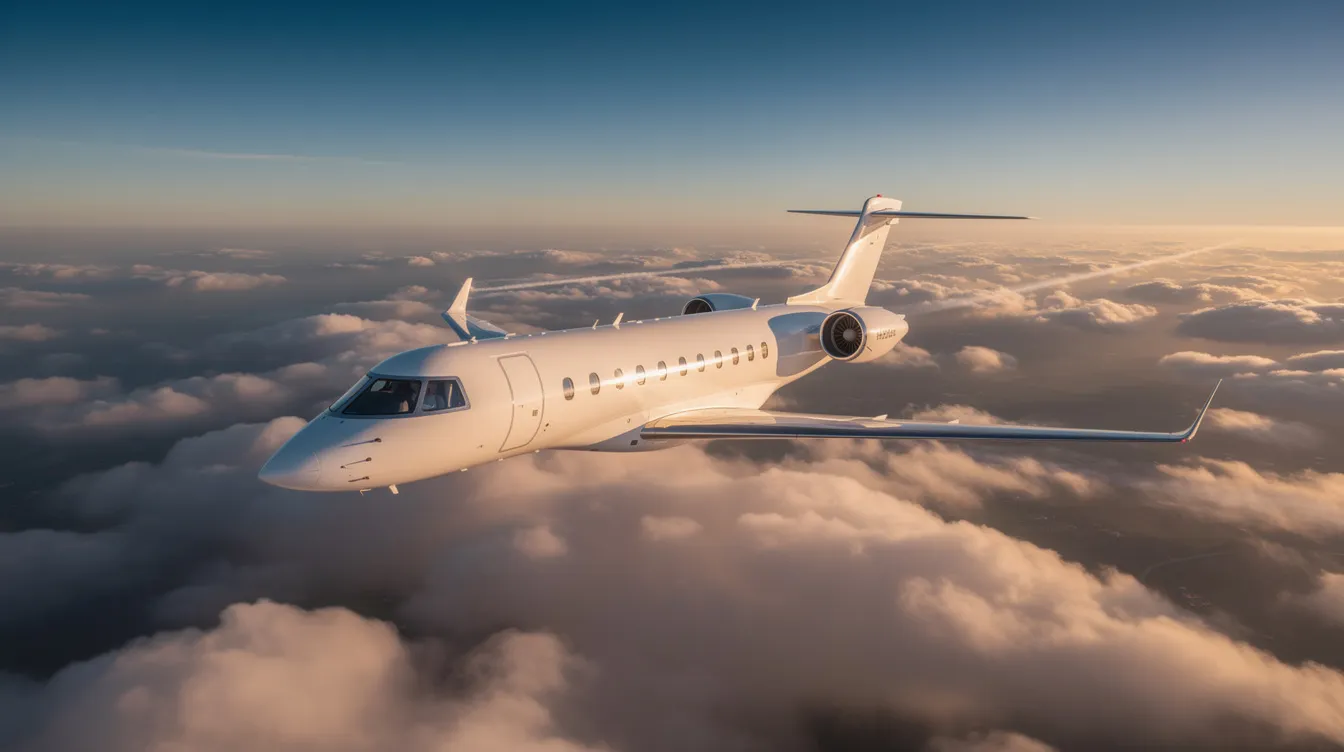
The Douglas A-4 Skyhawk remains a landmark in naval aviation history, showcasing how innovative design and operational efficiency can make a lightweight aircraft a formidable combat platform. Its legacy of agility, simplicity, and cost-effectiveness continues to influence modern aviation concepts, including the private jet charter industry. Platforms like Jettly embody these principles by offering travelers flexible, transparent, and technology-driven access to a wide range of aircraft worldwide. Whether inspired by historic military jets like the A-4 or seeking convenient, on-demand private air travel, Jettly provides a seamless experience tailored to today’s dynamic travel needs.
Ready to experience private travel on your terms? Explore flight options or request a quote at https://jettly.com/.
Share this post:
Jay Franco Serevilla
Jul 22, 2026
|
5
min read
Discover tips and trends in the industry.
5
min read
Last-Minute Private Jet Charter: How to Book Fast, Save with Empty Legs, and Fly in 2026
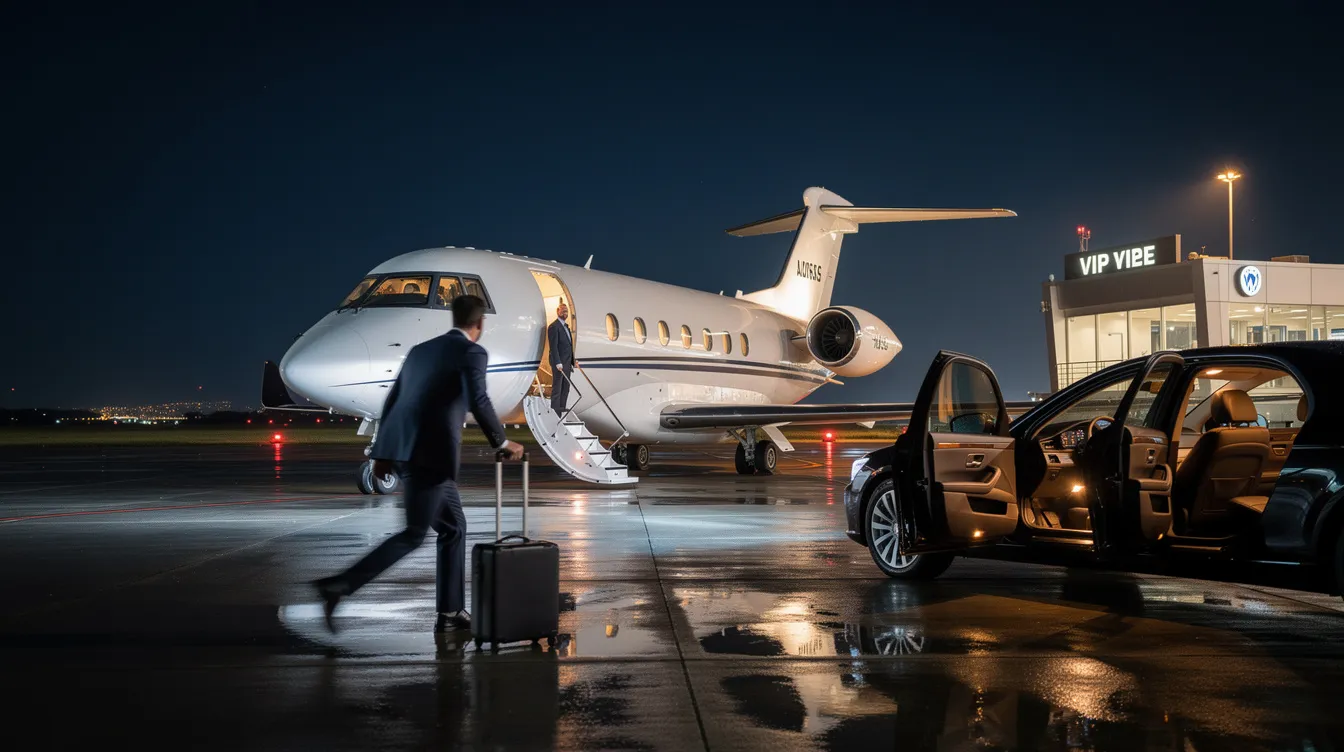
Last-minute private jet charters provide a fast and flexible travel solution for urgent trips, allowing bookings within hours. Jettly's digital marketplace connects travelers to over 20,000 aircraft, offering instant pricing and options for empty leg flights that can significantly reduce costs. This guide outlines how to book quickly, factors affecting pricing in 2026, and tips for choosing the right aircraft.
Read More
5
min read
New York to Los Angeles: Flights, Private Jet Options, and Smart Booking Strategies
Traveling from New York to Los Angeles offers a variety of options, from budget-friendly commercial flights to luxurious private jet charters. This guide provides essential information on flight durations, pricing, and booking strategies to help travelers make informed decisions. Whether you're looking for the cheapest fares or the most convenient travel experience, understanding your options is key.
Read MoreStay updated with our latest insights and tips to elevate your journey with us.
MEMBERSHIPS AND ASSOCIATIONS



Disclaimer: Jettly operates as a charter broker, offering access to a global digital jet charter marketplace. Jettly is not a direct air carrier and does not own or operate aircraft. All advertised flights are conducted by third-party air carriers that are fully licensed and hold the appropriate Part 135 or Part 121 certifications issued by the Federal Aviation Administration (FAA) or equivalent regulatory authorities under U.S. or foreign law. Jettly complies fully with the U.S. Department of Transportation's Part 295 and Part 298 Charter Broker regulations. Jettly does not carry additional liability insurance. Passengers are covered by aircraft operator insurance. TICO: 50023770


