



Login
Get Instant Pricing On 23,000+ Aircraft

>
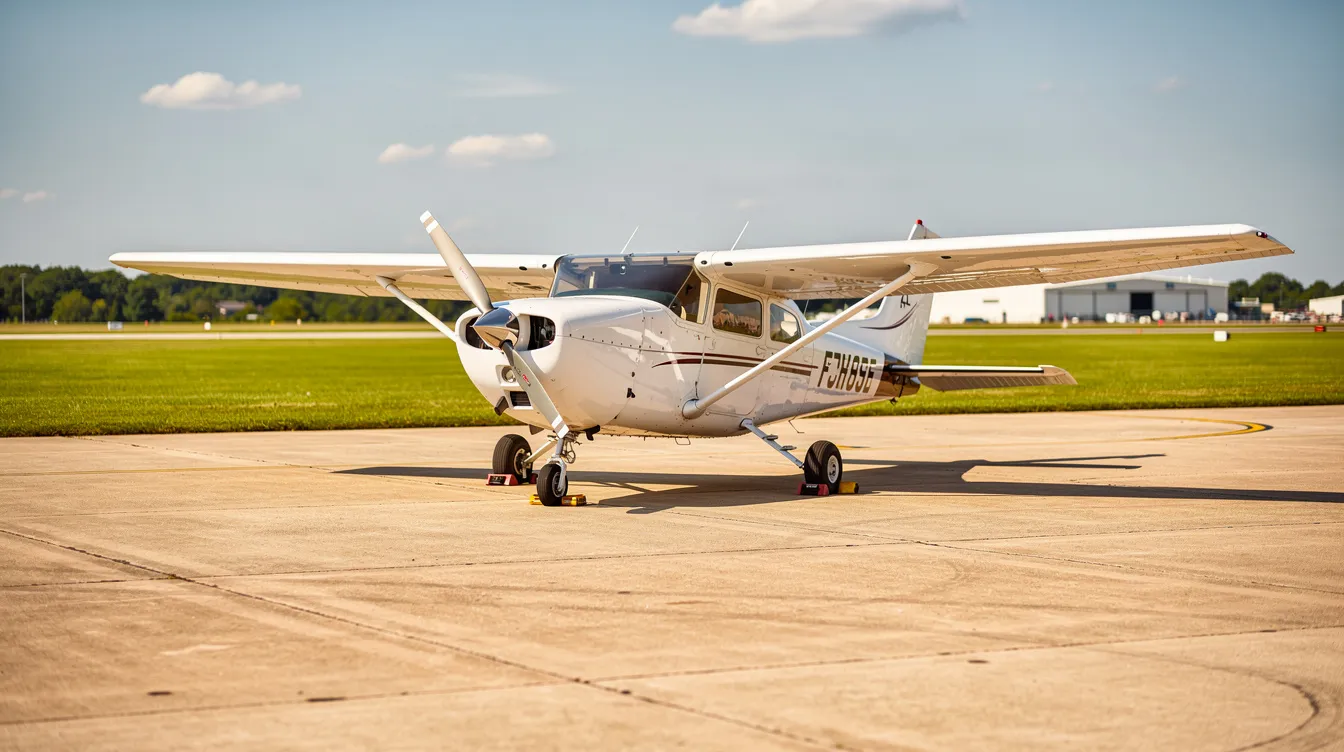
The empty weight of a Cessna 172 is one of the most critical numbers a pilot needs to know before every flight. It determines how many passengers, how much baggage, and how much fuel the airplane can carry — and it directly affects center of gravity, climb performance, and overall flight safety. Whether you're a student pilot running your first weight and balance calculation or a seasoned owner evaluating a used aircraft, this guide covers what empty weight means, how it varies across 172 models, and how to use it correctly in preflight planning.
A typical modern Cessna 172S has a basic empty weight around 1,680–1,720 lb, while older 172 models are often lighter at roughly 1,400–1,550 lb.
Empty weight directly limits useful load — the total weight available for passengers, baggage, and fuel — and strongly influences center of gravity and flight safety.
Pilots must always use aircraft-specific basic empty weight and balance data from the current POH and weight and balance record for that tail number, never generic numbers found online.
Fuel capacity (up to 56 gallons on 172R/172S models) and fuel burn (approximately 8–10 GPH) interact with empty weight to define real-world cross-country and flight training capabilities.
For longer trips where payload or time becomes a constraint, travelers often step up from a Cessna 172 to private jet charter solutions such as those offered by Jettly.
Basic empty weight on a Cessna 172 includes the airframe, engine, all permanently installed equipment, unusable fuel, and full engine oil. It does not include the crew, baggage, or usable fuel. This figure is the starting point for every weight and balance calculation a pilot performs.
The gap between basic empty weight and maximum gross weight defines what's called useful load. Useful load is everything the pilot adds before flight — people, bags, and fuel. Basic empty weight varies by aircraft model, and because each individual airplane accumulates unique modifications over its lifetime, the empty weight influences operational capabilities and safety margins on every flight.
Items always included in basic empty weight:
Installed avionics and antennas
Interior trim and paint
Full engine oil (including filter)
Unusable fuel
Fixed ballast
Items not included (variable):
Pilot and passengers
Usable fuel
Baggage and cargo
Removable optional gear
The FAA and the Cessna Aircraft Company designate basic empty weight as the legal reference for all weight and balance calculations. It's documented in Section 6 of the POH and in the aircraft's official balance record.
Empty weight has increased over the decades as the Cessna 172 gained more capable avionics, better interiors, and additional standard equipment. Understanding the range across variants helps pilots and buyers set realistic expectations. The empty weight of the Cessna 172 varies by specific model year and installed avionics, and empty weight specifications vary across different Cessna 172 models.
Here are approximate basic empty weight ranges by variant:
Early 172/172A–172D (late 1950s–early 1960s): Roughly 1,400–1,500 lb. The Cessna 172 has a basic empty weight of 1,431 lbs in its earliest configurations, making these classic Cessna models among the lightest in the family. Older Cessna 172 models can have empty weights between 1,450 lbs and 1,550 lbs.
172M/172N (1970s–early 1980s): Commonly around 1,500–1,600 lb. POH sample data for the 172N shows a basic empty weight of approximately 1,454 lb before options.
172P (1981+): Often 1,550–1,650 lb depending on equipment. A POH sample for the 172P lists standard empty weight at roughly 1,427 lb, but with typical options installed, these aircraft frequently reach the mid-1,500s.
172R (1996 introduction): About 1,600–1,680 lb. The fuel-injected 180 HP engine and updated systems push the POH standard empty weight to around 1,639 lb. The base empty weight of a standard Cessna 172S model is typically around 1,442 to 1,480 lbs before factory options.
172S Skyhawk SP (from 1998, common in flight training): Often 1,680–1,720 lb; many training aircraft end up heavier with glass cockpits. The standard empty weight of a modern Cessna 172S is around 1,680 lbs, while the Cessna 172S has an empty weight of approximately 1,833 lbs when fully loaded with advanced avionics packages and additional equipment.
The commonly cited figure - "the empty weight of the Cessna 172 typically ranges from 1,660 lbs to 1,680 lbs" - refers to a representative 172S configuration, not a universal value. The empty weight of a Cessna 172 can increase with added equipment and modifications. Individual aircraft can vary by 50–150 lb from published sample numbers due to paint, interior changes, STCs, and avionics upgrades.
Useful load equals maximum gross weight minus basic empty weight. A higher basic empty weight directly reduces useful load — the total capacity left for fuel, people, and baggage. Cessna 172's empty weight is important for weight and balance calculations because it sets the ceiling on what you can actually carry. Maximum takeoff weight affects passenger and cargo capacity on every flight.
Consider these examples:
A 172S with max gross weight of 2,550 lb and basic empty weight of 1,680 lb yields about 870 lb of useful load.
The same model with added equipment pushing basic empty weight to 1,740 lb now has only 810 lb of useful load — a 60 lb reduction that can mean one fewer passenger or significantly less fuel.
That useful load must cover:
Pilot and passengers
Baggage
Usable fuel (for which fuel capacity and fuel burn determine endurance)
Flight schools pay close attention to basic empty weight because it determines whether they can realistically operate with four adults and reasonable fuel on board during flight training. The Cessna 172S has a maximum takeoff weight of 2,550 lbs, and every pound added to empty weight is a pound subtracted from what the airplane can carry.
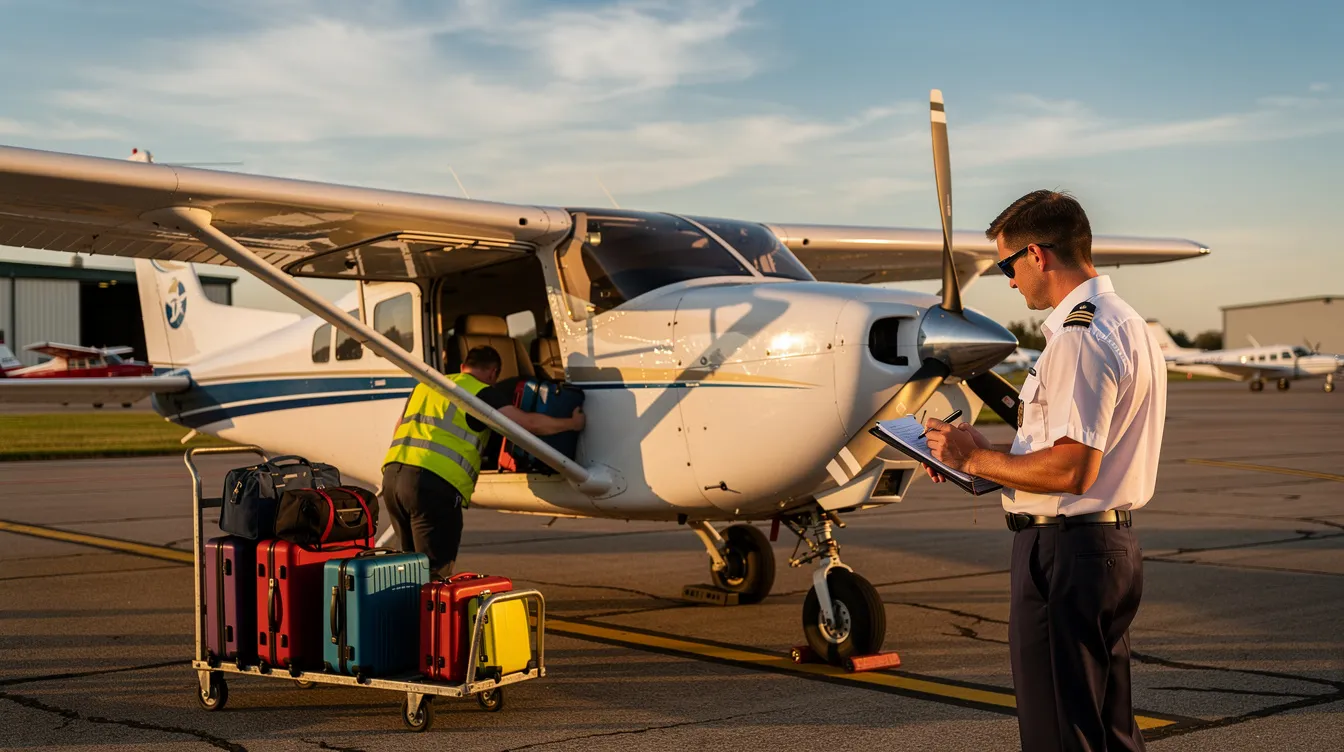
Basic empty weight includes not just a weight figure but also an arm (distance from the reference datum) and a moment. Together, these three values fix the starting point of the airplane's center of gravity before any payload or fuel is loaded. The center of gravity must remain within specified limits for the aircraft to fly safely.
A forward or aft shift in empty CG - caused by heavy avionics in the nose or STC equipment near the tail - changes how easy it is to stay inside the approved envelope once passengers and fuel are added. For most Cessna 172s, the empty CG sits comfortably inside the normal category envelope. Loading passengers in the front seats pulls CG forward; adding weight to the rear seats or baggage area pushes it aft. As fuel burns during flight, the CG typically shifts forward toward the empty CG position, which affects landing CG.
Weight and balance calculations ensure safe flight operations. Balance data for a specific aircraft - weight, arm, and total moment - is documented in Section 6 of the POH and the current weight and balance data sheet. Pilots must reference these tail-number-specific documents, not generic examples.
The only legally valid empty weight figures are those for the exact aircraft tail number. Generic Cessna 172 numbers from online forums or marketing materials are irrelevant for flight planning or legal compliance, even when you're renting a plane through a charter or flight school.
Pilots must consult these sources:
The FAA-approved Pilot's Operating Handbook (POH) or aircraft flight manual, typically Section 6 for weight and balance.
The latest weight and balance revision sheet in the aircraft records after any major maintenance, avionics upgrade, or repair.
Airworthiness and maintenance logbooks to confirm recent changes that may affect basic empty weight.
Any new equipment installation — such as a Garmin G1000 retrofit, ADS-B transponder, or long-range fuel tanks — triggers a new weight and balance entry by a certificated mechanic. The balance record must reflect the current configuration.
Buyers evaluating a used Cessna 172 should always verify that the recorded basic empty weight and CG data match the airplane's actual configuration before purchase. A mismatch is a red flag that paperwork hasn't been kept current.
Every preflight requires a fresh weight and balance calculation that starts from the basic empty weight. Federal Aviation Regulations require pilots to verify weight and balance before every flight, whether the aircraft is owned, leased, or rented for a specific trip. Here is the standard sequence:
Step 1: Copy basic empty weight, arm, and moment directly from the aircraft's latest weight and balance sheet.
Step 2: Add pilot and passengers, using actual weights (not estimates) and published station arms. For many 172 models, front seats are at approximately 37 inches and rear seats at approximately 73 inches from the datum.
Step 3: Add usable fuel, converting gallons to pounds. Fuel weight is calculated at 6 lbs per gallon for avgas. Use the fuel tank arm — approximately 48 inches on a 172S.
Step 4: Add baggage within the two baggage stations, with arms such as 95 inches and 123 inches per the POH.
Step 5: Sum all weights and moments, then divide total moment by total weight to find loaded CG.
Step 6: Plot the weight and CG on the aircraft's CG chart to confirm operation within the normal or utility category CG limits and the approved envelope.
This balance calculation process uses aircraft-specific balance data and applies equally to local flight training and longer cross-country trips. Practicing the manual method builds the skills every student pilot needs.
Fuel capacity and fuel burn determine how much of the useful load must be reserved for fuel. This trade-off is especially important in a training aircraft like the Cessna 172, where useful load is already limited. The maximum takeoff weight influences fuel load and range on every mission.
Typical fuel capacity details:
Older 172s with standard tanks: 40 gallons total, about 38 usable.
Newer 172R/172S: 56 gallons total, about 53–56 gallons usable depending on the specific aircraft flight manual.
Typical fuel consumption numbers:
Around 9–10 gallons per hour at 75% power in cruise.
Around 8–9 gallons per hour at economy cruise.
Higher rates during climb (12+ gallons per hour for short periods).
Practical endurance is 4–5 hours with 8–10 GPH fuel burn. The Cessna 172's maximum range is 600–800 nautical miles under ideal conditions, but range decreases to about 440 nautical miles when fully loaded. Flying at higher altitudes improves fuel efficiency by 10–15%, and these range considerations mirror those used when selecting cross-country aircraft for longer missions.
Here's how fuel weight connects to empty weight: if basic empty weight is 1,680 lb and max gross is 2,550 lb, full fuel of approximately 56 usable gallons (about 336 lb) leaves roughly 534 lb for pilot, passengers, and baggage. Pilots must calculate weight and fuel trade-offs for any long cross-country, choosing between maximum range endurance and passenger or baggage capacity. Understanding how much fuel you can actually carry — and how much fuel remains after accounting for payload — is central to safe preflight planning.
Simple scenarios help illustrate how basic empty weight, fuel capacity, and payload work together in practice. In each example below, assume a 172S with a basic empty weight of 1,680 lb and a maximum takeoff weight of 2,550 lbs.
Solo cross-country: A 180 lb pilot loads full fuel (56 gallons usable, approximately 336 lb) and packs 20 lb of baggage. Total weight comes to about 2,216 lb — well under the 2,550 lb limit. The airplane has long endurance for regional flights, and CG stays comfortably within the envelope with only a front-seat occupant and wing fuel.
Local flight training: A student pilot at 170 lb flies with an instructor at 200 lb. They load 30 gallons of fuel (180 lb) with no baggage. Total weight is approximately 2,230 lb, leaving over 300 lb of margin below max weight. Lighter fuel loads are common for repetitive circuits because they improve climb performance and keep CG forward — beneficial for stall practice.
Weekend trip near maximum gross weight: A pilot (190 lb) flies with three passengers (170, 160, and 160 lb) and 60 lb of baggage. That's 740 lb of people plus 60 lb of bags, totaling 800 lb of payload. Adding basic empty weight of 1,680 lb yields 2,480 lb before fuel. Only 70 lb — roughly 12 gallons — of fuel can be added before hitting the 2,550 lb max gross weight. Full fuel would push total weight well over the limit, so a fuel load must be reduced and a fuel stop planned to stay legal and safe.
Remember that fuel burn during flight reduces total weight and can shift CG. Pilots must also consider landing CG and landing weight in their planning, not just takeoff conditions.
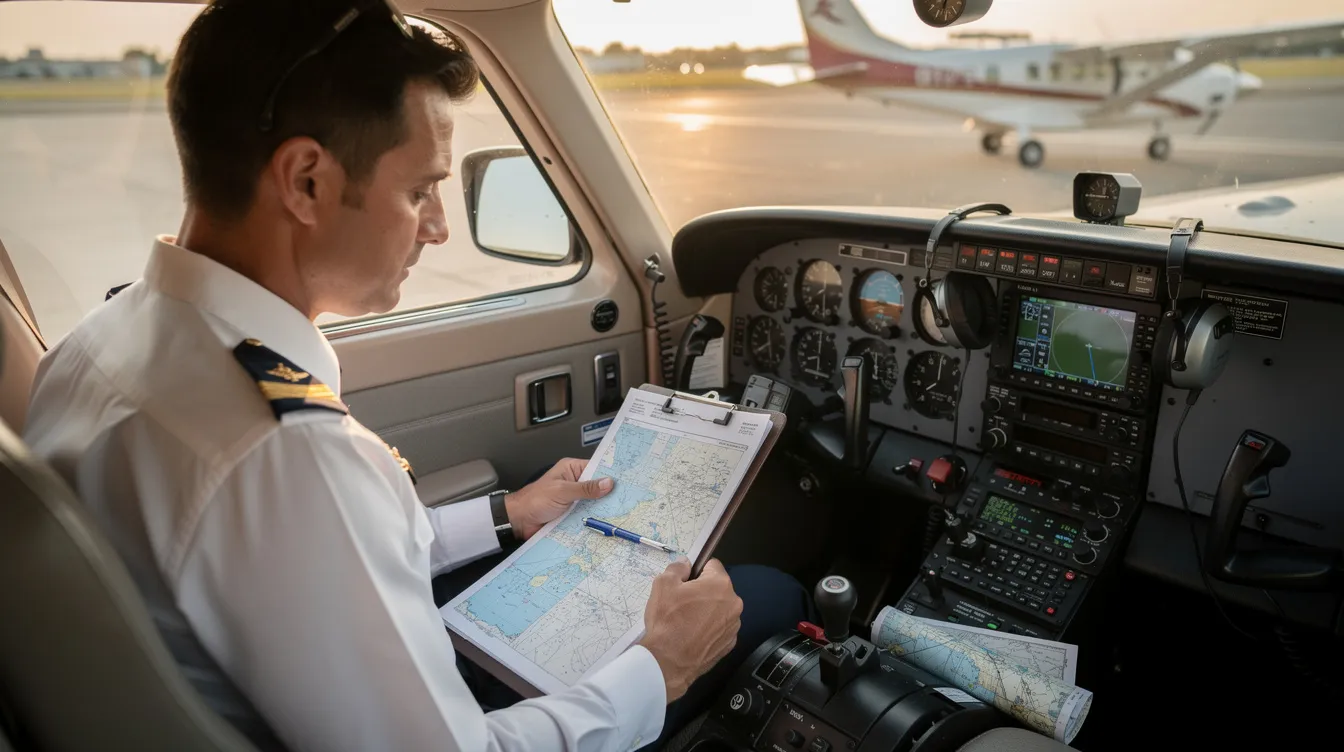
The Cessna 172 is the most popular aircraft in aviation history for pilot training. It has logged more first flight hours than any other airplane, and its reputation as a successful aircraft for flight schools is well earned. But empty weight and useful load are daily operational concerns.
Heavier empty weights in modern glass-cockpit 172S trainers can limit the ability to carry:
A heavier student
A heavier instructor
Full fuel and remain under 2,550 lb
Training missions often use partial fuel loads - typically 30–40 gallons - to keep the airplane lighter, improving climb performance and staying within CG limits. This is standard practice at flight schools worldwide and ties into broader decisions about affordable airplane rental options and costs.
Clear understanding of basic empty weight and balance data helps instructors teach students to calculate weight and balance accurately from their first dual flights. Training flights that include long cross-country legs need additional planning to balance fuel requirements with student, instructor, and baggage weights. The Cessna 172N, for example, has a maximum takeoff weight of 2,300 lb and a maximum gross weight of 2,300 lbs - significantly less than the 172S - making weight management even more critical in older training fleets.
Empty weight directly shapes a Cessna 172's real-world travel capability, especially on 300–450 NM regional legs where four adults and baggage are involved, and it is a key factor when choosing the best cross-country airplane for your missions.
Higher basic empty weight:
Reduces how much fuel can be carried when the aircraft seats are full.
Can limit practical range because fuel must be offloaded to remain under max weight.
A typical 172S with four adults and baggage often cannot depart with full 56-gallon fuel capacity and must plan fuel stops every 250–350 NM instead of flying to theoretical maximum range. Operating near maximum gross weight results in reduced climb rates and increased landing distances — both real safety concerns on shorter runways or in high-density-altitude conditions, particularly when compared with region-specific private jet charter services such as those in Kolkata, West Bengal.
Pilots should use conservative planning — only counting on 60–70% of published maximum range — to account for headwinds and to maintain adequate reserve fuel. Exceeding maximum takeoff weight can degrade aircraft performance in ways that are difficult to recover from in flight, just as over-optimistic assumptions can undermine the benefits of crowdsourced and shared private jet flights that fill otherwise empty seats.
When mission profiles exceed practical Cessna 172 limits in time or payload, travelers may consider stepping up to faster aircraft or private jet charter options, potentially using Jettly as a flexible alternative to NetJets-style fractional ownership.
Prospective owners, flying clubs, and flight schools should treat empty weight as a key evaluation metric alongside engine time and avionics condition, just as they would when renting an airplane and evaluating different providers. A small plane price comparison and broader guide to affordable airplane rental costs and options are useful, but the weight figures tell you what the airplane can actually do.
What to look for when evaluating a specific aircraft:
Review the latest weight and balance sheet for basic empty weight, CG, and any recent STC installations.
Compare basic empty weight to typical values for that model year; unusually high basic empty weight reduces useful load and may impact resale value.
Confirm that modifications such as long-range fuel tanks, air conditioning, or an advanced avionics package are correctly reflected in the balance data.
A lighter 172 with similar equipment is generally more attractive to operators who regularly fly near maximum gross weight - for example, four-person training or rental missions. For context, comparable training aircraft like the Piper PA-28 Archer II have a typical empty weight of about 1,680 lbs, the Diamond DA40 Star sits at approximately 1,746 lbs, and the Grumman AA-5B Tiger comes in around 1,500 lbs. These comparisons help buyers understand where a given 172 falls relative to its competitors and complement broader insights into the best private plane manufacturers for different budgets and needs.
During a pre-buy inspection, a trusted A&P/IA should verify that the recorded basic empty weight is consistent with the actual configuration and that CG calculations check out.
Inaccurate weight and balance calculations are a contributing factor in many general aviation accidents, including in Cessna 172s. Getting this wrong is not a paperwork issue — it's a flight safety issue that can kill.
Common pitfalls:
Using outdated basic empty weight data after major maintenance or avionics changes.
Guessing passenger weights instead of using actual values.
Forgetting to account for differences between fuel capacity and actual fuel onboard.
Overloading the baggage area beyond specified weight limits.
Flying a 172 over max gross weight or outside the CG envelope can lead to:
Reduced climb performance and higher stall speed.
Difficulty flaring or rotating due to excessive forward CG.
Reduced stability and greater risk of unrecoverable stall/spin with excessive aft CG.
A methodical, checklist-style approach to weight and balance calculations protects pilots during both local flight training and cross-country operations. Never skip this step, and never rely on "it was fine last time" as justification, regardless of whether you're flying a small trainer or booking among the many charter airlines and private flight options available.
The Cessna 172 is ideal for specific missions:
Flight training, pattern work, and instrument practice.
Short regional hops and recreational cross-country flights with easy access to small airports.
Cost-effective personal use flying and building pilot training hours.
However, its air-cooled engine, tricycle landing gear design, lowered rear deck, and modest wing area were optimized for training and short trips - not long-range travel. The service ceiling, stall speed, and cruise speed of a 172 are all practical limits that become apparent on longer journeys in standard atmosphere conditions, especially when compared with private aircraft that can leverage airport locator tools and global charter networks.
Private jets chartered through platforms like Jettly offer a different category of capability, particularly for frequent flyers who may benefit from structured jet card membership programs:
Typical light jets cruise at 400+ knots with ranges of 1,000–2,000+ NM, enabling single-leg flights that would take a 172 multiple stops and a full day or more.
Jets carry higher payloads with less sensitivity to small changes in basic empty weight. Some jets feature a six-cylinder or turbofan powerplant that dramatically outperforms piston engines, and travelers can choose between shared charter flights and full charters depending on budget and privacy needs.
On-demand charter through a digital platform like Jettly allows travelers to sidestep the scheduling and weather limitations that can stretch piston cross-country flights over several days.
A pilot might train in a Cessna 172 for local proficiency but charter a jet or use affordable private jet charter options for urgent business trips such as New York–Chicago or Toronto–Vancouver. Families using a 172 for local weekend flights might choose Jettly's marketplace for longer vacations where time savings are critical.
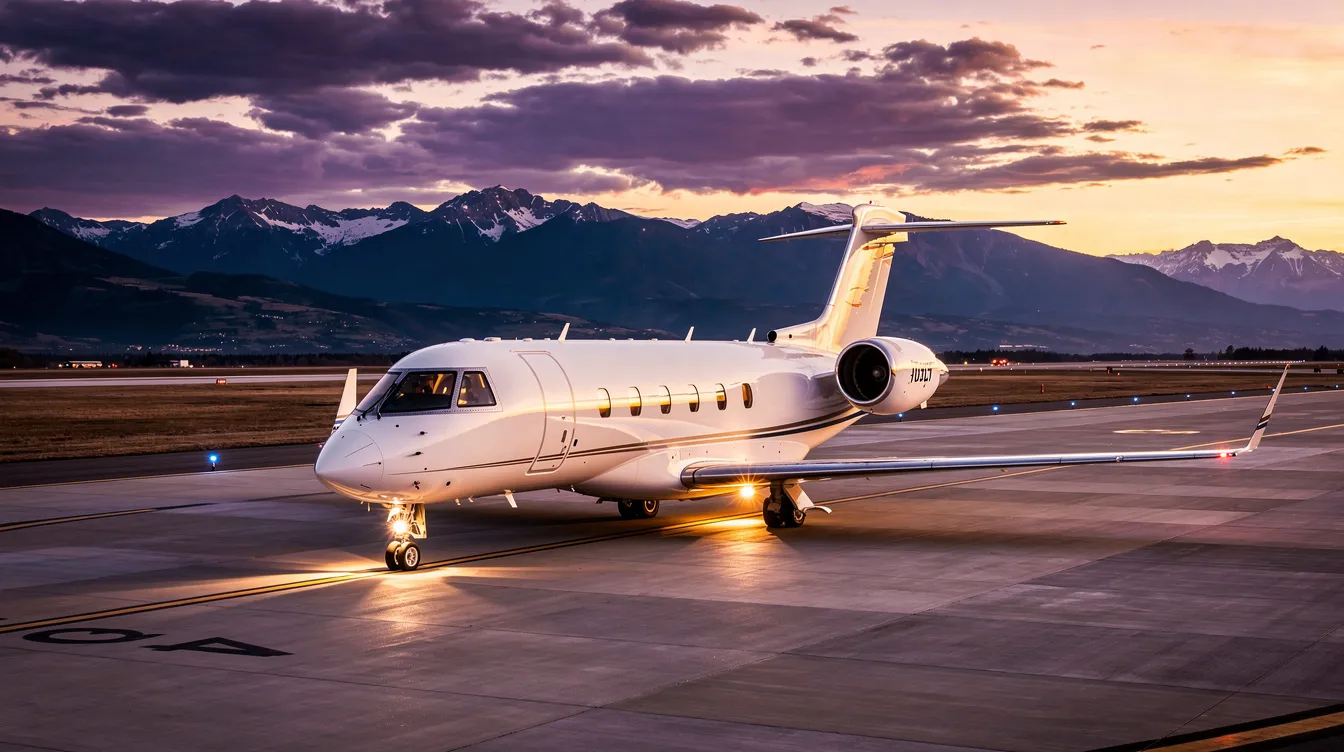
Pilots should pair aircraft-specific data with authoritative regulatory and training materials for deeper understanding. The Cessna 172 remains among the most popular and most successful aircraft in aviation history, and its documentation ecosystem reflects that.
Key references include:
FAA Weight and Balance Handbook (FAA-H-8083-1), which covers theory and practice for both small and large aircraft, including zero fuel weight concepts.
Cessna 172 POH/AFM, especially Section 6 for weight and balance and Sections 5–6 for performance planning tied to weight. Every new aircraft comes with this documentation.
Advisory circulars and local aviation authority materials on loading, fuel planning, and CG limits.
While online calculators and apps — including Cessna 172S weight and balance calculators — are useful for training, they must be cross-checked against the aircraft's official documents. Pilots in flight training should practice manual weight and balance calculations before relying primarily on electronic tools. There is no substitute for understanding the math behind the numbers.
Many 172S Skyhawk SP aircraft equipped with Garmin G1000 or similar glass avionics have basic empty weights in the 1,680–1,720 lb range, though exact numbers depend on options and upgrades. Some heavily equipped training aircraft exceed 1,800 lb. Operators should always verify the precise basic empty weight from the individual aircraft's weight and balance record - not from a generic internet source or a different tail number's POH.
POH examples often use representative or "typical" weights for sample loading problems. Individual aircraft gain or lose weight over their lifetime due to paint changes, interior refurbishments, avionics upgrades, and structural repairs. Mechanics update the official basic empty weight after approved modifications, so the current weight and balance sheet - not generic POH examples - governs all flight planning.
Useful load equals maximum gross weight minus basic empty weight. A higher basic empty weight leaves less room for passengers, baggage, and fuel. For example, adding 100 lb to basic empty weight through modifications means 100 lb less fuel or one fewer passenger on a fully loaded flight. Pilots should perform sample calculations showing how adding or removing 50–100 lb of payload changes how much fuel can be carried while remaining under the 2,550 lb gross limit on a 1—2S.
Yes. Long-range tanks and associated hardware typically increase basic empty weight and must be recorded in a revised weight and balance entry. Although fuel capacity and potential maximum range increase, the higher basic empty weight can reduce useful load and require closer attention to payload limits when the fuel tanks are full. Pilots gain endurance but may need to carry less fuel load or fewer passengers to stay legal.
Multi-leg, multi-day trips over several hundred nautical miles - especially with multiple passengers and time-sensitive schedules - are often more practical by private jet than in a 172. When a Cessna 172's speed, range, or payload no longer match your travel needs, digital charter platforms like Jettly provide instant access to faster aircraft and flexible private jet memberships while you continue using the 172 for training and local flying.
Understanding the empty weight and basic empty weight concepts is central to safely operating any Cessna 172. The aircraft remains a cornerstone of flying worldwide, and respecting its weight limits is non-negotiable.
Basic empty weight defines useful load and heavily influences center of gravity, affecting everything from local training flights to fully loaded cross-country trips. Pilots should always calculate weight and balance using tail-number-specific data, accurate fuel quantities, and conservative assumptions about fuel burn. Whether you're a student pilot on your first solo or an experienced aviator planning a weekend trip with passengers, these calculations protect you every time the airplane leaves the ground.
For trips where a 172's range, speed, or payload becomes limiting, travelers can explore private jet charter solutions through platforms like Jettly to save time and increase flexibility.
Ready to look beyond piston performance for your next long-range trip? Explore flight options or request a quote at https://www.jettly.com.
Share this post:
Jay Franco Serevilla
Oct 13, 2026
|
5
min read
Discover tips and trends in the industry.
5
min read
Which Airlines Have the Most Accidents? (And What That Really Means for Safety)
When evaluating airline safety, historical accident totals can be misleading. Airlines with the most accidents, like American Airlines and Aeroflot, have improved significantly due to modern safety standards and regulations. Today, flying is statistically the safest form of long-distance transport, with a focus on accident rates per million flights providing a clearer picture of safety.
Read More
5
min read
Jet Airways: From Full-Service Icon to Modern Travel Alternatives
Jet Airways, once a leading full-service airline in India, ceased operations in 2019 and is now under liquidation. With no new tickets available, travelers are seeking alternatives for their air travel needs. Private jet charter services like Jettly offer flexible and convenient options for those looking to navigate the skies post-Jet Airways.
Read MoreStay updated with our latest insights and tips to elevate your journey with us.
MEMBERSHIPS AND ASSOCIATIONS



Disclaimer: Jettly operates as a charter broker, offering access to a global digital jet charter marketplace. Jettly is not a direct air carrier and does not own or operate aircraft. All advertised flights are conducted by third-party air carriers that are fully licensed and hold the appropriate Part 135 or Part 121 certifications issued by the Federal Aviation Administration (FAA) or equivalent regulatory authorities under U.S. or foreign law. Jettly complies fully with the U.S. Department of Transportation's Part 295 and Part 298 Charter Broker regulations. Jettly does not carry additional liability insurance. Passengers are covered by aircraft operator insurance. TICO: 50023770


