


Login
Get Instant Pricing On 23,000+ Aircraft

>

Flight trip insurance has become a practical necessity for travelers spending thousands on nonrefundable airfare—whether on a premium commercial ticket or a private jet charter. With weather disruptions, medical emergencies, and operational surprises all capable of derailing travel plans, understanding how this coverage works can save significant money and stress. This guide is for travelers booking premium commercial flights or private jet charters who want to understand flight trip insurance. It covers what flight trip insurance is, what it covers and excludes, how much it costs, and when it is worth it—especially for private jet travelers. With high nonrefundable costs and unpredictable disruptions, understanding insurance options can save travelers significant money and stress.
This guide breaks down what flight insurance actually covers, what it excludes, how much it costs in 2026, and when it makes sense to buy—especially for private aviation customers.
Flight insurance reimburses nonrefundable airfare for covered cancellations, including illness, severe weather, and family emergencies. Purchasing travel insurance can protect against financial losses from nonrefundable expenses that would otherwise be a total loss.
Most flight insurance plans cover trip cancellation, trip delays, missed connections, baggage loss, delayed baggage, and baggage delay. Comprehensive travel insurance plans layer on medical evacuation coverage, emergency medical benefits, and assistance services for travelers abroad.
How flight insurance mechanisms differ depending on whether coverage comes from an airline add-on, a premium credit card, or a standalone insurance policy from providers like Allianz Partners.
Flight insurance is worth serious consideration for expensive, nonrefundable trips—particularly private jet charters where a single cancellation can mean losing $10,000 or more. Flight insurance typically costs between 4% and 8% of trip costs, a fraction of potential loss.
Jettly customers booking on-demand charters or empty leg flights should evaluate buying travel insurance as an add-on shortly after confirming their itinerary, checking that the policy covers non-scheduled charter operations and accepts charter contracts as documentation.

Flight insurance protects the nonrefundable cost of a booked flight—commercial or private—against specific disruptions, plus reimburses related expenses like hotel stays, meals, or rebooking fees. Trip insurance reimburses prepaid, nonrefundable travel expenses when covered events prevent travel.
The distinction from broader travel insurance matters. Flight insurance focuses on the air ticket or charter cost and flight-specific problems. Travel insurance can cover hotels, tours, health insurance–style medical benefits abroad, and more. Single-trip plans protect one specific trip, while annual plans cover multiple trips within a year.
In 2026, travelers typically encounter flight insurance in three ways: as an airline checkout add-on, through credit card benefits, or via standalone policies from major travel insurance companies like Allianz Partners, often purchased alongside tools like Jettly's airport locator platform for private charter planning.
For private aviation users—such as those booking charters through Jettly—flight trip insurance applies to on-demand charters, empty legs, and repositioning flights, which are often fully prepaid and nonrefundable. Later sections detail coverage, exclusions, cost ranges (generally 4–8% of trip cost), and practical guidance on when to purchase and when to skip.
The basic mechanism is straightforward. A traveler pays a premium to an insurer. If a covered event—illness, severe weather, airline cancellation—disrupts the flight, the insurer reimburses up to the insurance policy limits. Travel insurance can cover cancellations due to illness or emergencies, filling gaps that airline policies alone leave open.
Here is how a typical claim works: a traveler books a flight (say a $9,000 New York–Miami private jet charter or a $900 commercial business-class ticket), adds flight insurance at purchase or soon after, then experiences a covered disruption. The traveler files documentation—receipts, medical notes, carrier cancellation notices—and receives reimbursement subject to coverage limits and deductibles.
Policies tied to airlines (such as an Allianz travel insurance option at checkout) differ from independent standalone plans. Airline add-ons tend to be simpler but may have narrower covered reasons and lower benefit caps. Standalone travel insurance policies offer more flexibility and can bundle multiple trip components.
U.S. law requires airlines to refund fares only when they cancel or significantly change flights, and the traveler rejects alternatives. Flight insurance fills gaps for reasons like jury duty, injury, or a family member's medical emergency. For Jettly customers who pay in full for on-demand charters or hold private jet memberships or structured jet card programs with fixed hourly rates, insurance plans become especially relevant on time-sensitive business routes or seasonal leisure trips.
Exact benefits vary by provider, but most plans focus on financial protection for specific flight-related problems. Coverage limits and deductibles vary significantly between policies, so comparing plan documents matters.
Core coverages include:
Trip cancellation for a covered reason: illness, injury, death of an immediate family member, severe weather, or jury duty. The policy reimburses the prepaid, nonrefundable flight costs.
Trip interruption: if a traveler must cut a covered trip short due to emergencies, interruption coverage reimburses unused nonrefundable ticket portions and increased transportation costs to return home.
Flight delays and missed connections: coverage includes expenses for delayed flights over 6 hours—meals, accommodation, and rebooking. Missed connections are covered if caused by uncontrollable events like weather or mechanical issues.
Lost, delayed, or damaged baggage: baggage loss compensation is provided if checked luggage is lost or damaged, while baggage delay benefits reimburse essential items when luggage is delayed after the policy waiting period. Coverage limits for lost luggage typically cap at $500, with per-item caps for personal items.
Consider two examples. A round-trip Toronto to London flight costing $1,200 with a $300 travel delay benefit would kick in after the waiting period. A private jet leg from Van Nuys to Las Vegas at $6,500 with a trip cancellation benefit of $10,000 would cover the full cost of the charter. As with any private jet rental cost or broader understanding of one private jet flight cost before renting, it also reimburses for lost, damaged, or stolen luggage on the insured flight segment. If bags are only delayed, plans may provide limited reimbursement for necessities while travelers wait for them, which is worth factoring in when using tactics for booking the cheapest private jet flights.
Some flight insurance plans—especially through providers like Allianz travel insurance—can be purchased as an add-on to a comprehensive policy that also includes emergency medical and evacuation benefits, complementing separate airplane insurance coverage for owners and operators. Note that benefit limits, waiting periods for trip delays (often 6 or 12 hours), and baggage limits should be compared carefully, particularly for travelers carrying business equipment on private jets.

|
Coverage Type |
Typical Benefit Description |
Coverage Limits / Notes |
Applies to Private Jet Charters? |
|---|---|---|---|
|
Trip Cancellation |
Reimburses prepaid, nonrefundable flight cost for covered reasons |
Up to full flight cost, varies by policy |
Yes, if policy includes non-scheduled charters |
|
Trip Interruption |
Covers unused portion of trip and extra transportation costs |
Varies, often full unused trip value |
Yes |
|
Flight Delay |
Covers meals, accommodation, and rebooking for delays over 6 hours |
Up to $300–$500 per trip |
Yes |
|
Missed Connections |
Reimburses expenses if connection missed due to uncontrollable events |
Varies, conditions apply |
Yes |
|
Lost or Damaged Baggage |
Compensation for lost, damaged, or stolen luggage |
Typically capped at $500 total |
Yes |
|
Baggage Delay |
Reimbursement for essentials if baggage delayed over 24 hours |
Up to $100–$200 |
Yes |
|
Emergency Medical |
Medical treatment and transportation abroad (comprehensive plans only) |
$50,000–$250,000 typical |
Optional, via add-on |
|
Medical Evacuation |
Emergency transport to nearest medical facility (comprehensive plans only) |
Often $250,000 or more |
Optional, via add-on |
|
Cancel For Any Reason |
Allows cancellation for any reason with partial reimbursement |
Typically 50–75% of trip cost |
Optional, costly add-on |
Exclusions are just as important as benefits. Every insurance plan has clear limitations spelled out in its certificate of insurance, and many denied claims stem from travelers not reading these carefully.
Common exclusions include: canceling because you changed your mind or found a better schedule—flight insurance does not cover cancellations due to change of mind. Known events (a storm named before purchase) or preexisting conditions are typically excluded unless the policy explicitly waives them via a time-sensitive add-on. Traveling against medical advice or ignoring official travel advisories voids most coverage. Non-covered activities or risky behavior—such as mountain climbing, skydiving, or other high-risk pursuits—also fall outside standard plans. Adventure plans that cover high-risk activities like skydiving exist but must be purchased separately.
Standard flight insurance rarely covers medical evacuation or routine medical care abroad. Those benefits require comprehensive travel insurance or specialized products, much like the broader solutions used by industry leaders in private aviation such as NetJets.
"Cancel For Any Reason" (CFAR) is an optional coverage that lets travelers cancel for non-covered reasons. CFAR policies reimburse a percentage (often 50–75%) of nonrefundable costs. Cancel For Any Reason coverage can add 40% to 50% to insurance costs, and strict purchase timing rules apply—typically within 10–21 days of the initial trip payment.
For travelers booking expensive private jet charters, exclusions apply around weather, operational issues, and charter-specific cancellation terms. Some policies exclude non-scheduled aircraft unless explicitly declared, which directly impacts private jet bookings through platforms like Jettly when used as a NetJets alternative.
Comprehensive travel insurance costs between 5% and 10% of total prepaid, nonrefundable trip costs. Flight-only coverage is often cheaper since fewer components are insured. Squaremouth data shows average comprehensive plans running roughly 6% of insured costs in 2026.
Concrete examples:
A $700 domestic economy ticket might add $25–$40 for a basic airline flight insurance plan.
Flight insurance for an $835 flight costs about $56.30.
A $15,000 multi-leg private jet charter cost estimate (use Jettly's jet card flight cost estimator for route-specific pricing) may see standalone coverage in the $600–$1,200 range, depending on age, destination, and benefit levels.
Adding CFAR could raise a $400 premium to around $560–$600.
The main cost drivers include total nonrefundable trip cost, traveler age and number of passengers (older travelers often pay nearly double), trip length and destinations (domestic vs. overseas), and whether travel medical and evacuation coverage is included.
Comparing pricing across sources: airline or OTA add-ons are simple but sometimes have limited benefit caps. Premium credit card coverage is included in the annual fee but with lower caps. Standalone travel insurance plans offer the most flexibility and typically the highest limits.
A comprehensive travel insurance plan might be worth considering for expensive trip costs. Avoid over-insuring fully refundable fares or low-cost flights, but think seriously about coverage for high-value, time-critical private jet trips, especially when recurring travel patterns make jet card pricing and costs a practical consideration.
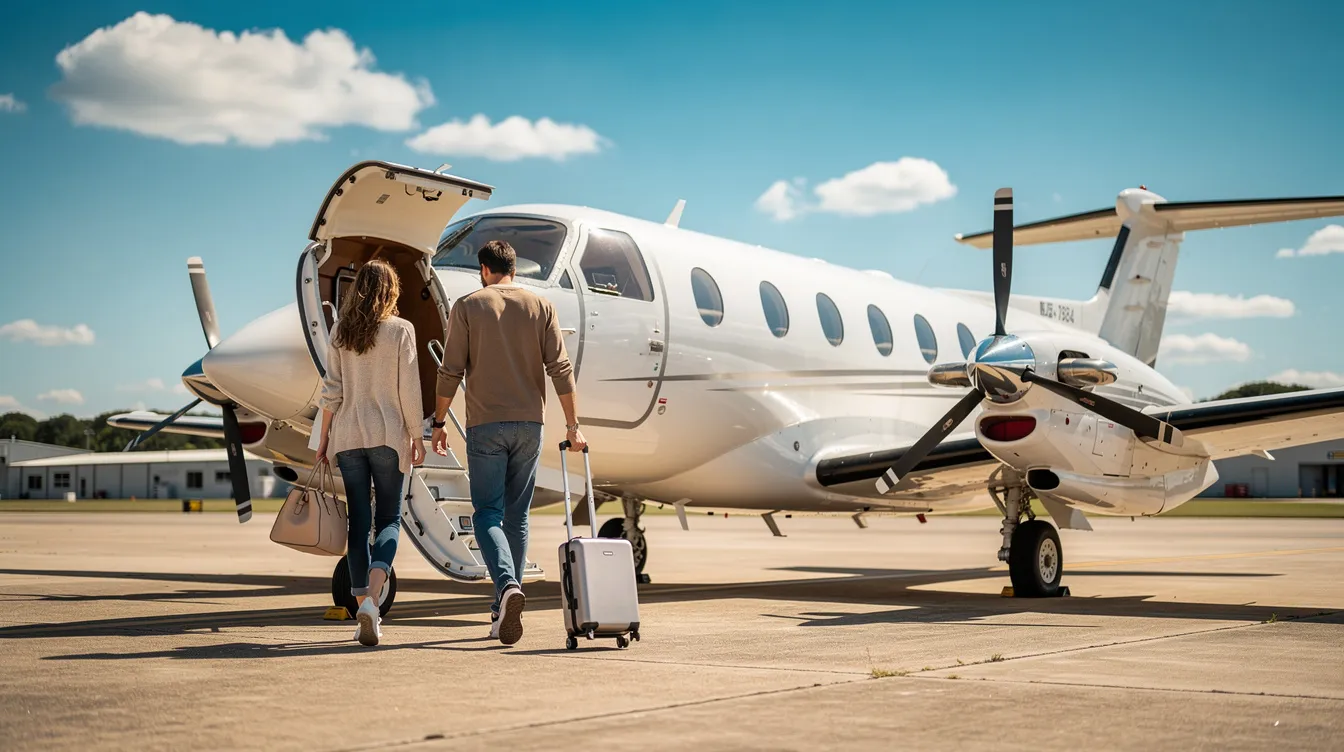
Whether flight insurance is worth the premium depends on trip price, flexibility of travel plans, existing protections, and personal risk tolerance. Travel insurance is recommended for international trips where disruptions carry heavier financial and logistical consequences.
Scenarios where flight insurance makes strong sense:
Nonrefundable premium cabin tickets or last-minute fares on carriers like American Airlines or international airlines.
High-value private jet charters—$20,000+ multi-city itineraries booked through Jettly, even when using strategies for booking the cheapest private jet flights or choosing among the cheapest private aircraft options for your budget—where a cancellation is a major financial hit.
Complex itineraries with multiple connections or winter-weather risk.
Travel during peak seasons or to regions prone to natural disaster, storms, or strikes.
Scenarios to skip or scale back:
Mostly refundable bookings or fully flexible corporate contracts.
Short domestic hops under $200 where self-funded rebooking is affordable.
Travelers holding strong credit card protections that already cover the entire trip cost for delays, cancellations, and lost bags.
A simple rule of thumb: if losing 100% of the flight or charter price would cause substantial financial stress, coverage is likely worthwhile. Purchase insurance to cover nonrefundable trip costs that you cannot absorb comfortably.
For private jet customers who prize time savings—executives buying a seat on a private jet or using Jettly's platform to crowdsource private jet flights and share empty seats, or shuttling between Los Angeles and Silicon Valley, for example—insurance can minimize operational disruption as much as financial loss.
Here is a practical comparison of the three main ways to get flight insurance coverage.
Airline and OTA add-ons are offered during checkout by major carriers and online agencies, often branded with providers like Allianz travel insurance or Travel Guard. They usually cover the specific flight only—not additional hotel stays or private transfers. Convenient, but sometimes more restrictive in benefit limits and covered reasons. Group plans are available for ten or more travelers booking together.
Premium credit card protections from cards like Visa Infinite, Mastercard World Elite, or American Express Platinum can include trip cancellation, interruption, trip delay, and lost luggage coverage when the fare is charged to that card. Typical caps run $5,000–$10,000 per trip, with delay compensation around $500 per day. Good policies check for existing credit card coverage to avoid duplicate costs—an important step before buying standalone coverage.
Standalone travel insurance policies are available from specialized travel insurance companies and comparison sites. They let travelers combine flight insurance with health insurance–style benefits, rental car damage cover, and optional coverage like CFAR. These are more flexible for complex itineraries that mix commercial flights with private jet sectors, especially when comparing top private jet charter companies, weighing shared charter flights vs. full charters, and their differing contract terms.
Consider using a premium credit card for a commercial leg and an independent plan to protect a separate private charter that exceeds card coverage limits or when renting a private jet for complex itineraries, especially if you are still learning about affordable aeroplane rental costs and options. Cruise insurance, which covers missed ports and medical emergencies, is a separate product worth exploring for multi-modal trips alongside broader guides to the charter airline and private aviation industry and how Part 135 charter companies operate under safety regulations.
Private jet travel introduces unique factors—aircraft availability, repositioning, and strict cancellation windows—that shape how travelers should think about flight insurance.
Typical charter contract realities include large, nonrefundable deposits or full prepayment, especially on peak dates (New Year's Eve flights to Aspen, holiday trips to St. Moritz). These conditions mirror broader private jet cost considerations and the full picture of private jet operating costs, where higher per-hour costs make a last-minute cancellation significantly more expensive than a standard airline ticket. Operational constraints like slot restrictions at smaller airports, weather at mountain or island destinations, and crew duty time rules add complexity. Insurance should be bought before known events like hurricanes that could disrupt plans.
Customers using Jettly's digital marketplace—with access to 20,000+ private charter aircraft worldwide—should structure coverage by insuring the full charter cost as trip cost, including connecting commercial flights if applicable, and considering higher coverage limits suitable for business groups or families.
A realistic example: a three-day private jet trip from New York to Nassau for a family of six, costing $28,000. Flight or travel insurance could protect against a last-minute medical issue or a tropical storm forming in the Atlantic. Without coverage, the entire trip cost is at risk.
Travelers should confirm whether their chosen insurer covers non-scheduled charter flights and what documentation—charter contracts, invoices from the platform—is accepted for claims. A travel agent experienced with private aviation can help navigate these details.

Timing matters. Many of the best trip insurance benefits—like coverage for preexisting conditions or CFAR—require purchase within a short window after the first trip payment, often 10–21 days. Buy travel insurance right after booking your trip to maximize available benefits.
For a standard commercial ticket, consider coverage at booking time, especially if the fare is nonrefundable and travel is months away. For private jet charters, where Jettly offers affordable private jet charter options through operators like Dexter Air Taxi's private jet services, evaluate insurance as soon as the itinerary and pricing are confirmed—last-minute flight cancellations can be especially costly.
A buying checklist:
Calculate total nonrefundable trip cost (flights, charters, key ground arrangements).
Review existing protections from health insurance, corporate policies, and credit cards.
Decide whether a flight-only plan is sufficient or a broad travel insurance policy is better.
Compare at least two insurance plans for coverage details, exclusions, and financial strength of the underwriter.
Some providers allow purchase up to 24 hours before departure, but most plans exclude foreseeable events and time-sensitive benefits at that point. The claims process should include 24/7 assistance and clear submission guidelines—verify this before you buy.
Store digital copies of the policy, emergency numbers, and charter confirmations on your phone so you can act quickly from a private terminal if a disruption occurs.
Flight insurance is not a substitute for health insurance. Most plans are not designed to handle routine medical care or medical bills abroad.
Standard health insurance often performs poorly outside the home country. Many domestic plans offer limited or no coverage internationally. Travel medical insurance covers overseas medical expenses and is a separate product worth evaluating. Emergency medical coverage pays for medical treatments and transportation during travel, while medical evacuation costs can be high—often tens of thousands of dollars—and are included only in some insurance policies.
A comprehensive travel insurance plan can combine flight protection (cancellation, delay, baggage) with emergency medical benefits ($50,000–$250,000 depending on the plan) and evacuation and repatriation coverage. Trip insurance also provides coverage for emergency medical expenses when purchased as part of a broader policy. Allianz's AllTrips Executive plan, for example, includes $50,000 in medical and $250,000 in medical evacuation coverage alongside standard trip insurance benefits.
A relevant scenario: a traveler flying via Jettly from Toronto to a remote Caribbean island for a yacht charter or another international private jet flight using an aircraft chosen from guides to the best cross-country planes for long journeys. The primary concern is not only flight changes and trip delays but also access to quality medical care and emergency evacuation in case of injury far from a major hospital.
Verify whether existing health insurance covers international medical emergencies, whether credit card travel protection includes any medical components, and where gaps require a full travel medical policy alongside flight insurance.
Below are quick answers to common questions that go beyond the main sections above, focused on practical concerns for both commercial and private jet travelers, including families evaluating the best private planes for family travel.
Many comprehensive travel insurance policies can cover nonrefundable private jet charters as trip cost, but travelers must ensure the policy does not exclude non-scheduled or charter flights. Disclose that you are booking a private charter via a marketplace like Jettly when requesting quotes, and keep detailed invoices and contracts for any future claims. Most trip insurance requires clear documentation of the covered trip.
Premium cards can offer solid travel protection for trip cancellation, interruption, travel delays, and lost bags, but limits may be too low for high-value private jet trips or long-haul premium cabin tickets. Use card benefits for moderate trips and consider a standalone comprehensive policy when total nonrefundable costs exceed card coverage caps or when you need added medical and medical evacuation coverage.
Allianz Partners is one of several large travel insurers that underwrite flight insurance plans, including some airline and OTA add-ons. Compare multiple insurance plans—looking at coverage, limits, and exclusions—rather than choosing solely on brand recognition. This is especially important for complex itineraries involving both commercial and private flights where trip type affects available benefits.
Many insurers allow purchase after booking, sometimes up to 24 hours before departure. However, time-sensitive benefits like CFAR and preexisting conditions waivers may no longer be available. Buy as soon as key flight or charter deposits are paid to maximize coverage options and minimize the risk that an event becomes foreseeable and excluded.
Explore Jettly's digital charter marketplace to compare aircraft types, pricing models, and popular routes. Review potential itineraries before choosing the right mix of flight and travel insurance coverage. You can also use the platform to understand cancellation policies and charter contract terms that affect how insurance applies, while exploring strategies for getting a seat on a private jet easily.
Flight trip insurance is a valuable tool for protecting the significant investment in private jet charters and premium commercial flights. By understanding coverage options, exclusions, and costs, travelers can make informed decisions that safeguard their travel plans and finances. For private jet travelers using platforms like Jettly, purchasing flight insurance shortly after booking can mitigate the risks of nonrefundable charters and operational disruptions. Combining flight insurance with broader travel medical coverage enhances peace of mind, especially for international or complex itineraries.
To explore private jet charter options and learn more about how flight trip insurance can fit into your travel plans, visit Jettly’s digital marketplace at https://jettly.com. Ready to experience private travel on your terms? Request a quote today and travel with confidence. Learn more about private jet charter costs, compare aircraft types, discover popular private jet routes, and understand jet card programs to optimize your travel experience.
Share this post:
Jay Franco Serevilla
Aug 5, 2026
|
5
min read
Discover tips and trends in the industry.

5
min read
Honda Jet Charter Price: Costs, Specs, and When a HondaJet Charter Makes Sense
The HondaJet offers a flexible and cost-effective solution for private air travel, with charter prices typically ranging from $2,000 to $5,000 per flight hour. This guide provides insights into the costs, specifications, and scenarios where chartering a HondaJet makes financial sense compared to ownership. Understanding these factors can help travelers make informed decisions about their private aviation needs.
Read More
5
min read
Very Light Jets for Sale: Smart Alternatives to Ownership and Jet Cards
The market for very light jets (VLJs) is rapidly expanding, offering a cost-effective entry into business aviation. This guide explores the benefits of ownership versus chartering, highlighting the efficiency and flexibility of VLJs for business and leisure travel. With options like Jettly, travelers can access these jets without the burdens of ownership, making private aviation more accessible than ever.
Read MoreStay updated with our latest insights and tips to elevate your journey with us.
MEMBERSHIPS AND ASSOCIATIONS



Disclaimer: Jettly operates as a charter broker, offering access to a global digital jet charter marketplace. Jettly is not a direct air carrier and does not own or operate aircraft. All advertised flights are conducted by third-party air carriers that are fully licensed and hold the appropriate Part 135 or Part 121 certifications issued by the Federal Aviation Administration (FAA) or equivalent regulatory authorities under U.S. or foreign law. Jettly complies fully with the U.S. Department of Transportation's Part 295 and Part 298 Charter Broker regulations. Jettly does not carry additional liability insurance. Passengers are covered by aircraft operator insurance. TICO: 50023770


