


Login
Get Instant Pricing On 23,000+ Aircraft

>

The aviation industry accounts for roughly 2–3% of global carbon dioxide emissions—and that number is climbing. But greener airlines across commercial and private aviation are taking steps to reverse course. From sustainable aviation fuel to fuel-efficient aircraft and smarter digital operations, the industry is moving faster than most travelers realize. This guide is for frequent flyers, business travelers, and anyone interested in reducing their air travel carbon footprint.
Here is what is actually working, where the gaps remain, and how platforms like Jettly give private flyers practical tools to fly greener on every trip.
Air travel produces about 2–3% of global CO₂ emissions, but many airlines are now targeting net zero emissions by 2050 through cleaner fuels, modern aircraft, and operational improvements.
Green airlines reduce fuel consumption and carbon emissions using sustainable aviation fuel, lighter cabins, and optimized flight paths.
Major airlines like American, United, and Delta have set net zero targets and are investing in SAF and sustainability initiatives.
Jettly helps travelers fly greener by matching trips to efficient aircraft, reducing empty legs, and offering carbon offset programs.
Choosing greener airlines, smarter itineraries, and efficient charters through platforms like Jettly is a fast way to reduce your carbon footprint.
A "green airline" is not a certification or a badge. It is a carrier—commercial or private—that actively cuts carbon emissions per passenger or per flight hour through technology, operations, and credible climate goals rather than marketing slogans alone.
The International Civil Aviation Organization targets net-zero emissions by 2050, and IATA's "Fly Net Zero" resolution aligns with that same deadline. Without meaningful action, aviation's share of global emissions could triple by mid-century, making decarbonization essential to addressing climate change. The aviation industry aims to achieve net-zero carbon emissions by 2050, but most current airline targets focus specifically on CO₂. Non-CO₂ effects like contrails, nitrogen oxides, and water vapor may add comparable warming, though they are harder to measure and are not yet covered by most airline commitments.
A greener airline is always relative. Two carriers on the same route can differ by 20–30% in per-passenger emissions depending on fleet age, seat layout, and whether the flight is nonstop. For business and private travelers, greener choices include selecting aircraft sized to the mission, minimizing empty legs, and using platforms like Jettly to improve efficiency across multiple trips. The environmental impact of any single flight depends on these real-world variables—not on which airline has the catchiest sustainability tagline.
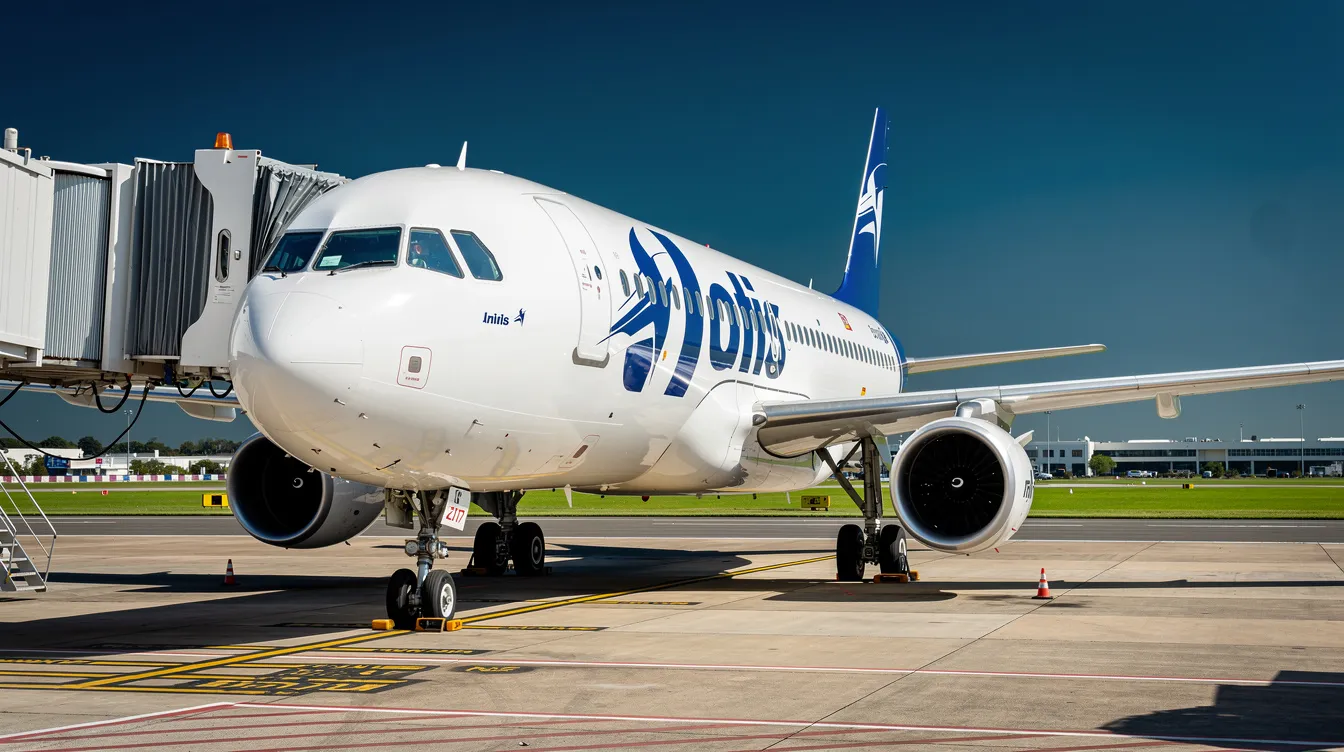
Optimized flight planning systems adjust routing and altitude in real time for favorable winds, saving up to 10% fuel.
Single engine taxiing at airports significantly reduces ground fuel use.
Transitioning airport ground support vehicles to electric power cuts emissions on the ground.
Continuous descent operations and performance-based navigation reduce emissions during flight.
|
Airline |
Fleet/Initiative |
Fuel Savings/Improvement |
|---|---|---|
|
Delta Air Lines |
Weight reduction, drag retrofits, speed optimization |
Saved 59M gallons of jet fuel (2025 vs. 2019) |
|
Frontier Airlines |
Young, efficient fleet |
Saved 168M gallons of fuel (2024) |
|
U.S. Airlines |
Fleet modernization since 1978 |
150% fuel efficiency improvement, 6.7B metric tons CO₂ saved |
Match passengers to right-size jets for each trip.
Avoid unnecessary positioning flights.
Combine trips via charter marketplaces like Jettly for better efficiency.
Learn more about how much fuel a private jet uses and why aircraft selection matters.
Sustainable aviation fuels are made from renewable feedstocks like waste oils. Produced from renewable feedstocks such as waste oils, agricultural residues, or captured carbon dioxide combined with green hydrogen, SAF can reduce emissions by up to 80% compared with conventional jet fuel. Sustainable aviation fuel could provide around 65% of the emissions reductions needed for net zero by 2050.
Less than 1% of jet fuel used today is SAF (EASA, 2024).
U.S. airlines plan to make 3 billion gallons of SAF available by 2030.
SAF can be blended up to 50% with conventional fuels; 100% SAF certification flights are ongoing.
SAF costs 2–4 times more than standard Jet A-1, but policy incentives aim to close the gap.
Qantas committed $50 million to SAF development by 2030.
Biofuels and synthetic e-fuels are in development, but feedstock availability and scale are bottlenecks.
Private jet operators at major airports are increasingly sourcing SAF.
Jettly customers can select SAF options where available.
Consider fuel costs for private jets when planning greener travel.
See Jettly's guide to aviation fuel and SAF for more details.

Newer aircraft models can burn up to 25% less fuel than the planes they replace, making fleet renewal one of the biggest levers green airlines have. Modern aircraft use lightweight materials like carbon-fiber composites and improved aerodynamics to enhance performance and cut fuel consumption.
|
Aircraft Model |
Fuel Efficiency Improvement |
Key Features/Notes |
|---|---|---|
|
Frontier A320neo (GTF engines) |
15–20% lower fuel burn per seat |
Largest A320neo fleet in U.S. |
|
Boeing 787 Dreamliner |
20–25% less fuel (vs. older widebodies) |
Composite structure, advanced engines |
|
Airbus A350 |
20–25% less fuel (vs. older widebodies) |
Composite structure, advanced engines |
|
Delta new aircraft (2025) |
27% greater fuel efficiency per seat mile |
38 new aircraft added |
New aircraft designs use winglets, smoother fuselage surfaces, and laminar flow wings for better aerodynamics.
Cabin weight reduction (light seats, no heavy magazines, lighter trolleys, less water) saves hundreds of kilograms per flight.
Airlines are retiring older planes for modern, fuel-efficient models.
In private aviation, efficient types like the Embraer Phenom 300E, Pilatus PC-12, and Gulfstream G500/600 are available through Jettly's network. See eco-friendly aircraft.
Many airlines now publish detailed climate roadmaps with milestones for 2030 and 2050, combining fleet renewal, SAF procurement, operational efficiency, and carbon offsets.
United Airlines targets net-zero emissions by 2050, focusing on direct reductions and carbon removal technology.
Delta Air Lines is investing $1 billion over 10 years in sustainability initiatives.
SAS aims to reduce carbon emissions by 25% from 2005 to 2030.
Major airlines are investing in electric and hydrogen-powered technology for future flights.
Carbon capture and removal strategies are part of the industry's net-zero plan.
Carbon offsets fund projects like reforestation and renewable energy, but scrutiny around offset quality is increasing.
Jettly offers emissions data and high-quality offset options through its carbon offsetting program.
AI-enabled flight planning minimizes fuel burn by adjusting for winds, congestion, and weather in real time.
Predictive maintenance and analytics keep engines efficient and reduce unplanned repositioning flights.
Digital booking platforms like Jettly match passengers with efficient aircraft and optimize schedules to limit empty legs.
OEMs and airlines use digital twins and simulations to test aerodynamic designs and lighter materials.
Jettly's private jet memberships help frequent flyers standardize greener aircraft choices.
Travelers have more influence than they think. Route choices, airline selection, cabin class, and charter decisions all affect per-person emissions.
Pick nonstop flights over multi-stop itineraries to burn less fuel.
Fly economy instead of premium to lower per-passenger emissions.
Choose airlines with modern fleets and published SAF programs.
Use carbon calculators and "fly greener" tools to compare emissions before booking.
Choose the smallest aircraft that meets your needs for efficiency.
Combine business meetings into a single multi-city itinerary to avoid extra trips.
Use Jettly's empty leg flights and on-demand inventory to reduce repositioning.
Consider sharing or crowdsourcing private jet seats to fill more seats per flight.
Look for voluntary carbon offsets at booking.
Select SAF add-ons at destinations where available.
Opt for greener ground transfers like rail links or EV chauffeurs.
Understand the trade-offs between shared charter flights and full charters to further reduce emissions.
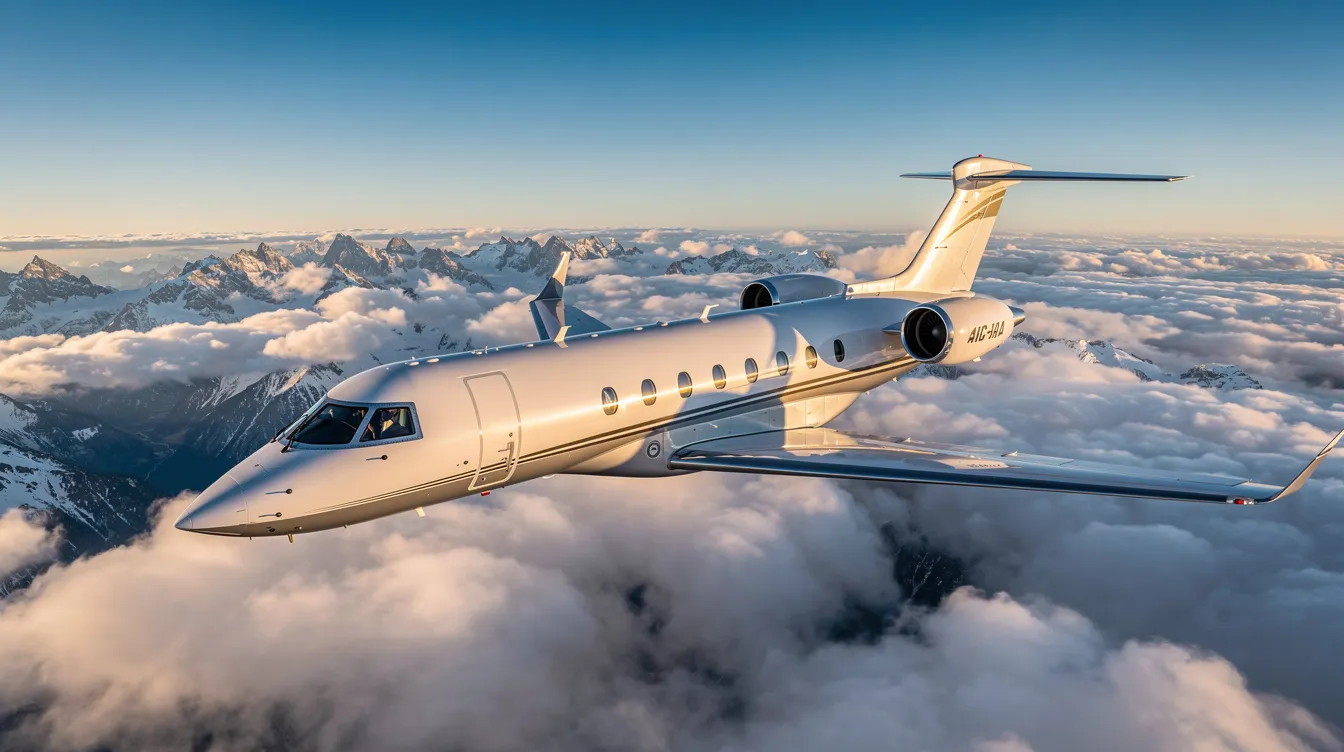
ICAO's long-term goal is net zero emissions by 2050 for international aviation.
The EU's Emissions Trading System and ReFuelEU mandates require increasing SAF blending (2% in 2025, 6% by 2030, 70% by 2050).
U.S. tax credits for SAF production support domestic scale-up.
Electric propulsion is being developed for short-haul flights.
Public-private partnerships are growing to co-fund SAF purchases and build a circular economy.
Business and private aviation participate through voluntary commitments and pilot programs at key airports.
U.S. airlines aim for net-zero emissions by 2050, aligning with global aviation targets.
These questions address what frequent flyers commonly ask about flying greener and using Jettly to reduce the impact of private air travel.
Carriers frequently cited for sustainability leadership include KLM, Alaska Airlines, JetBlue, United, Delta, and low-cost operators like Frontier with very fuel-efficient fleets. Rankings vary by route and region. The "greenest airline" for a particular trip often depends on aircraft type, load factor, nonstop availability, and whether SAF is supplied at that airport. Look for airlines with transparent emissions reporting and concrete interim targets for 2030—not just distant 2050 promises.
Traditional private jets usually produce higher emissions per passenger than full commercial economy flights. But the picture shifts when a small group would otherwise fly multiple separate commercial itineraries, when a very efficient turboprop or light jet is used for a short regional hop, or when empty legs are reduced via marketplaces like Jettly. Optimizing aircraft choice, routing, and load through a charter platform can narrow the gap, especially given the rapidly growing global fleet of private jets. In some mission profiles, a well-matched private charter can outperform poorly loaded commercial alternatives. Read more about private jet emissions and how to reduce them.
Yes. Customers can request emissions estimates for specific aircraft and routes and choose to purchase high-quality carbon offsets through vetted third-party providers. As SAF availability at business aviation airports grows, travelers can combine offsets with actual fuel reductions for a more credible path toward net-zero carbon emissions, especially when flying with top private jet charter companies that publish clear sustainability commitments.
Fly less often but stay longer at each destination. Choose nonstop flights and airlines with modern, fuel-efficient aircraft. Travel light to reduce weight on the planet and the plane. Offset residual emissions through verified programs. When chartering, use platforms like Jettly to right-size aircraft and avoid unnecessary repositioning flights; you can also explore practical ways to get a seat on a private jet that align cost, convenience, and greener choices. These incremental changes by frequent flyers—especially corporate travelers—add up to a measurable reduction over a year of trips.
Check for independently reviewed sustainability reports, third-party certifications, transparent emissions data, and clear interim targets for 2030. Look for concrete actions: documented SAF use, published fleet renewal plans, verifiable carbon offset projects, and investment in research and development. Avoid relying solely on slogans. An airline focusing on noise pollution reduction, waste minimization, and measurable fuel efficiency gains across its operations is more credible than one that leads with aspirational language and no public data, and platforms like Jettly position themselves as a flexible NetJets alternative with transparent operations.
Ready to fly greener on your next trip? Before booking, you can use Jettly's private jet charter cost estimator or jet card flight cost estimator to understand pricing, compare world-class jet card programs, and review one-flight cost breakdowns or broader guides on affordable private jet charter. Explore flight options or request a quote at https://www.jettly.com.
The aviation industry is making meaningful strides toward a greener future through a combination of sustainable aviation fuels, advanced aircraft technology, operational efficiencies, and digital innovations. While challenges remain, including scaling SAF production and reducing reliance on single-use plastics, airlines and private aviation platforms like Jettly are leading the way in reducing the environmental footprint of air travel.
For travelers, choosing greener airlines and smarter flight options can significantly lower carbon emissions. Jettly empowers private flyers to make these choices by providing access to efficient aircraft, reducing empty legs, and offering carbon offset programs. By embracing small changes and supporting companies committed to sustainability, passengers contribute to the broader reduction scheme that the aviation industry requires.
Ready to experience private travel that aligns with your environmental values? Explore flight options or request a quote at https://jettly.com/ and take a step toward flying greener on your next journey.
Share this post:
Jay Franco Serevilla
Aug 24, 2026
|
5
min read
Discover tips and trends in the industry.
5
min read
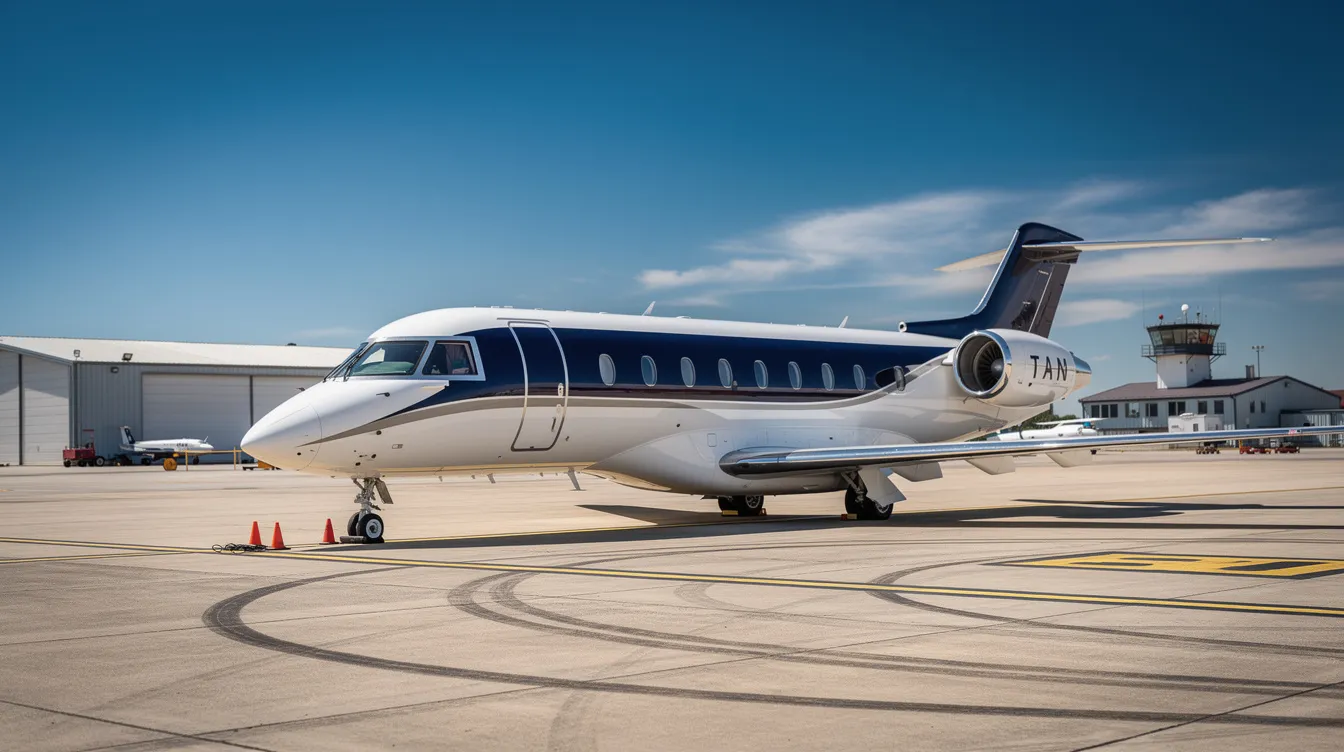
Jet It Cost: What Private Jet Travel Really Costs in 2026
In 2026, private jet rental costs range from $2,000 to $24,000 per flight hour, influenced by aircraft type and route. This guide provides insights into hourly rates, hidden fees, and cost-saving strategies, helping travelers choose the best access model for their needs. Jettly's digital marketplace offers instant pricing and transparency for private jet bookings.
Read More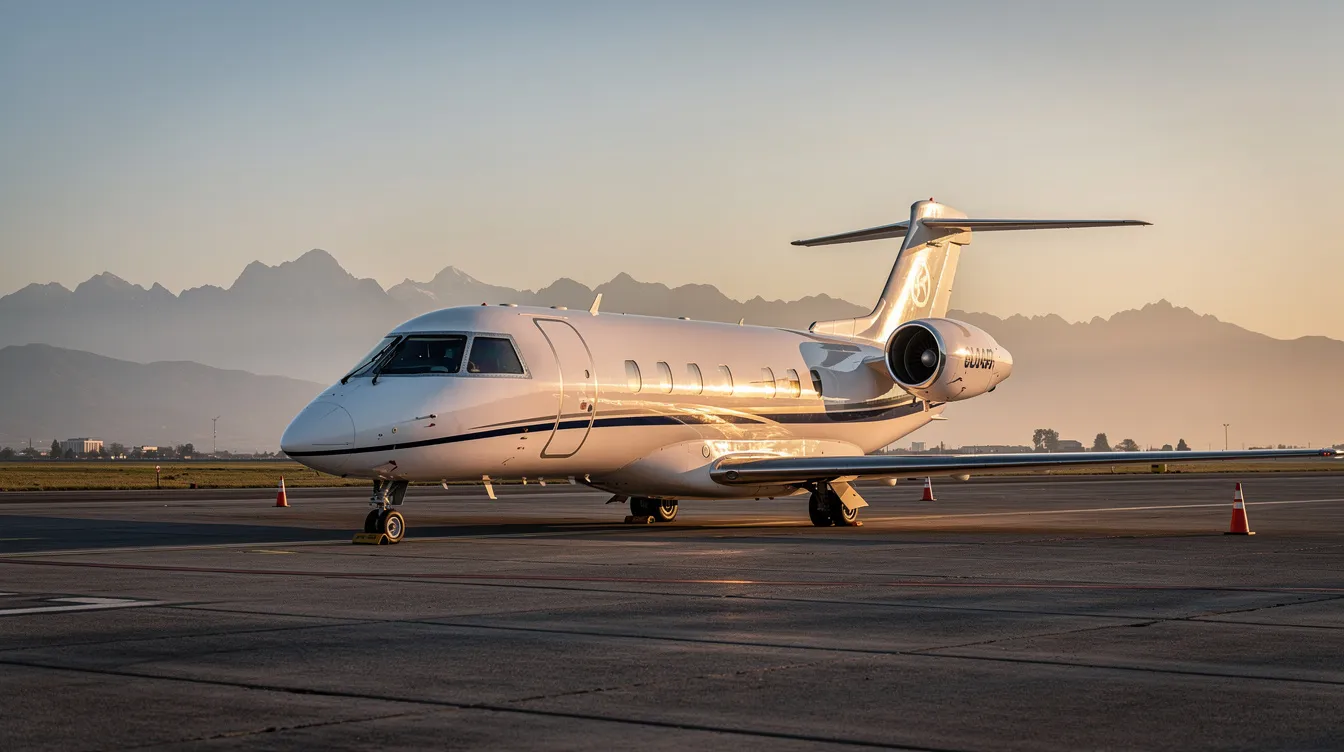
5
min read
Dassault Falcon 20F: Legacy Midsize Jet and Modern Charter Alternatives
The Dassault Falcon 20F is a notable midsize business jet that played a crucial role in defining the charter category from the 1970s to the 1980s. While it offers a rich history and solid performance, modern jets surpass it in efficiency, comfort, and technology. Today, platforms like Jettly provide access to newer alternatives that better meet the needs of private travelers.
Read MoreStay updated with our latest insights and tips to elevate your journey with us.
MEMBERSHIPS AND ASSOCIATIONS



Disclaimer: Jettly operates as a charter broker, offering access to a global digital jet charter marketplace. Jettly is not a direct air carrier and does not own or operate aircraft. All advertised flights are conducted by third-party air carriers that are fully licensed and hold the appropriate Part 135 or Part 121 certifications issued by the Federal Aviation Administration (FAA) or equivalent regulatory authorities under U.S. or foreign law. Jettly complies fully with the U.S. Department of Transportation's Part 295 and Part 298 Charter Broker regulations. Jettly does not carry additional liability insurance. Passengers are covered by aircraft operator insurance. TICO: 50023770


