


Login
Get Instant Pricing On 23,000+ Aircraft

>
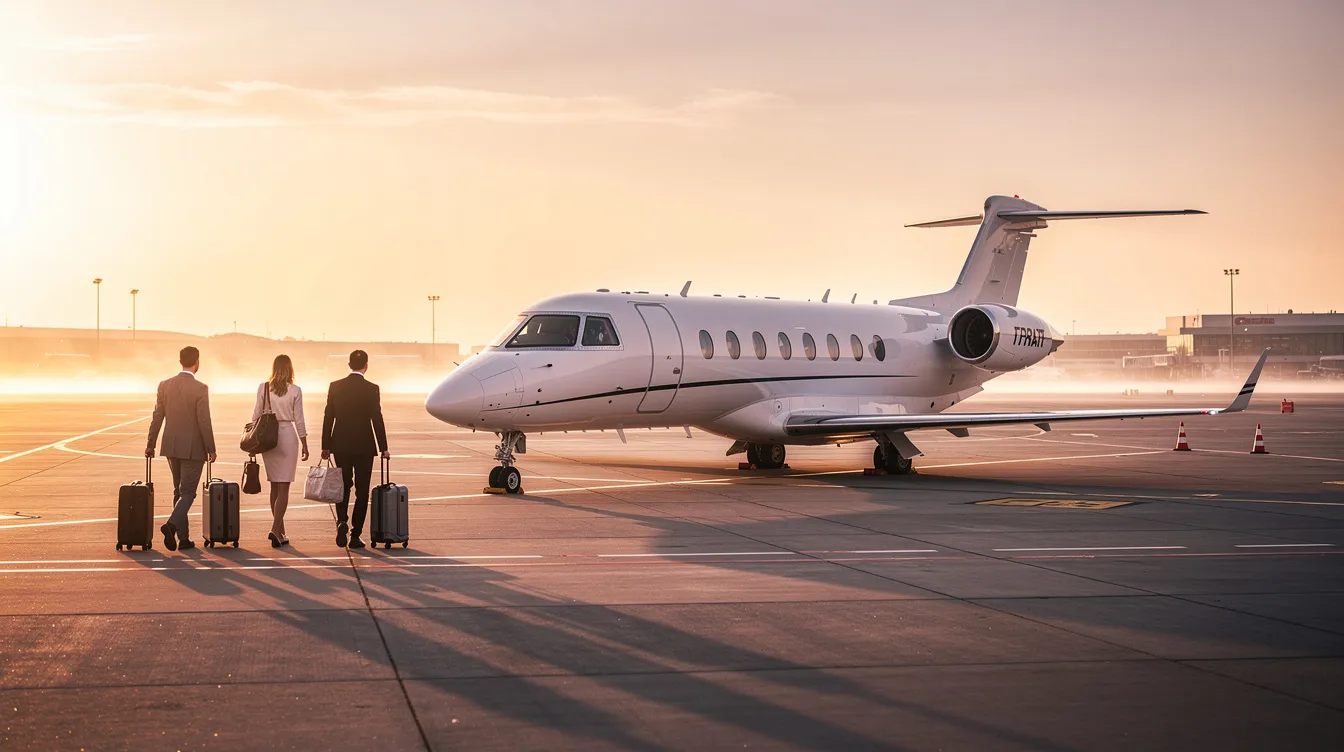
Whether it is a Tuesday morning dash to a client meeting or a last-minute weekend escape, hopping on a plane has become routine for millions of travelers. Yet "routine" rarely means "effortless." Between security lines, cramped seats, and jet lag, even experienced flyers can feel drained before they reach their destination. This guide breaks down everything from airplane etiquette and seat selection to hydration, packing, and the growing option of private jet charter—so the next flight feels less like an ordeal and more like a smooth part of the day.
This guide is for frequent business travelers, families, and anyone looking to make air travel—commercial or private—more efficient and comfortable.
"Hopping on a plane" covers a wide range of trips—from a busy economy hop on a commercial airline to a same-day, on-demand private jet booked through Jettly—and this article compares both experiences side by side.
Smart preparation in the 24 hours before departure (apps, documents, a lean carry-on) removes roughly 80% of typical airport stress.
Airplane etiquette basics matter right away: the middle seat passenger deserves both armrests, always let the window seat control the shade, keep devices quiet, and be polite to flight attendants and fellow travelers.
Seat choice—aisle vs. window seat vs. private jet cabin layout—combined with simple in-flight habits like hydration and movement, dramatically reduces jet lag and post-flight fatigue.
Later sections show how private jet charter via Jettly bypasses many commercial pain points entirely, from security lines and rigid schedules to overhead bins and middle seats.
Picture two scenes at 7:00 a.m. on the same Monday. In the first, a traveler joins a line of a large number of passengers at JFK Terminal 4, shuffling toward security with luggage in tow. In the second, a small group drives up to a fixed-base operator ten minutes from home, walks across the tarmac, and boards a light jet that departs the moment everyone is seated. Both travelers are heading to Los Angeles. Both are hopping on a plane. The experience could not be more different, and understanding the broader landscape of private and charter airlines helps explain why.
Hopping on a plane refers to taking a flight, often on short notice or as part of a routine trip, whether on a commercial airline or a private jet.
Today, "hopping on a plane" usually refers to short-notice, often routine flights—client meetings, family events, last-minute weekend trips—rather than once-a-year vacations. Most people book these flights quickly and expect the process to be simple.
Modern travelers are split between commercial airlines and private jet charter. Jettly sits in the digital on-demand private category: no aircraft ownership, no long-term contracts, just instant pricing and a wide aircraft selection through a single platform, while still focusing on affordable private jet charter strategies that keep costs in check. This article blends practical airplane etiquette and comfort tips with a clear look at when private aviation is worth considering.
The booking experience sets the tone for the entire trip.
Commercial flights typically reward advance planning. Search aggregators surface fare classes, and travelers compare economy, premium economy, business, and first class. Booking two to eight weeks ahead usually yields the best prices. Last-minute commercial fares, of course, tend to jump. For guidance on timing, resources like When Is Best to Book Flights break down seasonal trends.
Private jet charter through Jettly works differently. Travelers enter a route (say, New York to Miami), dates, and passenger count. The platform returns instant pricing across available aircraft—light jets, midsize jets, turboprops—so the person booking can compare options and pay online without a broker call, similar to how broader aircraft rental works from start to finish. Learn more in the How to Book a Private Jet guide.
A key difference is price transparency. Commercial fares often hide extras—checked bags, seat selection, change fees—that inflate the final bill. Jettly's quotes bundle aircraft, crew, and core services so travelers see the full cost up front, and anyone budgeting their travel can dig deeper into how much private jets really cost across ownership and charter models.
When does a private charter make sense for a quick hop?
Same-day client meetings where a rigid airline schedule does not fit
Multi-city roadshows (visiting three cities in one day)
Family or group trips from smaller airports closer to home, especially when using accessible ways to get a private jet seat, such as memberships, empty legs, or group bookings
Destinations poorly served by direct commercial routes, where buying a single seat on a private jet can beat a full charter for cost-conscious travelers
Most travel stress happens before a traveler ever finds a seat. A short checklist can prevent nearly all of it.
Documents to have ready:
Passport for international flights (valid at least six months beyond the travel date)
Government-issued photo ID for domestic U.S. or Canada flights
Visas or electronic authorizations (ESTA, eTA) are required
Timing guidelines:
Arrive at least 2 hours early for domestic flights and 3–4 hours early for international flights at commercial airports.
Peak periods (summer, holidays) may require arriving even earlier.
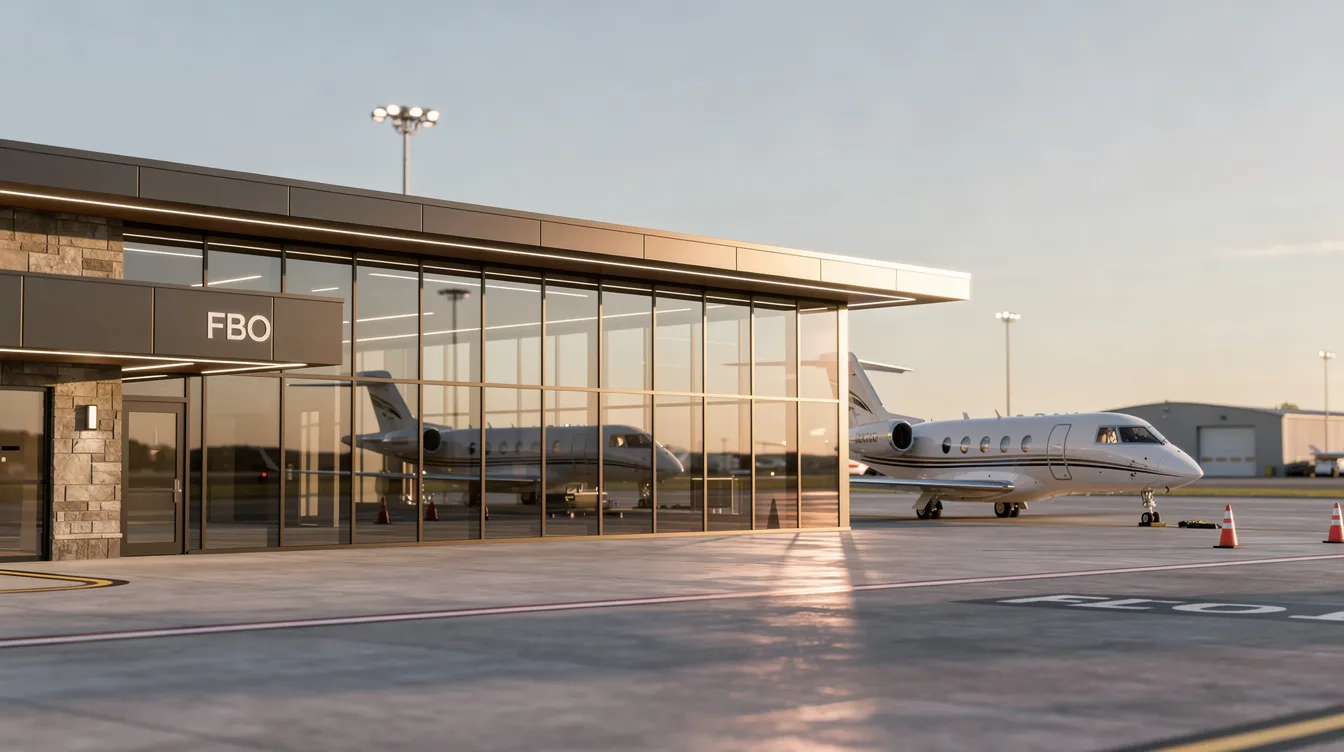
For private jet travel through Jettly, arrive 20–30 minutes before departure at the FBO. Security screening is integrated, and there are no long lines.
Digital tools that save time:
Check in online 24 hours before your flight for convenience.
Download your airline's app for easy check-in and use a digital boarding pass on mobile devices if allowed by the airline.
Monitor airport screens for gate changes after security screening. Airport staff are available to assist travelers with questions or directions if anything looks off.
Boarding typically begins 30–50 minutes before departure.
Wear comfortable shoes that are easy to take off at security screenings.
The goal is to move quickly through security, protect valuables, and stay comfortable in the airplane cabin.
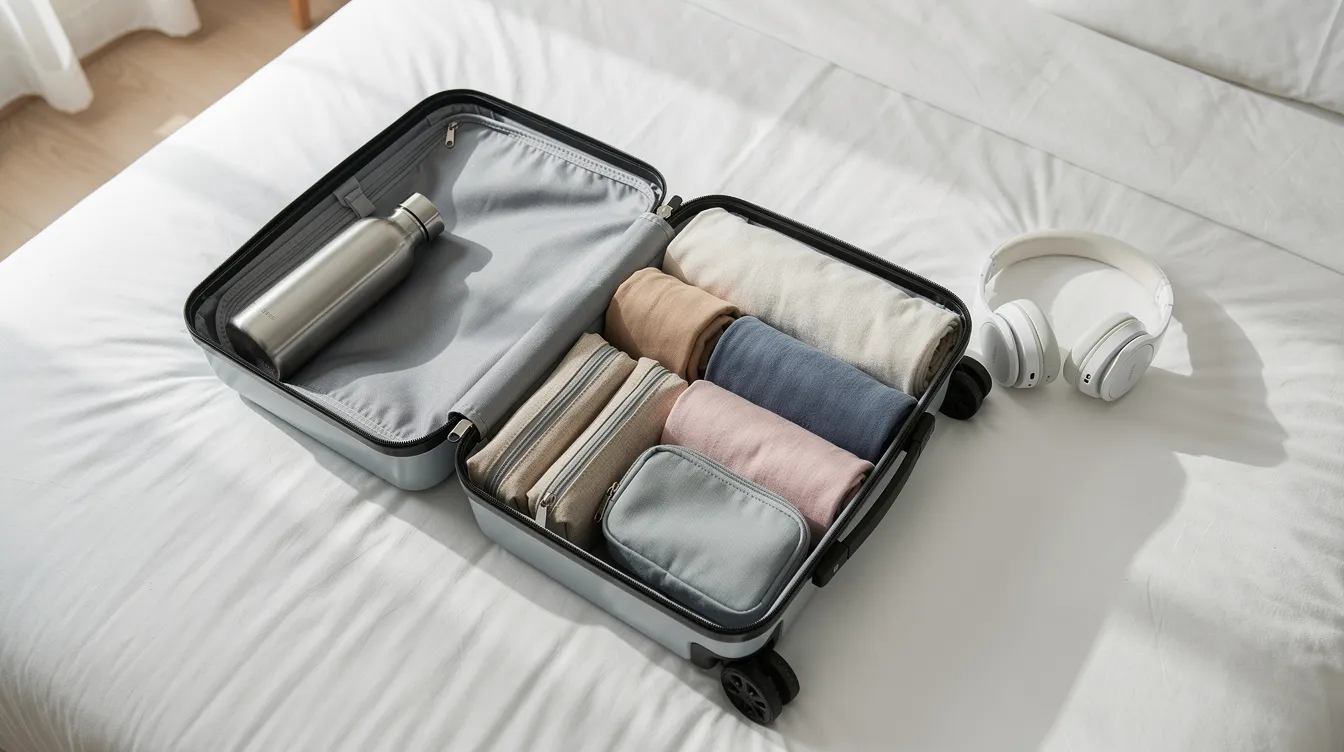
Carry-on strategy for commercial flights:
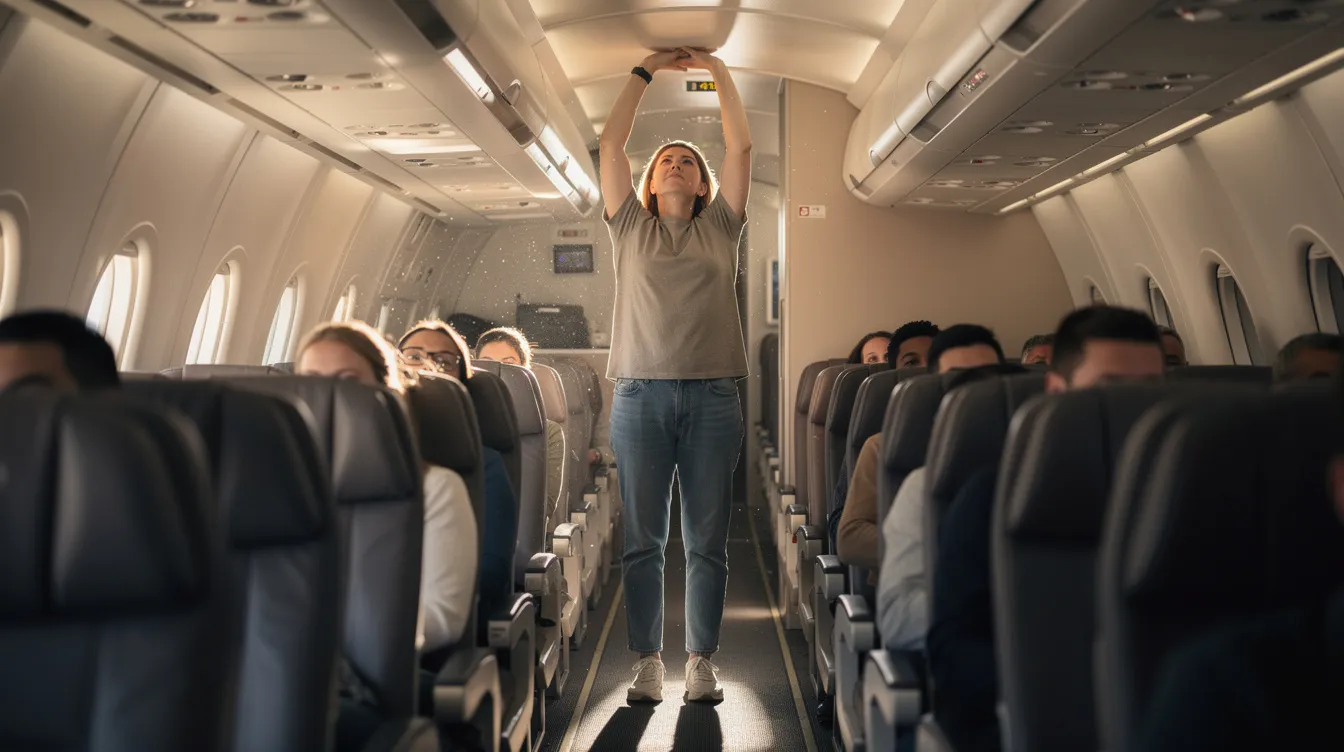
Carry-on luggage should be stored in the overhead bin or under the seat in front.
One roller bag (check your bag's dimensions to meet airline limits) plus a personal item.
Pack laptop and liquids for fast removal at security. Remove laptops and liquids from bags for security screening.
Ensure liquids in carry-on bags are 3.4 oz (100 ml) or less, all in a clear quart-sized bag.
Use the airline app to check your seat map before boarding so you can avoid noisy areas near galleys.
Comfort items are worth the space:
Compact neck pillow and eye mask
Noise-canceling headphones
A refillable water bottle (traveling with an empty reusable bottle allows for hydration after passing security)
A small pouch with moisturizer, lip balm, and saline eye drops—pack a travel-sized moisturizer to combat low humidity
Non-negotiable cabin bag contents:
Prescription medications in original containers
Phone and laptop chargers
A change of clothes for longer itineraries
Keep essential items like medications and electronics in your carry-on. Never place them in checked luggage or external cargo holds. Keep extra stuff off the floor so your space stays clear and comfortable. And wear comfortable shoes that are easy to take off at security screenings—standing in line barefoot is nobody's idea of a good time.
Where you sit heavily influences how pleasant hopping on a plane feels, especially on flights over three hours.
Window seat advantages:
Better sleeping conditions with the wall to lean against
Full control of the shade (and always let the window seat control the window shade—that is basic airplane etiquette)
Less disturbance from the person sitting next to you
A slightly reduced turbulence sensation when seated over the wing
Aisle seat advantages:
Easy access to the lavatory and overhead bins
Better for passengers who like to walk and stretch their legs
Faster deplaning when the plane lands
The middle seat reality:
The middle seat is the most cramped and least desirable spot in any row. A widely accepted airplane etiquette rule: the middle seat passenger deserves both armrests. The aisle gets the outer armrest, the window gets the wall side, and the person in the middle gets both interior armrests as fair compensation.
Private jet cabins change the equation entirely. There is no true middle seat. Club layouts, sofas, and flexible seating let passengers seated in private cabins move freely without disturbing anyone. When selecting aircraft via Jettly, travelers can compare cabin layouts and seating styles across different aircraft types and even coordinate custom in-flight catering for private jets to match the tone of the trip.
Good airplane etiquette keeps small annoyances from becoming major conflicts, whether flying economy or sharing a small private jet with colleagues.
Armrest rules (restated for emphasis):
Aisle passenger: outer armrest
Window passenger: wall-side armrest
Middle seat: both interior armrests
Window shade etiquette: The window seat passenger has primary control. But be considerate—if people sitting nearby are clearly trying to sleep, lower the shade.
Noise rules:
Keep your voice down to avoid disturbing others.
Don't play music or videos without headphones.
Avoid attempting to chat with someone wearing headphones or visibly working.
Smell etiquette: Avoid strong food in the cabin. Keep shoes on if feet tend to smell. Use light fragrances only. This matters even more in smaller private cabins where air volume is limited.
Reclining etiquette: Recline your seat gently and return it upright for meals. Skip the full recline on very short flights. On longer legs, recline slowly and check if the person behind is eating or working before going fully back.
General rules: Always be polite to flight attendants and fellow passengers. Never take someone else's bag from the overhead compartment. And forget about rushing the aisle the moment the seatbelt sign turns off—patience makes deplaning smoother for everyone.
Flight attendants are trained first for safety, then for service. Respecting their role makes every journey smoother.
When to call a flight attendant:
Medical issues on board
Seat conflicts that cannot be politely resolved between passengers
Disruptive behavior nearby
Questions about turbulence and safety instructions
Safety briefings are mandatory and should always be attended, even by frequent flyers who have heard them dozens of times. The crew manages safety first and comfort second.
Polite interaction basics: Say "please" and "thank you." Comply quickly with seatbelt and electronics requests. Avoid venting frustration about delays to the crew—they did not cause the weather.
On private flights, cabin attendants can customize catering, adjust lighting and cabin temperature, and coordinate ground transportation upon landing. Jettly works only with certified operators, so safety briefings, seatbelt use, and crew instructions carry the same weight on a private jet as on a commercial airliner.
Cabin pressure at cruising altitude sits roughly between 6,000 and 8,000 feet. Airplane cabin humidity is only around 10% to 20%. Together, these conditions pull moisture from the body faster than most travelers realize.
Hydration:
Drink a glass of water every hour in-flight. Repeat: drink a glass of water every hour while flying.
Avoid alcohol to prevent dehydration during flights. Caffeinated sodas have a similar effect.
Fill your refillable bottle after clearing security and top it up whenever the crew offers water.
Movement:
Simple in-seat movements every 30–60 minutes: ankle circles, calf flexes, foot tapping.
Stretch your legs every few hours to improve circulation.
Wear compression stockings if you have risk factors for blood clots, and consult a doctor before long flights if there is a prior clotting history.
Clothing:
Stretchy, layered pieces handle temperature swings from cool cabins to warm jet bridges.
Shoes that slip on and off easily (no laces to fight at security or in a cramped row).
Carry-on luggage should be stored in the overhead bin or under the seat in front—keeping the space at your feet clear makes it easier to move around.
On private jets, passengers can usually move more freely and adjust the cabin temperature in a short period, making comfort control far simpler on longer hops.
Jet lag stems from crossing multiple time zones quickly, disrupting the body's internal clock more than the act of flying itself. Eastward trips tend to hit harder than westward ones because the body finds it easier to extend the day than to shorten it.
Before the flight:
Adjust sleep and meal times gradually in the 2–3 days before long east-west trips. Even shifting bedtime by one hour per day in the same direction as the destination helps.
Take a few deep breaths and avoid the temptation to stay up late "just one more night" before departure.
During the flight:
Stay hydrated and move regularly.
A window seat helps control light exposure and lets you sleep undisturbed.
Turbulence is a normal part of flying and can feel unsettling, but it rarely lasts long—take deep breaths, trust the pilot, and try to rest through it.
On arrival:
Seek bright daylight in the morning. Avoid bright screens at local bedtime.
Avoid naps longer than 20–30 minutes so the body adjusts to local time faster.
Private jets can time departures more precisely—for example, an overnight flight that lands at 8:00 a.m. local time—and offer quieter cabins for real sleep. Fewer connections also mean less fatigue from waiting in terminals between legs. The CDC's jet lag guidance offers additional evidence-based strategies for travelers crossing five or more time zones.
Commercial aviation is one of the safest forms of transportation. But frequent hops add up over a year, so small health habits matter.
Hygiene practices:
Use disinfecting wipes on your airplane seat, tray tables, armrests, and seatbelt buckles before settling in.
Use hand sanitizer before eating. Avoid touching your face unnecessarily.
Medications and records:
Carry all prescription medications in original containers in your cabin bag.
Keep a printed or digital list of conditions, allergies, and emergency contacts.
Ear and sinus discomfort:
Avoid flying with a severe cold if possible.
Chewing gum, swallowing, or yawning during takeoff and landing helps equalize pressure.
Private FBOs and smaller cabins typically involve fewer touchpoints and crowds, which some travelers value for infection control and privacy. But the same sound hygiene habits apply regardless of how you board, whether you are flying with an industry leader like NetJets private aviation services or an on-demand charter platform.
Private jet charter removes many of the friction points that slow commercial travel: long security lines, rigid boarding groups, crowded cabins, and the wait for carry-on bags at baggage claim, especially when you can choose from a wide selection of private charter aircraft tailored to your route and group size.
A typical Jettly journey looks like this:
Book online with instant pricing—private jet charters offer access to over 20,000 aircraft worldwide.
Drive up to an FBO, park close, and walk a few steps to the aircraft.
Depart once everyone in your party is on board. No boarding groups. No gate announcements.
Private jet travel provides greater flexibility compared to commercial flights. Choose your own schedule, fly from smaller airports on the other side of town (closer to home or the meeting), and adjust timing if plans shift; frequent travelers may benefit from flexible private jet memberships that streamline repeat bookings.
Common aircraft for quick hops:
|
Aircraft Type |
Passengers |
Best For |
|---|---|---|
|
Light jet / VLJ |
4–8 |
Short routes (LA–Vegas, Toronto–Montreal) |
|
Midsize jet |
7–9 |
Mid-range, stand-up cabin |
|
Heavy / ultra-long-range |
10–16 |
Transcontinental, Europe, international |
|
Turboprop |
4–9 |
Short runways, regional hops |
For more detail on smaller aircraft, the Small Aircraft Guide is a helpful starting point. And for those new to charter, the First Time Flying Private Jet Guide explains what to expect at every step.
Private jet charters eliminate the need for traditional jet cards or fractional ownership. Instant pricing is available for private jet rentals, and luxury travel options remain a key feature. Jettly also supports travelers interested in environmental awareness, modern, efficient aircraft, optimized routing, and the option to explore carbon-offsetting programs where available, while resources on private jet operating costs help owners and frequent flyers understand the financial impact of those choices.
This section is a quick comparison—not a sales pitch—to help business travelers and families decide when a private charter may be justified, and understanding what drives a single private flight cost makes those comparisons far more concrete.
Time savings: Skipping check-in lines, security queues, and boarding groups can save one to three hours per leg at busy hubs like LAX, JFK, or Heathrow. A study of Asian organizations found that 94% reported saving two to three hours per journey by using business aircraft instead of commercial flights, a theme echoed in many reviews of top private jet charter companies used by busy executives.
Productivity: Private cabins function as flying meeting rooms. Sensitive conversations, high-value work, and uninterrupted family time all benefit from the privacy and space that commercial economy—or even business class—rarely offers, which is why many frequent flyers evaluate the best jet card programs to lock in predictable access.
Scenarios where the math works:
A team of six visiting two cities in one day (per-person cost may rival business class) and may justify enrolling in a corporate jet card program for consistent rates
A late-night return flight that avoids a hotel night and half a lost workday
Routes where commercial connections add hours of wait time, where choosing a flexible NetJets alternative like Jettly can reclaim much of that lost day
Curious about actual numbers? The Private Jet Cost Calculator lets travelers input their specific route and group size for a realistic estimate or use a jet card flight cost estimator to see how fixed-rate programs compare. For broader pricing context, the How Much Does Renting a Private Jet Cost page breaks down hourly ranges by aircraft category. And travelers looking for value should explore Empty Leg Flights, which can cut charter costs by 25–75%.
Use this as a screenshot-ready checklist before any flight, commercial or private.
Night before:
Confirm departure time, terminal, and gate (or FBO details on Jettly)
Check in via the airline app or verify charter confirmation
Charge all devices
Lay out passport/ID, boarding pass, and travel documents
Departure day:
Leave home with a time buffer for traffic
Verify security wait times at the airport
Fill your water bottle after clearing security
Send arrival details or ETA to your pickup contact
Boarding typically begins 30–50 minutes before departure, so don't grab food at the same spot across the terminal with ten minutes to spare
In the cabin:
Stow the bag efficiently in the overhead bin or under the seat in front
Fasten your seatbelt whenever seated
Respect airplane etiquette (armrests, noise, shade)
Hydrate every hour
Stand and stretch when the seatbelt sign allows
When the plane lands, stay calm, wait your turn, and let passengers seated ahead of you deplane first
With a bit of planning—and, where it makes sense, the flexibility of private jet charter via Jettly—hopping on a plane can feel simple, predictable, and even amazing. Ready to experience private travel on your terms? Explore flight options or request a quote at jettly.com.
Asking politely is perfectly acceptable if there is a clear reason—keeping children together, sitting near a travel partner, or accommodating a medical need. The key rule: only propose a swap that is equal or better for the other person. Offering a window seat for a middle seat is fair. Asking someone to give up an aisle for your middle seat is not. If the person declines, accept it gracefully and move on.
Most private departures recommend arriving 20–30 minutes before scheduled takeoff. Check-in is minimal, and security screening is handled at the FBO. That said, travelers should always follow the exact timing instructions provided in their Jettly confirmation, especially for international departures where customs processing may add a few extra minutes.
On commercial flights, a window seat over the wing is often the strongest choice. It feels slightly more stable during turbulence, allows full control over the shade for sleep, and avoids aisle disturbances from fellow travelers and the service cart. On private jets, the focus shifts to choosing a seat—or sofa—where you can recline comfortably and control lighting on your own terms.
The core manners stay the same: respect space, keep noise reasonable, and follow crew instructions. The difference is social context. On private jets, passengers usually know each other and can agree as a group on things like music volume, cabin temperature, and window shades. There is more space to move, fewer strangers, and a friendlier dynamic—but common courtesy still counts.
Reputable platforms like Jettly work only with licensed operators that meet regulatory standards, such as FAA Part 135 certification in the U.S. or equivalent authorities elsewhere. Travelers can ask for proof of operator certification, recent safety audits, and accident records before confirming a flight. If an operator cannot provide these quickly, that is a clear red flag to jump to a different option.
Hopping on a plane no longer needs to be a stressful or tiring experience. Whether flying commercial or choosing the convenience of private jet charter through Jettly, thoughtful preparation, understanding airplane etiquette, and prioritizing comfort can transform travel into a seamless part of your day. With Jettly’s transparent pricing, instant booking, and wide aircraft selection, travelers gain flexibility and time savings that traditional airlines cannot match. Embracing these strategies ensures every flight feels efficient, comfortable, and tailored to your needs. Ready to experience private travel on your terms? Explore flight options or request a quote at https://www.jettly.com.
Share this post:
Jay Franco Serevilla
Jul 11, 2026
|
5
min read
Discover tips and trends in the industry.
5
min read
What Airline Has the Most Crashes 2026 (And What That Really Means for Air Travel Safety)
In 2026, no major airline has been identified as having the most crashes, with serious incidents primarily involving smaller operators. Despite 61 reported crashes resulting in 397 fatalities, commercial flying remains one of the safest modes of transportation due to stringent regulations and advanced safety technologies. Understanding aviation safety statistics is crucial for travelers to make informed decisions about their air travel options.
Read More
5
min read
Survival Rate of Plane Crashes: What the Data Really Shows
The survival rate of plane crashes is significantly higher than commonly believed, with around 90% of accidents being survivable. Factors such as seat location, crew training, and aircraft design play crucial roles in enhancing safety. By choosing regulated operators like Jettly, travelers can further ensure high safety standards in private aviation.
Read MoreStay updated with our latest insights and tips to elevate your journey with us.
MEMBERSHIPS AND ASSOCIATIONS



Disclaimer: Jettly operates as a charter broker, offering access to a global digital jet charter marketplace. Jettly is not a direct air carrier and does not own or operate aircraft. All advertised flights are conducted by third-party air carriers that are fully licensed and hold the appropriate Part 135 or Part 121 certifications issued by the Federal Aviation Administration (FAA) or equivalent regulatory authorities under U.S. or foreign law. Jettly complies fully with the U.S. Department of Transportation's Part 295 and Part 298 Charter Broker regulations. Jettly does not carry additional liability insurance. Passengers are covered by aircraft operator insurance. TICO: 50023770


