



Login
Get Instant Pricing On 23,000+ Aircraft

>

If you have searched "how many planes crashed this year," you are not alone. Every headline about a plane crash raises understandable questions about aviation safety. The good news is that 2026 continues a decades-long trend of safer skies, even as raw accident numbers can look alarming without context. This article breaks down the latest data, separates general aviation incidents from commercial and charter operations, and explains what the numbers actually mean for anyone planning to fly.
As of approximately October 2026, here is where aviation safety stands based on preliminary data from the National Transportation Safety Board, international databases, and industry reports:
Over 600 aviation accidents were recorded in the U.S. by September 2026, with the vast majority involving small, single-engine general aviation aircraft rather than commercial airlines or business jets.
Worldwide databases show over 143 major aviation occurrences and 254 fatalities in 2026 so far, a figure that remains consistent with the long-term downward trend in fatal accident rates.
In 2025, there were 101 commercial airliner accidents globally, of which only 12 were fatal, resulting in approximately 420 passenger and crew deaths across tens of millions of flights.
Approximately 80% of aircraft accidents involve personal planes, not large airlines or professionally operated charter flights.
Travelers using regulated private jet charter platforms like Jettly fly under strict safety oversight. Fatal accidents on commercial-style and business-jet operations remain extremely rare. For more on charter safety standards, see Jettly's guide on private jet safety ratings.
So how many planes crashed this year? Based on preliminary NTSB summaries and international databases through about October 2026, the answer depends heavily on what counts as a "plane crash." Over 600 aviation accidents were recorded in the U.S. by September 2026. One aggregated NTSB dataset lists roughly 1,246 U.S. aviation accident or incident reports for 2026 to date, including approximately 225 fatal accidents resulting in about 508 fatalities.
Those figures sound large. But the overwhelming majority involve single-engine general aviation aircraft used for recreation, training, or personal transportation. Scheduled commercial airline crashes remain vanishingly rare.
Globally, worldwide databases show over 143 major aviation occurrences and 254 fatalities in 2026. Major incidents in 2026 included a Colombian military plane crash resulting in 69 fatalities. Military aviation often experiences high-fatality incidents during accidents, and those events skew overall counts. Other notable events included the SATENA Flight 8849 Beechcraft 1900D crash in Colombia in January (15 killed) and the Jazz Aviation CRJ-900 collision at LaGuardia in March (two pilots killed).
It is important to understand that "plane crash" in this context generally includes accidents with substantial damage or hull loss, not every precautionary diversion or minor incident. Final numbers for 2026 will not be confirmed until the NTSB and international authorities close investigations and publish year-end summaries.
How does 2026 compare to recent years? Here is a simplified comparison based on available data:
|
Period |
Total U.S. Crashes (approx.) |
Fatal Crashes |
Fatalities |
|---|---|---|---|
|
Full year 2024 |
1,417 |
258 |
~400+ |
|
Jan–Apr 2025 |
153 |
13 |
~30+ |
|
Jan–Sep 2026 |
600+ (by Sept) |
~225 (YTD, through Oct) |
~508 (YTD) |
In 2024, the U.S. recorded approximately 1,417 plane crashes, with 258 fatal plane crashes. As of April 2025, there had been 153 plane crashes in the U.S., with 13 fatal crashes reported. The NTSB reported 153 plane crashes in the U.S. in 2025 by that same April window.
The year 2025 saw a spike in public attention because of the January 29 mid-air collision near Washington, D.C., which dominated headlines and raised serious safety concerns about airspace management. In contrast, 2026 has so far featured smaller, more dispersed events with fewer deaths per individual accident.
The long-term trend continues downward when adjusted for the number of flights. Fatal accident rates have been declining globally over the past decade, reinforcing that aviation safety is improving despite headline events. These figures include personal, instructional, and business aviation, but heavy commercial airline and larger aircraft crashes remain very rare.
Globally, the number of fatal commercial airline crashes in 2026 so far appears to fall in the range of five to ten, depending on classification. That figure is consistent with recent patterns: in 2025, there were 12 fatal commercial airliner accidents out of approximately 101 total commercial airliner accidents, according to the Flight Safety Foundation. In 2024, there were about 140 commercial airliner accidents, with 15 fatal.
To put this in perspective, there were seven deadly plane crashes involving commercial operations in 2024. And in 2023, there were no commercial jet crashes with fatalities at all, making it one of the safest years on record.
High-profile 2025 cases, such as the Air India 171 Boeing 787-8 fatal crash shortly after takeoff from Ahmedabad, showed that catastrophic events still occur, and they also followed other recent global tragedies, including crashes in Kazakhstan and South Korea. However, 2026 has not yet seen a disaster of that scale. Most 2026 commercial incidents involve runway excursions, hard landings, or contained engine failure events without loss of life. Aircraft mishaps can involve runway overruns and significant damage without fatalities.
Many global business-jet and charter flights, including those arranged through Jettly, operate under the same ICAO and national safety frameworks as airlines, ensuring consistent oversight.
Reader anxiety often focuses on fatal crashes. Understanding where 2026 sits relative to history helps put the numbers in perspective.
Over the past 10 to 15 years, typical annual ranges look like this:
Fatal airline crashes worldwide: Usually 6 to 20 per year, depending on how "airline" is defined.
Total aviation fatalities (all categories): Hundreds to low thousands globally, but for scheduled airlines alone, deaths typically fall under 400 in a recent year.
U.S. general aviation fatal accidents: Historically in the hundreds annually.
U.S. Part 121 (scheduled airline) fatal accidents: Often zero or very few per year.
Peak fatal accident years in modern times, such as 2014 and 2015, included events like Malaysia Airlines Flight 17 (shot down over Ukraine) and the Germanwings deliberate crash. In 2014, regulations increased after Malaysia Airlines Flight 370's disappearance, prompting sweeping changes to aircraft tracking standards. Even those worst-case years still represented a tiny fraction of overall flights.
Fatal accident statistics often exclude deliberate acts like terrorist attacks or hostile shoot-downs when calculating technical safety rates. When you strip those out, the underlying mechanical and operational safety trend is even more favorable.
The current year, 2026, appears broadly consistent with or slightly safer than this recent historical baseline.
Yes. Commercial air travel remains statistically one of the safest forms of transit globally. In 2025, billions of passenger journeys were completed with only a handful of fatal accidents, and preliminary 2026 data continues that pattern.
The chance of dying in a plane crash is approximately 1 in 13.7 million. To put that in everyday terms, you would need to fly every single day for over 37,000 years before the statistics suggest a fatal outcome.
Here is what shapes the risk picture:
Approximately 80% of aircraft accidents involve personal planes, not major airlines or professionally crewed business jets.
The global general aviation fatal accident rate is approximately 0.52 accidents per 100,000 flight hours, far more serious than the rate for scheduled airlines.
Air travel is one of the safest transportation methods. U.S. highway deaths number roughly 40,000 per year, while all U.S. aviation fatalities combined typically stay under 600.
Private jet charter flights operated under Part 135 or international equivalents follow rigorous maintenance and crew training standards, and understanding how Part 135 charter companies work and why they matter can further clarify the safety picture. Jettly checks operator credentials when sourcing aircraft for its network. For a deeper look, see Comprehensive Private Plane Safety Statistics and Insights.
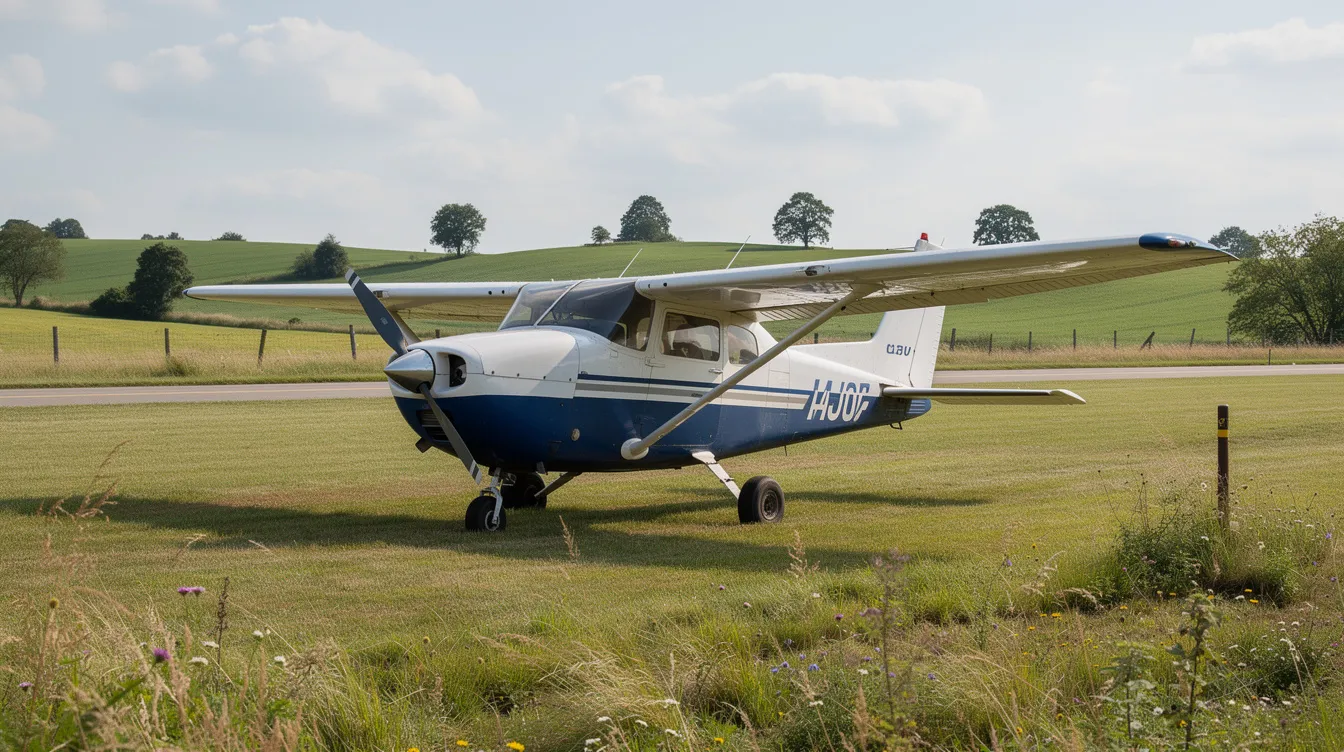
How many planes crashed this year depends heavily on aircraft category. The breakdown matters because a Cessna 150 training flight and a Boeing 777 crossing the Pacific face entirely different risk profiles.
General aviation accounts for the majority of NTSB-investigated aviation accidents. Here is how the accident share typically breaks down:
Single-engine piston (training and recreational): The largest share by far. Aircraft like the Cessna 172, Piper Cherokee, and similar small planes account for the bulk of NTSB reports each year.
Air taxi and charter (Part 135): A small fraction of total accidents. Fatal accident rates are significantly lower than personal GA flying.
Regional and mainline airlines (Part 121): Extremely rare in the U.S. Most years see zero or one fatal crash.
Cargo aircraft: Occasional hull losses, sometimes involving older airframes.
Business jets and turboprops flown on charter operations have far lower accident rates, comparable to regional airlines, because of professional crew members and structured maintenance programs. Highly publicized airline crashes, like an Airbus aircraft breaking apart or a fatal crash involving a major carrier, can distort perceptions even though they are a small subset of all aviation accidents.
Understanding why planes crash is just as important as knowing how many. Here are the major contributing factors seen in 2024 through 2026 accident reports:
Pilot error: The single most common factor, present in roughly 60 to 80 percent of GA accidents.
Engine failure and other mechanical issues: Including dual engine flameout events, left engine shutdowns, and cases where engines failed during critical phases.
Weather: Severe turbulence, icing, low visibility, and thunderstorms, particularly dangerous for smaller private aircraft flying under visual flight rules.
Improper maintenance: Missed inspections, poor maintenance practices, and deferred repairs.
Air traffic control or navigation errors: Rare but consequential, especially in congested airspace where air traffic controllers manage dozens of aircraft simultaneously.
Mid-air collision events: Uncommon but almost always fatal when they occur.
Many crashes result from a chain of factors. A pilot attempted to land in marginal weather, combined with a mechanical malfunction and the crew's failure to execute a go-around. Modern safety systems and training, including crew resource management, are designed to break those chains before a fatal accident occurs.
Pilot error remains a leading primary or contributing cause in aviation accidents, including some of the deadliest plane crashes in history. Pilot training deficiencies are linked to many aviation incidents.
What counts as pilot error covers a wide range:
Misjudged approach or steep descent into terrain
Fuel mismanagement where an aircraft experienced fuel starvation
Incorrect response to a fire alarm or engine warnings
Spatial disorientation, where a pilot attempted to maintain control but lost situational awareness
Poor decision-making under stress, such as continuing flight into deteriorating weather
Historical examples illustrate different types of human factors issues. The Germanwings 4U 9525 crash was a deliberate act by a co-pilot. The Charkhi Dadri mid-air collision involved altitude deviation by one aircraft. American Airlines Flight 587 involved aggressive rudder use by the crew. In each case, the crew's inability to respond correctly or the absence of cross-checks contributed to disaster.
Modern mitigations include enhanced simulator training, stricter medical and psychological screening, cockpit automation training, and improved crew resource management. Business-jet operators working with platforms like Jettly must meet regulatory crew qualification standards, and many exceed minimums with advanced recurrent training.
While pure mechanical failure is less common than human error, engine failure and design defects still play a role in aviation accidents. Design defects can lead to catastrophic aviation accidents, as history has repeatedly shown.
Recent examples include single-engine failures in Beechcraft and Cessna models where an engine fire forced an emergency landing, and cargo operations where a Boeing 747-8 experienced an engine malfunction en route. In several 2024 and 2025 cases, a small plane lost power shortly after takeoff, and the pilot attempted to return to the same runway or crash-landed in a nearby field.
Design-level issues have driven some of aviation's most consequential changes. The Boeing 737 MAX accidents exposed flaws in automated trim systems. The Turkish Airlines 981 cargo door failure in the 1970s led to redesigned latching mechanisms across the industry. Each time, the aircraft manufacturer faced intense scrutiny, and regulators responded with airworthiness directives, mandatory inspections, software updates, and, in serious situations, temporary grounding of aircraft types.
Charter brokers like Jettly only work with operators that comply with these directives, conduct proper maintenance, and retire major components before reaching critical life limits, particularly for clients using structured jet card programs with predictable private jet access. For more detail, see Are Private Jets Safe? Exploring Safety Standards & Statistics.
Improper maintenance can convert minor wear into catastrophic structural failure, making it a critical focus in many NTSB reports. Inadequate maintenance contributes significantly to aviation accidents across all categories.
Case studies illustrate the point clearly:
American Airlines Flight 191 crashed after an engine separated during takeoff due to improper engine pylon maintenance procedures. The crash killed all passengers aboard and crew members, plus people on the ground near the airport grounds.
Rudder cable failures and known autopilot defects in rental Cessna aircraft have been linked to poor maintenance documentation and deferred repairs.
In multiple cases, investigators noted that an aircraft's landing gear, control surfaces, or power line connections had degraded beyond safe limits without detection.
How regulators and operators now track maintenance:
Digital logs with automatic time-between-overhaul tracking
Third-party audits for commercial and charter fleets
Mandatory compliance with airworthiness directives from the Federal Aviation Administration
Professional charter operators undergo regular FAA or national authority inspections that far exceed what private owners of small recreational aircraft typically face. Jettly screens partner operators for maintenance quality and regulatory compliance before listing their aircraft, and prospective clients can compare pricing through the jet card flight cost estimator for one-way trips. Learn more about how this works in Private Jet Safety: Why It's Safer Than You Think.
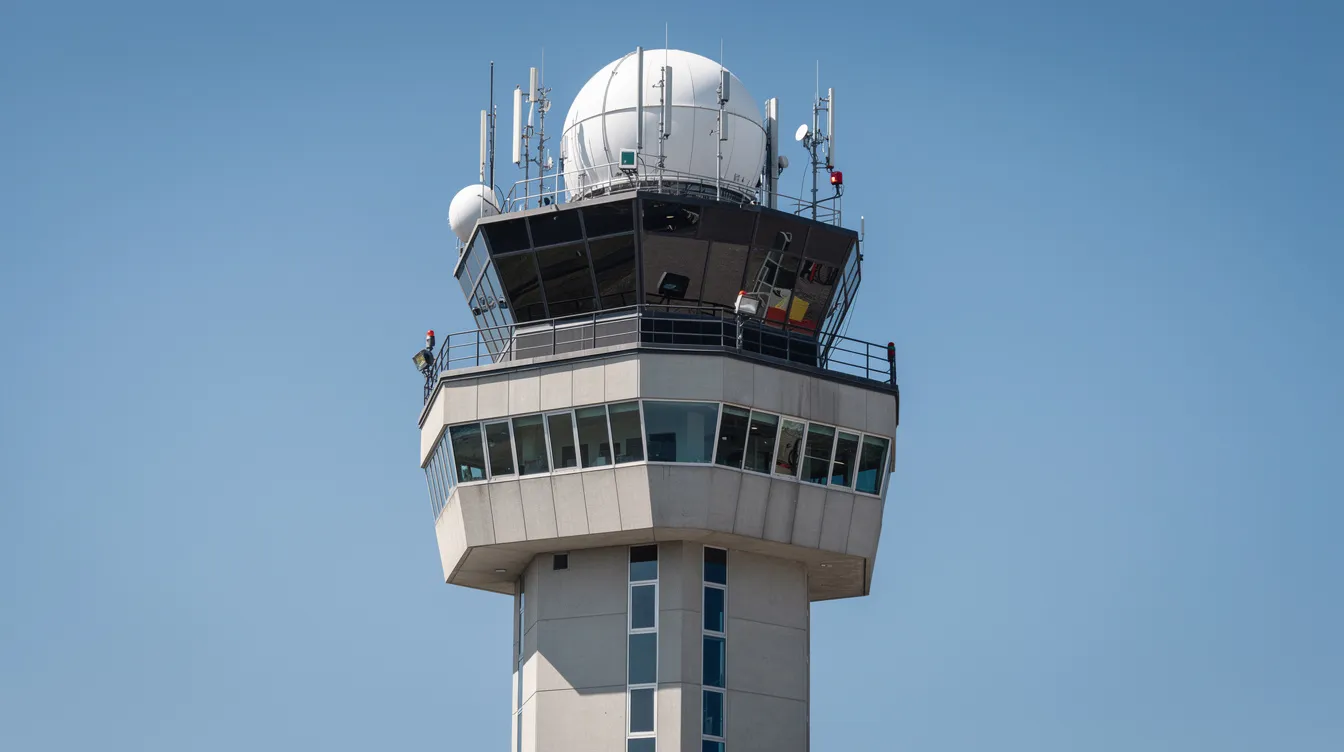
A mid-air collision is rare but often results in high fatality counts, making these events highly visible in annual crash statistics. Two aircraft converging at combined speeds of several hundred knots leave almost no margin for evasive maneuvers.
Historic disasters include the 1996 Charkhi Dadri mid-air collision between a Saudi Arabian Airlines 747 and a Kazakhstan Airlines cargo plane, which killed 349 people and remains one of the deadliest plane crashes involving a mid-air event. The 2006 Gol Airlines 737 collision with an Embraer Legacy 600 over the Amazon killed all 154 passengers aboard the 737, while the Legacy's crew attempted and succeeded in an emergency landing. More recently, crop-dusting aircraft have been involved in collisions in uncontrolled airspace.
Modern protections include:
Traffic Collision Avoidance Systems (TCAS) on all commercial and most business jets
Standardized altitude rules and controlled airspace near major hubs
Radar and satellite tracking by air traffic controllers
Most mid-air collisions now occur in uncongested, uncontrolled airspace involving small or agricultural aircraft, not scheduled airlines or professionally crewed business jets. Charter and airline flights, including those arranged via Jettly, typically operate IFR with continuous air traffic control contact, which greatly reduces collision risk.
Most crashes occur during takeoff and landing phases. Historically, the distribution across flight phases looks approximately like this:
Landing: Around 20,000 accidents historically recorded in this phase, making it the single most accident-prone segment.
Takeoff and initial climb: Roughly 16,000 historical accidents. Because the aircraft flew at low altitude with limited options, fatal crash percentages are proportionally higher here.
Maneuvering (pattern work, sightseeing, ag spraying): Thousands of accidents, especially in GA.
Approach: A significant share, many involving controlled flight into terrain or unstabilized approaches.
Cruise: Proportionally the safest phase for commercial operations. When an airplane crash occurs during cruise, it is often linked to severe turbulence, structural failure, or catastrophic system loss.
While approach and landing see many accidents, many are survivable. An aborted takeoff or a hard landing typically results in minor injuries rather than fatalities. Modern procedures, stabilized approach criteria, and go-around policies significantly reduce approach-and-landing accident risk for airline and charter operations.
Most accidents occur near airports, particularly smaller fields used by general aviation. The crash site is usually within a few miles of the departure or arrival airport.
U.S. regions with higher accident counts include:
California: High volume of GA activity, flight schools, and diverse terrain.
Texas: Large state with many airports and significant agricultural aviation.
Florida: Year-round flying weather attracts training operations.
Alaska: Challenging terrain, unpredictable weather, and heavy reliance on small aircraft produce an outsized share of accidents. Bush flying often involves approaches to unimproved strips at low altitude, sometimes near power lines or rising terrain.
Scottsdale Airport and similar busy GA fields in the Southwest frequently appear in NTSB reports. Meanwhile, urban and busy commercial airports tend to have fewer accidents thanks to radar coverage, advanced navigation aids, and strict approach procedures. Travelers planning routes can use Jettly's airport locator tool for private jet flights to identify suitable major hubs and reliever airports. A recent crash at a major hub is noteworthy precisely because it is so unusual.
Private jet flights booked through Jettly often use a mix of major hubs and well-equipped reliever airports with control towers, instrument approaches, and staffed ground services, and travelers can plan budgets in advance using Jettly's private jet charter cost estimator tool.
This section covers long-term historical accident counts, not just what has happened in 2026. Over decades and millions of flights:
American Airlines and Air France are each associated with about 11 plane crashes resulting in hull losses or significant fatalities.
United Airlines has recorded around seven major hull-loss events historically.
American Eagle (regional partner operations) has experienced several hull-loss events over its operating history.
These numbers reflect decades of operations using older aircraft and legacy procedures that predate modern safety advances. Many high-profile accidents, such as American Airlines 191 and 587, or Air India 182, helped drive major changes in training, maintenance, and security worldwide. Delta Air Lines, Alaska Airlines, and other major global carriers now operate with far stronger safety records than in earlier decades.
Independent rankings often place carriers like Air New Zealand, Qantas, Alaska Airlines, and select Gulf and Asian airlines near the top for safety. Delta Air Lines has had no fatal crash of a Delta-operated jet in nearly three decades and is often cited as one of the safest major U.S. airlines.
Safety ratings consider factors such as:
Accident history and fleet age
Maintenance quality and crew training programs
Regulator oversight quality (ICAO, FAA, EASA, or national equivalent)
North America, Western Europe, and parts of Asia and Oceania have some of the lowest accident rates per million flights. Many charter operators serving Jettly customers are held to similarly stringent safety standards as the world's best airlines in their respective jurisdictions, allowing travelers to consider Jettly as a NetJets alternative for flexible private flying.
An aircraft manufacturer's crash count largely reflects how many aircraft they have in service and how long they have been flying, not just safety quality.
Boeing airliners, especially the 737 family, appear in more accident reports simply because they have flown the most cycles of any jet family in history.
Airbus A320-family jets, Embraer regional jets, and Bombardier designs have lower absolute totals, partly because they entered service more recently or in smaller numbers.
The Boeing 737 MAX accidents brought intense scrutiny to a specific aircraft manufacturer, but they also triggered sweeping design and certification reforms.
General aviation manufacturers like Cessna, Piper, and Beechcraft appear frequently in NTSB logs because single-engine private aircraft are more exposed to weather, pilot error, and maintenance variability. For charter and fractional operations, operators often favor proven business jets from Gulfstream, Bombardier, Dassault, Cessna Citation, and Embraer, which show strong safety records when flown by professional crews. For a deeper look at how manufacturers compare, see Manufacturers of Airplanes: From Commercial Airliners To Business Jets.
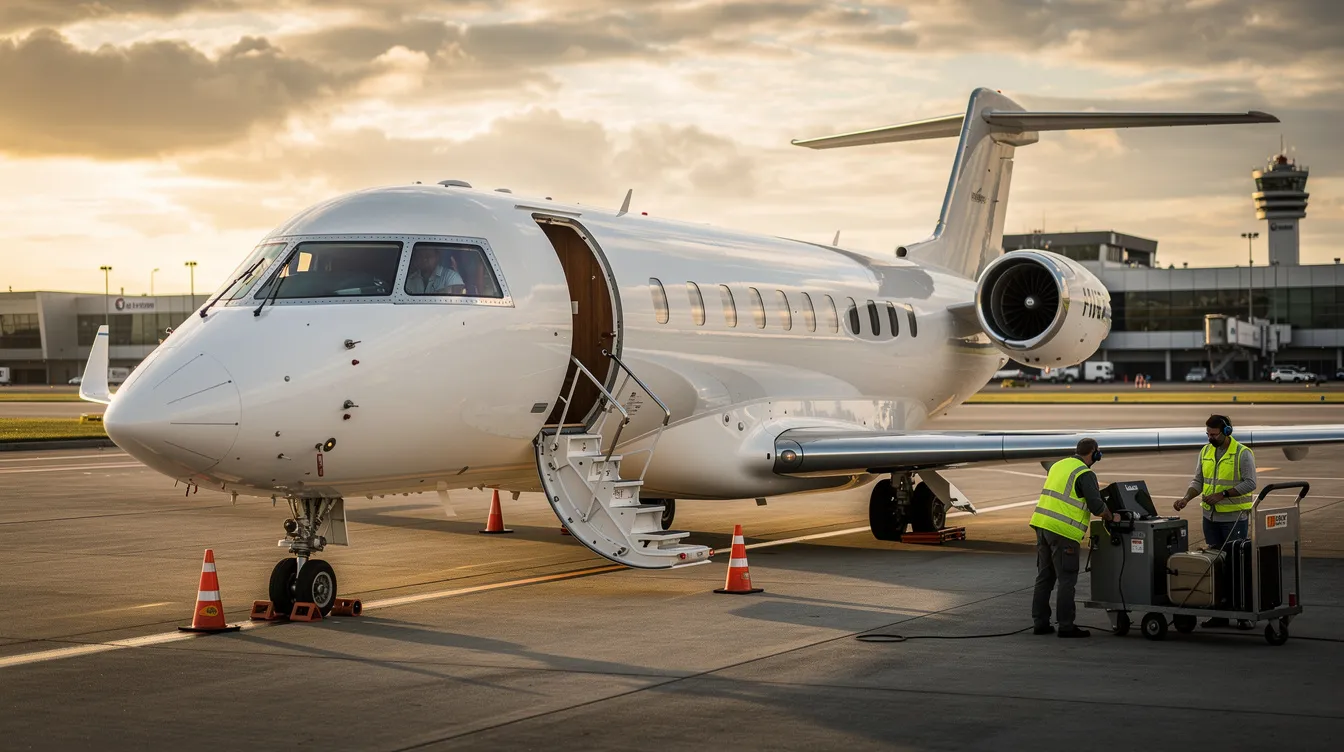
Many of the crashes people see in the news do not reflect the risk profile of professionally operated private jet charter flights. The distinction between a sole survivor walking away from a small plane wreck in South Carolina and a business jet completing a routine charter mission is enormous in terms of safety infrastructure.
Charter flights arranged through Jettly typically operate under Part 135 (U.S.) or equivalent commercial rules elsewhere. That means:
Higher maintenance standards than personal private flying
Duty-time limits to prevent crew fatigue
Crew training requirements that meet or exceed airline standards
Safety management systems and regular audits
Jettly uses a global aircraft inventory but works only with licensed air carriers and vetted operators, not informal aircraft owners offering rides. Many travelers access this network through flexible private jet membership programs offered by Jettly. Key safety practices among top charter operators include dual-pilot crews on most jets, rigorous recurrent training, and standardized operating procedures.
When you compare accident data for general aviation as a whole with the much lower rate observed in business-aviation operations, on-demand charter stands out as a relatively low-risk way to fly privately, especially when flying on vetted private charter aircraft across Jettly's global fleet. Learn more in Are Private Jets Safe? Everything You Need to Know About Private Aviation Safety.
Despite news coverage of each aviation accident, the overwhelming majority of flights land safely. Tens of millions of flights are completed every year with zero incidents. The reason is layered redundancy.
Multiple engines on transport aircraft (even if one engine fails, the aircraft can continue safely)
Independent hydraulic and electrical systems
Backup instruments and navigation aids
Safety management systems (SMS) at airlines and charter operators
Non-punitive reporting cultures that encourage crew members to flag issues early
Line operations safety audits (LOSA) and continuous data monitoring
The FAA, part of the United States Department of Transportation, regulates all civil aviation activities in the U.S., setting minimum standards for everything from crew training to landing gear inspections.
ICAO establishes global aviation safety standards that member nations implement.
Many operators surpass minimum requirements to win corporate contracts and satisfy travel departments.
The small number of crashes in 2026, relative to flight volume, is the direct result of decades of incremental safety improvements, particularly among leading private jet charter companies and top luxury operators.
Raw counts of how many planes crashed this year can be misleading without context. Definitions of aviation accidents can vary greatly between databases. Here are critical distinctions:
Incident vs. accident: An incident affects or could affect safety but causes no death or substantial damage. An accident involves death, serious injuries, or substantial aircraft damage.
Hull loss: A hull loss is an accident where an aircraft is destroyed or damaged beyond economic repair.
Fatal accident: At least one occupant death.
Some datasets exclude terrorism, wartime shoot-downs, or ground-only fatalities. That can change how "safest year" claims are interpreted. For example, removing the MH17 shoot-down from 2014 data changes that year's fatal count significantly.
Accident rates per million departures or per 100,000 flight hours are a better measure than total crash counts, especially when comparing years like 2013 versus 2026 when flight volumes differ substantially. Travelers should look at regulator reports and reputable organizations like the Aviation Safety Network, IATA, and industry guides to charter airlines and private flight options, not just headlines, when assessing aviation risk.
Jettly is a digital private jet charter platform, not an airline, but it places aviation safety at the center of its service. The platform connects travelers with a vetted network of more than 20,000 aircraft worldwide, operated by certified air carriers subject to national oversight.
What that means in practice:
Transparency: Instant pricing, clear aircraft details, and access to operator credentials so customers can make informed choices.
Flexible scheduling: Reducing crew fatigue by allowing operators to plan realistic duty days rather than rushing turnarounds.
Airport access: The ability to use less-congested airports with proper instrument approaches, reducing risk during the approach and landing phases where most accidents occur.
Aircraft matching: Selecting the right aircraft type for the route, weather conditions, and passenger-entered requirements.
Whether the trip is a first flight on a private aircraft for a family vacation or a routine business run for a corporate team, Jettly's model ensures that every operator meets rigorous safety benchmarks, even for those choosing to crowdsource private jet flights and share empty seats. Explore how it works at How Private Jet Charter Works.
Ready to experience private travel on your terms? You can estimate trip pricing in advance with Jettly's private jet charter cost estimator, compare shared charter flights versus full private charters, or review a guide on how to buy a seat on a private jet before booking. If you are weighing long-term options, Jettly's insights on how much a private jet really costs and its overview of affordable private jet charter pricing strategies can help. Those interested in promoting Jettly's services can even join its ultra-high-ticket affiliate program. Explore flight options or request a quote at https://www.jettly.com.
The following FAQs address common concerns not fully covered above, particularly around 2026 crash numbers and the safety of private flying. Air travel remains the safest mode of transportation globally, and these answers are meant to provide practical context.
Based on preliminary international data, only a very small number of fatal commercial airline crashes have occurred in 2026 to date, likely in the range of five to ten depending on classification. This is in line with or slightly better than recent years. Most 2026 accidents involve small general aviation aircraft, not large jets operated by major airlines. Final tallies for 2026 will be published after all investigations close, and current figures may change slightly as databases are updated by organizations like the Aviation Safety Network and ICAO.
As of October 2026, no mid-air collision on the scale of the January 29, 2025 D.C.-area crash or historic disasters like Charkhi Dadri has been recorded. Smaller mid-air or near-miss events can occur between light aircraft, but these rarely involve airline or charter jets thanks to TCAS and ATC separation standards. Mid-air collisions remain among the rarest types of aviation accidents in modern regulated airspace. For one passenger or two passengers on a charter flight, this risk is functionally negligible, particularly when booking through regulated platforms such as Jettly or its instant-book Zenflight private jet operator marketplace.
Safety depends on how the flight is operated. Professionally flown charter and corporate jets have accident rates comparable to or better than regional airlines. Personally flown light aircraft have significantly higher risk, accounting for the bulk of fatal accidents each year. Charter operators serving Jettly clients work under commercial regulations with rigorous maintenance, crew training, and duty-time rules. Always verify that any private jet flight you book, through Jettly or elsewhere, is operated by a licensed air carrier and not an informal or illegal "gray charter."
Practical steps include paying attention to safety briefings, knowing where the nearest exits are, keeping your seat belt fastened when seated, and avoiding blocking aisles with oversized luggage. Choose reputable airlines or vetted charter providers, and avoid operators that refuse to share basic safety or certification information. For nervous flyers, understanding statistics and asking questions about operator safety practices can help reduce anxiety and put concerns about how many planes crashed this year into proper perspective, whether they are considering private jet charter services in Kolkata, West Bengal or evaluating private jet charter options in New Delhi.
Travelers can explore Jettly's digital charter marketplace to view aircraft options, estimated pricing, and route possibilities worldwide. For those focused on affordability and access, Jettly's guides explain how to get a seat on a private jet easily using options like memberships, empty legs, and shared flights. The platform provides access to a vetted network of operators so that every flight meets baseline safety standards. Visit https://www.jettly.com to compare on-demand flights and membership options, or contact the platform for details on operator safety credentials. Whether it is a cross-country business trip or a weekend getaway, Jettly makes it straightforward to book a private flight with confidence.
Despite the attention plane crashes often receive in the media, the data shows that aviation remains one of the safest modes of transportation worldwide. In 2026, the number of crashes, including fatal accidents, continues to follow a long-term downward trend, especially when adjusted for the growing number of flights. Most crashes involve general aviation and small personal aircraft rather than commercial airlines or professionally operated private jets. Platforms like Jettly connect travelers with vetted operators who meet rigorous safety standards, offering a safer alternative for private jet travel.
Understanding the causes behind crashes—such as pilot error, mechanical issues, and maintenance lapses—helps the industry improve safety protocols continuously. With advanced technology, strict regulations, and ongoing training, the risk of a plane crash remains extremely low.
For those seeking convenience, flexibility, and safety in air travel, private jet charter through trusted platforms like Jettly provides a reliable option. Ready to experience private travel on your terms? Explore flight options or request a quote at https://www.jettly.com.
Share this post:
Jay Franco Serevilla
Oct 20, 2026
|
5
min read
Discover tips and trends in the industry.
5
min read
Size of Boeing Planes: From 737 MAX to the Largest Boeing Aircraft
Boeing planes vary significantly in size, from the compact 737 MAX to the expansive 747-8. Understanding these dimensions helps travelers make informed decisions about comfort and capacity, whether flying commercially or considering private jets. This guide details the key metrics of Boeing aircraft, aiding in the selection of the right plane for any journey.
Read More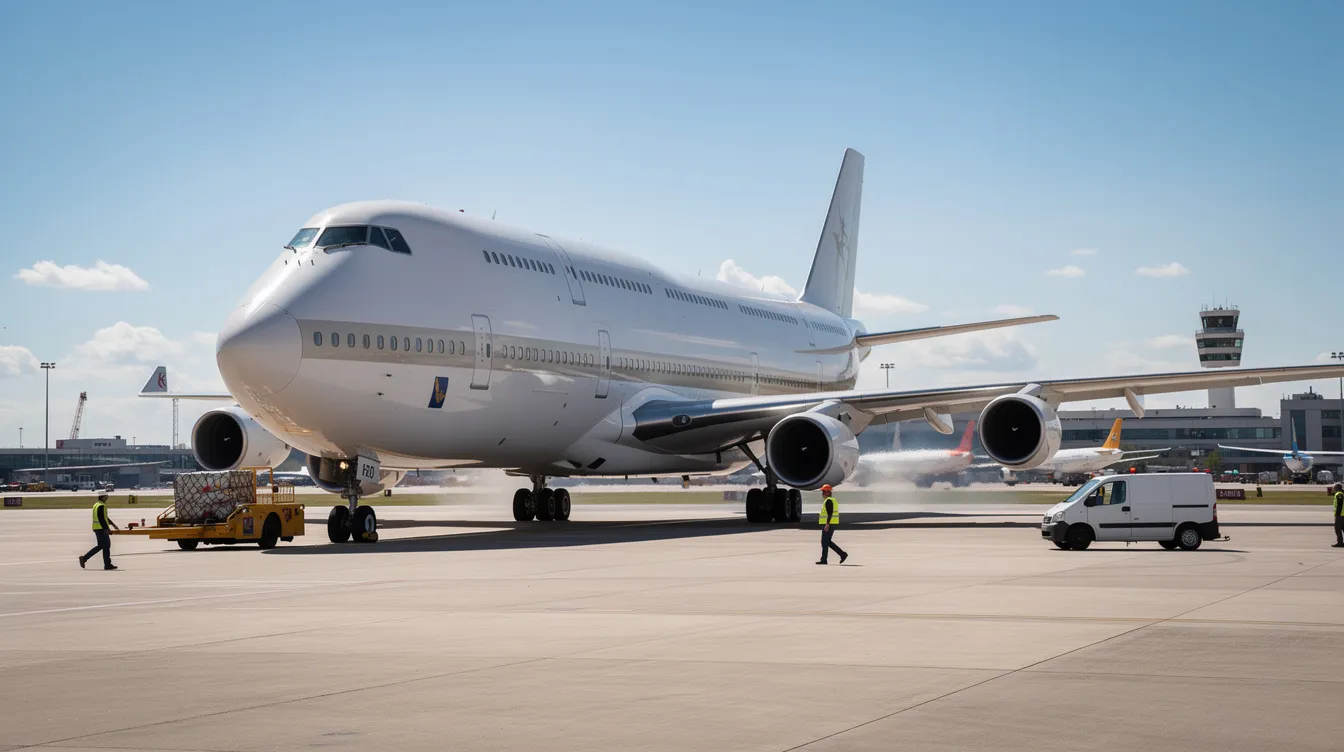
5
min read
Airbus A380 Weight: How the World's Heaviest Passenger Jet Really Adds Up
The Airbus A380, with a maximum takeoff weight of approximately 575,000 kg, is the heaviest passenger aircraft ever built. Its weight impacts everything from fuel efficiency to airport compatibility, making it a marvel of engineering. While it excels in capacity and range, the shift towards lighter, more flexible aircraft has changed the landscape of commercial aviation.
Read MoreStay updated with our latest insights and tips to elevate your journey with us.
MEMBERSHIPS AND ASSOCIATIONS



Disclaimer: Jettly operates as a charter broker, offering access to a global digital jet charter marketplace. Jettly is not a direct air carrier and does not own or operate aircraft. All advertised flights are conducted by third-party air carriers that are fully licensed and hold the appropriate Part 135 or Part 121 certifications issued by the Federal Aviation Administration (FAA) or equivalent regulatory authorities under U.S. or foreign law. Jettly complies fully with the U.S. Department of Transportation's Part 295 and Part 298 Charter Broker regulations. Jettly does not carry additional liability insurance. Passengers are covered by aircraft operator insurance. TICO: 50023770


