


Login
Get Instant Pricing On 23,000+ Aircraft

>
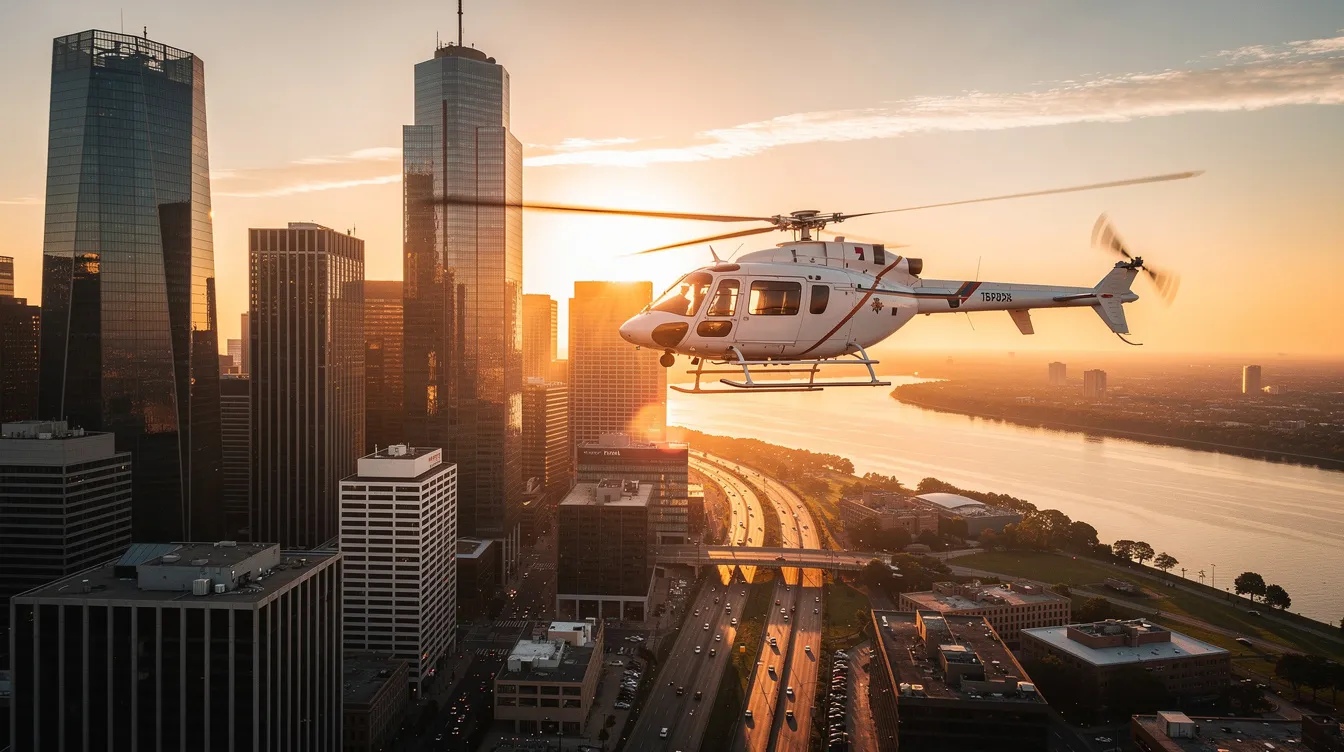
If you've ever wondered how many seats in a helicopter are available for your next trip, the short answer is that most civilian helicopters seat between 2 and 8 people, with many private charter models carrying 3 to 8 passengers plus the pilot. Small helicopters typically accommodate 1 to 4 passengers, while medium helicopters can carry 5 to 10 passengers, and large helicopters typically seat 11 or more passengers. For example, the Robinson R44 seats up to three passengers, the Airbus H120 accommodates four, and the Bell 407 seats up to six. Larger transport helicopters like the Boeing CH-47 Chinook can carry 33 to 55 troops, though such aircraft are rarely used for civilian charters. Seating depends on the aircraft type, cabin configuration, and mission. A compact trainer might carry just one person besides the pilot, while a heavy transport model can carry a much larger group. Knowing that range upfront helps you plan a safe, comfortable, and cost-effective flight.
Four-seater helicopters are standard for executive travel and sightseeing, while medium twins handle corporate shuttles, family travel, and larger groups. Frequent flyers such as corporate executives, high-net-worth individuals, and families often need to compare passenger capacity, weight and safety limits, helicopter size, and mission fit before booking. Jettly's marketplace helps travelers match their group to the right aircraft size and model for scenic tours, business transfers, VIP occasions, and other groups with specific needs, including options to share empty seats on private flights to reduce per-passenger costs. This guide explains the seating limits, common use cases, notable helicopter models, and how to choose the right option on Jettly's digital charter platform.
Most civilian helicopters usually feature between 2 and 8 seats, though larger transport models can carry 15 or more passengers plus crew.
How many passengers a helicopter can take depends on certified seat count, total weight, mission type, and safety considerations - not just the number of physical seats.
Typical helicopter tour and charter models carry 3–8 passengers, with 4–6 being the most common group size worldwide.
Weather, altitude, fuel requirements, and weight and balance often reduce usable passenger capacity below the maximum number stated on the aircraft data plate.
Jettly's digital charter platform helps match various group sizes and missions - from sightseeing tours to special events - to the right helicopter passenger capacity.
Passenger capacity is set during aircraft certification and recorded on official documents - the Type Certificate Data Sheet, Rotorcraft Flight Manual, and the data plate mounted on the airframe. Designers balance cabin volume, engine power, rotor size, and fuel requirements to arrive at a safe maximum figure. For a deeper look at how these limits work, see Jettly's guide to helicopter passenger capacity.
Key points to note:
Helicopters have a specified Maximum Takeoff Weight (MTOW) that caps total load.
Passenger capacity is dependent on weight limits and seating configuration.
The certified count includes the pilot's seat; charter marketing typically states "X passengers + 1 pilot."
Manufacturers publish certified maximums, but VIP or tour layouts may reduce the passenger count for comfort.
Helicopters are generally grouped into small, medium, and large categories. Jettly's platform lists helicopters by category and passenger seats so customers can quickly filter by group size, and tools like its airport locator for private flights help travelers plan routes between suitable departure and arrival points. Below is what to expect in each range.
Small helicopters typically accommodate 1 to 4 passengers. Light helicopters usually have a 4 to 6 passenger capacity at the upper end of this class, though many models sit firmly in the 2 to 3 seat range. Two-seater helicopters like the Robinson R22 are commonly used for training and personal flights. The Robinson R44 seats up to three passengers beside the pilot, making it popular for short scenic flights and entry-level private ownership. The Airbus H120 accommodates up to four passengers and is valued for its quiet operation over urban areas and coastal routes. Small and light helicopters often seat 2 to 4 passengers and deliver excellent window visibility, which makes them attractive for panoramic views on sightseeing tours.
Medium helicopters can carry 5 to 10 passengers and form the backbone of corporate, VIP, and offshore transport helicopter operations. Medium helicopters typically accommodate 4 to 8 passengers in most charter layouts, though some models can carry 6 to 15 passengers plus crew in high-density offshore seating. The Bell 407 seats up to 6 passengers and is popular for corporate shuttles and higher-end private tours. The Airbus H125/AS350 carries 5 to 6 passengers and is recognized worldwide for sightseeing and VIP transfers, with over 7,200 units delivered globally. The Airbus H145 has flexible cabins carrying 8 to 9 passengers and is common in EMS, police, and corporate charter. The Leonardo AW109 offers VIP layouts for 5 to 6 passengers for fast point-to-point business travel. Medium helicopters typically seat 6 to 20 passengers across the full range of configurations, from stripped-down utility to plush executive interiors. Jettly clients frequently select these when traveling as a family, small executive team, or group heading to special events, particularly when comparing the best private planes for families to balance comfort, safety, and budget.
Large helicopters typically seat 11 or more passengers and serve offshore oil platforms, airline connections, and high-capacity VIP shuttles. Large helicopters can carry about 15 to over 30 passengers, depending on the model. The Sikorsky S-76 seats 8 to 12 passengers in a VIP layout with club-style seating. The Leonardo AW139 carries 10 to 12 passengers in corporate interiors and up to about 15 in shuttle configurations, with over 1,100 delivered worldwide. The Airbus H225 Super Puma can carry roughly 19 passengers in high-density offshore use. Among military helicopters and heavy-lift helicopters, capacities go even higher. The Boeing CH-47 Chinook can carry 33 to 55 troops, though such aircraft are rarely relevant for civilian charter, which more often relies on light utility helicopters such as the Eurocopter EC30 for short‑range missions. Large helicopters suit larger groups needing to move quickly between venues for corporate events or incentive travel.
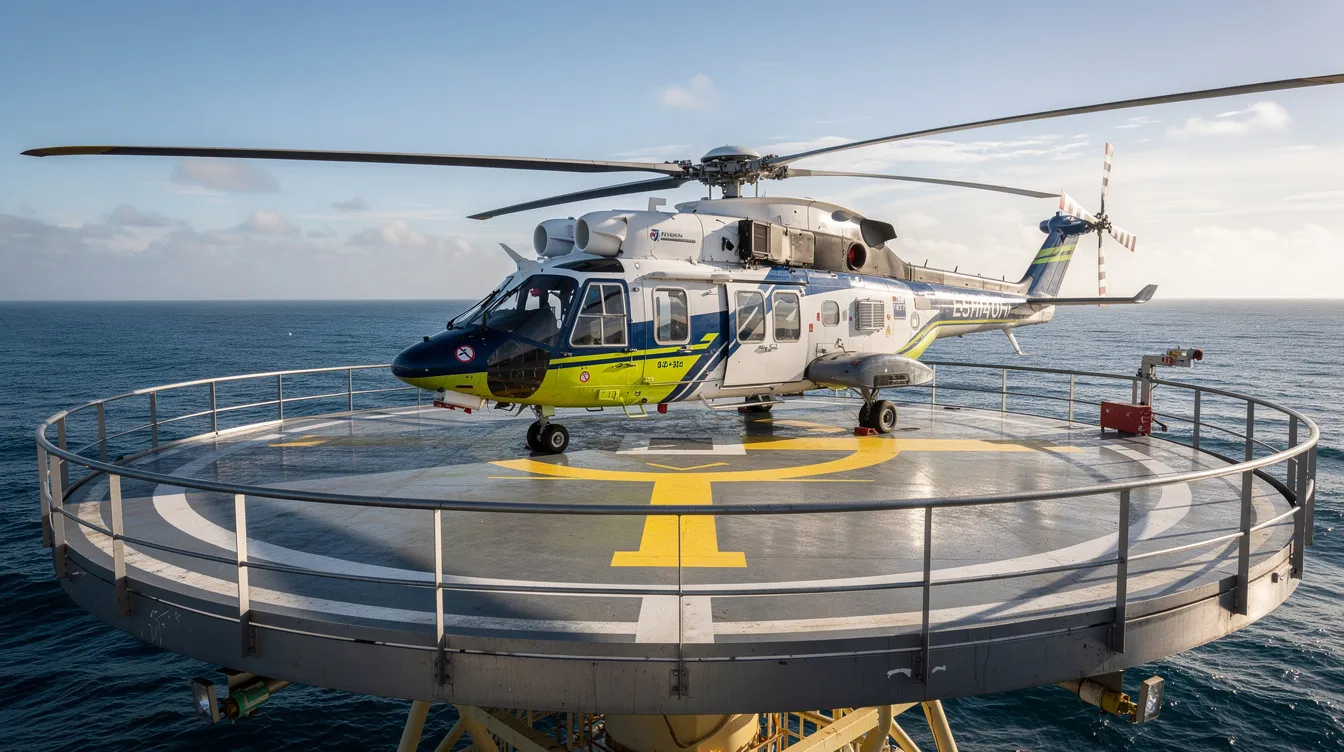
Capacities below reflect typical VIP or tour layouts. Operators on Jettly may offer slightly different configurations for specific missions.
|
Helicopter Model |
Typical Capacity (Pilot + Passengers) |
Notes/Use Case |
|---|---|---|
|
Robinson R44 |
1 pilot + 3 passengers |
Cruises at around 200 km/h, ideal for short helicopter tour flights. |
|
Airbus H125 |
1 pilot + up to 5 or 6 passengers |
The workhorse of Grand Canyon and city tours. |
|
Bell 407 |
1 pilot + up to 6 passengers |
Extra room and power for comfort-focused private tours. |
|
Airbus H120 |
1 pilot + 4 passengers |
Quiet enough for regular fly-overs in urban areas. |
|
Leonardo AW109 |
1 pilot + 5 to 6 passengers |
Fast city-helipad-to-airport transfers. |
|
Sikorsky S-76 |
6 to 8 VIP passengers |
Used for executive shuttle routes and offshore crew member changes. |
|
Airbus H145 |
8 to 9 passengers |
Flexible cabin equipped for EMS, police, or charter. |
|
Leonardo AW139 |
10 to 12 corporate seats, up to 15 in transport mode |
Suited for longer VIP flights and offshore operations, including rescue missions. |
Even when a helicopter has a certain number of seats, the actual passenger count on a given flight may be lower. Charter operators always prioritize safety considerations and regulatory compliance when deciding final numbers.
Every flight must keep the combined passenger weight, baggage, crew, and fuel below the MTOW. Weight distribution is critical for helicopter safety - the center of gravity must stay within approved limits. Operators may ask each person's approximate weight at booking and can adjust the load accordingly. Travelers should be aware that published seat counts can still drop when total payload is the limiting factor. Long legs requiring more fuel may reduce how many passengers can be carried compared with a short 15–20-minute helicopter tour. In some cases, a group may need a larger aircraft or two helicopters rather than filling every seat beyond the safe payload. Going over the max allowable weight can also lead to extra charges or a change in aircraft. For context, U.S. FAA regulations under 14 CFR Part 29.25 formally constrain weight limits for transport rotorcraft.
"Hot and high" conditions - such as mountain resorts in Colorado or the Alps - reduce engine performance and lift, lowering usable passenger capacity. Strong winds, icing risk, or heavy rain may also prompt conservative loading decisions. Jettly-listed operators plan around these environmental factors when confirming passenger numbers and baggage allowance, so there's no need to worry about hidden surprises.
The ideal passenger capacity depends on the mission. A short scenic flight, an airport transfer, and a multi-stop corporate itinerary each have different seating and cabin needs.
Most scheduled sightseeing tours let 4 to 7 guests comfortably board, balancing good window access with efficient operating costs. Common layouts place 2 passengers in the front next to the pilot and 4 in the rear. Private "buy-out" tours booked through platforms like Jettly let guests reserve the entire helicopter for their group size, up to the safe seat limit. Some operators charge a premium for window seats, and seating is often allocated by weight for balance. If preferred seating matters, talk with the operator in advance and consider whether premium touches like in‑flight catering for private jets are important for your group experience.
Corporate travelers typically use 4 to 8 seat twin-engine helicopters to move between city centers and airports. Seating often features club configurations, allowing executives to face each other. Limited baggage space compared with jets may affect how many people and bags can travel simultaneously. For helicopter rental cost details, Jettly's pricing guide offers transparent comparisons, while Jettly's private jet charter cost estimator helps benchmark what similar routes would cost in fixed‑wing aircraft.
Weddings, concerts, and festivals often involve staggered helicopter flights using 4 to 6 seat aircraft to shuttle friends and guests in waves, and frequent travelers may find that private jet memberships from Jettly simplify booking and reduce average trip costs across the year. For larger groups of 40 to 60 attendees, coordinators may schedule several helicopters or combine jets with short helicopter legs. Capacity planning for special events often favors more space per person over maximum seats, and many planners review a comprehensive list of charter airlines to understand different operator capabilities before confirming aircraft.
Safety considerations govern how many passengers a helicopter may carry on any flight. Regulatory bodies like the FAA, EASA, and Transport Canada set strict standards that every operator on Jettly's platform must meet.
Civil aviation rules specify minimum emergency exit access and safety equipment like life vests for over-water flights. Operators cannot exceed the certified layout - no squeezing in extra passengers. Helicopters must have appropriate safety gear for all passengers, and operators must comply with strict passenger safety regulations. Emergency medical service helicopters often limit seating to 1 or 2 patients plus medical staff to guarantee room for equipment.
Before takeoff, every crew member briefs passengers on seat belts, doors, headsets, and emergency procedures. Weight and balance limits may affect available seating on a flight. Certain operators set age restrictions or individual weight limits; passengers exceeding 300 pounds may incur a surcharge or need to purchase an extra seat to preserve performance. These are standard safety practices, not discretionary upsells, and are absolutely factored into flight quotes on platforms like Jettly.
Travelers can use Jettly's platform to filter helicopters by passenger capacity, aircraft type, and mission profile, while Jettly's guide to affordable private jet charter pricing explains how aircraft type and route length impact total trip cost. Enter a route and date, specify how many people are flying, view suitable helicopters, and compare prices, or use Jettly's jet card flight cost estimator if you're evaluating fixed hourly rates for repeated trips on similar routes. The platform offers transparent instant pricing, global coverage, and the ability to combine jets and helicopters in one itinerary, drawing on Jettly's global network of private charter aircraft to match each route and group size. Anyone unsure about aircraft size can request assistance - capacity planning and safety checks are built into the quoting process, and frequent flyers can explore Jettly's jet card programs for predictable access to suitable aircraft at fixed hourly rates. Learn more about helicopter charter options on the platform.
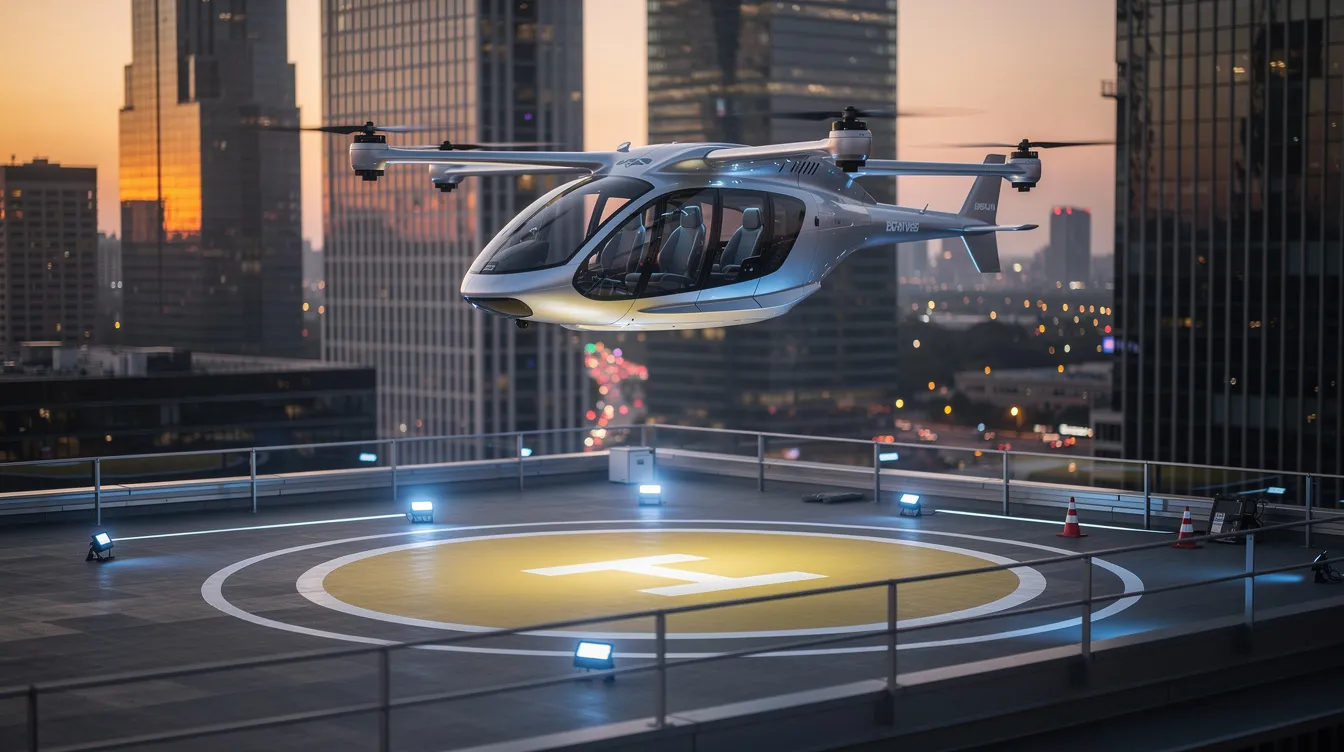
Electric and hybrid-electric VTOL aircraft are being designed with 3 to 6 passenger cabins for short urban hops. Companies like Joby Aviation and Volocopter are targeting shared urban air mobility routes with fixed passenger capacities optimized for frequent shuttle services. As these aircraft enter service, charter platforms such as Jettly will likely integrate them, offering new capacity profiles for city-to-city trips - a development worth keeping an eye on for anyone planning travel in the coming decade.
Most private charter requests are handled by helicopters seating between 3 and 8 passengers, with 4 to 6 being the most common group sizes, similar to how fixed‑wing travelers weigh range, comfort, and payload when choosing the best cross‑country plane for their journey. Small helicopters typically hold about 1 to 6 passengers plus the pilot, making them roughly comparable in mission profile to popular small planes for a family of four in the fixed‑wing world. Larger groups up to 12 to 15 may use heavy twin-engine helicopters, while groups beyond that often split across multiple aircraft or move to regional jets and narrow‑body airliners like the Boeing 737‑800 with up to 189 seats.
Yes. Helicopters have limited baggage holds, and heavy luggage can significantly reduce usable passenger capacity on weight-critical routes, much as regional jets such as the Canadair CRJ‑200 used on short hops must balance bags, fuel, and passengers carefully. Travelers should share approximate baggage weights during quoting so the operator can advise whether the planned passenger count remains safe or if a larger model is recommended, ranging from bigger helicopters to regional aircraft like the Embraer ERJ 145 seating up to 50 passengers.
Aviation regulations typically require every occupied seat to have a restraint. For most helicopter operations, each passenger - including children above a specific age or weight threshold - must occupy their own approved seat. Rules vary by country, so families booking through Jettly should contact the operator to confirm child policies during trip planning.
VIP helicopters often use club seating with fewer seats and more legroom, while tour configurations maximize window seats and passenger count using bench-style rows. The same base model - a Bell 407 or Airbus H145, for example - may have different passenger capacities depending on whether it is equipped for VIP charter, medical use, or sightseeing tours.
Travelers can explore helicopter and jet options, compare passenger capacities, and obtain instant quotes through Jettly's online platform, which connects to vetted operators such as DEXTER AIR TAXI for private charters. Ready to experience private travel on your terms? Explore flight options or request a quote at https://www.jettly.com, discover instant‑book operators like Zenflight for private jet charters, or even join Jettly's ULTRA high‑ticket affiliate program if you regularly refer new flyers.
Understanding how many seats are available in a helicopter is essential for planning safe, comfortable, and efficient travel. Helicopter passenger capacity varies widely depending on the aircraft size, configuration, and mission requirements, typically ranging from 2 to 8 seats for most civilian models. Weight limits, safety regulations, and operational factors further influence the actual number of passengers on board. Jettly’s digital charter platform simplifies matching travelers with the right helicopter for their group size and travel needs, providing transparent pricing and instant booking options. Whether for business transfers, sightseeing tours, or special events, knowing the passenger capacity helps ensure a smooth and enjoyable helicopter experience. Ready to experience private travel on your terms? Explore flight options or request a quote at https://www.jettly.com.
Share this post:
Jay Franco Serevilla
Jul 10, 2026
|
5
min read
Discover tips and trends in the industry.
5
min read
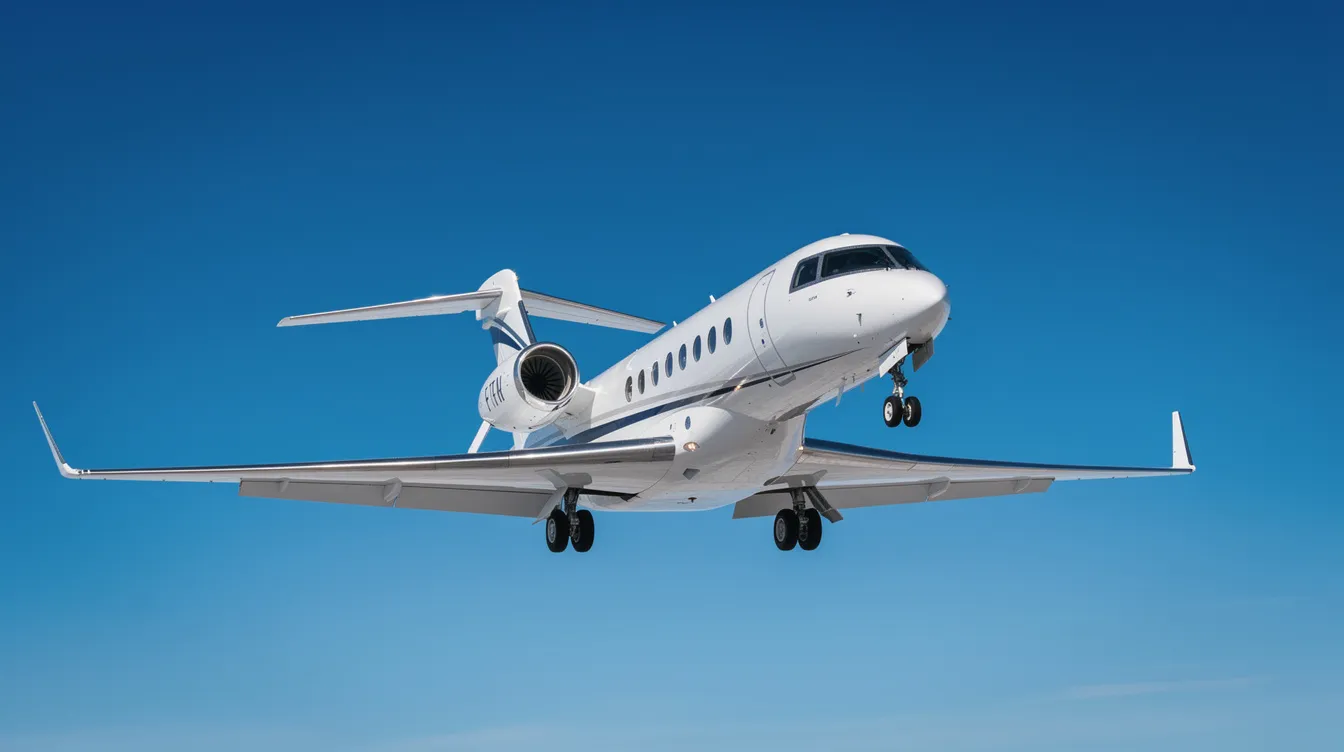
Learjet for Sale: Models, Pricing, and Smarter Alternatives with Jettly
The Learjet market in 2026 features exclusively pre-owned aircraft, with prices ranging from under $1 million to over $6 million depending on model and condition. Buyers often find that on-demand charter through Jettly offers a more flexible and cost-effective alternative to ownership, providing access to a wide range of aircraft without the associated maintenance and management responsibilities.
Read More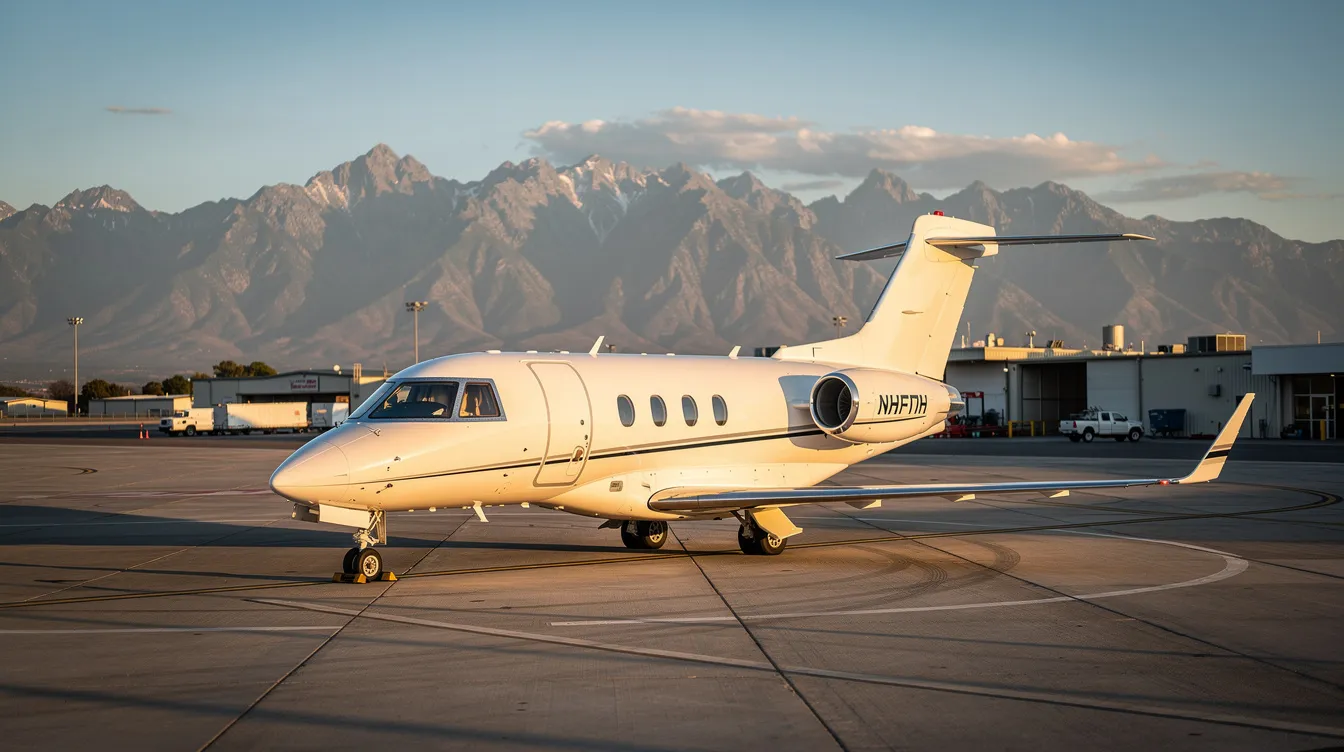
5
min read
How to Fly Private Plane Cheap: Smart Ways to Cut Private Jet Costs with Jettly
Flying a private plane cheaply is now possible with innovative strategies and platforms like Jettly. By utilizing empty leg flights, choosing cost-effective aircraft, and maintaining flexibility with travel dates and airports, travelers can significantly reduce their private aviation costs. This guide provides practical tips to make private jet travel accessible without compromising on comfort or safety.
Read MoreStay updated with our latest insights and tips to elevate your journey with us.
MEMBERSHIPS AND ASSOCIATIONS



Disclaimer: Jettly operates as a charter broker, offering access to a global digital jet charter marketplace. Jettly is not a direct air carrier and does not own or operate aircraft. All advertised flights are conducted by third-party air carriers that are fully licensed and hold the appropriate Part 135 or Part 121 certifications issued by the Federal Aviation Administration (FAA) or equivalent regulatory authorities under U.S. or foreign law. Jettly complies fully with the U.S. Department of Transportation's Part 295 and Part 298 Charter Broker regulations. Jettly does not carry additional liability insurance. Passengers are covered by aircraft operator insurance. TICO: 50023770


