



Login
Get Instant Pricing On 23,000+ Aircraft

>
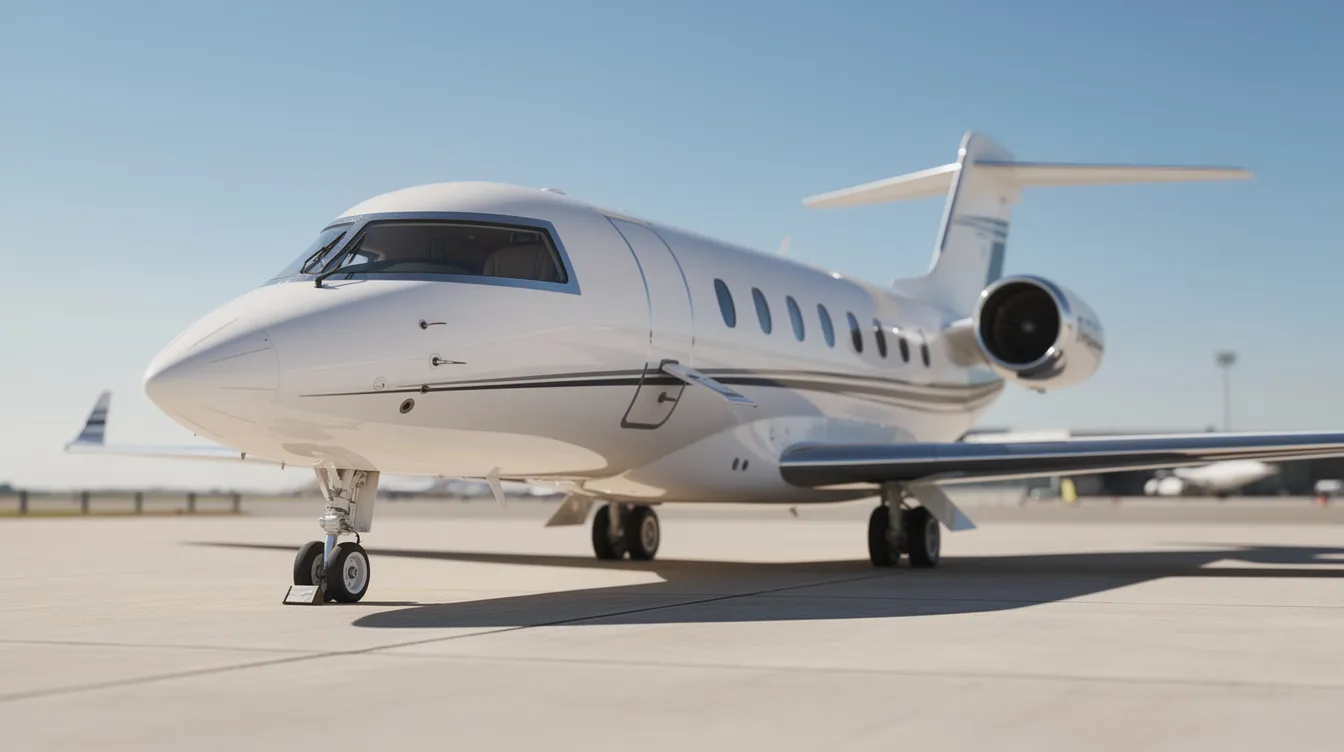
Private charter flight prices range from $2,000 to over $20,000 per flight hour in 2026, depending on aircraft category, route distance, and seasonal demand. A typical 2-hour domestic flight costs $5,000 to $10,000 for a light jet before taxes and fees. This guide breaks down exact pricing factors, hourly rates by aircraft type, real route examples, and practical ways to reduce the cost of flying private.
Private jet charter costs range from about $1,500 to $22,900 per flight hour. Charter costs range from $1,500 to $22,900 per hour depending on aircraft type, with total trip costs increasing by 20 to 40% once taxes, handling fees, and positioning legs are added.
Most operators require a daily minimum flight time of 1.5 to 2 hours, so even short hops on a light jet start around $4,000 to $7,000 all-in.
Total private jet cost includes the hourly rate plus federal excise tax (7.5% on domestic charter flights), per-segment fees, airport and handling fees, crew overnights, and possible repositioning legs.
Choosing the right aircraft category (from very light jets to heavy jets) plus flexible dates and smaller regional airports can cut costs by 20% or more.
Jettly provides a digital cost estimator and on-demand quotes so travelers can see real figures for their exact itinerary before booking.
Private jet hourly rates range from $1,500 to $22,900 in 2026. A one-way trip on a light jet for a 1-hour hop runs roughly $4,500 to $7,000 all-in. A midsize jet covering a 2.5-hour route typically lands between $14,000 and $22,000. Cross-country and transatlantic missions on heavy or ultra-long-range aircraft can push totals past $75,000.
The "hourly rate" is only a starting point. The total trip cost adds fuel surcharges, airport fees, federal excise tax, crew expenses, and any repositioning the aircraft needs. Booking a private charter involves costs driven by hourly aircraft rates and additional fees that can add 20 to 40% on top.
Here are typical 2026 price bands for common one-way routes:
Los Angeles to Las Vegas (light jet, ~1 hour): $4,500 to $7,000
New York to Miami (midsize jet, ~2.5 hours): $14,000 to $22,000
New York to London (ultra long range, ~7.5 hours): $85,000 to $134,500
|
Category |
Avg. Hourly Rate |
Typical 2-Hour Trip Cost |
|---|---|---|
|
Light jet |
$3,500 to $6,000 |
$8,000 to $14,000 |
|
Midsize jet |
$5,000 to $8,000 |
$12,000 to $20,000 |
|
Heavy jet |
$8,000 to $15,000 |
$20,000 to $38,000 |
Jettly's online tools let users see live, route-specific pricing instead of relying on generic averages, and its airport locator tool helps travelers find convenient departure and arrival airports worldwide. Enter your departure airport, final destination, and dates to get price bands by aircraft category before requesting an exact quote.
Charter pricing is built from multiple variables: aircraft category, flight distance, billable flight time, airports, and timing. Flight distance and duration primarily influence the pricing of charter services, but no two quotes are identical because aircraft positioning, demand, and operator availability shift daily.
Most quotes are based on an hourly rate per aircraft, not per-seat pricing. Private charter flights offer travelers the convenience of booking the entire aircraft, not just seats. That means a group of two and a group of eight on the same aircraft type pay the same aircraft rate.
The main building blocks of a quote include:
Billable flight time (block time from engine start to shutdown)
Aircraft positioning fees, which apply when the aircraft is not at the departure airport
Federal excise tax and segment fees
Landing fees and handling fees at FBOs
Fuel costs (often included in the hourly rate, sometimes a separate surcharge)
Crew costs, including overnight crew expenses on multi-day trips
Travelers who want to browse specific aircraft options and layouts before requesting a quote can explore Jettly's private charter aircraft to understand how different categories translate into cabin experience and cost.
Extras: catering, de-icing, ground transportation
A charter broker like Jettly pulls live operator data and aircraft positioning to assemble an optimized, all-in price for each mission. Transparent pricing with line-item breakdowns lets travelers compare apples to apples across operators.
Aircraft category matters more than brand name when budgeting a private flight. A Phenom 300 and a Citation CJ3 both fall under "light jet," and their hourly rates overlap. The aircraft type affects pricing, with larger types generally being more expensive due to fuel consumption and crew size.
Cost factors for private jet charter include aircraft type, distance, and operational requirements. For a broader overview of rental pricing and booking tips, see Jettly's guide on how much it costs to rent a private jet. Here are 2026 benchmark hourly rates by aircraft classification:
|
Aircraft Category |
Examples |
Hourly Rate (2026) |
|---|---|---|
|
Turboprop |
King Air 350, Pilatus PC-12 |
$1,500 to $3,500 |
|
Very light jets |
Phenom 100, Citation Mustang |
$2,000 to $3,500 |
|
Light jet |
Phenom 300, Citation CJ3 |
$3,500 to $6,000 |
|
Midsize jet |
Citation Latitude, Hawker 900XP |
$5,000 to $8,000 |
|
Super midsize jet |
Challenger 350, Praetor 600 |
$6,500 to $10,000 |
|
Heavy jet |
Challenger 650, Falcon 900LX |
$8,000 to $15,000 |
|
Ultra long range |
Global 7500, G650ER |
$13,500 to $22,900+ |
Hourly rates are billed per flight hour and include aircraft, crew, and fuel in most operator quotes. Rates vary across regions; European and Middle Eastern charters tend to run 15 to 25% higher than North American equivalents (JetAlto). Hourly rates for ultra-long-range jets can exceed $20,000 per hour depending on the model and interior configuration.
Jettly's estimator adjusts for route and geography in real time, so the numbers a traveler sees reflect actual market conditions, not static tables.
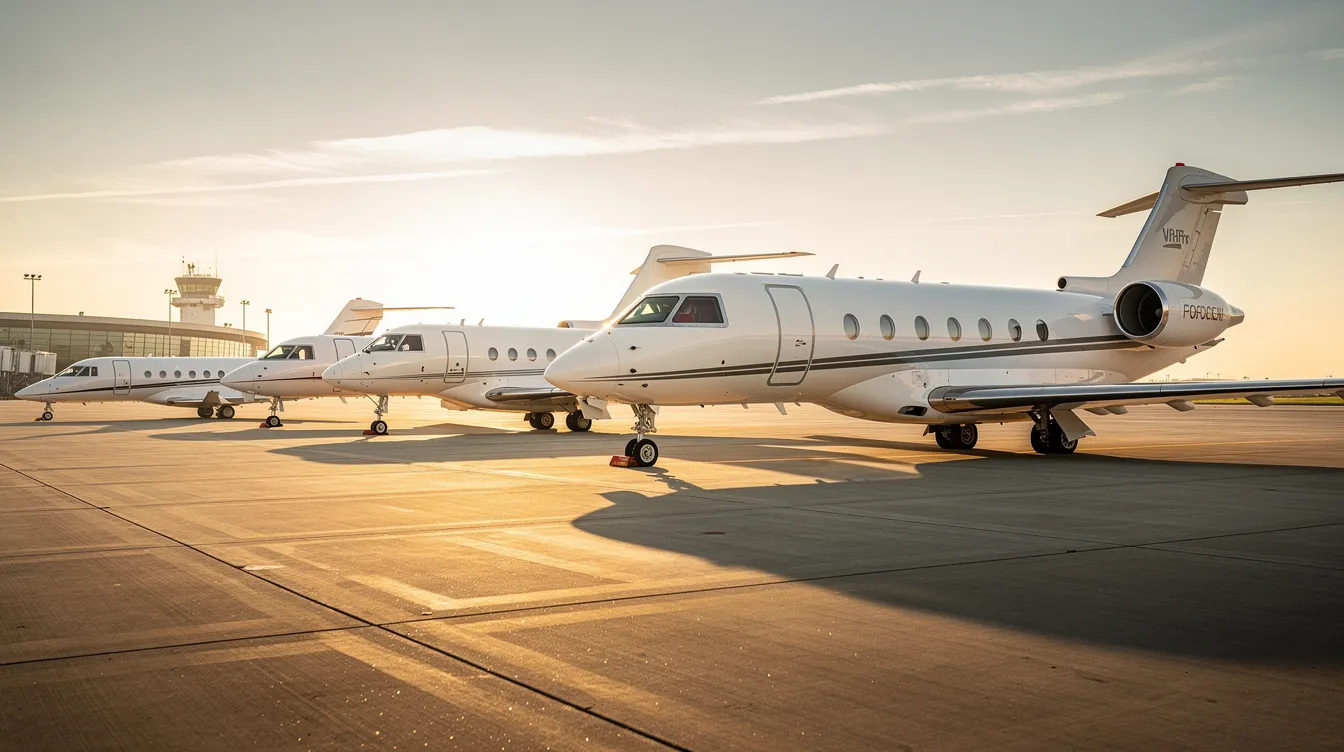
Concrete route examples answer the question "how much does it cost to charter a private jet" better than hourly rates alone. Longer routes increase total charter pricing due to higher fuel costs and extended crew duty time.
|
Route |
Aircraft Type |
Flight Time |
2026 Price Range (One-Way) |
|---|---|---|---|
|
Los Angeles to Las Vegas |
Light jet |
~1.0 hr |
$4,500 to $7,000 |
|
New York to Miami |
Light or midsize jet |
~2.5 to 3.0 hr |
$11,000 to $22,000 |
|
Chicago to Aspen |
Light or super midsize aircraft |
~2.0 to 2.5 hr |
$12,000 to $22,000 |
|
London to Nice |
Light or midsize jet |
~2.0 hr |
$9,000 to $16,000 |
|
New York to Los Angeles |
Heavy jet |
~5.0 to 5.5 hr |
$40,000 to $75,000 |
|
New York to London |
Ultra long-range aircraft |
~7.0 to 8.0 hr |
$85,000 to $134,500 |
Route data sourced from mid-2026 market conditions (JetPartners). These are illustrative estimates for a whole-aircraft charter. Actual pricing depends on aircraft availability, departure airport, passenger count, and date, and understanding one flight cost for a private charter helps set realistic budget expectations.
For live pricing on any itinerary, Jettly's charter cost estimator shows price bands within seconds of entering a route.
Most private jet charter prices are quoted "all-in," but what that includes varies by operator and charter broker. Knowing the inclusions prevents surprises on the final invoice.
Items typically included in the base quote:
Aircraft rental for the billable flight time
Two pilots (and cabin crew on larger aircraft)
Standard fuel burn for planned routing
Basic onboard amenities (water, light snacks, Wi-Fi where equipped)
Standard hull and liability insurance
Airport-related costs usually bundled into the quote:
Landing fees at origin and destination
Ramp and handling fees at Fixed Base Operators (FBOs)
Basic ground support services
Items often billed separately:
Premium services such as gourmet catering can add to the final bill for charter flights
De-icing in winter months
Special cleaning (pets, smoking aircraft)
Bespoke ground transportation to and from the terminal
Hangar fees for extended parking
Jettly's pricing structure flags what is included versus optional extras. Each line item appears in the quote so customers can see the split between operational costs and add-ons before confirming.
Government taxes and regulatory fees are built into every domestic and international private jet flight. They are unavoidable, and they add up.
Federal Excise Tax (FET): A 7.5% federal excise tax applies to domestic flights under Part 135 commercial charter operations in the United States. On a $20,000 charter, that adds $1,500 in tax alone (FAA Excise Tax Structure).
Segment fees: A per-segment charge of $5.30 per passenger applies to each takeoff-and-landing leg on U.S. domestic flights. These segment fees are adjusted annually for inflation.
International charges: Fees for international flights may include customs and overflight charges. International arrival and departure fees run approximately $23.40 per passenger in 2026 for flights involving U.S. airports.
Fuel taxes: Jet fuel for general aviation is taxed at roughly $0.218 per gallon, typically embedded in the fuel cost or surcharge line.
Jettly's quoting engine calculates federal excise tax and segment fees within the quote so clients see the true total, not just the base aircraft rate.
Beyond aircraft category and taxes, several factors push the price of a charter flight up or down.
Distance and block time. Total distance and block time (including taxi, climb, descent, and holding patterns) drive fuel usage and crew duty time. The quoted flight time is often conservative; real block time runs 5 to 10% higher. A larger aircraft may incur higher operating costs due to fuel consumption and crew size on long-haul flights.
Airport selection. Airports charge distinct fees for landing and handling, which can vary greatly by location. Ground handling fees are typically charged by Fixed Base Operators at airports, and handling fees typically range from $150 to $500 per visit. Landing fees vary by airport and aircraft weight. Flying into premium FBOs like Teterboro or Van Nuys costs more in fees airports charge than using smaller regional airports nearby.
Timing and seasonality. Peak travel periods can raise charter prices by 20 to 40%. Pricing can increase during holidays, peak seasons, and major events due to high demand. Demand for private jet charters can fluctuate based on events and peak travel times, so booking during ski season, summer weekends, or around the Super Bowl means paying a premium.
One-way versus round trip. One-way itineraries often require aircraft positioning fees, adding cost for the dead-head leg. A round trip where the operator can keep the same aircraft at your destination (or find a return mission) reduces per-leg expense. Positioning fees apply when aircraft must travel empty to pick up passengers. Jettly offers affordable private jet charter solutions that take these positioning dynamics into account when structuring trips.

The most expensive jet is not always the right jet. Aligning aircraft category to mission profile saves money without sacrificing comfort.
Simple decision rules:
Very light jets and turboprops for short regional hops under 1.5 hours with 4 or fewer passengers
Light jets for 2- to 3-hour domestic flights with up to 7 passengers
Midsize or super midsize jets for coast-to-coast routes or when passengers need stand-up cabins and more cabin space
Heavy jets for groups of 8 or more, international travel, or routes exceeding 5 hours. Larger aircraft classes, such as heavy jets, are suited for international travel. Super midsize and heavy jets with full stand-up cabins also matter for comfort on longer flights.
Trade-offs to weigh: cabin space versus hourly rate, nonstop range versus refueling stops, and runway performance versus access to small airports.
Scenario 1: Four executives flying Toronto to Chicago (1.5 hours). A light jet at $3,500 to $6,000 per hour costs $7,000 to $12,000 total. A super midsize jet on the same route would run $13,000 to $20,000, with cabin space those four passengers don't need.
Scenario 2: A family of eight flying New York to Nassau (3 hours). A midsize jet seats only six comfortably, so a heavy jet at $8,000 to $15,000 per hour is the practical choice: $24,000 to $45,000 total, but it avoids splitting the group across two smaller aircraft.
Jettly evaluates aircraft category, passenger count, baggage, and runway lengths to recommend cost-efficient options for each mission. For prospective owners, this same thinking applies when selecting a personal aircraft; Jettly's guide to choosing the best personal plane walks through performance, comfort, and cost trade-offs. Learn more about choosing the right private jet for your trip profile.
Private aviation can be optimized through smart choices. Here are practical tactics:
Flexible dates and times. Shifting departure by a day or choosing a Tuesday over a Friday can drop rates when seasonal demand is lower.
Secondary airports. Flying from smaller regional airports instead of congested hubs cuts airport fees and handling charges.
Avoid peak windows. Holiday weekends, ski season openers, and major events drive rates up by 20 to 40%.
Right-size the aircraft. Don't charter a heavy jet for a 1-hour trip with three passengers. Match the aircraft to the mission.
Empty leg flights deserve their own mention. Empty leg flights are discounted 25 to 75% off standard rates. They occur when an aircraft repositions without passengers after dropping off a charter client. Travelers with flexible itineraries benefit most from empty legs. Empty leg availability is listed in real time on charter platforms, and they can reduce the cost of private jet travel by thousands of dollars on a single leg. In addition to empty legs, Jettly's platform lets users crowdsource private jet flights and share empty seats to reduce per-passenger costs even further. Browse current empty leg flights on Jettly to see what matches your route.
Fuel surcharges can also impact the total cost of private charters. When fuel prices spike, operators add surcharges that inflate the base rate. Booking during stable fuel-price periods, when possible, helps keep costs predictable.
Jettly's platform lets users compare multiple aircraft and trip structures (one-way versus round trip, different aircraft categories) side by side, making it straightforward to find lower-cost options.
Many travelers comparing private jet charter prices also look at longer-term programs. Here is how they stack up.
On-demand charter works best for travelers flying under 50 to 75 hours per year. There is no capital outlay, no maintenance obligation, no crew salaries, and no hangar fees to cover. On-demand charter options allow for pay-as-you-go flexibility for less frequent flyers. A digital marketplace like Jettly provides instant access to thousands of private charter aircraft without long-term commitments.
Fractional ownership means buying a share of a specific aircraft (typically 1/16 to 1/2), which guarantees a set number of hours per year. Owners also pay monthly management fees, hourly operational costs, and maintenance reserves. Travelers considering this route should understand the full private jet operating cost breakdown before committing. This model suits travelers who fly 200+ hours annually and want guaranteed access to the same aircraft.
Jet card programs and memberships lock in fixed hourly rates in exchange for upfront deposits, often $100,000 or more. They guarantee aircraft category and availability within a set booking window. For travelers who fly 50 to 150 hours per year, jet cards can stabilize costs. To dive deeper into how these products work, Jettly's primer on what a jet card is, its costs, and benefits explains structures across providers. Compare the trade-offs in detail with this jet card vs. charter breakdown.
Jettly's model sits at the intersection: a digital air charter service marketplace offering on-demand booking with membership benefits for frequent flyers, without requiring six-figure deposits or multi-year contracts. Its range of private jet memberships is designed to unlock wholesale rates and added perks while preserving flexibility.
Jettly is a digital charter broker with access to over 20,000 aircraft globally, using technology to simplify private jet pricing and booking.
The Jettly Cost Estimator: Users enter route, dates, and passenger count and see estimated price bands by aircraft category. The estimator uses historical and current market data to generate ranges within seconds, and a dedicated jet card flight cost estimator helps compare those dynamic prices with fixed-rate jet card options.
Live quotes go a step further. Once a user requests exact pricing, Jettly's platform pulls real aircraft availability, operator bids, and precise routing to produce a firm number. The quote displays transparent line items: hourly rate, taxes, fees, and extras, along with aircraft photos, specs, and safety information.
Crew overnight expenses can range from $150 to $500 per crew member and appear as a separate line when applicable. Overnight fees, catering, and ground transportation are itemized so nothing is buried.
Ready to see what your next private flight will cost? Try the estimator or request a tailored quote on Jettly.com.
The value question comes down to time, control, and privacy versus cash outlay. For a CEO whose time is worth $1,000+ per hour, spending a full day on commercial airlines for a meeting that could be handled with a same-day out-and-back private jet charter changes the math. A New York to Washington round trip on a light jet (total cost: roughly $12,000 to $18,000) replaces 8 to 10 hours of commercial travel with 4 hours door-to-door.
Practical benefits of private jet travel:
Travelers weighing these advantages against commercial options can explore Jettly's overview of the ultimate list of charter airlines and private flight options to see how different operators and models compare.
Access to 5,000+ airports in the U.S. alone, compared to the roughly 500 served by commercial airlines
Reduced door-to-door travel time (no security lines, no connections)
Ability to hold confidential meetings in flight
Smoother family travel with pets or children
On environmental considerations: some operators offer carbon offset programs, and newer aircraft models burn less fuel per mile than their predecessors. Jettly can surface operators with offset options when that matters to the traveler, and it is often positioned as a flexible NetJets alternative for flying private at lower cost.
For many executives and high-net-worth families, the time savings and flexibility justify private jet flight costs when measured against the value of productive hours recovered.
These questions address common concerns not covered in full above. Each answer uses concrete 2026 numbers where possible.
For those also considering buying instead of renting, Jettly's guide on how much a private jet costs to own and operate outlines acquisition and ownership economics alongside charter pricing.
A short private flight on a very light jet or turboprop costs roughly $4,000 to $7,000 total for a 1-hour route. Light jets on the same distance flown run $5,000 to $12,000 depending on the airport pair. Private jets typically require a daily minimum flight time, often 1.5 to 2 hours, so a 45-minute hop is billed as at least a full hour. Using Jettly's estimator with a specific route gives a more accurate figure than generic per-hour numbers.
Similar to charter quotes, jet card pricing can include or exclude certain surcharges; Jettly's overview of jet card costs and pricing structures explains which fees to watch for in membership agreements.
Common add-ons include fuel surcharges during volatile fuel periods, crew overnight costs on multi-day trips ($150 to $500 per crew member per night), de-icing in winter, and special cleaning fees for pets. Reputable platforms show these either in the main quote or as clearly labeled extras. Jettly focuses on transparent, line-item pricing so travelers see exactly what they are paying for before confirming.
If you're comparing chartering with owning a smaller aircraft outright, Jettly's guide to affordable planes and budget-friendly aircraft choices breaks down purchase prices and ongoing expenses.
U.S. federal excise tax generally applies to domestic commercial charters under Part 135, charged at 7.5% of the taxable transportation cost. Per-segment fees of $5.30 per passenger apply to each leg as well. Some exceptions exist for repositioning legs and certain international segments. Jettly's quoting engine automatically calculates applicable FET for each itinerary.
Beyond jet cards and on-demand charter, some travelers look at traditional rental paths; Jettly's guide to affordable aeroplane rental options and costs covers flying clubs, flight schools, and other access models.
Jet card programs lock in a fixed private jet cost per hour in exchange for upfront deposits, which benefits frequent flyers doing 50+ hours per year. Jettly's comparison of the best jet card programs today highlights how features and pricing differ across providers. For travelers flying only a few times annually, on-demand charter via a marketplace like Jettly often remains more economical because there are no idle capital commitments. Compare projected annual hours and cash-flow preferences before choosing between jet cards, fractional ownership, and ad hoc charter.
Families planning regular trips may also want to understand aircraft choices; Jettly's overview of the best private planes for families explains which cabin layouts and ranges work for common leisure routes.
Enter your departure, destination, dates, and passenger count into Jettly's online estimator for instant price bands by aircraft category. From there, request an exact quote to see aircraft options, firm pricing including taxes and fees, and available departure times. Travelers curious about long-term affordability can also review Jettly's guide to the cheapest private aircraft options for every budget. Explore options or request a quote any time at https://www.jettly.com for up-to-date 2026 pricing.
Understanding how much a private charter flight costs in 2026 involves more than just looking at hourly rates. Total pricing reflects aircraft category, flight distance, operational fees, taxes, and timing factors. Using tools like Jettly's digital cost estimator helps travelers get accurate, transparent quotes tailored to their specific routes and needs. By choosing the right aircraft type, flying during off-peak times, and considering secondary airports, travelers can optimize costs without compromising convenience or comfort.
Private jet charters offer unmatched flexibility, time savings, and privacy compared to commercial flights, making them a practical choice for business executives, families, and leisure travelers who value efficiency and control. Whether booking on-demand or exploring membership programs, understanding the full cost structure ensures a confident and informed private aviation experience.
Ready to experience private travel on your terms? Explore flight options or request a quote at https://www.jettly.com.
Share this post:
Jay Franco Serevilla
Nov 2, 2026
|
5
min read
Discover tips and trends in the industry.
5
min read
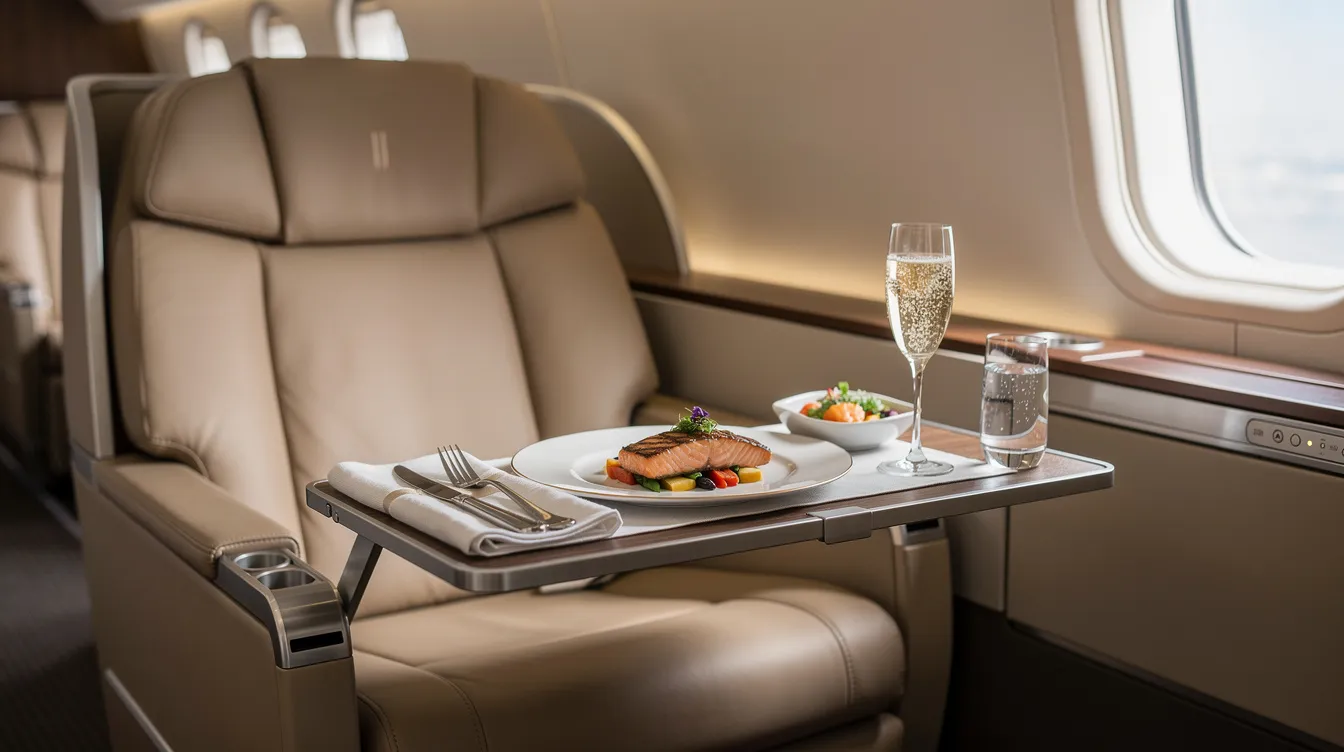
Meals on Delta First Class: What to Expect from Delta First Meal Service
Delta First Class meal service varies by flight length and time, offering premium snacks on short flights and plated meals on longer journeys. Passengers can pre-select meals and request special dietary options, enhancing their dining experience. For those seeking more customization, private jet charters provide greater control over meal choices and timing.
Read More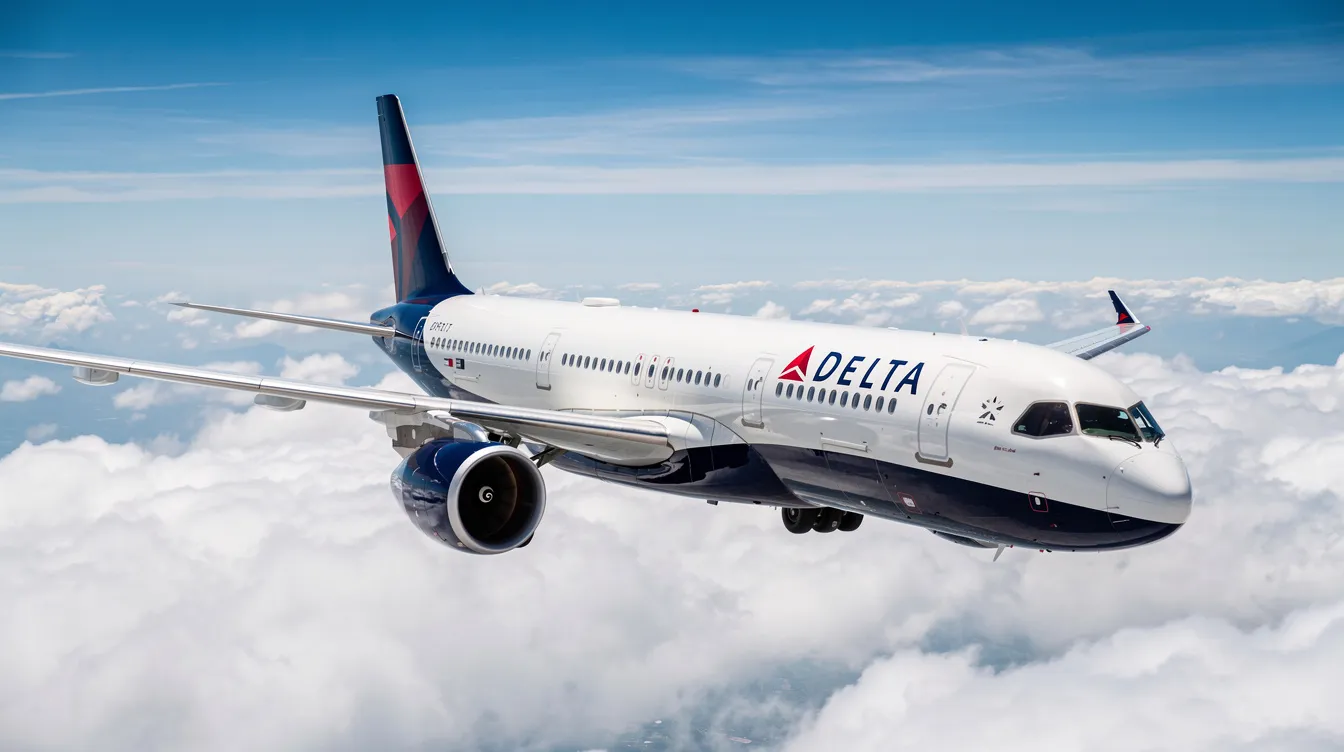
5
min read
Drinks on Delta: What's Changing With Food and Beverage Service in 2026?
Delta Air Lines is set to change its beverage service starting May 19, 2026, removing complimentary snacks and drinks on flights under 350 miles for Delta Comfort and Main Cabin passengers. First Class will continue to receive full service on all routes. This policy aims to enhance service consistency and operational efficiency across the airline's network.
Read MoreStay updated with our latest insights and tips to elevate your journey with us.
MEMBERSHIPS AND ASSOCIATIONS



Disclaimer: Jettly operates as a charter broker, offering access to a global digital jet charter marketplace. Jettly is not a direct air carrier and does not own or operate aircraft. All advertised flights are conducted by third-party air carriers that are fully licensed and hold the appropriate Part 135 or Part 121 certifications issued by the Federal Aviation Administration (FAA) or equivalent regulatory authorities under U.S. or foreign law. Jettly complies fully with the U.S. Department of Transportation's Part 295 and Part 298 Charter Broker regulations. Jettly does not carry additional liability insurance. Passengers are covered by aircraft operator insurance. TICO: 50023770


