


Login
Get Instant Pricing On 23,000+ Aircraft

>
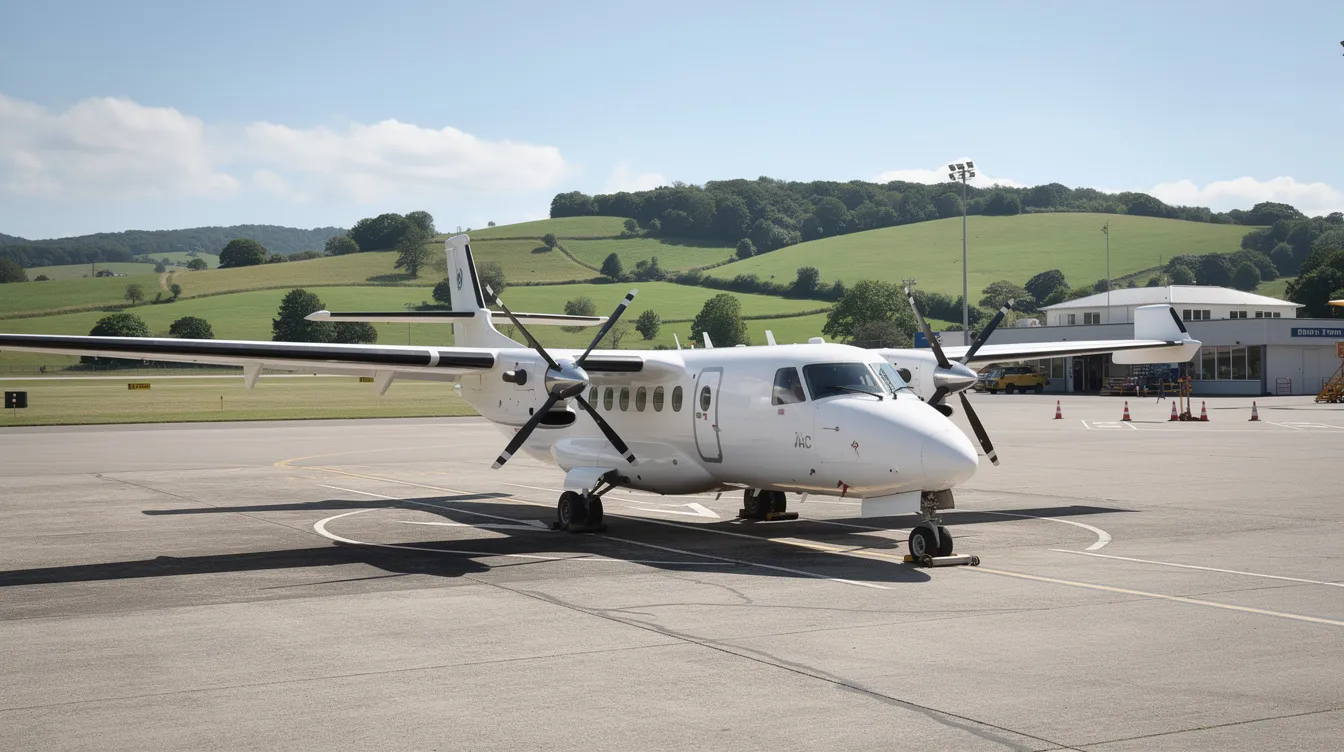
If you've ever wondered how much it costs to charter a small plane, the answer depends on what you're flying, where you're going, and how you book. Chartering a private jet or small plane in 2026 is more accessible than most people think, especially on short regional flights where the math can actually compete with premium commercial tickets. This guide breaks down every cost component, from hourly charter rates to hidden fees, and shows how to get the best value from your next private flight.
Chartering a small plane starts around $300–$600 per hour for piston aircraft, $1,000–$2,000 for turboprops, and $2,500–$4,000+ for light jets on routes like New York to Boston or LA to Las Vegas.
The total cost of a charter flight depends on aircraft type, flight hours, airport fees, federal excise tax, and extras like in-flight catering and ground transportation-not just the base hourly rate.
Chartering through a digital platform like Jettly converts fixed ownership costs into pay-per-trip spend, with no initial purchase price or ongoing maintenance costs.
Empty leg flights and flexible scheduling can cut private jet costs by 25–75% compared with standard charter pricing.
Get an instant small-plane quote for your route at Jettly.
The cost to charter a small plane in 2026 ranges from about $300 per flight hour for basic piston aircraft to $4,000+ per hour for light jets. Chartering a private jet costs $1,800 to $18,000 per hour across all aircraft categories, but the "small plane" segment sits firmly at the lower end of that range.
Here are the typical per-hour ranges for small aircraft:
Piston aircraft (Cessna 172, Piper Cherokee): $300–$600/hour
Turboprops (Pilatus PC-12, King Air 350): $1,000–$2,000/hour
Very light jets (Citation Mustang, Eclipse 500): $1,500–$3,000/hour
Light jets (Phenom 300, Citation CJ3): $2,500–$4,000/hour
Chartering a light aircraft ranges from $1,200 to $3,300 per hour depending on the specific model and configuration.
Real-world example trips:
|
Route |
Aircraft |
Est. Price (One-Way) |
|---|---|---|
|
New York → Boston |
Turboprop |
$2,500–$4,000 |
|
LA → Las Vegas |
Light jet |
$6,000–$9,000 |
|
Toronto → Muskoka |
Piston/turboprop |
$1,000–$1,800 |
These prices are per aircraft, not per passenger. On U.S. domestic legs, the federal excise tax of 7.5% is added on top, along with per-passenger segment fees of roughly $4.50–$5.30 per flight segment. Jettly provides real-time, route-specific small-plane pricing through its online platform so travelers can see exact costs before booking.
Private jet charter cost isn't a single number. It's shaped by a mix of aircraft type, billable flight hour duration, route distance, and operational logistics. Costs are often based on billable flight hours, so the variables that affect those hours-and the fees layered on top-determine your final invoice.
Here are the main cost drivers, with the most obvious direct costs tied to aircraft, hours, and distance, while other trip-dependent fees vary by route, airport, and service level:
Aircraft type and performance. Smaller, slower aircraft are cheaper than light jets. A piston plane burns 7–10 gallons per hour; a light jet burns 150+. That difference ripples through every line item.
Total flight time and distance. Longer flights typically incur higher costs. But very short hops can cost more per mile due to fixed minimums and startup fees.
Route direction. Headwinds, indirect routing, and airspace restrictions can add flight time and fuel burn, and changing fuel prices can make those longer routings even more expensive.
Airport selection. Smaller regional airports charge less than congested hubs for landing and handling. Airport fees vary and can notably affect the total flight bill.
Season and peak dates. Traveling during peak times increases costs compared to off-peak periods. Prices tend to rise during holidays and peak travel periods-think Thanksgiving week, New Year's, and major sporting events.
Add-ons. Optional services may incur additional costs such as catering and ground transportation. Wi-Fi, pets, and premium FBO services add up.
One-way vs. round-trip. One-way trips can sometimes be more expensive due to empty leg flights, since the operator needs to reposition the aircraft afterward.
Commercial flights price per seat. Private charters price per aircraft. That distinction changes the math for groups. A $6,000 light jet charter flight split among six passengers works out to $1,000 each-competitive with domestic first-class tickets on many busy routes, with significant time savings and access to smaller airports closer to your destination that you can pinpoint using Jettly's airport locator tool.
"Small planes" in private aviation usually means piston aircraft, turboprops, and light or very light jets. Each aircraft type suits a different mission profile, and the step-up in cost from one category to the next reflects differences in speed, cabin space, range, and operational complexity.
|
Aircraft Type |
Examples |
Seats |
Typical Range |
2026 Hourly Charter Rate |
|---|---|---|---|---|
|
Single-engine piston |
Cessna 172, Piper Cherokee |
2–4 |
300–400 miles |
$300–$600 |
|
Turboprop |
Pilatus PC-12, Cessna Caravan, King Air 350 |
6–9 |
Up to 1,500 miles |
$1,000–$2,000 |
|
Very light jet |
Citation Mustang, Phenom 100 |
3–5 |
~1,200 nm |
$1,500–$3,000 |
|
Light jet |
Phenom 300, Citation CJ3/CJ4 |
6–8 |
1,500–2,000 nm |
$2,500–$4,000 |
For comparison, chartering a midsize jet costs approximately $3,200 to $7,000 per hour, while heavy jet charters can cost between $5,400 and $11,000 per hour. At the top end, heavy jet charter pricing reaches $7,000 to $15,000 per hour for larger aircraft with more cabin space and intercontinental range.
Charter rates for turboprops range from $1,500 to $3,000 per hour on some premium routes, though the median for standard domestic hops sits closer to $1,000–$2,000. Light jet charter costs range from $2,500 to $4,000 per hour for most operators.
Turboprop aircraft typically cost $1,000 to $2,000 per hour to charter, making them an excellent choice for short regional flights where you need more seats and pressurization than a piston plane but don't need jet speed. They can also operate from shorter runways, opening up access to smaller airports that midsize jets and larger aircraft can't reach.
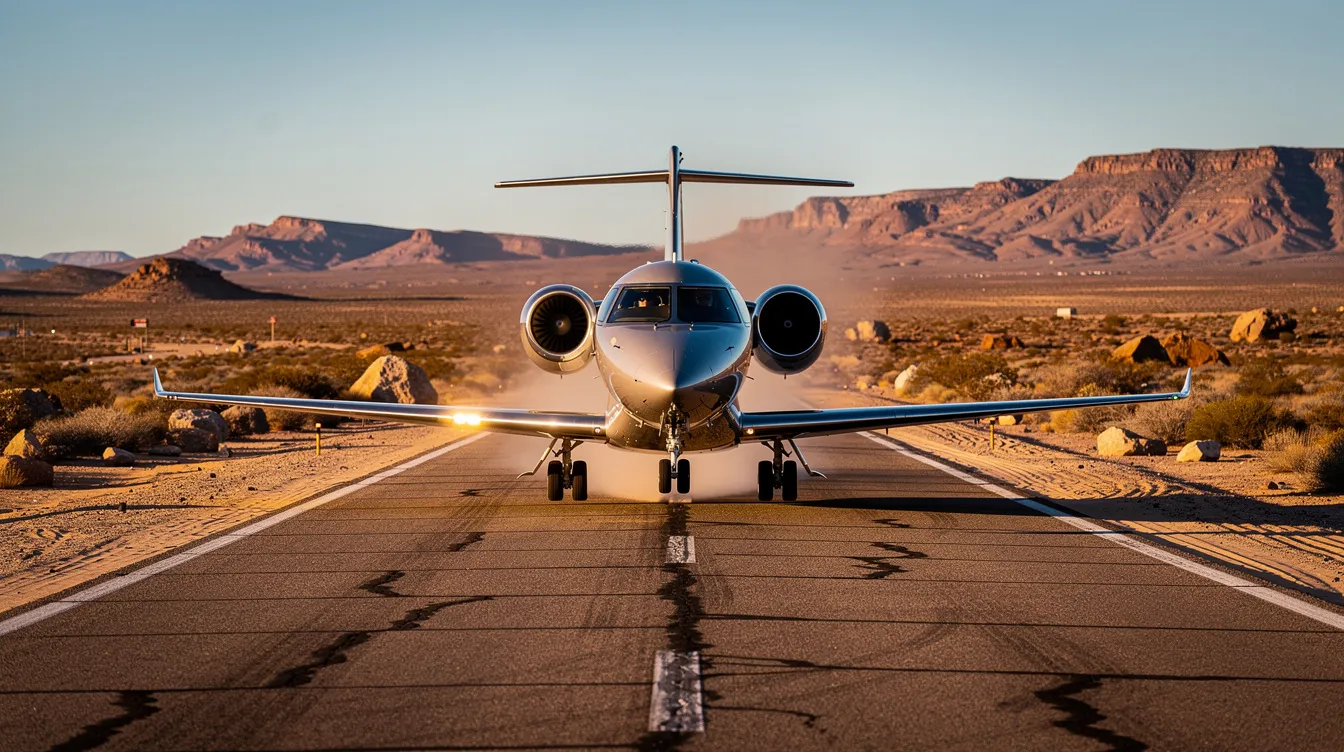
The basic formula for private jet rental pricing is straightforward:
Total Charter Cost = (Hourly Rate × Billable Flight Hours) + Taxes & Fees + Add-ons + Repositioning + Crew Expenses
A billable flight hour is typically measured from wheels-off to wheels-down. In some cases, it also includes taxi time and engine run-up. If the private aircraft isn't based at your departure airport, the empty positioning leg flown to reach you counts as billable time. Aircraft positioning fees may apply if relocation is needed, and aircraft positioning costs apply if the aircraft is empty before your trip. If the aircraft is not at the departure airport, empty positioning fees apply.
Base rates cover aircraft crew and basic operational costs. Beyond that, here are the common line items that land on your invoice:
Landing fees: Airports charge landing, parking, and terminal handling fees. Landing fees range from $100 to $1,500 per flight depending on aircraft weight and airport.
Handling fees: FBO ground services, marshalling, and tie-downs. Handling fees can range from $100 to $800 per flight.
Fuel surcharges: Fuel surcharges fluctuate based on global oil prices; some operators pass through adjustments above a baseline.
Federal excise tax: 7.5% on domestic flights, applied to the base charter rate. Landing fees, handling fees, and federal excise taxes are added to the charter rate.
Segment fees: Passenger fees often include federal taxes and segment fees if not included in the base quote, typically $4.50–$5.30 per passenger per segment.
Crew expenses: If a trip involves an overnight stay, you are responsible for the crew's hotel and meal expenses. If the trip requires the crew to stay overnight, expenses for hotels and per diem fees are added.
Daily minimums: Charter operators often require a minimum of 1–2 billable flight hours per day, so very short hops can cost more per mile.
Suppose you charter a King Air 350 for a 2-hour flight from Chicago Midway to a nearby regional airport. The aircraft needs a 1-hour positioning leg to reach you.
|
Line Item |
Amount |
|---|---|
|
Base rate (3 billable hours × $2,800/hr) |
$8,400 |
|
Federal excise tax (7.5%) |
$630 |
|
Landing + handling fees |
$1,200 |
|
Segment fees (4 passengers) |
$20 |
|
Fuel surcharge + premium handling |
$500 |
|
Estimated Total |
~$10,750 |
The final cost runs roughly 25–40% above the simple "hourly rate × flight hours" calculation. This is why all-in quotes matter. Jettly's platform shows an all-in estimated price before booking to minimize surprises and make private jet costs transparent.
Here are ballpark figures for well-known short-haul flights using smaller aircraft in 2026. These are one-way estimates unless noted.
|
Route |
Approx. Flight Time |
Aircraft Type |
Est. 2026 Price Range |
|---|---|---|---|
|
New York (TEB) → Boston (BED) |
~1 hr |
Turboprop |
$3,000–$5,000 |
|
Los Angeles (VNY) → Las Vegas (HND) |
~1–1.5 hrs |
Light jet |
$6,000–$9,000 |
|
Dallas → Houston |
~1 hr |
Turboprop |
$2,500–$5,000 |
|
Toronto → Muskoka |
~1.5 hrs |
Piston/turboprop |
$1,000–$3,000 |
|
New York → Miami |
~2.5 hrs |
Light jet |
$10,000–$20,000 |
For a transcontinental route like New York to Los Angeles, you'd move beyond small-plane territory into midsize jets or heavy jets, where one-way pricing starts at $30,000 and climbs well above $70,000 for ultra-long-range aircraft.
Actual quotes on Jettly will vary with season, aircraft availability, airport choice, and whether a suitable empty leg exists. Flight distance and direction (headwinds add time and fuel) also shift the numbers, much like general affordable aeroplane rental cost guides describe for a wide range of aircraft types.
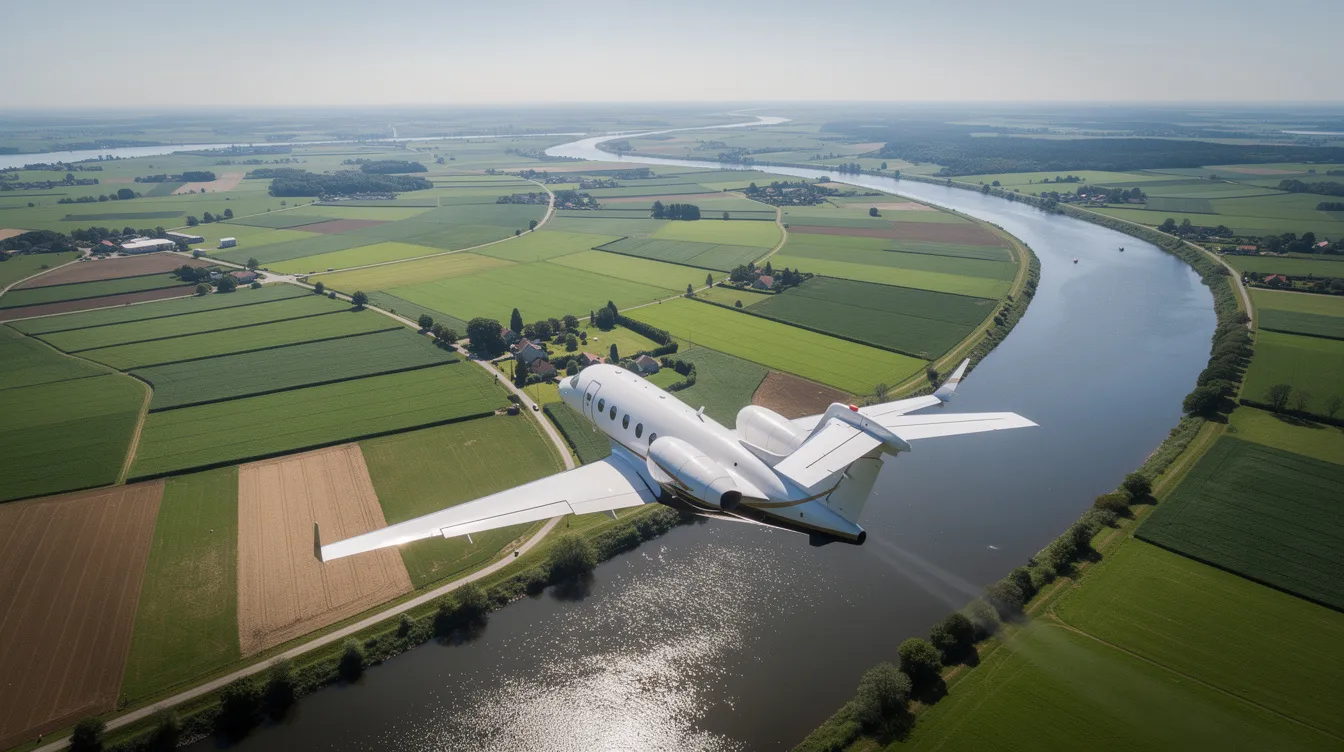
Many travelers consider buying their own private plane, especially at the piston end where the initial purchase price seems reasonable. But total cost of ownership tells a very different story.
Typical 2026 purchase prices for small aircraft:
Older two-seat piston trainers: $30,000–$80,000
Well-maintained Cessna 172: $150,000–$250,000+
New Cessna 172S: approximately $450,000+
Owning a small plane can cost $16,000 to $30,000 annually in fixed expenses, even before factoring in flight time. Here's what aircraft owners face each year:
Hangar fees: $2,400–$9,600/year depending on location
Insurance: $1,400–$4,000/year
Annual inspections and maintenance costs: $1,500–$3,000/year
Engine and propeller reserve funds: $20–$30/hour flown
Fuel: 7–10 gallons/hour at $5.50–$7.00/gallon for avgas
At 100 hours per year, a Cessna 172 owner might spend $24,000–$36,500 in total annual costs. That works out to $240–$365 per flight hour-before accounting for depreciation and the capital tied up in the aircraft outright.
Chartering avoids fixed costs like maintenance and storage. Flying fewer than 100 hours yearly is cheaper by chartering in almost every scenario. Ownership becomes economical only above roughly 200 flight hours per year, and only when the buyer wants to pilot themselves. For most business and leisure users flying under 100–150 hours annually, chartering delivers better value. For a deeper breakdown, see Jettly's guide to small private plane cost and its broader analysis of how much a private jet costs to own and operate.
The ideal charter customer is an executive, family, or occasional flyer who values flexibility and time savings but doesn't need year-round aircraft access. Through Jettly, travelers can charter a private aircraft without taking on ownership obligations, and the marketplace model, with access to 20,000+ aircraft worldwide, lets passengers choose different aircraft types for each mission instead of being locked into one owned plane.
Charter flights via Jettly always include professional, trained crews. No pilot training, licensing, currency expenses, or single-pilot operation concerns fall on the traveler.
Quick comparison scenario:
An executive takes four 2-hour regional business trips per year. Chartering a turboprop at ~$2,000/hour costs roughly $16,000 total. Owning a plane for 8 flight hours annually would cost $16,000–$30,000+ in fixed expenses alone-before fuel.
A family vacation requiring 10 hours of flying across several legs? Charter matches the aircraft to each leg and charges only for usage.
Frequent flyers can also explore Jettly-style private jet memberships or jet card programs for predictable hourly private jet charter rates while keeping the flexibility of chartering.
Base hourly charter rates are just one component of private jet travel costs. Taxes and operational fees can add 10–30% to the invoice depending on the trip, and comparing offers from the best private jet charter companies helps ensure those extras stay competitive.
U.S. federal excise tax: The Federal Excise Tax is 7.5% on domestic flights, applied to most Part 135 charter operations. Per-passenger segment fees of $4.50–$5.30 per takeoff-to-landing segment also apply.
Common charges that increase your bill:
Landing fees typically range from $100 to $1,500 per flight, based on aircraft weight and airport category.
Ramp and handling fees: $100–$800 per stop at most FBOs.
Crew overnight expenses can add $200 to $600 per person per night. Crew overnight expenses add $200 to $600 per night when multi-day trips are involved.
Parking and hangar fees at destination airports, especially for overnight stays.
Seasonal charges can apply during winter operations for de-icing, adding hundreds of dollars per departure.
International flights may incur additional fees of $500 to $5,000 for customs, immigration, overflight permits, landing permits, and navigation charges. Flights crossing international borders incur customs and handling fees that many first-time flyers overlook, especially when buying single seats on semi-private or shared jets.
Checklist for comparing quotes from different providers:
Does the base hourly rate include fuel, crew, and insurance?
What's the billable hours policy-does it include taxi time, positioning legs, or daily minimums?
Are taxes (FET, segment fees) included or added separately?
What airport fees are covered (landing, handling, parking, hangar fees)?
Are add-ons like in-flight catering, concierge services, or a rental car at the destination quoted separately?
Are there minimum usage requirements or fuel surcharges?
Reputable platforms like Jettly disclose anticipated taxes and fees in advance, offering all-in quotes where possible. This transparency eliminates hidden costs and lets travelers compare charter costs on equal footing while evaluating different providers from an ultimate list of charter airlines.
Jettly is a digital private aviation platform and charter company focused on transparent pricing and efficient small-plane access. It functions as a marketplace connecting travelers with vetted operators across a global network.
Here's what makes the platform useful for cost-conscious flyers:
Instant pricing engine. Jettly pulls rates from a network of 20,000+ charter aircraft-including piston aircraft, turboprops, and light jets-to show live options in seconds. No phone tag or waiting for callbacks.
On-demand booking. Customers pay per private flight without committing to traditional jet card programs or fractional ownership, which often require significant upfront capital.
Membership options. Subscription-style plans, including structured jet card programs with fixed hourly rates, offer lower service fees, enhanced support, or better access to private jets for frequent travelers, without the rigidity of owning aircraft outright.
Value-added services. Integrated ground transportation coordination, in-flight catering choices, and support for carbon offsetting or selecting more fuel-efficient smaller aircraft-often at minimal additional cost.
Chartering a private jet through Jettly gives travelers private jet rental prices matched to their actual needs. Learn more about Jettly's charter options at jettly.com.
Smart planning and aircraft choice can significantly reduce private jet costs while preserving the main benefits of flying private. Dedicated resources like Jettly's overview of affordable private jet charter pricing can help you benchmark quotes. Here are the most effective strategies:
1. Right-size your aircraft. Using smaller aircraft can lower charter costs significantly. If you're flying two passengers 200 miles, a turboprop or even a piston plane will do the job at a fraction of a light jet's hourly rate. Match the aircraft type to the mission.
2. Fly from secondary airports. Choosing regional airports or private charter aircraft operations at smaller airports closer to your origin and destination can cut landing fees, handling fees, and overnight costs compared to major hubs.
3. Be flexible on timing. Booking outside peak times can reduce costs by 20–50%. Mid-week departures, early morning slots, and avoiding holiday weekends all help. Shorter flights on less popular routes tend to have more available aircraft, keeping pricing competitive.
4. Book empty leg flights. Empty leg flights can save up to 75% on charter costs. These are repositioning flights that operators need to fly anyway-passengers who can match the route and schedule get deep discounts. Jettly's platform surfaces available empty legs and supports crowdsourced private jet flights with shared empty seats that fit flexible travel plans.
5. Compare on-demand vs. membership pricing. Jet card programs offer fixed hourly rates for frequent flyers, removing the volatility of on-demand pricing. Travelers who fly several times per year should compare both models using their expected annual flight hours through Jettly's platform.
This FAQ covers common questions about private charters that complement the detailed breakdown above.
Reputable charter operators follow the same aviation authority regulations as commercial airlines-FAA in the United States, EASA in Europe-and use highly trained, certified crews. Jettly works only with vetted, certified operators who maintain rigorous safety and maintenance standards. Chartering a small private plane can be as safe as commercial flights when the operator's safety records, audit history, and regulatory compliance are properly verified. Look for operators audited by recognized safety bodies like ARGUS or Wyvern.
Booking 5–14 days in advance typically offers a good balance of aircraft availability and competitive pricing on popular routes. Last-minute small-plane charters are often possible-sometimes within hours-but may cost more unless an empty leg happens to match your route. For peak periods like holidays or major events, planning several weeks ahead helps secure better aircraft options and lower private jet charter rates. Use Jettly's instant pricing tool to monitor how pricing shifts as your travel date approaches.
Most small charter aircraft can accommodate pets and luggage, but weight and balance limits are more restrictive than on larger aircraft or commercial airlines. Traveling with multiple pets or oversized baggage may require selecting a larger aircraft type, which increases the hourly rate. Share accurate passenger, pet, and baggage details in the initial quote request so the platform can match you with a suitable plane and price. Additional cleaning fees of roughly $200–$300 may apply after pet flights.
The total aircraft cost is higher than a single airline ticket, but dividing a small-plane private jet charter among passengers changes the math. A $6,000 light jet flight split among six passengers equals $1,000 each-similar to many domestic first-class tickets. Beyond price, flying private saves time at the airport, allows custom schedules, and provides direct access to smaller, more convenient airports. For business groups and families, those time and convenience gains often justify the higher per-seat expense compared to commercial flights.
On-demand private jet rental via Jettly is available without a long-term membership. Travelers can book individual charter flights as needed with no commitment. Optional membership tiers or jet card-style programs offer benefits like lower service fees, faster premium service support, or more predictable hourly pricing for frequent flyers. If you fly several times per year, compare on-demand versus membership models using your expected annual flight hours. Explore current membership and on-demand options at jettly.com.
Small-plane charter costs in 2026 range from a few hundred to several thousand dollars per flight hour, depending on aircraft type, route, and the fees layered on top. Understanding how much it costs to charter a small plane comes down to knowing what drives the final cost: the aircraft category, the flight distance, the airports involved, and how you book.
Chartering converts the fixed burden of ownership—purchase price, hangar, maintenance—into a flexible, per-trip expense aligned with actual travel needs. For most travelers, that trade-off delivers better value and zero headaches.
The key decisions—aircraft type, route, airports, and timing—have the biggest impact on private jet travel costs. Digital platforms simplify those choices by showing transparent, all-in pricing before you commit.
Ready to see what your next trip would cost? Compare real-time prices, explore aircraft options, and learn more about private jet charter costs on Jettly's platform.
Share this post:
Jay Franco Serevilla
Jul 1, 2026
|
5
min read
Discover tips and trends in the industry.
5
min read
Arrow Jets: How Jettly Makes Private Jet Travel Simple, Fast, and Transparent
Jettly revolutionizes private jet travel by offering a digital platform that simplifies the booking process for over 20,000 aircraft worldwide. With instant pricing and transparent cost breakdowns, travelers can easily access fast, direct flights tailored to their needs. This on-demand model eliminates the complexities of traditional jet ownership, making private aviation more accessible and efficient.
Read More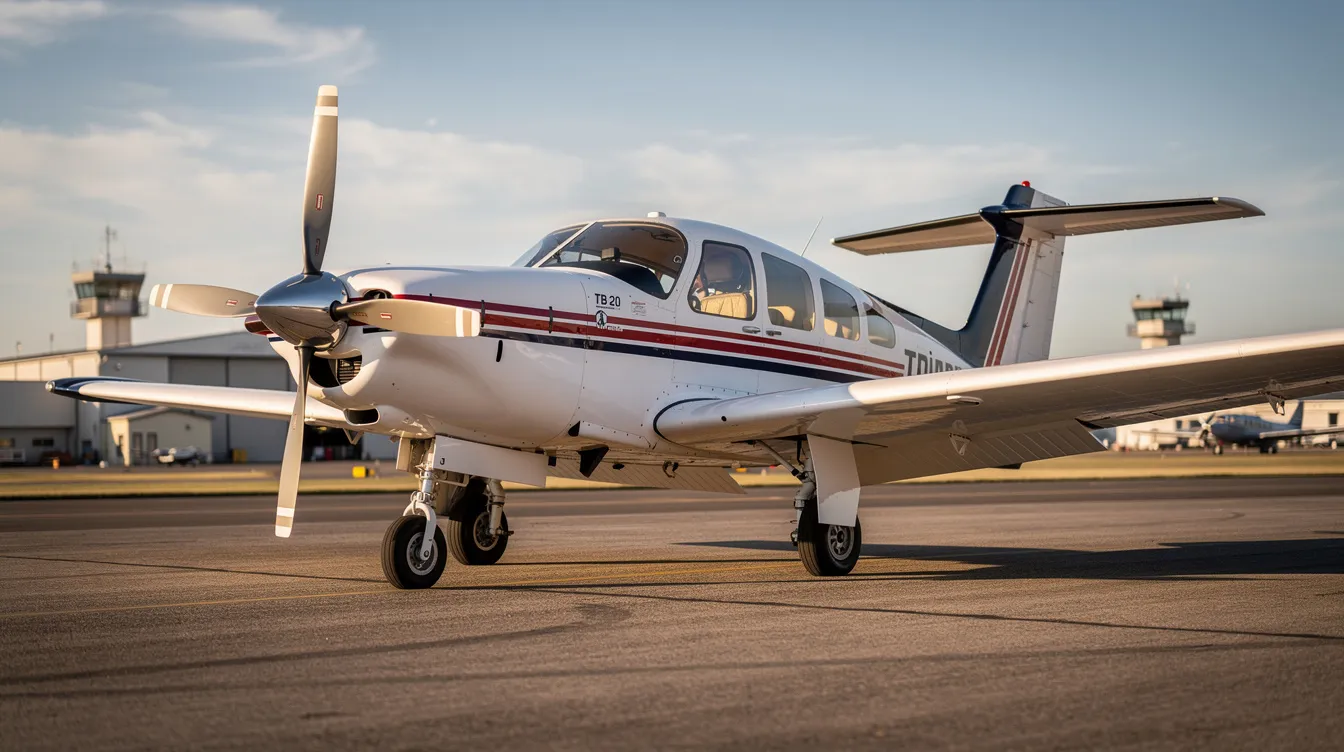
5
min read
Socata TB Series Guide: TB 20 Trinidad and Related Models
The Socata TB series, particularly the TB 20 Trinidad, is a renowned family of French single-engine aircraft designed for touring and training. With its spacious cabin and retractable landing gear, the TB 20 is favored by private pilots and flight schools for its performance and comfort. This guide explores the TB series' features, variants, and its relevance in modern private aviation.
Read MoreStay updated with our latest insights and tips to elevate your journey with us.
MEMBERSHIPS AND ASSOCIATIONS



Disclaimer: Jettly operates as a charter broker, offering access to a global digital jet charter marketplace. Jettly is not a direct air carrier and does not own or operate aircraft. All advertised flights are conducted by third-party air carriers that are fully licensed and hold the appropriate Part 135 or Part 121 certifications issued by the Federal Aviation Administration (FAA) or equivalent regulatory authorities under U.S. or foreign law. Jettly complies fully with the U.S. Department of Transportation's Part 295 and Part 298 Charter Broker regulations. Jettly does not carry additional liability insurance. Passengers are covered by aircraft operator insurance. TICO: 50023770


