



Login
Get Instant Pricing On 23,000+ Aircraft

>
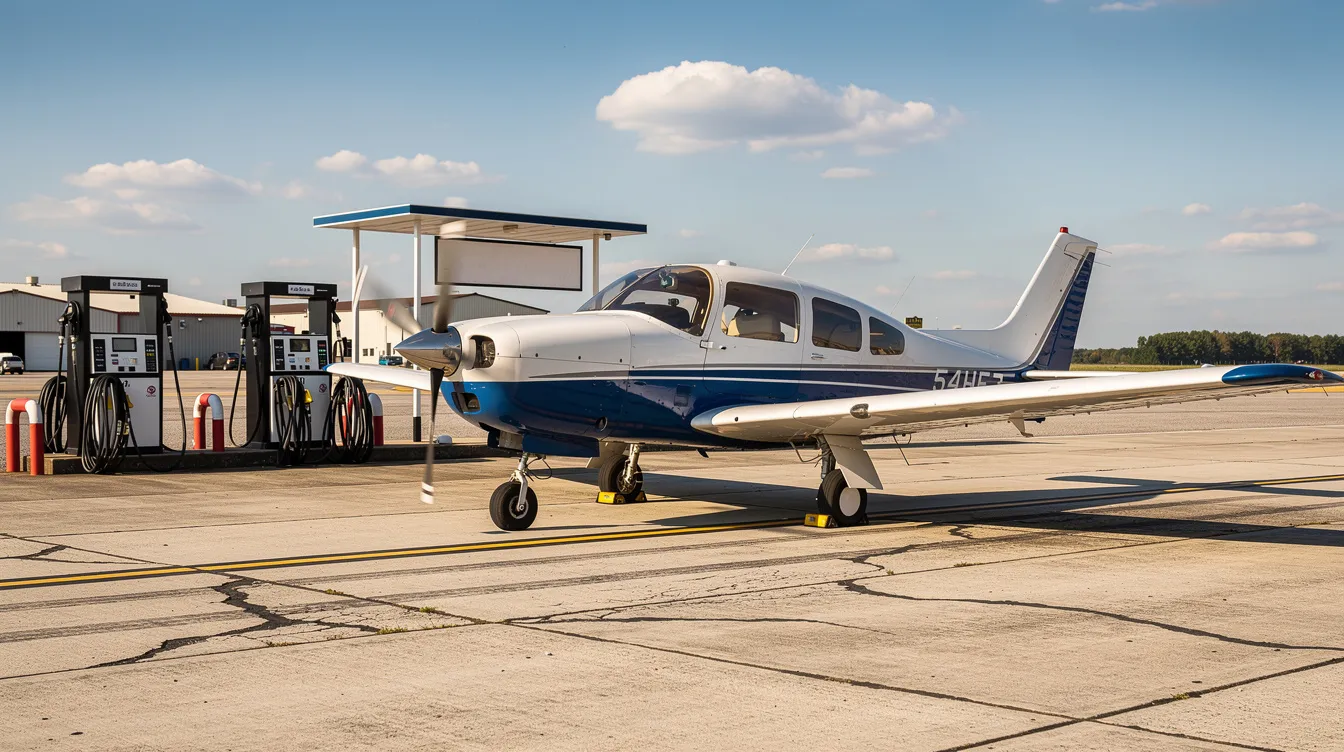
Fuel is the single largest variable expense for most small aircraft owners. Whether you fly a two-seat trainer on weekends or charter a turboprop for business, understanding how much it costs to fuel a small plane directly shapes your budget and flight planning. This guide is for private pilots, aircraft owners, and anyone considering small plane travel or ownership. Fuel costs are a major factor in budgeting and planning for any flight, making it essential to understand current prices and consumption rates. This guide breaks down 2026 fuel prices, burn rates by aircraft type, and real-world trip costs so you can plan with confidence.
Fuel costs are an important factor in every flight decision, from weekend hops to cross-country missions. Here is what matters most heading into late 2026.
A typical small single-engine piston aircraft like a Cessna 172 burns 8–10 gallons per hour. At current average fuel prices of roughly $7.50–$7.80 per gallon for 100LL, that works out to about $60–$80 per flight hour in fuel alone.
Hourly fuel costs for small planes range from $35 to over $130, depending on aircraft type, engine configuration, and power settings.
Small twin pistons can reach $180–$240 per hour, while small turboprops push $500–$600 per hour in fuel expenses.
A two-hour leisure flight can cost as little as $100 in a very efficient light sport aircraft or over $700 in a small turboprop.
Fuel costs depend on aircraft type, fuel type (100LL vs. Jet A), local fuel prices at your airport, and how efficiently the airplane is flown.
So how much does it cost to fuel a small plane? For most personal single-engine pistons, expect roughly $60–$80 per hour in fuel. Small twins run $180–$240 per hour. Small turboprops can hit $500–$600 per hour.
The formula is simple and gives a rough estimate: fuel consumption (gallons per hour) × fuel price per gallon = cost per flight hour, not a precise quote. Pilots and owners think in cost per hour rather than per trip because burn rates stay fairly consistent at a given power setting.
Fueling costs are one of the main operational expenses for aircraft owners. In fact, fuel costs can account for 70% of operational costs for owner-flown piston aircraft once you strip out fixed expenses like hangar rent and insurance. Aviation fuel costs account for 20%–40% of airline operating costs at the commercial level, and general aviation owners feel that same pressure.
For example, a 1.5-hour weekend hop in a Cessna 172 burning 9 gallons per hour at $7.75 per gallon costs about $105 in fuel as a rough estimate, though payload, weather, winds, or routing can change the total. A two-hour business flight in a King Air turboprop at 65 gallons per hour and $8.25 per gallon costs roughly $1,073.
While Jettly focuses on private jet travel and charter rather than ownership, the same fuel consumption and fuel price logic underpins charter pricing across its platform, which you can explore using its private jet charter cost estimator.
The term "small plane" covers several categories, and each has dramatically different fuel consumption and fuel costs. Larger aircraft generally consume more fuel per hour compared to smaller ones.
|
Aircraft Category |
Example Aircraft |
Fuel Type |
Gallons Per Hour (Cruise) |
|---|---|---|---|
|
Light Sport Aircraft (LSA) |
Various two-seat trainers |
100LL |
5–6 GPH |
|
Single-Engine Piston |
Cessna 172, Piper PA-28 |
100LL |
8–10 GPH |
|
High-Performance Single |
Cirrus SR22, Beechcraft Bonanza |
100LL |
13–16 GPH |
|
Twin-Engine Piston |
Beechcraft Baron 58 |
100LL |
25–30 GPH |
|
Small Turboprop |
Pilatus PC-12, King Air C90 |
Jet A |
60–70 GPH |
|
Light Jets |
Citation CJ series, Phenom 100 |
Jet A |
150–200 GPH |
Small single-engine planes burn 5 to 10 gallons per hour at the lighter end, while small single-engine piston planes typically burn 8 to 15 gallons per hour at higher power settings. Light jets consume 150–200 gallons of fuel per hour, a dramatic jump in fuel use.
Fuel efficiency varies with weight, altitude, power setting, and piloting style. Many charter missions on Jettly use turboprops and light jets, whose higher fuel consumption translates directly into higher hourly rates.
Aviation fuel is not a single product. The fuel type your airplane uses is a key factor in fuel costs, and understanding types of jet fuel such as Jet A and Jet A-1 helps explain why prices and performance differ across aircraft.
100LL (Avgas): 100LL aviation gasoline is used by piston-engine aircraft. It is leaded, color-coded blue, and remains the standard for most training and personal aircraft. In 2026, 100LL aviation gasoline costs $5.50 to $7.50 per gallon depending on location and service type.
Jet A: Jet A fuel is primarily used in the U.S. for turboprops, turbojets, and helicopters. It is a kerosene-based fuel with a freeze point of -40°C. For international operations, Jet A-1 has a lower freeze point of -47°C, making it suitable for higher-altitude and colder-climate routes, where stricter handling and quality-control standards also support safety. Jet A is typically cheaper per gallon than 100LL at many FBOs, but turbine engines burn far more fuel per hour.
Sustainable Aviation Fuel (SAF): SAF is an emerging alternative primarily for Jet A users. It carries a significant premium-often two to four times the conventional jet fuel price per gallon-but sustainable aviation fuel can reduce CO₂ emissions by up to 80%. As of 2026, SAF availability remains limited at most general aviation airports.
Both aviation fuel and jet fuel prices have remained volatile through 2026 due to market fluctuations tied to crude oil, refining capacity, and geopolitical tensions.
Here are the concrete numbers as of October 2026:
100LL Avgas (full-service): A national average of $7.52 per gallon for 100LL Avgas is reported as of October 2026, with some sources showing 100LL Avgas averages roughly $7.75 per gallon for full-service fueling.
Unleaded Avgas (self-service): Unleaded aviation gasoline averages around $7.68 for self-service. Self-service fuel is often cheaper than full-service fuel in some locations by over $1.00 per gallon.
Jet A (full-service): Jet A averages about $8.36 per gallon for full-service fueling at FBOs nationally.
Airline bulk pricing: For comparison, U.S. airline aviation fuel cost averaged $3.13 per gallon in March 2026, reflecting volume discounts and contract pricing unavailable to most GA pilots.
Airports with more FBO competition often offer more competitive fuel prices, so prices can vary 20–50% between different airports, even within the same state. In Alaska, 100LL has topped $11 per gallon, while certain airports in central FAA regions post prices closer to $7.00.
Crude oil prices directly influence aviation fuel prices. Crude oil prices typically account for over half of jet fuel costs. The global aviation fuel market is influenced by the refining and distribution logistics that move fuel from refineries to remote airfields.
Regional factors such as taxes, transportation costs, local demand, and tougher logistics or limited competition can lead to higher costs and change annual expenses by hundreds of dollars. Jet fuel costs and broader energy market conditions indirectly influence private jet charter pricing on platforms like Jettly, even when the customer only sees an all-inclusive rate.
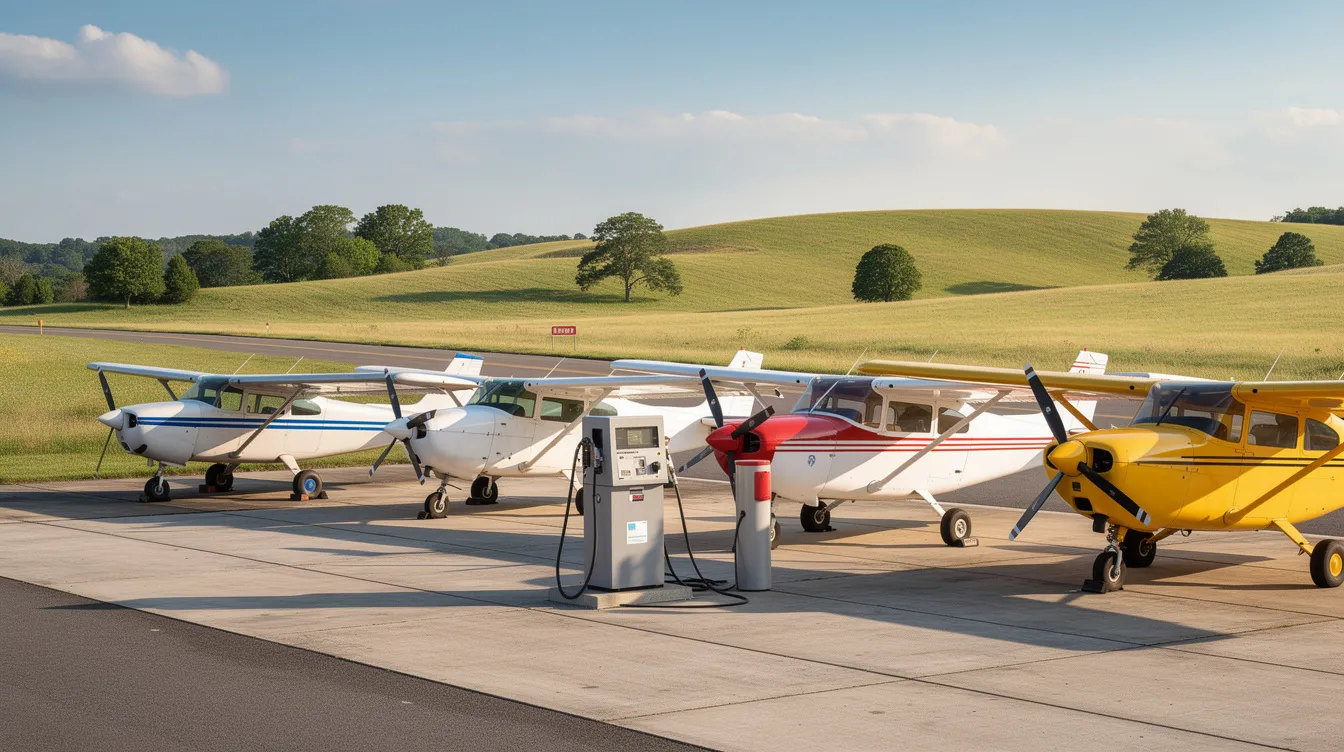
Pilots and owners estimate fuel cost using a straightforward three-step process.
Step 1: Find the aircraft's average fuel consumption in gallons per hour. Check the Pilot Operating Handbook (POH) or manufacturer data for cruise settings.
Step 2: Check the current local fuel price per gallon for the correct fuel type at your departure or destination airport.
Step 3: Multiply burn rate × price per gallon × planned flight hours.
Here are worked examples using 2026 prices:
|
Aircraft |
Burn Rate |
Fuel Price |
2-Hour Trip Fuel Cost |
|---|---|---|---|
|
Cessna 152 |
6 GPH |
$7.75/gal (100LL) |
~$93 |
|
Cessna 172 |
9 GPH |
$7.75/gal (100LL) |
~$140 |
|
Beechcraft Baron 58 |
27 GPH |
$7.75/gal (100LL) |
~$419 |
Add a 10–20% margin for taxi, climb, holding, and routing changes. Real-world fuel consumption is rarely "book perfect."
On a private jet charter through Jettly, this calculation is handled behind the scenes, but understanding it helps interpret hourly rates and any fuel surcharges as part of the broader private jet operating cost breakdown.
Concrete examples make fuel costs easier to grasp than abstract burn rates.
Cessna 172 weekend flight: At 9 GPH and $7.75 per gallon, fuel runs about $70 per hour. A 200-mile out-and-back family flight (roughly 2 hours total) costs approximately $140 in fuel.
Cirrus SR22 business trip: Burning about 15 GPH at $7.75 per gallon, a two-hour flight costs roughly $233 in fuel. The higher speed (around 180 knots) covers more ground, but you pay for that efficiency with more fuel burned, a dynamic that scales up dramatically when you look at how much it costs to fuel a private jet.
Pilatus PC-12 NGX turboprop: At approximately 66–69 GPH and Jet A at $8.36 per gallon, the fuel component alone reaches about $550–$577 per flight hour. A two-hour mission costs roughly $1,100–$1,150 in fuel. For turboprop charter rates, this fuel slice is a major driver of the all-in price.
The difference between categories is stark. Moving from a Cessna 172 to a PC-12 multiplies fuel expenses by roughly eight times per hour.
Fuel cost is not fixed. It shifts with operational choices, weather, and broader market conditions and sits alongside other major expenses when you consider how much a private jet really costs.
Aircraft-specific factors:
Aircraft weight and power settings significantly affect fuel consumption
Engine condition, propeller efficiency, and overall maintenance quality matter
A well-maintained engine can burn measurably less fuel than a neglected one
Operational factors:
Cruising altitude and power settings drive the speed-versus-efficiency trade-off
Flying at best-economy settings can reduce burn by 1–2 GPH on many pistons
Headwinds add flight time and total fuel use; tailwinds save money
External factors:
Global jet fuel prices can swing 10% or more within a week
A single-cent increase in fuel price can add $40 million annually for airlines-GA pilots feel proportional pain
Environmental regulations and taxes increase aviation fuel prices at many airports
Fuel costs can vary based on added expenses like FBO fees and taxes
Hot-and-high airports reduce engine efficiency, increasing fuel consumption. ATC routing that adds distance or holding patterns also burns more fuel than planned.
While fuel prices are outside a pilot's control, fuel consumption and fuel efficiency can be optimized.
Choose the right aircraft. For missions that do not require high speed or large payloads, an LSA or efficient four-seat piston burns far less than a heavier, thirstier model.
Fly at economy cruise. Backing off from 75% power to 65% power in a Cessna 172 can save 1–2 GPH, cutting $8–$15 per hour at current prices.
Refuel strategically. Private jet fuel prices can vary 20–50% between airports, so planning stops around airports with competitive fuel prices can reduce total trip fuel spend and complement other strategies for keeping overall aeroplane rental costs affordable.
Book ahead. Booking fuel in advance may offer discounted rates at certain airports and FBO chains that provide volume discounts or contract pricing, with the added benefit of making fuel costs more predictable.
Limited hangar or ramp space at busier airports can also affect what owners pay overall, even when fuel itself is cheaper.
For private jet users, selecting turboprops instead of light jets on shorter legs can improve fuel efficiency and reduce the fuel cost component of charter pricing, one of several levers that shape how much it costs to rent a private jet.
There is growing focus on environmental considerations in aviation, and fuel consumption sits at the center of that conversation.
Lower fuel consumption per hour and per mile reduces both cost and CO₂ emissions-making efficient flying financially and environmentally beneficial, especially when you understand how individual private flight costs are structured. The FAA and industry groups continue working on unleaded aviation gasoline initiatives for piston aircraft, which could affect long-term fuel prices and availability across FAA regions.
Sustainable aviation fuel is starting to appear at some airports for small turboprops and private jets, typically at a premium of two to four times the conventional jet fuel price, and it is becoming a more common talking point across private and charter airlines as they adapt to environmental expectations. Some private jet travelers on Jettly choose SAF blends or carbon offset options to balance convenience with environmental responsibility.
Although private flyers on Jettly usually pay an all-in charter rate, fuel costs remain a major driver of hourly pricing. Fuel costs typically represent over half of jet operating expenses for many aircraft categories, sitting alongside significant private jet maintenance costs that owners must budget for over the life of an aircraft.
Jettly incorporates real-time aviation fuel and jet fuel costs into its pricing engine, using aircraft-specific fuel burn data and regional fuel prices. Fuel expenses, including any necessary fuel surcharges, are built transparently into instant quotes so customers are not surprised by market fluctuations after booking.
Choosing more fuel-efficient aircraft types can benefit customers, especially when selecting turboprops for shorter hops if that mission profile fits, helping travelers manage the fuel portion of their total trip cost and compare options with a jet card flight cost estimator. Explore aircraft options and get live, fuel-inclusive charter quotes at jettly.com, or consider locking in predictable pricing through private jet memberships.
These questions address common concerns about small plane fuel costs that go beyond the main sections above.
A Cessna 172 carries about 50 usable gallons. At $7.75 per gallon, a full fill runs roughly $388. Higher-performance singles with 70–90 usable gallons cost $540–$700 for a full tank. Small turboprops like the PC-12 (roughly 400 gallons usable) can exceed $3,300. Pilots rarely arrive with empty tanks, so real-world bills are usually for partial top-offs.
A Cessna 172 cruising at about 132 mph and burning 9 GPH at $7.75 per gallon has a fuel cost of roughly $0.53 per mile. A car getting 30 mpg on $4.00 gasoline costs about $0.13 per mile. Small planes are cheaper per mile in time saved, not in raw fuel dollars.
Many U.S. FBOs adjust posted aviation fuel prices weekly or monthly. Spikes in crude oil or current market conditions can trigger quicker changes. Pilots check prices on tools like AirNav or ForeFlight before choosing a fuel stop, since a $0.50–$1.00 per gallon difference adds up over a flying season.
Optimizing routing and altitude can reduce fuel consumption by roughly 5–15% on many flights. Climbing to a more efficient cruise altitude or reducing speed slightly can save 1–2 gallons per hour. These savings accumulate over a season, lowering both total fuel costs and environmental impact.
Estimate annual fuel expenses by multiplying expected flight hours by typical burn rate, then use a conservative fuel price per gallon-$7.50 or higher for 100LL in 2026. Add a 10–20% buffer for unexpected market fluctuations, additional costs like longer flights, or extra training. Tracking fuel receipts monthly helps owners refine their budget and adjust if prices rise sharply.
The cost to fuel a small plane in 2026 depends on aircraft type, fuel type, local fuel prices, and flying style. Typical single-engine pistons run about $60–$80 per hour in fuel at current average fuel prices, while turboprops and light jets scale dramatically higher.
Mastering basic fuel cost calculations and fuel efficiency practices helps pilots and owners keep operating budgets predictable. For travelers who prefer chartering over owning, platforms like Jettly embed fuel costs into transparent, fuel-inclusive quotes-simplifying budgeting for private flights.
Ready to fly on your terms? Explore aircraft options or request a fuel-inclusive private jet charter quote at jettly.com.
Share this post:
Jay Franco Serevilla
Oct 14, 2026
|
5
min read
Discover tips and trends in the industry.
5
min read
How Much Does It Cost to Fuel a Small Plane in 2026?
In 2026, fuel costs for small planes vary significantly based on aircraft type and fuel consumption rates. Single-engine pistons typically incur costs of $60–$80 per hour, while turboprops can reach $500–$600 per hour. Understanding these expenses is crucial for budgeting and flight planning for private pilots and aircraft owners.
Read More
5
min read
Private Jet Italy Guide: Routes, Costs, Airports and How Jettly Helps
Flying by private jet to Italy offers unmatched flexibility and speed, making it ideal for both business and leisure travelers. This comprehensive guide covers routes, costs, and how Jettly simplifies the booking process, ensuring a seamless travel experience. Discover the advantages of private aviation and how it can enhance your Italian journey.
Read MoreStay updated with our latest insights and tips to elevate your journey with us.
MEMBERSHIPS AND ASSOCIATIONS



Disclaimer: Jettly operates as a charter broker, offering access to a global digital jet charter marketplace. Jettly is not a direct air carrier and does not own or operate aircraft. All advertised flights are conducted by third-party air carriers that are fully licensed and hold the appropriate Part 135 or Part 121 certifications issued by the Federal Aviation Administration (FAA) or equivalent regulatory authorities under U.S. or foreign law. Jettly complies fully with the U.S. Department of Transportation's Part 295 and Part 298 Charter Broker regulations. Jettly does not carry additional liability insurance. Passengers are covered by aircraft operator insurance. TICO: 50023770


