



Login
Get Instant Pricing On 23,000+ Aircraft

>

Whether you own a Cessna or you're booking a turboprop charter for a business trip, how much fuel costs for a small plane is one of the first questions that shapes your budget. This guide is for private pilots, aircraft owners, and charter customers looking to understand and manage small-plane fuel costs in 2026. Aviation fuel remains the single largest variable cost for most small aircraft, and prices in 2026 sit higher than many pilots expected. This guide breaks down current fuel prices, real hourly costs by aircraft type, and practical ways to manage what you spend at the pump-or on a charter invoice.
Most small piston planes burn 5–12 gallons per hour of 100LL avgas at about $6.80–$7.54 per gallon in 2026. Small turboprops and very light jets use Jet A, which runs roughly $7.00–$9.20 per gallon at U.S. FBOs.
Hourly fuel costs for small aircraft typically range from about $35–$100 per hour for basic trainers up to $450–$600+ per hour for high-performance turboprops. Total operating costs for a small single-engine aircraft fall between $100 and $300 per flight hour when you account for everything.
Aviation fuel is the largest variable operating cost for most small planes. Fuel costs may account for 70% of variable operational costs, while operating expenses also include maintenance, insurance, and fixed costs like hangar fees.
Fuel prices vary by region, airport, and fuel type-100LL avgas, Jet A, and sustainable aviation fuel SAF all carry different price tags. Jettly's charter quotes already include current fuel prices.
The rest of this article breaks down fuel types, real examples, and how to keep fuel costs under control, whether flying your own aircraft or booking a charter.
In 2026, fuel prices for small aircraft generally run between $5 and $7 per gallon at the lower end, while current retail prices for small aircraft fuel reflect average fuel prices of around $7.75 to $7.78 per gallon at many FBOs. Here's what that looks like by fuel type.
100LL avgas costs about $6.80 to $7.54 per gallon on average across U.S. airports, though avgas 100LL prices generally range from $5.50 to $7.50 per gallon depending on location. This is the main aviation fuel for training and recreational small planes.
Jet A prices range from $7.00 to $9.20 per gallon at FBOs. Jet A at U.S. FBOs averaged $7.94 per gallon in May 2026, and full-service Jet A averages roughly $8.35 to $8.36 per gallon at higher-cost locations. Remote or busy metropolitan airports can push prices well above the average.
Concrete hourly fuel cost examples at mid-range 2026 prices, especially for turbine aircraft, mirror many of the drivers outlined in dedicated breakdowns of what it costs to fuel a private jet:
Cessna 172: 8–9 gal/hr of avgas → roughly $55–$70/hr in fuel
Piper PA-28 or similar trainer: 8–10 gal/hr → about $60–$80/hr
Pilatus PC-12 (single-engine turboprop on Jet A): 60–65 gal/hr → about $450–$600/hr in fuel alone
Sustainable aviation fuel (SAF) exists for turbine aircraft and typically costs $6 to $12 per gallon before government incentives-2–4× conventional jet fuel. It's still rare at small GA piston airfields.
Aircraft owners pay fuel directly at the pump. Charter customers using a platform like Jettly see fuel baked into an hourly or trip price that updates with changing fuel costs.
"Small plane" covers everything from a two-seat Cessna 150 to a Pilatus PC-12 turboprop. Each category uses a different fuel type, and understanding helps explain why costs differ so much.
100LL avgas is the dominant fuel for light piston aircraft. It contains tetraethyl lead to achieve its high octane rating, is produced in lower volumes than road gasoline, and carries higher refining costs. Avgas is used primarily in piston-engine aircraft like the Cessna 172, Piper Cherokee, and Cirrus SR22.
Jet A is the U.S. standard jet fuel for turbine engines. It's a kerosene-based fuel burned by turboprops and jets. Many "small planes" seen in charter-the King Air 200, PC-12, Citation Mustang-actually run on Jet A rather than avgas. Jet A-1 is the international equivalent, with a slightly lower freeze point.
Sustainable aviation fuel (SAF) is a drop-in alternative for Jet A users. SAF can be blended up to 50% with conventional jet fuel without engine modification. In 2026, SAF cost per gallon sits around $6–$12, and availability is concentrated at larger hubs and major FBO networks, not most small GA airfields.
|
Fuel Type |
Typical Aircraft |
Approx. 2026 Price per Gallon |
Where Commonly Sold |
|---|---|---|---|
|
100LL Avgas |
Piston trainers, Cessna 172, Cirrus SR22 |
$5.50–$7.54 (avg ~$7.22) |
Most GA airports |
|
Jet A |
Turboprops, VLJs, light/mid jets |
$7.00–$9.20 (avg ~$7.94) |
FBOs serving turbine aircraft |
|
SAF (blended) |
Turboprops & jets |
$6–$12 before incentives |
Select major airports |
For charter customers, Jettly's platform automatically selects the compatible fuel type for each aircraft. Customers see all-in pricing, not per-gallon charges.
Fuel burn-measured in gallons per hour-is the key driver of your fuel cost, often more important than the price per gallon alone. Small single-engine planes burn 5 to 10 gallons per hour at the baseline, but the number climbs fast with performance and power.
|
Aircraft |
Fuel Type |
Burn (gal/hr) |
Price Used |
Fuel Cost/Hr |
|---|---|---|---|---|
|
Cessna 150/152 |
100LL |
5–6 |
$7.00/gal |
~$35–$45 |
|
Cessna 172S |
100LL |
8–9 |
$7.00/gal |
~$55–$70 |
|
Piper PA-28-181 Archer |
100LL |
9–10 |
$7.00/gal |
~$60–$80 |
|
Cirrus SR22 |
100LL |
13–17 |
$7.25/gal |
~$90–$130 |
|
Pilatus PC-12 NGX |
Jet A |
60–65 |
$7.50/gal |
~$450–$490 |
|
Beechcraft King Air 200 |
Jet A |
110–130 |
$7.50/gal |
~$800–$1,100 |
|
Citation Mustang (VLJ) |
Jet A |
90–110 |
$7.50/gal |
~$650–$900 |
Example calc: Fuel cost per hour = fuel burn × current fuel price. A Cessna 172 burning 8.5 gal/hr at $7.00/gal costs $59.50/hr in fuel. Plug in your local airport's price and the number adjusts instantly.
Real-world fuel burn depends on weight (even a bit of extra coffee adds up at the margins), cruise power setting, altitude, weather, and pilot technique. Adding or subtracting 10–20% from book figures is typical. For Jettly users, these burn rates are handled in the background-the platform's instant pricing engine multiplies each aircraft's planned burn by live fuel prices at departure and destination airports.
Small-plane fuel prices do not move randomly. They follow a layered chain from global energy markets to your local airport pump.
Crude oil is the starting point. Crude oil prices account for over half of jet fuel costs, with Brent crude trading between roughly $70–$100 per barrel through 2025–2026. Global crude oil price spikes can affect wholesale fuel costs for aviation fuel almost immediately. Even a single-cent increase in fuel price per gallon adds roughly $40 million to airline expenses industry-wide-a number that illustrates the sensitivity.
Refining and crack spread come next. Refineries convert crude into multiple products-gasoline, diesel, jet fuel, and avgas- and their margins, plus operating constraints, add cost. U.S. airline aviation fuel cost averaged $3.13 per gallon in March 2026 at the wholesale level, but that's before airport-level markups.
Taxes and fees layer on top. Federal excise taxes, state-level fuel taxes, and environmental charges all add varying amounts to the final fuel cost at the register. FBO handling and infrastructure fees can add $0.10–$0.40+ per gallon. Full-service fueling typically incurs additional labor and operational costs beyond the pump price.
Jet fuel prices can swing 10% or more weekly on the wholesale side. This layered pricing explains why two airports only 100 miles apart can show a $1–$3 per gallon difference for the same fuel type.
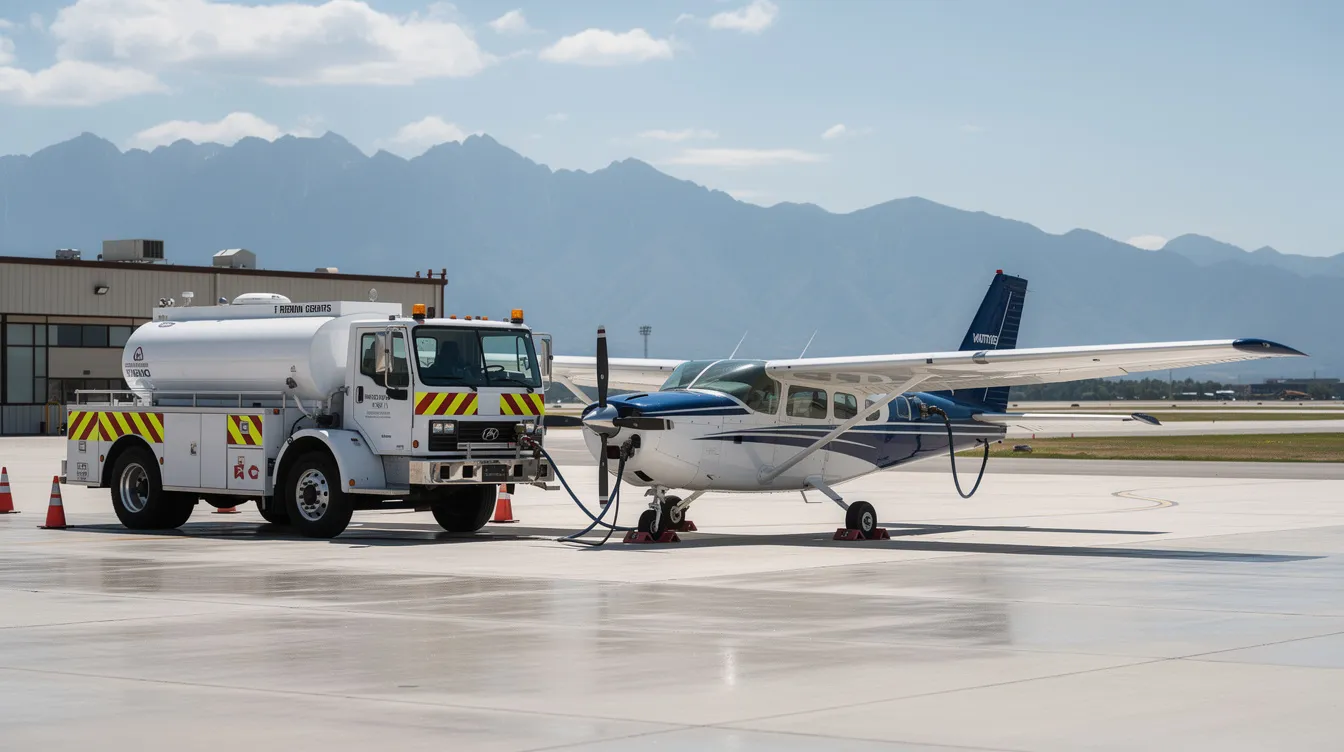
Location is one of the most important drivers of fuel prices for small aircraft. Prices for aviation fuel vary widely by geographic location, and the spread can be dramatic across FAA regions.
Gulf Coast and refinery-adjacent areas often show some of the lowest Jet A and avgas prices due to shorter supply chains and proximity to refining capacity.
Remote areas often see higher fuel prices due to transportation costs. In Alaska, average 100LL has been reported near $10.64/gal. Prices for 100LL can spike well past $11.00 per gallon in extreme regions like remote islands or high-altitude mountain airports. Similar premiums apply in parts of the Middle East and other areas where air infrastructure is sparse.
Busy metro airports with limited GA operations tend toward higher FBO margins compared with nearby reliever airports. Local demand, competition, and availability of suppliers influence fuel prices at individual airports. Competitive FBOs can lead to more competitive fuel pricing at secondary fields.
Online fuel price trackers, pilot forums, and dedicated airport locator tools for private flights help private owners plan cheaper refueling stops on long routes. Airlines keep costs lower through commercial contracts and bulk purchasing, while individual GA pilots see the highest posted retail prices.
Jettly's platform factors airport-specific fuel prices into quotes, pulling frequently updated local prices and automatically adjusting hourly and trip pricing when a customer selects a different departure or alternate airport. Simply choosing a nearby secondary airport can sometimes shave hundreds of dollars off total jet fuel costs on a small-plane charter, especially when combined with other tips for booking the cheapest private jet flights.
Numbers tell the story better than theory. Here are three scenarios showing how fuel costs scale with distance, speed, and aircraft type.
Local training flight: One hour in a Cessna 172 at 8.5 gal/hr and $7.00/gal avgas. Total fuel: about $60. That fuel cost fits into an hourly rental or instruction rate-often $150–$200/hr-alongside instructor fees, maintenance reserves, and insurance, similar to the structures outlined in guides to affordable small-aircraft rental costs and options.
Regional cross-country: A 300-nm trip in a Cirrus SR22 at 170 KTAS, roughly 1.8 hours each way. At 15 gal/hr and $7.00/gal, each leg burns about 27 gallons. Round trip: 54 gallons, approximately $375–$400 in fuel, which fits within many travelers’ expectations once they’ve reviewed a complete guide to private jet rental pricing.
Charter turboprop segment: A business trip in a Pilatus PC-12 covering 500 nm at roughly 65 gal/hr Jet A, with about 2 hours of flight time. At $8.00/gal, that's approximately 130 gallons burned-just over $1,040 in fuel for the leg.
The complete charter price clients see on Jettly includes more than fuel-crew, maintenance reserves, positioning, and handling fees-but fuel still often represents 20–40% of the operating cost on these small-aircraft trips, something you can see broken down in detail with Jettly’s private jet charter cost estimator.
Improving fuel efficiency is the main lever pilots and operators have to lower ongoing fuel costs and environmental impact. Every gallon saved is $7+ kept in your budget.
Operational techniques that matter:
Flying at economy cruise power settings and leaning the mixture properly on piston engines
Climbing to altitudes where the aircraft is more fuel efficient-thinner air reduces drag
Avoiding unnecessary weight: extra baggage, unneeded items, and overfueling beyond required reserves
Planning direct routes and using favorable winds when possible
Aircraft choice is a major factor. A basic trainer burns 6 gal/hr; a Cirrus SR22 burns 15+. On shorter routes under 500–700 nm, turboprops are often more fuel-efficient than light jets because they operate closer to their optimal performance range, which is useful context when exploring different ways to get a seat on a private jet easily.
Modern avionics and digital engine monitoring systems help pilots fly more fuel-efficient profiles with real-time fuel flow data and leaning guidance. Jettly helps charter customers choose more fuel-efficient aircraft for specific missions by showing estimated hourly fuel costs across multiple aircraft options for the same route.
Reduced fuel burn also means lower emissions, aligning with industry moves toward sustainable aviation fuel and carbon-offset programs, and it can make options like buying a single seat on a shared private jet more cost-effective on a per-passenger basis.
Sustainable aviation fuel SAF is the main near-term tool for cutting lifecycle emissions in turbine-powered small aircraft, including turboprops and jets used in private aviation.
SAF is produced from feedstocks like waste oils, agricultural residues, and synthetic processes. It's designed as a drop-in replacement blended with Jet A in most current certification pathways. U.S. tax credits under section 45Z can offset roughly $1.25–$1.75 per gallon for qualifying blends that achieve sufficient lifecycle emission reductions, helping close the gap with conventional jet fuel.
A 30% SAF blend might increase the fuel component of a charter trip by roughly 5–15%, depending on incentives and local pricing-a modest increment compared to the total door-to-door cost of a private flight.
For piston avgas users, unleaded alternatives like G100UL and Swift 100R are progressing through FAA approvals and STC guidance, targeting a complete phase-out of leaded avgas by 2030. Certification and age of aircraft both play a role in which alternatives a pilot can use.
Jettly can, on select routes, arrange flights using SAF where available and advise customers how this impacts both emissions and fuel costs. For more on greener flying options, the platform provides details on carbon-offset programs and SAF-equipped operators.
A pilot who owns a small airplane and buys fuel by the gallon has a fundamentally different experience than a traveler who charters through a platform like Jettly, especially those using private jet membership programs who see only an all-inclusive trip price.
For owners and flying clubs:
Direct purchase at the FBO, sometimes with volume discounts or fuel cards. Full-service and self-service fuel options can have significant price differences-self-serve pumps often save $0.30–$0.80/gal, and similar location-driven spreads appear when comparing hubs like private jet charter services in Kolkata, West Bengal, with smaller regional fields.
Fuel is tracked as a separate line item in the annual budget, but training and certification can also be a major part of the total ownership commitment beyond fuel alone. A private pilot flying 100 hours annually spends $2,500 to $5,000 on fuel depending on aircraft type, with the average fuel cost for small planes around $5 per gallon at self-serve and higher at full-service.
For charter customers:
Hourly charter rates are built from expected fuel burn multiplied by forecast fuel price, plus margins for crew, maintenance, and profit, whether you’re flying a short hop or using city-specific services like private jet charter in Atlanta, Georgia.
Operators may add fuel surcharges if prices spike sharply between quote and flight date. Jettly focuses on real-time pricing to keep quotes transparent rather than relying on adjustment formulas, supporting travelers who are specifically looking for affordable private jet charter options.
Example: A 2-hour each-way business trip on a PC-12 where roughly $2,000–$2,400 of the total charter bill represents fuel, out of a several-thousand-dollar invoice—costs that can also be structured through jet card pricing and programs for frequent flyers.
Jettly's digital marketplace model lets customers compare aircraft and routes with different fuel profiles instantly, or use a dedicated jet card flight cost estimator, helping them balance comfort, speed, and fuel-driven cost.
Jettly is a digital private aviation platform that helps travelers manage fuel-related expenses by surfacing fuel-efficient options and integrating live fuel prices into every quote, positioning itself as a flexible NetJets alternative for flying private at lower cost.
The platform's instant pricing system pulls updated Jet A and, where relevant, SAF pricing by airport. It multiplies those prices by realistic fuel burn profiles for over 20,000 aircraft and builds fuel-inclusive quotes so customers never estimate or pay fuel separately.
Practical ways to control fuel-driven costs through the platform, in line with broader guidance on understanding the total cost of a private flight:
Compare turboprops vs light jets for short hops to find better value per passenger at current fuel prices
Choose alternate airports around major cities where fuel and handling fees may be lower, while still accessing Jettly’s full range of private charter aircraft
Book crowdsourced and empty leg flights, where fuel for repositioning is already budgeted, for significant savings
Business travelers can use Jettly's transparent pricing or fixed-rate jet card programs for frequent flyers to forecast travel budgets even when aviation fuel prices are volatile, since quotes update automatically with market changes.
Understanding fuel costs-by gallon, hour, and trip-helps both pilots and travelers make smarter decisions about when, where, and how they fly, and pairs naturally with a broader view of what it costs to own or use a private jet. Whether you're interested in a quick regional hop or a complete cross-country charter, knowing the numbers puts you in control.
Ready to see what your next private flight costs? Explore flight options, request a quote, or fill out the contact form at https://www.jettly.com if you have questions about aircraft or trip pricing.
Below are common questions about small-plane fuel costs that go beyond what the main sections cover.
Most basic two-seat and four-seat piston trainers burn about 5–10 gallons of 100LL avgas per hour, while higher-performance pistons like the Cirrus SR22 can use 13–18 gallons per hour. Small turboprops generally burn 50–120 gallons of Jet A per hour depending on size, power settings, and altitude. The number varies with the composition of the flight profile-climb phases burn more than steady cruise.
Yes. Aviation fuel is typically more expensive than automotive gasoline because it is refined and tested to stricter safety and certification standards, produced in lower volumes (especially 100LL avgas), and distributed through a specialized network of airports and FBOs. Additionally, taxes, handling fees, and storage costs at airfields add to the per-gallon price. Even Jet A, which benefits from larger production scale, carries a premium over road diesel once delivery and into-plane fees are included.
Only turbine-powered small aircraft-turboprops and jets-can currently use SAF blends approved for Jet A. Most small piston aircraft running on 100LL avgas cannot use SAF today. However, unleaded aviation gasoline alternatives are being developed and tested to reduce environmental impact and achieve lower emissions from the piston fleet. The blend of new fuels reaching excellence in performance and availability will take time.
Wholesale aviation fuel prices can shift daily, driven by crude oil market fluctuations and refining margins. Posted retail prices at many smaller airports change less frequently-typically weekly or monthly. At busy FBOs in competitive markets, adjustments can be more regular. This is why platforms like Jettly tie charter quotes to live or recently updated fuel price data, so the difference between a December quote and a March flight doesn't catch customers off guard.
Most small planes do become more fuel efficient at higher cruising altitudes because the air is thinner, reducing drag and allowing the aircraft to maintain cruise speed at lower power settings. Turboprops and jets benefit most. Piston aircraft also gain efficiency when the mixture is properly leaned at altitude. The trade-off is the fuel and time spent climbing, plus pilot oxygen requirements above certain altitudes. When winds aloft are favorable, the savings in fuel per mile can be meaningful over a long team effort of cross-country flying.
Fuel for small planes remains a significant, variable expense shaped by fuel type, aircraft efficiency, location, and market forces. Whether you’re a private pilot managing operating costs or a charter customer comparing quotes, knowing how much fuel costs per gallon and per hour is essential for budgeting and making informed choices.
In 2026, 100LL avgas averages around $6.80 to $7.54 per gallon for piston aircraft, while Jet A for turbine planes ranges from $7.00 to $9.20 per gallon. Sustainable aviation fuel (SAF) offers a cleaner but costlier option for turbine aircraft. Fuel burn rates vary widely by aircraft type—from 5 gallons per hour in basic trainers to over 100 gallons per hour in turboprops—directly driving hourly fuel costs.
Regional price differences, airport fees, and service levels also impact what you pay at the pump or see in charter quotes. Platforms like Jettly integrate real-time fuel pricing and fuel burn data to provide transparent, fuel-inclusive pricing, helping travelers avoid surprises and optimize their flight choices.
Ultimately, understanding and managing fuel costs helps pilots and travelers balance budget, convenience, and environmental impact, making private small-plane travel more accessible and predictable.
Ready to see how fuel costs affect your next flight? Explore private flight options or request a quote at https://www.jettly.com.
Share this post:
Jay Franco Serevilla
Oct 13, 2026
|
5
min read
Discover tips and trends in the industry.

5
min read
Empty.Leg Flights Hawaii: How to Save on Private Jet Travel with Jettly
Empty leg flights to Hawaii provide significant savings on private jet travel, offering discounts of 30% to 75% compared to standard charter prices. Jettly's platform connects flexible travelers with available empty legs, making luxury travel to the islands more accessible. This guide explains how empty legs work, key airports, and tips for booking the best deals.
Read More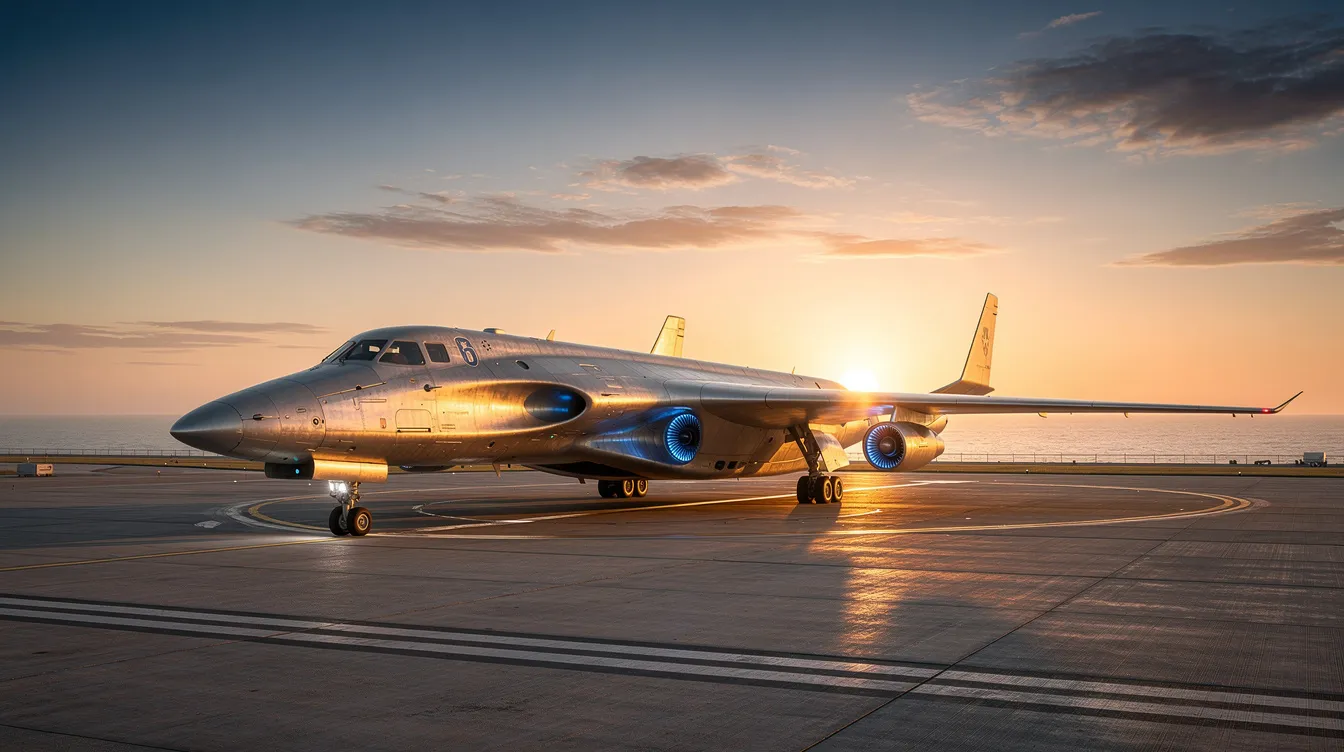
5
min read
Boeing Space Freighter: Visionary Cargo Spaceplane and What It Means for Future Travel
The Boeing Space Freighter was a groundbreaking concept for a fully reusable cargo spaceplane proposed in the 1970s, designed to transport 420 tons to low Earth orbit. Although it was never built, its ambitious vision continues to influence modern aerospace developments and the future of space travel. This article delves into its design, historical context, and implications for commercial and private travel.
Read MoreStay updated with our latest insights and tips to elevate your journey with us.
MEMBERSHIPS AND ASSOCIATIONS



Disclaimer: Jettly operates as a charter broker, offering access to a global digital jet charter marketplace. Jettly is not a direct air carrier and does not own or operate aircraft. All advertised flights are conducted by third-party air carriers that are fully licensed and hold the appropriate Part 135 or Part 121 certifications issued by the Federal Aviation Administration (FAA) or equivalent regulatory authorities under U.S. or foreign law. Jettly complies fully with the U.S. Department of Transportation's Part 295 and Part 298 Charter Broker regulations. Jettly does not carry additional liability insurance. Passengers are covered by aircraft operator insurance. TICO: 50023770


