


Login
Get Instant Pricing On 23,000+ Aircraft

>
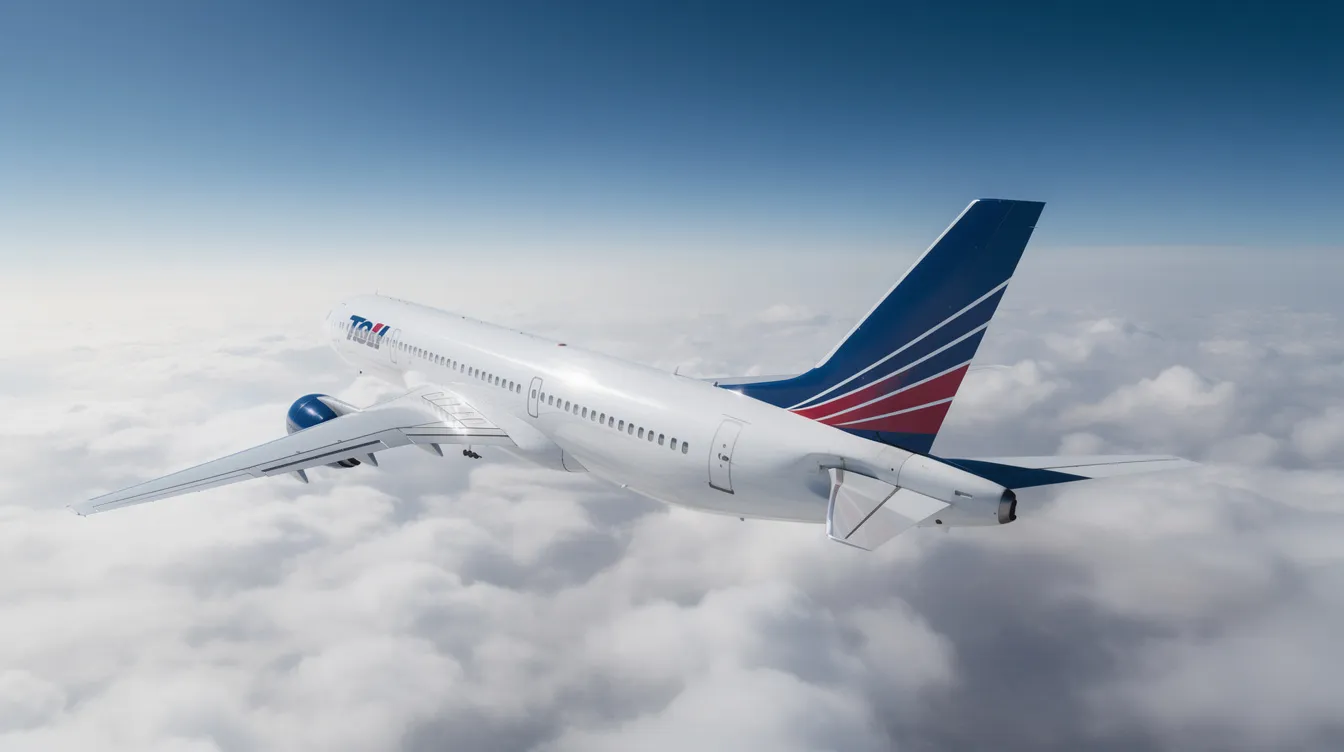
A rare look inside the British royal plane reveals something most people don't expect: on aircraft such as the RAF Voyager and Envoy IV, the cabin is closer to a secure flying office than a gilded palace at 40,000 feet, with clean lines, leather seats, business-class style seating, conference tables, secure communications, and airline-style kitchens. This article explores the principal aircraft used by the British Royal Family—including the RAF Voyager, Envoy IV business jets, leased Airbus A321s, and the King's Helicopter Flight—detailing their interior layouts, seating arrangements, workspaces, and the protocols that govern royal air travel. We examine not only the physical features of these aircraft but also the costs, funding, environmental scrutiny, and security measures involved. The article is designed for frequent flyers, corporate executives, high-net-worth travelers, aviation enthusiasts, and anyone curious about how the monarchy travels by air. The topic is especially relevant due to ongoing public curiosity about royal lifestyles, the scrutiny of royal travel expenses, and the growing interest in how royal travel compares to modern private jet charter options available to non-royal travelers.
The British Royal Family relies on the Royal Air Force VIP transport fleet, a handful of leased airliners, and a dedicated helicopter unit to move King Charles III, Queen Camilla, Prince William, and other working royals across the UK and around the world. The RAF Voyager, a modified Airbus A330 MRTT, features a VIP Forward Cabin with 58 business-class-style seats, a rear cabin with approximately 100 standard seats, and interior finishes that emphasize professionalism rather than opulence. The interior is designed as a secure flying office.
For frequent flyers, corporate executives, high-net-worth travelers, and anyone curious about how the monarchy travels by air, that mix of comfort, security, and practicality offers a useful benchmark for VIP aviation. Below, you'll see which aircraft the royals use, how the cabins are laid out, what these flights cost and who pays for them, why they draw public and environmental scrutiny, and how today's private charter platforms such as Jettly and its global network of private charter aircraft can deliver a comparable level of convenience and exclusivity to non-royal travelers.
|
Aspect |
Details |
|---|---|
|
Main Aircraft |
RAF Voyager (Airbus A330 MRTT), two Envoy IV business jets, leased Airbus A321s |
|
Helicopter Unit |
King's Helicopter Flight (two Sikorsky S-76C++ helicopters, AW139 replacements planned for 2024-2025) |
|
Annual Travel Spend |
£4.2 million (2024), including £2 million on helicopters and £1.1 million on charter flights |
|
Voyager Operating Cost |
Approx. £2,000 per flying hour; annual savings of ~£775,000 vs. charter alternatives |
|
Travel Modes |
Mix of VIP aircraft, charters, commercial flights, and scheduled services depending on security and schedule |
|
VIP Protocols |
Tarmac transfers, private terminals, pseudonyms on manifests, heirs not traveling together |
|
Flexibility |
British approach mixes VIP, charter, and commercial flights for efficiency and security |
|
Public Scrutiny |
High-profile charter flights and environmental impact draw media attention (e.g., £660,594 South America trip in 2009) |
|
Charter Comparison |
Modern private jet platforms like Jettly offer similar cabin layouts and services, accessible on demand |
In March 2022, Prince William and Kate boarded the RAF Voyager at RAF Brize Norton for an 11-hour flight to Belize, the first stop of a Caribbean tour marking the queen's Platinum Jubilee. The royal couple sat in the forward VIP cabin with a small conference table between them, reviewing briefing papers while RAF cabin crew served plated meals from the plane's full airline-style kitchens.
The RAF Voyager is the primary long-haul aircraft for British royal travel. It also carries the prime minister and government ministers on state business. The Envoy IV jets handle shorter trips for smaller parties. Unlike some state aircraft abroad, these planes are configured more like premium business jets than ornate showpieces, balancing comfort, security, and practicality.
The sections below walk through each aircraft type, its interior, how it's used, and how the experience compares to private jet charter available to business and leisure travellers.
Since 2015, the core inside British royal plane experience has revolved around the RAF Voyager. From 2022, two Envoy IV jets and a leased Airbus A321 expanded the fleet.
RAF VIP Voyager (Airbus A330 MRTT, ZZ336)
The RAF Voyager is a modified Airbus A330 MRTT with a practical interior design split into distinct zones. The VIP Forward Cabin of the RAF Voyager features 58 business-class-style seats arranged for meetings, work, and rest. The rear cabin contains approximately 100 standard seats for staff and press. The interior finishes emphasize professionalism rather than opulence, with a neutral palette, leather upholstery, and wood-effect tables. The interior is designed as a secure flying office, equipped with secure satellite communications systems for encrypted in-flight contact, enabling the monarch and government officials to hold briefings and secure calls mid-flight. Full airline-style kitchens support meal preparation, with plated meals and refreshments served by RAF cabin crew.
The RAF Voyager can switch between royal transport and military duties like aerial refuelling, making it a multi-role asset rather than a dedicated state plane. The cost of the Voyager refit was £10 million. The aircraft costs about £2,000 per flying hour, and the government estimates savings of approximately £775,000 annually compared to charter flights.
In 2020, the aircraft underwent a repaint, featuring white paint, gold lettering, and a Union Jack on the tail fin, at a cost of approximately £900,000. It has not flown VIP missions since November 2023; many government flights now use the leased A321 instead.
Envoy IV CC Mk1 (Dassault Falcon 900LX)
Two Envoy IV jets, procured for roughly £80 million including initial support, replaced four ageing BAe 146 airframes. Operated by 32 The Royal Squadron at RAF Northolt, they entered full service in August 2022, crewed by a mix of military and civilian operators. Capable of Mach 0.87 and a ceiling of about 51,000 feet, the Envoy IVs handle medium-range trips carrying diplomatic personnel and senior royals to destinations across Europe and beyond.
Leased Airbus A321
A VIP-configured A321 fills gaps when Voyager is unavailable. Its forward cabin offers business-class seating; the rear section holds economy-style seats for aides and press. It supports official tours, state visit logistics, and ministerial travel.
The interior of the RAF Voyager is designed as a secure flying office. Here is how the cabin breaks down:
Forward zone: an enclosed or semi-enclosed area for King Charles or Prince William with a small conference table, premium leather seats, and extra privacy.
Mid-zone: club-seating pods for senior aides, private secretaries, and security staff.
Aft zone: standard or slightly upgraded economy-style seats for the press corps and extra staff.
The interior finishes of the RAF Voyager emphasize professionalism rather than opulence. Materials include a neutral colour palette, leather upholstery, and wood-effect tables. Discreet royal and RAF insignia appear on bulkheads, but there is no gilded decor or heavy ornamentation.
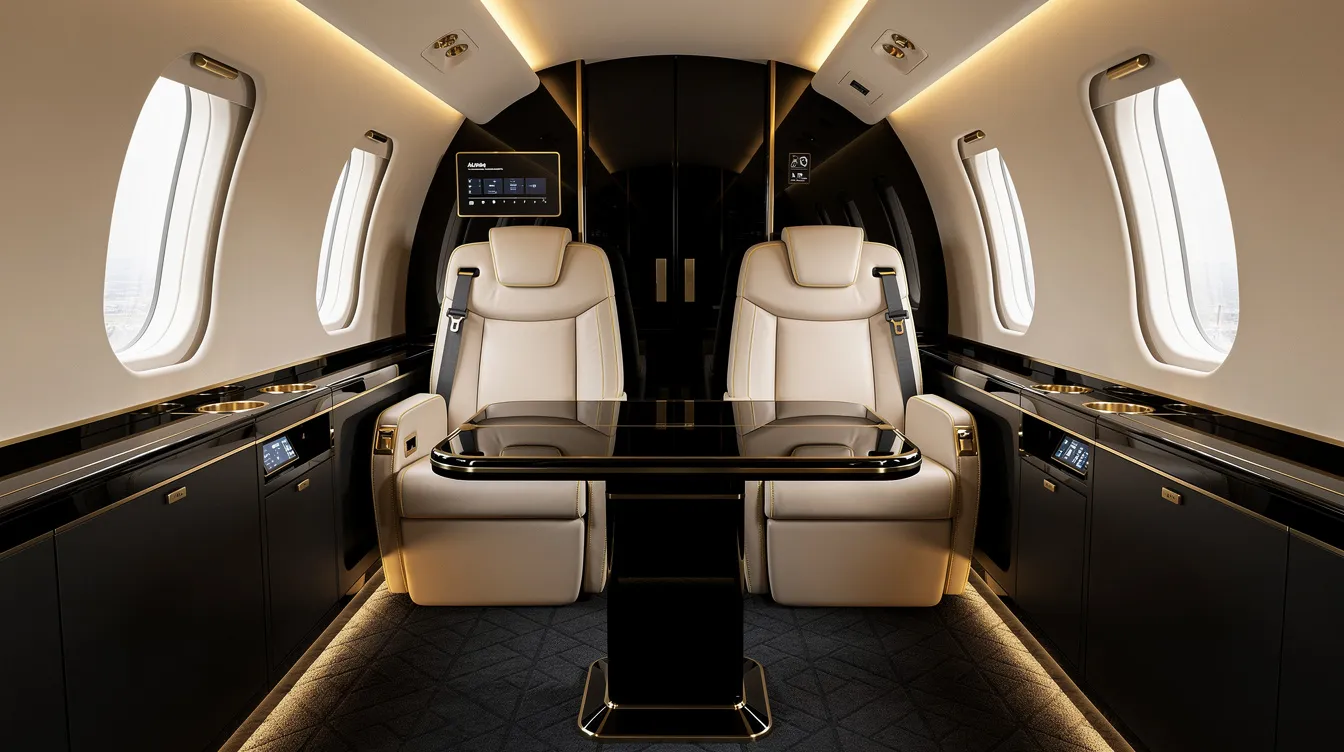
The RAF Voyager is equipped with secure satellite communications systems for in-flight contact, including encrypted data links and Wi-Fi for official work, alongside curated catering comparable to specialised in-flight catering for private jets. The monarch and government can hold briefings and secure calls mid-flight. Full airline-style kitchens are present in the RAF Voyager for meal preparation; RAF cabin crew serve plated meals, tea service, and light snacks planned around tight schedules and time zones, similar to high-end private jet catering available through charter platforms.
The King's Helicopter Flight handles many UK-domestic journeys between royal residences in London, Windsor, Sandringham, Balmoral in Scotland, and Highgrove, and is often referred to in royal transport coverage as the king's flight. TKHF is based at RAF Odiham as of 2024.
The King's Helicopter Flight operates two Sikorsky S-76C++ helicopters, the same type historically used since 1998 when the unit was known as the Queen's Flight. TKHF was renamed from the Queen's Helicopter Flight in 2022 after the death of Queen Elizabeth II. TKHF plans to replace its helicopters with two new AgustaWestland AW139 aircraft in the financial year 2024-2025, bringing better range and performance.
Helicopter interiors seat four to six VIP passengers in facing club seats with noise-reducing trim and a small refreshment console. Typical missions last 40 to 60 minutes, carrying King Charles and Queen Camilla or the Prince and Princess of Wales when schedules are tight.
The annual cost of helicopter travel for the royal family is £2 million, with an increase of £200,000 reported in 2024. The British government has committed about £39.9 million for new helicopter leases to modernise TKHF.
Royal travel costs are reported each financial year in the Sovereign Grant Report and attract consistent media attention. The 2024 Sovereign Grant Report showed £4.2 million spent on travel. The breakdown:
|
Category |
2023-24 Spend |
|---|---|
|
Helicopters |
£2 million |
|
Charter flights |
£1.1 million |
|
Commercial flights |
£300,000 |
|
Rail |
£600,000 |
|
Motor vehicles |
£200,000 |
Official travel covers duties for King Charles III, Queen Camilla, and the Prince and Princess of Wales, plus travel between working residences that support state functions.
Historical cost flashpoints include:
A charter to South America cost £660,594 in 2009.
A trip to Japan and Indonesia cost £665,674 in 2008.
A four-day trip to Balmoral cost £29,786 in June 2010.
Planning now weighs cost, carbon impact, security, schedule, and the broader economics of private jet use. Rail, commercial flights, and smaller private jets are weighed against each other for different trips, with each option carrying its own private jet rental cost considerations.
Royal air travel, especially using private jets and large civil aircraft, is regularly criticised in UK media when it conflicts with environmental messaging. Prince Charles's Airbus A319 tour raised carbon footprint concerns when a 29-seat aircraft carried a small party on an environmental awareness trip in 2009. Scrutiny also follows when large aircraft mid air seem under-filled on shorter routes.
The palace now tends to highlight train use, scheduled commercial flights, and video calls when feasible, while private travellers increasingly rely on flexible ways to get a seat on a private jet only when needed. The RAF has experimented with sustainable aviation fuel on Voyager; a 2023 flight used a 43% SAF blend during aerial refuelling over the North Sea.
The balance sits between security (controlled cabin, secure comms), schedule efficiency for official business, and public optics, much as private flyers weigh these factors when using affordable luxury private jet booking strategies. Modern charter platforms like Jettly can support more efficient routing and right-sizing aircraft to passenger counts, reducing empty seats.
Not all royal travel uses the VIP aircraft; alternatives include commercial airlines and chartered jets, similar to the mix of options surveyed in guides to the best private jet charter companies. The British approach prioritizes flexibility regarding royal travel arrangements. Members of the royal family have been spotted flying British Airways in business class for personal trips. Prince Harry has used scheduled flights on multiple occasions, just as many travellers now mix airlines with options to buy a single seat on a private jet. The queen flew commercial at points during her reign.
Charter flights and private jets tend to be used for tight itineraries, multiple stops in a single day, sensitive destinations, or when the press pack must travel on the same aircraft, mirroring how travellers choose among operators listed in an ultimate guide to charter airlines. The British royal family utilizes VIP protocols for security during air travel, including tarmac transfers and private airport terminals. Aircraft manifests may use pseudonyms to protect the identity of royal family members. A protocol prohibits multiple heirs to the throne from traveling on the same aircraft, which shapes flight planning for official tours.
Bespoke charters use business jets comparable in size to the Dassault Falcon 900LX Envoy IV, the same class flown by leading providers such as NetJets in private aviation. Jettly offers similar aircraft types; light jets, midsize jets, large-cabin aircraft, and helicopters; available on demand for private travellers, often positioned as affordable private jet charter compared with traditional ownership.
Private jet charter follows a straightforward process: choose a route and date, use an airport locator and charter tool, select an aircraft category, receive instant pricing, and confirm. Platforms like Jettly digitise each step. Here is how it works.
Cabin types map to different royal aircraft experiences:
Light and midsize jets offering club seating and small worktables work for regional trips, similar in feel to TKHF missions or short Envoy IV flights.
Large-cabin jets providing conference tables, lie-flat seating, and separate zones mirror the front sections of RAF Voyager.
Key benefits that align with royal travel priorities: time savings through smaller airports, direct routing that mirrors international private jet capabilities, privacy for in-flight meetings, and tailored catering. All are accessible without aircraft ownership or long-term jet card program commitments.
Learn more about Jettly's charter options and its range of private jet memberships at jettly.com.
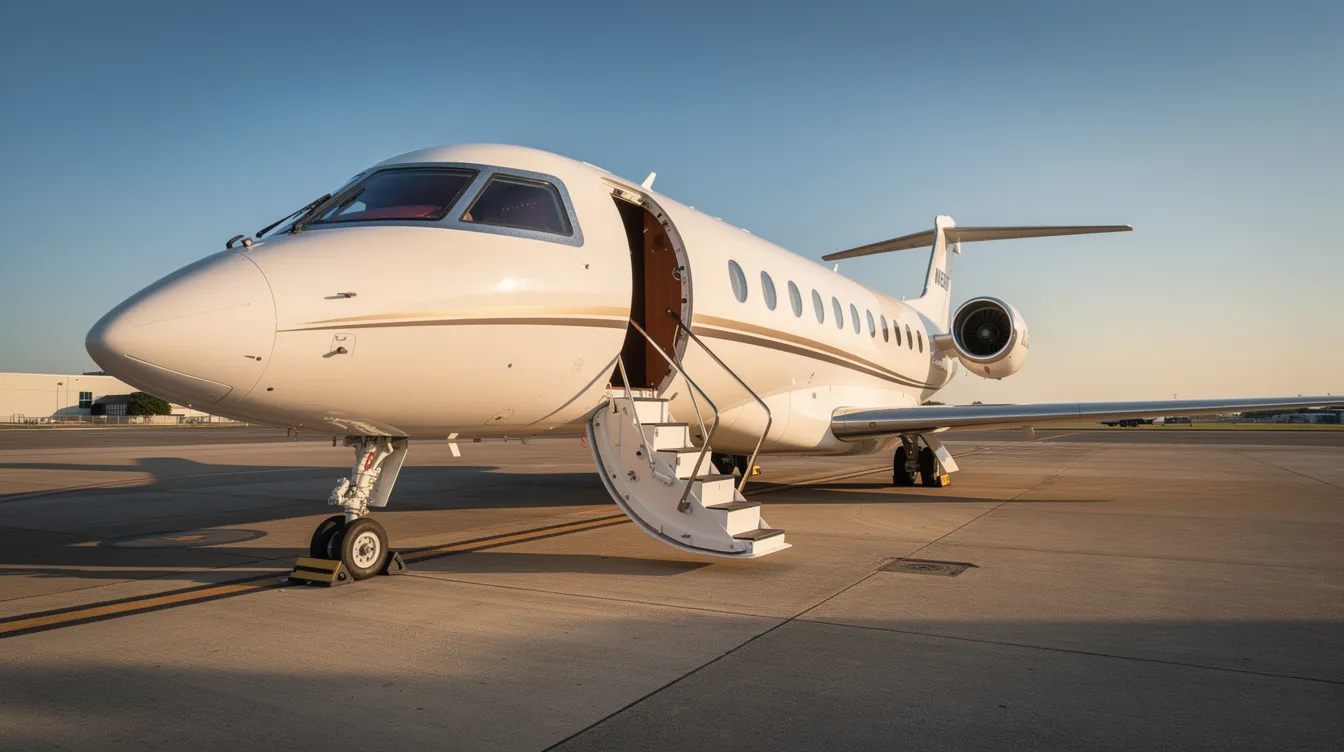
Experience private travel tailored to your needs. Discover flight options, try Jettly's jet card flight cost estimator, or request a personalized quote at jettly.com.
|
Feature |
RAF Voyager / Envoy IV |
Charter Jet (via Jettly) |
|---|---|---|
|
Operator |
Royal Air Force / government |
Private charter operators |
|
Typical passengers |
10-60 (plus staff/press) |
4-16 (single unified cabin) |
|
Cabin zones |
VIP suite, staff area, press section |
Single luxury cabin, configurable |
|
Range |
Global (Voyager); medium (Envoy IV) |
Route-matched aircraft selection |
|
Booking |
State allocation, weeks of planning |
On-demand digital booking |
|
Security features |
Military-grade comms, defensive aids |
Operator-managed; private terminals |
|
Press area |
Dedicated aft section |
Not applicable |
Royal planes include military operations capability and press areas. Modern private jets deliver a more personalised interior for smaller groups, with layouts optimised for business meetings or family travel. Right-sizing a charter aircraft to the passenger group can reduce empty seats and lower per-passenger fuel burn compared with flying a part-empty large airliner on short routes. The core comforts; space, privacy, schedule control; are now accessible to business travellers and families through charter marketplaces.
These questions cover common reader queries that go beyond the main article.
The British royal family does not personally own dedicated jet aircraft. They use RAF assets such as Voyager and Envoy IV, leased government aircraft, official charters, and commercial flights. The choice depends on the trip's distance, security requirements, and the number of members travelling. A private plane is chartered when RAF assets are unavailable or when a first visit to a commonwealth nation requires specific routing, similar to how travellers might arrange private jet charter to New Delhi for diplomatic or business reasons.
RAF Voyager and Envoy IV flights are restricted to government and military use. However, the Dassault Falcon 900LX (the civilian version of the Envoy IV) and similar aircraft types are available through private jet charter with approved operators, including those accessible via Jettly.
For a Dassault Falcon 900-class aircraft, hourly charter rates typically fall between $5,000 and $12,000 per flight hour depending on region, operator, and itinerary, whether you're flying between European capitals or booking private jet charter in Kolkata. Jettly's cost estimator provides route-specific pricing.
Many royal and ministerial flights depart from RAF Northolt, a military airfield in west London better suited to secure operations than commercial airports. Some long-haul or commercial flights use Heathrow, while the Envoy IV squadron also operates from other UK airfields as needed.
Royal aircraft are comfortable and functional but generally less ornate than top-tier private jets. The Voyager's forward cabin resembles a good business-class product; many modern charter jets feature comparable or more personalised interiors for small groups, making them a realistic alternative for travellers who want a rare glimpse of what flying like a royal actually feels like.
The inside British royal plane experience highlights a blend of security, practicality, and comfort tailored to the unique needs of the monarchy and government officials. With aircraft like the RAF Voyager, Envoy IV jets, and the King's Helicopter Flight, the royal family benefits from versatile, secure, and efficient travel options. While these aircraft prioritize professionalism over luxury, they offer features comparable to high-end private jets available through platforms like Jettly. For travellers seeking the convenience, privacy, and flexibility of royal-style air travel, modern private jet charters provide accessible alternatives without the complexities of state allocation. Whether for business or leisure, private jet charter platforms make it possible to enjoy a similar level of service and comfort, bringing the inside British royal plane experience within reach for many.
Ready to enjoy private travel tailored to your needs? Discover available flights or get a personalized quote at https://www.jettly.com.
Share this post:
Jay Franco Serevilla
Aug 9, 2026
|
5
min read
Discover tips and trends in the industry.
5
min read
What’s Included in Private Jet Catering & Ground Transportation
Private jet catering and ground transportation are essential components of a charter flight experience, ranging from basic snacks to gourmet meals and various vehicle options. This guide provides detailed timelines, dietary accommodations, and a checklist to streamline the booking process, ensuring a smooth and luxurious travel experience. Understanding what's included and how to coordinate these services can help avoid surprises on departure day.
Read More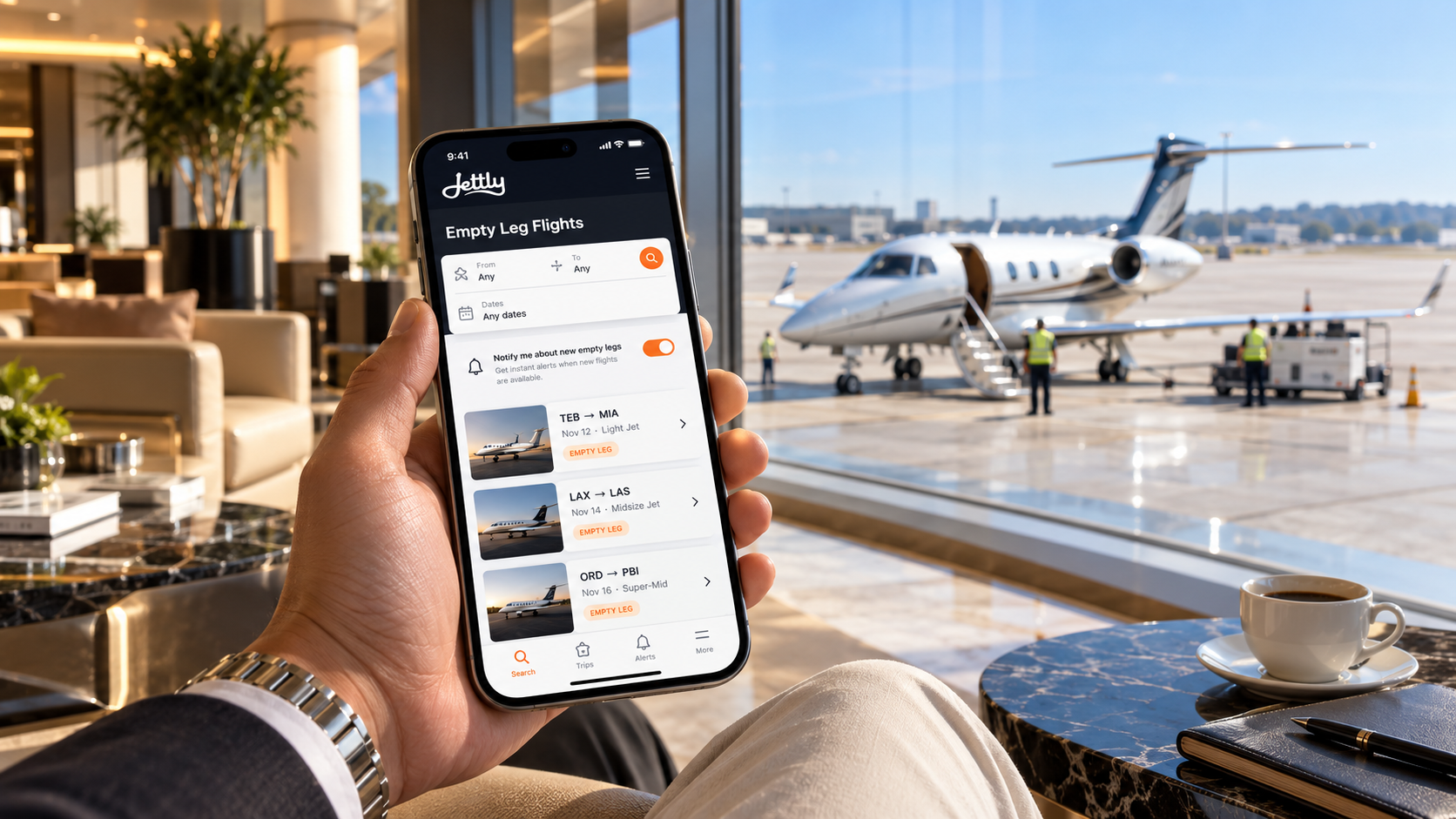
5
min read
How to Book Empty Leg Flights in the Jettly App (iOS & Android)
Booking empty leg flights through the Jettly app offers a cost-effective way to experience private aviation. This guide outlines the steps for finding, booking, and managing these flights on both iOS and Android devices, ensuring a smooth travel experience. Learn how to set alerts, apply filters, and confirm your trip with confidence.
Read MoreStay updated with our latest insights and tips to elevate your journey with us.
MEMBERSHIPS AND ASSOCIATIONS



Disclaimer: Jettly operates as a charter broker, offering access to a global digital jet charter marketplace. Jettly is not a direct air carrier and does not own or operate aircraft. All advertised flights are conducted by third-party air carriers that are fully licensed and hold the appropriate Part 135 or Part 121 certifications issued by the Federal Aviation Administration (FAA) or equivalent regulatory authorities under U.S. or foreign law. Jettly complies fully with the U.S. Department of Transportation's Part 295 and Part 298 Charter Broker regulations. Jettly does not carry additional liability insurance. Passengers are covered by aircraft operator insurance. TICO: 50023770


