



Login
Get Instant Pricing On 23,000+ Aircraft

>
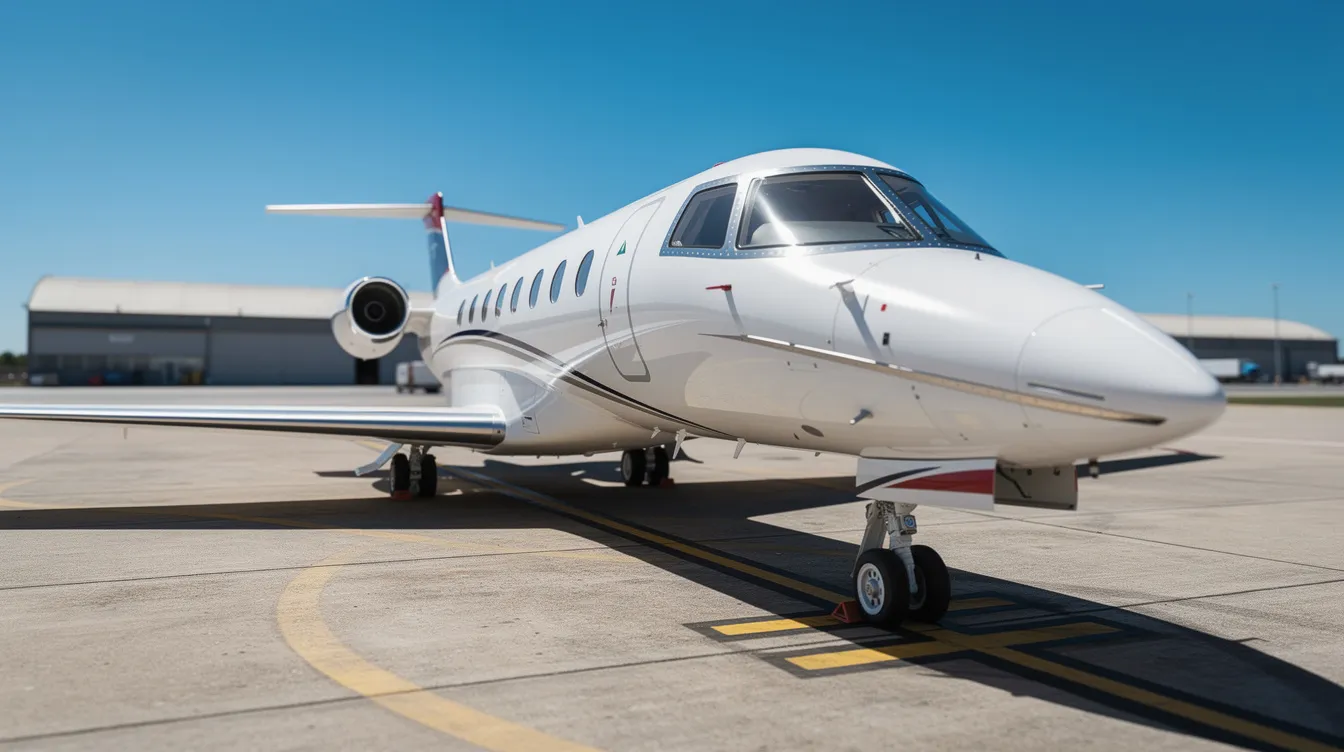
Private jet operating costs are one of the most misunderstood aspects of private aviation. Whether someone is weighing aircraft ownership against chartering, or simply trying to understand where the money goes, getting a clear picture of actual costs is essential. This guide breaks down every major expense category, from fuel and crew to maintenance and engine reserves, with real numbers across aircraft types.
Annual operating costs for light jets range from $500,000 to $1.2 million at around 200 flight hours per year. Heavy jets flown 400 hours annually commonly exceed $3 6 million in total operating expenses.
Private jet operating costs generally range from $661 to over $7,600 per flight hour, depending on aircraft type. Very light jets sit at the low end, while ultra-long-range aircraft push past $7,000 6$10,000 per hour.
Operating expenses are split into fixed costs (crew salaries, hangar fees, insurance, management fees) and variable costs (fuel, maintenance, engine reserves, landing fees). Fixed costs represent 40 to 60 percent of total annual ownership costs.
Ownership becomes cost-effective at roughly 200 6400 flight hours annually. For most travelers flying under 150 6200 hours per year, on-demand charter through a platform like Jettly is typically more cost-effective than full jet ownership.
Readers can compare charter options and get instant pricing for specific routes and aircraft sizes at Jettly.
An operating cost in aviation covers all recurring expenses required to keep a private aircraft airworthy and available for flight. This excludes the initial purchase price and financing but includes everything from fuel and crew to insurance and scheduled inspections.
Operating costs differ from acquisition costs, though both matter in any aircraft ownership decision. Acquisition costs influence total ownership expenses, including purchase price and financing, while operating costs are the ongoing expenses that never stop once the jet is in service.
The split is straightforward. Fixed costs are incurred whether the jet flies or not. Variable costs scale directly with the number of flight hours flown. Together, they form the true cost of keeping a private jet operational.
Here is a simple example: a light jet flying 200 hours per year at $2,200 per hour in variable costs, plus $400,000 in annual fixed costs, generates a total annual operating cost of roughly $840,000-or about $4,200 per flight hour all-in.
Jettly's charter model lets travelers access private jet travel without committing to these long-term fixed costs. Clients pay only for the hours they fly, with operators carrying the fixed overhead. For a deeper breakdown, see Jettly's guide on private jet operating costs
Fixed costs are the foundation of jet ownership operating economics. They apply whether the jet flies 20 or 500 hours per year, and they represent a significant financial commitment for any private jet owner.
Here is what makes up the typical fixed cost budget:
Crew salaries typically range from $85,000 to $300,000 per pilot annually. Crew salaries and training account for 15% to 25% of total operating budgets, making flight crew costs one of the largest fixed expenses for jet owners.
Hangar fees can vary from $30,000 to over $200,000 per year, depending heavily on location and aircraft size.
Insurance costs range from $15,000 to over $85,000 annually, with premiums varying based on aircraft value, pilot experience, and operation type.
Management fees for overseeing the aircraft's operation can be significant, often ranging from $50,000 to $250,000 per year through a professional management company.
Pilot training, subscriptions, and regulatory compliance add further to crew expenses and ongoing costs.
Fixed annual costs for private jet ownership are approximately $500,000 on the low end. By aircraft category, light jets run $300,000 6$600,000 per year in fixed costs, while heavy jets exceed $1.5 million annually. These fixed costs remain constant regardless of flight hours.
Spreading fixed costs over more flight hours lowers cost per hour dramatically. A midsize jet with $800,000 in fixed costs flown 150 hours per year carries a fixed burden of $5,333 per hour. At 400 hours, that drops to $2,000 per hour-before any variable costs are added.
Choosing charter effectively avoids these ownership costs entirely. Operators, not charter clients, carry the obligations of hangar leases, crew salaries, and liability insurance. Learn more about the real cost of aircraft ownership.
Variable costs are the per-trip and per-hour operating expenses that scale with actual flying. They are most commonly expressed as hourly operating costs.
The main components include:
Fuel and oil (fuel costs account for 25 35% of total operating costs)
Maintenance reserves set aside per flight hour to cover future major repairs
Engine reserves and unscheduled maintenance
Navigation and landing fees (airport fees vary based on landing, parking, and handling requirements)
Ground handling, de-icing, and catering (catering and passenger services contribute to trip-dependent expenses)
Hourly operating cost ranges by aircraft category:
Very light jets: approximately $700 to $ 1,800 per hour
Light and midsize jets: roughly $1,800 to $ 3,200 per hour
Heavy jets: $4,000 to over $8,000 per hour
Charter pricing typically bundles many variable items-fuel, handling, landing fees-into a single hourly or trip rate. Owners see them as separate budget lines, which adds complexity to cost management. Variable costs include fuel, maintenance, and operational fees, and they scale directly with the number of flight hours flown.
Aircraft category is the primary driver of both fixed and variable operating costs. The jump from a very light jet to a heavy jet changes nearly every line item in the budget.
Jet type differences greatly affect operational costs, including fuel burn and crew requirements. Very light jets typically seat 4 66 passengers and may operate with a single pilot. Midsize jets usually require two pilots for operation. Heavy jets can seat 12 16 passengers comfortably and often need cabin attendants, premium insurance, and significantly larger hangars.
Here is how approximate annual costs compare at typical utilization rates:
Light jets at 200 hours/year: $700,000 1.2 million total
Midsize jets at 300 hours/year: $1.5 3 million total
Heavy jets at 400 hours/year: $3 6+ million total
For real-world context, a Citation XLS+ (midsize) runs roughly $2,500 3,200 per flight hour in variable costs, while a Global 7500 (ultra long range) can reach $5,500 7,500 per hour (FlightStratix benchmarks).
Jettly's platform allows users to filter by aircraft class for each trip, so travelers can balance comfort with cost efficiency instead of committing to one jet type through private jet ownership.
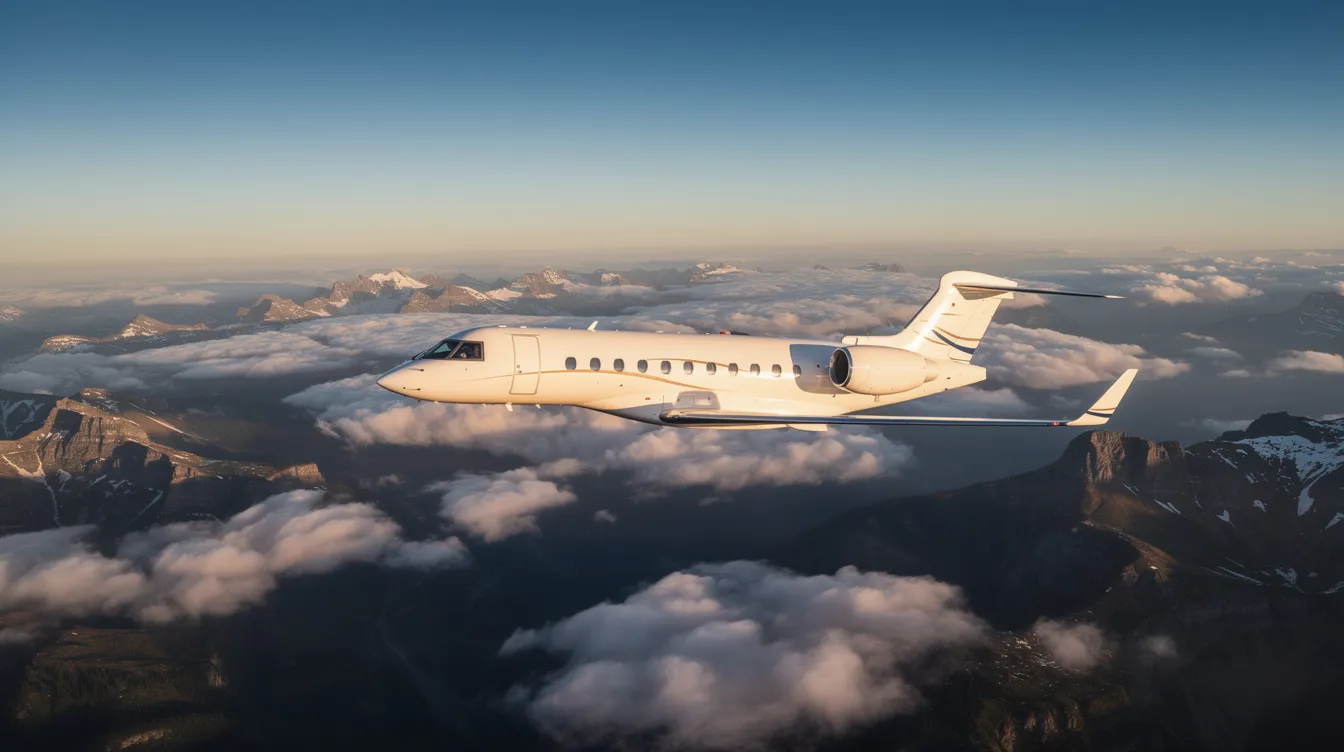
Very light jets and light jets are the entry point to private aviation, ideal for 2 6 passengers on regional missions. These aircraft carry the lowest private jet operating costs in the jet category.
Very light jets have operating costs around $661 per hour at the low end, making them accessible for shorter routes. Very light jets consume 120 200 gallons of fuel per hour, keeping fuel expenses manageable. Light jets typically burn 140 220 gallons per hour, translating to $1,500 2,500 per hour in total variable costs.
Specific examples with approximate 2025 2026 hourly figures:
Cessna Citation Mustang: ~$1,100 1,500/hour variable
HondaJet Elite: ~$1,200 1,700/hour variable
Embraer Phenom 100: ~$1,300 1,800/hour variable
Annual operating costs for light jets range from $500,000 to $1.2 million at 150 250 hours per year, including $300,000 600,000 in fixed costs. For travelers who only fly a few times per month, simply chartering a small plane often costs less than carrying ownership overhead.
Many Jettly customers select light jets for city pairs such as New York 6Boston or Los Angeles 6Las Vegas to control total trip costs.
Midsize and super-midsize jets balance longer range with moderate operating costs. They handle routes like New York 6Dallas, Toronto 6Vancouver, and London 6Athens without refueling stops.
Typical hourly operating costs run $2,500 4,500, with fuel burns of 200 300 gallons per hour. Midsize jets operate at $1,800 3,200 per hour on the variable side. Specific models:
Citation XLS+: ~$2,500 3,200/hr variable; ~$350K 480K fixed annually
Challenger 350: ~$3,200 4,200/hr variable; ~$420K 580K fixed annually
Praetor 600: ~$3,000 4,000/hr variable
At 250 350 hours per year, a midsize jet's total annual budget typically falls between $1.5 million and $3.5 million. Added crew requirements, higher navigation and landing fees, and increased maintenance complexity drive costs above light jets. For a detailed look at this segment, see Jettly's midsize jet cost guide.
Jettly's platform frequently books this segment for corporate shuttles and cross-country family travel where comfort and nonstop range justify the higher operating cost.
Heavy jets and ultra-long-range aircraft are the most capable-and most expensive-to operate. They are built for intercontinental routes like New York 6London or Los Angeles 6Tokyo.
Heavy jets can burn 400 500 gallons of fuel per hour. Annual fuel expenses can exceed $800,000 for heavy jets flying 400 hours. Maintenance costs typically represent 5 10% of aircraft value annually, which on a $40 million jet means $2 3 million per year.
Hourly operating costs range from $5,000 to over $10,000 for large cabin business aircraft:
Gulfstream G650: ~$5,000 6,500/hr variable
Global 7500: ~$5,500 7,500/hr variable
Falcon 8X: ~$4,800 6,200/hr variable
At 400 500 hours per year, total operating costs commonly exceed $3 6 million annually, excluding purchase price and depreciation. Depreciation affects the aircraft's market value and should be factored into any private jet ownership decision. Additional fixed costs include multiple pilots, flight attendants, premium insurance, larger hangars, and more demanding maintenance schedules.
Many of Jettly's heavy jet users choose on-demand charter or membership access rather than full jet ownership because of these substantial operating costs.
Maintenance and engine reserves are core components of hourly operating costs-and they are non-negotiable for safety and regulatory compliance.
Engine reserves are a per-hour amount set aside for future overhauls, hot-section inspections, and life-limited part replacements. Typical ranges:
Light jets: $150 400 per flight hour per engine
Midsize jets: $300 600 per flight hour per engine
Heavy jets: $500 1,000+ per flight hour per engine
Routine inspections follow manufacturer-prescribed intervals, while heavy maintenance events (major airframe checks, avionics upgrades, interior refurbishments) can cost six or even seven figures. Unexpected repairs from unscheduled maintenance events can result in unexpected costs running into tens of thousands of dollars, along with significant aircraft downtime.
Many owners enroll in a manufacturer-backed maintenance program (such as Rolls-Royce CorporateCare or Pratt & Whitney Eagle) to convert unpredictable costs into predictable hourly charges. This approach provides maintenance oversight, supports aircraft value at resale, and smooths cash flow.
Charter travelers on Jettly benefit from aircraft that already comply with strict maintenance regimes under FAA, EASA, or other national aviation authority oversight, without personally managing these ongoing expenses.
|
Aircraft Category |
Typical Annual Flight Hours |
Approximate Total Annual Operating Cost |
Hourly Operating Cost Range |
Typical Fuel Burn (Gallons/Hour) |
Crew Requirements |
|---|---|---|---|---|---|
|
Very Light Jets (VLJ) |
100-300 |
$140,000 - $540,000 |
$700 - $1,800 |
120 - 200 |
Single pilot (often) |
|
Light Jets |
150-250 |
$500,000 - $1.2 million |
$1,500 - $2,500 |
140 - 220 |
Two pilots |
|
Midsize Jets |
250-350 |
$1.5 million - $3 million |
$1,800 - $3,200 |
200 - 300 |
Two pilots |
|
Heavy Jets |
400-500 |
$3 million - $6+ million |
$4,000 - $8,000+ |
400 - 500+ |
Two pilots + cabin attendants |
This table summarizes key operating cost metrics, fuel consumption, and crew requirements across private jet categories, providing a clear overview for prospective owners and charter clients
How much does it cost to run a private jet at different utilization levels? The answer depends heavily on annual flight hours.
At 100 hours per year on a midsize jet, ownership costs might total $1.3 million annually-roughly $13,000 per hour all-in. At 400 hours, that same aircraft's all-in cost drops to approximately $5,500 per hour thanks to fixed cost dilution. Usage rate affects the cost-effectiveness of jet ownership, with higher utilization lowering costs per flight hour.
Ownership becomes cost-effective at 200 6400 flight hours annually, depending on aircraft category. Chartering is often cheaper for flying fewer than 150 hours per year.
Consider two scenarios:
A business executive flying 100 hours per year on a midsize jet: total ownership cost ~$1.3M; charter cost for the same hours ~$400,000 500,000. Charter wins.
The same executive at 350 hours per year: ownership cost ~$2.5M; charter cost ~$1.4M 1.75M. Ownership starts closing the gap, especially when factoring in scheduling control, customization, and charter revenue that can offset ownership costs significantly.
For travelers who fly irregularly or seasonally, charter via Jettly remains a cost-effective alternative to the burdens of jet ownership. Fractional ownership sits in between-explore the trade-offs in Jettly's fractional ownership vs. charter comparison.
Cost management is a key discipline for anyone involved in private aircraft operations. Here are practical strategies that deliver real cost savings:
Fuel management can save 10 15% on costs through bulk contracts, purchasing fuel at lower-cost airports, and strategic tankering. Fuel efficiency improvements from newer engines can reduce fuel consumption by 15 20%.
Strategic basing decisions impact hangar and operational costs. Choosing a secondary airport over a major metro hub can cut hangar fees by 50% or more.
Maintenance scheduling during downtime reduces labor charges and minimizes aircraft downtime. Proactive scheduling avoids premium-rate rush repairs.
Professional management companies can provide volume discounts on fuel, insurance, and hangar space. While management fees add $50,000 to $ 250,000 per year, the savings from professional management companies often offset the cost.
Selecting the right aircraft category for typical missions avoids paying heavy-jet operating costs on routes where a midsize jet would suffice.
For non-owners, consistent use of a platform like Jettly supports cost management by offering instant pricing, aircraft comparison tools, and access to empty leg flights at reduced rates.
Prospective owners should maintain a 6 12 month reserve for operating costs and use reputable cost calculators before committing to new and used aircraft purchases.
Most private aviation users do not own aircraft. They charter on demand or through memberships because the ongoing costs and direct costs of jet ownership simply don't pencil out at lower flight hours.
Jettly offers global access to over 20,000 aircraft, transparent pricing, instant online booking, and the ability to select the optimal aircraft type for each trip. On-demand charter removes long-term financial obligations like depreciation, hangar leases, and full-time pilot salaries, shifting the model to pay-per-trip.
Common use cases include occasional business trips, last-minute family vacations, and one-off international flights where pre-owned aircraft ownership would be financially unjustified. For travelers who value flexibility without a significant financial commitment, charter remains the smartest path into private aviation.
Ready to fly private without the ownership overhead? Explore flight options or request a quote at Jettly.

These frequently asked questions address common concerns about jet operating costs, aircraft ownership, and how charter compares.
Annual costs vary sharply by aircraft category. Light jets at 200 hours per year cost approximately $500,000 to $1.2 million. Midsize jets at 300 hours run $1.5 3 million. Heavy jets at 400 hours commonly reach $3 6 million or more. Total annual expenses for private jet owners range from $500,000 to over $1.2 million at the light end of the spectrum.
These ranges include typical fixed and variable operating costs but exclude acquisition price, interest, and tax effects. Charters booked through Jettly avoid annual overhead entirely-clients pay only for the hours they fly.
Engine reserves are a per-hour amount set aside to fund future overhauls, hot-section inspections, and life-limited part replacements. For midsize jets, reserves typically run $300 800 per flight hour; for heavy jets, $1,000 or more per hour.
Not planning for engine reserves can result in unexpected six- or seven-figure bills when an engine hits its overhaul interval. Many owners use manufacturer engine programs to convert those reserves into predictable hourly operating costs, which also helps maintain aircraft value.
Yes. New aircraft often offer lower maintenance costs, better fuel efficiency, and factory warranty coverage, but they come with a higher purchase price and faster early depreciation. Aircraft age plays a major role-older jets can have lower acquisition costs but carry higher maintenance, avionics upgrades, and inspection expenses that raise the operating cost per hour.
Frequent charter users sidestep this trade-off entirely by booking through Jettly, selecting aircraft that match their performance and budget needs without worrying about whether to buy new or used.
The general threshold is around 200 6400 flight hours per year, depending on aircraft category and mission profile. Travelers flying fewer than about 150 hours per year typically find on-demand charter or memberships more economical.
Those near the threshold should run side-by-side financial models comparing full jet ownership, fractional ownership, and charter. Jettly's charter cost estimator can help benchmark charter rates against projected ownership budgets.
Charter rates are typically quoted as all-in hourly or per-leg pricing that bundles fuel expenses, handling, and most operational fees. A simple method: estimate flight time between two cities, multiply by a category-appropriate hourly rate (e.g., $4,000 per hour for a midsize jet), then refine using live pricing tools.
For a real-time quote on specific routes and aircraft categories, visit Jettly.com.
Understanding jet operating costs is crucial for anyone considering private aviation, whether through ownership or charter. Fixed costs like crew salaries, hangar fees, and insurance create a significant baseline expense that remains constant regardless of flight hours. Variable costs, primarily fuel and maintenance, scale directly with usage and vary widely by aircraft type and mission profile.
Private jet ownership becomes financially viable at higher utilization levels, typically above 200 to 400 flight hours annually, where spreading fixed costs reduces the cost per hour. For travelers flying less frequently, on-demand charter through platforms like Jettly offers a flexible, cost-effective alternative that eliminates the burden of fixed overhead.
Jettly provides instant pricing and access to a broad range of aircraft categories, enabling travelers to balance comfort, range, and cost efficiency without the complexities of ownership. By understanding the detailed private jet operating cost structure and leveraging charter options, travelers can enjoy the convenience and flexibility of private jet travel tailored to their needs.
Ready to experience private travel on your terms? Explore flight options or request a quote at https://www.jettly.com.
Share this post:
Jay Franco Serevilla
Sep 4, 2026
|
5
min read
Discover tips and trends in the industry.

5
min read
Passenger Airline Crashes: History, Safety, and What Modern Travelers Should Know
Passenger airline crashes are rare, with commercial aviation being the safest mode of mass transportation today. In 2023, there were zero fatal accidents involving passenger jets, highlighting the effectiveness of safety regulations and advancements in technology. This article explores the history of airline crashes, safety measures, and what travelers should know about aviation safety.
Read More
5
min read
Worldwide Jet Charter: A Practical Guide to Global Private Flights with Jettly
Worldwide jet charter has transformed private air travel into a practical solution for executives, families, and urgent travelers. With access to over 20,000 aircraft globally, Jettly offers flexible, efficient, and direct flights that save time and enhance the travel experience. This guide outlines how jet charter works, its benefits, and how to navigate the booking process seamlessly.
Read MoreStay updated with our latest insights and tips to elevate your journey with us.
MEMBERSHIPS AND ASSOCIATIONS



Disclaimer: Jettly operates as a charter broker, offering access to a global digital jet charter marketplace. Jettly is not a direct air carrier and does not own or operate aircraft. All advertised flights are conducted by third-party air carriers that are fully licensed and hold the appropriate Part 135 or Part 121 certifications issued by the Federal Aviation Administration (FAA) or equivalent regulatory authorities under U.S. or foreign law. Jettly complies fully with the U.S. Department of Transportation's Part 295 and Part 298 Charter Broker regulations. Jettly does not carry additional liability insurance. Passengers are covered by aircraft operator insurance. TICO: 50023770


