



Login
Get Instant Pricing On 23,000+ Aircraft

>
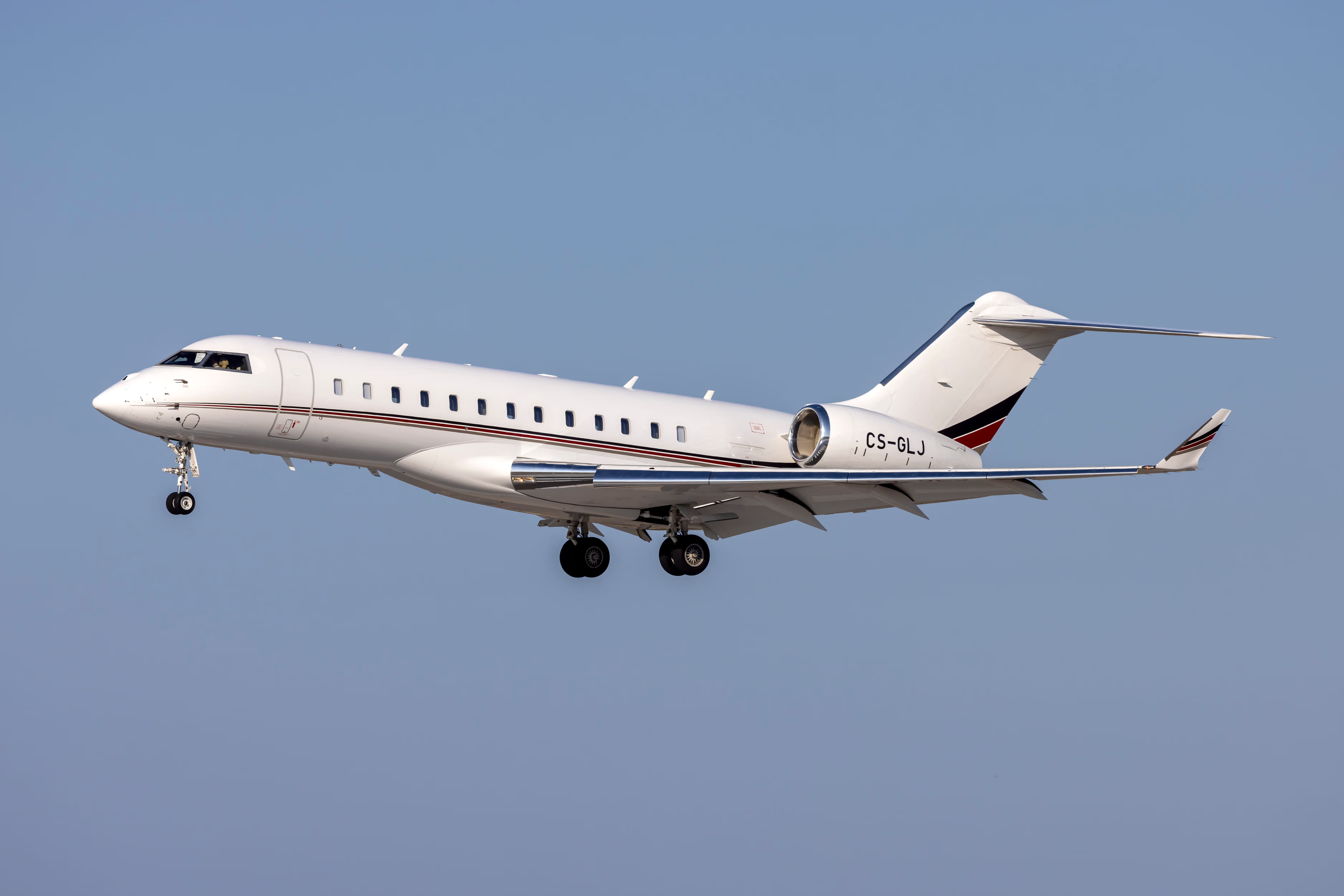
Private aviation programs may look similar on the surface, but the underlying models are fundamentally different. Understanding those differences matters most once flying patterns change — which they almost always do.
This page breaks down how Jettly, NetJets, and Flexjet compare where it counts.
NetJets / Flexjet
Jettly
What changes:
With Jettly, access adapts to your life — not the other way around.
NetJets / Flexjet
Jettly
What changes:
Capital stays liquid instead of being locked into an aircraft share.
NetJets / Flexjet
Jettly
What changes:
The aircraft fits the mission — not the program.
NetJets / Flexjet
Jettly
What changes:
You’re not pressured to fly just to justify sunk costs.
NetJets / Flexjet
Jettly
What changes:
Lower usage doesn’t create financial drag.
NetJets / Flexjet
Jettly
What changes:
Leaving doesn’t require finding a buyer.
Fractional ownership programs were designed for a time when access was scarce and flexibility was secondary. Modern private aviation prioritizes adaptability, capital efficiency, and optionality.
That’s the difference between ownership-era programs and access-first models.
If you’re evaluating whether long-term fractional ownership still fits how you fly today, explore how modern private jet access works — and why many travelers are making the switch.
Share this post:
Jay Franco
Jan 13, 2026
|
5
min read
Discover tips and trends in the industry.

5
min read
Fokker F100 for Sale: Buying, Chartering, and Operating the Classic Regional Jet
The Fokker F100 is a versatile regional jet available for purchase or charter. With a capacity of up to 122 passengers, it offers a cost-effective solution for organizations needing reliable air travel. This guide explores the intricacies of buying, chartering, and operating the Fokker 100, helping you make an informed decision.
Read More
5
min read
N701DB Gulfstream G-IV Heavy Jet: Registration, Ownership & Charter Guide
The N701DB is a 1987 Gulfstream G-IV heavy jet known for its impressive range and speed, making it a popular choice for private charters. With advanced avionics and spacious cabins, it caters to both executive and group travel needs. Available for charter through Jettly, this aircraft offers a seamless booking experience and instant pricing for travelers seeking luxury in the skies.
Read MoreStay updated with our latest insights and tips to elevate your journey with us.
MEMBERSHIPS AND ASSOCIATIONS



Disclaimer: Jettly operates as a charter broker, offering access to a global digital jet charter marketplace. Jettly is not a direct air carrier and does not own or operate aircraft. All advertised flights are conducted by third-party air carriers that are fully licensed and hold the appropriate Part 135 or Part 121 certifications issued by the Federal Aviation Administration (FAA) or equivalent regulatory authorities under U.S. or foreign law. Jettly complies fully with the U.S. Department of Transportation's Part 295 and Part 298 Charter Broker regulations. Jettly does not carry additional liability insurance. Passengers are covered by aircraft operator insurance. TICO: 50023770


